Stefano Cantino Appointed Co-CEO in a New Chapter of Grow – D&G

May 27, 2026
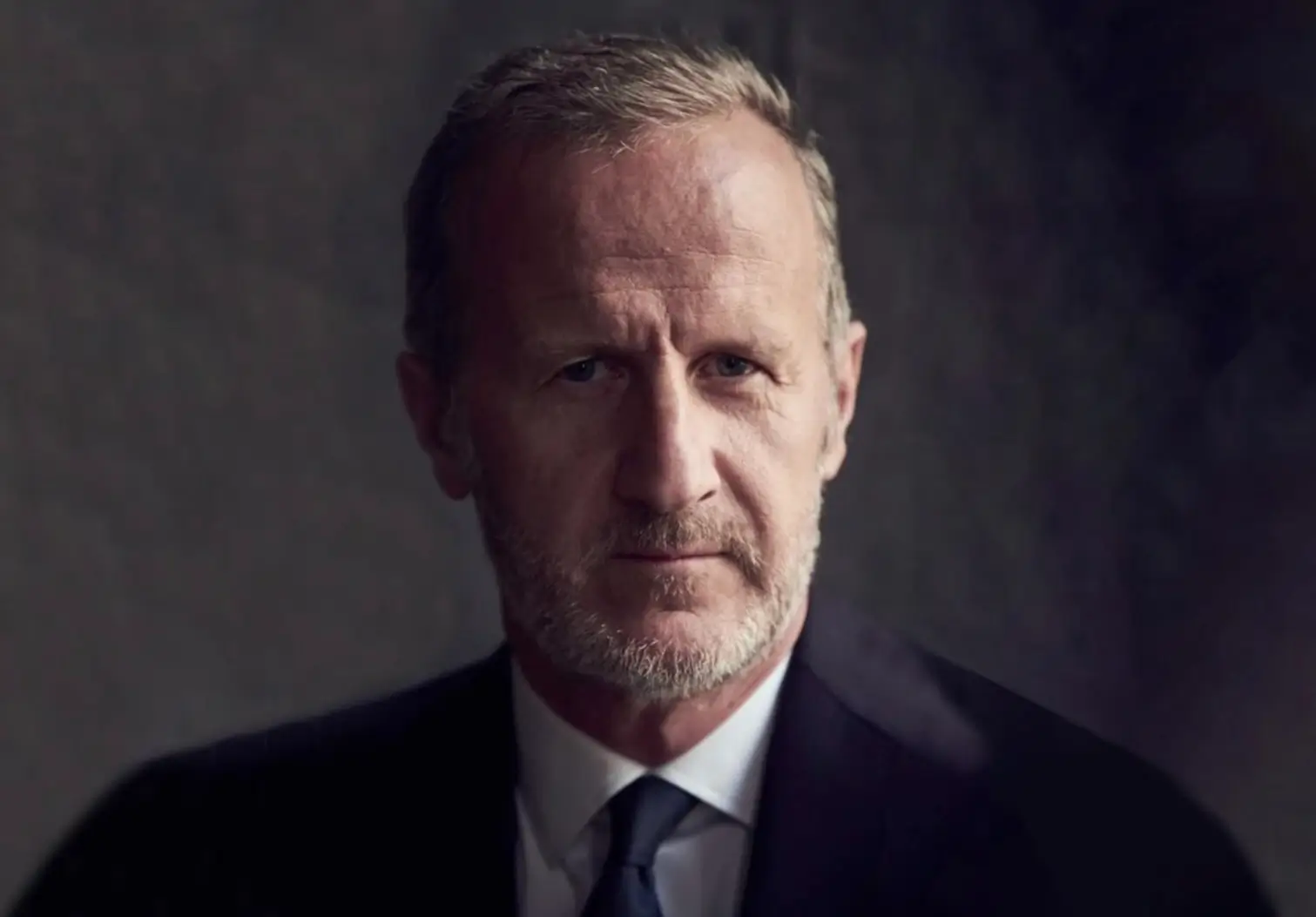
In a significant move that signals both continuity and fresh momentum for one of Italy’s most iconic fashion houses, Dolce & Gabbana has appointed Stefano Cantino as co-chief executive officer. Effective immediately as of April 13, 2026, Cantino joins Alfonso Dolce, who serves as chairman and CEO, in steering the company through a complex luxury market landscape marked by softening demand in core fashion segments and ambitious expansion into lifestyle categories.
“I am pleased to have Stefano Cantino by my side in this new phase of growth and development of Dolce & Gabbana,” said Alfonso Dolce, the brother of co-founder Domenico Dolce. This appointment comes amid a broader leadership restructuring at the company, following Stefano Gabbana’s decision to step down as chairman while remaining involved creatively.
View this post on Instagram
stir
The global haute sector has faced notable challenges in recent years. Post-pandemic recovery gave way to economic uncertainties, fluctuating consumer confidence in key markets like China and Europe, and a shift in spending priorities among high-net-worth individuals. Many conglomerates have reported slower growth in ready-to-wear and accessories, prompting a pivot toward more resilient categories such as beauty, wellness, and experiential retail.
Dolce & Gabbana, which remains proudly independent, reported revenues of approximately €1.9 billion for the fiscal year ending March 2025, reflecting modest 4% growth despite pressures. Wholesale channels provided a buffer with 11% growth, while retail faced a 3% contraction amid weaker demand in Europe and parts of Asia. The Middle East, South America, and select emerging markets offered some offset.
This backdrop makes Cantino’s appointment particularly strategic. His extensive experience across communications, marketing, merchandising, and operational leadership at powerhouse brands positions him to help D&G navigate these challenges while capitalizing on opportunities in diversification.
flow
Stefano Cantino brings a formidable track record to Dolce & Gabbana. A political science graduate from the University of Turin, his career spans over two decades at Prada Group, where he held progressively senior roles in business development, merchandising, marketing, communications, and even industrial processes. He was deeply involved in retail strategies and supply chain optimization, contributing to Prada’s evolution as a global luxury leader.
In 2018 (or around 2019 per varying timelines), Cantino joined Louis Vuitton as Senior Vice President of Communications and Image. Recruited by then-chairman and CEO Michael Burke, his remit extended far beyond traditional PR. It encompassed high-profile events, fashion spectacles (such as Pharrell Williams’ memorable debut), museum exhibitions, and retail touchpoints that reinforced the brand’s culture relevance. Under his influence, LV’s communications apparatus helped sustain its position as a €20+ billion powerhouse.
Cantino then moved to Gucci in May 2024 as Deputy CEO, stepping into the full CEO role in January 2025. His tenure at Gucci, though relatively brief (ending in September 2025), occurred during a transitional period for Kering’s flagship brand. He focused on stabilizing operations, refreshing brand narratives, and addressing post-pandemic market dynamics before Francesca Bellettini assumed leadership.
This blend of deep Italian luxury roots (Prada), French maison scale (LV), and turnaround exposure (Gucci) makes Cantino an ideal fit for D&G’s current ambitions. His expertise in bridging creative heritage with commercial scalability will be crucial.
stew
Alfonso Dolce has been instrumental in the company’s operational backbone since its early days. Starting in 1984 alongside his brother Domenico and Stefano Gabbana, he managed production through Dolce Saverio S.p.A. and later Dolce & Gabbana Industria. His permanent move to Milan in 1987 allowed him to oversee organizational growth, production excellence, and diversification beyond apparel into accessories, watches, jewelry, and lifestyle extensions.
As CEO and now chairman, Alfonso has championed the brand’s “Made in Italy” ethos—emphasizing craftsmanship, territorial districts, and partnerships with excellent Italian suppliers. He has spoken extensively about evolving Dolce & Gabbana from a fashion brand into a comprehensive lifestyle company while preserving its Sicilian-Italian soul.
The co-CEO structure creates a balanced leadership model: Alfonso providing strategic continuity and family vision, Cantino injecting external expertise in global execution and brand elevation.
scope
The appointment explicitly supports D&G’s evolution “from a fashion brand to a lifestyle company.” This is not mere rhetoric. The company has aggressively invested in several pillars:
Beauty Division as Growth Engine: D&G Beauty is a standout success story. The company aims to grow its beauty retail value from around €1 billion to €3 billion by 2026. In 2025, it secured €150 million in new financing to fuel this expansion, including new fragrance pillars, skincare entry, and makeup redesign. Beauty offers higher margins and resilience compared to cyclical fashion. Gianluca Toniolo has led beauty operations with notable success since the company took direct control.
Dolce & Gabbana Casa: Home furnishings and interior design represent another lifestyle frontier, leveraging the brand’s opulent aesthetic for furniture, tableware, and collaborations.
Experiential and Cultural Initiatives: Alta Moda, Alta Sartoria, and destination shows continue to blend theater with craftsmanship. Events in Sicily and beyond reinforce cultural storytelling.
Food & Beverage and Licensing: Selective partnerships maintain brand prestige while generating revenue.
Sustainability and Heritage: The brand has committed to fur-free futures while investing in artisanal supply chains. Alfonso Dolce has received recognition for craftsmanship preservation.
Cantino’s background in events, retail touchpoints, and communications will likely amplify these areas—particularly digital engagement, global events, and omnichannel experiences.
comp
Dolce & Gabbana occupies a unique space in luxury: unapologetically Italian, sensual, and maximalist in an era increasingly favoring subtle luxury or tech-driven minimalism. Its core clientele appreciates bold prints, Sicilian motifs, tailoring excellence, and celebrity appeal.
Competitors like Gucci (under new leadership), Prada, and LVMH houses have pursued different paths—some through heavy digital innovation, others via acquisitions. D&G’s independence is both a strength (agility in decision-making) and a challenge (access to capital). The recent debt refinancing and beauty focus suggest a deliberate strategy to strengthen the balance sheet without ceding control.
Challenges remain: Retail softness, geopolitical uncertainties (including impressions from conflicts affecting travel retail), and generational shifts in haute consumption. Younger consumers demand authenticity, sustainability credentials, and digital-native experiences.
fwd
Experts anticipate several focus areas:
- Brand Communications Refresh: Leveraging his LV and Gucci experience to create more cohesive global narratives that resonate across generations while staying true to Domenico and Stefano’s creative vision.
- Retail and Merchandising Optimization: Applying lessons from Prada and LV to enhance store experiences and product assortment, particularly in underperforming regions.
- Lifestyle Synergies: Better integration between fashion, beauty, and Casa collections for cross-selling and immersive retail concepts.
- Talent and Organizational Development: Strengthening teams to support scaled ambitions, especially in beauty and international markets.
- Digital and E-commerce Acceleration: Modernizing online presence without diluting the brand’s theatrical DNA.
The co-CEO model is relatively rare but has precedents in family-led luxury houses seeking professionalization while retaining heritage control.
sum
Dolce & Gabbana enters this new phase with strong fundamentals—iconic creative direction from Domenico Dolce and Stefano Gabbana, robust production capabilities in Italy, and growing non-fashion revenue streams. Cantino’s appointment could accelerate international growth, particularly in the Americas and Asia, while deepening Middle Eastern and emerging market penetration.
Risks include execution in a volatile economy, maintaining creative authenticity amid professionalization, and managing the complexities of a co-leadership structure. However, the complementary skill sets of Alfonso Dolce and Stefano Cantino suggest a thoughtful approach to these dynamics.
In the broader narrative of Italian haute, this move reinforces Dolce & Gabbana’s commitment to independence and evolution on its own terms. As the brand celebrates its Sicilian roots and global aspirations, the leadership update positions it to thrive in the next decade—not just as a fashion house, but as a culture lifestyle emblem of Italian excellence.
Related Articles
Rose Byrne and Mary Bronstein Are Doing It Again, and This Time They Brought Jenna Ortega
A coach and her prodigy are about to become the most dangerous relationship in a […]