Woven Elegance: The Story of the Italian Leather Handwoven Mini Hobo Bag

April 27, 2025
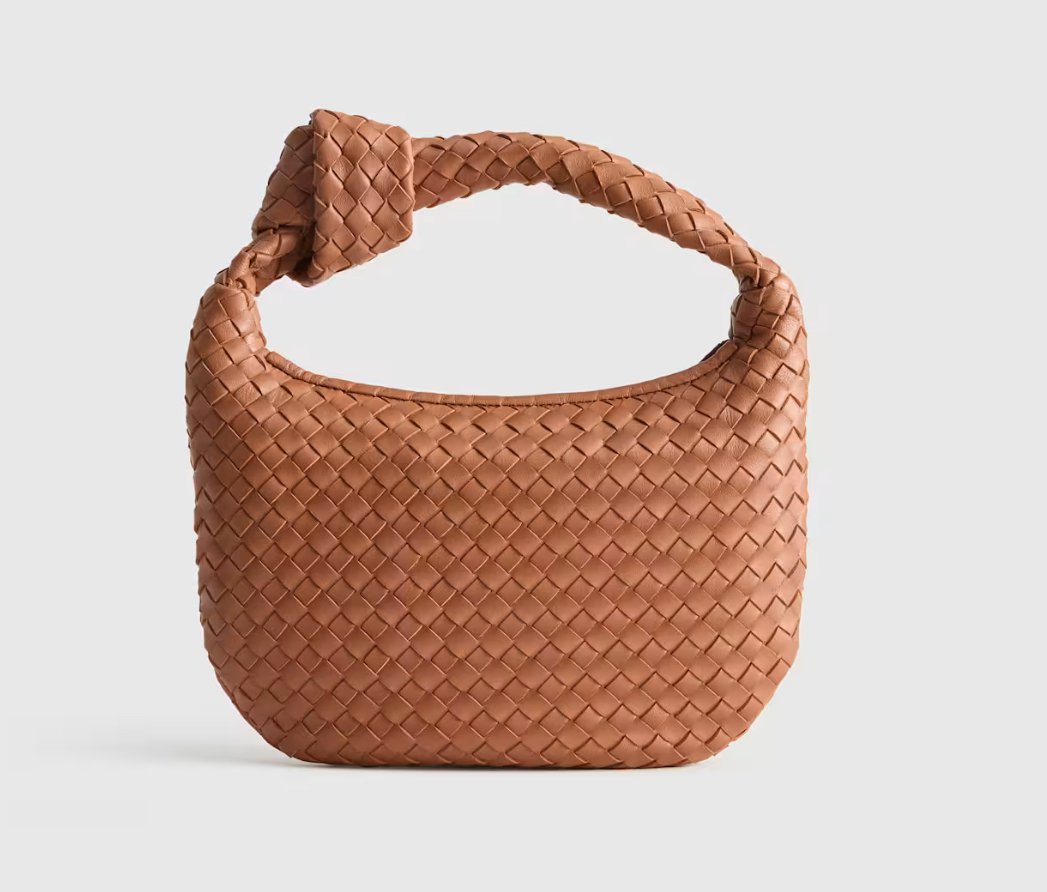
Long before the world grew accustomed to fast fashion and automated production, Italy forged a reputation for artisanal excellence, particularly in the realm of leatherwork. Dating back to the Roman Empire and flourishing during the Renaissance, Italian leather craftsmanship emerged as a marriage between natural resources, technical mastery, and artistic sensibility. In Tuscany’s ancient tanneries, artisans developed vegetable tanning methods — a time-intensive process that infused leather with deep, earthy character. It is from this profound tradition that the Italian Leather Handwoven Mini Hobo Bag draws its soul.
Material: A Reverence for Full-Grain Leather
The journey of each handwoven mini hobo bag begins with an exacting selection of materials. Only the highest quality full-grain leather — the outermost, most durable part of the hide — is deemed worthy. Each piece retains the hide’s natural imperfections, giving every finished bag an individuality that no synthetic material could replicate. Treated with natural vegetable tannins, the leather is allowed to breathe, soften, and darken over time, acquiring a patina that narrates its owner’s story with every crease and deepening hue.
The Art of Handweaving: A Dialogue Between Hand and Material
Handweaving leather is a discipline that blends patience, strength, and intuition. It is a tactile dialogue — the artisan listens to how the leather stretches, folds, and holds tension. Each weave must balance resilience with fluidity, structure with suppleness. No machinery can replicate this tactile intelligence. The woven surface of the bag, alive with texture and subtle play of light and shadow, reflects hours of meticulous handwork. The result is a living skin of craftsmanship, each strand integral to the bag’s strength and spirit.
The Mini Hobo Silhouette: A Study in Casual Refinement
The hobo bag, named for its crescent shape and slouchy, easy form, originated as a symbol of relaxed, bohemian luxury in the 20th century. The Mini Hobo refines this spirit, distilling it into a smaller, more intimate scale without sacrificing fluidity. Softly collapsing into itself when not filled, the mini hobo clings naturally to the body, becoming a second skin rather than a rigid object. Its shape embodies a graceful nonchalance — at once sophisticated and effortless.
Function Meets Form: Practicality in Every Detail
Despite its artisanal construction, the Italian Leather Handwoven Mini Hobo Bag is no mere ornamental piece. It is designed for modern life. A carefully engineered opening offers easy access while safeguarding essentials. Minimal yet purposeful hardware, often rendered in brushed brass or muted tones, enhances rather than interrupts the bag’s organic beauty. Interiors are lined in smooth suede or lambskin, adding another layer of tactile luxury. Every detail, visible or hidden, speaks of thoughtful consideration rather than mass-market compromise.
Service as Ceremony: The Personal Touch
The experience of acquiring such a bag is itself a journey. Many ateliers offering these bags operate on a made-to-order or limited-release basis. Clients may select from an array of naturally dyed leathers — shades of ochre, deep forest green, muted navy, or classic black — customizing their future heirloom to personal taste. Knowledgeable artisans or boutique associates guide buyers through the history and care of the piece, forging a relationship that feels more like the adoption of a legacy than a purchase.
Sustainability and Longevity: A Testament Against Disposable Fashion
Unlike disposable accessories designed to expire with seasonal trends, a handwoven leather hobo bag is crafted for decades of use. Full-grain vegetable-tanned leather grows richer with age rather than deteriorating. Surface scuffs can be polished away by hand; warps in form naturally correct themselves with time and wear. Properly maintained — with occasional conditioning and protection from prolonged moisture — such a bag not only survives but flourishes across a lifetime. It becomes a tactile diary, chronicling travels, rituals, and rites of passage.
The Cultural Resonance of Handwoven Leather
Owning a handwoven Italian mini hobo bag signals more than aesthetic preference. It communicates values: a respect for slowness, for human hands over machines, for quality over quantity. In an era of accelerated obsolescence, such an object reaffirms that true luxury resides not in logos, but in authenticity. The act of carrying it becomes a quiet declaration of taste — one that reveres history, material integrity, and personal connection.
The Bag as Companion: A Living Object
Over time, the Italian Leather Handwoven Mini Hobo Bag transcends its role as an accessory. It becomes a trusted companion, its fibers subtly shaped by the curve of a wrist, the crook of an elbow, the swing of a shoulder. Its woven surface maps the pressures and movements of life, softening into the shape of its owner’s world. It absorbs touch, sunlight, and time, not as damages to be erased but as signatures to be celebrated.
The Eternal Allure of Craft
In the Italian Leather Handwoven Mini Hobo Bag, artistry and functionality converge. It is not just a fashion statement but a work of living heritage — a thread running from Renaissance Florence through to the conscious consumer of today. Every weave, every stitch, every slight variation speaks of human presence and patient craftsmanship. In a disposable age, it endures as a symbol of what cannot be rushed, replaced, or replicated.
Related Articles

Hyrule’s Cutting Room Floor: The Scrapped Ocarina of Time Ideas That Could Save the Switch 2 Remake
A muted Direct reveal has fans nervous. Decades of cut content sitting in Nintendo’s archive […]