DRIFT AUDIO
Listen to this story
Choose a voice, then press play.
index
- A Milestone in Zara’s Chinese Journey
- Inside the Five-Storey Immersive Concept
- Broader Context: Inditex’s China Strategy and Retail Evolution
- The Cultural and Economic Significance
- What It Means for Shoppers and the Industry
- A New Standard for Zara in Asia
We explore Zara’s bold new chapter in China through its latest flagship store on Shanghai’s Middle Huaihai Road. The five-storey space introduces the brand’s latest retail concept in China, blending immersive design, strategic zoning, and a deep nod to the evolving expectations of Chinese consumers.
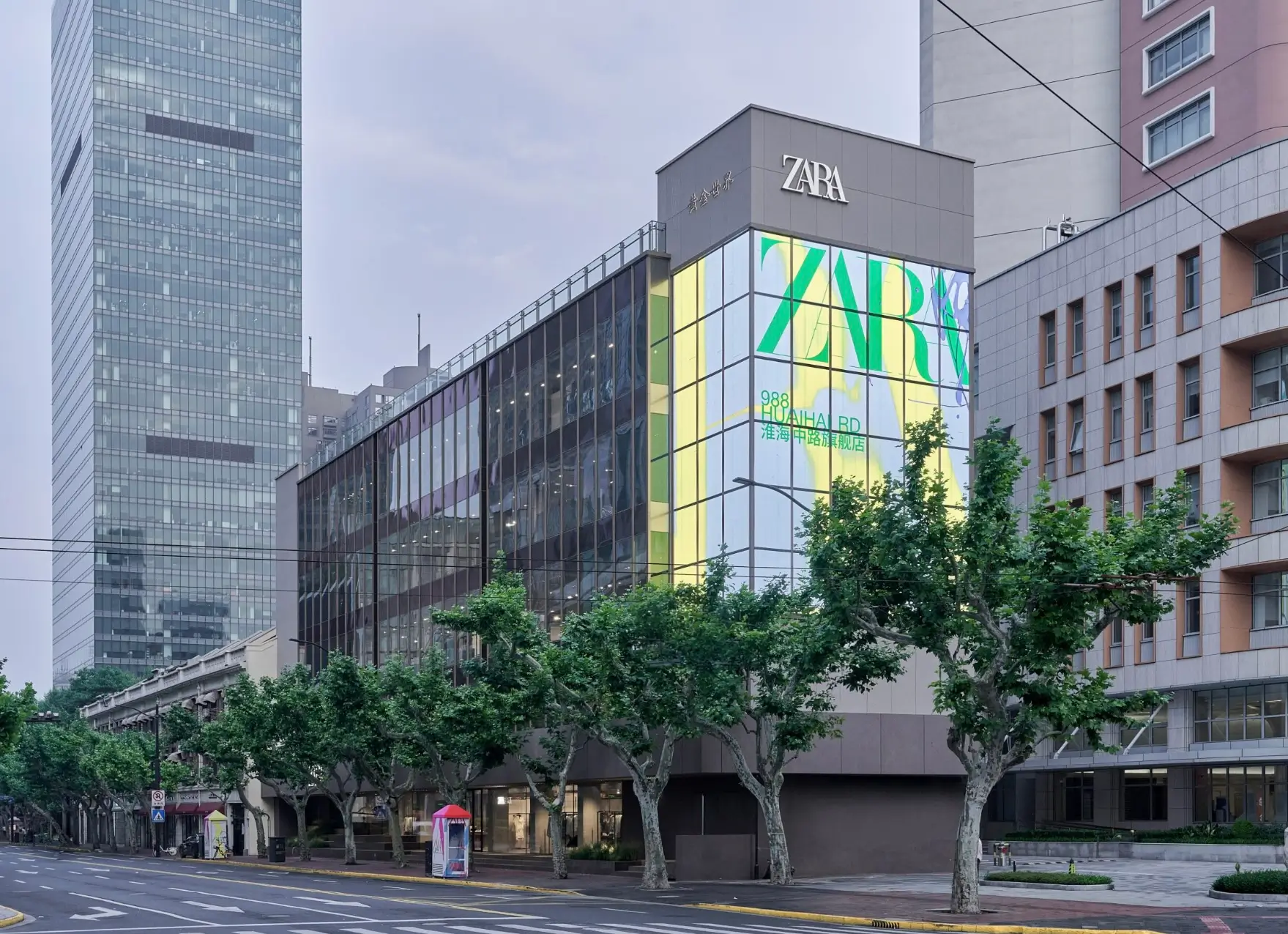
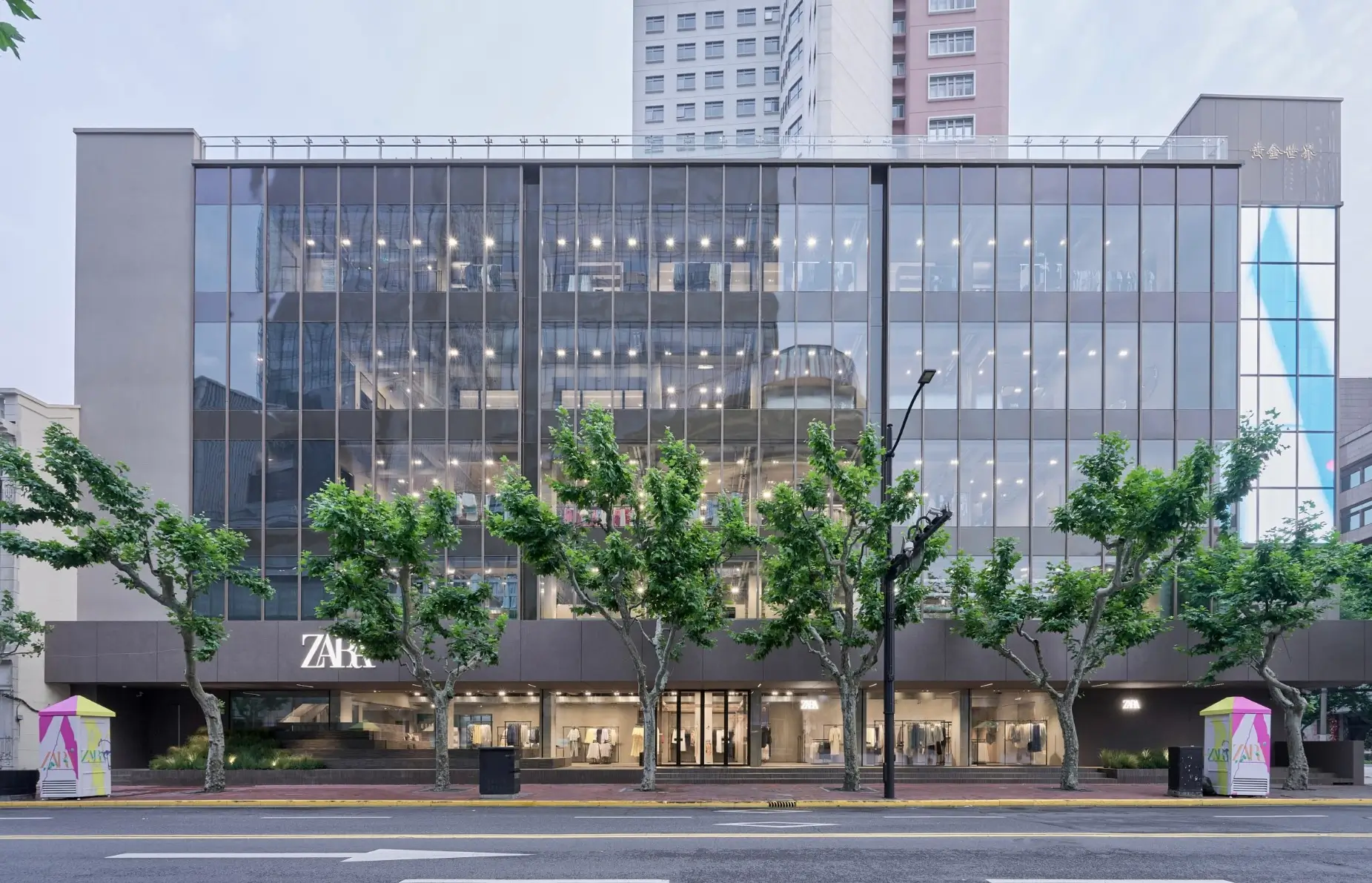
Zara has unveiled its new flagship store on Shanghai’s Middle Huaihai Road, marking a significant milestone as the brand celebrates 20 years in mainland China. Located in one of the city’s most prominent retail districts, the new space introduces Zara’s latest store concept, designed to offer a more immersive shopping experience for both local customers and international visitors.
Spanning nearly 2,000 square meters across five floors at No. 988 Middle Huaihai Road in Xuhui District, this flagship represents Inditex’s continued investment in premium, large-format stores amid a broader global strategy of store optimization. Opened in early June 2026, it arrives as Zara refines its physical presence in China, focusing on high-impact locations while adapting to a market that values experiential retail alongside speed and affordability.
View this post on Instagram
stir
Zara first entered mainland China in 2006, quickly becoming a staple for fashion-conscious shoppers drawn to its fast-turnaround trends and accessible pricing. Two decades later, this Shanghai flagship underscores the brand’s maturation in the region. It follows earlier upgrades such as the Nanjing Road flagship and builds on the innovative Nanjing Xinjiekou store, which introduced more experiential elements including content creation studios and integrated public spaces.
Eugenio Bregolat, president of Inditex Greater China, highlighted the opening as a key milestone. The store embodies Inditex’s multi-year repositioning: reducing overall store count while expanding selling space and productivity in flagship formats. In recent financial reports, Inditex has shown solid sales growth, channeling capital expenditures toward commercial optimization, logistics, and digital-physical integration.
Huaihai Road itself provides a fitting stage for this launch. Often compared to Paris’s Champs-Élysées or New York’s Fifth Avenue in its local context, the boulevard pulses with history, luxury, and everyday vitality. It is a corridor where heritage architecture meets contemporary commerce, making it ideal for Zara to assert its evolving identity—not just as a fast fashion leader, but as a lifestyle destination attuned to Shanghai’s cosmopolitan rhythm.
The timing aligns with broader momentum in Chinese retail. As consumers in major cities like Shanghai seek more than transactional shopping, brands are investing in environments that encourage longer visits and emotional connections. Zara’s move here signals confidence in the enduring appeal of physical retail even as digital channels expand.
flow
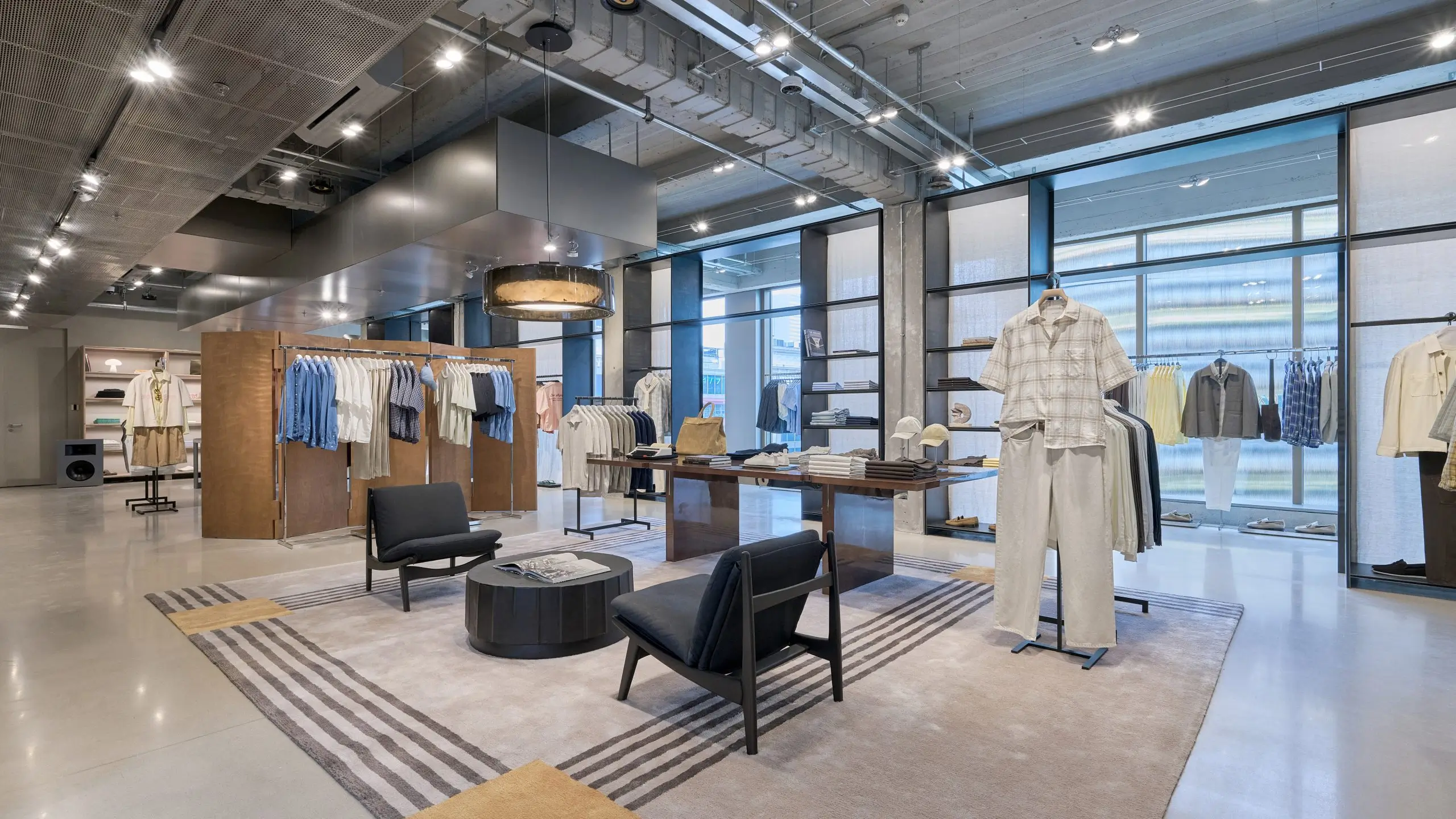
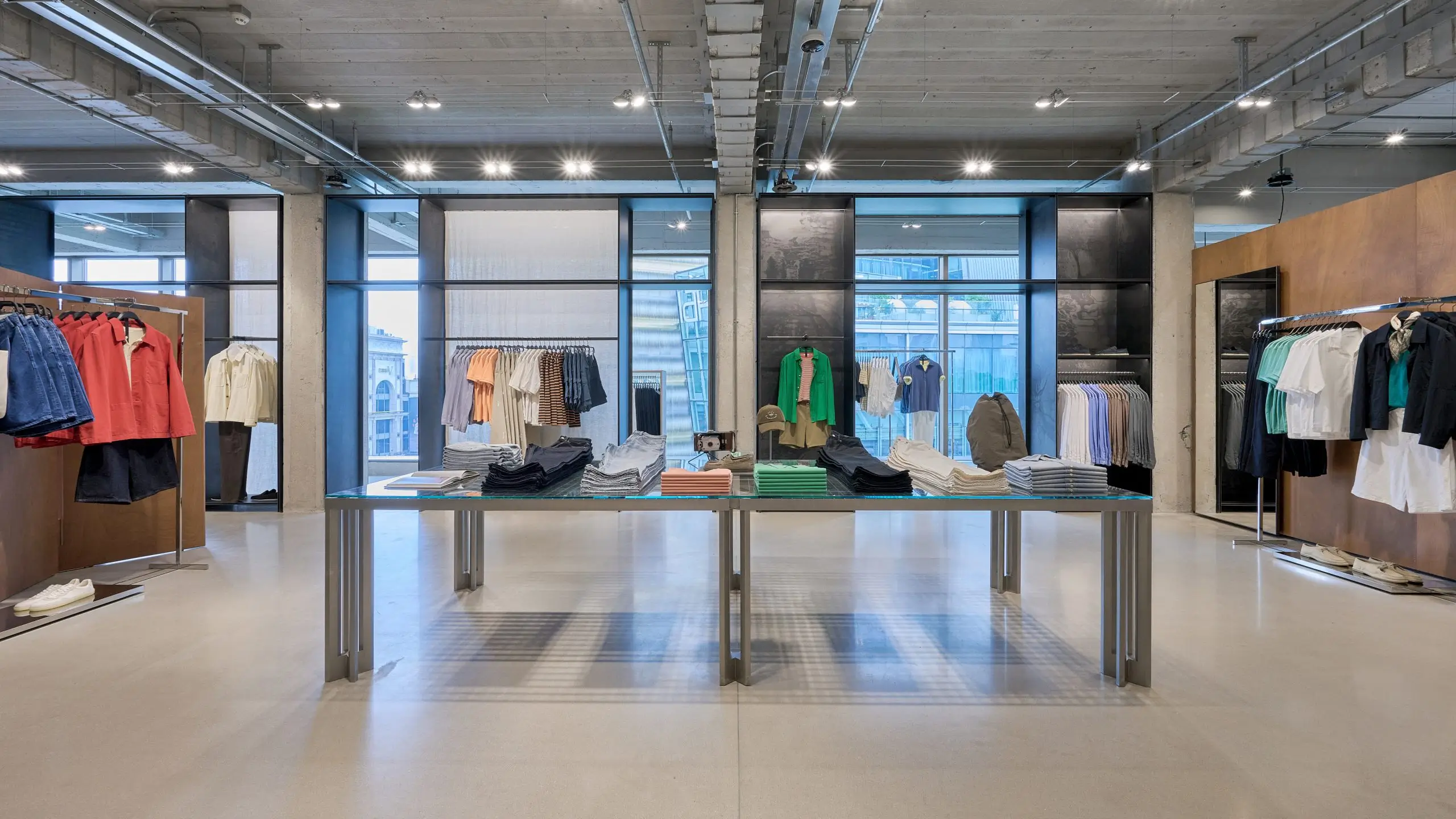
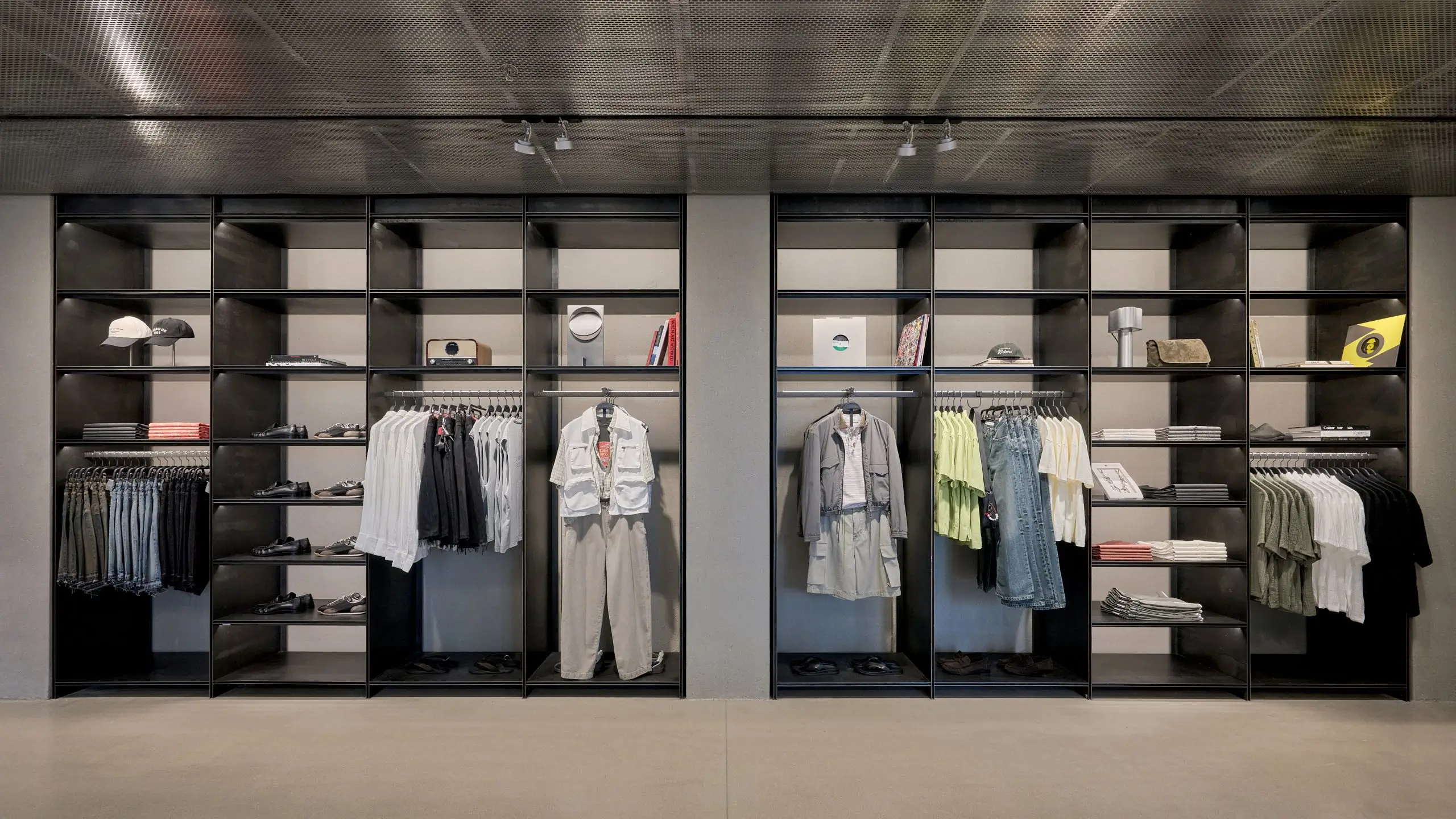
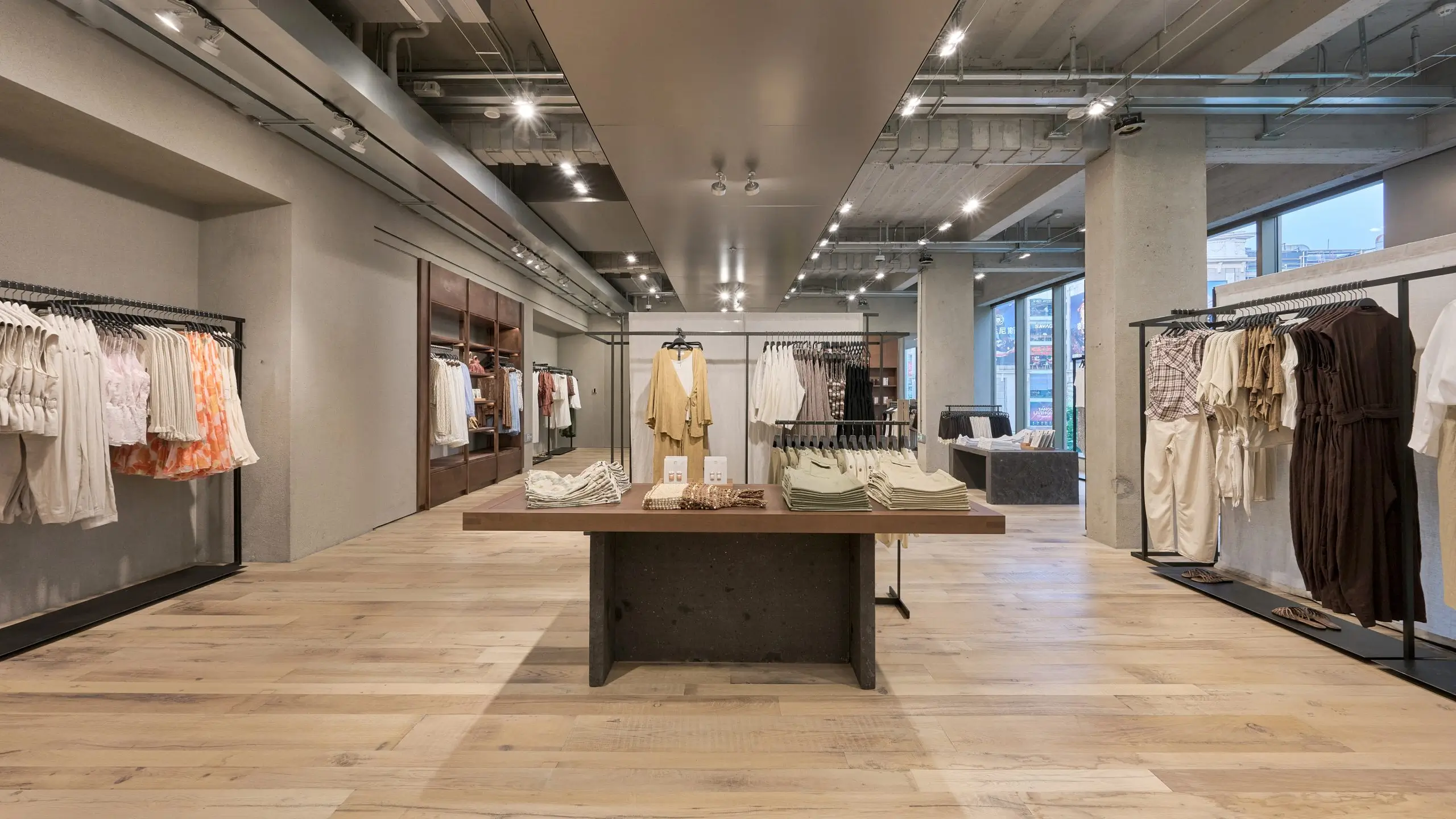
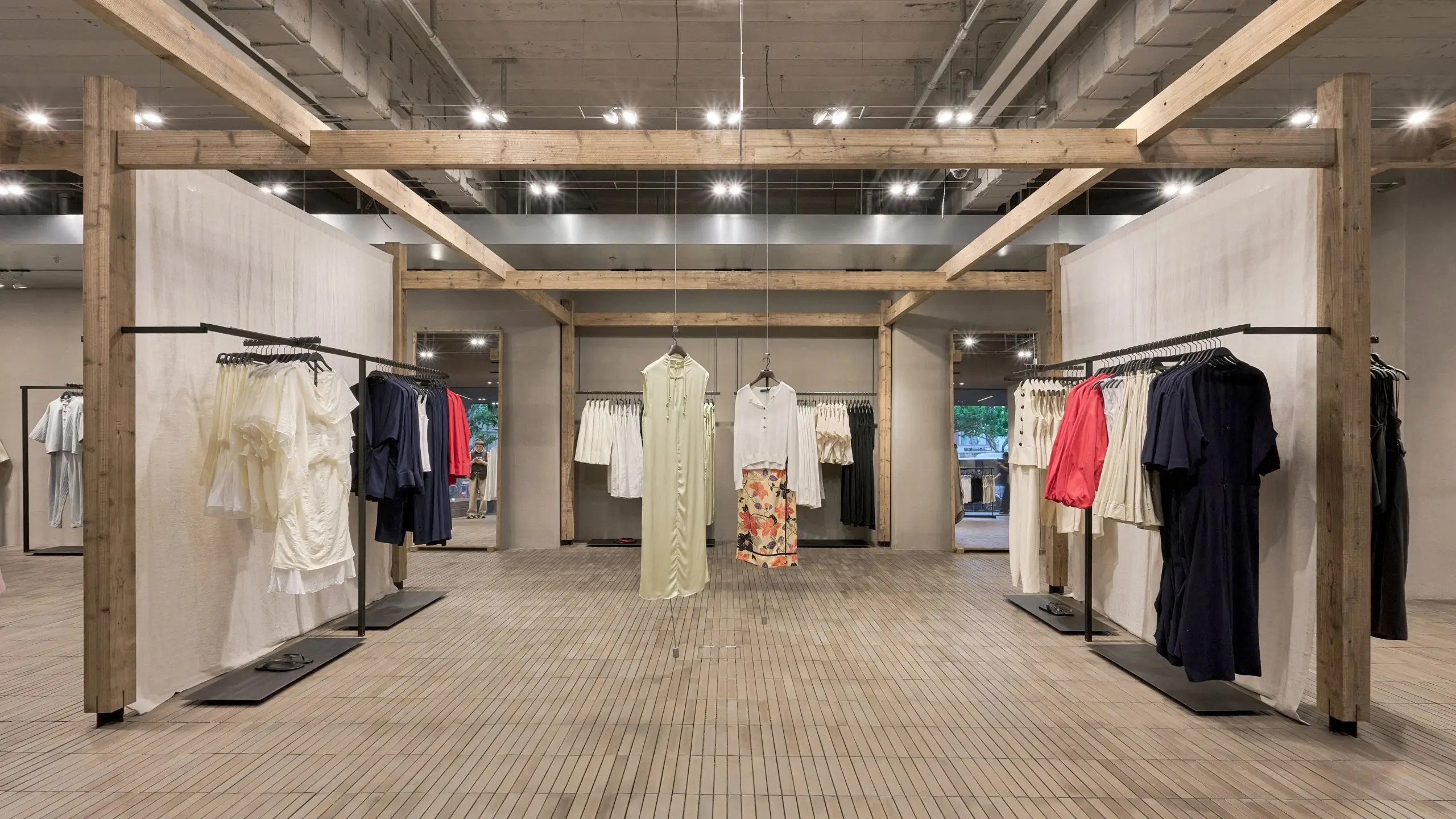
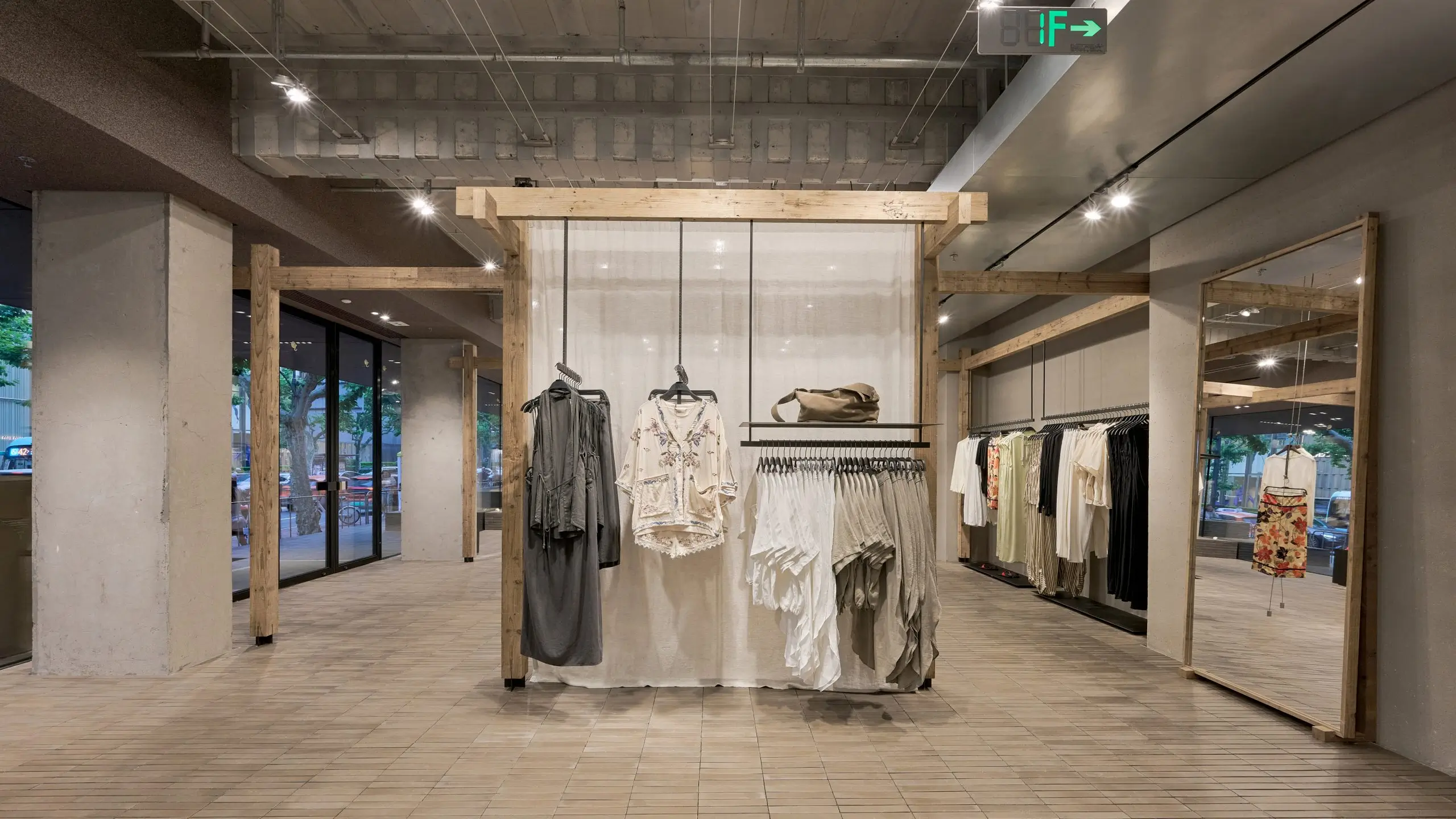
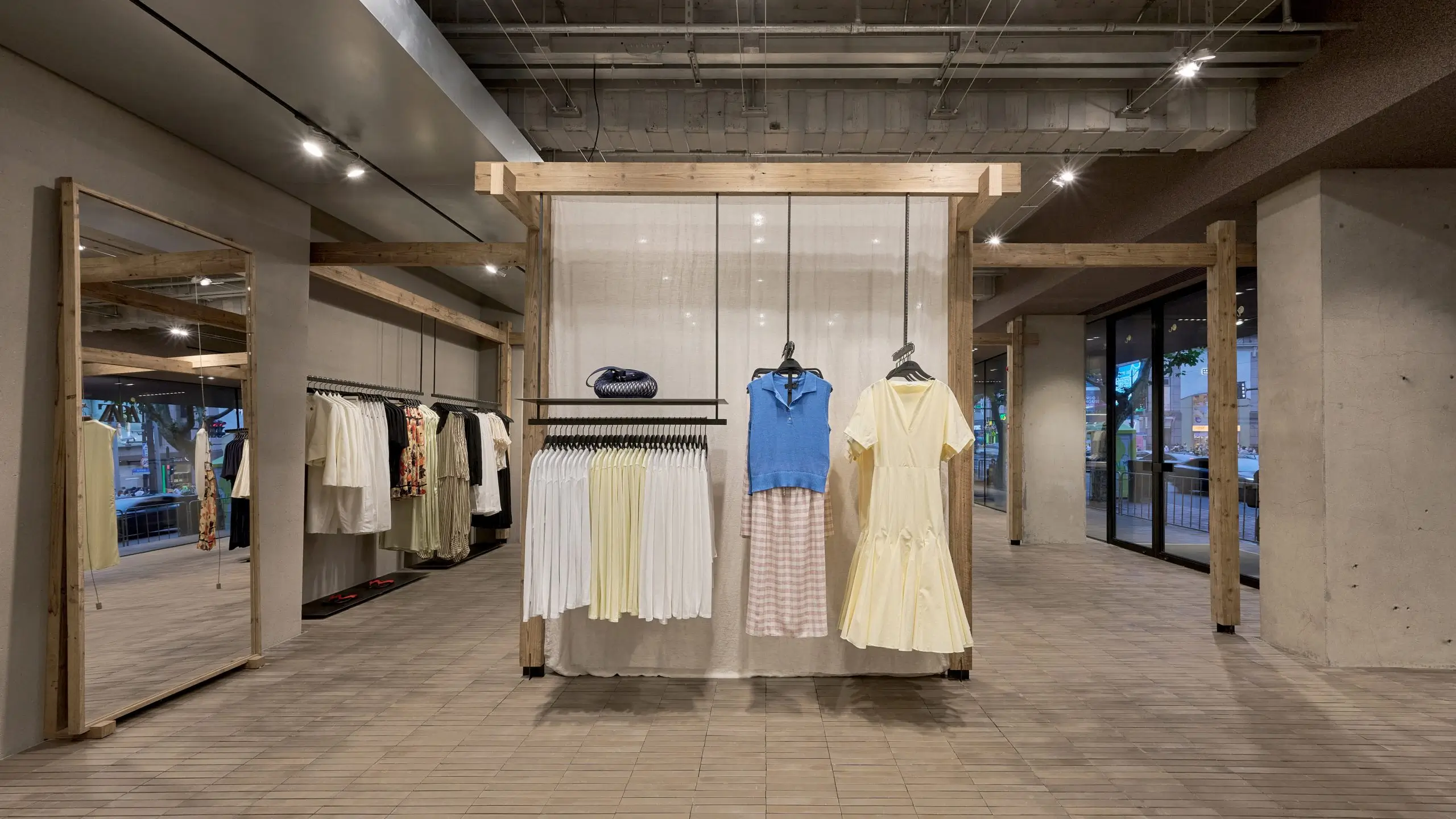
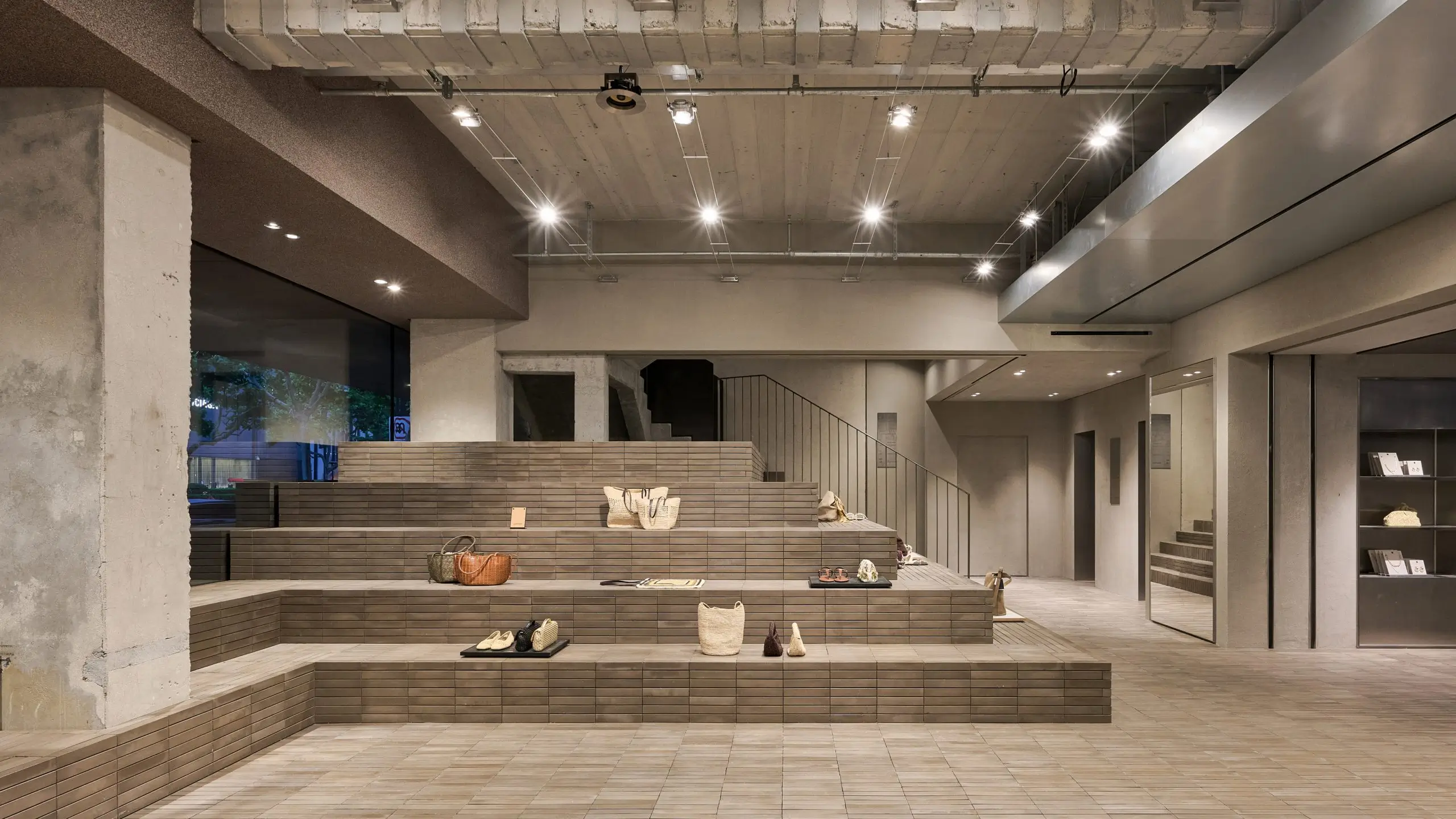
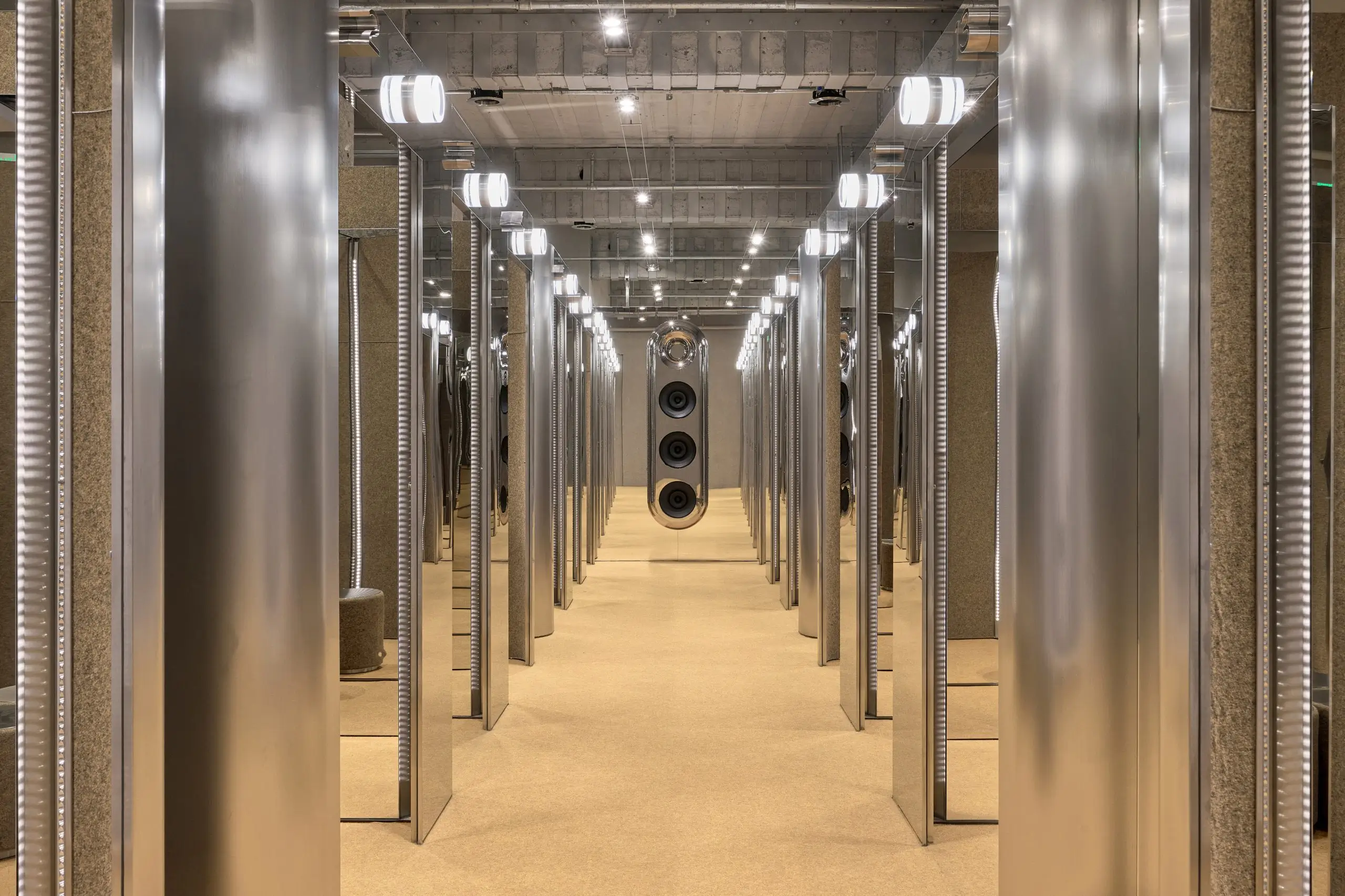
Designed by Zara’s in-house Architecture Studio in collaboration with Shanghai-based AIM Architecture, the store prioritizes openness, natural light, and curated sightlines over dense rack packing. Modern architectural details, clean lines, and thoughtful zoning create an environment that encourages exploration and lingering rather than hurried browsing.
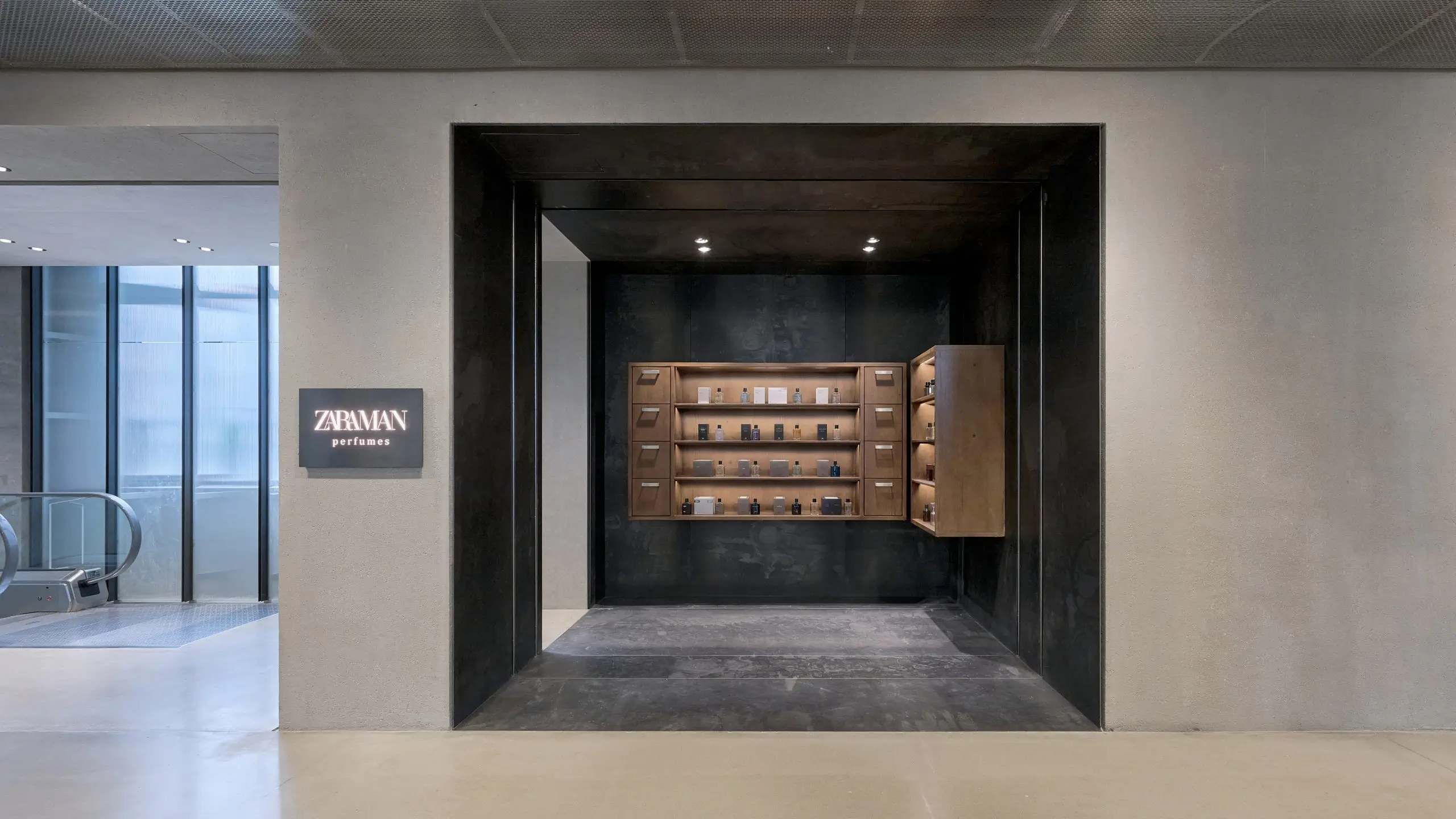
The layout dedicates space across the five floors to full women’s and men’s collections, with specialized areas for shoes and bags, Athleticz sportswear, an elevated fragrance section, and the boutique-style Zara Salon for more personalized or premium experiences. Sustainable and service-oriented touches include clothing recycling points, self-checkout options, assisted returns, and smart in-store services that blend efficiency with hospitality. Atmospheric design elements feature open layouts filled with natural light, refined materials, and modern details that elevate the space beyond transactional retail into something more cultural and sensory.
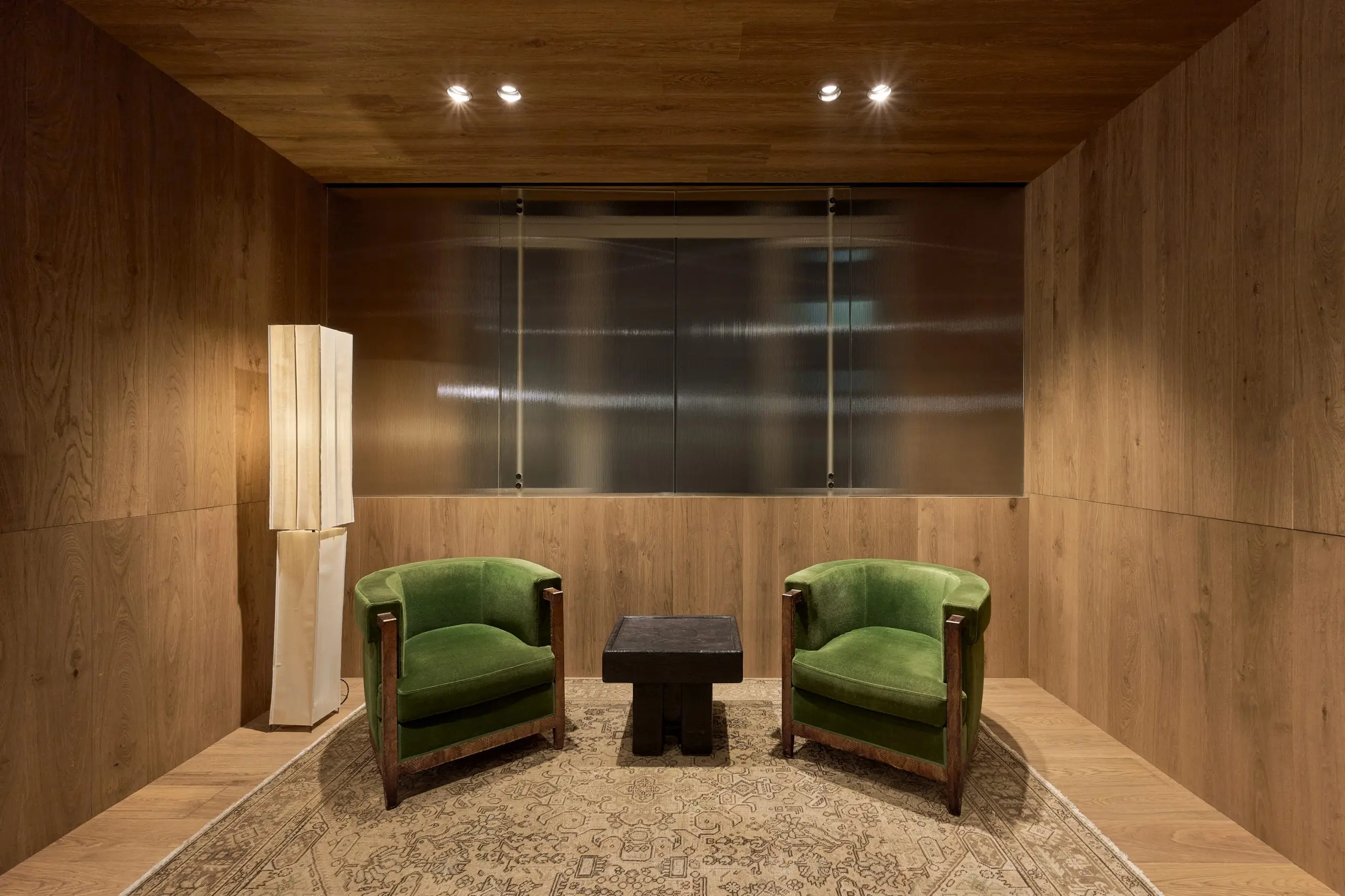
This concept aligns with Zara’s global evolution toward stores as destinations. Rather than maximizing the number of items per square meter, the design fosters discovery through curated vignettes, comfortable lounging areas, and sightlines that draw the eye through the vertical journey of the five floors. It echoes broader retail trends where physical spaces compete with e-commerce by offering tangibility, community, and memorable moments.
Visitors experience seamless navigation between categories while enjoying moments of pause, perhaps trying on Athleticz activewear in a dedicated zone or exploring fragrances in a more intimate setting. The Zara Salon likely offers elevated styling or private shopping appointments, bridging the gap between high-street accessibility and luxury-like service. This approach is particularly smart in a market where consumers increasingly seek differentiation and personalized attention.
The vertical format makes efficient use of urban density, creating a multi-level journey that feels both dynamic and intuitive. Each floor reveals new dimensions of the collections, with sightlines connecting the spaces to maintain a sense of continuity and invitation to explore further.
evolve
This opening does not exist in isolation. Inditex has been streamlining its global portfolio by closing underperforming locations while super-sizing flagships in key markets. In China, amid shifting consumer preferences toward quality, sustainability, and experiences, Zara is betting on depth over breadth. The brand maintains a significant presence but focuses resources on high-visibility urban hubs like Shanghai.
Huaihai Road’s new Zara joins other premium developments in the area, signaling confidence in Shanghai’s status as a fashion capital. Nearby expansions by other Inditex brands such as Massimo Dutti further reinforce the group’s multi-brand strength in this vibrant district.
From a design perspective, the collaboration with AIM Architecture brings valuable local insight. The firm, known for projects that blend European sensibility with Chinese urban dynamics, helps tailor the global concept to Shanghai’s specific context. The result is a store that feels both internationally sophisticated and authentically rooted in its place.
This flagship also reflects Inditex’s wider technological and sustainability initiatives. Integration of digital tools for smoother shopping, combined with visible recycling infrastructure, demonstrates a forward-looking approach that resonates with younger Chinese consumers who balance trend awareness with growing environmental consciousness.
sig
For Shanghai, this store reinforces its position as a global retail powerhouse. Middle Huaihai Road thrives on a dynamic mix of international brands and local energy, attracting locals, expats, and tourists alike. Zara’s substantial investment here amplifies that ecosystem and contributes to the street’s reputation for cutting-edge retail experiences.
In the wider fashion landscape, Zara continues to navigate its identity beyond the traditional fast fashion label while advancing more responsible practices. Features like recycling points and a focus on durable, trend-responsive collections represent incremental but meaningful progress. Chinese consumers, who are increasingly discerning about brand values, are likely to respond positively to these elements even as they enjoy the excitement of frequent new arrivals.
The store mirrors China’s ongoing retail transformation. In the post-pandemic era, shoppers crave hybrid experiences that combine digital convenience with physical delight. Zara’s tech-enabled services and immersive layout address this duality effectively, positioning the brand to thrive in a competitive environment dominated by both local and international players.
Economically, the flagship supports local employment and contributes to the vitality of Xuhui District. It also serves as a cultural touchpoint, where fashion intersects with daily life in one of China’s most dynamic cities.
huh
For everyday visitors, the flagship promises a more enjoyable and efficient shopping journey. Spacious displays, thematic zones, and services that reduce friction replace the rushed navigations sometimes associated with traditional retail. Families, young professionals, and fashion enthusiasts can all find offerings tailored to their needs, whether everyday essentials, statement pieces, or specialized Athleticz gear for an active lifestyle.
Industry-wide, this exemplifies the ongoing shift toward experiential retail. As e-commerce platforms dominate convenience, brick-and-mortar leaders like Zara are investing heavily in atmosphere, storytelling, and sensory engagement. The five-storey vertical format maximizes impact in dense urban settings and could serve as a model for future expansions both in China and internationally.
Looking ahead, more such flagships are expected as Inditex executes its 2026 capital expenditure plans. Sustainability initiatives will likely gain further prominence, potentially including localized collections that incorporate Chinese cultural motifs or expanded circular economy programs.
new
This Shanghai flagship is more than an expansion; it is a clear statement of intent. Twenty years after first entering China, Zara reaffirms its commitment through thoughtful design, strategic location, and consumer-centric innovation. The collaboration between Zara’s Architecture Studio and AIM Architecture has delivered a space that feels contemporary yet timeless, efficient yet inviting.
As Shanghai’s streets continue to buzz with energy, the new store on Middle Huaihai Road stands as a beacon of fashion’s next phase, one where speed meets substance, commerce meets culture, and retail evolves into a lived experience. Whether a longtime Zara devotee or discovering the brand for the first time, this five-storey destination invites shoppers to linger, explore, and connect with fashion in fresh and meaningful ways.
In an era of rapid change, Zara’s latest concept proves that physical retail retains its unique magic, especially when reimagined with vision, local nuance, and a clear eye toward the future. For Shanghai and beyond, this flagship sets a new benchmark for what a modern fashion store can be.