Rolling Revolution: The ‘Pillbug’ That Challenged Automotive Norms

April 7, 2025
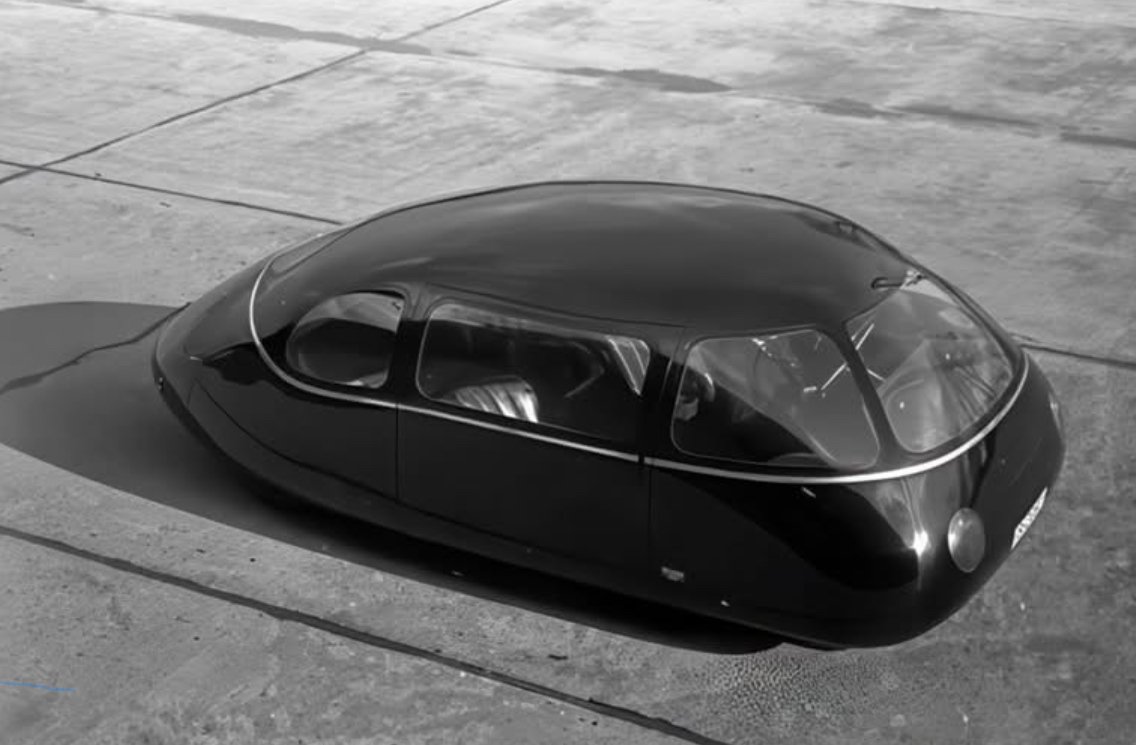
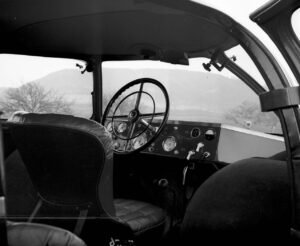
In 1939, German engineer Karl Schlör introduced the Schlörwagen, a prototype that redefined automotive aerodynamics. Unveiled at the Berlin Auto Show, this vehicle, affectionately nicknamed the “Pillbug” and the “Göttinger Egg,” showcased an innovative teardrop design aimed at minimizing air resistance and enhancing fuel efficiency.
Design and Aerodynamics
The Schlörwagen was built upon a modified Mercedes-Benz 170H chassis. Its body extended over the front wheels, resulting in a width of 2.10 meters, a length of 4.33 meters, and a height of 1.48 meters. This design allowed the wheels to be enclosed within the body, contributing to its streamlined shape.
The vehicle featured flush-mounted, curved windows and a closed underbody to further reduce drag. Despite its aluminum construction, the Schlörwagen was approximately 250 kilograms heavier than the original Mercedes 170H.
Wind tunnel tests conducted at the Aerodynamischen Versuchsanstalt (AVA) in Göttingen revealed a remarkable drag coefficient of 0.186, with subsequent tests by Volkswagen in the 1970s suggesting an even lower figure of 0.15.
Performance and Efficiency
The aerodynamic design translated into impressive performance metrics. The Schlörwagen achieved a top speed of approximately 135 km/h, surpassing the Mercedes 170H by 20 km/h. Fuel consumption was notably efficient, recording 8 liters per 100 kilometers, which was 20 to 40 percent less than the reference vehicle. These figures underscored the potential benefits of aerodynamic efficiency in automotive design.
Public Reception and Legacy
Despite its technical achievements, the Schlörwagen’s unconventional appearance received mixed reactions. The onset of World War II halted further development, and mass production was never realized. In 1942, the prototype was fitted with a captured Soviet 130-horsepower radial aircraft engine, adding a propeller to the rear, and was tested on a track in Göttingen. The vehicle was last documented in 1948 at the German Aerospace Center (DLR) in Göttingen; its ultimate fate remains unknown.
The Schlörwagen remains a testament to innovative engineering, highlighting the importance of aerodynamic design in automotive efficiency. Its principles continue to influence modern vehicle design, emphasizing the enduring legacy of early aerodynamic pioneers.
For a visual exploration of the Schlörwagen and its aerodynamic innovations, you might find the following video insightful:
Related Articles

Hyrule’s Cutting Room Floor: The Scrapped Ocarina of Time Ideas That Could Save the Switch 2 Remake
A muted Direct reveal has fans nervous. Decades of cut content sitting in Nintendo’s archive […]