No V8, No Problem: The Electric Corvette Concept Is Here

April 8, 2025
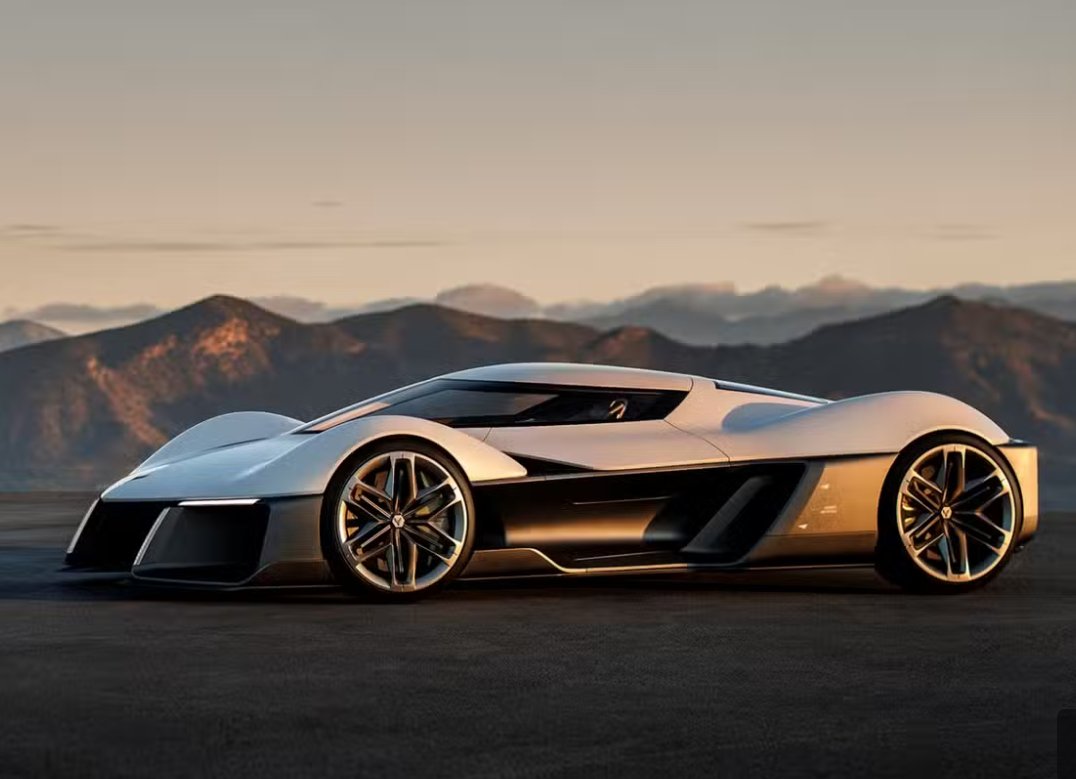
General Motors (GM) has recently unveiled a concept for the next-generation Corvette, potentially the C9, through its UK-based design team. This vision introduces a futuristic, electric hypercar that reimagines the Corvette’s traditional design elements. While the concept showcases innovative features and a bold aesthetic, it notably departs from a key characteristic that has long defined the Corvette lineage: the absence of a V8 engine.
A Radical New Design Direction
The concept, developed by GM’s UK design studio in Birmingham, presents an aviation-inspired, aerodynamic design. It features powered gullwing doors and an augmented windshield display, enhancing both aesthetics and driver experience. A nod to the 1963 Corvette Sting Ray is evident in the “split window” design, emphasizing a central spine structure termed “Apex Vision,” which provides panoramic visibility and structural integrity.
Functionally, the vehicle integrates electric vehicle (EV) battery technology within its frame and utilizes sleek air channels to manage airflow, eliminating the need for traditional wings and spoilers. For enhanced track performance, it includes deployable dorsal fins and spoiler venting to improve cornering capabilities.
The Notable Absence of the V8 Engine
A significant departure from Corvette tradition is the omission of the iconic V8 engine. This concept envisions an all-electric powertrain, aligning with GM’s broader strategy towards electrification. While this move reflects industry trends and environmental considerations, it marks a substantial shift from the roaring V8 that has been synonymous with the Corvette identity.
Implications and Enthusiast Reactions
The transition to an electric powertrain in the Corvette lineup carries both opportunities and challenges. On one hand, it positions the Corvette within the evolving landscape of high-performance electric vehicles, potentially offering instant torque and innovative driving dynamics. On the other hand, it risks alienating purists who associate the Corvette experience with the visceral sound and feel of a V8 engine.
Enthusiast communities have expressed mixed reactions. While some appreciate the forward-thinking design and technological advancements, others lament the departure from traditional elements that have defined the Corvette for decades. The concept’s design has sparked discussions about the balance between innovation and heritage in automotive evolution.
Looking Ahead: The Future of the Corvette
As GM explores the future of the Corvette, the challenge lies in integrating modern technologies and design philosophies without compromising the core attributes that have endeared the Corvette to generations of enthusiasts. Whether the production C9 Corvette will fully embrace electrification or retain internal combustion options remains to be seen. GM’s vision reflects a bold step towards redefining an American icon in the context of contemporary automotive trends.
GM’s concept for the C9 Corvette introduces groundbreaking design and technological elements, notably the shift to an electric powertrain. While this aligns with broader industry movements towards electrification, it also raises questions about preserving the essence of the Corvette brand. Balancing innovation with tradition will be crucial as GM charts the future course for this legendary sports car.
Related Articles

Hyrule’s Cutting Room Floor: The Scrapped Ocarina of Time Ideas That Could Save the Switch 2 Remake
A muted Direct reveal has fans nervous. Decades of cut content sitting in Nintendo’s archive […]