DRIFT AUDIO
Listen to this story
Choose a voice, then press play.
Twenty one years after it hit radio, “Slow Down” is soundtracking a whole new wave of dance clips.
In This Story
- Why a 2005 Single Is Suddenly Everywhere
- The Song Nobody Ever Really Forgot
- Inside the Viral Dance Revival
- How “Slow Down” Joined the Y2K Comeback
- Why the Original Release Is Trending Again
There is no new Bobby Valentino record behind this. No anniversary reissue, no sync placement, no viral interview clip pushing people back to the catalog. What is happening to “Slow Down” right now is simpler and, in its own way, more interesting: a song built for a specific era of R&B radio has been picked up by a platform that did not exist when it was released, and it is thriving there on its own terms.
Search around TikTok this month and the song shows up dozens of times a day, attached to line dances, couple skits, slowed and sped up remix edits, and a running thread of 2000s nostalgia content that has nothing to do with music at all. That volume is what appears to be pulling casual searchers toward Bobby Valentino’s older press coverage, including artist pages that have sat mostly untouched for years. The internet does this periodically. A song gets rediscovered by an audience who was in elementary school when it charted, and for a few weeks the old profile pages start acting like breaking news again, even though nothing about the underlying story has changed.
stir
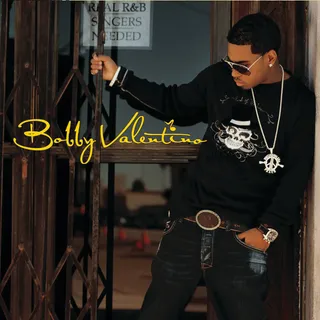
For anyone who missed the context the first time around, “Slow Down” was not a minor hit. It was Bobby Valentino’s debut single, released in February 2005 from his self titled album, produced by Tim and Bob. The song spent four consecutive weeks at number one on the Billboard Hot R&B/Hip Hop Songs chart and climbed to number eight on the Hot 100 overall. It went gold with the Recording Industry Association of America, and internationally it performed even better than some of his later singles, peaking at number four on the UK Singles Chart and spending twelve weeks inside the UK top 100. Germany, Ireland and Switzerland all put it in their top 40s the same summer.
None of that is new information. It is worth restating here because a lot of the current TikTok audience discovering the song has no frame of reference for how big it actually was. To them it reads as a cool, undiscovered throwback with a smooth, unhurried groove that happens to work well for slow motion edits and duets. To anyone who lived through 2005 radio, it is closer to a victory lap two decades late.
in
The current spike traces back to a handful of distinct trend branches rather than one single viral post. A group of dancers built a full line dance to the song this summer, framed around the idea that it is smooth enough to actually teach and perform at a real event rather than just film alone in a bedroom, and that clip has been the anchor for a wave of copycat versions. Running alongside it is a separate couples’ trend built on the song’s romantic, mid tempo pacing, where partners film themselves walking away from the camera or recreating a slow dance moment, often tagged with captions about black love or early relationship nostalgia.
There is also a straightforward audio trend detached from any choreography at all, where the 12 inch version of the track gets used as ambient, slowed down background music for aesthetic edit compilations. Between the line dance clips, the couples’ content, and the slowed audio edits, the song is functioning less like a single viral moment and more like a shared soundtrack that several unrelated micro trends have all decided to borrow at once.
What makes this particular spread interesting is how little coordination there seems to be behind it. A dance crew did not partner with a label. No official challenge account kicked things off with a branded hashtag. Instead, the song moved the way older internet trends used to move before platforms started manufacturing them on purpose, picked up organically by one creator, tried by a few more, and then folded into whatever aesthetic already made sense for it. That is part of why it has stuck around for weeks rather than burning out after a single news cycle.
huh
None of this is happening in isolation from a bigger pattern. Early 2000s style, from low rise sil to bubble hem skirts to specific brands that defined that period’s mall culture, has been steadily working its way back through fashion feeds for the past couple of years, and R&B from that same window is riding the same current. “Slow Down” gets tagged alongside hashtags built entirely around 2000s throwback aesthetics, early 2000s fashion, and general Y2K nostalgia content that has nothing to do with Bobby Valentino specifically. The song is essentially functioning as an audio shortcut. Attach it to a clip and the mood reads instantly as early 2000s without needing any other visual cue.
That context matters for understanding why this feels different from a typical song revivel. Usually a track resurfaces because of a single sync moment, a sample, or a celebrity co-sign. Here the driver is closer to atmosphere. The song fits a broader style mood that is already trending, and it happened to be smooth, recognizable, and just obscure enough to feel like a discovery rather than an oldie.
why
The most likely explanation for older editorial pages resurfacing now is simply demand following supply. When search interest in an artist spikes, search engines and recommendation systems start surfacing whatever indexed content already exists about them, regardless of how old it is. Bobby Valentino has kept releasing music steadily in the years since, so his catalog and his press footprint were never dormant, but a specific, older single trending on a completely different platform can still pull traffic toward a profile page that has not been updated in a while. It is not evidence of anything happening behind the scenes. It is closer to an old file getting reopened because a lot of people typed the same name into a search bar in the same week.
There is also a simpler point worth making, one that tends to get lost whenever a trend like this gets written up. Songs do not actually need a reason to come back. They just need a platform, a mood, and enough distance from their original release that they stop sounding dated and start sounding rediscovered. “Slow Down” spent four weeks at number one two decades ago because it was built well: patient production, a hook that does not rush itself, a vocal performance that leaves room to breathe. Those are the same qualities making it work now on a completely different kind of stage, one built for fifteen second clips instead of radio rotation. The platform changed. The reason the song works has not.
Related Articles
Two Chicago Lifers, One Wave: Kaicrewsade and Luke Titus on ‘#SWAG SURF’
Kaicrewsade's new album RAINBOW_ arrived on October 14, and its second track pulls in Chicago drummer and singer Luke Titus.