DRIFT AUDIO
Listen to this story
Choose a voice, then press play.
LỰU ĐẠN’s new collide with Bruce Lee Enterprises reframes the icon as a style disruptor first, martial artist second.
In This Story
- A Wardrobe Built to Destabilize
- Steve McQueen’s Advice and the Optics of Survival
- The Cha Cha King Who Dressed for Two Continents
- Why LỰU ĐẠN Chose Him as Its North Star
- Inside the Collection
- What Was Actually in His Closet
Long before he became shorthand for martial arts cinema, Bruce Lee treated his wardrobe as a weapon in its own right. He arrived in 1960s Hollywood into an industry that offered almost no template for how a Chinese actor should look or move, at a time when Asian characters onscreen were mostly reduced to caricature. Lee did not wait for a lane to open. He built his own, using clothing the same way he later described water: something that could take any shape it needed to.
That instinct for shape-shifting extended well beyond the dojo. Lee understood that being memorable in a room built to overlook him meant leaning into contrast rather than blending in, and he applied that logic to his closet with the same discipline he brought to his training.
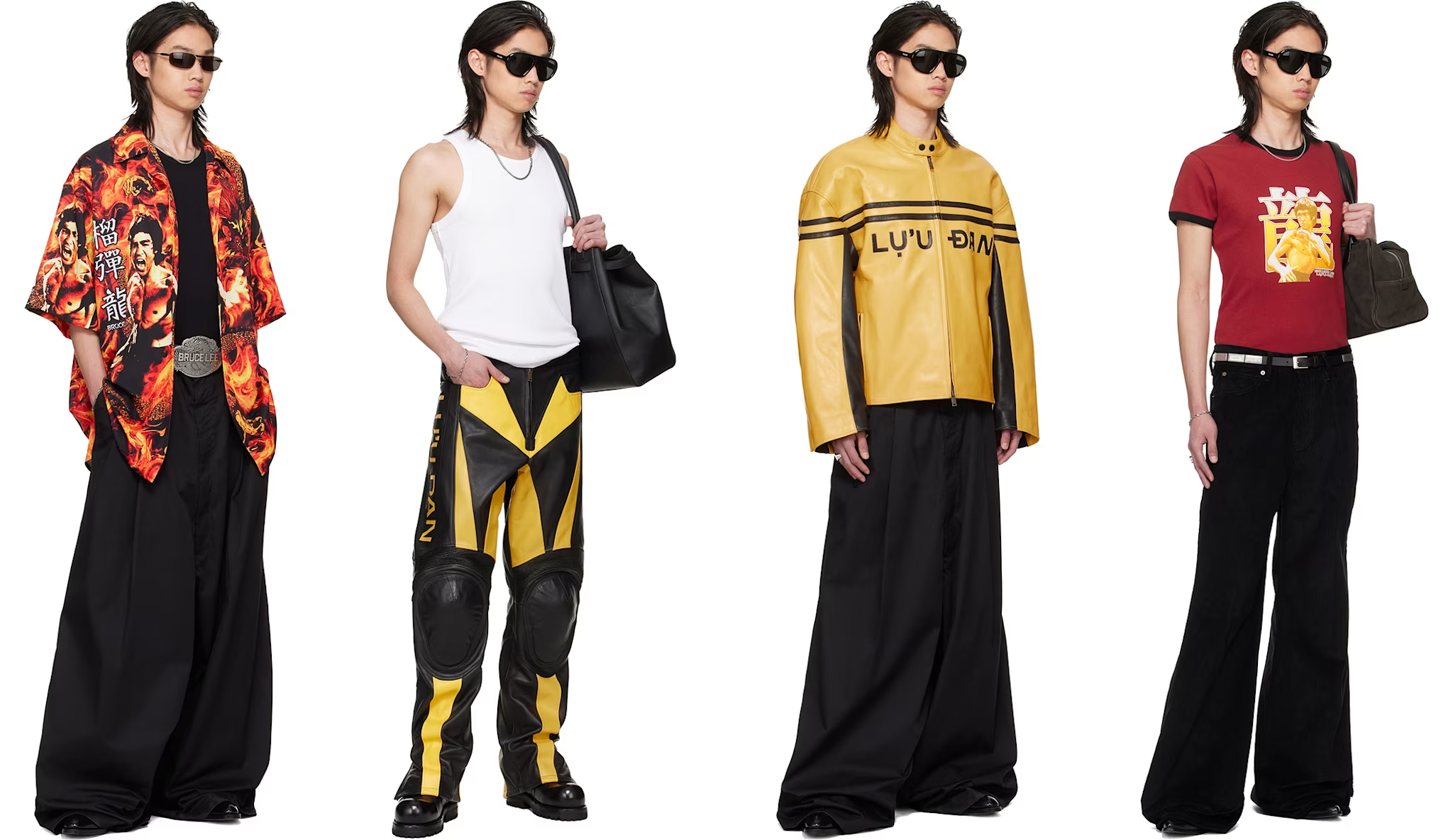
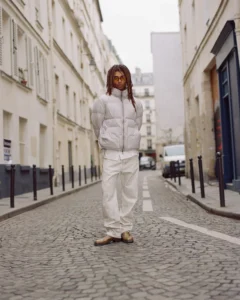
Four looks from LỰU ĐẠN’s Bruce Lee-inspired collection reinterpret the martial arts icon’s wardrobe through oversized tailoring, racing leather, graphic prints, and contemporary streetwear silhouettes.
stir
Part of that education came directly from Steve McQueen, who told a then-unknown Lee that looking successful was a prerequisite for becoming successful. For a young actor with almost no industry precedent to draw on, the advice landed as strategy rather than vanity. Lee was drawn to the trappings of fame from early on, the clothes, the cars, the attention, and he saw martial arts as his vehicle into that world rather than the whole of his ambition.
He had a habit, according to those close to him, of using his wardrobe to run a kind of social experiment. He would dress in his sharpest suit, take his students to an upscale restaurant, and pose as the son of a Chinese diplomat who spoke no English, letting his friends translate for the staff as mock bodyguards. It was theater, but it was also a pointed demonstration of how quickly people’s assumptions could be manipulated by the right costume.
huh
Lee’s sense of show started earlier than Hollywood. As a teenager in Hong Kong, his love of dancing cha cha gave him an early education in reading a room and adjusting his presence to it, a skill that mapped directly onto how he later handled two very different audiences on two different continents.
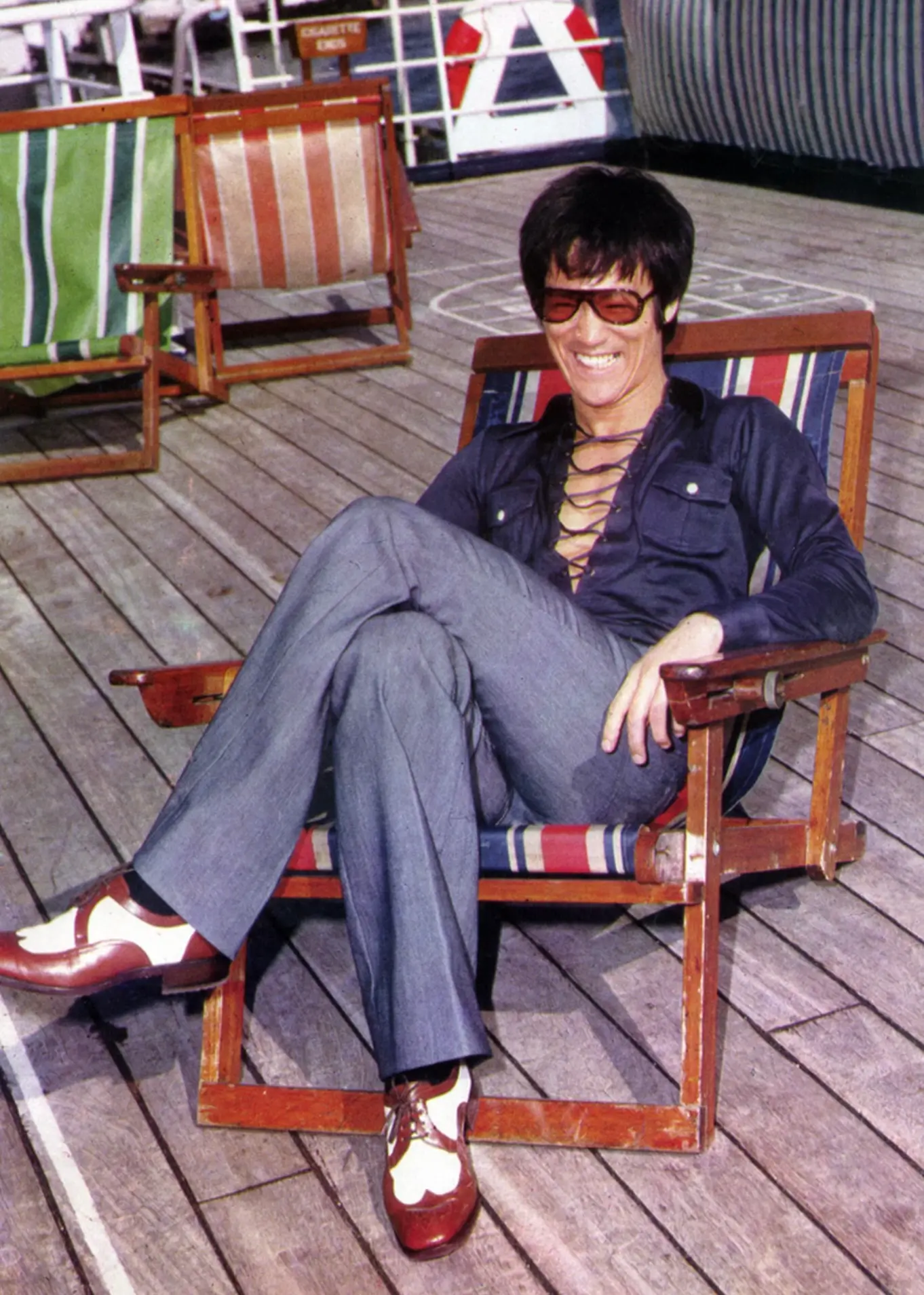
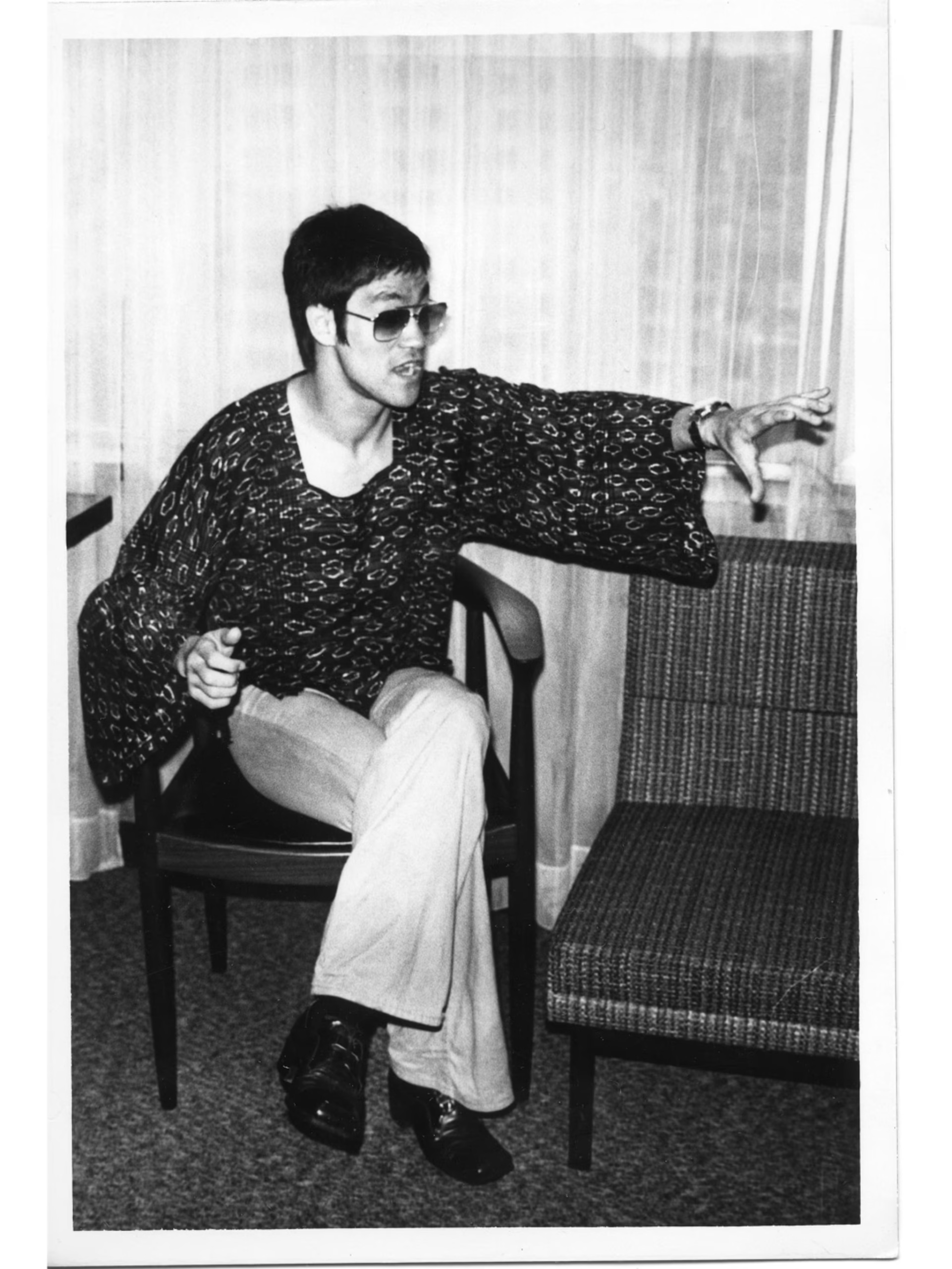
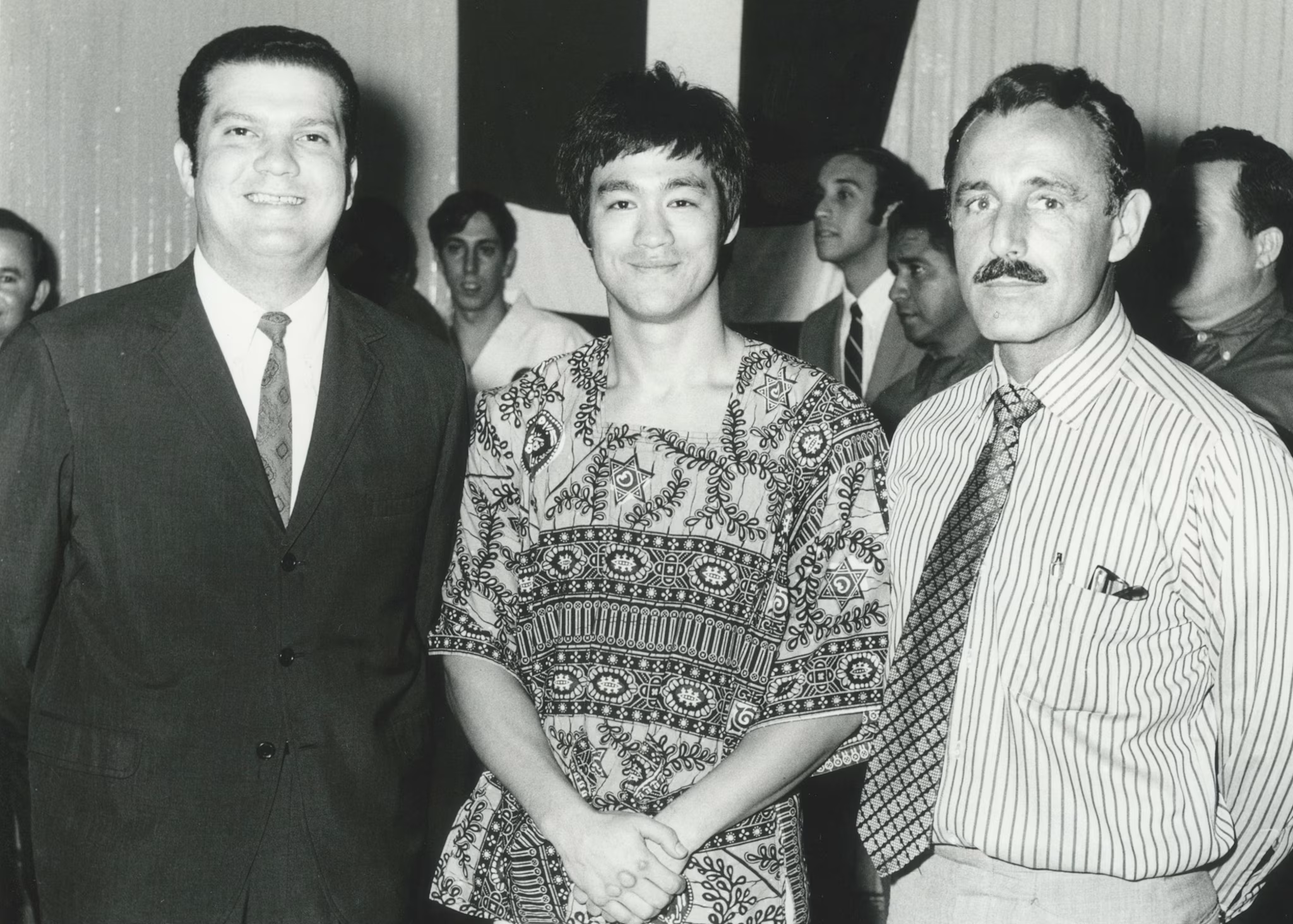
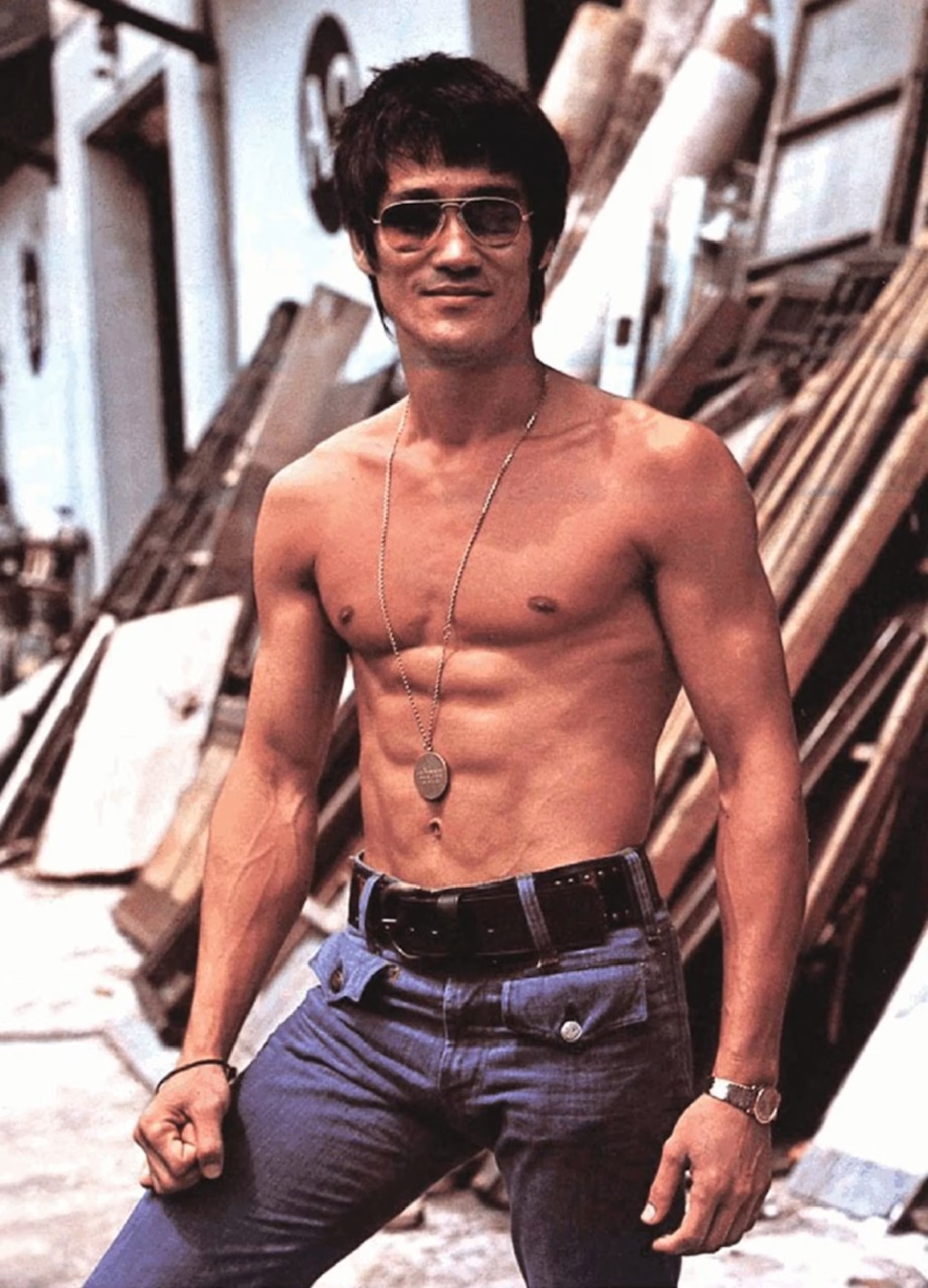
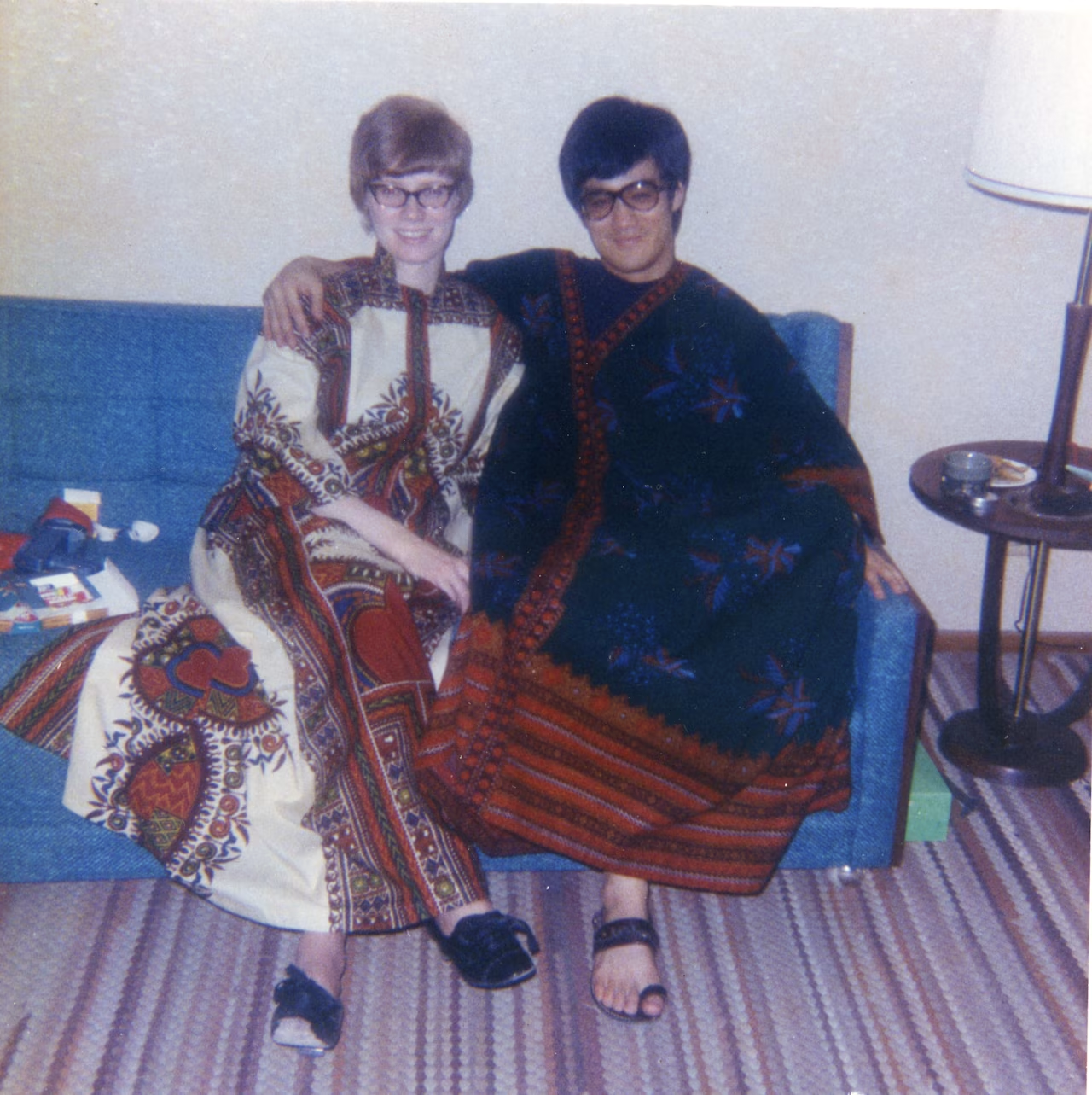
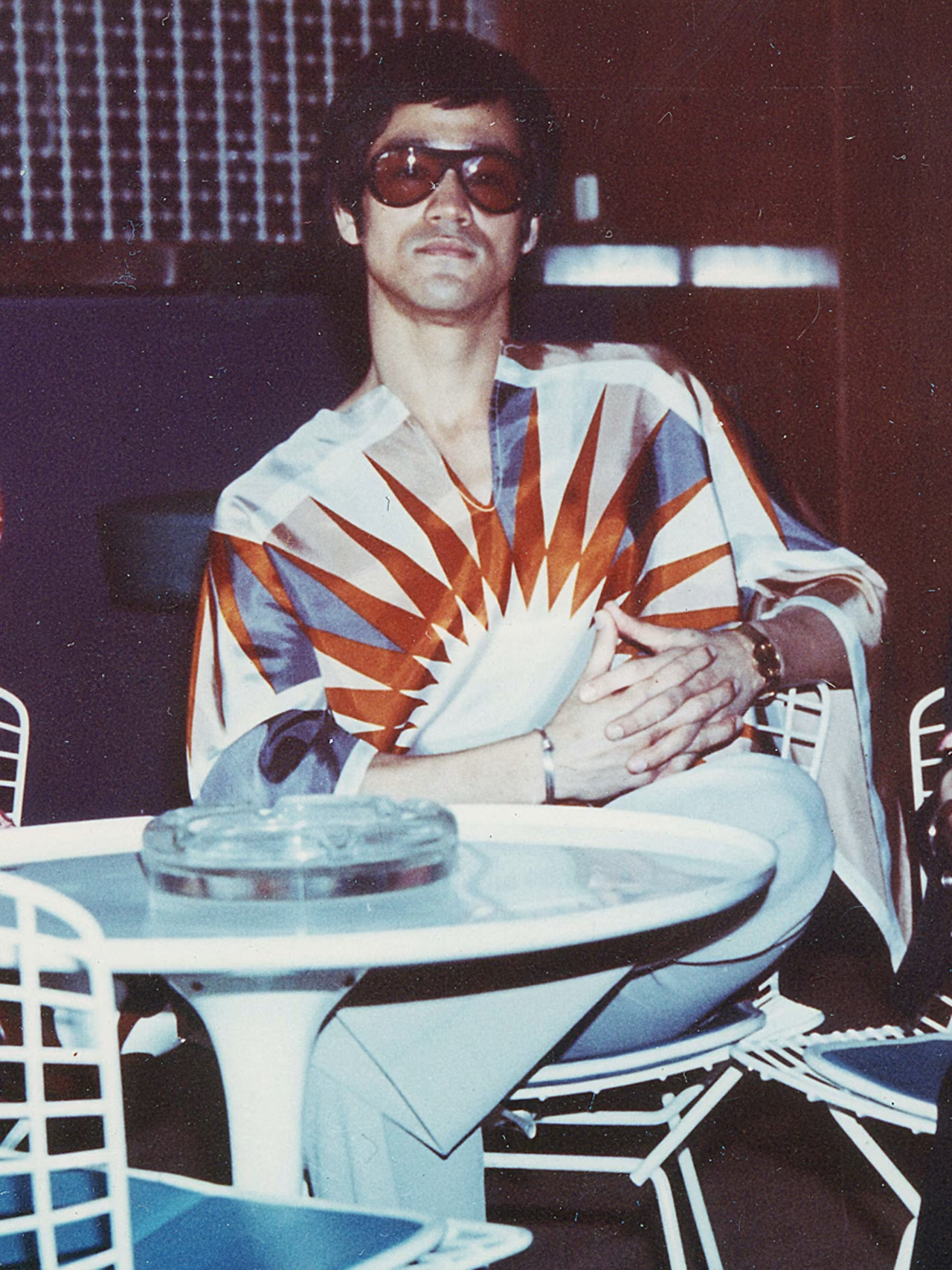
Biographer Matthew Polly has documented how deliberately Lee split his image depending on where he stood. In America, he leaned into an exoticized version of himself, working kaftans, dashikis and Nehru jackets into his rotation. Back in Hong Kong, he flipped the formula entirely, favoring Elvis-style sunglasses, loud floral shirts and bell-bottoms, the flare of the trouser conveniently hiding the platform soles he wore to add a few inches of height. Somewhere in the mix were absurdly tall Cuban heels paired with a dashiki, an outfit that only makes sense as a deliberate provocation rather than an accident of era.
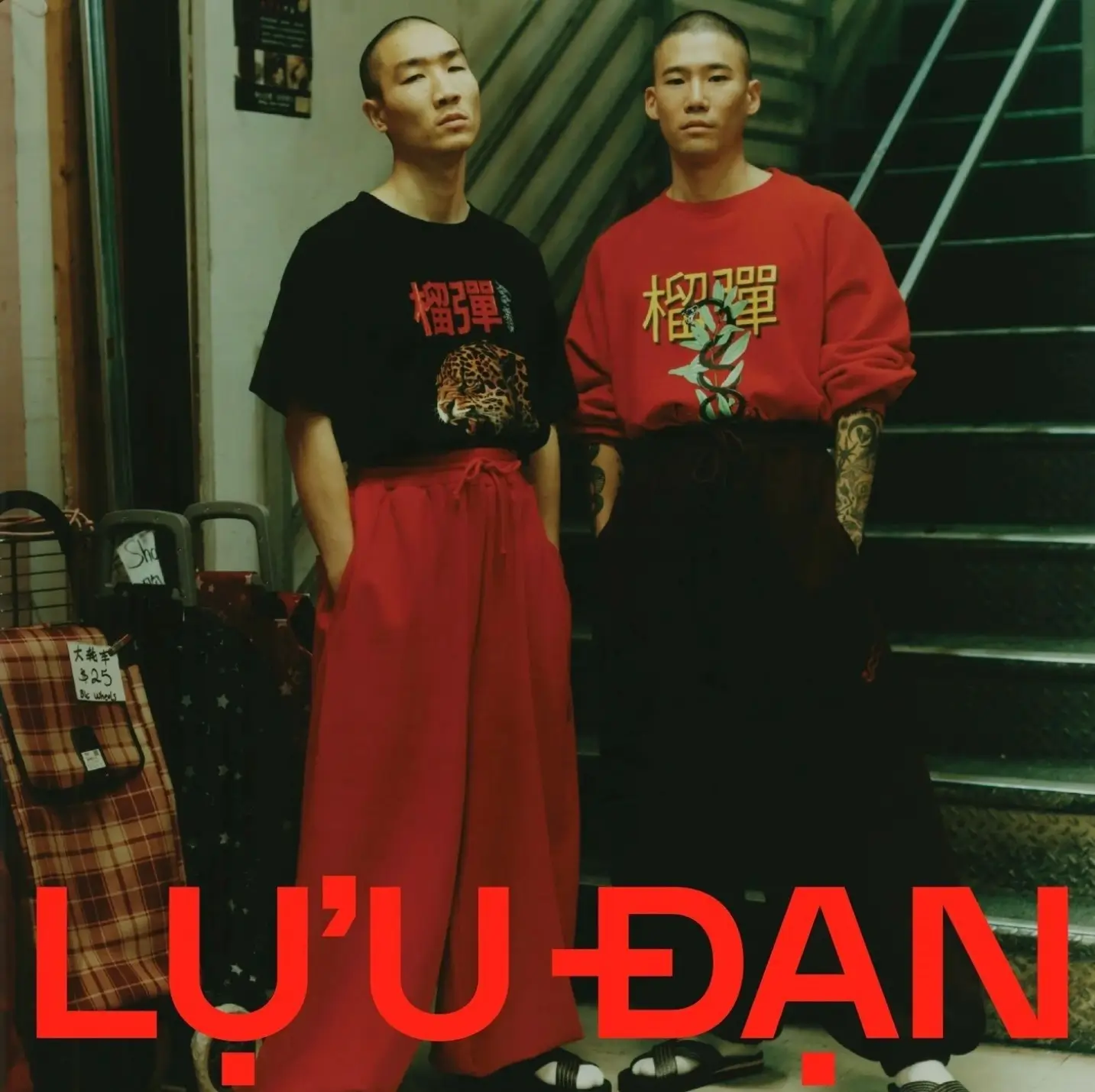
LỰU ĐẠN pairs oversized silhouettes, graphic Chinese typography, and bold imagery to create a streetwear collection rooted in contemporary Asian visual culture.
why
That same instinct for calculated contradiction is why LỰU ĐẠN built its identity around Lee from day one. Founder Hung La, who trained under Nicolas Ghesquière at Balenciaga and Phoebe Philo at Céline before launching his own label in 2021, has said Lee’s image sat on the brand’s very first moodboard. The label’s name, a Vietnamese phrase combining the words for pomegranate and bullet, colloquially translates to dangerous man, a description La has applied as much to Lee as to his own design know.
La has argued that Lee’s standing as a style figure gets hint by his athletic legacy, and that the confidence and sensuality in his silhouettes still read as current decades later. It is a fair point. Lee’s range across a single decade, from Beatles-adjacent skinny suits in the late fifties to full hippie caftans and bell-bottoms by the seventies, reads less like a man following trends and more like one testing which version of himself would unsettle a room the most.
in
Released for AAPI Heritage Month as part of LỰU ĐẠN’s tenth collection, All Bets Are Off, the Bruce Lee Enterprises collide pulls its references from three places at once: Lee’s training gear, the street sils of 1970s Hong Kong, and the graphic language of his kung fu films, reworked through archival imagery and digital retouching.
The centerpiece is a calfskin moto jacket rendered in the same yellow as Lee’s jumpsuit from Game of Death, sitting alongside an Enter the Dragon belt, ringer tees with light distressing, and flared trousers cut with a red carpet in mind rather than a training mat. Sweatpants make an appearance too, a nod to how much of Lee’s actual daily wardrobe was built around training rather than performance. The collection launched on May 14 through luu-dan.com and at retailers including Nordstrom and SSENSE, where an accompanying editorial first traced the throughline between Lee’s personal style and the new pieces.
show
Shannon Lee, Bruce Lee’s daughter, has described her father’s actual wardrobe as a mix of low-cost custom tailoring, made possible by easy access to garment makers in Hong Kong, and pieces bought at higher-end spots like Fred Segal once he could afford them. His taste moved with the decade, from Dean-era suiting through Beatles-style tailoring, into turtlenecks and color blocking, and finally into caftans and bell-bottoms by the seventies. It was a wardrobe assembled by someone paying close attention to what was happening in fashion at any given moment, not one shaped by a single fixed aesthetic.
The most memorable detail from that closet has nothing to do with the clothes themselves. Among the pieces Shannon found while going through her father’s things was a belt buckle with a knife hidden inside, a small, characteristic theatre touch from a man who treated getting dressed as its own kind of show. It is a fitting coda to a wardrobe that was never really about following a trend line. It was about staying one step ahead of whatever room he happened to be standing in.
For more on people, see Austin Babbitt Is Selling Clothes That Do Not Exist Yet, and People Are Buying Them Anyway.
For more on before, see How One Lip Duo Sold Out Twice Before Most People Even Heard Of It.
Related Articles
A Tiger On The Denim / Human Made
HUMAN MADE Shinsaibashi PARCO, full renewal 17 October 2026. Tiger jacket, hoodie, keyholder. Wasted Youth popup, two days. App lottery 10:00 to 17:00.