DRIFT

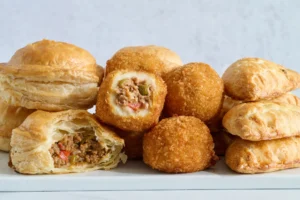
Once synonymous with glistening pastries, cinnamon rolls, and fruit-glazed Danishes, bakeries are now undergoing a notable transformation. As dietary preferences shift and health consciousness grows, the rise of savory baked goods—from ham-stuffed croissants to mushroom-strewn galettes—has signaled a subtle but decisive move away from sugar-drenched starts to the day.

This isn’t to say sweets are disappearing, but their dominance is fading. Now, cheese, eggs, meats, and even fermented vegetables are carving out a permanent home in bakery cases. For those weary of the sugar spike that comes with traditional pastries, the sight of warm, flaky sausage rolls or tangy feta-stuffed buns is a welcome evolution.

The Trend’s Roots: From Scandinavia to San Francisco

The savory turn isn’t entirely new. Countries like Denmark, Finland, and Turkey have long embraced savory baked fare—pide, börek, karjalanpiirakka, and smørrebrød have long histories as handheld, morning-friendly staples. However, the trend is only now catching fire in English-speaking bakery hubs, particularly in the U.S., U.K., and Australia.

In San Francisco, bakeries like Tartine and Arsicault offer layered croissants not just with chocolate or almonds, but with prosciutto, Comté, or even smoked trout. London’s Jolene bakes daily sourdough sausage brioches, while in Sydney, Wholegreen Bakery has made waves with its gluten-free, savory spinach and ricotta rolls. These menus are a study in creative fermentation, umami balancing, and artisan sourcing—not a sprinkle of powdered sugar in sight.

Why the Shift? Health Meets Hunger

Several converging forces are shaping this savory renaissance. First, the reduction in added sugar intake has become a defining nutrition goal in the West. With increasing concern about diabetes, blood sugar regulation, and even mood swings, many consumers are consciously choosing lower glycemic breakfasts.

Second, high-protein diets—from keto to paleo and intermittent fasting regimens—are influencing morning choices. Meat and cheese-forward items offer satiety and slow energy release, especially when paired with whole-grain or fermented doughs.

Third, the cultural cachet of continental breakfast rituals has expanded. Where once a coffee and muffin sufficed, today’s eaters crave complexity: a croissant with caramelized onion and gruyère, a sourdough pocket filled with roasted lamb, a scone laced with pancetta and sage.

And finally, there’s a return to comfort food nostalgia—not the sugar rush of childhood Pop-Tarts, but the warmth of grandma’s meat pies, the richness of a farmhouse quiche, or the savory familiarity of deli sandwiches reimagined in pastry form.

What’s Baking: Standouts of the Savory Boom

1. Savory Danishes
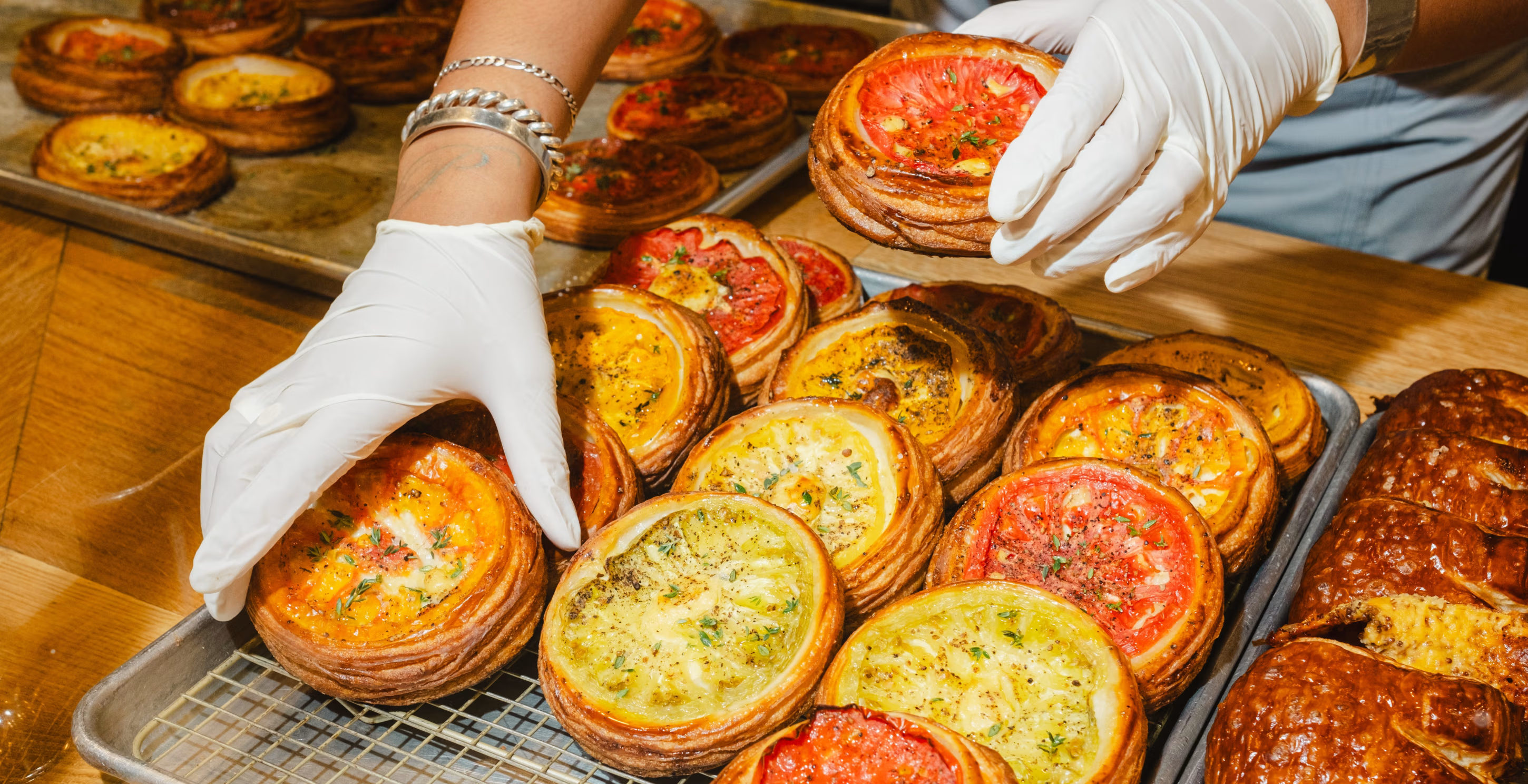
These layered classics are shedding fruit in favor of roasted squash, goat cheese, and herbs. The modern savory Danish is more culinary than confectionery.

2. Filled Croissants
Forget chocolate. Think black forest ham with whole-grain mustard béchamel, or egg and wild garlic. Croissants become full meals.

3. Cheese Scones & Herb Muffins
Scones, long considered a teatime treat, are now packed with cheddar, rosemary, caramelized onion, and even pancetta—less dessert, more deli.

4. Galettes & Tarts
Galettes, both rustic and elegant, showcase fillings like mushroom confit, zucchini and feta, or potato with rosemary crème fraîche. These are suitable not just for breakfast, but for brunch and even light dinners.

5. Hand Pies & Rolls
From pork and apple hand pies to lamb and pea pasties, the portable pie is back—with elevated ingredients and modern techniques.

The Literature of Savory Baking: A Culinary Shift in Cookbooks

Even cookbooks and food literature have begun to document this evolution. Authors like Claire Ptak (of London’s Violet Bakery) and Ottolenghi are exploring savory tarts, seasonal galettes, and brioche loaves that showcase vegetables and proteins as central, not secondary.

Recent bestsellers such as “The Savory Baker” by America’s Test Kitchen and “Savour” by Peter Gordon dive headfirst into the world of umami baking. The trend is even appearing in cookery shows—contestants on The Great British Bake Off increasingly favor hearty pies and quiches for their signature challenges, a far cry from endless sponge cakes of seasons past.

Customer Demand and Baker Innovation

For bakeries, adapting to these savory trends requires both culinary innovation and technical skill. Unlike sugary items that benefit from extended shelf life, savory bakes often demand fresh preparation and careful balancing of moisture and seasoning. They can’t be overly salty or greasy—nuance is key.

But for those who get it right, the rewards are loyal patrons and midday foot traffic. Where once the morning rush ended at 10 a.m., savory options allow bakeries to extend their appeal into lunch hours and even cater small bites for afternoon gatherings or corporate events.

The Role of Local Sourcing and Seasonality

Many savory-forward bakeries are also doubling down on local sourcing and seasonality. Spring might bring asparagus and goat cheese galettes, while fall favors squash, mushrooms, and slow-cooked meat pies. These bakes celebrate the rhythm of the year, allowing a deeper connection to place and produce.

Such practices align with the broader movement toward sustainable gastronomy—food that not only feeds but respects the environment, labor, and tradition behind it.

Looking Ahead: The Future of the Bakery Case

As bakery culture continues to evolve, it seems likely that savory will remain a staple, not a side note. Expect to see greater experimentation: seaweed and anchovy twists, labneh and za’atar flatbreads, kimchi scones, and more.

There’s even growing interest in plant-based savory bakes—not just meat-free, but creatively composed with legumes, fermented vegetables, and umami-rich ingredients like mushrooms and nutritional yeast. The goal: satisfaction without sugar, substance without compromise.

Impression: Beyond the Sugar Glass

We may never fully bid adieu to the sticky bun or the glazed cruller—and we shouldn’t. Sweetness has its place in celebration and nostalgia. But as tastes mature and mornings demand more substance, the bakery is becoming a broader table—where sugar shares space with salt, and comfort meets nutrition.

From butcher-style croissants to cheese-laced brioches, the savory side of baking is not a trend. It’s a recalibration of balance. And for the hungry early riser looking for flavor and fullness without the crash, it’s a delicious dawn.

Related Articles

Modern data center facility with a solar-panel-clad exterior, bright green administrative offices, and secure perimeter fencing, showcasing sustainable digital infrastructure and renewable energy integration

Lombardy’s Data Center Boom: Balancing Digital Ambition with Environmental Responsible

Lombardy has emerged as Italy’s primary hub for new digital infrastructures, particularly data centers—vast complexes […]

In a highly anticipated reunion after 24 years, Adidas Originals and Coca-Cola have joined forces once again to celebrate the FIFA World Cup 2026™. The collaboration revives their iconic 2002 partnership from the Japan-South Korea tournament, now reimagined for the biggest global sporting event of 2026, co-hosted by the United States, Canada, and Mexico. Set to launch on June 6, 2026, this collection masterfully blends Adidas' streetwear heritage with Coca-Cola's timeless branding, creating a vibrant fusion of football culture, nostalgia, and modern style. The drop arrives at a perfect moment. With the World Cup kicking off on June 11, 2026, fans worldwide are gearing up for a summer of football excitement. This collaboration isn't just merch—it's a cultural statement that merges two legendary brands under the banner of "Originals are the Real Thing," a clever twist on Coca-Cola's famous slogan. Historical Context: A Reunion 24 Years in the Making Adidas and Coca-Cola first collaborated during the 2002 FIFA World Cup, producing limited-edition pieces that captured the era's energy. That partnership helped define early 2000s football-streetwear crossover culture. Fast-forward to 2026, and the brands are back with fresh energy, leveraging Adidas' deep FIFA ties (as an official partner) and Coca-Cola's long-standing sponsorship of the tournament. The 2026 edition promises to be historic as the first 48-team World Cup, spanning three countries and generating unprecedented global hype. This collab taps into that momentum, offering fans wearable pieces that celebrate both brands' legacies while looking forward to the future of football fashion. Collection Overview and Design Philosophy The Adidas Originals x Coca-Cola collection fuses 2000s street style with classic sporting aesthetics. Expect bold reds, creams, whites, and silver accents inspired by Coca-Cola's iconic packaging—think classic script logos, droplet detailing, and can-inspired motifs. The lineup spans footwear, apparel, and accessories, divided into two visual directions: one logo-heavy and graphic-forward, the other drawing from vintage advertising aesthetics. Designs pay homage to Coca-Cola's visual language while staying true to Adidas Originals' archival roots. High-quality materials, attention to detail, and versatile silhouettes make these pieces suitable for both match-day wear and everyday street style. The campaign, featuring young football star Lamine Yamal and a diverse cast in everyday scenes building anticipation for the tournament, reinforces themes of originality and shared cultural moments. Footwear Highlights Footwear takes center stage in this collaboration, with reimagined takes on iconic 2000s Adidas silhouettes: Samba and Superstar Models: These classics get Coca-Cola treatment with white/cream/red colorways and prominent script branding. The Samba blends street heritage with football roots, while the Superstar II features weathered bases and bold side panels. Expected pricing around $110–$130. Adistar Control 5: A standout with droplet detailing mimicking condensation on a cold Coke can. This model brings performance-inspired design into lifestyle territory. Predator Sala: Indoor/hybrid style with silver-and-red accents, nodding to predatory precision on the pitch and Coca-Cola's bold energy. Climacool 1: Revived with breathable tech and Coke-inspired graphics, perfect for warm summer days. Megaride F50: A highlight paying tribute to the iconic Coca-Cola glass bottle, with unique contours and refreshing design cues. Each pair incorporates thoughtful details like embroidered logos, custom insoles, and packaging that mimics vintage Coke crates or cans. These shoes are built for durability and comfort, appealing to sneakerheads, football fans, and casual wearers alike. Apparel and Accessories Beyond kicks, the collection offers a full lifestyle range: Track Tops and Jerseys: Standout jerseys fuse retro Coca-Cola advertising from different eras into cohesive football designs. Track jackets feature signature three stripes alongside Coke branding, in vibrant reds and classic whites. Shorts and T-Shirts: Relaxed fits with graphic prints, ideal for casual wear or layering. Expect motivational football motifs blended with refreshing beverage references. Accessories: A bright red airliner bag stands out as a functional statement piece. Additional items may include caps, socks, and tote bags carrying the collaborative spirit. The apparel emphasizes comfort with premium cotton blends, mesh panels for breathability, and oversized silhouettes popular in contemporary streetwear. Unisex sizing and inclusive fits make the collection accessible to a broad audience. Cultural Impact and Fan Appeal This collaboration resonates on multiple levels. For football fans, it represents national pride and global unity ahead of the 2026 tournament. Sneaker enthusiasts will appreciate the nostalgic 2000s revival mixed with modern execution. Streetwear collectors see it as a prime example of how heritage brands can innovate through partnerships. In an era where sports and fashion increasingly intersect, Adidas and Coca-Cola deliver pieces that transcend the pitch. Wear them to watch matches at home, attend watch parties, or hit the streets in any host city—New York, Los Angeles, Toronto, or beyond. The designs are versatile enough for gym sessions, festivals, or daily commutes. The timing aligns perfectly with rising interest in football in North America, boosted by the co-hosting nations. Young talents like Lamine Yamal in the campaign help bridge generational gaps, attracting newer fans while satisfying longtime supporters. Where to Buy and Release Details The collection launches globally on June 6, 2026, via: Adidas CONFIRMED app (for early access and raffles) Adidas.com Select retailers and flagship stores worldwide Some regions may see staggered drops, with Japan and other markets getting early access. Prices are expected to range from $50–$150 depending on the item, making it relatively accessible compared to ultra-limited drops. Pro Tips for Copping: Enable notifications on the CONFIRMED app. Check local stock at Adidas stores in major cities. Monitor resale platforms post-drop for exclusive colorways, but be wary of markups. Size up slightly for oversized apparel fits. Given the World Cup hype, popular items like the Sambas and jerseys are likely to sell out quickly. International shipping is available, but factor in potential customs delays. Styling Suggestions Match Day Look: Pair a collaborative jersey with classic black shorts and Samba sneakers for effortless fan style. Streetwear Rotation: Layer a track top over a graphic tee with wide-leg pants and the Megaride F50 for a bold urban ensemble. Casual Summer: White Superstar with denim shorts and the airliner bag for a refreshing, vacation-ready vibe. These pieces mix seamlessly with existing Adidas or neutral wardrobes, maximizing versatility. Broader Context in 2026 Fashion and Sports The Adidas x Coca-Cola drop is part of a larger wave of high-profile collaborations tied to the World Cup. Adidas continues its dominance in football kit design, while Coca-Cola leverages its sponsorship with collectibles, bottles, and experiential activations like the Trophy Tour. In the sneaker industry, this collab exemplifies the ongoing trend of lifestyle reinterpretations of performance silhouettes. It also highlights how global brands use major events to drive cultural conversations around unity, originality, and joy—core values for both companies. Sustainability notes (based on Adidas' broader initiatives) suggest some pieces may incorporate recycled materials, aligning with modern consumer expectations. Looking Forward: Legacy and Excitement As the countdown to kickoff continues, this collection serves as the perfect prelude to an unforgettable summer of football. Whether you're a die-hard supporter, a fashion-forward collector, or someone seeking motivation through style, the Adidas Originals x Coca-Cola FIFA World Cup 2026 lineup delivers. Expect potential restocks, special event exclusives in host cities, and continued campaign content featuring more athletes. This isn't just clothing—it's a ticket to participate in the global celebration of the beautiful game. Mark your calendars for June 6, 2026. Refresh your wardrobe, lace up those Sambas, and get ready to cheer on your team in style. The "Real Thing" meets the Originals in what promises to be one of the most talked-about releases of the year. This collaboration captures the essence of football's universal appeal: bringing people together through shared passion, iconic brands, and unforgettable moments. As the world prepares for 2026's expanded tournament, Adidas and Coca-Cola remind us that some partnerships are truly timeless.

Adidas Originals x Coca-Cola Collection: FIFA World Cup 2026

In a highly anticipated reunion after 24 years, Adidas Originals and Coca-Cola have joined forces […]

Loewe shoulder bag crafted in brown and black leather with minimalist lion face detailing and a matching fur tail charm

180 Years Unfolded: The Full Story Behind Loewe’s New Campaign

The year was 1846. Queen Victoria was on the British throne and the telephone, the […]