DRIFT AUDIO
Listen to this story
Choose a voice, then press play.
Nike’s new running-inspired Air Max already has a fourth colorway lined up for December, carrying a price tag from before the shoe’s retail figure was finalized.
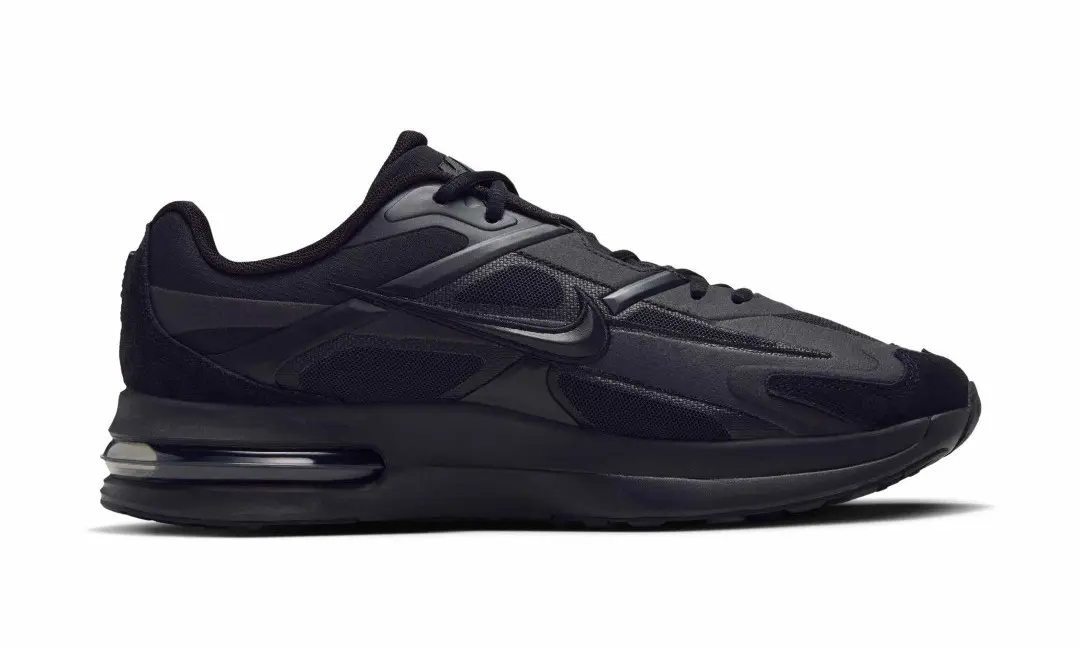
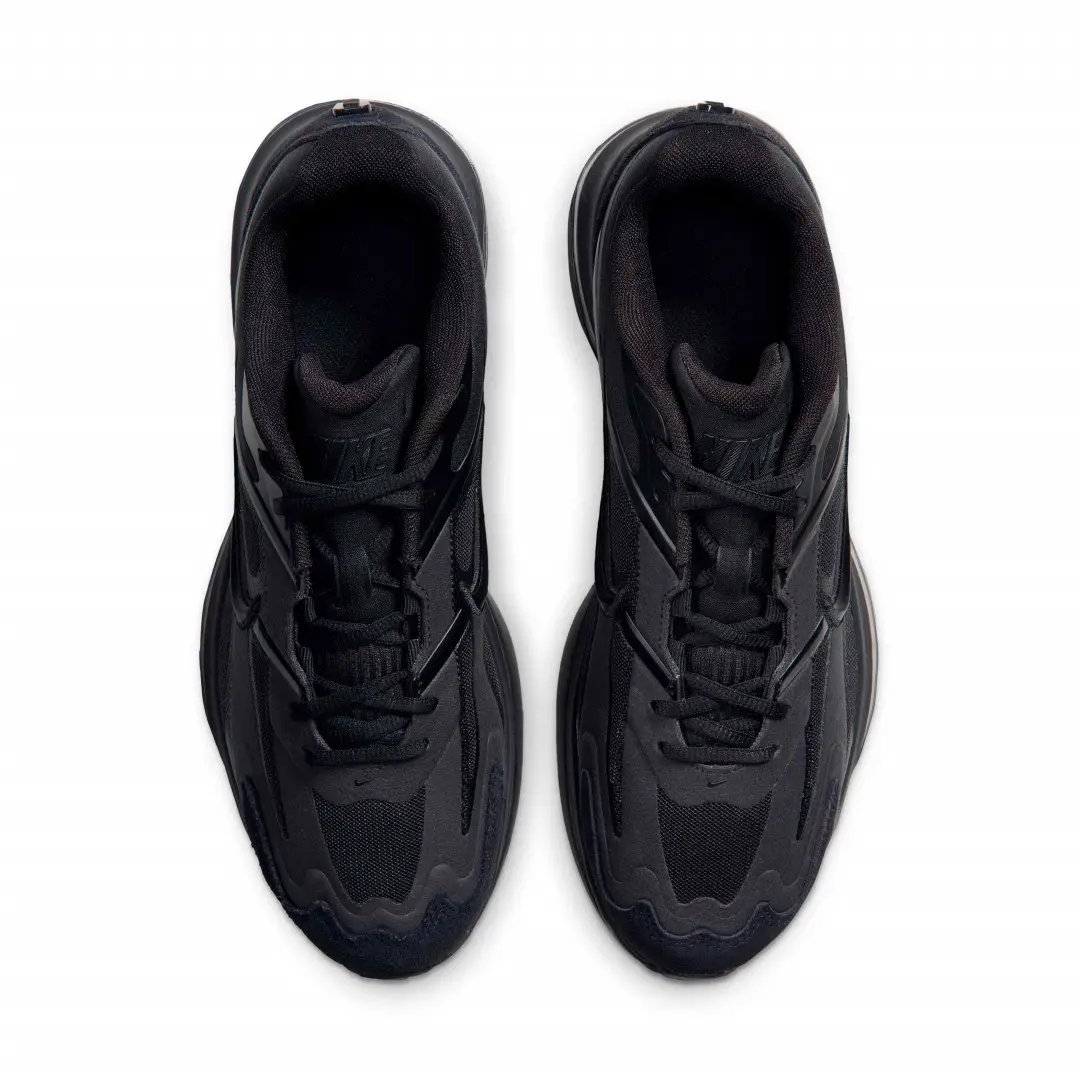
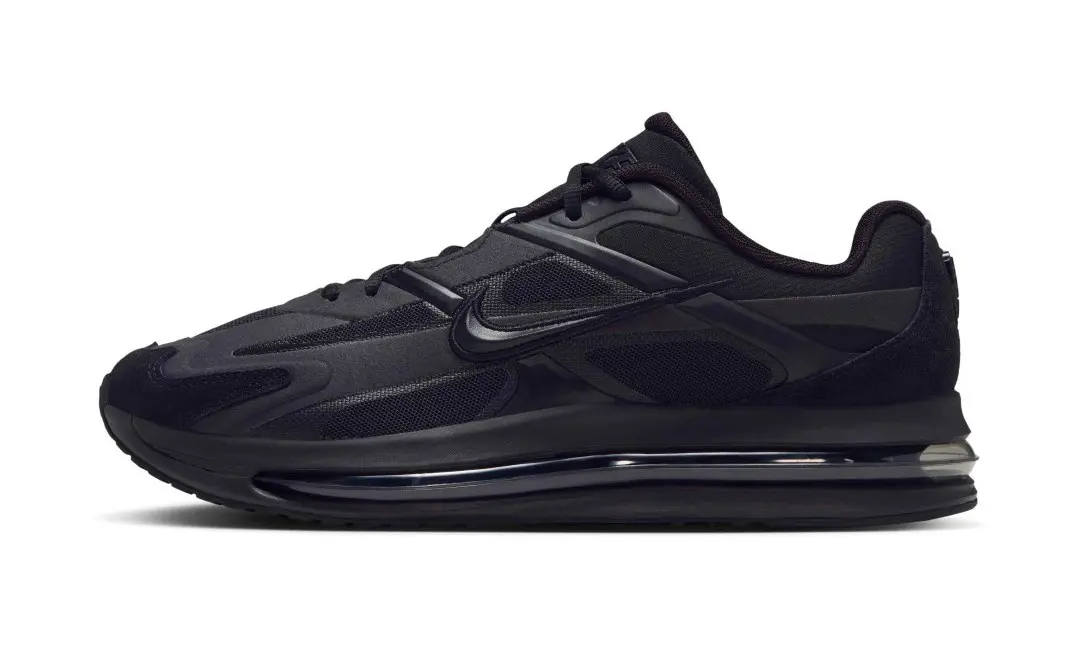
Three months after Nike official confirm the Air Max Metro, a fourth colorway is already scheduled to follow the initial launch trio. A Japan market rel notice lists a Black/Anthracite/Dark Grey/Black pairing (IW4935-001) for December 1, 2026, priced at $130, a figure that sits below the $160 retail price Nike itself confirmed for the model back in August. Nike’s own site hasn’t listed the colorway yet, and the notice itself doesn’t give a Japan-specific rel date beyond the December 1 window.
The Metro is Nike’s newest attempt at folding real running technology back into the Air Max name after decades of the line drifting toward pure lifestyle product, and its own name leans into that reposition: where recent Air Max add have taken cues from older sil or design codes, “Metro” points at city run instead, position the shoe as daily-wear transportation rather than a nostalgia play. It launch October 1 in three colorways, Pale Ivory/Black (IW4935-102), Black/Metallic Dark Grey/Bright Crimson (IW4935-004), and Black/Light Photo Blue/Illusion Green (IW4935-003), each retailing at $160 through Nike.com and select retailers, with a grade-school version sized separate under a related IW4936 style-code family. A fourth colorway landing this quickly, before the shoe has finish a single full season on shelves, is itself a signal: Nike doesn’t typically fast-track follow-up colorways for a new form unless the first ones sold through.
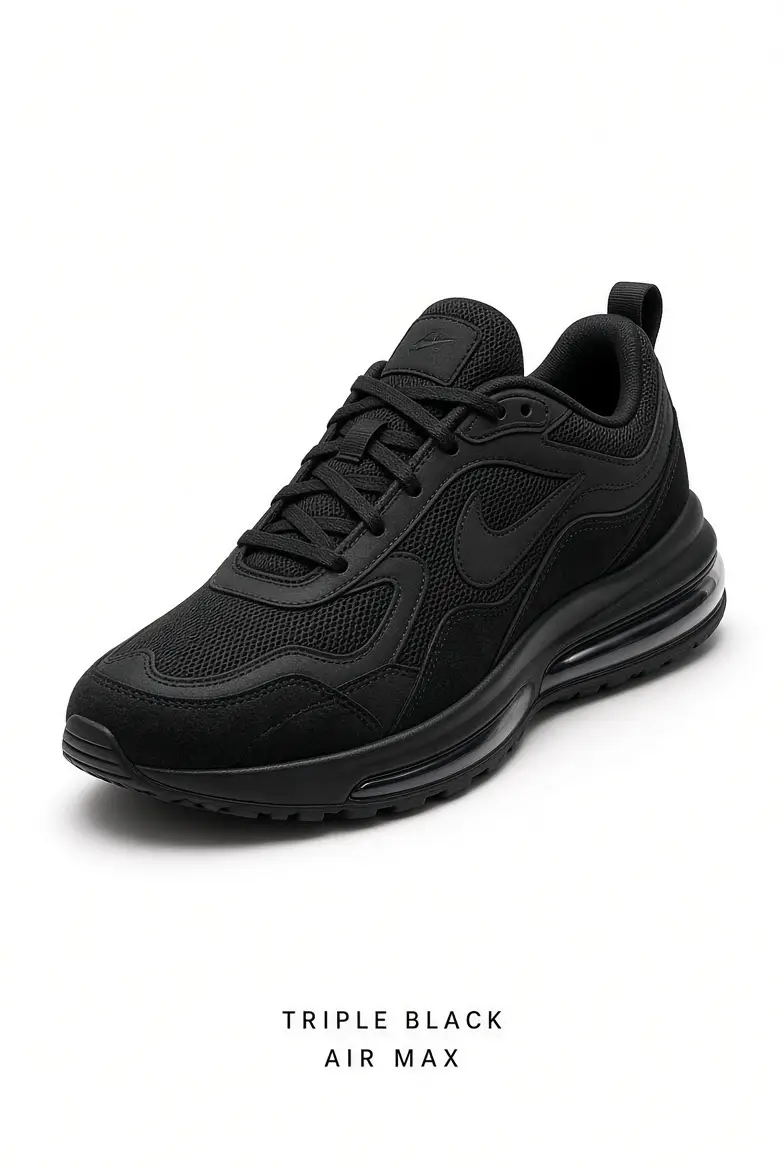
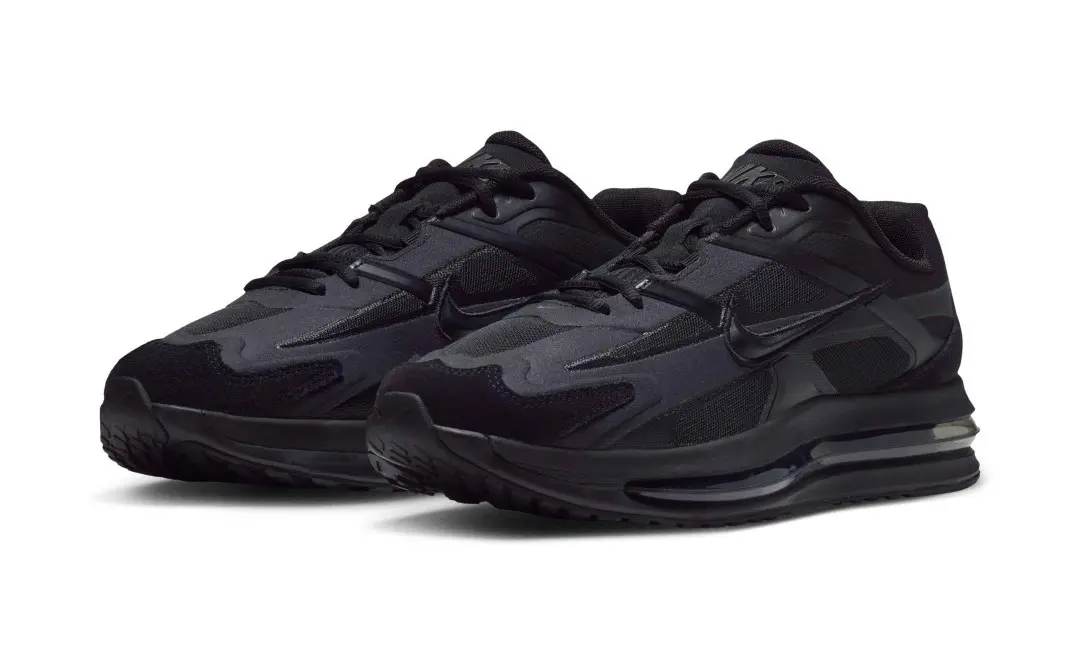
A Nike Air Max sneaker in an all-black “Triple Black” colorway, featuring a mesh and suede upper with a visible Air unit in the heel, displayed on a white background.
wear
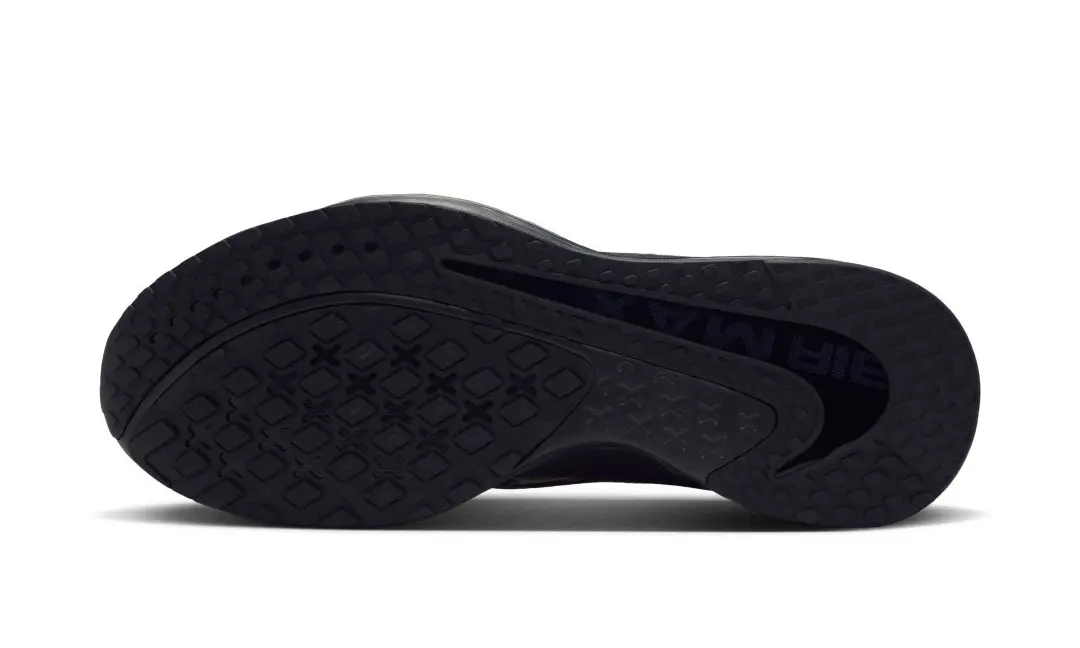
The Metro borrows its most distinctive feature directly from the Pegasus Premium, Nike’s $210 daily trainer released in 2025 and the first shoe in the Swoosh’s catalog to run a full-length Air Zoom unit heel to toe. Nike’s own product copy for the Metro describes a nearly full-length Air unit sandwiched between Cushlon 3.0 foam, the same curved, molded shape the Pegasus Premium pioneered, but swapped onto a cheaper foam stack in place of that shoe’s ReactX and ZoomX, the kind of substitution that lets Nike sell the look of $210 running-shoe cushioning for $50 less.
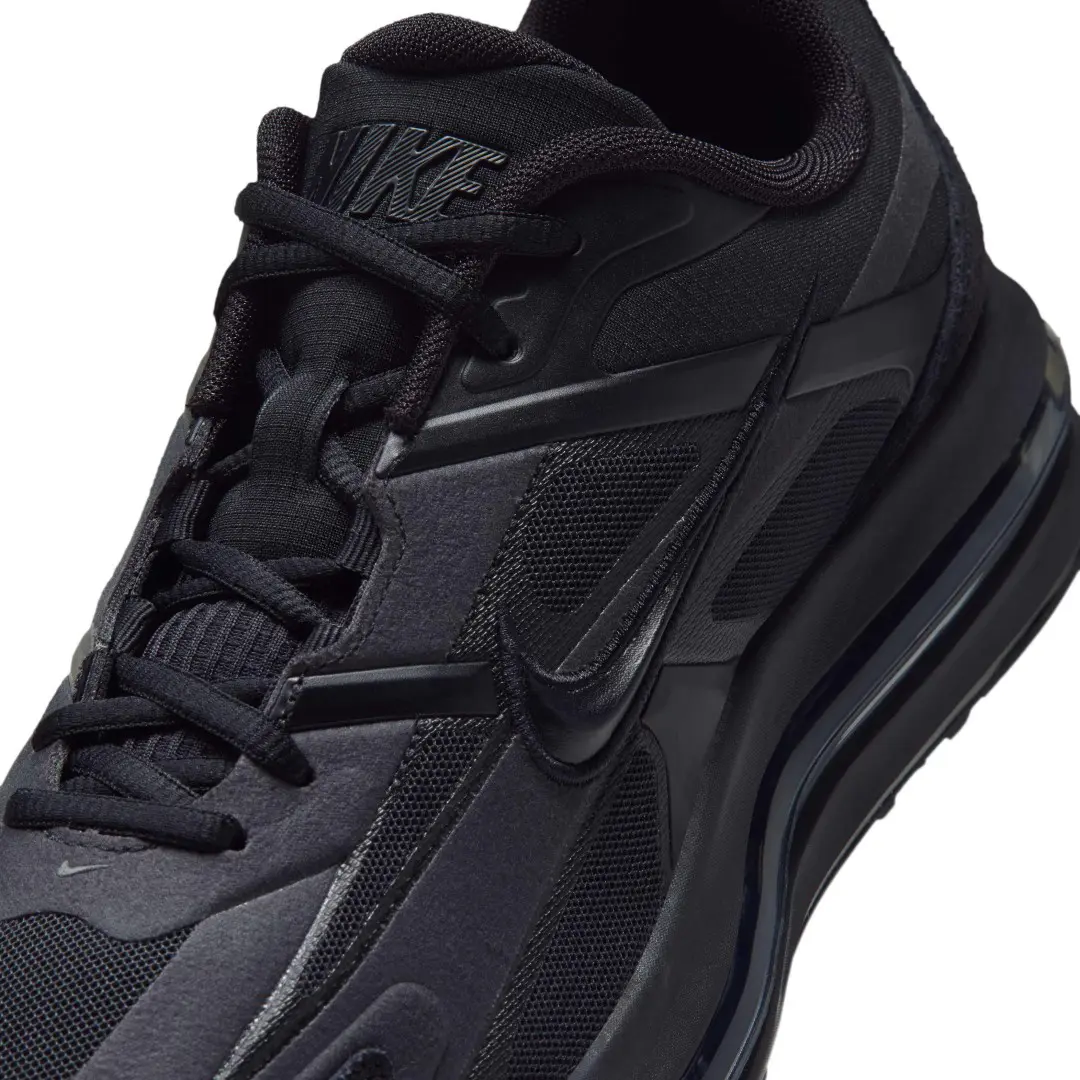
Up top, the Metro leans retro rather than technical: a layered upper built from suede panels and synthetic overlays that reads closer to an early-2000s running shoe than anything in Nike’s current technical running line, echoing the branching overlay work Nike has already used on the Air Max Moto 2K and V2K Run without directly reworking either silhouette. The result splits the shoe down the middle, an old-school running upper sitting on top of newer Air Max tooling underneath, which is part of what makes it read as a genuinely new entry in the family rather than a retool of an existing model. Grade-school sizing was reported at $110 in the same early coverage that had adult pairs at $130, but Nike’s August confirmation addressed adult pricing only, leaving the kids’ price unconfirmed at the higher figure the adult version ultimately received.
stir
The Black/Anthracite pair schedule for December 1 has no listicle on Nike’s own site as of this going. Its only public appear so far is the Japan market rel notice, which prices it at $130, well below the $160 Nike now charges for the model.
That $130 figure isn’t a new invention. It matches the price that circulated in Nike’s own early messaging on the Metro before the shoe’s official confirmation, when adult pairs were reported at $130 and grade-school sizing at $110. Once Nike official confirmed the Metro in August, the adult retail price landed at $160, not $130, a $30 jump between the shoe’s early report price and its confirm one. Whether the Black/Anthracite pair’s $130 listing reflects an actual lower price for this specific colorway, a Japan-specific figure distinct from US retail, or simply an outdated number carried over from before Nike’s own price increase isn’t something the release notice resolves. It’s exhibit here as an open discrepancy rather than a corrected one.
Beyond price, little else about the colorway is independently confirmed. The Dark Grey accent suggests a tonal, mostly-black build in the spirit of October’s darker Bright Crimson pair, but without official imagery or a confirmed Japan rel date, that reading is inference rather than fact. The gap between this pair’s early public list and its actual retail confirm mere what happen with the three October colorways themselves, all of which circulat in early photo and report prices for weeks before Nike’s own August confirm lock in the final $160 figure.
stance
Borrowing real run tech and repackage it at a lower price isn’t new to the Air Max line. The Air Max 1 itself launched March 26, 1987 as a show run shoe design by Tinker Hatfield, built around the first Air-Sole unit view from outside a shoe, years before Air Max became better known as a lifestyle staple than a running tool. The Metro’s attempt to walk that lineage back toward genuine running credentials, using cushion adapt from a current flagship trainer rather than reviving an old one, is a compare rare move for a line that has spent most of the past two decades rel new colorways of decades-old outline rather than new run-first shape.
Related Articles

JOURNAL STANDARD Trades Its Signature Grey for Earth Strata Brown on the adidas Tobacco
Reservations open September 23 for JOURNAL STANDARD’s adidas Originals Tobacco, in deep brown suede with […]