DRIFT AUDIO
Listen to this story
Choose a voice, then press play.
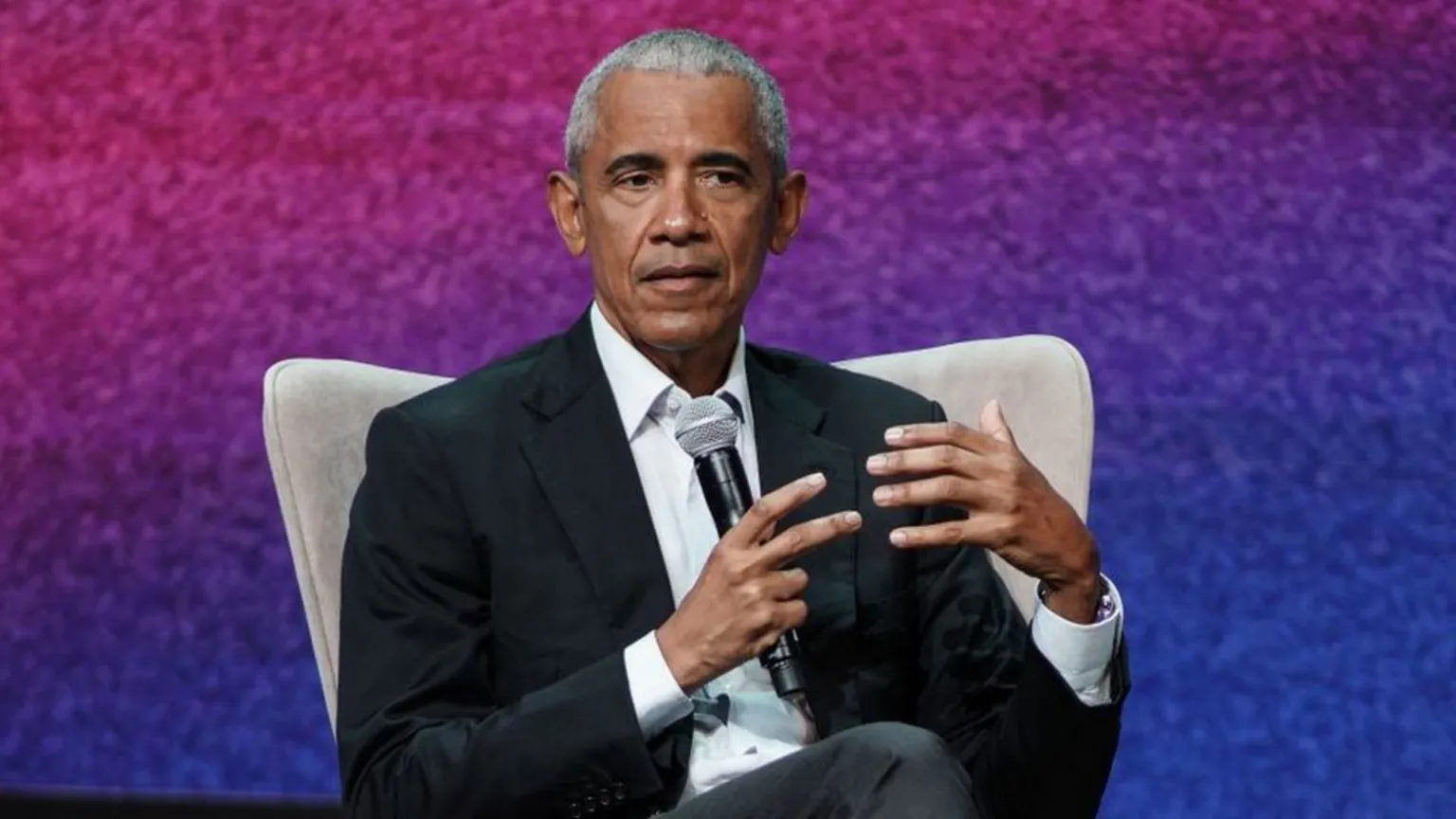
In a candid new essay published in Rolling Stone on May 19, 2026, former President Barack Obama pulls back the curtain on one of the most high-stakes rituals of his 2008 presidential campaign: the moments just before stepping onto the debate stage. What began as quiet time with jazz standards evolved into a powerful reliance on hip-hop anthems—specifically Jay-Z’s “My 1st Song” and Eminem’s “Lose Yourself.” These tracks, Obama reveals, helped him cut through the pomp, pressure, and performance of modern politics to reconnect with raw determination and authenticity.
“Sitting alone in the back of the Secret Service SUV on my way to the venue, nodding to the beat, I would feel the pomp and circumstance and artifice of my immediate surroundings melt away,” Obama writes. The songs about defying the odds and putting everything on the line perfectly mirrored his own underdog journey—from relatively unknown senator to frontrunner in one of the most consequential elections in American history.
This revelation, shared more than 17 years after the fact, offers fresh insight into how music served as both emotional armor and mental fuel for one of the most composed figures in modern politics. It also underscores the deep, often underappreciated role hip-hop played in shaping Obama’s personal and political identity.
stir
During the intense 2008 primary and general election campaigns, Obama developed what he describes as slightly “superstitious” pre-debate habits. A consistent workout, the same dinner order, and then—crucially—about 30 minutes alone with music and earbuds, away from staff notes and talking points.
He started with jazz: Miles Davis’ “Freddie Freeloader” from Kind of Blue and John Coltrane’s iconic reinvention of “My Favorite Things.” These were familiar comforts, reflecting Obama’s well-known love for the genre. But as the campaign wore on and the stakes escalated, he found rap more effective at sharpening focus and igniting the fighter within.
“A couple of songs about defying the odds and putting it all on the line — Jay-Z’s ‘My 1st Song’ and Eminem’s ‘Lose Yourself’ — were always in the rotation, maybe because they felt suited to my early underdog status,” he explains.
“My 1st Song” (from Jay-Z’s 2003 album The Black Album) is a reflective yet triumphant track where Hov looks back on his come-up while asserting his place at the top. Lines about hustle, legacy, and proving doubters wrong resonated with a candidate constantly battling questions about experience, race, and electability.
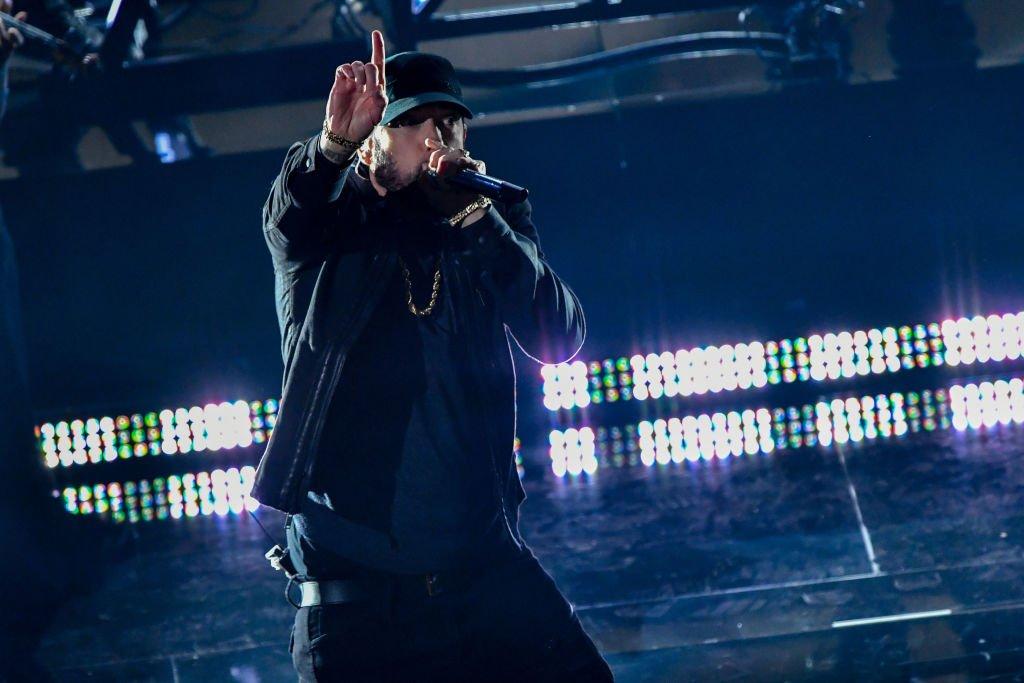
“Lose Yourself”—Eminem’s 2002 Oscar-winning phenomenon from the 8 Mile soundtrack—needs little introduction. Its urgent piano riff, raw storytelling of seizing one shot at success, and message of overcoming fear made it a universal pump-up anthem. For Obama, riding in a motorcade surrounded by security and spectacle, it grounded him in the personal stakes of the moment.
These choices weren’t random. Obama has long positioned himself as a cultural bridge-builder, comfortable quoting everyone from Shakespeare to Jay-Z. His playlists—shared annually during his presidency and beyond—consistently featured hip-hop alongside jazz, soul, rock, and pop. But the 2026 essay marks one of his most personal disclosures about how the music actively shaped his performance under pressure.
flow
Obama’s affinity for hip-hop wasn’t just private—it became a campaign asset. In 2008, artists like Jay-Z, Young Jeezy, and will.i.am openly endorsed him. Jeezy’s “My President” (remixed with lines celebrating Obama’s win) became an unofficial anthem. Jay-Z performed at fundraisers and later inducted into cultural institutions with Obama’s public praise.
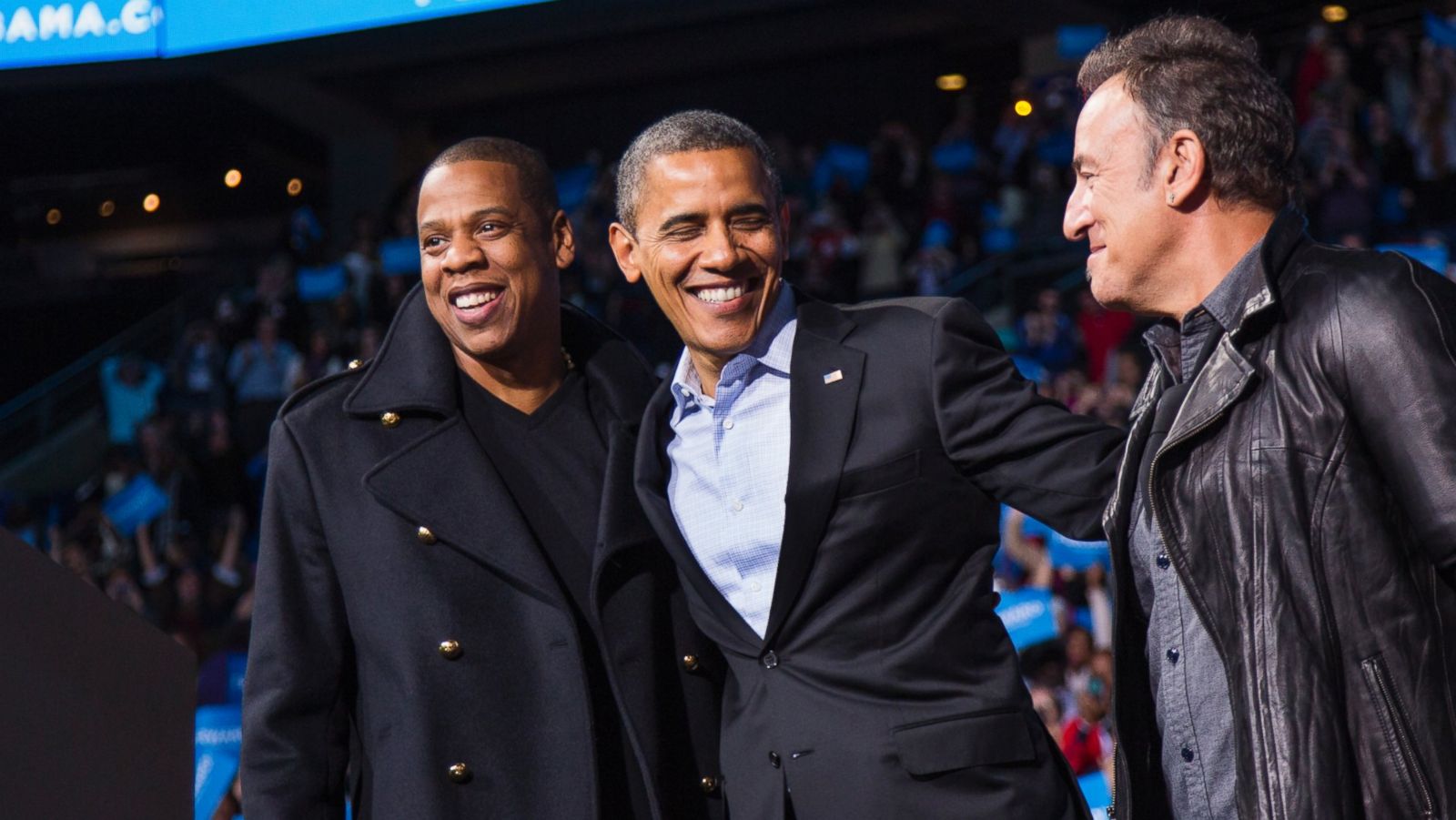
The campaign strategically courted younger voters and Black communities through music. Obama appeared on hip-hop radio, referenced rap lyrics in speeches, and embraced artists who saw in him a symbol of possibility. His embrace of the genre helped humanize him—showing a thoughtful, intellectual man who also understood street-level ambition and cultural expression.

Critics on the right pounced, accusing him of pandering or associating with “thug culture.” Obama navigated this carefully, praising hip-hop’s storytelling power while acknowledging its problematic elements (a balance he struck again in later years when discussing issues like fatherhood and responsibility in Black communities).
Yet the private ritual revealed in the Rolling Stone essay shows the relationship ran deeper than politics. These songs weren’t props—they were tools for mental clarity when the weight of history pressed heaviest.
scope
Music has been a constant thread in Obama’s public life. His annual summer and year-end playlists became cultural events, mixing emerging artists with classics. The 2020 playlist tied to his memoir A Promised Land included “Lose Yourself,” “My 1st Song,” Beyoncé, Bruce Springsteen, and more.
He hosted legendary performances at the White House—Stevie Wonder, Bob Dylan, Aretha Franklin—often blending genres to reflect America’s diversity. Beyoncé serenaded the couple with “At Last” at the inaugural balls. Paul McCartney played “Michelle.”
In speeches, Obama frequently quoted lyrics. He inducted Jay-Z into the Songwriters Hall of Fame with warm, personal remarks. Even after leaving office, his playlists and musical references kept him connected to popular culture in a way few ex-presidents achieve.

The 2026 essay situates hip-hop within a larger American musical tradition that includes spirituals, gospel, protest songs, and jazz—genres that have long fueled social and political movements. Obama argues music provides the emotional language for change, helping people imagine new possibilities.
theory
Both “My 1st Song” and “Lose Yourself” speak to transformation and high-stakes performance. Jay-Z raps about evolving from street hustler to culture icon, refusing to be defined by others’ expectations. Eminem captures the paralyzing fear of blowing one opportunity—and the adrenaline of refusing to let it slip.
For a biracial, Hawaii-born, Harvard-educated community organizer turned presidential candidate, these narratives mirrored his own path. Obama often described his campaign as improbable. Polls showed him trailing, pundits questioned his readiness, and racial barriers loomed large. In the back of that SUV, with Secret Service agents up front and history on the line, the beats reminded him: this moment is yours—don’t lose yourself in the spectacle.
Psychologists and performance coaches often recommend music for state regulation before high-pressure events. Obama instinctively found what worked: something rhythmic, narrative-driven, and empowering. Rap’s combination of flow, beat, and lived experience cut through the intellectual noise of policy briefs.
leg
This revelation arrives at a moment when music’s intersection with politics feels more polarized than ever. Artists routinely endorse candidates, drop protest tracks, or face backlash for their views. Obama’s approach—genuine fandom paired with thoughtful engagement—stands as a model of cross-culture connection.
It also humanizes him further. The “No Drama Obama” image was powerful, but behind it was a man who needed motivation like anyone else. He got pumped by the same songs millions of kids conjured in their headphones before big games, exams, or job interviews.
For hip-hop culture, Obama’s endorsement carries weight. Jay-Z and Eminem represent different eras and aesthetics—East Coast lyricism and entrepreneurial brilliance versus Midwest raw energy and technical mastery. Obama’s love for both highlights hip-hop’s breadth.
Eminem responded positively in the past to Obama’s praise. Jay-Z has spoken warmly about their relationship, including a memorable 40/40 Club fundraiser. These moments cemented mutual respect between hip-hop’s giants and America’s first Black president.
steward utensil
Leaders throughout history have used music—Churchill with classical, JFK with Rat Pack crooners. Obama’s choice of modern rap reflects his gen and view of a changing America: more diverse, more expressive, more willing to confront contradictions.
In the essay, he ties this personal ritual to broader themes of American identity. Music, he suggests, helps us transcend division by tapping shared human emotions—ambition, resilience, hope. In an era of deep polarization, that message feels especially timely.
look
Seventeen years later, Obama’s disclosure reminds us that even the most prepared leaders draw strength from unexpected sources. The same man who delivered soaring oratory and navigated financial crises found grounding in boom-bap and piano-driven urgency.
As new gens enter politics, they’ll bring their own playlists—perhaps drill, Afrobeats, or whatever emerges next. Obama’s story validates that authenticity in taste can strengthen rather than undermine leadership.
In the end, “My 1st Song” and “Lose Yourself” weren’t just pre-debate tracks. They were reminders that the man stepping onto that stage was, at his core, still the community organizer, the underdog, the believer in second chances and one shining moment.
Obama’s essay is more than nostalgia—it’s a love letter to music’s power to center us when the world spins fastest. And in sharing it, the 44th president once again proves he understands the soundtrack of American aspiration better than most.
From the DRIFT archive: Jodie Foster Narrates Morgan Neville’s Breakdown: 1975: A Cultural Autopsy of the Most Radical Year in American Cinema · Fashionably Late, Perfectly On Time: XO’s Arrival Shakes Up UK Pop