














DRIFT AUDIO
Listen to this story
Choose a voice, then press play.
Something about paradise always sounds a bit suspicious in 2026. Too polished, too promised. In an era of algorithmic feeds offering endless optimization, wellness retreats rebranded as “journeys,” and digital escapes that somehow still demand your data, the very word paradise lands with a cynical thud. So when Bershka teams up with Aries and calls the result Eδέμ (Eden in Greek), you already know this is not about soft-focus utopia. It is about the mess underneath—the bite of the apple, the hiss of the snake, the moment innocence cracks and self-awareness floods in.
The London label founded by Sofia Prantera has built its reputation on twisting references until they feel slightly off. Classical art gets dragged into street culture, preppy codes are roughed up, and nothing stays too clean for long. That same energy runs through this capsule, but here it feels more introspective, like Aries is turning the camera inward instead of simply remixing the outside world. Eδέμ plays with the idea of a personal paradise—the kind you build for yourself online and in your head. Apples and snakes appear as symbols that should feel obvious, yet land with irony, almost like props in a performance about identity. It is less biblical, more post-internet. Less salvation, more self-construction.
idea
Founded in 2009 by Prantera (often alongside Fergus Purcell, aka Fergadelic), the brand emerged from London’s skate and club scenes but quickly outgrew any single subculture. A Central Saint Martins graduate with roots in Italian design sensibility and British irreverence, Prantera has always treated fashion as collage: high and low, sacred and profane, nostalgic and futuristic.
Her earlier work with Silas & Maria laid the groundwork for graphic-heavy, youth-driven streetwear, but ARIES felt freer—less defined, more experimental. Over time, the label became known for hand-drawn graphics, ironic takes on luxury, and the ability to make archival references feel lived-in and slightly dangerous. Renaissance motifs appear on hoodies; preppy polos look like they survived a house party.
Prantera has spoken openly about navigating a male-dominated streetwear space, the importance of subcultural authenticity, and her magpie-like sourcing—from books and films to trash culture and social media. With Eδέμ, that approach sharpens into something more reflective: a meditation on lost innocence, the seduction of consumption, and the precise moment childhood dissolves.
View this post on Instagram
flow
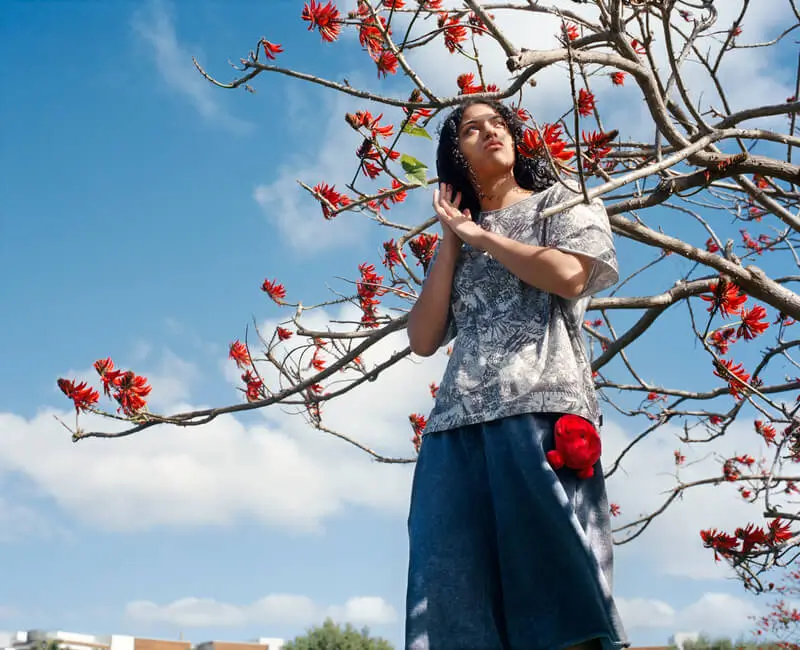
The collection draws heavily from 15th-century works by Lucas Cranach the Elder—biblical Eden scenes recontextualized through a contemporary lens. These intricate engravings appear across garments as prints and thematic anchors. But this is not reverence; it is reinterpretation. Apples become symbols of digital temptation, while snakes weave through mandala patterns that evoke both spiritual awakening and psychedelic nightlife.
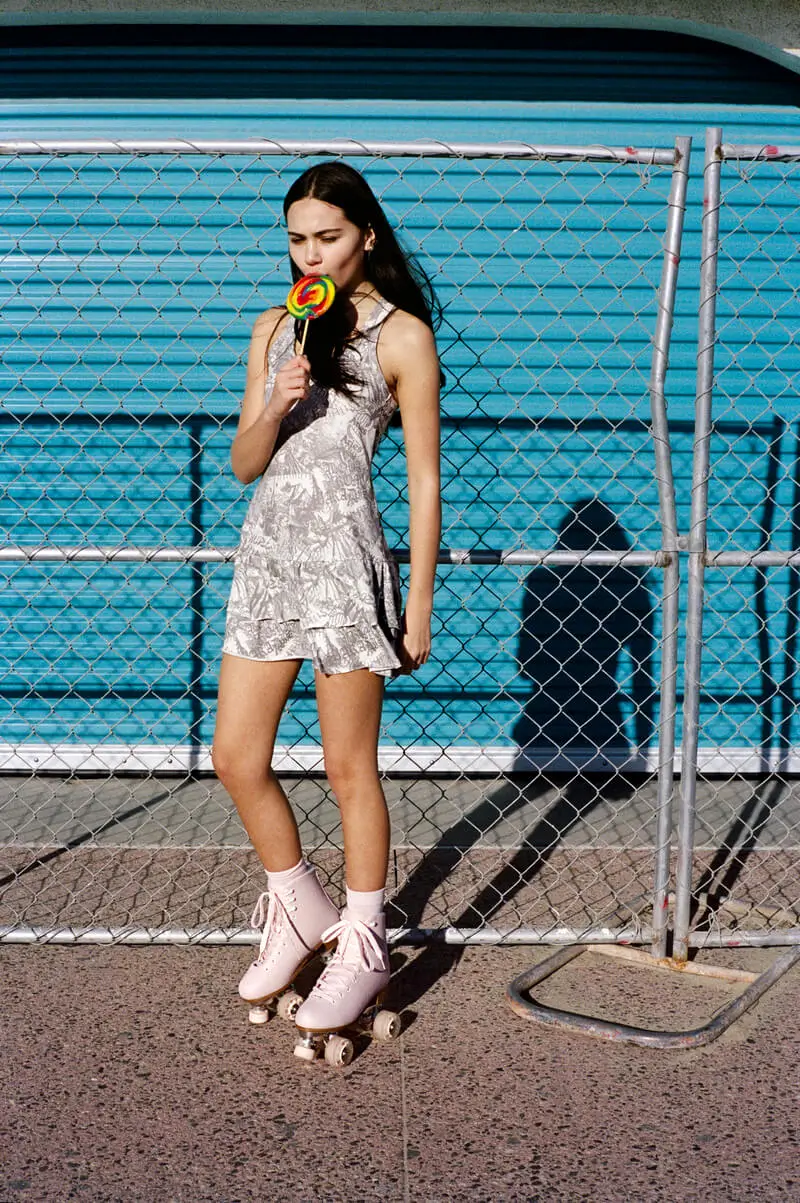
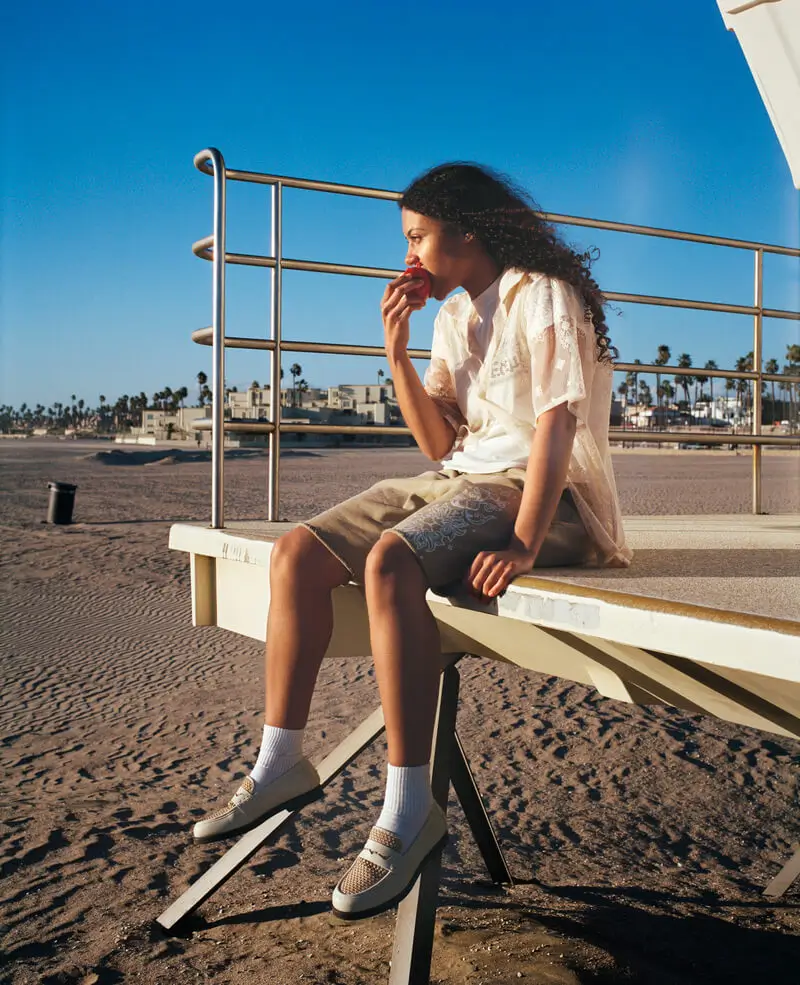
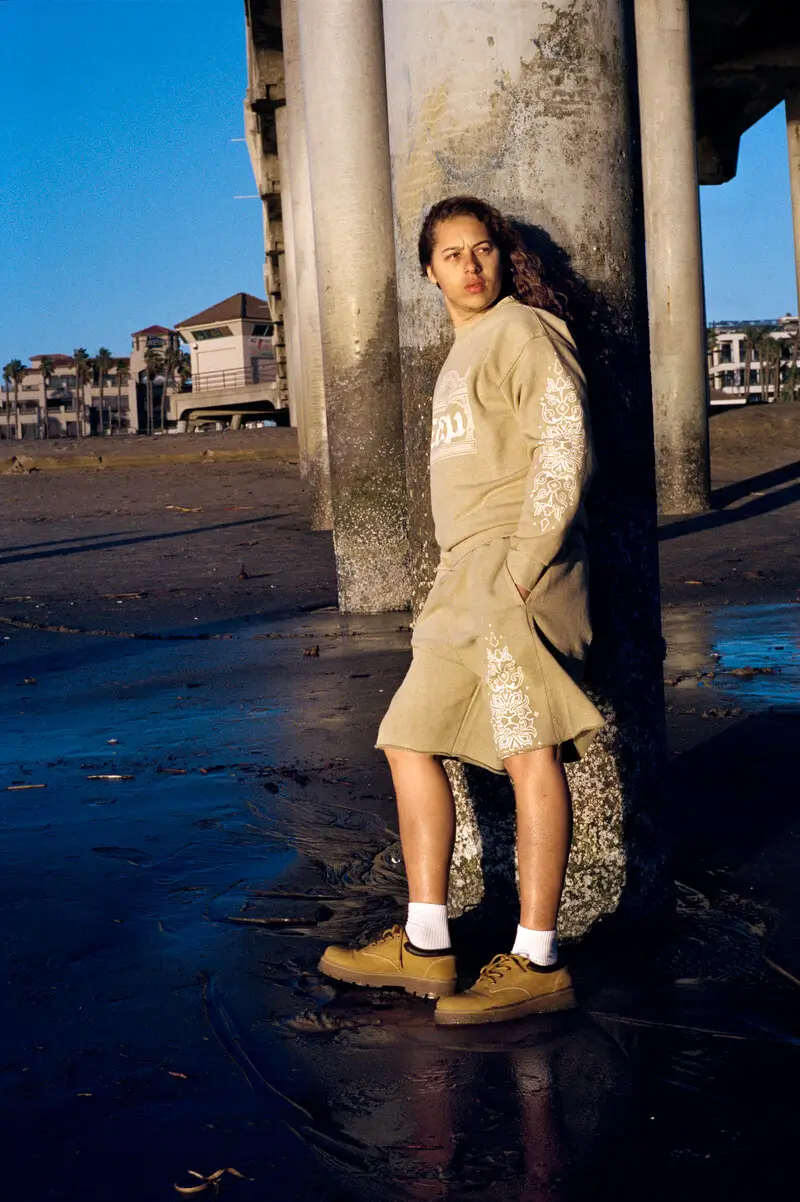
The campaign, shot by Ed Templeton in Huntington Beach, grounds this in sun-bleached realism. His documentary-style imagery avoids polished fashion tropes. The cast—more real youth than models—appear restless, free, slightly feral. Styled by Heidi Bivens, the looks layer preppy stripes with grunge textures, soft knits against graphic intensity. The result feels instinctive rather than constructed.
Prantera has cited Pier Paolo Pasolini’s Comizi d’Amore as an influence—unscripted interviews probing sexuality, society, and lost purity. The campaign echoes this through raw dialogue around desire and disillusionment. It becomes a fictional paradise exposing contradiction: enlightenment pursued through consumption, both tragic and faintly absurd. Think The White Lotus filtered through Renaissance iconography in a Southern California parking lot.
change
Eδέμ translates ARIES’ language for a broader Bershka audience without flattening its edge. It remains accessible, yet retains a subversive undertone.
Menswear leans into contrast—comfort elevated through detail. Jacquard denim sets carry subtle Eden motifs. Mandala-print fleece co-ords blur spiritual symbolism with rave and skate culture. Striped collegiate pieces are destabilized by offbeat graphics. The palette—muted ecru, olive, with sharper notes of red, pink, and lilac—keeps everything slightly unbalanced. Lo-fi knits, distressed finishes, and unexpected hardware prevent any sense of polish.
Womenswear moves between grunge and softness. Printed dresses carry apple and snake motifs, balancing sweetness with tension. Distressed denim, baby tees with rhinestones, and layered silhouettes mix sheer fragility with graphic weight. Feminine shapes are deliberately interrupted.
What binds it all is the hand-drawn quality. Graphics feel personal, almost diaristic. References—from Renaissance imagery to digital iconography—are present but not over-explained. The clothes operate on instinct as much as intellect.
scope
In 2026, this lands differently. Gen Z and younger Millennials navigate a world where paradise is both hyper-visible and perpetually out of reach. Social feeds promise perfection, AI offers companionship, and wellness is packaged as subscription. Yet anxiety, climate instability, and digital fatigue persist.
Eδέμ captures that contradiction. The apple becomes the notification that interrupts presence. The snake transforms into the influencer promising transformation. Paradise becomes something constructed—and quietly questioned.
Bershka, as part of Inditex, operates at scale. Partnering with ARIES injects subcultural credibility into that scale while giving the London label wider reach. It is a calculated exchange: underground energy meets mass accessibility.
imply
This is not just another drop. It reflects a shift in high-street collaboration. Beyond logos and celebrity alignments, there is increasing investment in concept. Prantera’s involvement ensures authorship—Bershka reportedly allowed significant creative freedom, aligning with a broader push toward cultural legitimacy.
For ARIES, it extends its language without diluting it. Eδέμ does not resolve contradictions; it stages them. Paradise remains a loop—desire, construction, disillusionment.
It aligns with a lineage of fashion that critiques its own system—early Vetements provocations, or Balenciaga’s meta-aware drops—yet filtered through a more sincere nostalgia for lost innocence.
why
Eδέμ arrives at a cultural inflection point. Youth culture in the mid-2020s is negotiating authenticity within systems built on performance. Skaters, ravers, digital natives, and quiet luxury audiences all intersect here.
The collection does not attempt resolution. It sits in tension: preppy and grunge, sacred and profane, online identity and offline reality. Prantera’s method—collage, contradiction, emotional clarity—offers a framework for design that still feels thoughtful within fast fashion’s shadow.
In the end, Eδέμ is not selling salvation. It offers the uniform for navigating what salvation might mean. Slightly off, self-aware, and unmistakably 2026.
The collection dropped in late April 2026 and is available via Bershka online and select stores. Whether chasing a personal Eden or simply drawn to the graphics, it lands with intent—and a knowing sense of irony.
n
From the DRIFT archive: Wizdom 2025 at Cipriani Wall Street: An Experiential Moment in Cloud Culture · The Dodgers × Takashi Murakami: Turning a World Series Win Into Cultural Art
Related Articles

The Frankie Shop Takes Milan: Oversized Suiting Moves Into the Quadrilatero
Eleven years after a Lower East Side boutique, Gaëlle Drevet’s label opens its first Italian […]