DRIFT

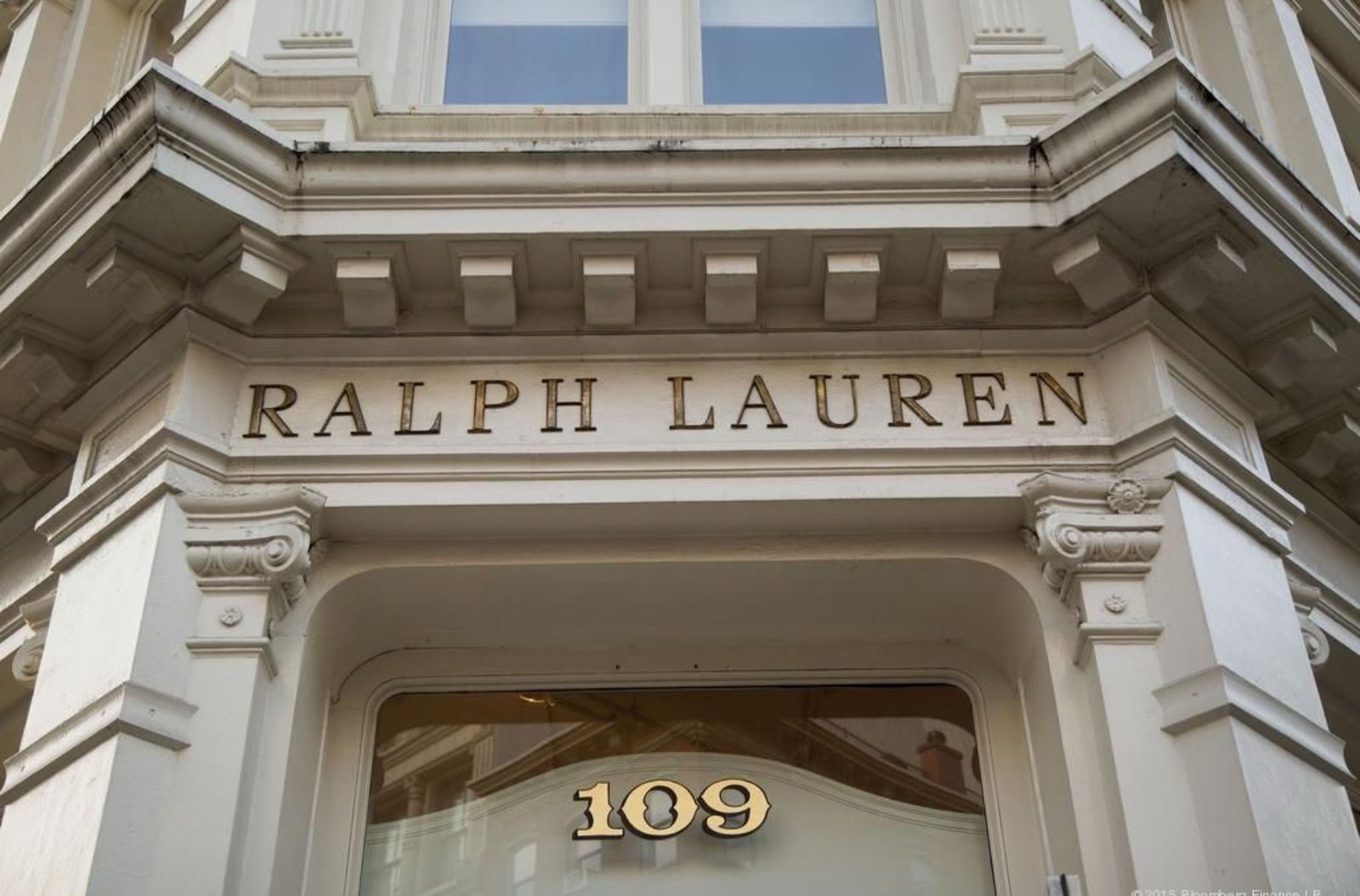
In the cartography of global luxury, few square blocks carry the resonance of SoHo. It is New York’s sunlit confessional for style, where cast-iron facades frame dreams in denim, and every corner hums with the carefully undone elegance of creative capital. To own a storefront here is not just to rent space—it is to inherit a cultural ZIP code. And in April 2025, Ralph Lauren etched its name deeper into the city’s architectural mythology with a record-shattering $132 million acquisition of its long-held retail condominium at 109 Prince Street.

What might seem like a transactional headline belies a layered narrative—of rivalry, legacy, market fortitude, and symbolic permanence. This isn’t just real estate. It’s a statement of faith in place as brand, and a bet on the psychic value of bricks and mortar in a digitized luxury economy.

The Anatomy of an Address

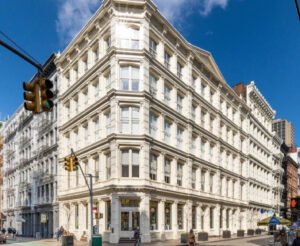
Let us begin with the bones: 109 Prince Street, nestled at the confluence of Prince and Greene, occupies a plot that reads like a New York fashion diary. The building, distinguished by its classical cast-iron frontage and oversized windows, is a neoclassical hymn to retail theatre. Since 2010, Ralph Lauren has occupied the storefront—a gallery of Americana dressed in sandstone and sepia tones, where every flannel shirt and cashmere blazer breathes cinematic restraint.

But occupancy is not ownership. Until now, the two-unit commercial condominium belonged to Swiss investor Jean-Pierre Lehmann, who acquired it nearly two decades ago. The recent transaction covers 9,909 square feet, divided into a 4,500 SF ground floor, 2,144 SF basement, and a 3,265 SF second floor—a layout of vertical luxury with an unprecedented blended rate of $13,321 per square foot. The ground floor alone clocks in at approximately $29,333/SF, setting a new watermark in downtown commercial real estate.

This is not mere arithmetic. This is valuation as cultural liturgy. Ralph Lauren did not simply purchase a property—it secured a myth.

LVMH’s Bid: A Battle of Empires

The drama behind the acquisition sharpened when LVMH—the French conglomerate that owns Louis Vuitton, Dior, and Tiffany & Co.—entered the bidding arena. Their interest in 109 Prince was strategic: relocate Tiffany & Co., the storied jeweler, into the heart of SoHo, solidifying the brand’s downtown reincarnation. It would have been a tectonic retail shift, reimagining Tiffany in a neighborhood of art school rebels, tech moguls in joggers, and curated edge.

But Ralph Lauren held its ground—not merely financially, but philosophically. Where LVMH plays luxury like a game of global chess, Lauren’s move was more intimate. A defense of home turf. The Prince Street store is not just a flagship—it’s a stage for the Ralph Lauren mythos: burnished wood floors, vintage trunks, Ralph Lauren Home flourishes that evoke Aspen lodges and Hamptons estates in equal measure. Losing the location would have punctured the brand’s New York aura.

That LVMH failed to secure it speaks volumes. Not every empire wins every street.

Ownership as Brand Infrastructure

The significance of the acquisition is not strictly financial—it’s foundational. In an era where many luxury brands lease their flagship properties at staggering rents, Ralph Lauren has signaled a deeper strategy: own the stage, not just the script. This is a hedge against volatility and a reinforcement of permanence.

As e-commerce accelerates, brick-and-mortar stores have transformed from points of sale into brand temples—sensory sites where shoppers aren’t merely purchasing but inhabiting. Prince Street is no longer just where Ralph Lauren sells cable-knit sweaters. It’s where it sells belonging.

Ownership gives the brand editorial control over its spatial identity. No lease renegotiations. No landlord-imposed changes. Just uninterrupted aesthetic authorship in a neighborhood that functions as the city’s cultural living room.

And in SoHo—where art once met rebellion, and now meets architecture, fashion, and finance—this permanence matters. Even more so when the property plays host to international foot traffic, digital content creation, and the ever-rolling lens of influencer documentation.

The Mythology of SoHo and the Retail Renaissance

To understand the full emotional weight of Ralph Lauren’s move, one must consider what SoHo was, is, and represents. The 1970s gave SoHo its creative heartbeat—loft-living artists, industrial decay, and Jean-Michel Basquiat scribbling genius between gallery gigs. In the 1990s, fashion crept in—first through boutiques like Anna Sui and Helmut Lang, then corporate pioneers like Chanel and Prada.

By the time Ralph Lauren opened its doors in 2010, SoHo was fully gentrified but not yet sterilized. It remained seductive—a district of light and heritage. What Ralph Lauren did, with its careful interiors and Americana staging, was plant the flag for luxury as nostalgia. It conjured a world not of trend but of story. To buy there was to time travel, not just to shop.

Now, with the purchase, the brand is saying: this mythology is not for rent. It’s for keeps.

And that choice reverberates. In a post-pandemic retail economy, where online sales continue to threaten streetfront vitality, investments like these reassert that location still matters—but not just for transactions. For meaning. For permanence. For the theater of identity.

Economic Refraction: $132 Million as Signal

Let’s pause to consider the sheer economics of the transaction. $132 million for just under 10,000 square feet is not only a SoHo record—it’s an affirmation of luxury real estate as a brand asset class. Real estate has always been a shadow currency in fashion. But now, it’s on the main ledger. This isn’t just store ownership. It’s capital allocation in a saturated image economy.

The price also reflects scarcity logic: Prince Street has finite frontage. And in the global real estate portfolio of luxury houses, few addresses offer both cultural cachet and foot traffic. The blended $13,321/SF price tag, while seemingly irrational, is calibrated not only by physical dimensions but symbolic gravity.

As with the brand’s famed mansions in Chicago and flagship on Madison Avenue, this acquisition signals Ralph Lauren’s intent to remain a landed institution, not a passing digital platform. As brands flirt with the metaverse and decentralized retail, Lauren builds a fortress out of real floors and historic moldings.

Ralph Lauren’s Legacy: Reinvention through Roots

Perhaps the most poetic dimension of this acquisition is what it reveals about Ralph Lauren himself. Now 85, Lauren remains an elder statesman in the fashion world—a designer who built not just a brand but an ideal. From ivy league prep to Navajo ranchwear, from Gatsby dreams to downtown minimalism, his vision has always been about place—emotional, cultural, spatial.

By buying 109 Prince, the house of Ralph Lauren does more than secure a future. It reenacts a legacy of grounded elegance. It reminds us that real estate is not just business—it’s autobiography. This storefront is not a billboard. It’s a mirror, reflecting who the brand has been and who it intends to be.

And for a label so rooted in American iconography, what could be more fitting than owning a piece of the country’s most mythologized cityscape?

Impression

The SoHo acquisition closes a loop. It begins in 2010 with design. It ends in 2025 with deed. In between lies a decade of shifting consumer habits, digital overexposure, and retail anxiety. And through it all, the Prince Street store remained a refuge—its wood-paneled walls and Polo scent offering constancy in chaos.

Now, it is more than refuge. It is fortress.

At a time when the industry churns faster than trends can be named, when fashion houses change creative directors as often as models change looks backstage, Ralph Lauren’s $132 million move is a quiet declaration: some things are worth keeping.

Not for nostalgia.

But for power.

For permanence.

For place.

Related Articles
Modern data center facility with a solar-panel-clad exterior, bright green administrative offices, and secure perimeter fencing, showcasing sustainable digital infrastructure and renewable energy integration

Lombardy’s Data Center Boom: Balancing Digital Ambition with Environmental Responsible

Lombardy has emerged as Italy’s primary hub for new digital infrastructures, particularly data centers—vast complexes […]

In a highly anticipated reunion after 24 years, Adidas Originals and Coca-Cola have joined forces once again to celebrate the FIFA World Cup 2026™. The collaboration revives their iconic 2002 partnership from the Japan-South Korea tournament, now reimagined for the biggest global sporting event of 2026, co-hosted by the United States, Canada, and Mexico. Set to launch on June 6, 2026, this collection masterfully blends Adidas' streetwear heritage with Coca-Cola's timeless branding, creating a vibrant fusion of football culture, nostalgia, and modern style. The drop arrives at a perfect moment. With the World Cup kicking off on June 11, 2026, fans worldwide are gearing up for a summer of football excitement. This collaboration isn't just merch—it's a cultural statement that merges two legendary brands under the banner of "Originals are the Real Thing," a clever twist on Coca-Cola's famous slogan. Historical Context: A Reunion 24 Years in the Making Adidas and Coca-Cola first collaborated during the 2002 FIFA World Cup, producing limited-edition pieces that captured the era's energy. That partnership helped define early 2000s football-streetwear crossover culture. Fast-forward to 2026, and the brands are back with fresh energy, leveraging Adidas' deep FIFA ties (as an official partner) and Coca-Cola's long-standing sponsorship of the tournament. The 2026 edition promises to be historic as the first 48-team World Cup, spanning three countries and generating unprecedented global hype. This collab taps into that momentum, offering fans wearable pieces that celebrate both brands' legacies while looking forward to the future of football fashion. Collection Overview and Design Philosophy The Adidas Originals x Coca-Cola collection fuses 2000s street style with classic sporting aesthetics. Expect bold reds, creams, whites, and silver accents inspired by Coca-Cola's iconic packaging—think classic script logos, droplet detailing, and can-inspired motifs. The lineup spans footwear, apparel, and accessories, divided into two visual directions: one logo-heavy and graphic-forward, the other drawing from vintage advertising aesthetics. Designs pay homage to Coca-Cola's visual language while staying true to Adidas Originals' archival roots. High-quality materials, attention to detail, and versatile silhouettes make these pieces suitable for both match-day wear and everyday street style. The campaign, featuring young football star Lamine Yamal and a diverse cast in everyday scenes building anticipation for the tournament, reinforces themes of originality and shared cultural moments. Footwear Highlights Footwear takes center stage in this collaboration, with reimagined takes on iconic 2000s Adidas silhouettes: Samba and Superstar Models: These classics get Coca-Cola treatment with white/cream/red colorways and prominent script branding. The Samba blends street heritage with football roots, while the Superstar II features weathered bases and bold side panels. Expected pricing around $110–$130. Adistar Control 5: A standout with droplet detailing mimicking condensation on a cold Coke can. This model brings performance-inspired design into lifestyle territory. Predator Sala: Indoor/hybrid style with silver-and-red accents, nodding to predatory precision on the pitch and Coca-Cola's bold energy. Climacool 1: Revived with breathable tech and Coke-inspired graphics, perfect for warm summer days. Megaride F50: A highlight paying tribute to the iconic Coca-Cola glass bottle, with unique contours and refreshing design cues. Each pair incorporates thoughtful details like embroidered logos, custom insoles, and packaging that mimics vintage Coke crates or cans. These shoes are built for durability and comfort, appealing to sneakerheads, football fans, and casual wearers alike. Apparel and Accessories Beyond kicks, the collection offers a full lifestyle range: Track Tops and Jerseys: Standout jerseys fuse retro Coca-Cola advertising from different eras into cohesive football designs. Track jackets feature signature three stripes alongside Coke branding, in vibrant reds and classic whites. Shorts and T-Shirts: Relaxed fits with graphic prints, ideal for casual wear or layering. Expect motivational football motifs blended with refreshing beverage references. Accessories: A bright red airliner bag stands out as a functional statement piece. Additional items may include caps, socks, and tote bags carrying the collaborative spirit. The apparel emphasizes comfort with premium cotton blends, mesh panels for breathability, and oversized silhouettes popular in contemporary streetwear. Unisex sizing and inclusive fits make the collection accessible to a broad audience. Cultural Impact and Fan Appeal This collaboration resonates on multiple levels. For football fans, it represents national pride and global unity ahead of the 2026 tournament. Sneaker enthusiasts will appreciate the nostalgic 2000s revival mixed with modern execution. Streetwear collectors see it as a prime example of how heritage brands can innovate through partnerships. In an era where sports and fashion increasingly intersect, Adidas and Coca-Cola deliver pieces that transcend the pitch. Wear them to watch matches at home, attend watch parties, or hit the streets in any host city—New York, Los Angeles, Toronto, or beyond. The designs are versatile enough for gym sessions, festivals, or daily commutes. The timing aligns perfectly with rising interest in football in North America, boosted by the co-hosting nations. Young talents like Lamine Yamal in the campaign help bridge generational gaps, attracting newer fans while satisfying longtime supporters. Where to Buy and Release Details The collection launches globally on June 6, 2026, via: Adidas CONFIRMED app (for early access and raffles) Adidas.com Select retailers and flagship stores worldwide Some regions may see staggered drops, with Japan and other markets getting early access. Prices are expected to range from $50–$150 depending on the item, making it relatively accessible compared to ultra-limited drops. Pro Tips for Copping: Enable notifications on the CONFIRMED app. Check local stock at Adidas stores in major cities. Monitor resale platforms post-drop for exclusive colorways, but be wary of markups. Size up slightly for oversized apparel fits. Given the World Cup hype, popular items like the Sambas and jerseys are likely to sell out quickly. International shipping is available, but factor in potential customs delays. Styling Suggestions Match Day Look: Pair a collaborative jersey with classic black shorts and Samba sneakers for effortless fan style. Streetwear Rotation: Layer a track top over a graphic tee with wide-leg pants and the Megaride F50 for a bold urban ensemble. Casual Summer: White Superstar with denim shorts and the airliner bag for a refreshing, vacation-ready vibe. These pieces mix seamlessly with existing Adidas or neutral wardrobes, maximizing versatility. Broader Context in 2026 Fashion and Sports The Adidas x Coca-Cola drop is part of a larger wave of high-profile collaborations tied to the World Cup. Adidas continues its dominance in football kit design, while Coca-Cola leverages its sponsorship with collectibles, bottles, and experiential activations like the Trophy Tour. In the sneaker industry, this collab exemplifies the ongoing trend of lifestyle reinterpretations of performance silhouettes. It also highlights how global brands use major events to drive cultural conversations around unity, originality, and joy—core values for both companies. Sustainability notes (based on Adidas' broader initiatives) suggest some pieces may incorporate recycled materials, aligning with modern consumer expectations. Looking Forward: Legacy and Excitement As the countdown to kickoff continues, this collection serves as the perfect prelude to an unforgettable summer of football. Whether you're a die-hard supporter, a fashion-forward collector, or someone seeking motivation through style, the Adidas Originals x Coca-Cola FIFA World Cup 2026 lineup delivers. Expect potential restocks, special event exclusives in host cities, and continued campaign content featuring more athletes. This isn't just clothing—it's a ticket to participate in the global celebration of the beautiful game. Mark your calendars for June 6, 2026. Refresh your wardrobe, lace up those Sambas, and get ready to cheer on your team in style. The "Real Thing" meets the Originals in what promises to be one of the most talked-about releases of the year. This collaboration captures the essence of football's universal appeal: bringing people together through shared passion, iconic brands, and unforgettable moments. As the world prepares for 2026's expanded tournament, Adidas and Coca-Cola remind us that some partnerships are truly timeless.

Adidas Originals x Coca-Cola Collection: FIFA World Cup 2026

In a highly anticipated reunion after 24 years, Adidas Originals and Coca-Cola have joined forces […]

Loewe shoulder bag crafted in brown and black leather with minimalist lion face detailing and a matching fur tail charm

180 Years Unfolded: The Full Story Behind Loewe’s New Campaign

The year was 1846. Queen Victoria was on the British throne and the telephone, the […]