

DRIFT AUDIO
Listen to this story
Choose a voice, then press play.
A Melbourne label built on courier bags now measures its lineup in hours, days, months and years, with a DJ’s record tote and a kelp colored Japan run rounding out the batch.
Crumpler started in 1995 with three bike couriers in Melbourne stitching bags for a company called Minuteman, and thirty years later the brand still leans on that same shorthand: build it tough, make it colourful, name it something a little absurd. The new arrivals page currently running on the brand’s US storefront reads less like a seasonal capsule and more like a full workshop clear out, stacking a sized family of messenger bags against a DJ collaboration, a run of small accessories and a scatter of returning favourites in fresh colourways.
View this post on Instagram
What ties it together isn’t a single fabric or a single silhouette. It’s a naming logic. Four of the lead pieces, Day By Day, Hour By Hour, Month On Month and Year On Year, are effectively the same bag stretched across four sizes, with the smallest built for a phone and cables and the largest built to swallow a 16 inch laptop and a change of clothes. Then there’s Brace Brace Brace, a compartment heavy messenger that Crumpler’s own copy calls “the crème de la crème,” and the Tooney Bin, a record carrying tote made with Melbourne DJ Andee Frost. Around those sit a dozen smaller releases, from a crossbody called Gosling to a pair of socks.
The brand has always leaned on this kind of blunt, slightly deadpan naming. Wikipedia’s entry on the company notes that Crumpler built its reputation on colourful designs paired with quirky, humorous marketing, and that tone hasn’t shifted much across three decades. A bag that repeats its own name three times because it earned the right to, or a sock line that exists mostly because a bag brand can also sell socks, reads as consistent with a company started by two bike couriers and a furniture maker who first branded his own logo onto chairs before he ever put it on a strap.
That founding story is worth a beat here, since it still shapes how the brand talks about itself online. Dave Roper, a former bike courier and co-founder of a courier outfit called Minuteman, approached Stuart Crumpler, then working part time as a courier himself, and asked if he could build twenty bags for the fleet. Those first shoulder bags solved a real problem: a courier could reach into one without taking it off, something a backpack never allowed. The two met at a pub in St Kilda and decided to turn that into a company. Will Miller, Roper’s business partner at Minuteman, joined soon after as a third partner. Almost none of that origin story shows up in the current new arrivals lineup directly, but it explains why even the most heavily built pieces in this drop, the ones meant for a laptop and a commute rather than a bike lock and a delivery run, still carry hardware and stitching choices that read as courier gear first and office accessory second.
stir
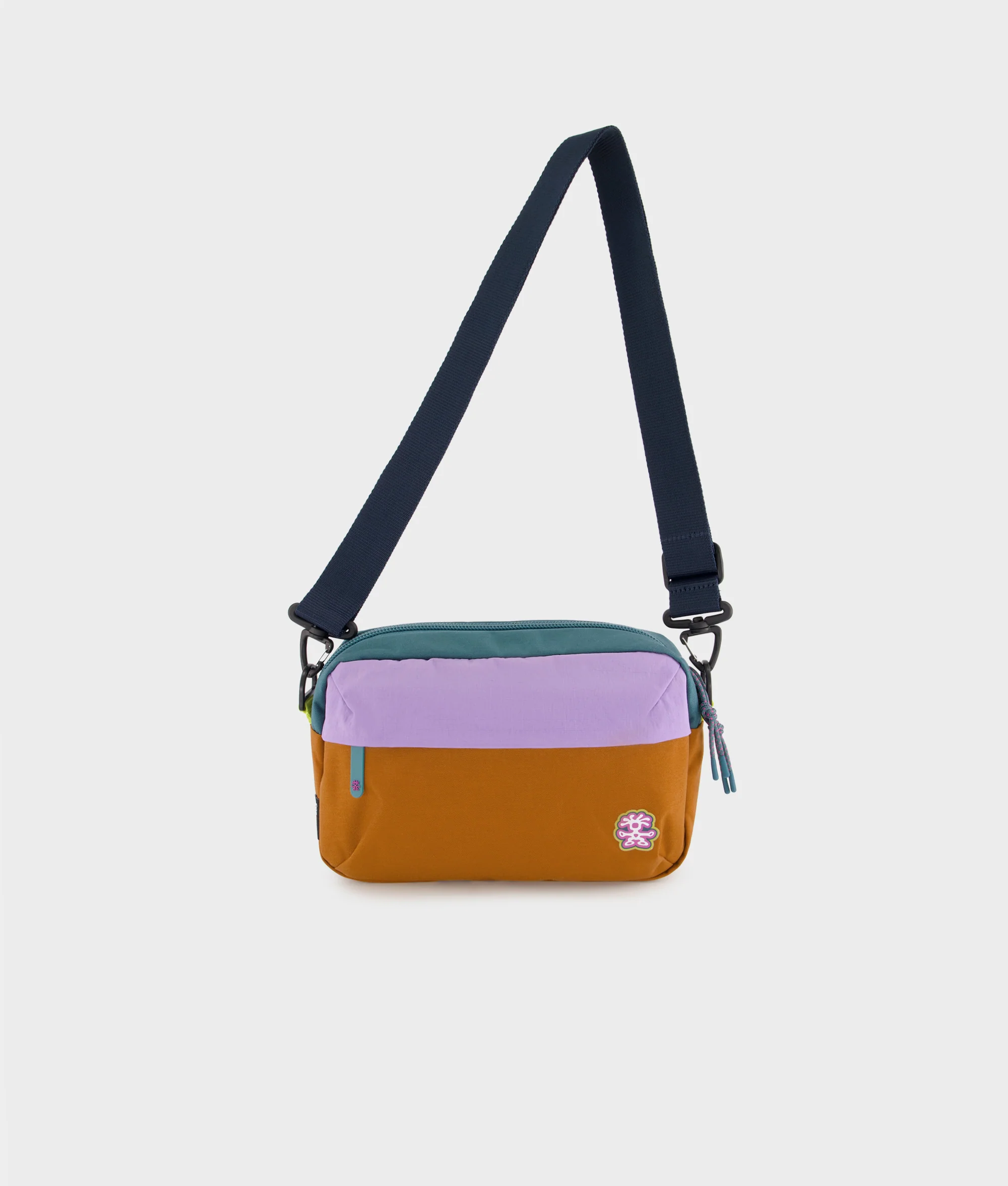
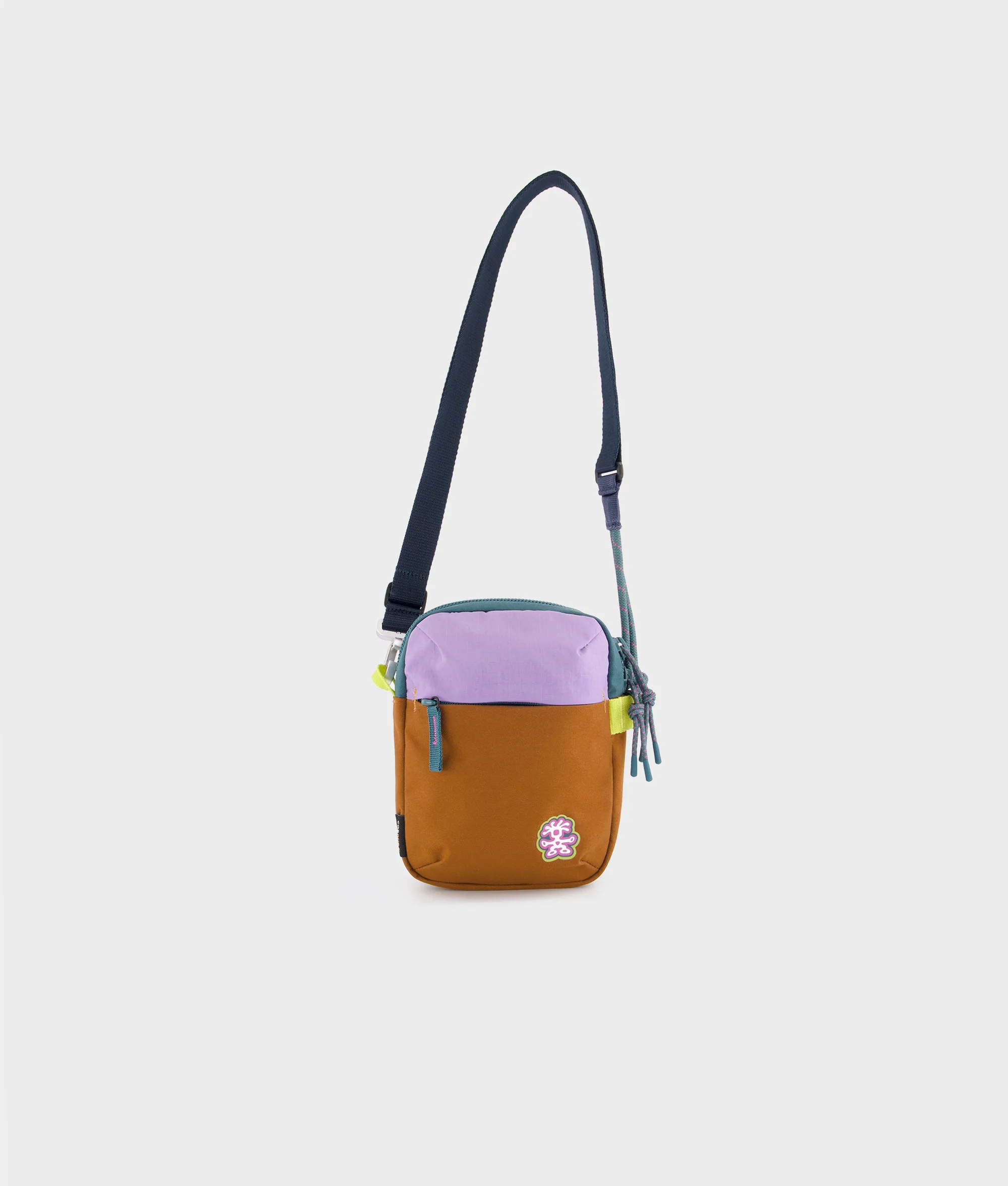
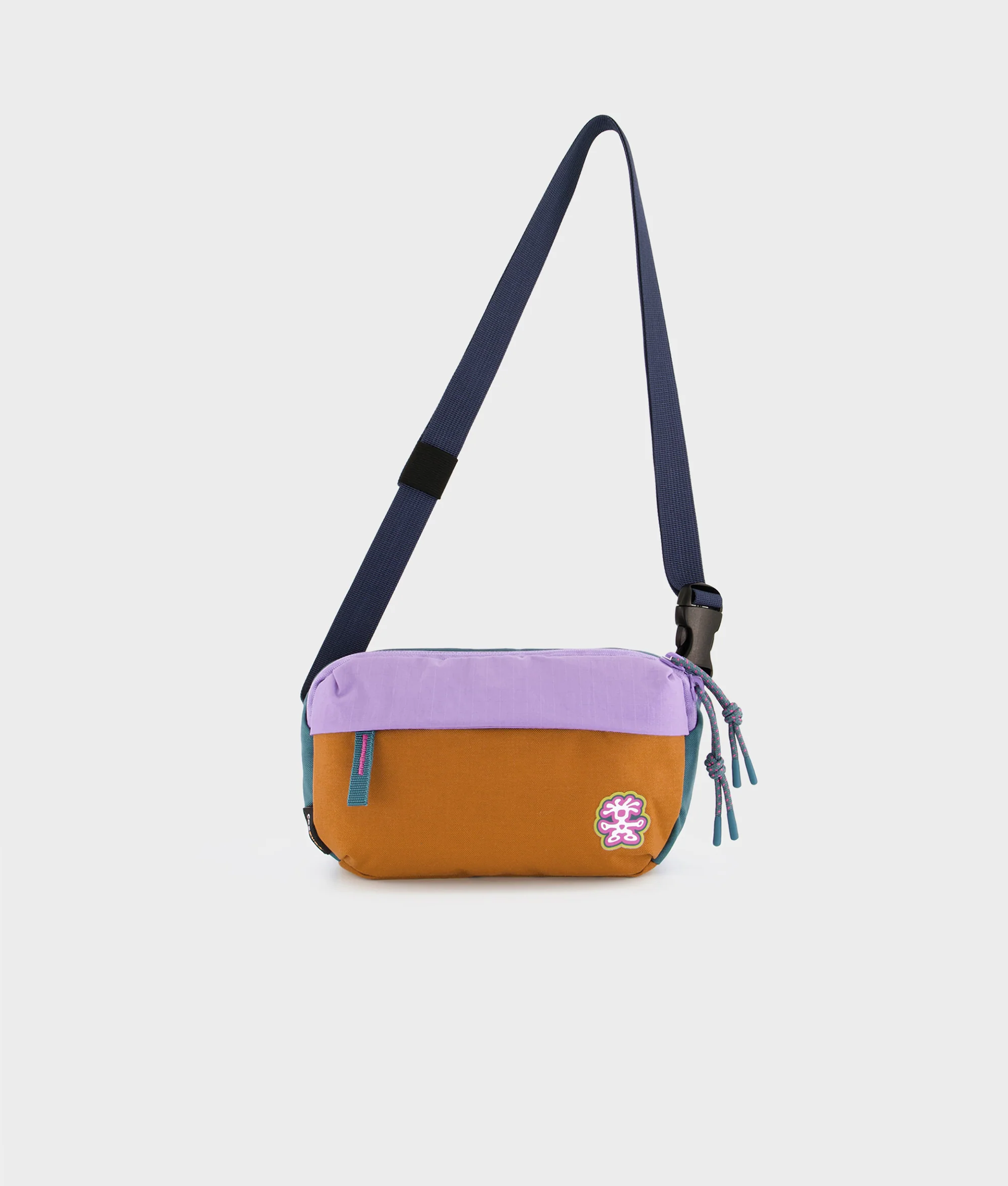
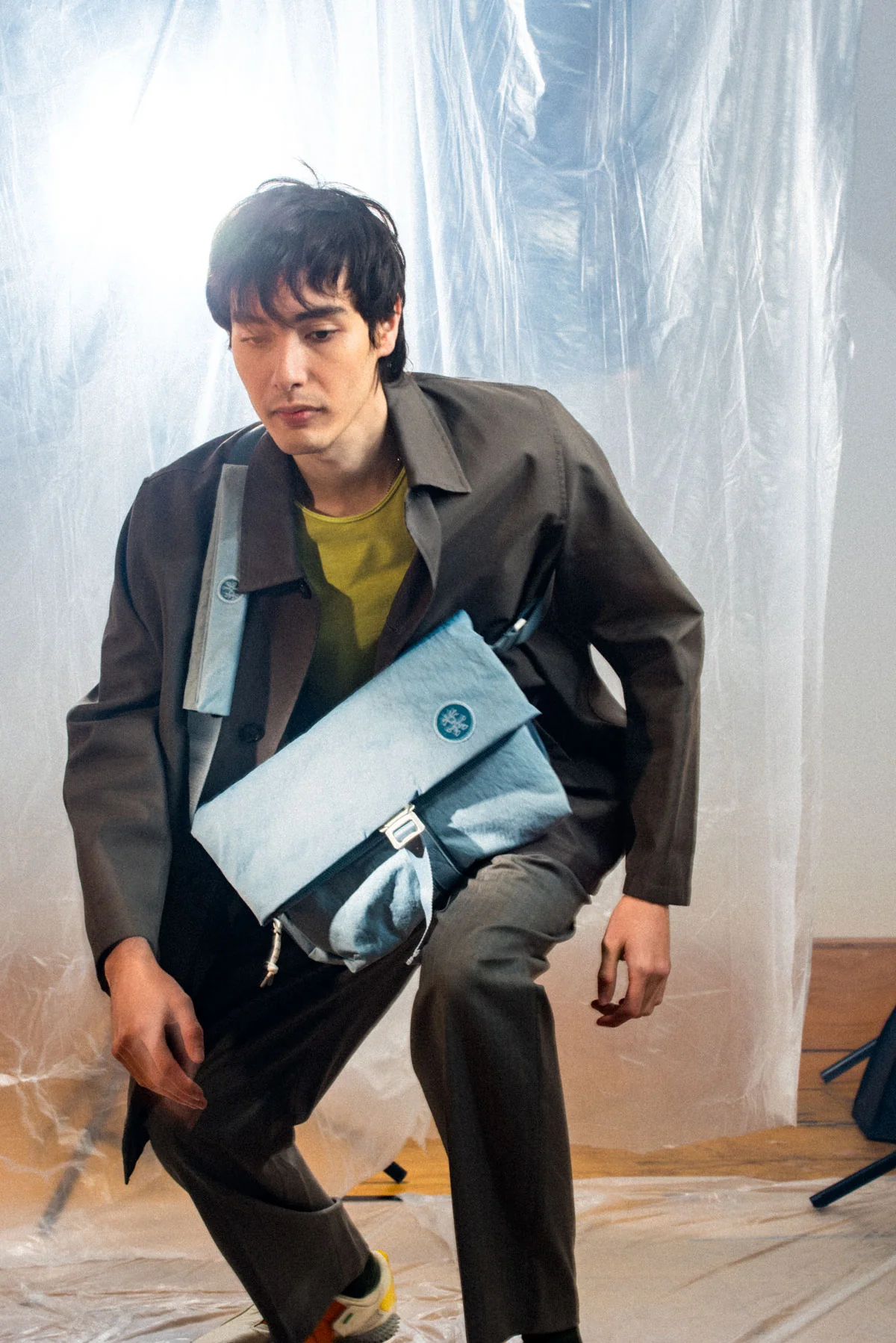
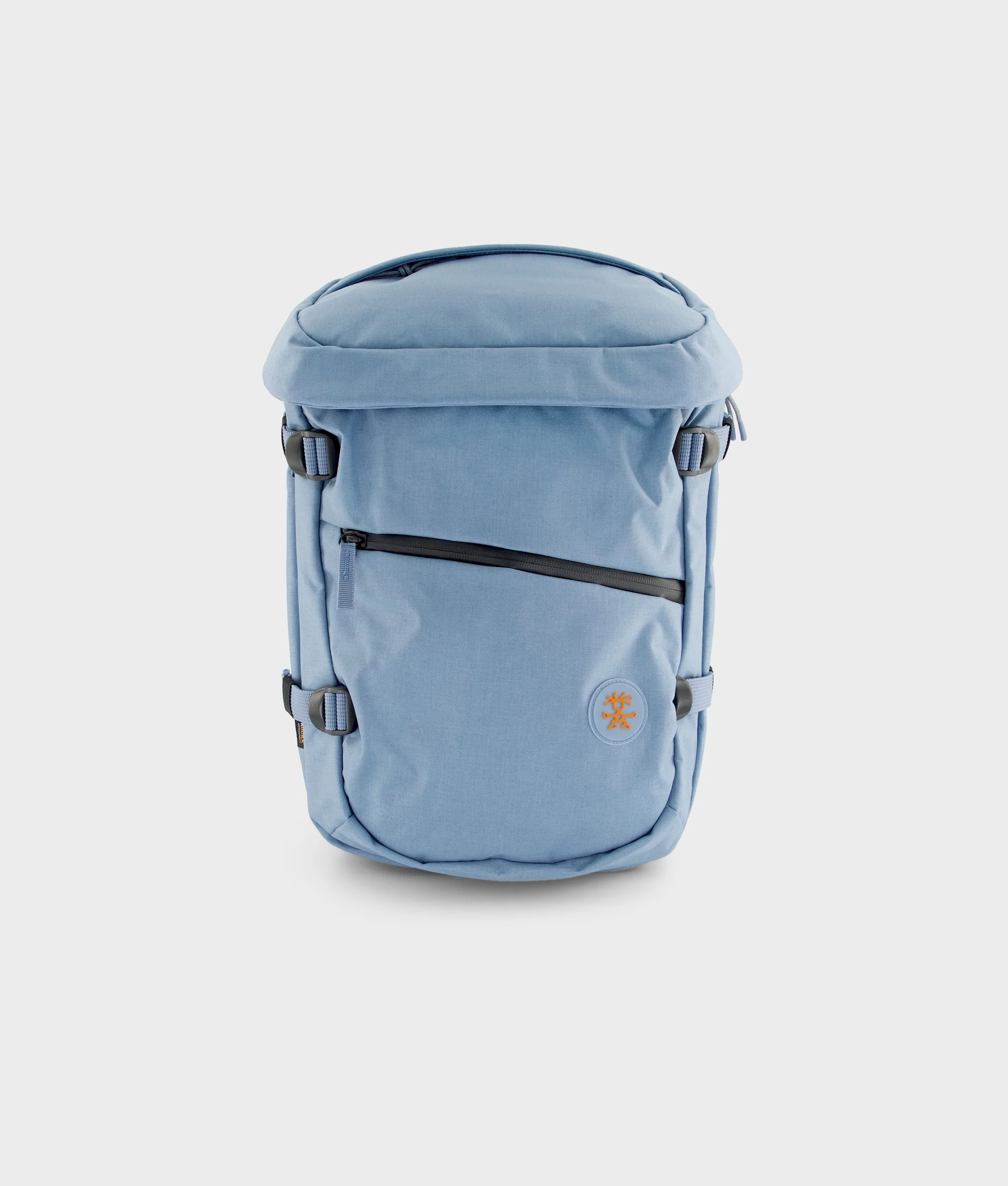
The clearest bit of design thinking in this drop is also the simplest. Crumpler built one messenger silhouette and let the calendar do the naming. Hour By Hour is the small size, Day By Day sits in the middle, Month On Month steps up again, and Year On Year is the largest. All four share a family look: a large zip opening, a front organiser pocket, an internal laptop sleeve, an aluminium G hook clasp, and an adjustable shoulder strap with a removable pad.
Day By Day, the size most people will land on, holds a 14 inch laptop in a padded sleeve, measures 24cm high by 35cm wide by 14.5cm deep, and weighs about 0.7kg empty. It’s built from 500D Nylon Cordura on the outside and a 150D RPET ripstop lining, with Crumpler stating the shell fabric is made from roughly 100 percent recycled material. That exterior fabric carries a hydrostatic head rating of 1,000mm, meaning it holds off water pressure equivalent to a metre deep column before moisture starts working through, a spec more often quoted in outdoor gear than in an office bag.
Tincture is where the Japan angle shows up. Alongside a dozen standard tones (olive, moss, mahogany, nightsky, black, camel, sea blue, pale purple, khaki and a black and olive split, among others) the new arrivals page lists a “konbu” family in dusty blue and seaweed, konbu being the Japanese word for the kelp used in dashi stock. It’s a small naming choice, but it lines up with a brand that has run stores through Singapore, Malaysia and Thailand for years and clearly still designs with that regional audience in mind. Pricing on the four sized bags runs from $45 for the smallest Hour By Hour up to $266 for Year On Year, with Day By Day sitting around $139 to $157 depending on colour.
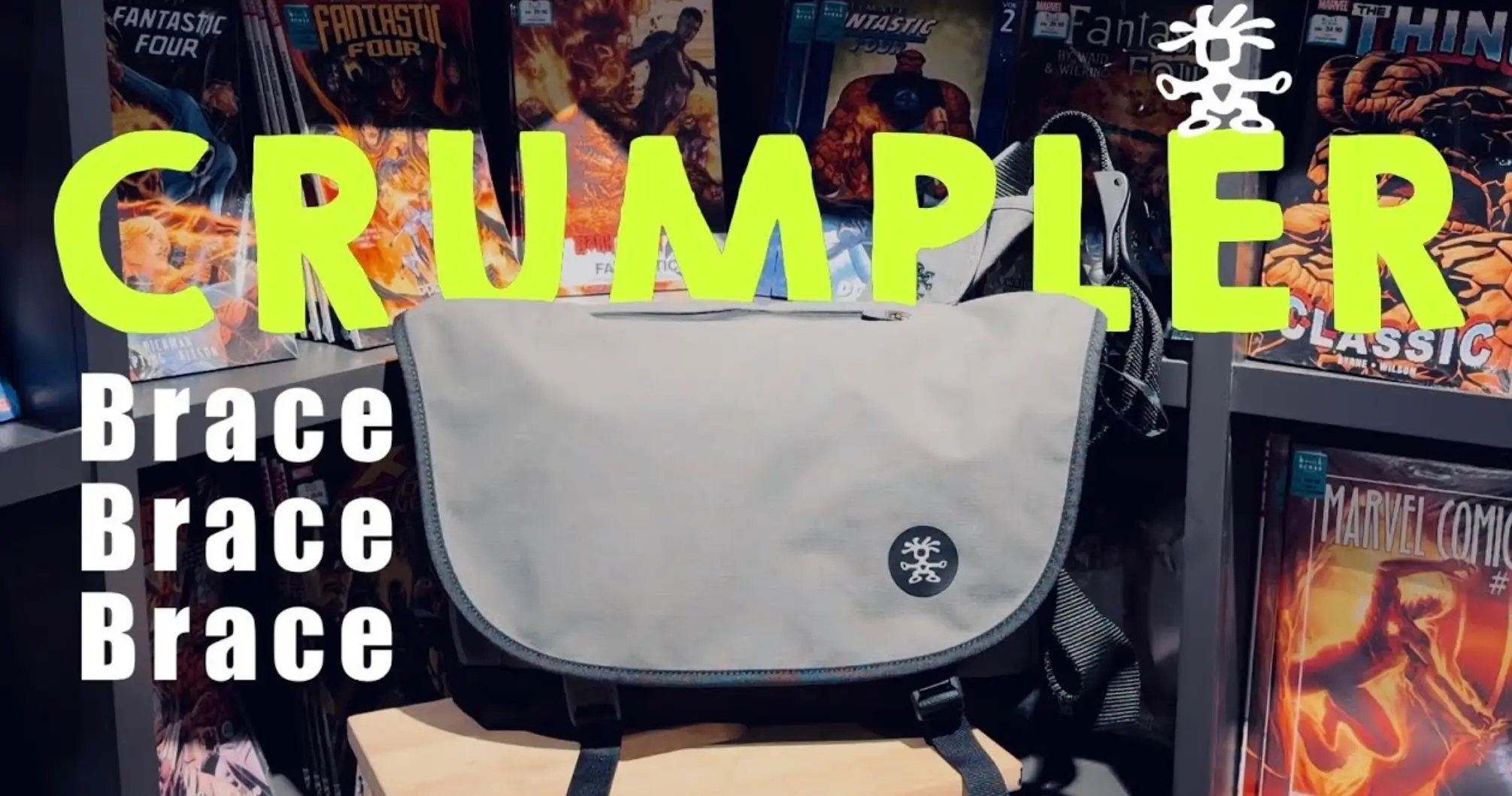
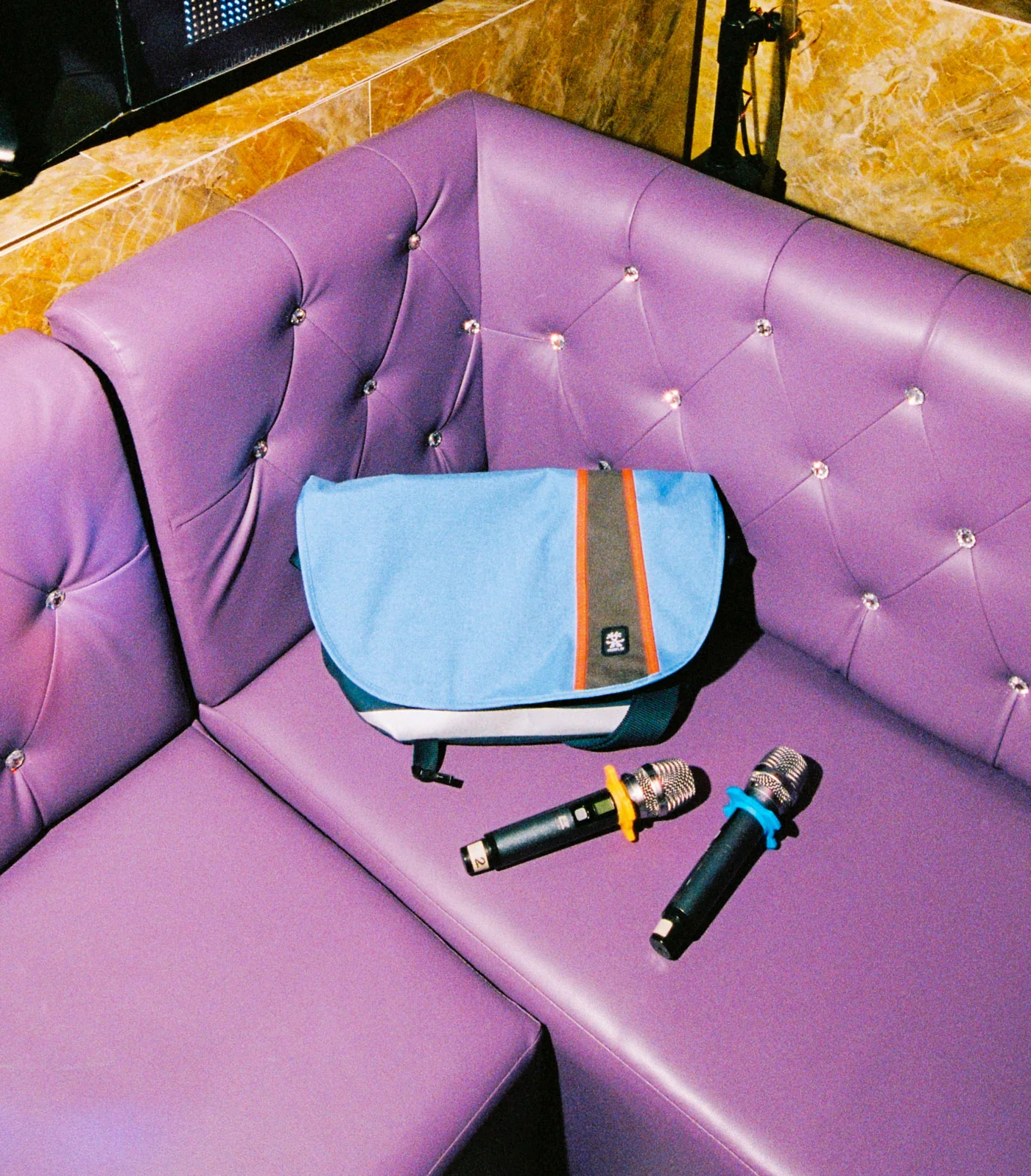
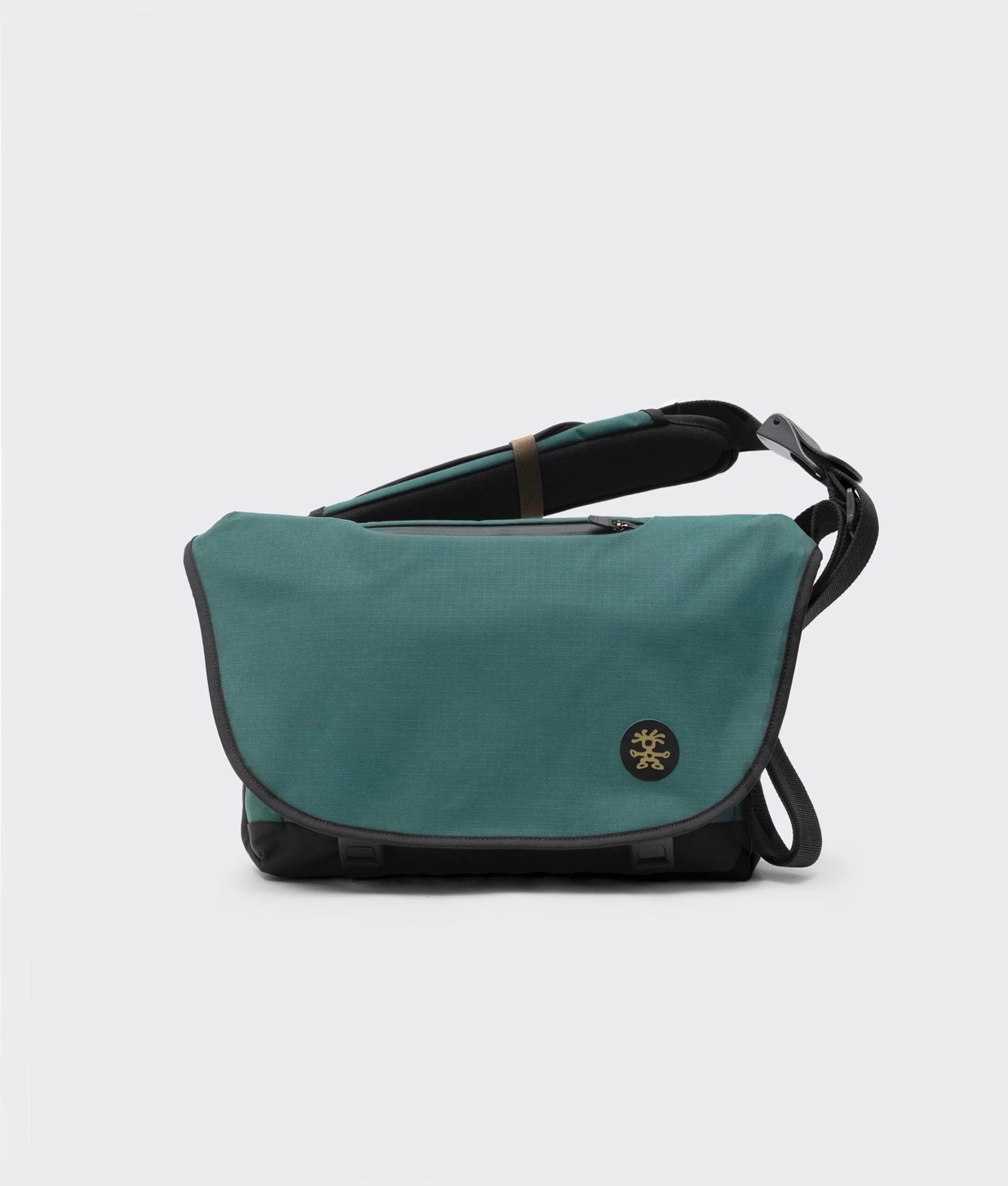
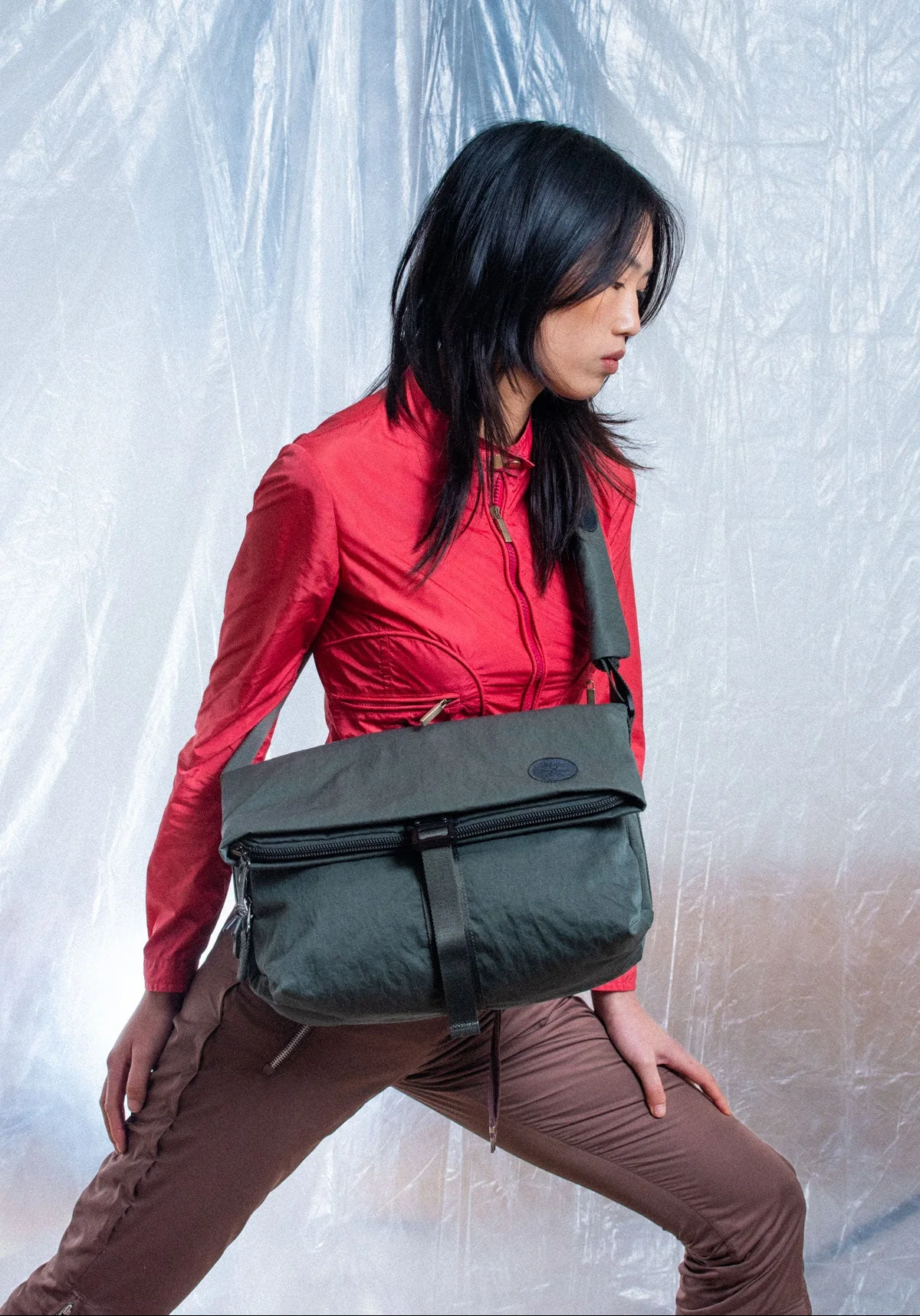
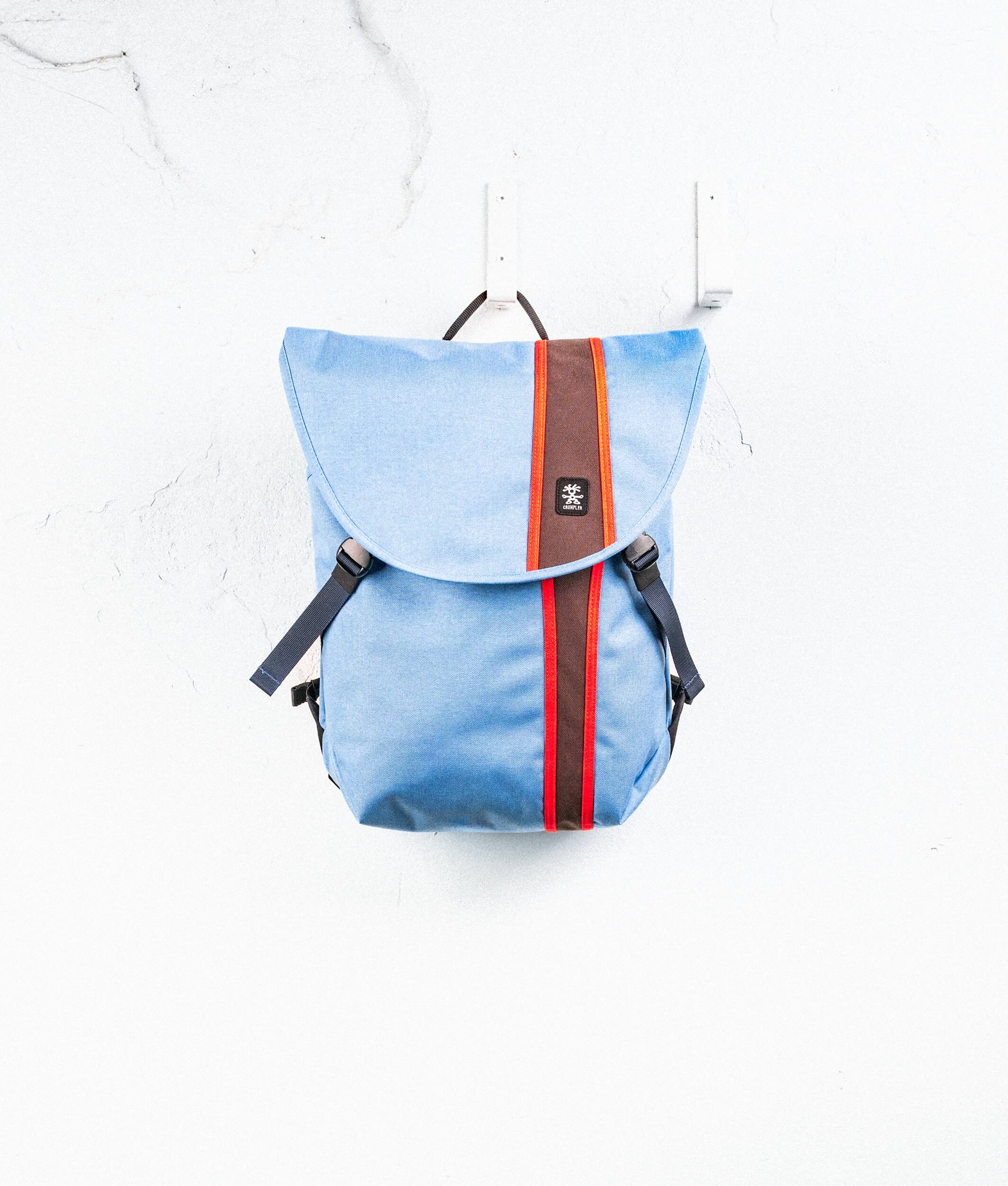
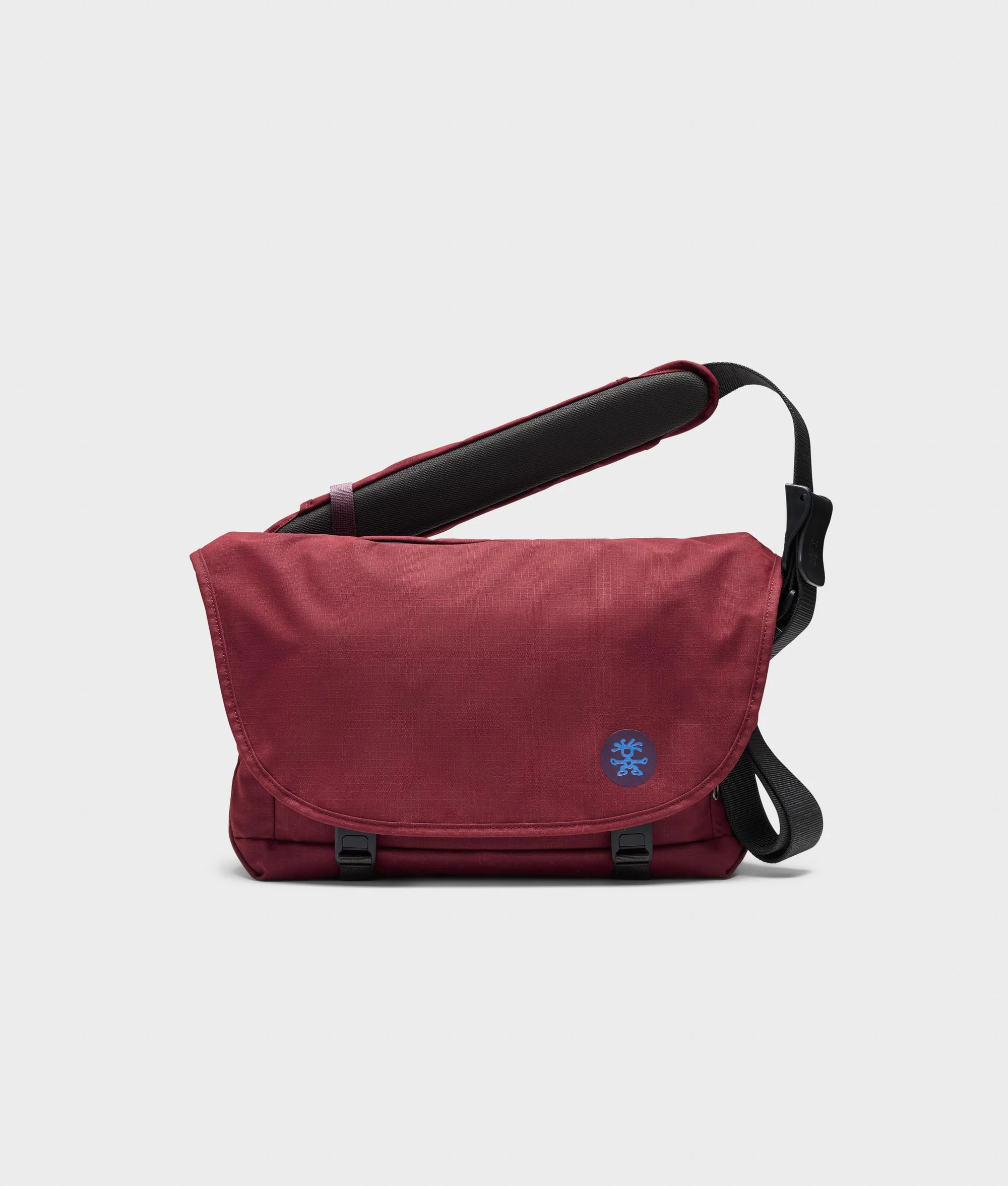
The Crumpler Brace Brace Brace messenger bag brings the brand’s signature courier-inspired silhouette into its latest lineup, pairing a lightweight flap-front design with an adjustable shoulder strap, durable construction, and understated branding for everyday commuting and urban carry.
idea
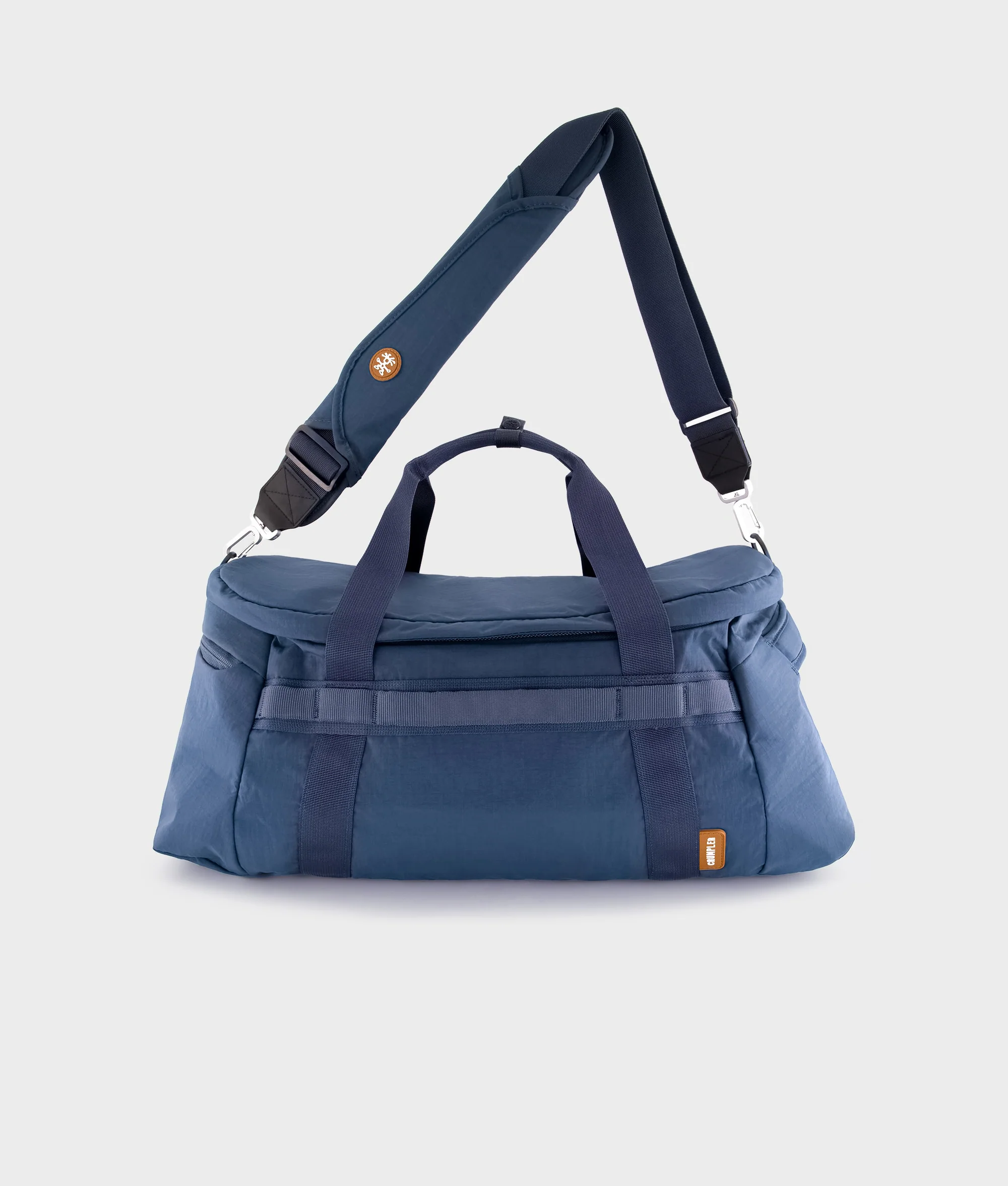
If the Hour to Year family is about restraint, Brace Brace Brace is the opposite instinct. Crumpler’s product copy explains the repeated name outright: “the crème de la crème, we had to say it thrice.” It’s a messenger built for someone who wants every pocket filled and labelled, and the spec sheet backs that up. The main closure runs on two magnetic buckles plus velcro. The back panel doubles as a luggage trolley sleeve. A removable magnetic “third leg” stabiliser strap keeps the bag from swinging while walking, and the shoulder strap itself uses what Crumpler calls an “Easy Lift and Shift” cam buckle with a removable pad.
Storage runs deep: a front organiser pocket with a key clip, an external water resistant zip pocket sized for a 14 inch laptop, a second external zip pocket on top, and inside, a padded sleeve that fits a 16 inch MacBook, an internal zip pocket, and three internal sleeve pockets, two of which are sized for a water bottle. The shell mixes waxed 500D regenerated nylon ripstop with 840D ballistic Cordura, a fabric originally developed for military body armour before it became a bag industry standard for abrasion resistance, and Crumpler puts the bag at roughly 80 percent recycled fabric overall. At 28.5cm by 47cm by 14.5cm and 1.1kg, it sits well above the Day By Day in both size and price, listed at $266 across colourways including Royal Red, Forest Green, Ginger, Baby Blue, Black, Sea Blue, Dark Brown, Leaf and Gunmetal.
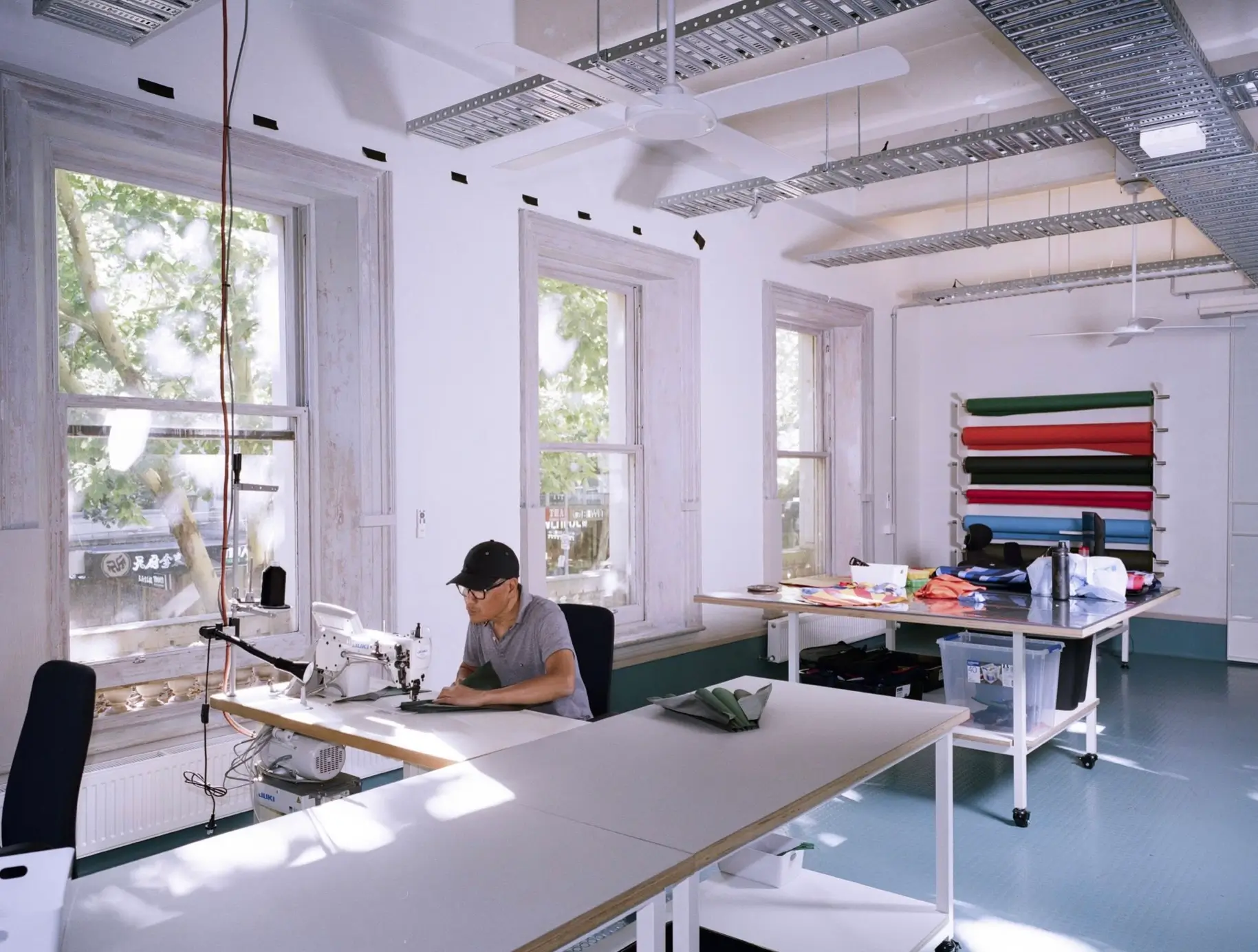
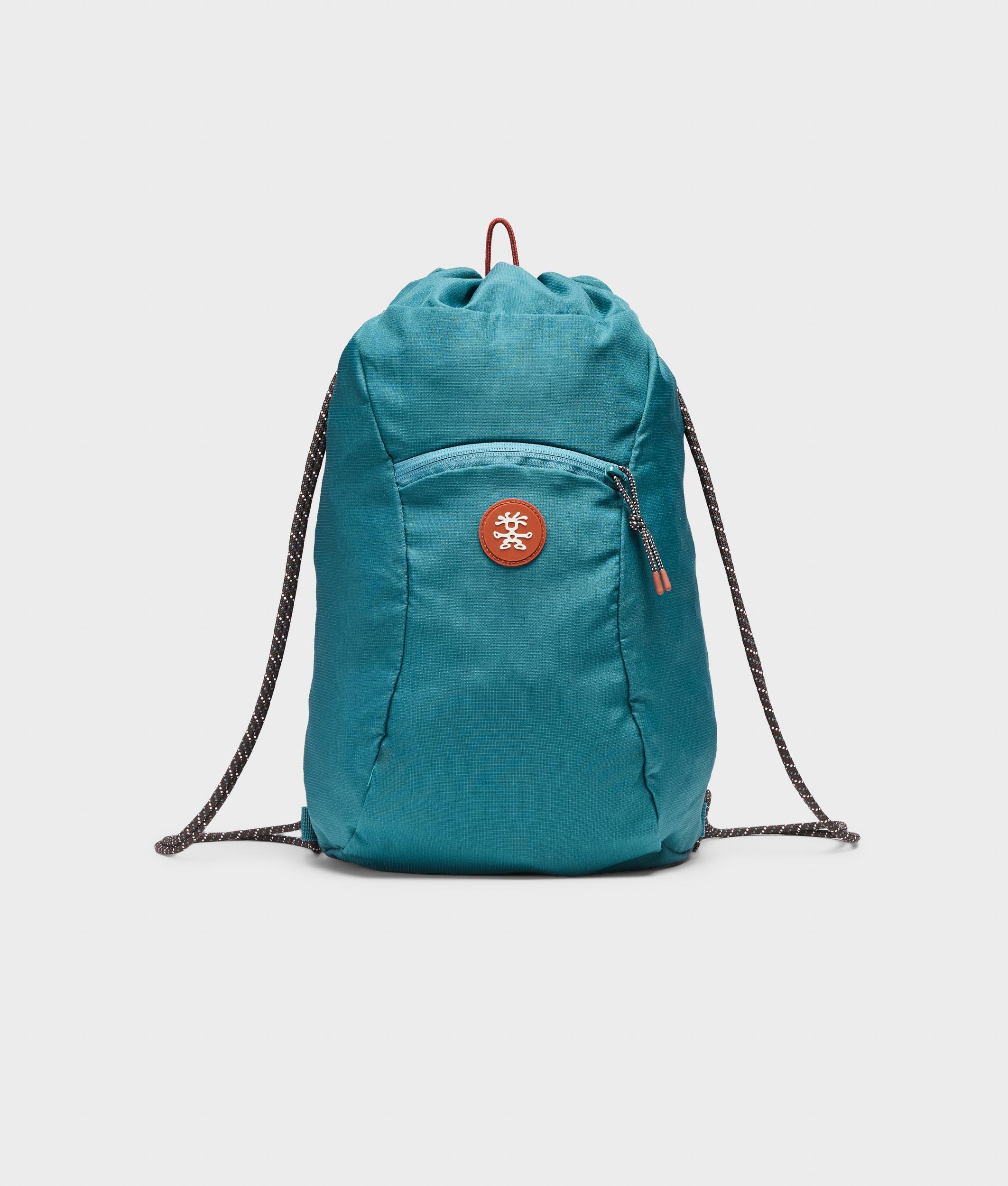
Inside the Crumpler workshop, product development takes place in an open studio where industrial sewing equipment, material rolls, and prototype bags come together. The space reflects the brand’s hands-on approach to designing and refining its everyday carry collection.
flow
The most specific piece in the drop is the Tooney Bin, a DJ record tote built with Melbourne DJ Andee Frost, listed as the pair’s second collide after an earlier joint bag. It’s built to carry up to 60 records, with padded tote handles, a removable shoulder strap and shoulder pad, and Crumpler’s own aluminium hardware. Beyond the record capacity, it carries a laptop sleeve for a 14 inch MacBook, an external DJ organiser pocket, an easy access zip pocket, a removable key clip, and a “smart sleeve” so it can be slid over a rolling suitcase handle at the airport.
Material wise it’s the most mixed bag in the lineup: 1000D and 500D Nylon Cordura, a 300D RPET ripstop, and a Lenzing Tencel indigo modal denim panel, a fabric made from wood pulp that Crumpler notes is biodegradable and less water intensive to produce than cotton denim. The Andee Frost colourway runs $310, while a plainer black version, sold under a slightly different structure, comes in at $248. At 35cm by 50cm by 21cm and 1.15kg, it’s the largest single item in the drop by volume, which tracks given what it’s designed to hold.
everything
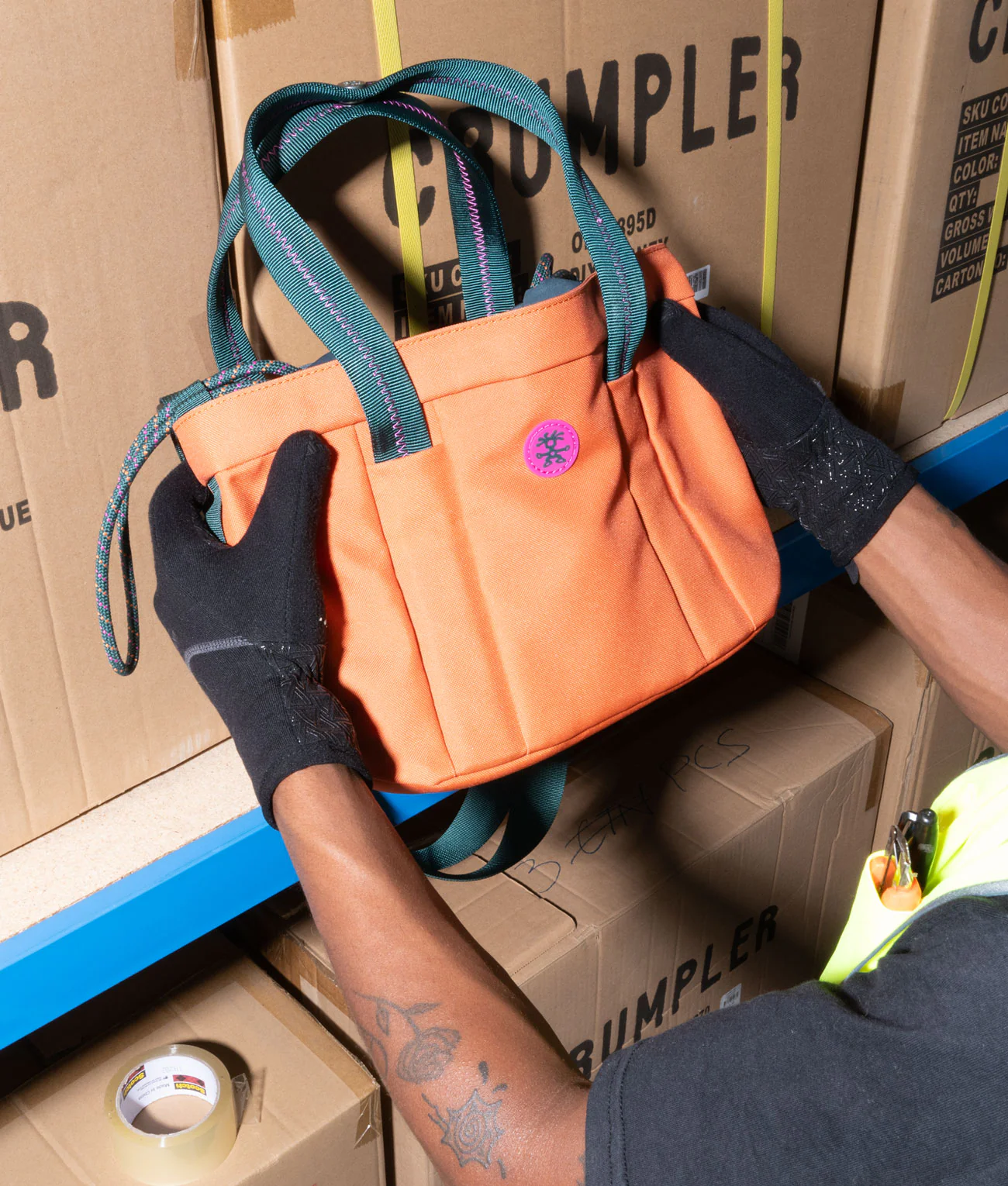
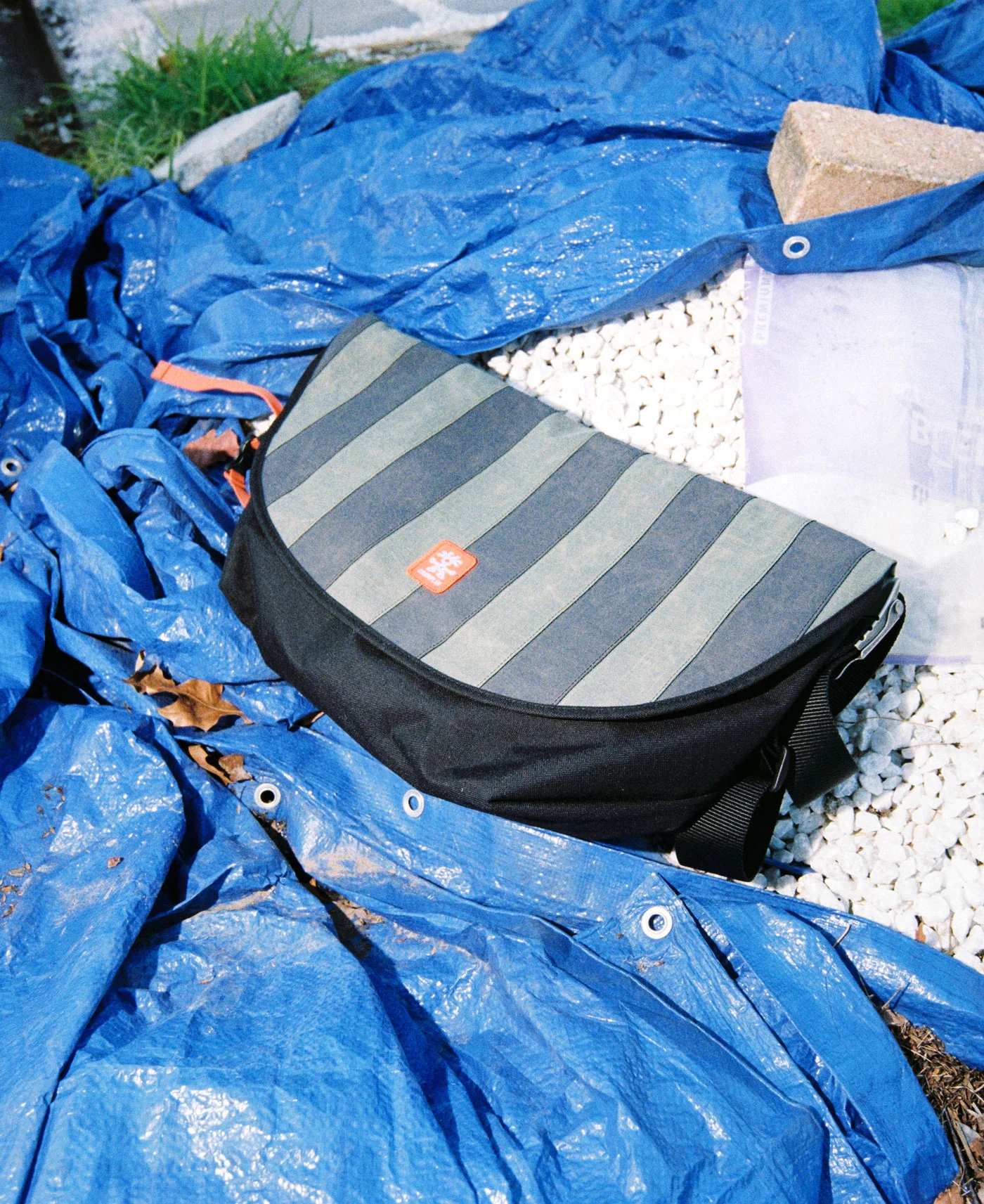
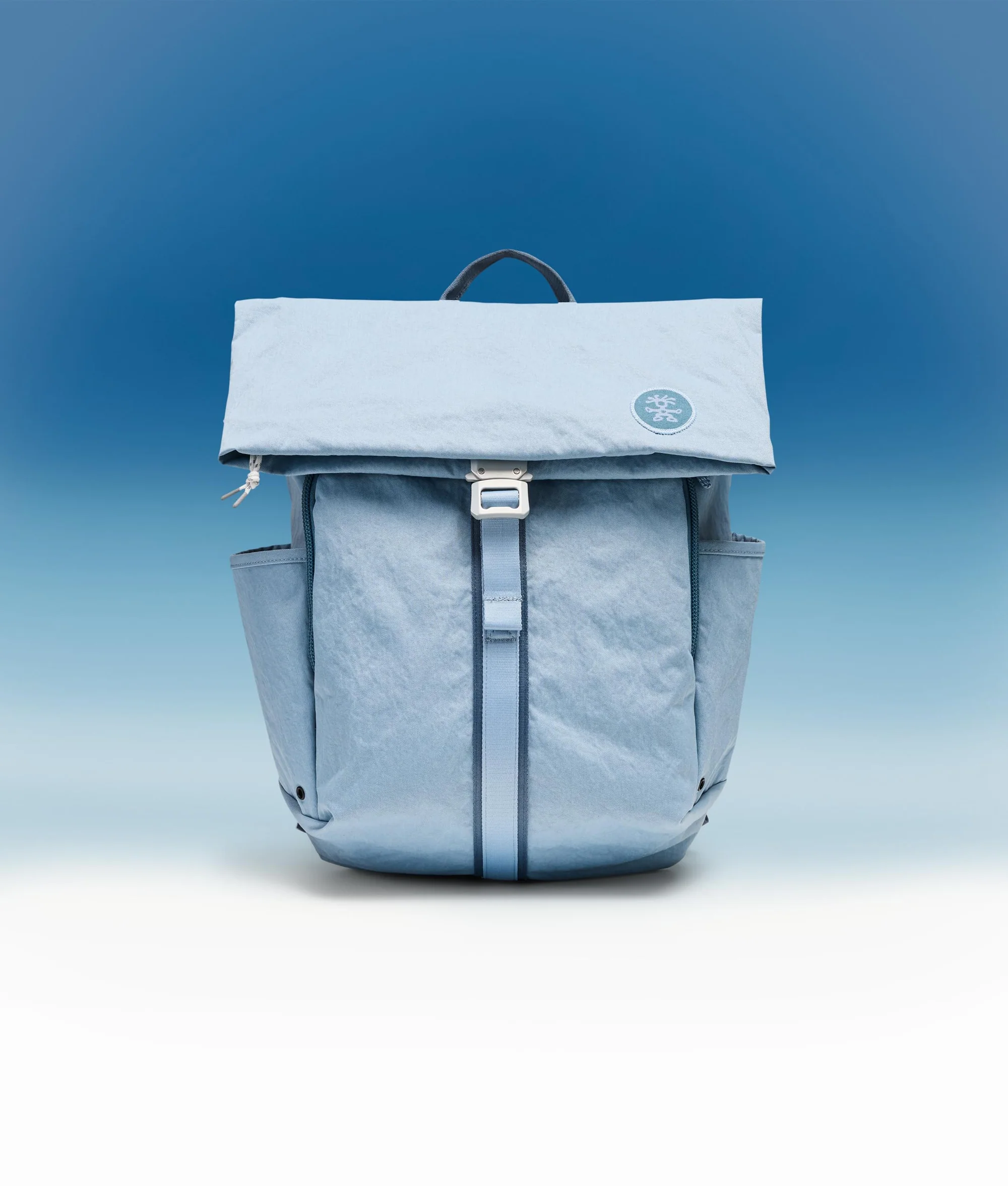
Past the three headline pieces, the new arrivals list reads like a workshop inventory rather than a tightly curated capsule, which is arguably the point. There’s a Goose and a smaller Gosling, a crossbody pairing in a colourway called “splice.” There’s Cahoot and Scruffle, both shown with short video clips on the product grid rather than static photography, with Scruffle also appearing in a “nightsky” colourway. Billy returns in slate blue, Lobby in burnt orange, and a two way Centre piece that converts between backpack and tote. Barney comes in a “sky stripe” pattern, matching a Seedy Bar bag in the same print at $310.
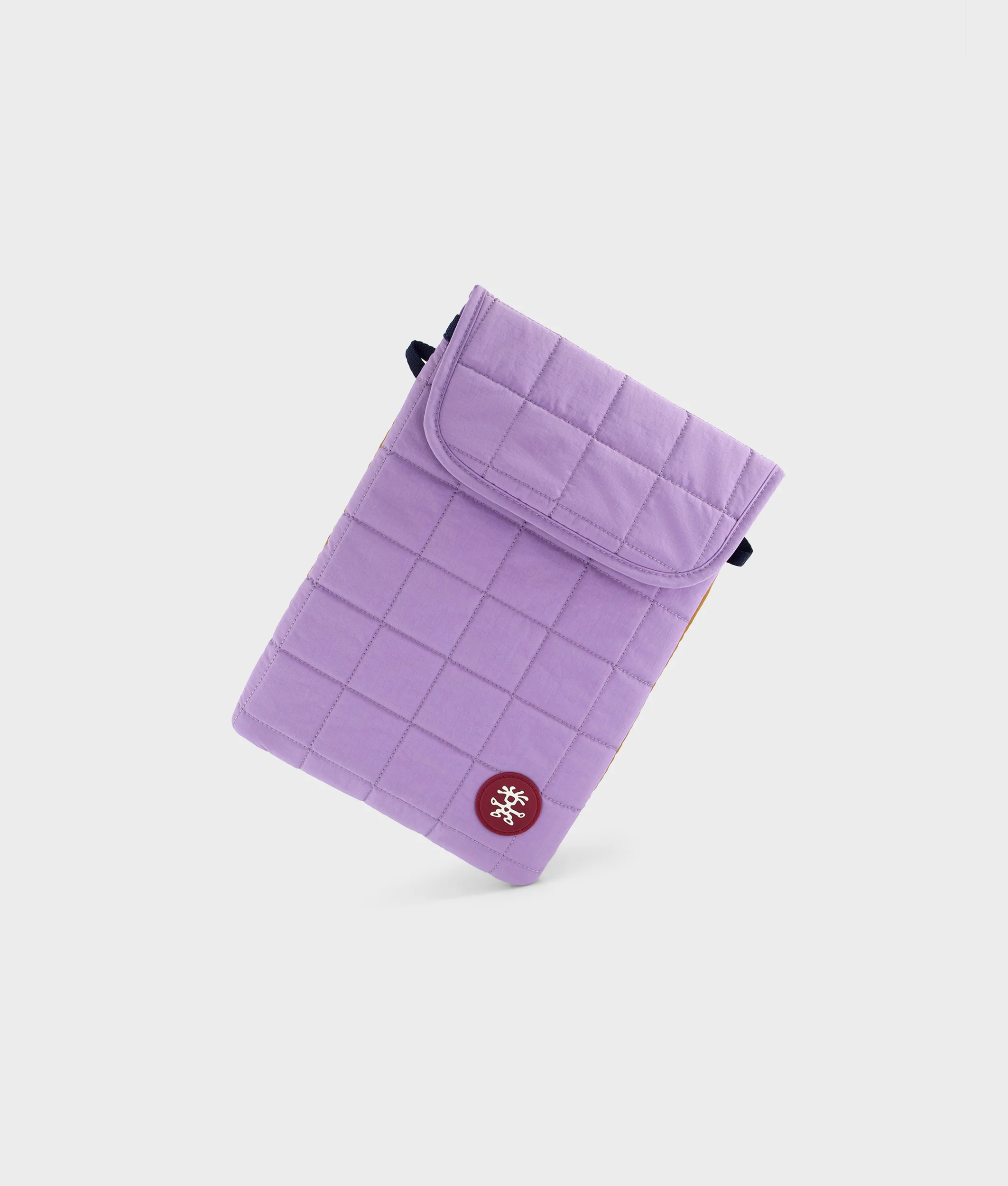
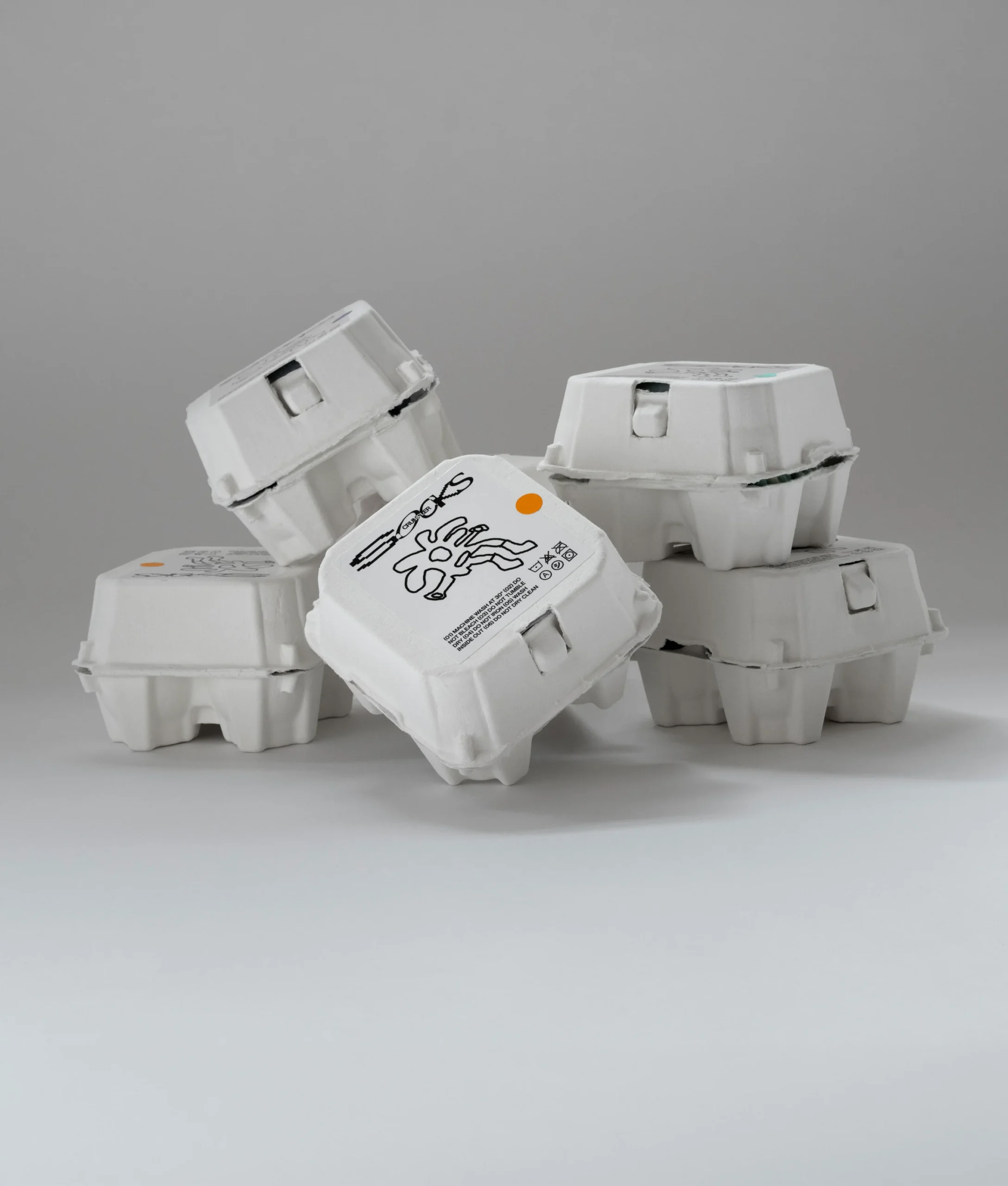
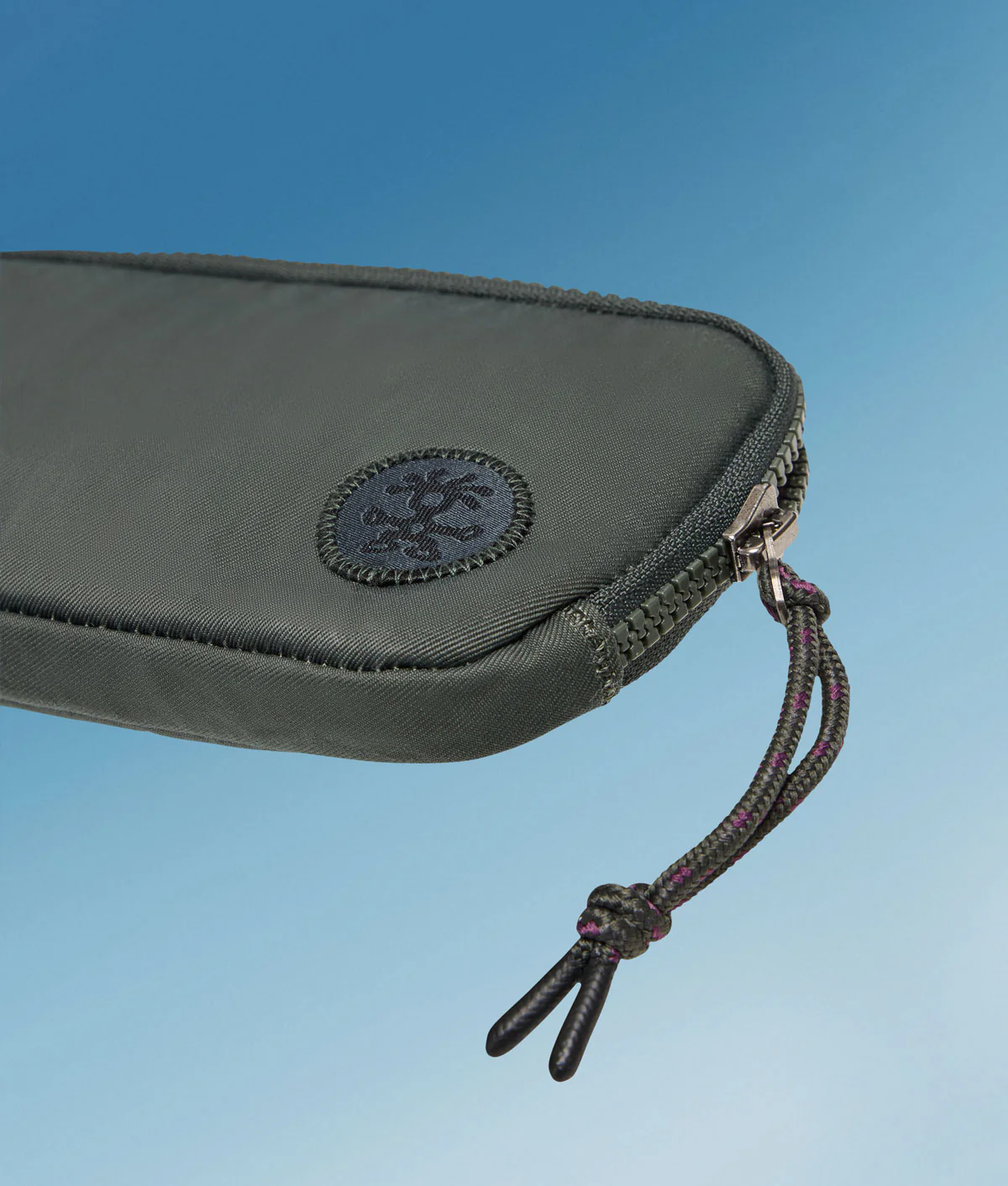
The smaller end of the drop covers a Padded Cell 13 inch laptop sleeve at $45, a Fiasco bag in pale purple at $107, an Early Opener in both short and long versions priced at $45 and $62, and a CD1 in a colourway called “nature strip.” Minor Planet shows up in pink, Tucker Bag in slate blue at $239, and a plain pair of Crumpler branded socks rounds out the accessory end at $23. There’s also a Squid piece at $54, which, alongside the socks, suggests Crumpler is using this restock to clear smaller, lower priced items alongside its bigger bag launches, a pattern that tracks with how the brand has run its “New Arrivals” collection in past cycles: less a themed seasonal statement, more a rolling shelf that gets refreshed as stock and colourways change.
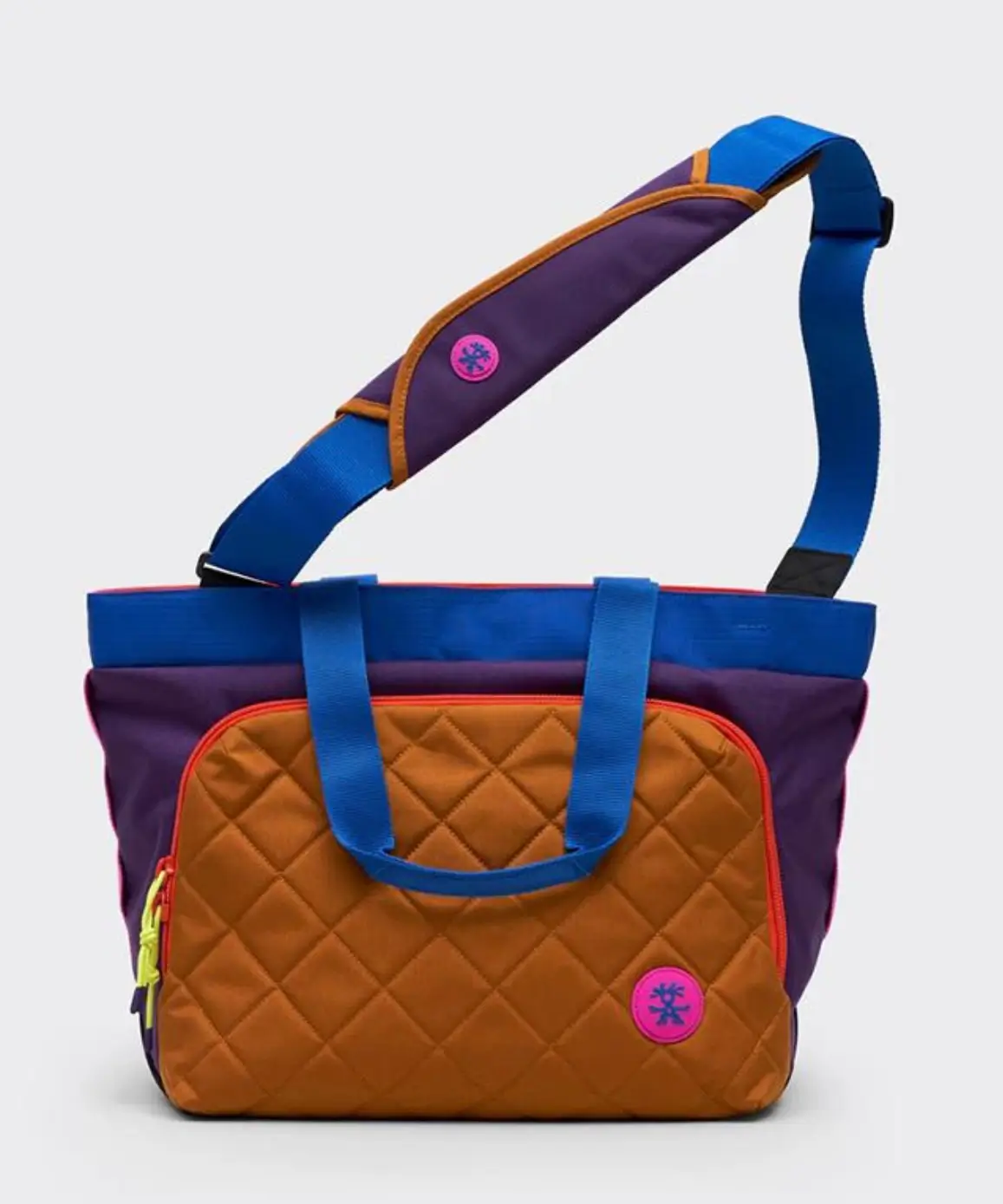
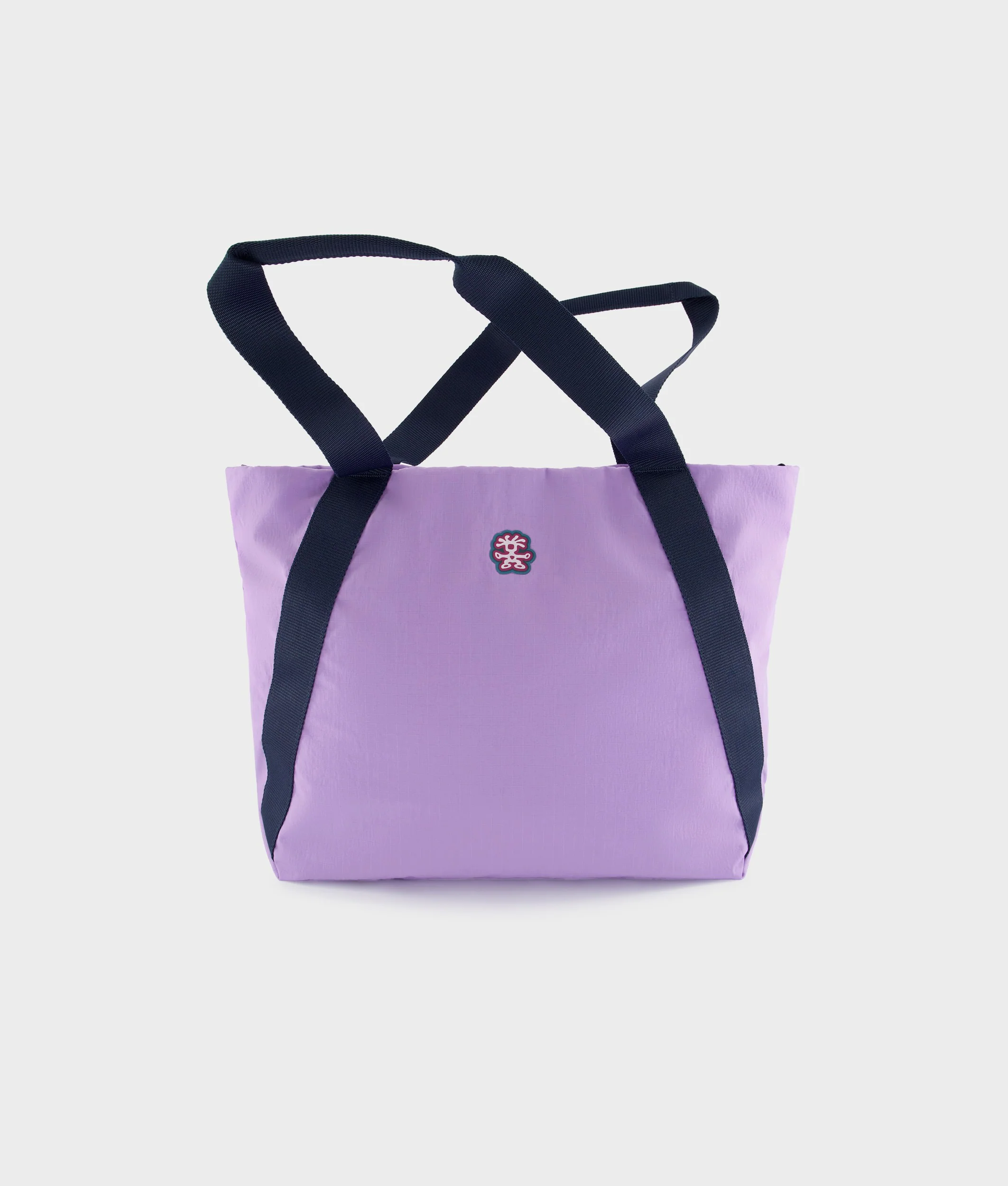
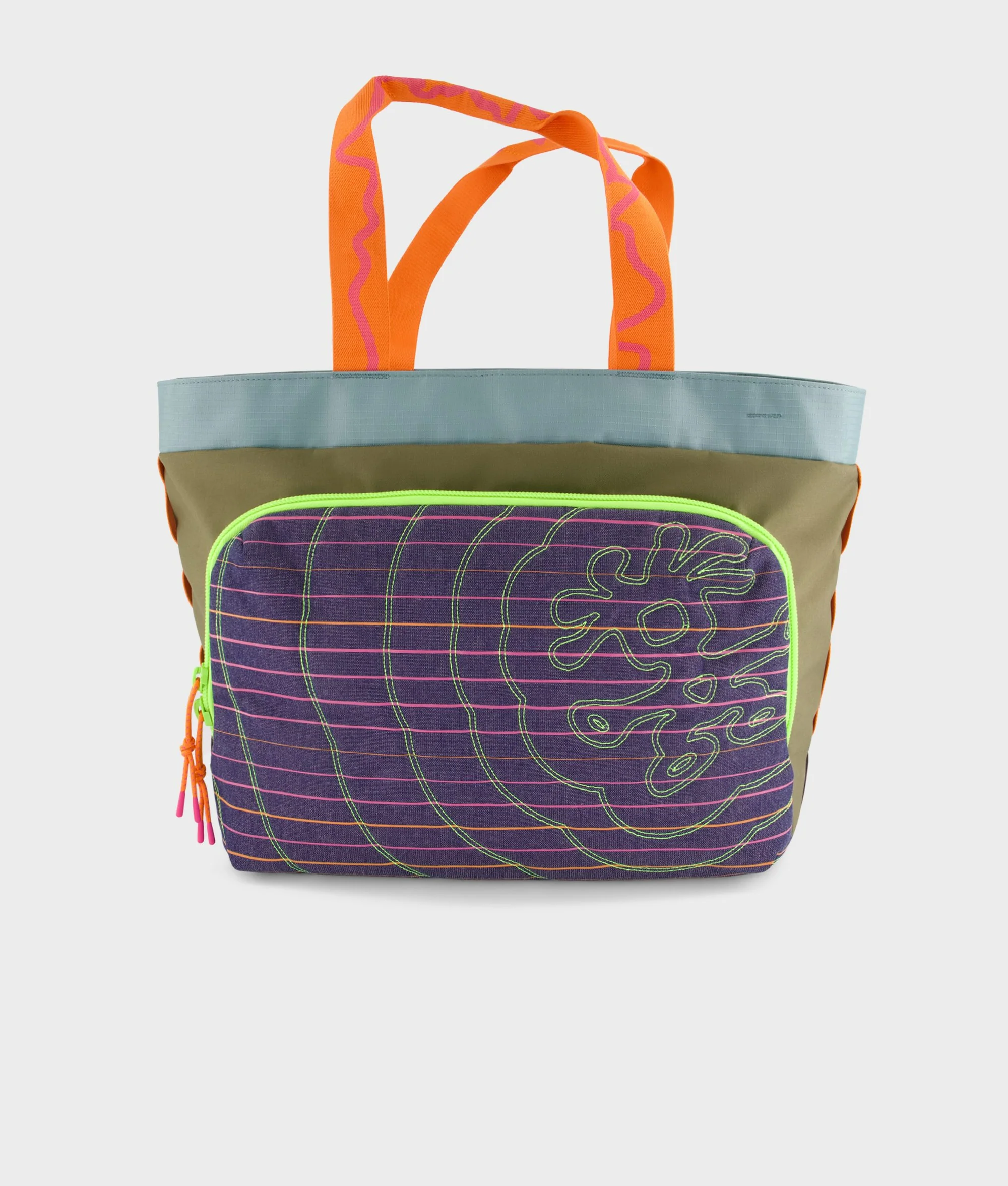
The Crumpler tote combines quilted panel construction with bold color blocking, offering dual carry handles, a padded shoulder strap, and a spacious everyday design that reflects the brand’s playful approach to functional carry.
straddle
Running across nearly every piece in this drop is the same materials story: Cordura in varying weights (500D, 840D ballistic, 1000D) for structure and abrasion resistance, RPET ripstop made from recycled PET bottles for linings, and in Brace Brace Brace’s case, a waxed regenerated nylon exterior. Crumpler quotes recycled content percentages directly on several product pages (roughly 100 percent on Day By Day’s shell, roughly 80 percent on Brace Brace Brace, roughly 60 percent on the Tooney Bin), which puts a specific number behind what’s otherwise a common industry claim.
Across the drop, prices span from $23 for the socks up to $310 for the Seedy Bar and the Andee Frost edition Tooney Bin, with most of the messenger bags landing in the $140 to $270 range. The brand ships from Melbourne with country specific delivery windows built into every product page, UPS Express Saver in two to four business days for the US, Australia Post International Express in four to seven days elsewhere, and duties calculated at checkout under a delivered duty paid model. Crumpler still operates its original Melbourne workshop, now called Bag House, where it cuts and sews a rotating run of classic messenger models by hand, each one numbered and dated by the maker, a detail that sits a little apart from the mass produced side of this same new arrivals page but points at where the brand’s design language keeps returning to. According to the brand’s own Made In Melbourne page, that workshop was set up in early 2025 at 1 Globe Alley, and it currently turns out a range of classic messenger bags along with the occasional one off model, made by hand a short walk from the Little Bourke Street flagship store and Bag Spa where customers can bring in an older bag for repair.
Set against that backdrop, this new arrivals batch reads less like a single collection with a unifying idea and more like proof of how wide Crumpler’s catalogue has grown since 1995. A phone sized Hour By Hour sits on the same page as a 60 record tote built with a working DJ, and a $23 pair of socks sits a few rows below a $310 collaboration bag. What holds all of it together in the end isn’t colour or price point but the fabric choices repeated across nearly every listing: Cordura in some weight, an RPET lining, a stated recycled content figure, and hardware built to survive more than a season of daily use. For a brand that started with twenty bags for a bike courier fleet, that’s still the throughline three decades on.
Related Articles

NikeSKIMS Opened Fall On Cloth That Wicks And A Wash That Looks Used
Fall ’26 Edit 01. Perform Cotton Blend. Dri-FIT in the mix. Garment wash on the […]