DRIFT AUDIO
Listen to this story
Choose a voice, then press play.
Carl Luis’s new tape for Good Morning Tapes runs the sound that built dancehall, jungle, and dub techno through one relentless, hour-long session.
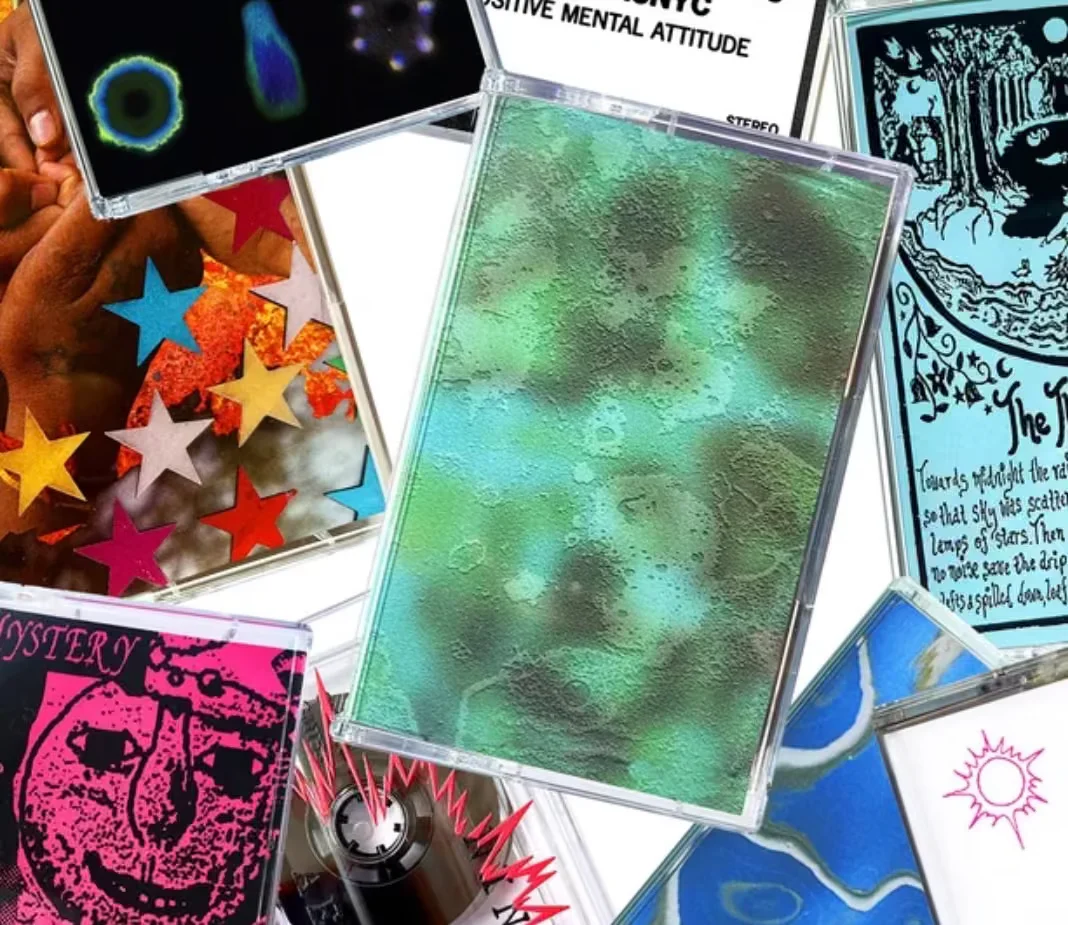
Good Morning Tapes‘ seventy fifth release is a cassette called In Session, and by the label’s own description it is built around a precise turning point in music history: the mid-1980s moment when Jamaican producers began swapping live instrumentation for drum machines and synthesizers, and UK sound systems had to work out what to do with the result. That shift has a well documented starting gun. In 1985, producer King Jammy and singer Wayne Smith built the “Sleng Teng” riddim entirely from a preset rhythm on a Casio MT-40 keyboard, and the record it launched effectively invented digital dancehall overnight. It went on to become one of the most reused riddims in reggae history, recut by other producers and vocalists hundreds of times over, and it sent Jamaican studios and, in turn, British sound systems chasing a harder, more mechanical low end.
View this post on Instagram
Carl Luis, the DJ who mixed the tape, works squarely in the sound that grew out of that pivot: the steppers style, a four to the floor strand of dub built for relentless, marching basslines rather than the rootsier, syncopated one drop rhythm most people associate with reggae. According to Good Morning Tapes’ own listing, the session runs just over an hour, moving through the eighties and nineties JA and UK catalogue with heavy use of dub FX on the mixer. Retailer Boomkat, which also stocks the tape and wrote its own appreciation of the set, described it as an unrelenting, propulsive selection, the kind that has powered dances in cities across the UK and Europe for decades, and traced a direct line from that sound forward into bleep and bass, jungle, dub techno, broken beat, and dubstep.
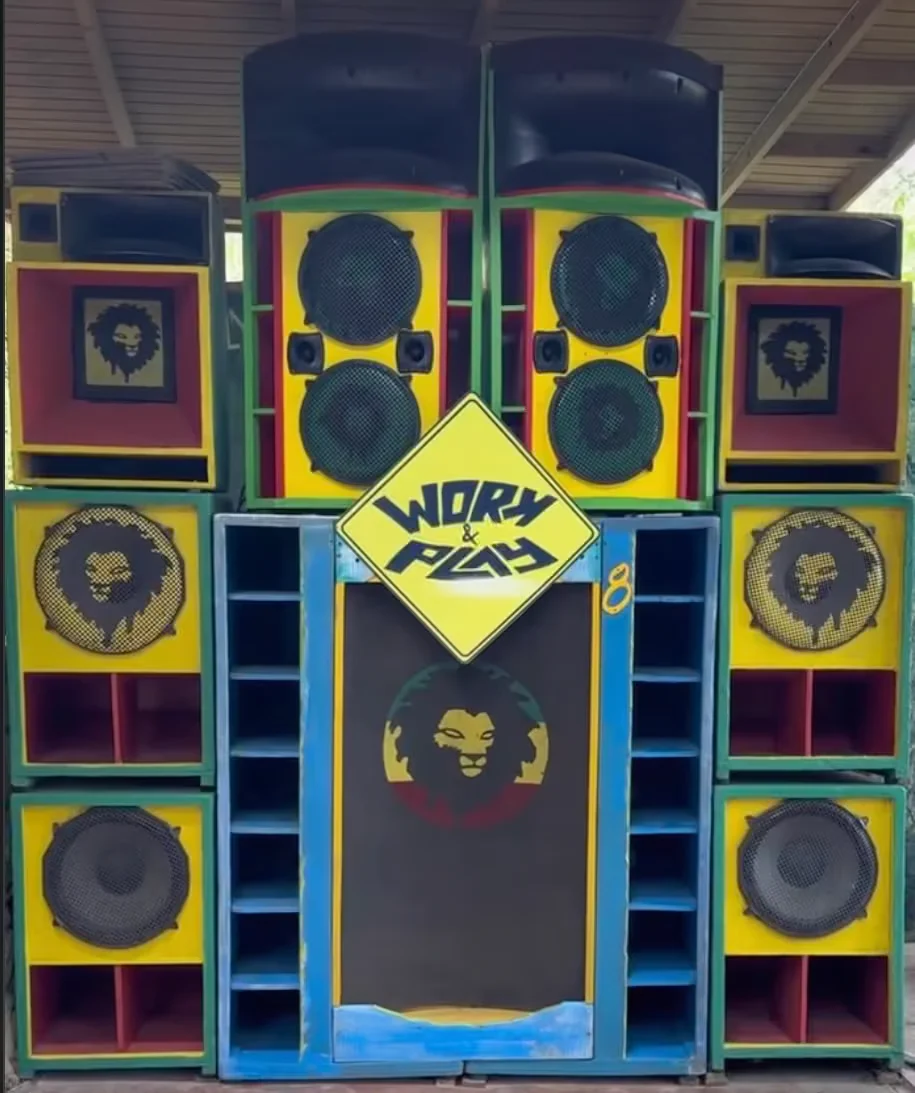
Worx & Play Sound System — Built by hand, played for the people. 🦁🇯🇲
stir
Carl Luis is based in Berlin, and his sets move through dub, lovers rock, dancehall, and reggae rather than sticking to any single one of them. Since 2016 he has hosted Duty Free, a show on Cashmere Radio, the not for profit community station now based in the Wedding district of the city, where the format is built around tracing bass music’s lineage across tempos and decades rather than staying inside one genre for an hour. Cashmere Radio’s own archive shows Duty Free running for years as a recurring slot, frequently handed over to guest selectors alongside Carl Luis himself, among them Giouann, Arthur, The Wallfacers, and a rotating cast billed collectively as the Duty Free Merger crew. One 2023 episode built an entire show around a single upcoming UK dub 7 inch, previewing a test pressing from producer Arkology ahead of its release and a preview event at a Berlin venue called Aktionshaus, the kind of record by record focus that separates a specialist show like Duty Free from a general purpose mix series.
That crew name points to the other half of Carl Luis’s regular work. He also co runs Merger, a club night that takes over Berlin venue OHM roughly every other month, and the Duty Free Merger banner extends the format outdoors too, including a 2023 date at Plattenvereinigung, a skatepark on the grounds of the former Tempelhof airport, with Carl Luis playing alongside Aaronovsky, Arthur, Giouann, The Wallfacers, and Matte DTR. A Resident Advisor listing for a Merger date at OHM in February 2025 has Carl Luis billed alongside Dubrunner and Giouann, a lineup that gives a decent snapshot of the night’s regular cast.
define
The word steppers gets used loosely, but it describes something specific: a dub subgenre defined by its four to the floor kick pattern, a departure from the syncopated one drop that defines most classic reggae. Leeds crew Iration Steppas, founded in the early 1990s by Mark Iration and later joined by Dennis Rootical, are widely credited with codifying the style into something close to its modern form, building it out of traditional Jamaican dub crossed with electronic influences and deep, sustained bass frequencies.
What Boomkat’s write up for the Carl Luis tape gestures at, in tracing a line from that sound through to bleep and bass, jungle, dub techno, broken beat, and dubstep, is not a loose comparison so much as a widely accepted lineage in UK dance music writing. Sound system culture’s bass weight and dub production techniques, tape delay, reverb, and the physical presence of a proper rig, are treated by most historians of the period as the shared root beneath genres that otherwise sound nothing alike on paper.
The style has never really gone away. London imprint Steppas Records, run by producer Alpha Steppa since 2010, has spent a decade and a half releasing new steppers and roots material and working with both emerging artists and reggae veterans including Gregory Isaacs and Lee Scratch Perry, evidence that the sound Carl Luis draws on is a living catalogue rather than a closed historical chapter. A steppers session like his is, in that sense, less a period piece than a way of pointing at where a much larger family tree starts.
scope
Boomkat’s description places the tape alongside three specific touchstones, and each maps onto a different corner of the same wider scene. Blazer Sound System is, despite sharing a name with an unrelated psych duo on the Youth label, an actual reggae sound system that originated in the high desert of New Mexico and now operates largely out of New York, running regular shows on NTS Radio built from all vinyl selections of dub, reggae, dancehall, and jungle, alongside all night dances and dubplate cutting under the banner of a wider collective that also makes films together as Video Dub Inc. One of their NTS episodes is billed simply as a Jah Shaka Special, a nod to the London sound system pioneer widely credited with popularizing the steppers style in the UK from the 1970s onward, the same lineage Carl Luis’s own set draws from.
G Version III works from the opposite side of the world. A producer based in Kyoto, Japan, releasing through Digital Sting Records and Riddim Chango Records, G Version has described a formative teenage experience at a sound clash event on the shores of Lake Biwa as the spark for a deep dive into dancehall and sound system culture, and the resulting productions draw heavily and explicitly on late 1980s and early 1990s UK dub and steppers.
Raime, the London duo of Joe Andrews and Tom Halstead, supply the third reference point with Can You Repeat That Please?, a ninety minute mixtape released in April 2026 on DDS, the label run by Manchester duo Demdike Stare. It was the latest in an occasional mixtape series for the label, following 2025’s You Wouldn’t Believe It If I Told You, and it mines a similar late 1980s and early 1990s UK seam, moving between street soul, lovers rock, steppers, and dancehall on its way toward the hardcore jungle and dubstep that scene would eventually produce. Boomkat’s own writeup for that tape traces the sound to specific towns rather than just the big cities: Demdike Stare grew up in Burnley and one half of Raime in Reading, and both acts credit local Black music importers and distributors, shops that also served towns like Huddersfield far from London or Manchester, with first exposing them to the records that now define their careers.
min
OHM sits inside Kraftwerk Berlin, a disused power station on Köpenicker Strasse. Tresor, founded in 1991 in the vault of a former department store and pushed out of that original site in 2005, relocated to the power station in 2007 under founder Dimitri Hegemann, who has spoken about wanting the building to function as a wider cultural complex rather than a single club. Where Tresor claims the building’s cavernous main hall, OHM occupies a smaller former battery room next door, generally billed as the more experimental, less strictly dancefloor focused of the two spaces. Merger, per Good Morning Tapes’ own description of Carl Luis’s residency there, is positioned as a deliberate change of pace inside that building: a bi-monthly night built around dub’s slower, more intimate register rather than the relentless pace of a typical club weekend.
It is a fitting home for the sound Carl Luis plays. Steppers and digital dub were built for exactly that kind of room: not an arena, but a space small enough that the bass is felt as much as heard, and where a selector working the mixer’s effects can shape a crowd’s attention over the length of an entire set rather than a single drop.
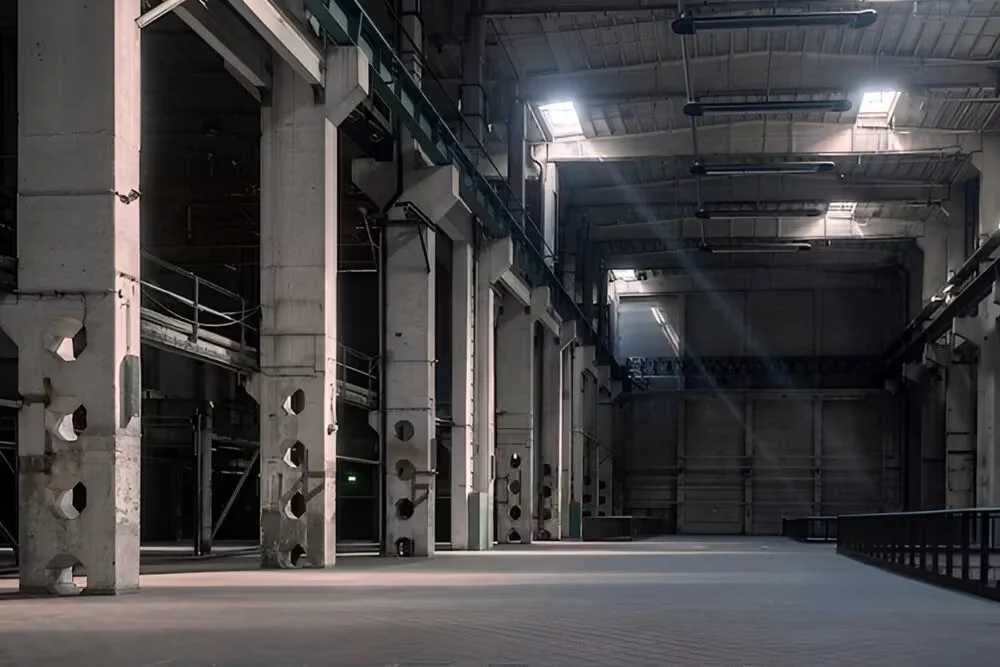
Abandoned factory floor — light cutting through the silence. 🏭
brand
Good Morning Tapes started in 2017 under the direction of a producer known as DJ Biscuit and now operates primarily out of Australia, selling vinyl, cassettes, and its own clothing line alongside a release catalogue that runs well past its seventieth entry. The roster is deliberately wide ranging: recent releases include ambient and experimental names like Gi Gi, Saphileaum, and Jonnine alongside the label’s recurring dub and reggae strand, and Carl Luis is not the only sound system connected name on the books. A prior tape paired the actual New Mexico and New York based Blazer Sound System with New York’s Rockers NYC crew for a release titled Positive Mental Attitude, also filed under the label’s dub and reggae tag.
That breadth is arguably the point. A label with an eclectic, decade spanning catalogue putting out a Carl Luis steppers session alongside ambient cassettes and its own line of clothing and accessories is itself a small show of how thoroughly dub and sound system technique have been absorbed into wider independent music culture, well beyond any single scene’s own record shops and clubs.
dur
Boomkat’s own copy for the tape frame the sound as one that has powered dances across a specific string of UK cities for roughly four decades: south London’s Brixton, historically one of Britain’s most significant reggae and sound system neighborhoods; Chapeltown in Leeds, home turf to Iration Steppas and to the Leeds West Indian Carnival; Hulme in Manchester, the inner city district where Demdike Stare, the duo behind Raime’s own label, first came up; and now Berlin, where Carl Luis has spent the better part of a decade running that same sound through a community radio show and a small room inside a former power station.
None of that history is spelled out anywhere on the cassette itself. It arrives, like most of Good Morning Tapes’ catalogue, as an hour of music with a short write up attached, available to anyone who orders it regardless of whether they know King Jammy’s name or Iration Steppas’ catalogue. That gap, between how much lineage sits behind a session like this and how little of it needs explaining to enjoy it, is more or less the whole point of sound system music in the first place.
Related Articles
Billionaire Boys Club Rewrites the Country Club Dress Code for Fall ’26
A cotton pique polo and a chenille golf patch anchor Billionaire Boys Club’s push into […]