DRIFT AUDIO
Listen to this story
Choose a voice, then press play.
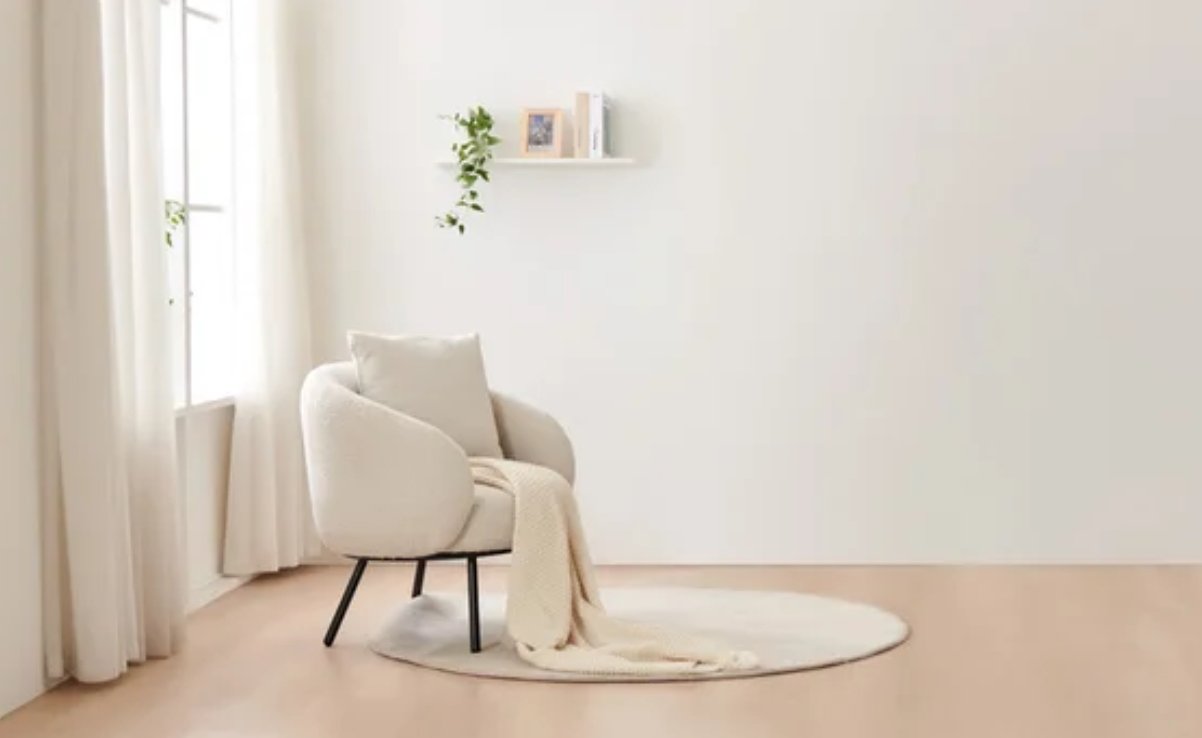
For nearly twenty years, minimalism dominated interior design. It was clean, quiet, and calculated—white walls, pale woods, matte black fixtures. Borrowing from Scandinavian simplicity and Japanese wabi-sabi, it offered visual calm through subtraction. Homes were stripped down to essentials, often resembling galleries more than places people actually lived in. At its height, minimalism felt like a design ideal: disciplined, refined, aspirational.
But something has shifted. The pristine white room doesn’t hit the same anymore. What once read as sophisticated now comes off as cold. Minimalism isn’t gone, but it’s fading—and the reasons are cultural, emotional, and generational.
The Pandemic Rewrote the Rules of Domestic Space
The pandemic was the tipping point. Stuck inside, people began to see their homes differently. Living rooms became workspaces, kitchens doubled as schools, and bedrooms had to carry the weight of rest, escape, and mental health. In that context, the sleek, clutter-free environment started to feel more like a showroom than a sanctuary. We weren’t living in our homes—we were performing in them.
Enter: The Era of Personality-Driven Design
What came next wasn’t exactly maximalism, but something looser, more personal. Shelves filled up again. Color came back. Patterns and textures reappeared. Homes became places to show personality instead of hide it. The new vibe? Lived-in, layered, expressive. Jewel tones, vintage rugs, mismatched furniture, visible history. An embrace of “stuff”—especially the stuff that means something.
Cluttercore, Color, and the Digital Pushback
Online, the shift took off. “Cluttercore” began trending on TikTok and Instagram, celebrating spaces packed with books, trinkets, and personal touches. Not chaos—just comfort. The aesthetic rebellion rejected the blank perfection of the past and embraced presence. The once-coveted minimalist aesthetic now looked sterile next to color-drenched walls and maximalist charm.
Retail and Industry Catch Up
Retailers noticed. Brands like Anthropologie, Urban Outfitters Home, and Soho Home leaned into this warmer aesthetic. Secondhand platforms like Chairish and 1stDibs surged. Even the Milan Furniture Fair shifted: expressive palettes, craft-forward pieces, and curved silhouettes replaced the once-dominant monochrome minimalism.
Minimalism Isn’t Gone—It’s Just Softer
What remains of minimalism has evolved. Now it appears in gentler forms—warm minimalism, organic modernism. Still structured, but with texture. Still calm, but more sensual. Beige remains, but it’s punctuated by terracotta, rust, and olive. Even minimalism’s icons, like Muji and Norm Architects, are leaning into a more lived-in look.
Emotional Needs Are Redefining Aesthetic Norms
The deeper shift isn’t just about taste—it’s about how people feel. Millennials and Gen Z, raised amid instability, are designing for comfort, not status. They want spaces that reflect their realities, not erase them. Blank walls and empty surfaces feel disconnected in a world full of uncertainty. Instead, people are choosing design that feels emotionally true—even if it’s imperfect.
From Status Symbol to Storytelling
Minimalism, for all its restraint, was often expensive. “Less but better” meant high-end finishes, designer lighting, and spacious architecture—privileges not available to everyone. The newer aesthetic embraces imperfection. Thrifted finds, mismatched furniture, visible wear—all are celebrated as signs of authenticity and accessibility.
The New Challenge: Performing Authenticity
That said, this new wave brings its own pressures. Curated chaos can still be a performance. A shelf that looks spontaneous might be arranged for likes. But despite this, the move toward emotional honesty holds. People want homes that feel like them—not like trends. That’s a meaningful shift.
Design Is Becoming Less About Trends, More About Temperament
Interior design is no longer led by seasonal aesthetics or magazine spreads. It’s guided by mood, by temperament, by a need to feel at home in one’s own life. People are asking new questions: What soothes me? What inspires me? What makes this space mine? The answers don’t always look minimalist. They often look layered, colorful, sentimental, and lived-in.
A New Era, Rooted in Feeling
Minimalism isn’t dead—it’s just no longer the default. The emerging aesthetic is tactile, expressive, and full of life. It doesn’t whisper. It speaks. And most importantly, it reflects us as we are: imperfect, complex, and deeply human.
Let me know if you’d like this adapted into a layout for a specific publication (e.g., digital magazine, newsletter, Substack post) or accompanied by recommended images or typographic styles.
Related Articles
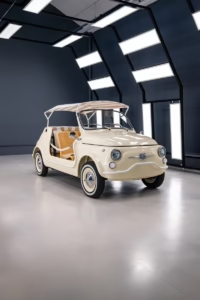
Garage Italia’s Electric Spiaggina Puts the Fiat 500’s Riviera Years on Battery Power
Ten kilowatts, rattan seats and a €85,000 starting price: Garage Italia's 500 Spiaggina rebuilds Ghia's 1958 beach car for the yacht crowd.