DRIFT AUDIO
Listen to this story
Choose a voice, then press play.
In late 2024, as whispers of a luxury slowdown grew louder, Andrea Guerra, CEO of the Prada Group, openly questioned the wisdom of relentless price increases that had pushed even entry-level products beyond the reach of many aspirational customers. Fast-forward to 2026: the “luxury crisis” is no longer a passing phase but a structural shift. Unsold inventory lingers, and millions of consumers have exited the market. Against this backdrop, Delphine Arnault, CEO of Christian Dior Couture and eldest daughter of LVMH’s Bernard Arnault, offered a telling remark at a Financial Times event: Dior’s leadership has been “very cautious on the subject of pricing” in recent times.
The statement, while measured, sparked speculation. Would Dior—a brand that aggressively hiked prices during the post-pandemic boom—finally lower bag prices? Or was this a nuanced pivot toward accessibility without outright reductions? The answer, as of mid-2026, leans toward the latter: strategic recalibration rather than deep cuts. Dior is rebuilding an entry-level tier, flooding collections with smaller accessories and mid-tier bags, while flagship prices largely hold or see only modest adjustments. This approach reflects broader industry soul-searching amid declining sales and alienated customers.
Prices for luxury bags like Christian Dior’s Lady Dior handbag are increasing, but manufacturing costs are relatively flat, per Bernstein: pic.twitter.com/8gaphmZOej
— unusual_whales (@unusual_whales) December 12, 2024
flow
Dior’s pricing trajectory mirrors the luxury sector’s post-COVID exuberance. Between 2020 and 2023, the maison raised prices on key products by approximately 51%, outpacing the industry average of 36%. Chanel led with 59% hikes on select items. What began as a response to surging demand—fueled by scarcity marketing, celebrity endorsements, and a booming Chinese clientele—soon became a double-edged sword.
Iconic pieces like the Lady Dior, Saddle Bag, and Book Tote saw steady climbs. A small Lady Dior that might have retailed around €3,000–€3,500 pre-2020 ballooned toward €4,500+ in some markets by 2023–2024. Currency fluctuations exacerbated this in regions like Asia. Data from analysts such as Bernstein and Business of Fashion (BoF) tracked this “race to the top,” where exclusivity became synonymous with inaccessibility.
For years, the strategy delivered. LVMH’s fashion and leather goods division, with Dior as a key engine, posted record figures. Consumers chased status symbols amid low interest rates and pandemic savings. Yet breaks emerged by 2024–2025. Bain & Company estimates that over 50 million consumers abandoned the luxury market between 2022 and 2025, citing unsustainable prices and a sense that brands no longer courted them. Global personal haute goods spending stagnated or dipped slightly in 2025 to around €1.44 trillion, with Europe seeing a 1–3% decline.
Aspirational buyers—often younger, middle-to-upper-middle class professionals in the US, Europe, and emerging markets—felt priced out. Social media amplified resentment: viral posts highlighted markups (one report noted a Dior bag costing suppliers ~$57 to produce but retailing for $2,800+), while resale values softened for non-hero pieces. In China, a key growth driver, domestic brands gained traction amid national pride and better value perception.
By early 2026, LVMH reported modest Q1 growth overall but a 2% dip in fashion and leather goods. Delphine Arnault and the group acknowledged the need for balance. Her FT comments emphasized avoiding price rises without corresponding “perception of quality” improvements—signaling caution, not reversal.

view
Delphine Arnault’s leadership since her 2023 appointment (formalized amid generational shifts at LVMH) prioritizes heritage, creativity, and operational excellence. In interviews and events through 2025–2026, she has stressed rebuilding Dior’s cultural relevance under new creative director Jonathan Anderson, appointed in 2025.
Anderson’s arrival marked a “culture revolution.” His surrealist, archive-inspired approach debuted in SS2026 with pieces like the Bow Bag, Trianon, reimagined Book Totes, and updated Lady Dior variants featuring bows, charms, and fresh materials. Prices for these new offerings often landed in the €3,000–€4,400 range—accessible relative to top-end customs but not revolutionary discounts.
Arnault has highlighted stability on core icons: the Lady Dior saw no broad increases since 2023 outside currency-affected markets. Yet analysts note selective tweaks. Some pre-order prices adjusted downward upon retail release (e.g., certain men’s or new designs dropping from €3,800 to €3,000), suggesting inventory management or demand calibration rather than policy shifts.
The strategy focuses on “perception of quality.” Investments in craftsmanship, new flagships (Milan, Osaka in 2026), and collaborations aim to justify pricing. Small leather goods, sneakers, charms, and card holders under €1,000 proliferated—Edited data showed a 27% increase in small accessories for SS26 versus 2023. JP Morgan noted 43% of January 2026 new SKUs below €1,000.
Today, 87% of Dior’s leather goods offering sits below €4,000, up from 69% three years prior. This rebuilds the “entry” pyramid without slashing hero bag prices, preserving exclusivity at the apex.
impression
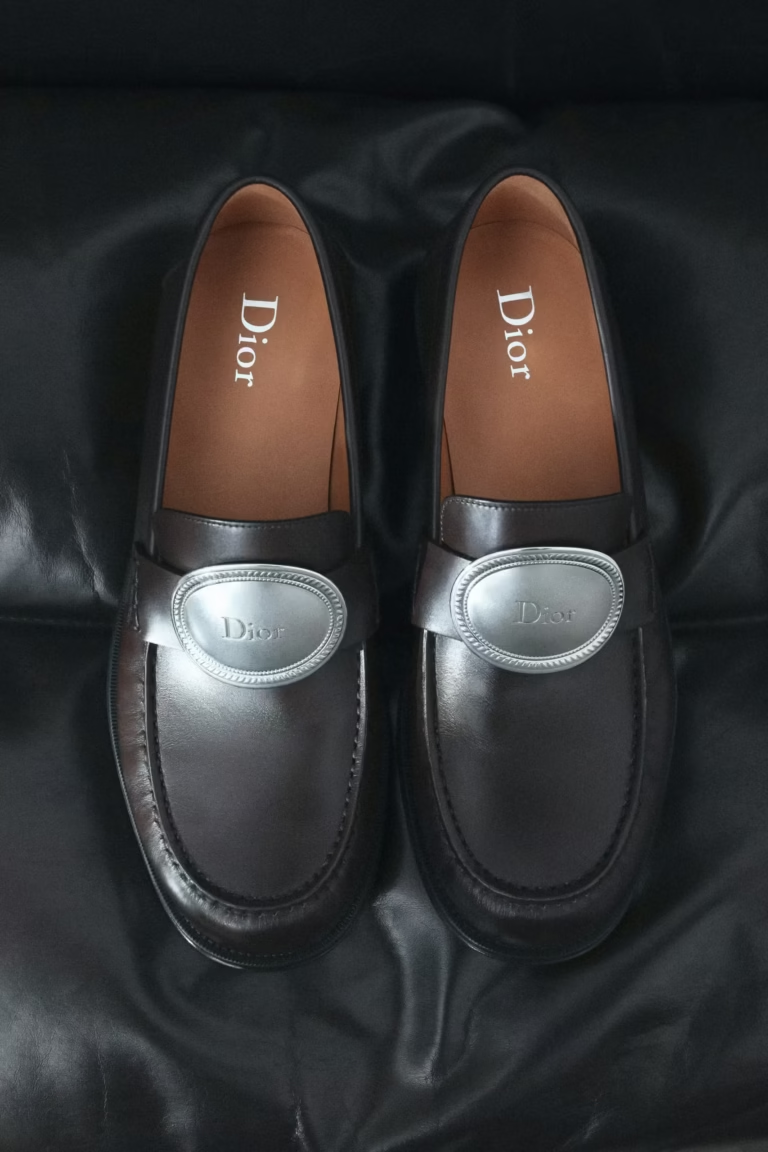
Anderson’s debut collections introduced variety. The Bow Bag (€3,700–€4,400 depending on size/material), Trianon (versatile chain designs around similar pricing), and embroidered Book Totes (€3,200–€3,650) target aspirational buyers seeking “Dior” without five-figure commitments. Shoes hover near €950, scarves and small items far lower.
This echoes Chanel’s parallel moves—bulking lower-end assortments to re-engage shoppers. Neither brand is broadly lowering core bag prices; instead, they expand options. A Pilates mat at €800 drew eye-rolls as emblematic of opportunistic “accessibility,” yet it fits the accessory push.
Critics argue this is damage control. True price cuts risk devaluing the brand (a concern Arnault voiced). Resale markets watch closely: overexposure of icons like the Lady Dior could pressure secondary values if newness floods in without demand.
fwd
Bain projects 3–5% growth for personal luxury goods in 2026 at constant rates, driven by US resilience, Europe/Japan stability, and China stabilization. Yet challenges persist: geopolitical volatility, inflation fatigue, and a “betrayed” consumer base. Over 20 million more consumers reportedly left in 2025 alone, leaving ~330 million active haute buyers.
Brands like Dior face a bifurcated market: ultra-high-net-worth clients remain loyal to bespoke and top-tier, while aspirational ones seek value, experiences, or quieter luxury. Dior’s response—more SKUs at accessible points, creative refresh, operational focus (new stores, supply chain excellence)—positions it for moderate recovery without eroding margins or prestige.
LVMH’s Q1 2026 figures underscore caution. Fashion/leather goods dipped 2%, but Arnault family members, including Delphine, expressed confidence in long-term strength. Flagship openings signal investment in omnichannel presence.
scale
Unlikely Broad Cuts: Hero bags like the Lady Dior or new Anderson signatures will probably hold or see low-single-digit inflation aligned with costs/quality. Luxury’s pricing power relies on perceived scarcity; deep reductions could trigger a cascade across the sector.
Targeted Accessibility: Expect continued growth in sub-€4,000 leather goods (targeting 90%+ of offering), more under-€1,000 entry points, limited editions at varied tiers, and regional pricing flexibility. Currency hedging and promotions (e.g., bundle offers, loyalty perks) may soften effective costs.
Creative and Experiential Offsets: Anderson’s narrative-driven collections could boost desirability, allowing price stability. Marketing emphasizing craftsmanship (e.g., UNESCO partnerships for savoir-faire) rebuilds justification.
Risks: If macro conditions worsen (recession, China slowdown), selective discounts or clearance could emerge. Overproduction of “accessible” items risks diluting exclusivity. Competitors like Prada (already signaling restraint) or quieter brands may capture share.
Opportunities: Winning back aspirational customers via smaller tickets could expand the customer base pyramid, driving long-term loyalty. Data from BoF and others suggests this hybrid model—premium core + volume entry—sustains growth in normalized markets.
say
Delphine Arnault did not imply wholesale price reductions. Her comments reflect prudent stewardship: cautious on hikes, focused on quality perception, and proactive in product layering. Dior is not slashing bag prices but engineering a more inclusive ladder—new designs at €3,000–€4,000, accessories galore under €1,000, and icons largely intact. This “damage limitation” amid a post-hike hangover aims to recapture the 50+ million who stepped away while safeguarding the luxury aura that built Dior into an LVMH powerhouse.
In 2026, aspirational customers can get “closer” to Dior than in 2023—but “closer” remains relative. A €3,700 Bow Bag feels attainable next to a €6,000+ custom Lady Dior, yet far from mass-market. Success hinges on either Anderson’s creativity, Arnault’s execution, and market recovery align. Luxury’s new longevity, per Bain, demands balancing exclusivity with broader appeal. Dior appears to be threading that needle carefully, one accessory at a time.
Related Articles
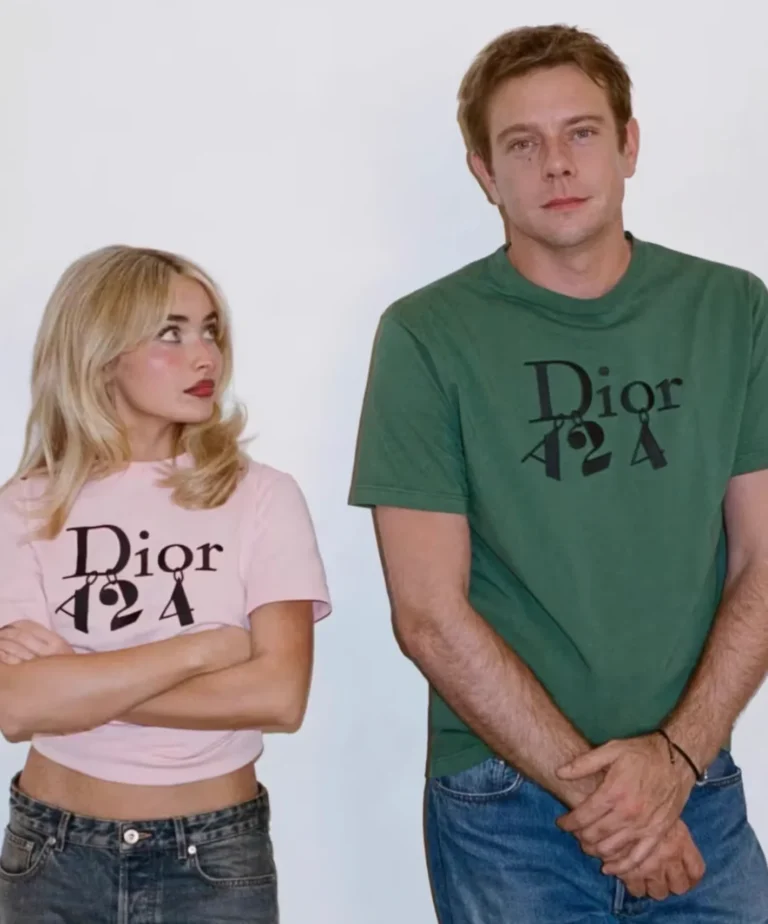
Dior and A24 Just Turned a Hundred-Year-Old Theatre Into Their Shared Stage
A two-year partner makes Dior the lead patron of A24’s Cherry Lane Theatre, unveiled with […]