Rob Base, “It Takes Two,” and the Unexpected Blueprint for Hip-Hop Crossover Success

May 26, 2026
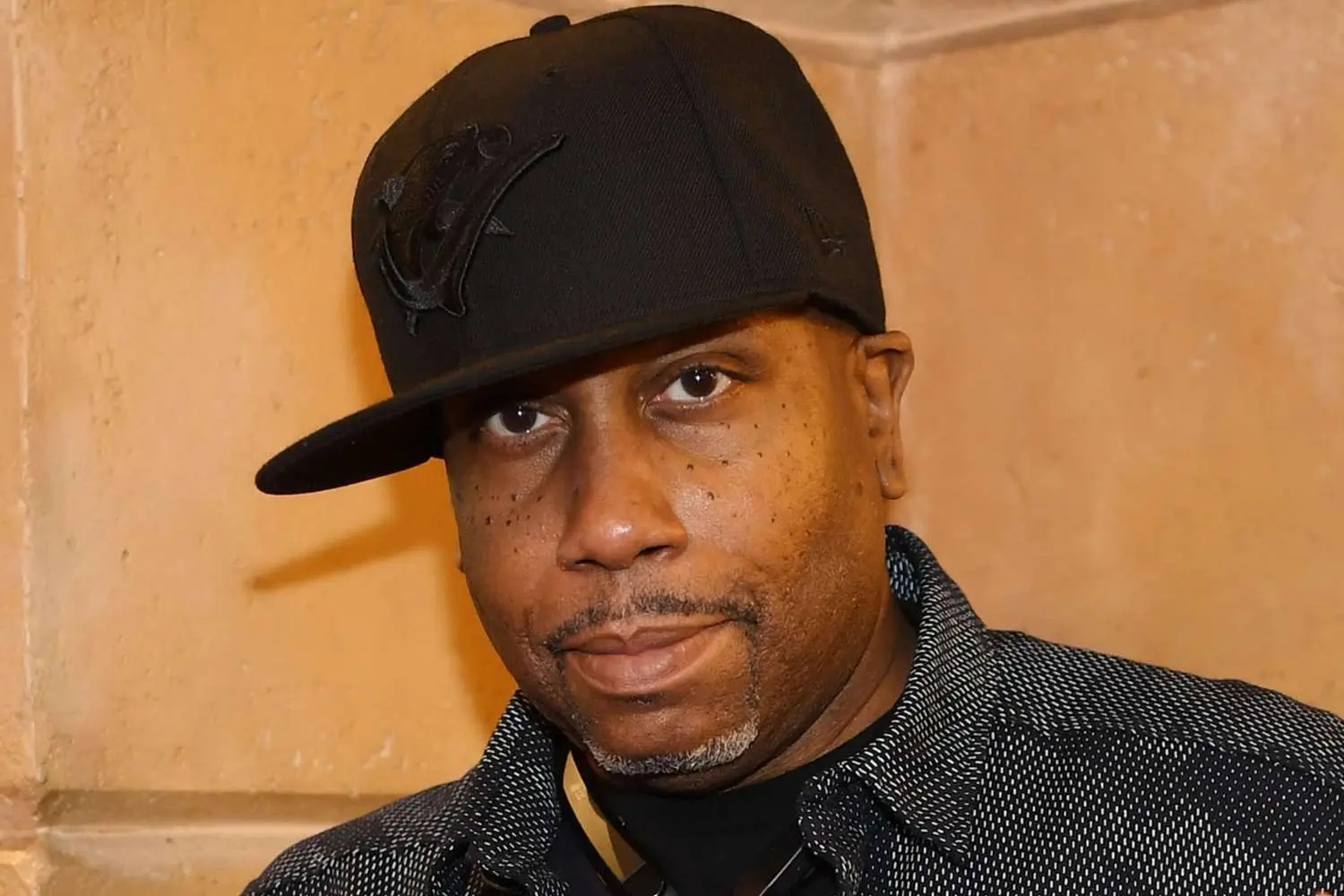
There are songs that define an era, and then there are songs that escape their own moment entirely. “It Takes Two” by Rob Base & DJ E-Z Rock belongs firmly in the latter category. More than a platinum single, more than a club anthem, and more than a staple of late-’80s hip-hop, it became one of those records that somehow never stopped moving. It has soundtracked weddings, basketball arenas, block parties, movie scenes, DJ sets, and TikTok edits decades after its release. Its relentless energy and participatory spirit have remained intact across gens. That remarkable durability makes the story behind Rob Base — and the news of his passing on May 22, 2026, at age 59 — feel even more poignant.
According to Rob Base himself in multiple interviews over the years, none of it was designed to become a culture phenomenon. The Harlem native, born Robert Ginyard on May 18, 1967, approached music with the grounded perspective of someone rooted in New York’s local party scene rather than grand commercial ambition.
stir
Before chart positions and multiplatinum plaques entered the picture, Base’s career was grounded in New York City’s vibrant local circuit. He began as a DJ, honing his skills through house parties, block parties, and clubs across Harlem and the Bronx — the very neighborhoods that birthed hip-hop culture in the 1970s. That environment was crucial. In the mid-1980s, hip-hop still carried strong regional identities. Success often meant earning respect in your own neighborhood long before national view became a realistic conversation.
Base connected with DJ E-Z Rock (born Rodney “Skip” Bryce) and the two formed a close creative partnership. Their first joint release, the 1986 single “DJ Interview,” helped them secure a deal with Profile Records — the influential label that played a major role in hip-hop’s commercial expansion during that pivotal era alongside acts like Run-D.M.C. and Salt-N-Pepa.
Then came the song that would change everything.
flow
Released in 1988 (with some early pressings in late 1987), “It Takes Two” sounded different from the moment it hit the airwaves. It didn’t abandon hip-hop’s raw energy; instead, it masterfully blended rap, dance, club music, and pop accessibility without compromising its street credibility. The track exploded, reaching No. 3 on Billboard’s Hot Dance Music/Club Play chart and eventually earning multiplatinum certification. It became one of the defining records of late-’80s popular music, helping push hip-hop further into the mainstream.
The production was deceptively simple yet instantly infectious. Built around the iconic “Think (About It)” break from Lyn Collins’ 1972 James Brown-produced track, the song looped those unforgettable “Yeah! Woo!” yelps that became a culture shorthand for pure party energy. A spoken intro sampled from the Galactic Force Band’s “Space Dust” added a futuristic flair: “Right about now, you are about to be possessed by the sounds of Rob Base and DJ E-Z Rock…”
Rob Base’s delivery was confident and inviting. Lines like “It takes two to make a thing go right / It takes two to make it outta sight” turned the song into a communal call-and-response experience. The hook, sung by Rhonda Parris, gave it singalong appeal that crossed demographic lines.
Base later reflected humbly on the song’s origins: “We were just happy that it was a song that the people in the Bronx and Harlem knew. We didn’t think it would cross over the way that it did.” That quote captures an essential truth about early hip-hop: some of its biggest breakthroughs happened almost accidentally, before artists fully grasped the scale of what crossover success could mean. Local validation in Harlem and the Bronx was the original goal — and it was more than enough.
culture
Part of what made “It Takes Two” resonate so deeply was its refusal to overcomplicate itself. The production felt immediate and urgent. The hooks arrived quickly. The energy never let up. Rather than trying to intellectualize club music, Base and E-Z Rock leaned fully into momentum and participation. The record invited everyone onto the dance floor instead of asking them to decode it.
This instinct proved incredibly influential. The song became a blueprint for future hip-hop and pop collisions that chase the same formula: recognizable rhythm, memorable repetition, infectious personality, and enough groove to survive endless replays. It helped bridge the gap between rap’s underground roots and mainstream pop audiences at a time when many still viewed hip-hop as a passing fad.
The track’s DNA spread rapidly. It has been sampled or referenced by artists ranging from Snoop Dogg and the Black Eyed Peas to Gang Starr, Skepta, Ciara, and countless others. It appeared in video games like Grand Theft Auto: San Andreas, films such as The Proposal and Iron Man, and countless commercials and sports montages. Questlove included it in his personal Top 50 Hip-Hop Songs of All Time, and it ranked high on VH1’s and Rolling Stone’s lists of greatest hip-hop tracks.
The duo expanded the moment into a full album. It Takes Two (1988) went multi-platinum, with follow-up singles like “Joy and Pain” and “Get on the Dance Floor” extending their high-energy identity. “Joy and Pain,” in particular, showcased emotional depth beneath the celebration, reflecting hip-hop’s growing artistic range.
solo
Success brought new expectations. Rob Base pursued a solo path with his 1989 album The Incredible Base. While it didn’t reach the same commercial heights, it demonstrated his desire to establish an individual artistic voice beyond the duo.
DJ E-Z Rock passed away in 2014 at age 46 after complications from diabetes. The loss deeply affected Base, but he continued honoring their shared legacy. In recent decades, he remained active on the touring circuit, particularly with the “I Love the ’90s Tour” alongside fellow icons like Vanilla Ice, Tone Lōc, Young MC, and Color Me Badd. These shows were more than nostalgia cash-ins — they served as living celebrations where audiences of all ages could reconnect with music that still made them move.
Base often spoke about the joy of watching younger gens discover “It Takes Two” through sampling, social media, or family playlists. The song had transcended its era to become functional cultural memory — something people didn’t just listen to, but actively participated in.
condolences
The news of Rob Base’s death on May 22, 2026 — just days after his 59th birthday — came as a shock to the music world. He had been engaged in a private battle with cancer and passed peacefully surrounded by family. The announcement on his official Instagram account highlighted not only his musical contributions but also his roles as a loving father, family man, and friend.
Tributes poured in from across gens and styles of hip-hop. Grandmaster Flash remembered him as “one of the gentlemen of this thing we call hip-hop,” praising both his stage presence and his personal warmth. Other artists, DJs, and fans echoed similar sentiments, emphasizing Base’s consistency, generosity, and ability to create moments that people wanted to return to again and again.
In hip-hop culture, where innovation, competition, and disruption often dominate the conversation, longevity frequently stems from quieter virtues: reliability, accessibility, and the power to bring people together on the dance floor. Rob Base excelled at all three.
fin
“It Takes Two” captured a specific moment in New York hip-hop while remaining flexible enough to exist far beyond it. It proved that a record born from local party needs could resonate globally and across time. In doing so, it helped lay the groundwork for hip-hop’s eventual dominance as the world’s most influential popular music genre.
Countless songs chase timelessness. Very few achieve it so effortlessly. Rob Base never set out to create a cultural monument — he just wanted to make people dance in Harlem and the Bronx. The world heard it, embraced it, and never let it go.
As we reflect on his passing, “It Takes Two” continues to play at weddings, games, parties, and in living rooms around the world. Its message feels more relevant than ever: collision, energy, and shared joy make things go right. Rob Base gave us a soundtrack for that truth, and it will keep moving long after his physical presence is gone.
His voice may be silent, but the beat — that unmistakable, infectious groove — remains very much alive.
Related Articles
Rose Byrne and Mary Bronstein Are Doing It Again, and This Time They Brought Jenna Ortega
A coach and her prodigy are about to become the most dangerous relationship in a […]