Freelander Scope: From Land Rover Offshoot to Standalone EV Identity

April 3, 2026
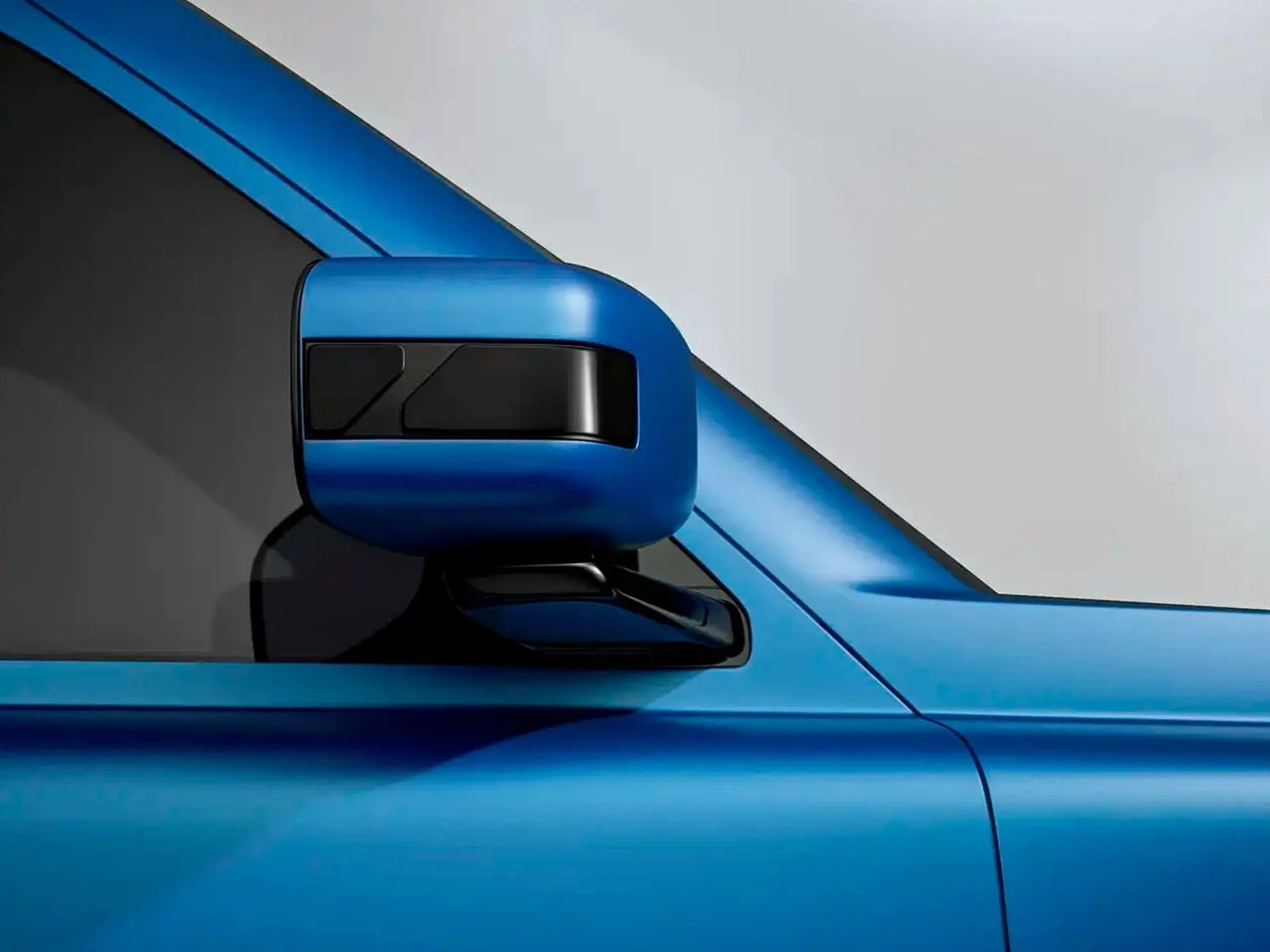
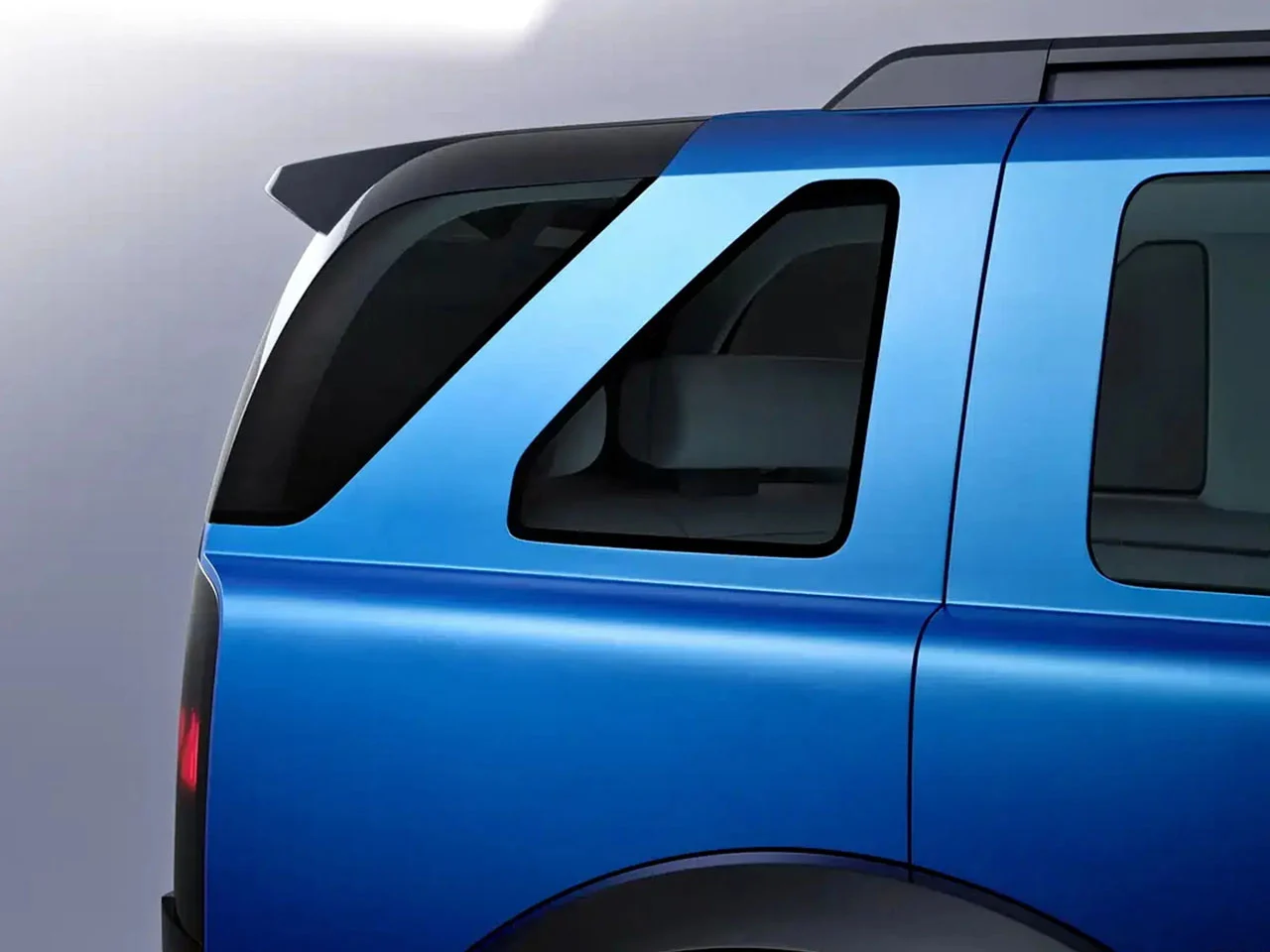
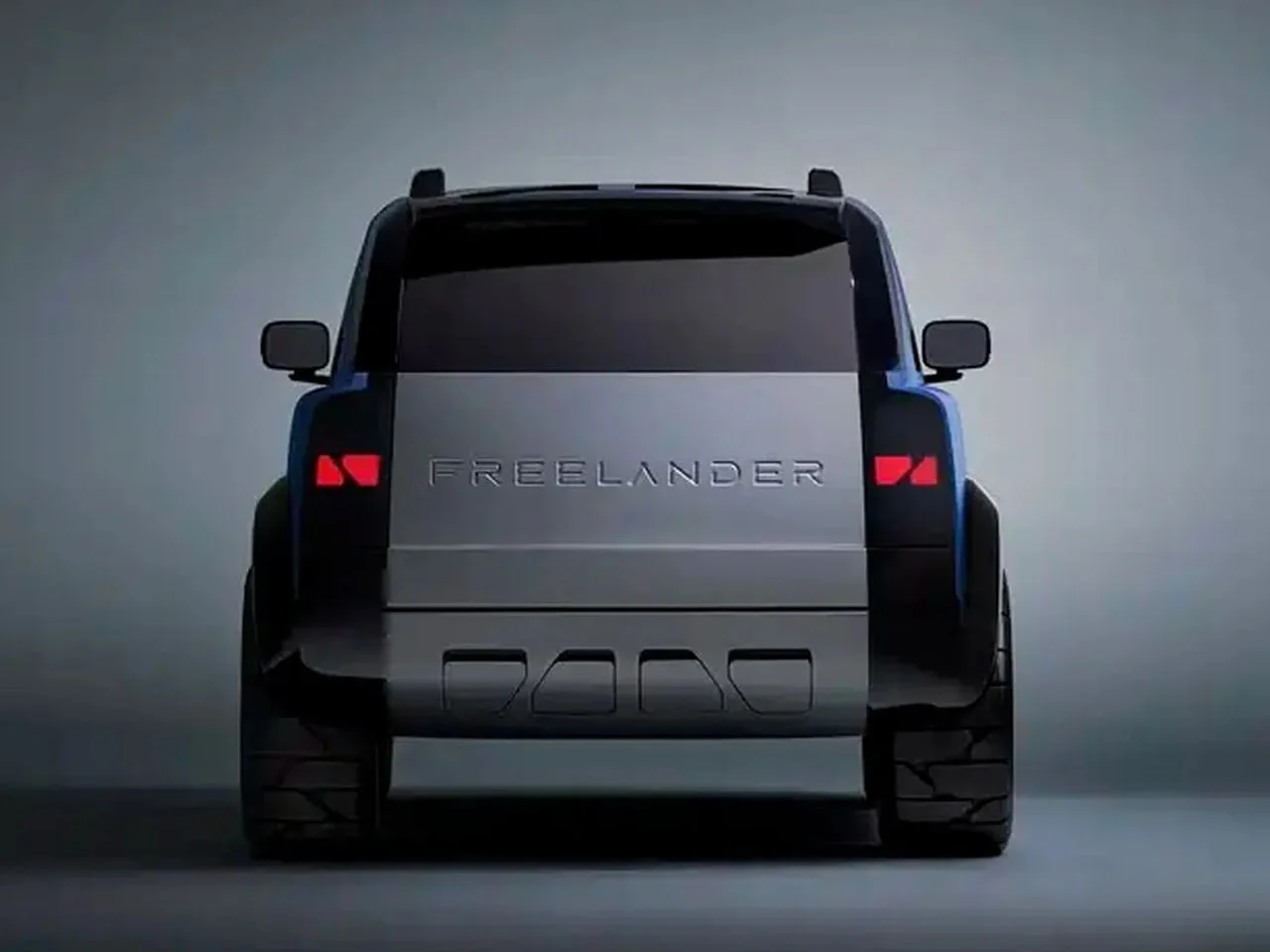
The return of Freelander is not a nostalgic revival—it is a strategic reinvention. Once a gateway into the world of Land Rover, the Freelander occupied a unique space: accessible, compact, and quietly capable. Its debut in 1997 marked a turning point for the brand, introducing a softer, more urban-friendly interpretation of off-road DNA. Nearly three decades later, that same name resurfaces in a dramatically altered context—no longer tethered to its original parent marque, but reborn as an independent electrified brand.
This evolution is driven by a joint venture between Jaguar Land Rover and Chery, signaling a broader shift in how legacy automotive identities are repurposed for a new era. The Freelander name is no longer a model—it is a platform, a philosophy, and perhaps most critically, a bridge between heritage and future mobility.
stir
Traditionally, automotive brands build equity through continuity—lineages are preserved, badges remain intact, and evolution is incremental. Freelander disrupts this model entirely.
By extracting the name from the Land Rover portfolio, JLR effectively liberates it from the expectations that accompany luxury off-road vehicles. It becomes something more fluid, more adaptable—free, in a sense, to explore new technological and cultural territories without being weighed down by legacy constraints.
At the same time, the decision reflects a calculated response to global market dynamics. China, now the world’s largest EV market, demands vehicles that are technologically advanced, digitally integrated, and competitively priced. Positioning Freelander as a standalone brand allows JLR and Chery to tailor their offering specifically to this environment, unencumbered by the premium positioning of Land Rover.
cept
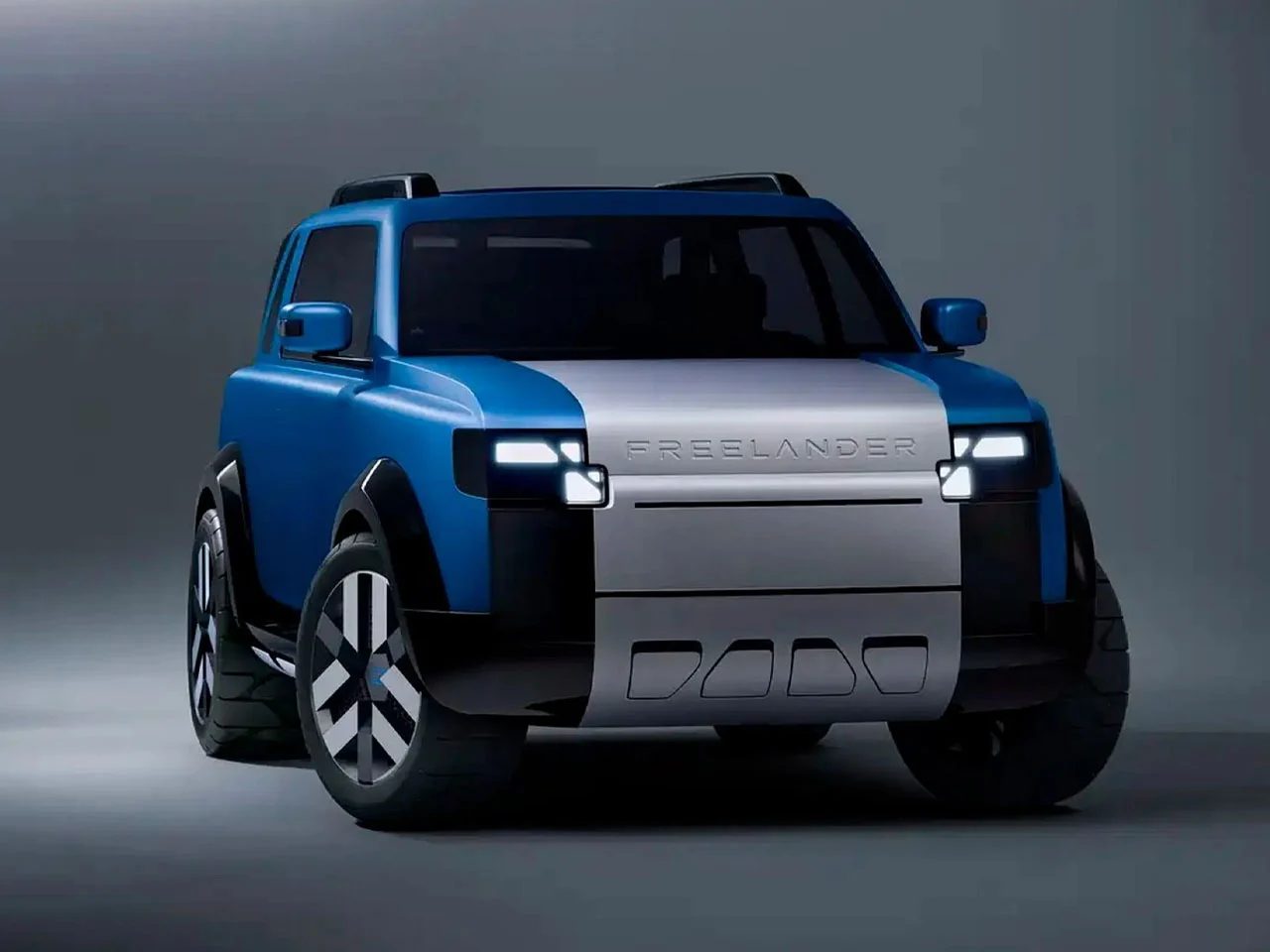
At the center of this rebirth is the Concept 97, a vehicle that operates as both design manifesto and strategic statement. The name itself is a deliberate nod to the original Freelander’s debut year, anchoring the project in history while signaling a forward-looking agenda.
The Concept 97 does not attempt to replicate its predecessor. Instead, it distills the essence of Freelander—its accessibility, its versatility, its understated ruggedness—and reinterprets these qualities through the lens of electrification.
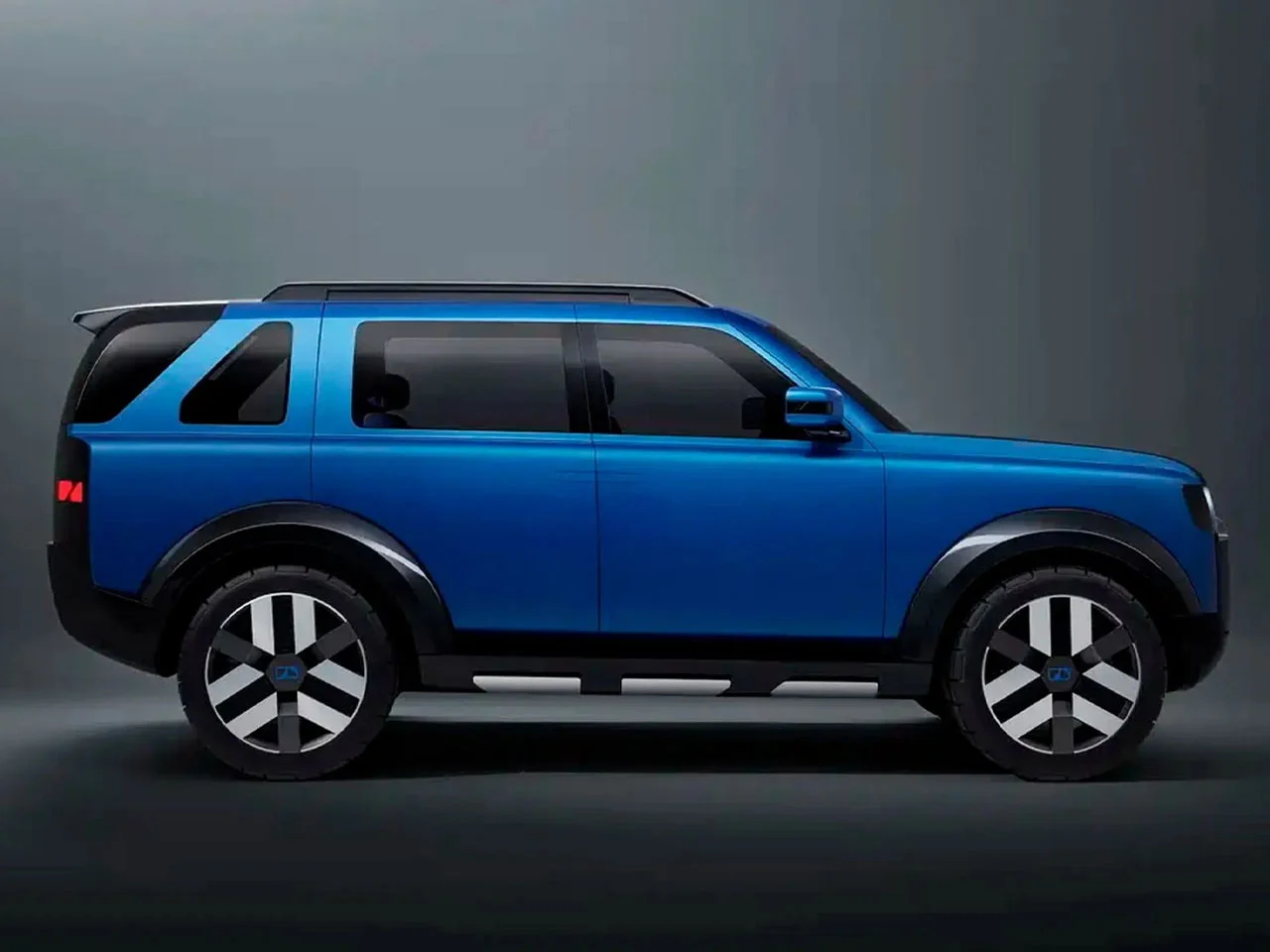
The silhouette is immediately recognizable as SUV, yet its proportions suggest something more nuanced. The stance is confident but not aggressive, the lines are clean yet purposeful. There is a deliberate avoidance of excess—a restraint that feels almost architectural in its execution.
idea
Although the new Freelander operates independently of Land Rover, its design language subtly references the visual codes associated with the brand. This is not imitation, but rather a form of dialogue—a conversation between past and present.
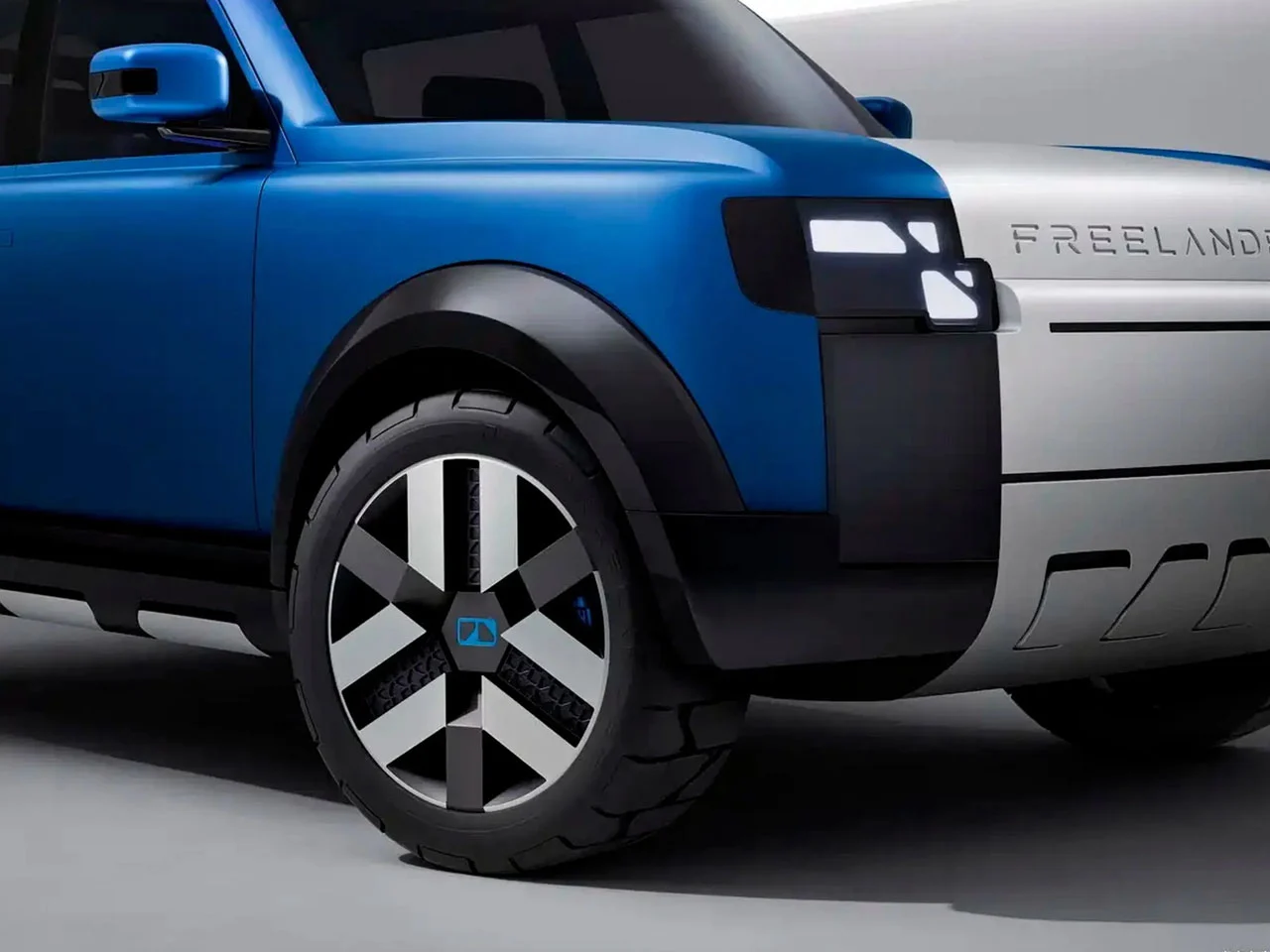
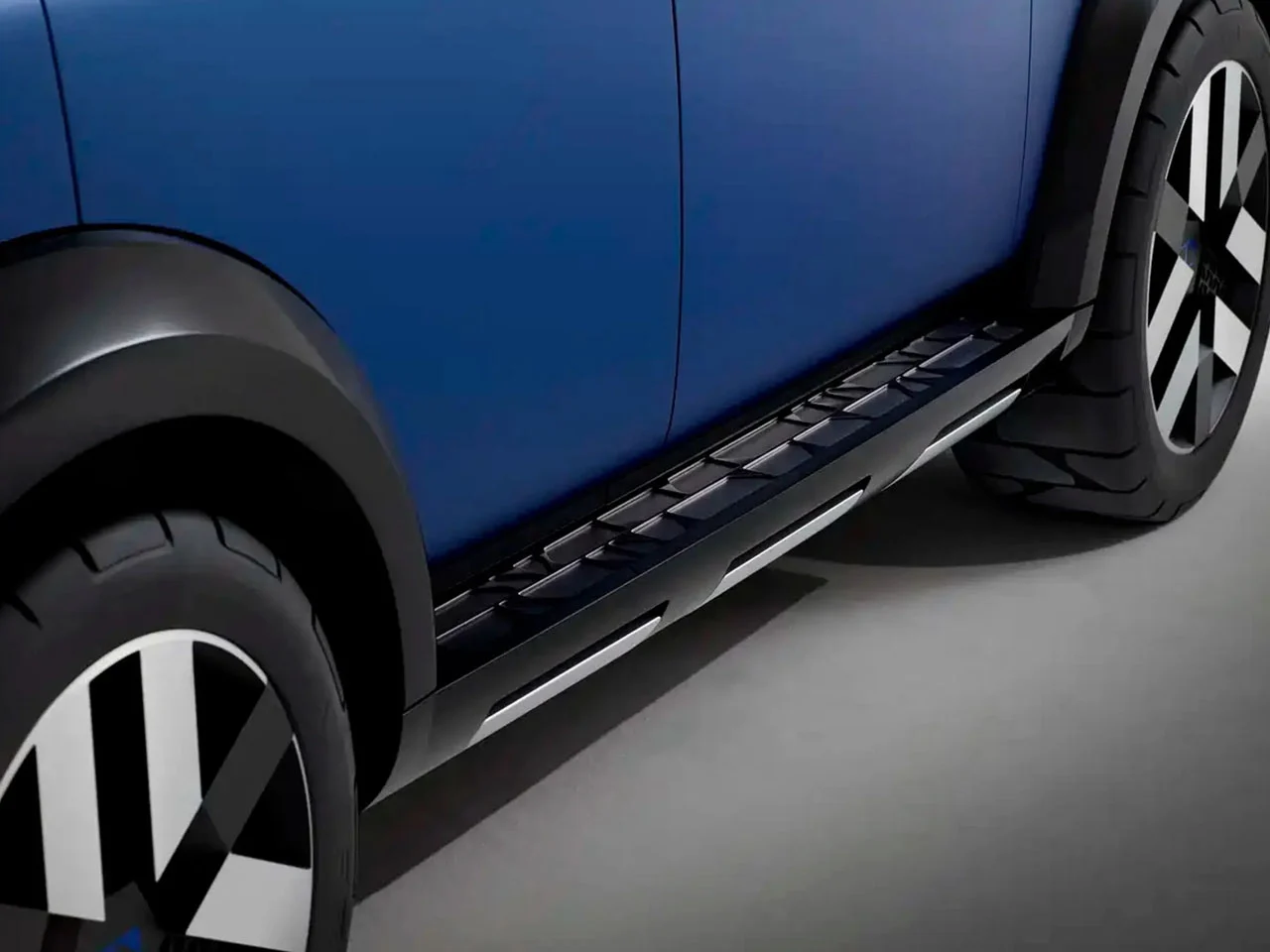
The upright stance, the squared-off wheel arches, the commanding front fascia—these elements evoke the spirit of off-road capability without explicitly declaring it. There is a quiet confidence in the way the vehicle presents itself, a sense that it belongs equally on urban streets and rugged terrain.
At the same time, the design embraces the possibilities of electrification. The absence of a traditional grille allows for a more streamlined front end, while aerodynamic considerations shape the vehicle’s overall form. Lighting becomes a key expressive element, with LED signatures that communicate both identity and intent.
View this post on Instagram
int
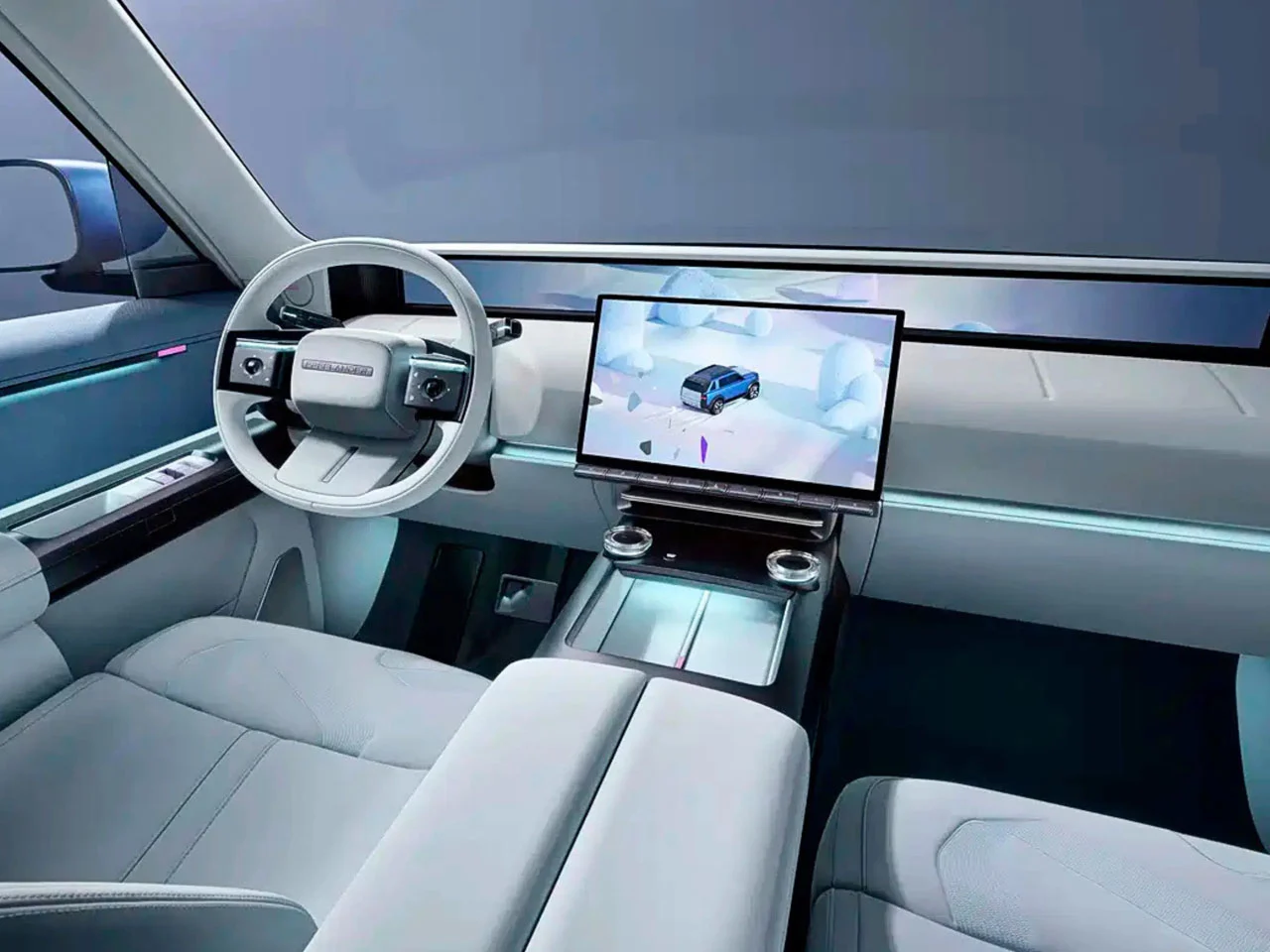
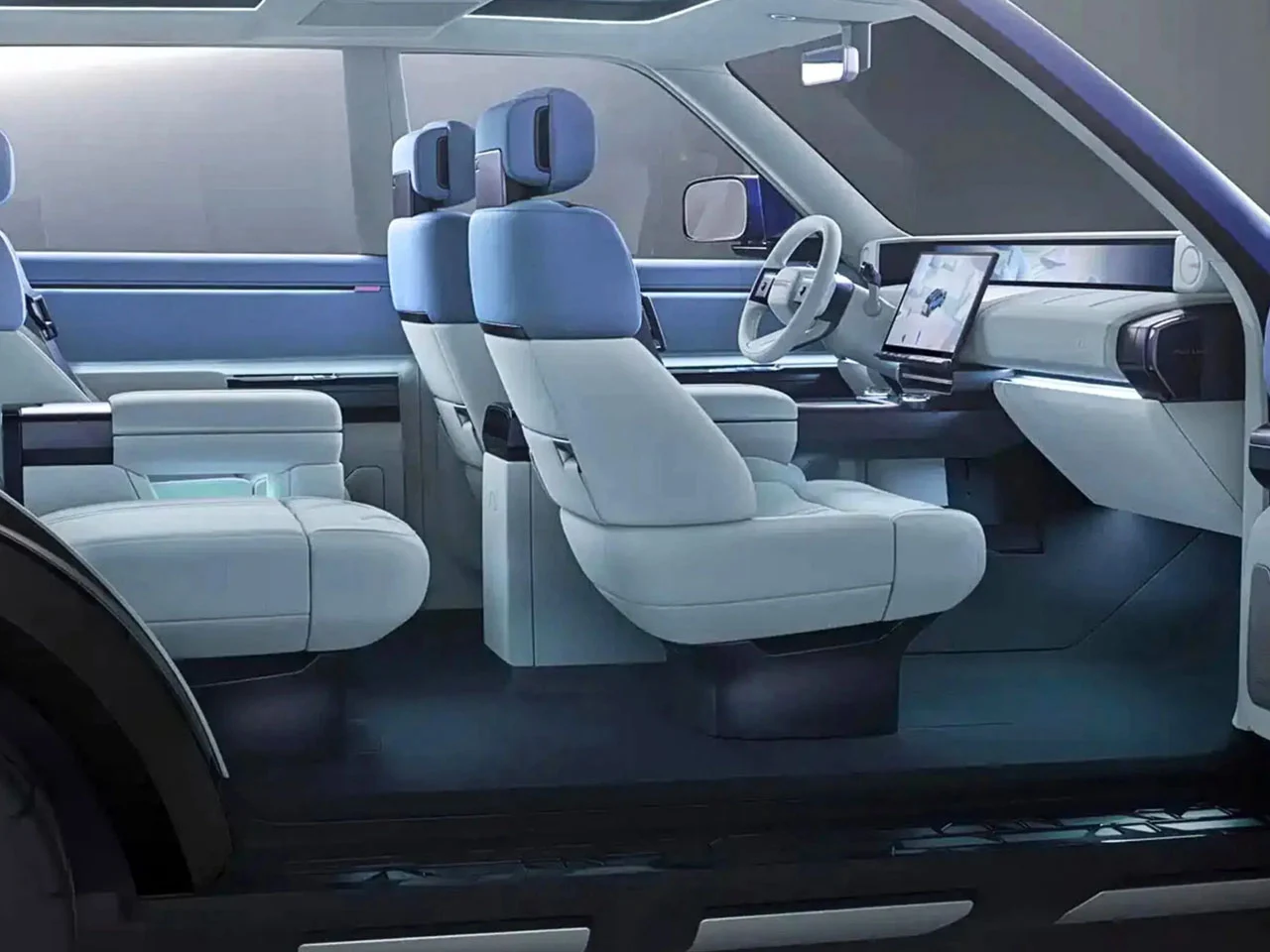
Inside, the Concept 97 continues this balance between innovation and familiarity. The cabin is defined by a minimalist approach, where technology is integrated seamlessly rather than imposed.
Large digital displays dominate the dashboard, yet they are framed within materials that evoke warmth and tactility. Sustainable fabrics and recycled elements reinforce the vehicle’s environmental credentials, while the layout prioritizes comfort and usability.
There is an emphasis on space—not just physical, but experiential. The interior feels open, uncluttered, and adaptable, reflecting a broader shift in how vehicles are perceived. No longer merely modes of transportation, they become environments—places where work, leisure, and travel intersect.
ev
Unlike its predecessor, which was defined by its role within a traditional automotive lineup, the new Freelander is inherently electric. This is not an adaptation—it is a foundation.
The powertrain architecture is designed to support both battery-electric and potentially hybrid configurations, offering flexibility across different markets and use cases. Range, efficiency, and performance are central considerations, but they are framed within a broader narrative of sustainability and innovation.
Electrification also influences the driving experience. Instant torque, silent operation, and advanced driver-assistance systems redefine what it means to drive a Freelander. The emphasis shifts from mechanical capability to digital intelligence, from rugged endurance to refined efficiency.
region
The decision to launch Freelander initially in China is both pragmatic and symbolic. As the epicenter of the global EV revolution, China represents an ideal testing ground for new automotive concepts.
Through its partnership with Chery, JLR gains access to local expertise, manufacturing capabilities, and distribution networks. This collaboration enables a level of agility that would be difficult to achieve independently.
At the same time, the Chinese market demands a specific set of attributes: connectivity, personalization, and value. Freelander is designed to meet these expectations, integrating advanced software ecosystems and user interfaces that resonate with digitally native consumers.
base
One of the most compelling aspects of Freelander’s revival is its relationship with history. Rather than treating heritage as a fixed narrative, the brand approaches it as a source of inspiration.
The original Freelander was notable not for its extremes, but for its balance. It offered capability without intimidation, practicality without compromise. These qualities remain relevant, even as the automotive landscape evolves.
By reinterpreting these attributes within an electrified context, Freelander creates a sense of continuity that feels authentic rather than forced. It acknowledges its origins while embracing change—a delicate balance that few brands manage successfully.
role
Design plays a central role in defining Freelander’s new identity. Without the immediate recognition of the Land Rover badge, the vehicle itself must communicate its values and aspirations.
This places a greater emphasis on coherence. Every element—from exterior proportions to interior materials—must contribute to a unified narrative. The result is a design language that feels intentional and considered, rather than derivative.
xp
Beyond aesthetics, technology becomes a defining feature of the Freelander experience. Advanced infotainment systems, connectivity features, and autonomous driving capabilities are not merely add-ons—they are integral to the vehicle’s identity.
This shift reflects a broader transformation within the automotive industry, where software increasingly defines value. Freelander positions itself at the forefront of this transition, leveraging technology to enhance both functionality and user experience.
restrain
In an era defined by environmental concerns, sustainability is no longer optional—it is essential. Freelander addresses this through a combination of electrification, material choices, and production practices.
The use of recycled and renewable materials within the cabin reflects a commitment to reducing environmental impact, while efficient manufacturing processes further reinforce this ethos. The result is a vehicle that aligns with contemporary values without compromising on quality or performance.
flow
Perhaps the most intriguing aspect of Freelander’s reinvention is its relationship with off-road capability. While the original model was celebrated for its versatility, the new iteration redefines what this means in an electrified context.
Rather than focusing solely on mechanical prowess, the emphasis shifts to adaptability and intelligence. Advanced traction control systems, terrain management features, and software-driven enhancements enable the vehicle to navigate a wide range of environments.
This approach reflects a broader rethinking of off-road capability, one that prioritizes efficiency and control over brute force.
mobil
Freelander’s revival occurs within a moment of profound transformation in the automotive industry. Electrification, digitalization, and shifting consumer expectations are reshaping the way vehicles are designed, marketed, and experienced.
In this context, the decision to create a standalone brand is particularly significant. It suggests a willingness to experiment, to challenge established norms, and to explore new possibilities.
pov
Credited simply as “Freelander,” the design authorship underscores the brand’s collective identity. Rather than emphasizing individual designers, the focus shifts to the philosophy and vision that underpin the project.
This approach aligns with the broader narrative of Freelander as a collab endeavor—a convergence of expertise from JLR and Chery, united by a shared goal.
challenge
No transformation of this magnitude is without risk. The absence of the Land Rover badge may create uncertainty among consumers, while the competitive EV landscape presents significant challenges.
However, these risks are balanced by substantial opportunities. Freelander has the potential to carve out a unique position within the market, leveraging its heritage while embracing innovation.
fin
In many ways, the revival of Freelander is a return to its original ethos. The name itself suggests independence, adaptability, and exploration—qualities that remain relevant in an electrified world.
Yet this is not a simple continuation. It is a redefinition, a recontextualization of what Freelander can be. By stepping outside the silhouette of Land Rover and embracing a new identity, the brand positions itself at the intersection of heritage and innovation.
The road ahead is uncertain, but that uncertainty is precisely what makes Freelander’s return so compelling. It is not bound by expectations, nor constrained by precedent. It is, in every sense, free to chart its own course.
Related Articles

Hyrule’s Cutting Room Floor: The Scrapped Ocarina of Time Ideas That Could Save the Switch 2 Remake
A muted Direct reveal has fans nervous. Decades of cut content sitting in Nintendo’s archive […]