DRIFT AUDIO
Listen to this story
Choose a voice, then press play.
Ubisoft marked the tactical shooter’s quarter century with a free Wildlands overhaul, a returning fan favorite mission, and a first real word on what comes next.
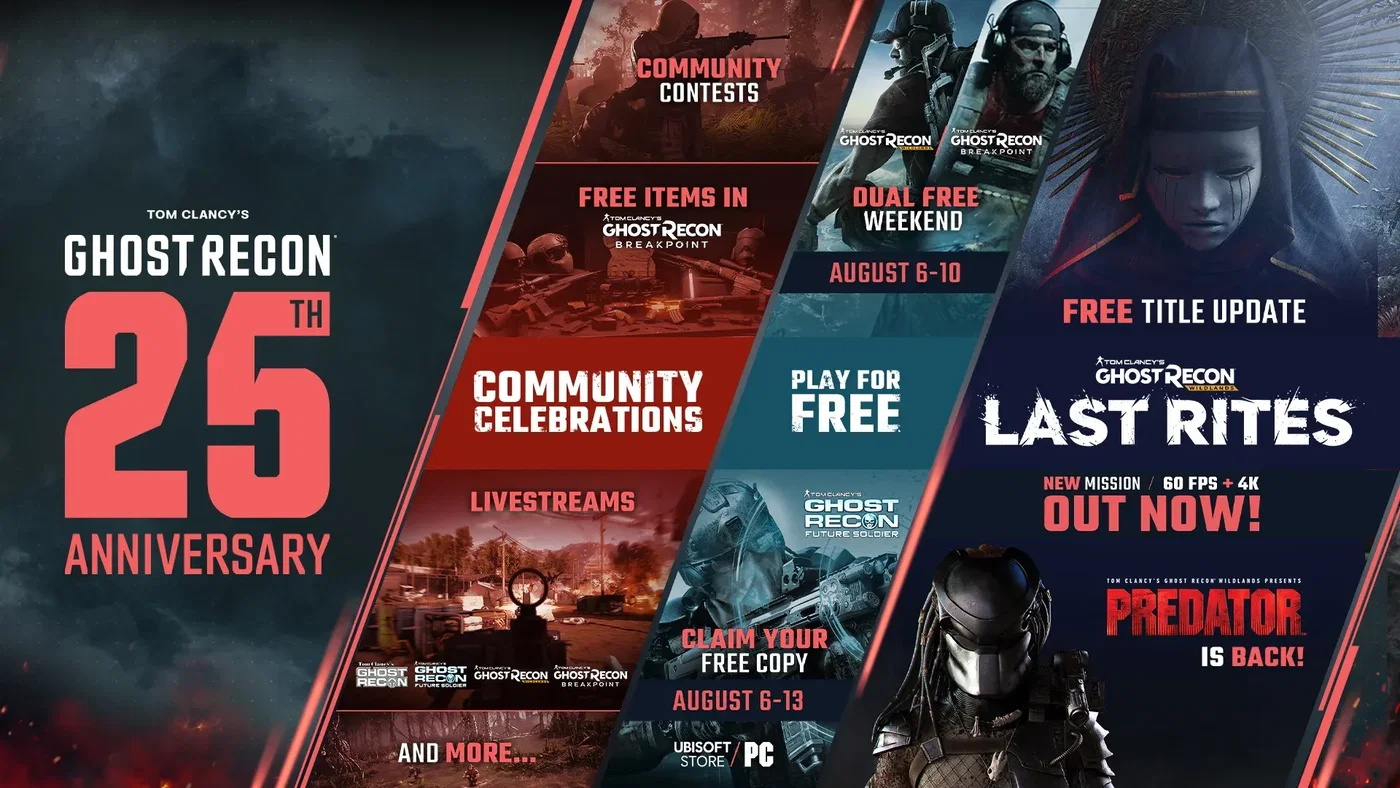
Ghost Recon turned 25 on August 6, and Ubisoft chose to mark the occasion by fixing an old game rather than teasing a new one. The centerpiece of the anniversary showcase is Last Rites, a free story update for Ghost Recon Wildlands, the 2017 open world entry that has quietly remained the series’ most played and most loved installment. Developed by Ubisoft Bordeaux, Last Rites drops players back into Bolivia, this time into a darker corner of it controlled by a cult called Los Penitentes. The mission has players hunting down a masked figure named La Llorona through swamps and dense forest with limited visibility, chasing a cult leader whose grievances reach back to Bolivia’s cartels, the CIA, and the fictional counter narcotics unit that anchored the original game’s story.
The update is not just new content stapled onto an eight year old game. Wildlands is finally getting a native current generation pass: 4K resolution, 60 frames per second on PlayStation 5 and Xbox Series X/S, improved lighting, sharper distance rendering, and shadow quality that had never been touched since the game’s original PS4 and Xbox One era release. For a title that built its reputation on a genuinely massive, drivable, flyable open world map of Bolivia, a frame rate and resolution bump is not a small thing; it is the difference between a game that still looks like it belongs in 2017 and one that can stand next to anything Ubisoft ships this year.
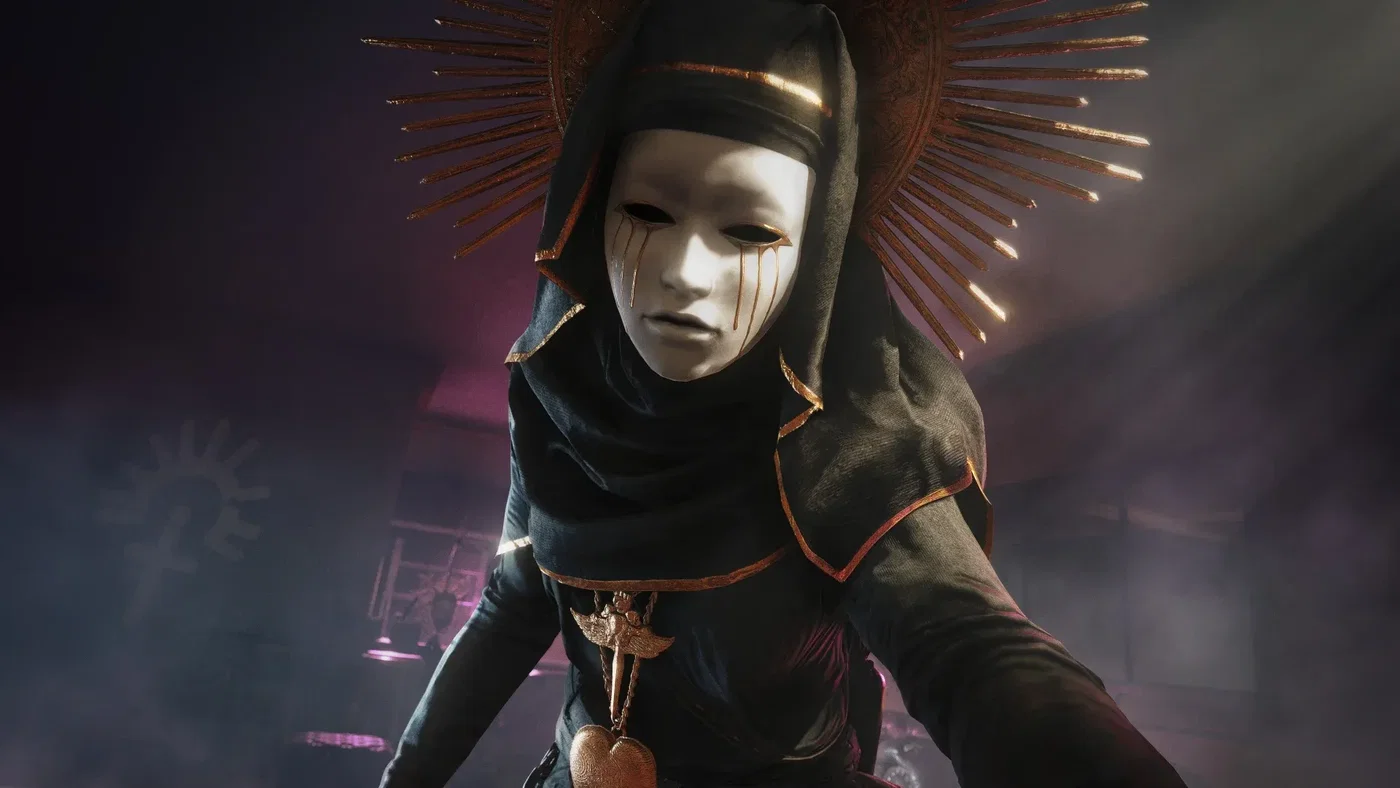
Masked figure from Ghost Recon in a dark ceremonial setting.
It is also, on some level, an admission. Wildlands never received the kind of current generation remaster treatment that Ubisoft has extended to some of its other major open world releases over the years, despite outselling and outlasting its own sequel by a wide margin. That the fix arrived attached to an anniversary, rather than on its own timeline whenever the engineering work was ready, suggests the update had been sitting somewhere on a roadmap waiting for an occasion significant enough to justify shipping it. Twenty five years gave Ubisoft that occasion, and the studio used it to correct something that had quietly bothered a sizable, still active community for years rather than to manufacture a flashier announcement.
return
Buried inside the technical upgrade is a piece of pure nostalgia. The Predator, the extraterrestrial hunter mission that briefly turned Wildlands into a licensed crossover event years ago, is back and playable again, letting longtime players relive one of the game’s stranger and more memorable detours. Alongside it, Ubisoft Bordeaux ported over a set of options that had previously only existed in Wildlands’ sequel, Ghost Recon Breakpoint: authentic reload mechanics, the choice to carry one or two primary weapons, optional friendly fire, and the ability to strip away UI elements like highlight glow on interactable objects and the preview sightline on thrown items. None of that changes the core game, but all of it lets a player tune Wildlands toward the harder, more grounded tactical experience that a portion of the fanbase has been asking for since Breakpoint first introduced those toggles and Wildlands never got them.
What might matter more long term is the granularity Ubisoft has added to difficulty itself. Rather than forcing players to pick a single preset and live with everything that comes bundled into it, Last Rites lets players set a base difficulty and then independently adjust enemy damage output, durability, time of day, and weather on top of it. A player can run the game on an easy setting for general accessibility while manually cranking enemy toughness for a harder firefight, a level of control that console tactical shooters rarely offer outside of dedicated difficulty menus built for speedrunners or completionists. It is a small design choice, but it is the kind of thing that signals a team paying closer attention to how its actual community plays than to how a marketing bullet point reads.
Some of Last Rites’ quieter additions matter almost as much as the headline mission. The update mutes sound cues tied to hidden UI elements for the sake of immersion, removes the preview sightline that used to telegraph exactly where a thrown grenade or flashbang would land, and lets players switch off the glow that highlights interactable objects in the environment. None of these are the kind of features a trailer gets built around, but together they push Wildlands closer to the tense, information scarce experience that fans of the tactical shooter genre tend to prize over more forgiving, hand holding designs. It is the sort of update that rewards a studio’s own restraint: nothing about it demands attention, and all of it improves the game for the players who were always going to come back regardless.
View this post on Instagram
three
Ubisoft paired the Wildlands update with a straightforward access play. Both Wildlands and 2019’s Ghost Recon Breakpoint are free to play in full from August 6 through August 10, no purchase required, a window clearly built to catch players during the anniversary news cycle rather than to run as an extended trial. Separately, Ghost Recon: Future Soldier, the 2012 entry that introduced a more linear, squad tactics focused take on the series, is being given away outright through Ubisoft Connect on PC, free to claim and keep through August 13. A franchise wide sale is running alongside all of it, with discounts reported as high as 95 percent across PlayStation, Xbox, Steam, and Ubisoft Connect.
Breakpoint, notably, is not getting a Last Rites style content drop. Its own 25th Anniversary Bundle is being held back for September, arriving instead as a package of free cosmetic and loadout items, including an M4A1 Tactical Brown weapon skin, a Wolf Enhanced Helmet, and an Opheis Mk.II Hunter drone. That the flagship content update went to Wildlands and not Breakpoint is not a small detail. Breakpoint launched in 2019 to a rough critical reception, built around a gear score system and an isolated island setting that struck a lot of existing fans as a departure from the series’ more grounded roots, and it has spent the years since trying to walk some of that back through post launch patches. Handing Wildlands the anniversary spotlight, while giving Breakpoint a comparatively modest cosmetic bundle two months later, reads as Ubisoft quietly picking a side in an argument its own community has been having since 2019.
None of this means Breakpoint is being written off entirely. A game that still receives a dedicated anniversary bundle, however modest, is still being actively supported rather than abandoned, and Ubisoft has spent parts of the years since 2019 patching Breakpoint toward a design closer to what longtime fans originally wanted from it, adding difficulty options, removing some of its more divisive gear score mechanics, and folding in a version of the immersive mode that stripped away much of the game’s original loot heavy structure. But the anniversary showcase made clear where Ubisoft’s marketing energy is currently pointed, and it is not toward the newer of the two console era Ghost Recon titles.
shh
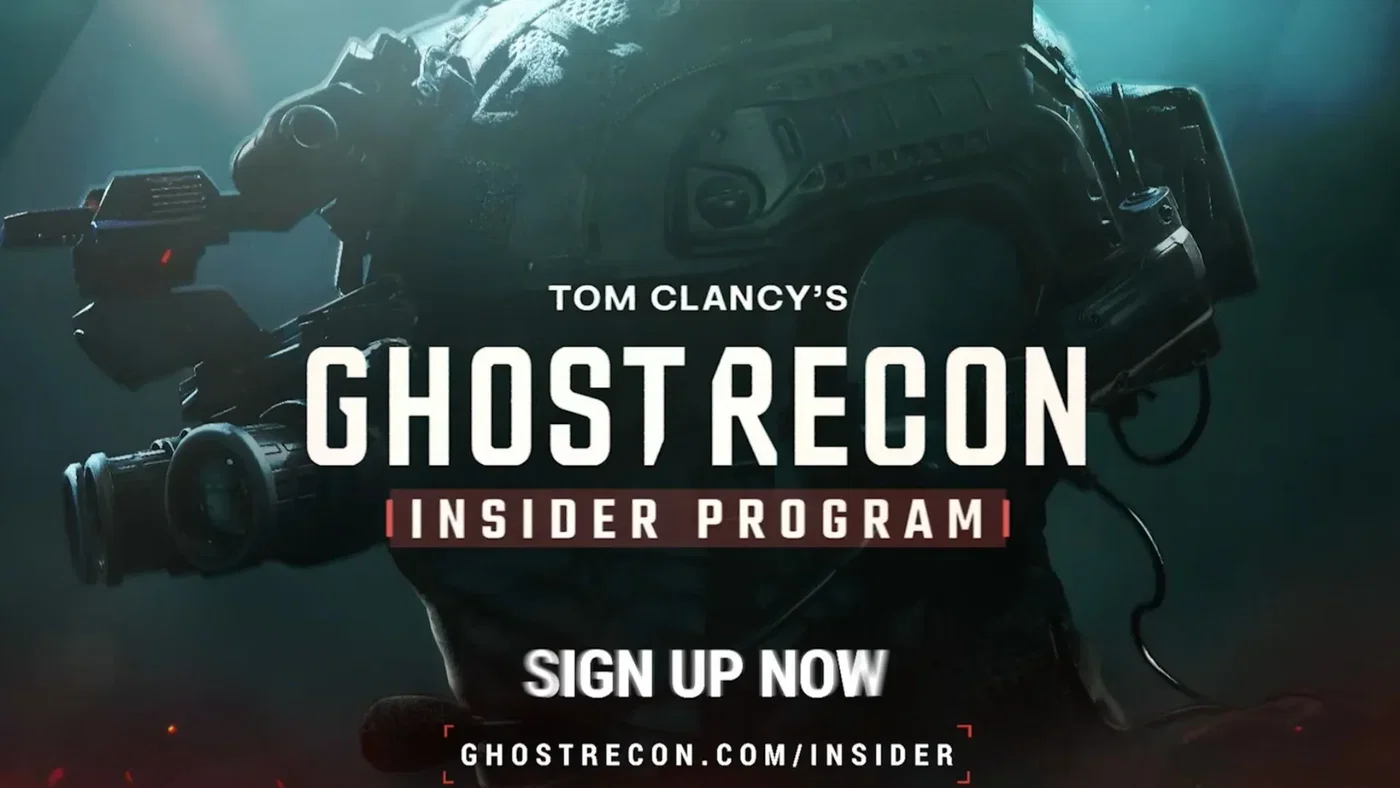
The showcase’s biggest news was also its shortest moment. Ghost Recon live producer Irina-Gabriela Popa confirmed, briefly and without a trailer, logo, or release window, that a new mainline Ghost Recon game has been in development for several years and is now far enough along to bring outside players into the process. Her comments leaned on the franchise’s established pillars rather than teasing anything specific: tactical action, large scale operations, credible military storytelling, and the Ghost Unit that has anchored the series’ identity since the original 2001 release. Alongside the confirmation, Ubisoft opened an Insider Program, giving fans a route to sign up for early access to a closed test and a channel to send feedback directly to the development team as the game continues to take shape.
The restraint is notable given how much speculation had built up ahead of the showcase. Leaks in the weeks before August 6 had already pointed toward a current generation Wildlands upgrade, and separate reporting had referenced a next mainline title under the working name Project OVR, tied to Ubisoft’s newly formed Creative House 2 team, the internal group now responsible for the publisher’s competitive and cooperative shooter portfolio alongside franchises like The Division and Splinter Cell. None of that made it into the actual presentation by name. Ubisoft chose to confirm the game exists and to open a feedback channel around it, rather than commit to marketing language or a release window it might have to walk back later, a notably cautious posture for a publisher that has taken public criticism in the past for setting expectations it could not meet.
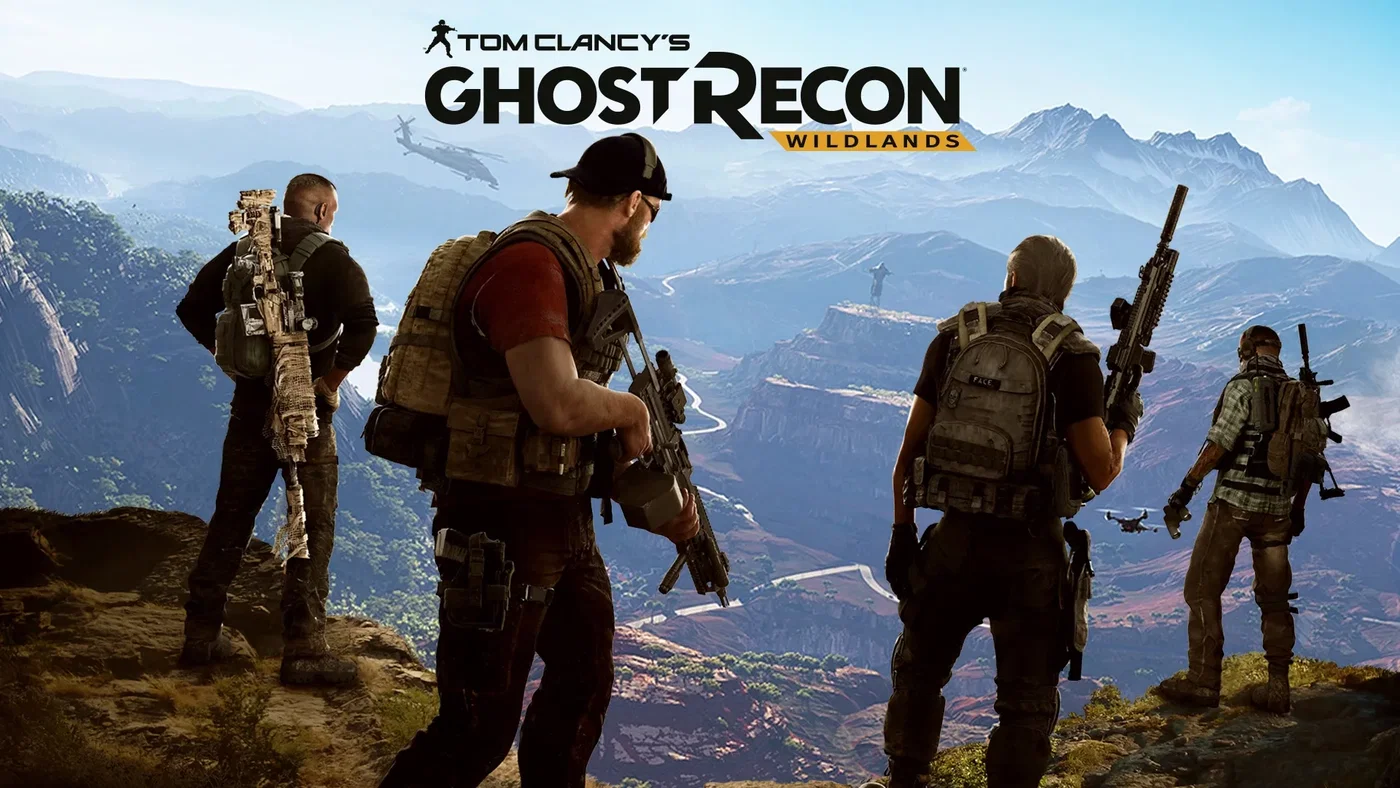
Ghost Recon Wildlands squad overlooking a mountainous landscape.
That caution reads as deliberate given Ubisoft’s recent history. The company has spent the past several years navigating delayed releases, canceled projects, and a broader restructuring effort that reorganized much of its shooter and live service output under new internal divisions, Creative House 2 among them. Announcing a name, a logo, or a release window for the next Ghost Recon this early, only to have any of it shift later, would have handed critics another example of a promise the studio could not keep. Confirming the game exists, opening a feedback channel, and stopping there is a smaller claim, but it is one Ubisoft can actually stand behind regardless of how development unfolds from here.
fin
What the anniversary stream avoided is almost as telling as what it included. There was no gameplay footage of the next Ghost Recon, no logo, no platform list, and no mention of Ghost Recon Breakpoint by name in connection with the franchise’s future direction. The subtext running under nearly everything shown on August 6 pointed toward Wildlands, not Breakpoint, as the game the next entry is meant to build from; Ubisoft never said that outright, but the choice of which title got a story mission, a technical overhaul, and top billing versus which title got a September cosmetic pack made the preference difficult to miss.
Ubisoft has also publicly committed, separately from today’s showcase, to releasing new entries across Assassin’s Creed, Far Cry, and Ghost Recon by 2029, a target that gives the next Ghost Recon a rough outer boundary without pinning down anything closer. For a franchise that has spent years in a holding pattern since Breakpoint’s uneven launch, with Wildlands’ community consistently outlasting its successor’s in player counts and goodwill, an anniversary built around fixing the beloved older game rather than rushing a reveal of the new one is a fairly deliberate signal. Whatever comes out of the newly opened Insider Program, Ubisoft appears to be building it in view of the community this time, rather than in front of one.
The choice of venue underscores that reading. Rather than folding the news into a broader Ubisoft Forward style press conference stacked with unrelated announcements, the publisher gave Ghost Recon its own dedicated stream, built entirely around one franchise and its history. That kind of focused format tends to serve legacy fans better than newcomers; it assumes an audience that already understands what a Predator mission means, why a difficulty slider matters, and why a story update to an eight year old game is worth a livestream in its own right. For a franchise trying to rebuild trust with a community that watched its last mainline entry stumble, speaking directly to the people who never left may end up being the more valuable long game than any single reveal trailer could have been.
n
From the DRIFT archive: Tactical Elegance: Inside Bramford London Aqua Blue Three-Pocket Watch Roll
Related Articles
The White Violet That Refuses to Pick a Side: Inside Le Labo’s VIOLETTE 30
Le Labo’s first Classic Collection addition of 2026 is built on a flower the Victorians […]