Ghosts in the Machine: Lego’s Hidden Side and Its Tech-Driven Horror Concept

October 20, 2024
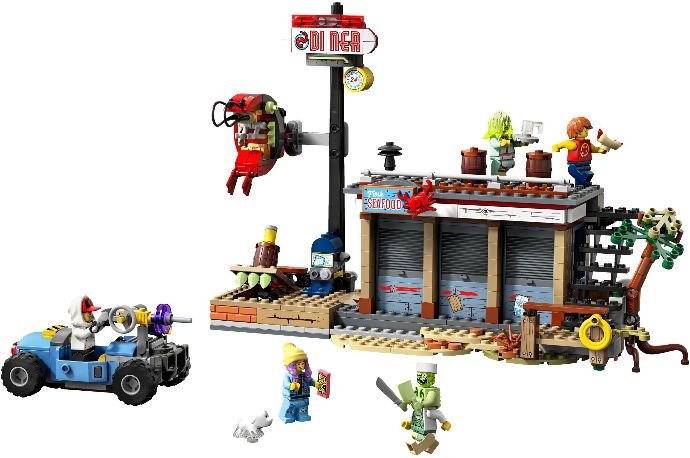
Lego’s Hidden Side theme, introduced in 2019, represents an intriguing attempt by Lego to modernize its approach to horror-themed playsets. By blending augmented reality (AR) technology with physical building sets, Hidden Side aimed to offer a hybrid experience that appealed to tech-savvy younger audiences. However, while the concept was bold and innovative, it suffered from a number of flaws that ultimately led to its discontinuation in 2020.
One of the most distinctive features of Hidden Side was its reliance on AR to create an immersive ghost-hunting experience. Players could build various Newbury town settings—such as schools, graveyards, and lighthouses—and then use a mobile app to reveal hidden ghosts lurking within these structures. This interplay between the physical and digital worlds was a fresh take on traditional Lego play, providing more dynamic engagement than previous horror-themed sets like Monster Fighters. Yet, this reliance on an app also introduced some significant issues.
One key challenge was accessibility. For younger audiences, particularly those without access to a smartphone or tablet, the AR component was unusable, effectively limiting their experience to the physical sets. While the physical builds themselves were creatively designed and enjoyable, they lacked the depth that the AR app was meant to provide. Furthermore, even for those who could access the app, the technology itself was not always seamless. Reviews often mentioned bugs and inconsistent performance, with the AR functionality sometimes failing to properly recognize the sets or deliver the immersive experience that was promised.
Another issue with Hidden Side was its departure from the classic horror motifs that had defined earlier Lego series like Pharaoh’s Quest or Monster Fighters. Those earlier sets embraced well-known horror tropes, featuring iconic monsters such as mummies, vampires, and werewolves, which appealed not only to children but also to adult Lego collectors with a nostalgic fondness for classic monster movies. Hidden Side, in contrast, opted for a more contemporary and somewhat nebulous horror concept centered around ghostly apparitions tied to modern-day buildings. While this modern twist might have been intended to feel fresh, it lacked the timeless appeal of its predecessors. The series’ emphasis on ghosts and hauntings—while spooky—did not capture the same visual and thematic allure of more tangible monsters, which may have contributed to its weaker reception.
In addition to these conceptual shortcomings, the marketing of Hidden Side may have been a factor in its failure to gain long-term traction. The series was promoted heavily around its app functionality, potentially overshadowing the core Lego building experience that many fans love. While the AR was a novel idea, it arguably distracted from what makes Lego sets so enduring: the joy of creativity and hands-on play without the need for screens.
Despite these challenges, Hidden Side remains an ambitious and noteworthy entry in Lego’s history, particularly for its attempt to fuse technology with traditional play. However, its discontinuation in 2020 suggests that while AR can enhance play experiences, it cannot fully replace the tactile, imaginative play that has made Lego a beloved brand for generations. In the future, Lego may need to find a more seamless balance between the digital and physical worlds if it hopes to succeed with similar hybrid concepts.
Related Articles
Hyrule’s Cutting Room Floor: The Scrapped Ocarina of Time Ideas That Could Save the Switch 2 Remake
A muted Direct reveal has fans nervous. Decades of cut content sitting in Nintendo’s archive […]