Google Unveils Advanced AR Glasses and VR Headset at TED 2025

April 8, 2025
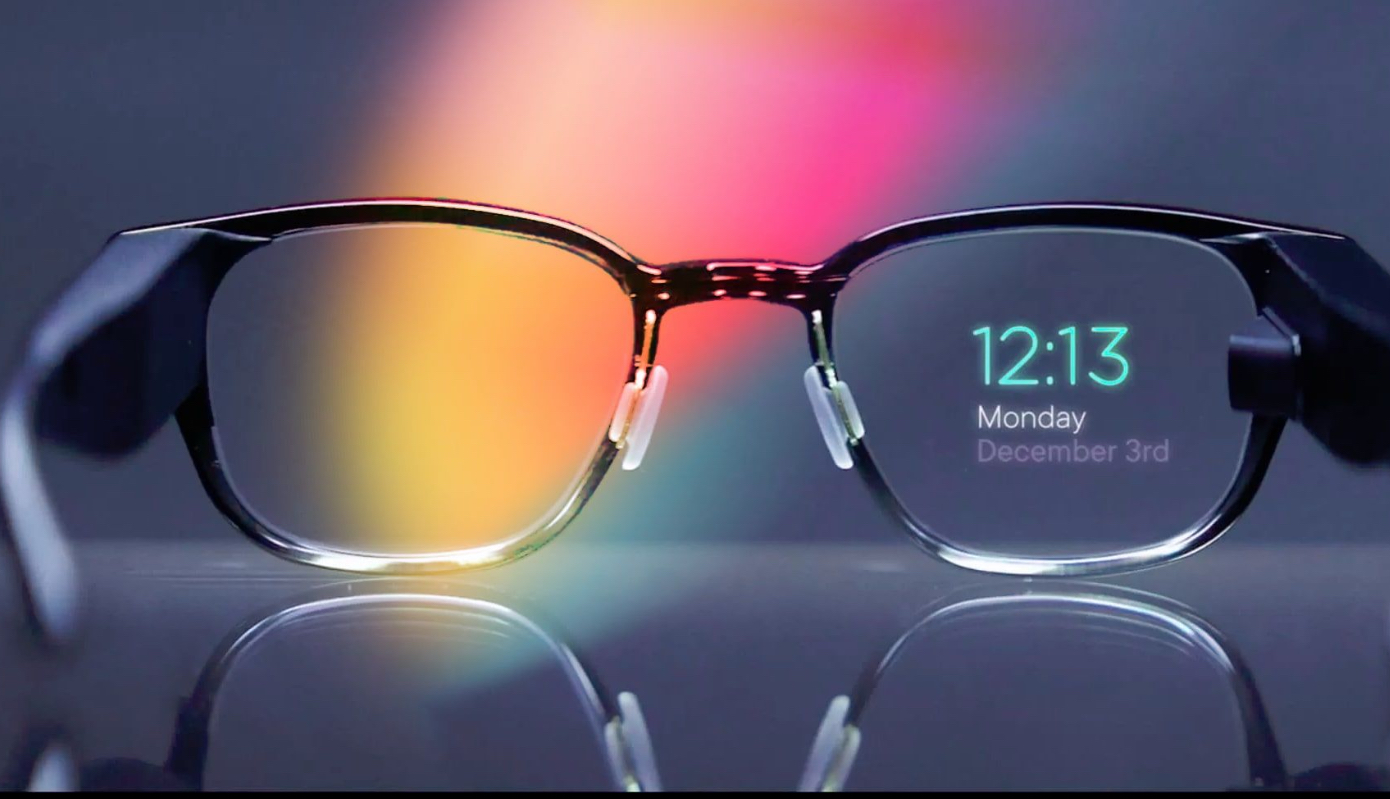
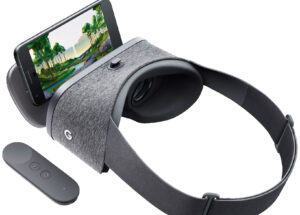
At the TED 2025 conference in Vancouver, Canada, Google unveiled two significant advancements in extended reality (XR) technology: a prototype of augmented reality (AR) glasses and a new virtual reality (VR) headset. These devices are designed to integrate seamlessly with Google’s AI assistant, Gemini, and operate on the newly developed Android XR platform.
Augmented Reality Glasses
The AR glasses resemble traditional eyewear but are equipped with advanced technological features. They incorporate a miniature display and are powered by the Gemini AI assistant. During the demonstration, the glasses showcased capabilities such as real-time translation from Farsi to English and the ability to scan and provide information about books. These features highlight the potential for AR glasses to enhance daily tasks by overlaying digital information onto the physical world.
Virtual Reality Headset
In collaboration with Samsung, Google introduced a mixed reality headset that combines elements of both virtual and augmented reality. This device utilizes pass-through video technology, allowing users to experience a blend of real and digital environments. The design and functionality are comparable to Apple’s Vision Pro, indicating a competitive advancement in the mixed reality space.
Android XR Platform
Both devices operate on Android XR, an extended reality operating system developed by Google. Announced in December 2024, Android XR is designed to support various XR devices, including Samsung’s Project Moohan headset and Google’s smart glasses. The platform is heavily integrated with the Gemini AI assistant, aiming to provide a cohesive and intelligent user experience.
Challenges and Considerations
While these innovations demonstrate significant progress in XR technology, challenges remain in areas such as battery life and cost reduction. Addressing these issues is crucial for making the devices accessible and practical for a broader market.
Google’s unveiling of these AR and VR devices at TED 2025 signifies a strategic move to position itself alongside competitors like Meta and Apple in the evolving XR landscape. The integration of AI with wearable technology reflects a broader industry trend towards creating more immersive and interactive user experiences.
Related Articles
CASETiFY Gears Up for a New Web Slinger with Its Spider-Man: Brand New Day Collection
CASETiFY marks Peter Parker’s next chapter with a case collection built around his reworked suit, […]