DRIFT AUDIO
Listen to this story
Choose a voice, then press play.
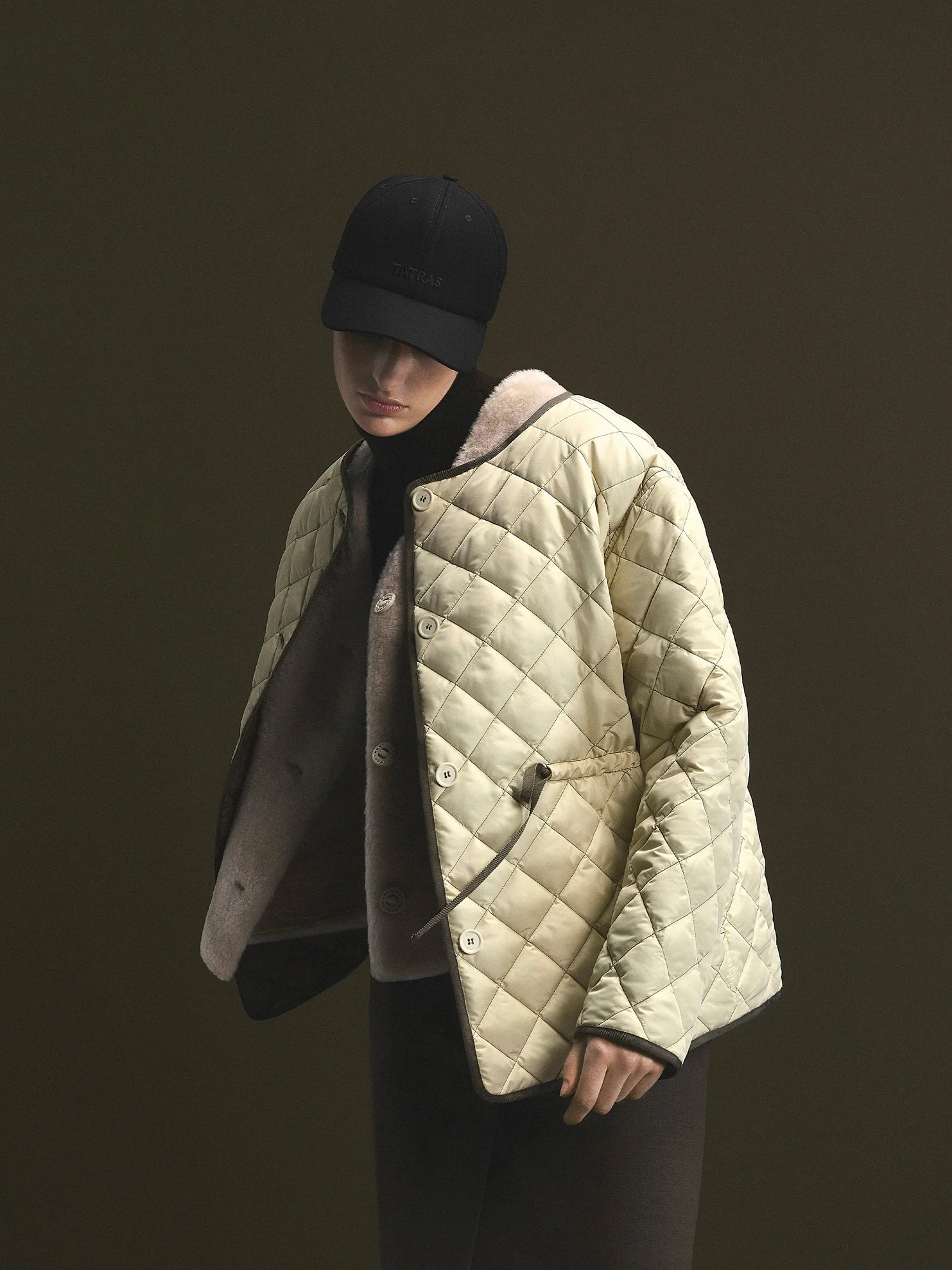
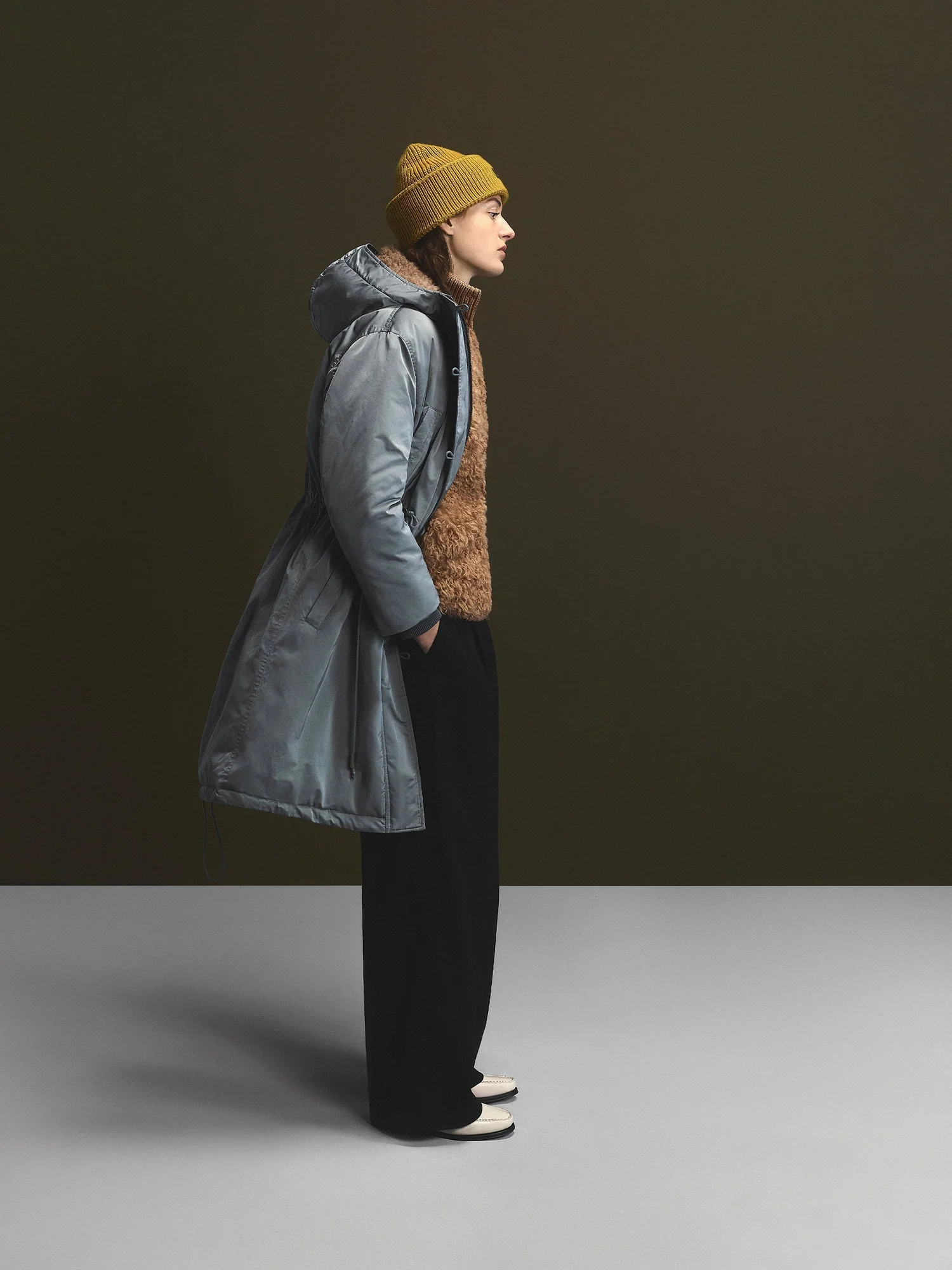
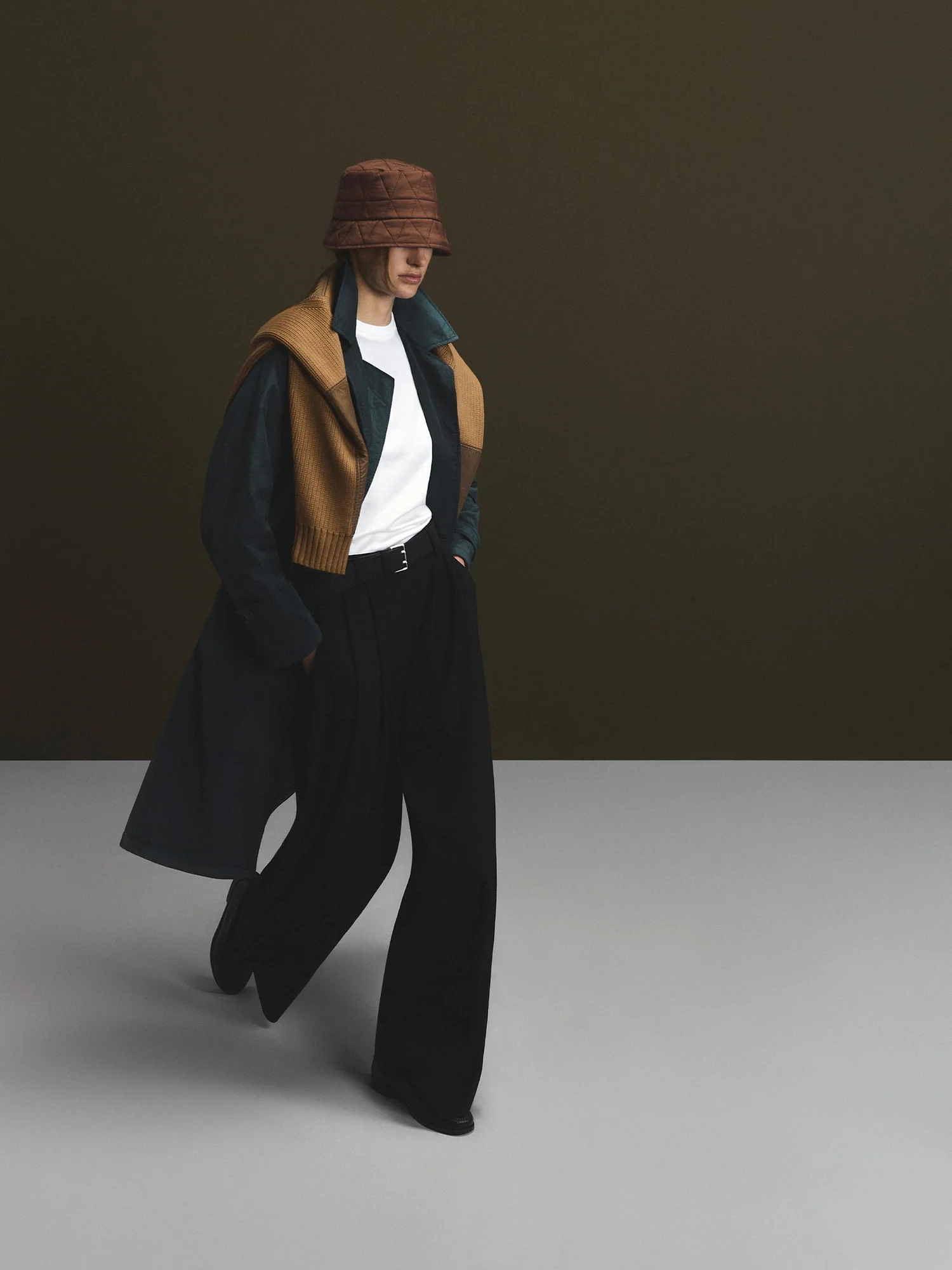
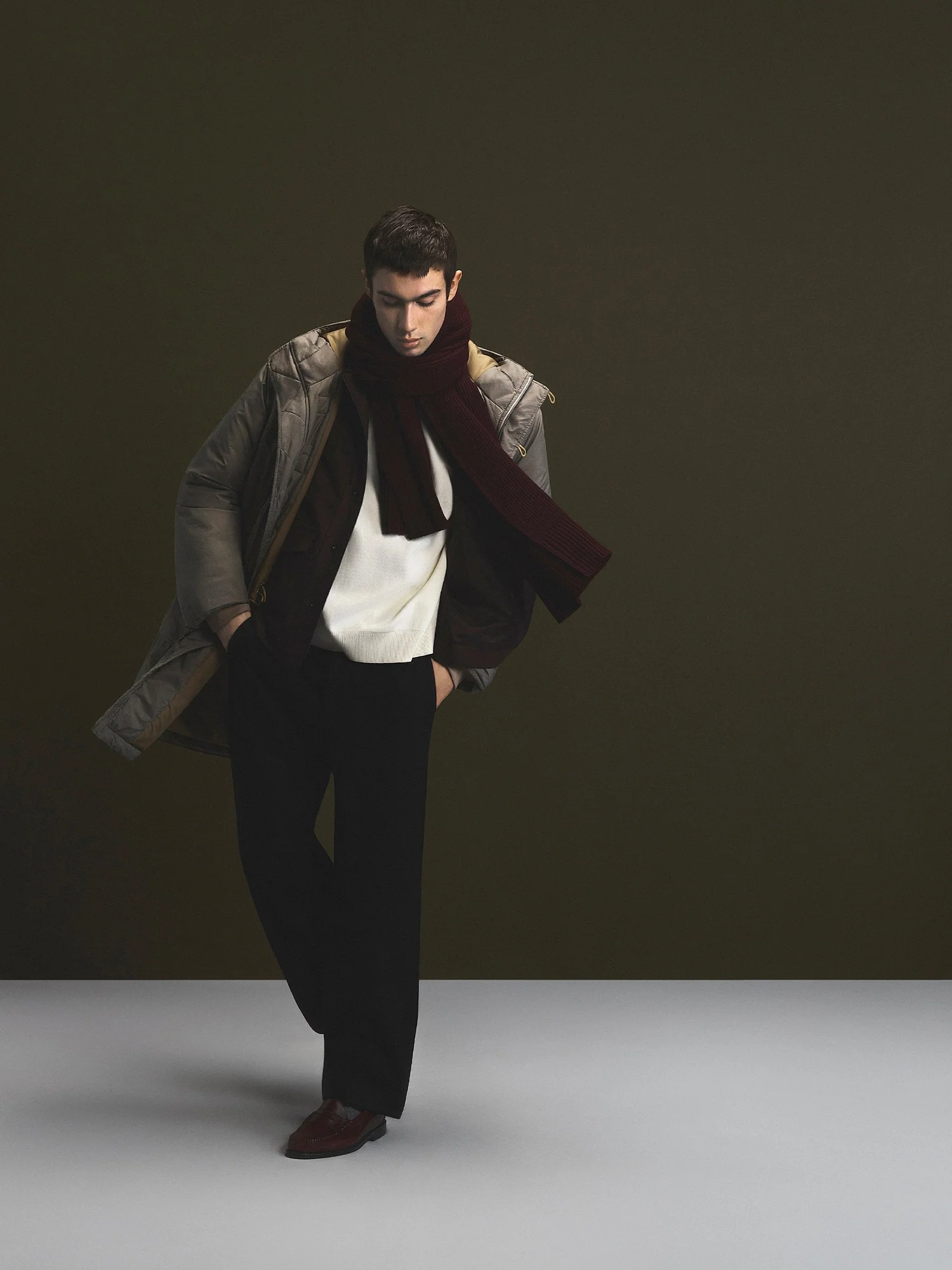
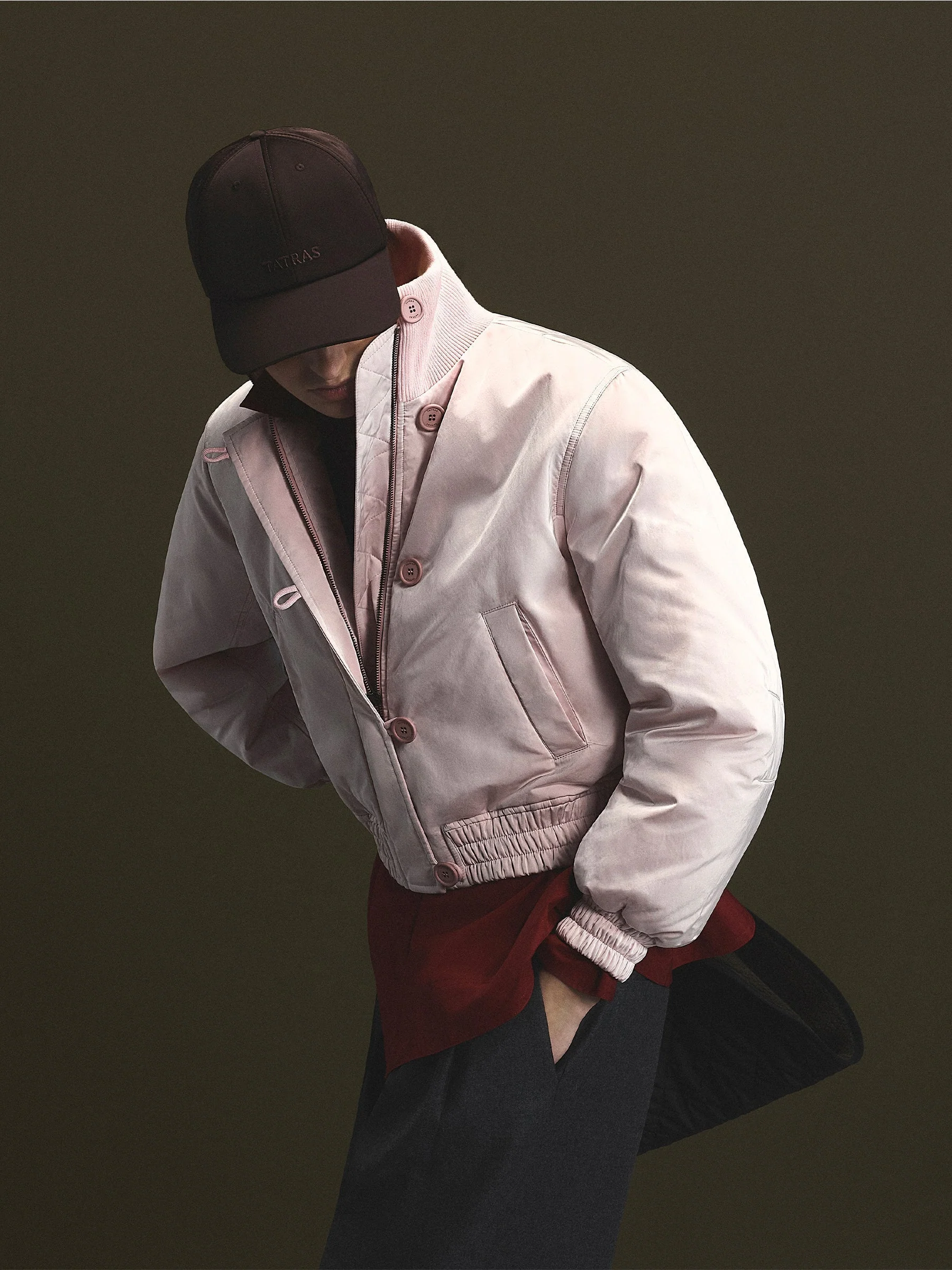
Shot across the barren high-altitude plateau of Campo Imperatore, Tatras’ new menswear campaign follows one man through snow, open roads, and isolated stone structures.
Melting snow uncovers bare earth in the opening frames of Tatras‘s new Fall/Winter 2026 campaign, before the shoot pulls back to show what it’s actually standing on: a vast, treeless plateau in central Italy that locals and hikers have nicknamed Piccolo Tibet, Little Tibet, for decades. Photo across snow, open roads and distant peaks, the campaign follow what the brand’s own rel calls “the Tatras man” as he moves through isolated stone structure and winding mountain roads, a menswear story built entire around one figure and one landscape rather than a full cast or a studio set.
View this post on Instagram
The location isn’t incidental scene-dress. Campo Imperatore, the plateau in question, has carry its Tibetan nickname long enough that nobody can trace who coined it, and the comparison holds up on its own terms: a stark, high-altitude karst and glacial plain ringed by peaks that feels closer to Central Asia than to the Italy of vineyards and coastline most campaigns reach for instead. It’s also not the first time Tatras has built a campaign around a specific, shh drama landscape rather than a studio or a city: the brand’s Autumn/Winter 2025 campaign, shot by Julien Martinez Leclerc along a set of Italian lake shores with models Lucky Blue Smith and Iselin Steiro, worked from the same instinct, let a real place do most of the story-tell rather than style or a concept set.
actual
Campo Imperatore sits inside the Gran Sasso e Monti della Laga National Park in Abruzzo, a couple of hours’ drive from Rome, stretch roughly between 1,500 and 2,100 meters above sea level across a plain shape by glacial and karst-alluvial process. It’s dominate by the Corno Grande, at 2,912 meters the highest peak in the Apennines, whose four summit watch over the plateau in every season. The nickname Piccolo Tibet has circulate among hiker and mountaineer for a great length without a documented origin, earned by the sheer scale of the emptiness, seasonal lakes, extreme weather swings and a stillness that reads as foreign against the rest of the Italian peninsula.
The plateau has history beyond its scenery. The Campo Imperatore hotel at the site was where Benito Mussolini was held prisoner for a stretch in 1943 before German forces staged his rescue, a detail that occasion surfaces in travel writing about the area but has nothing to do with Tatras’ shoot here. The plateau also functions as a working destination well outside its film-set moments: it hosts its own ski station, an astronomical observatory, and an alpine botanical garden, and is reachable either by road or by a cable car running up from Fonte Cerreto, with the medieval villages of Santo Stefano di Sessanio and Calascio, the latter home to a well-known hilltop fortress, sitting nearby at the plateau’s edges. The “film-set” description isn’t incidental either: location databases catalogue Campo Imperatore as an existing production site, accessible by tarmac road, cable car, or helicopter, with prior film work shot there including the drama “A Pure Formality,” making Tatras’ campaign one more entry in a location with an established, if under-the-radar, production history rather than a discovery unique to this shoot. For a fashion campaign, the show is more straightforward: a barren, high-altitude landscape that photographs like nowhere else in the country, reach without leaving Italy or charter as end result form to somewhere genuine remote.
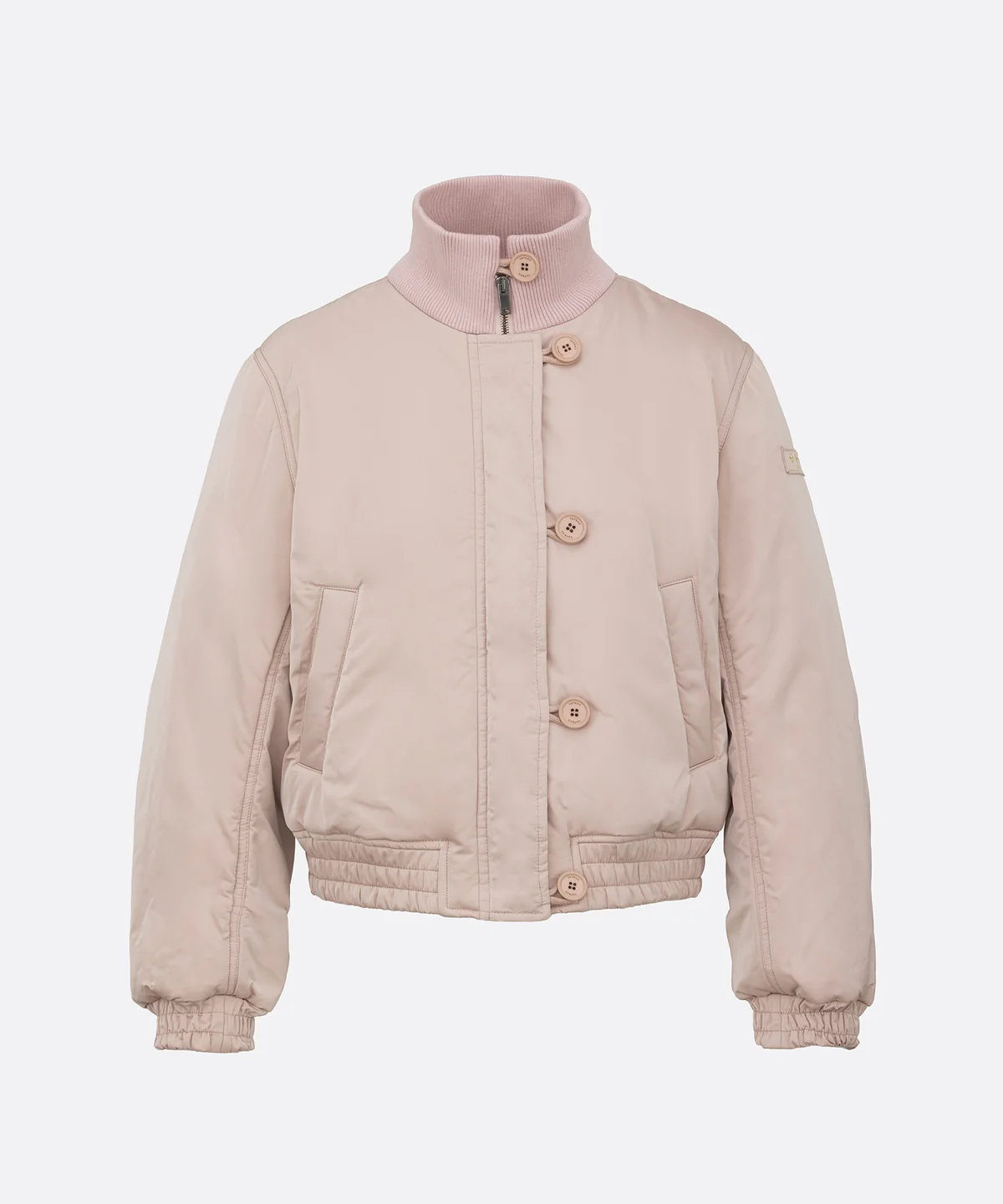
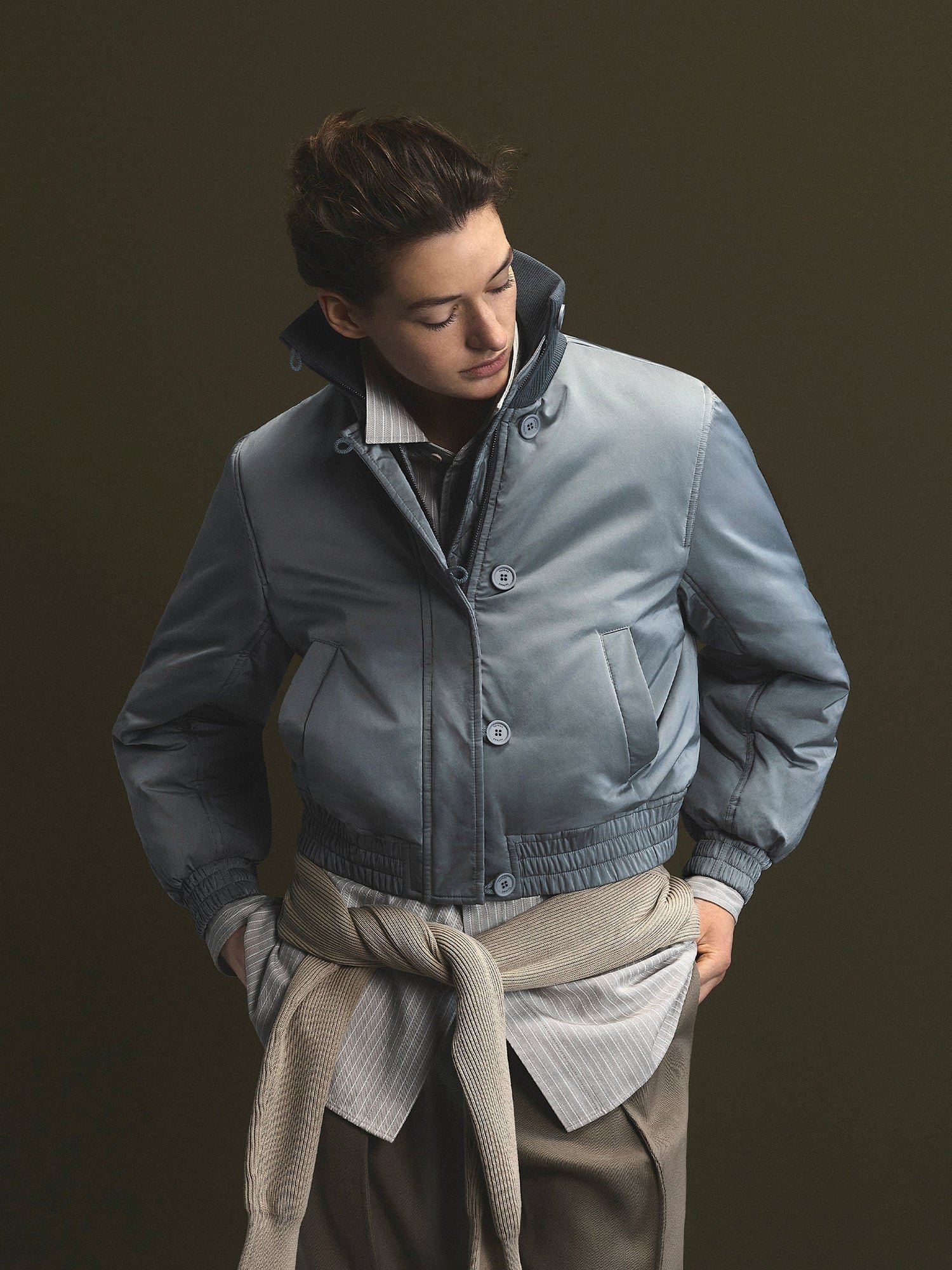
A pale pink, cropped bomber jacket with a ribbed high collar, front button closure, and elasticated cuffs and hem, displayed flat against a white background.
flow
The campaign on September 11 with a full credit list behind it: art direction from Damien Ré, photo from Pamela Dimitrov and a photographer the outlet’s own credits list as Deo Suveera, though the same article’s opening line spells the name Deo Suuvera, an inconsistency worth flagging rather than shh pick a side on. Both are credit work through Buero Paris. Shotaro Yamaguchi handled styling for Artistry, Sebastien Richard did hair for Home Agency, and Thierry Do Nascimento handle makeup for Streeters. Rafael Medeiros built the sets for The Wall, and cast ran through AnD at MA+Group.
The campaign’s cast is smaller than the crew behind it: models Svetlana Lethelier, Pauline Schubach and Aleksandr Gordeev, show respect by Tomorrow Is Another Day, Poetry of People and YU, carry the “Tatras man” concept across the stills. That frame is worth note on its own: despite three models being credited, the campaign copy singles out one recur figure move through the landscape, suggest the stills are construct as a single narrative thread rather than a group cast being cycle through separate looks. A companion video came from director and director of photo Marc Dimitrov, with sound design from Studio Blomberg Sundin and production by NOP-NOP.
The stripped-back, unstaged approach also marks a departure from how Tatras staged its immediately preceding season. For Spring/Summer 2026, curator Mehdi Dakhli and composer Ed Davenport built an entirely constructed environment inside the Palais de Tokyo, complete with a Shoji screen, Yakisugi wood benches, and a tranquil pond centered on a single white-painted tree, staging an “urban safari” collection of double-breasted jackets and draped jodhpur pants against a deliberately composed set rather than a real landscape. Trade that built environment for an actual mountain plateau six months later reads less like a stylistic reverse than a widen of the same vocab, Tatras switch between construct East-meets-West tableaux and unmediated natural setfrom one season to the next, rather than commit perm to either.
One more detail in the credits is worth flag without over-reading it: the stills photo carry a Dimitrov surname (Pamela Dimitrov) and so does the video side of the production (director and director of photography Marc Dimitrov), a pair the campaign own credits don’t explain any further.
scope
The garments the campaign is dress come from a season Tatras itself has describe as a turn point. The Fall/Winter 2026 collection was introduced through an immersive Paris show build inside an industrial space soften with fabric walls, where pieces hung suspend in the room rather than walking a runway, let visitors move through the install and encounter the clothes gradual. The brand has frame the season as a shift toward something more open and expressive, build on its technical heritage rather than replace it.
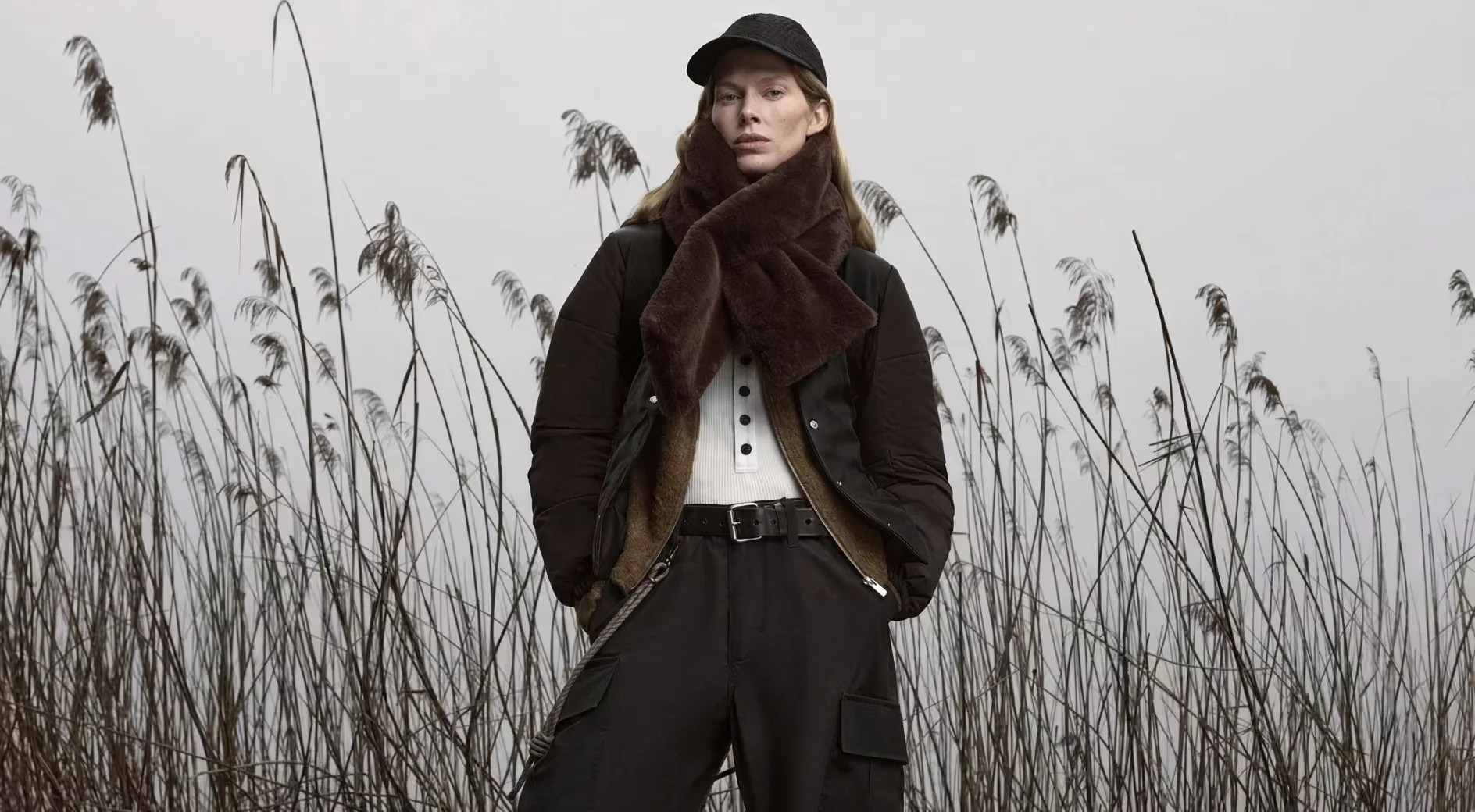
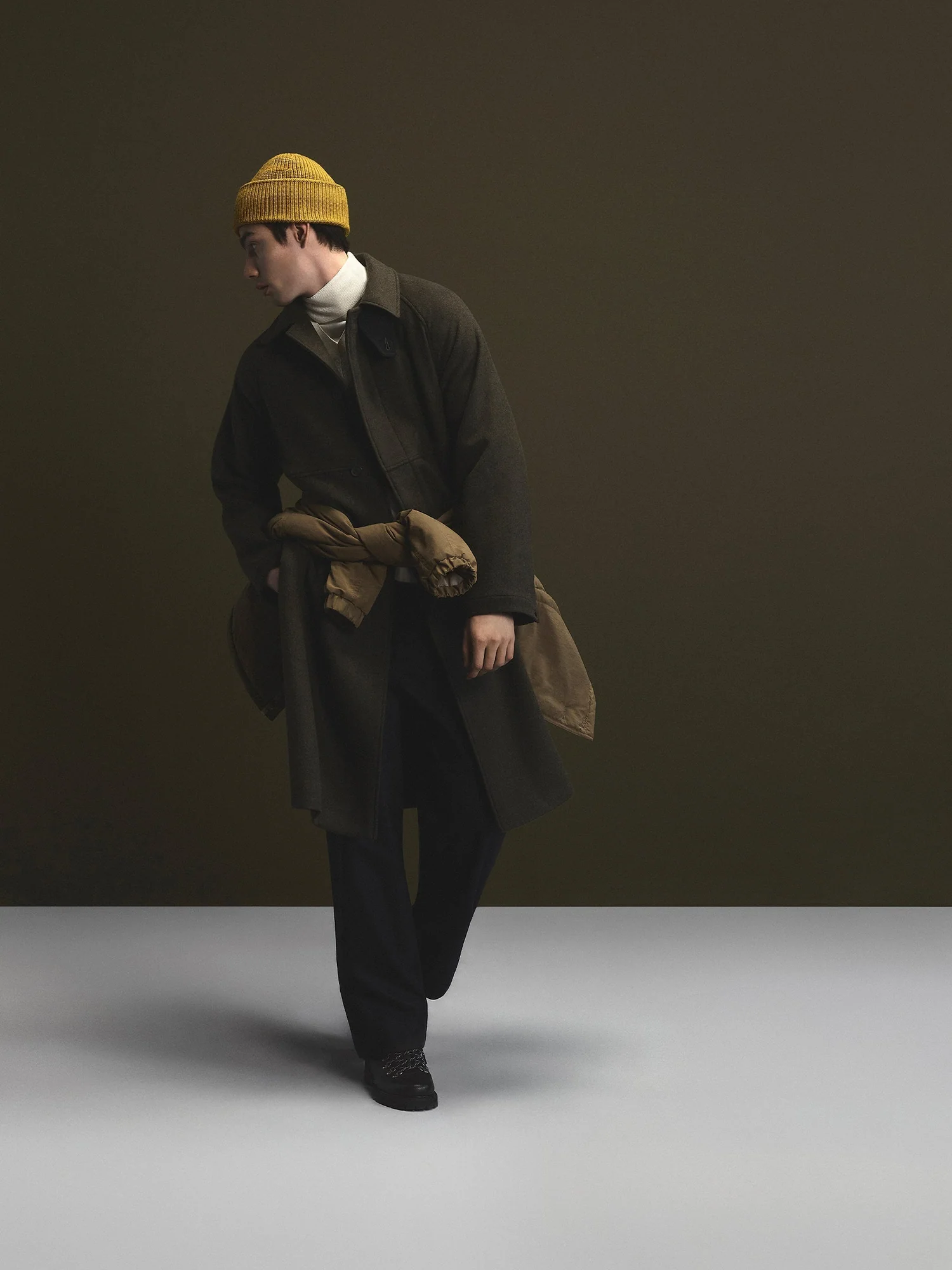
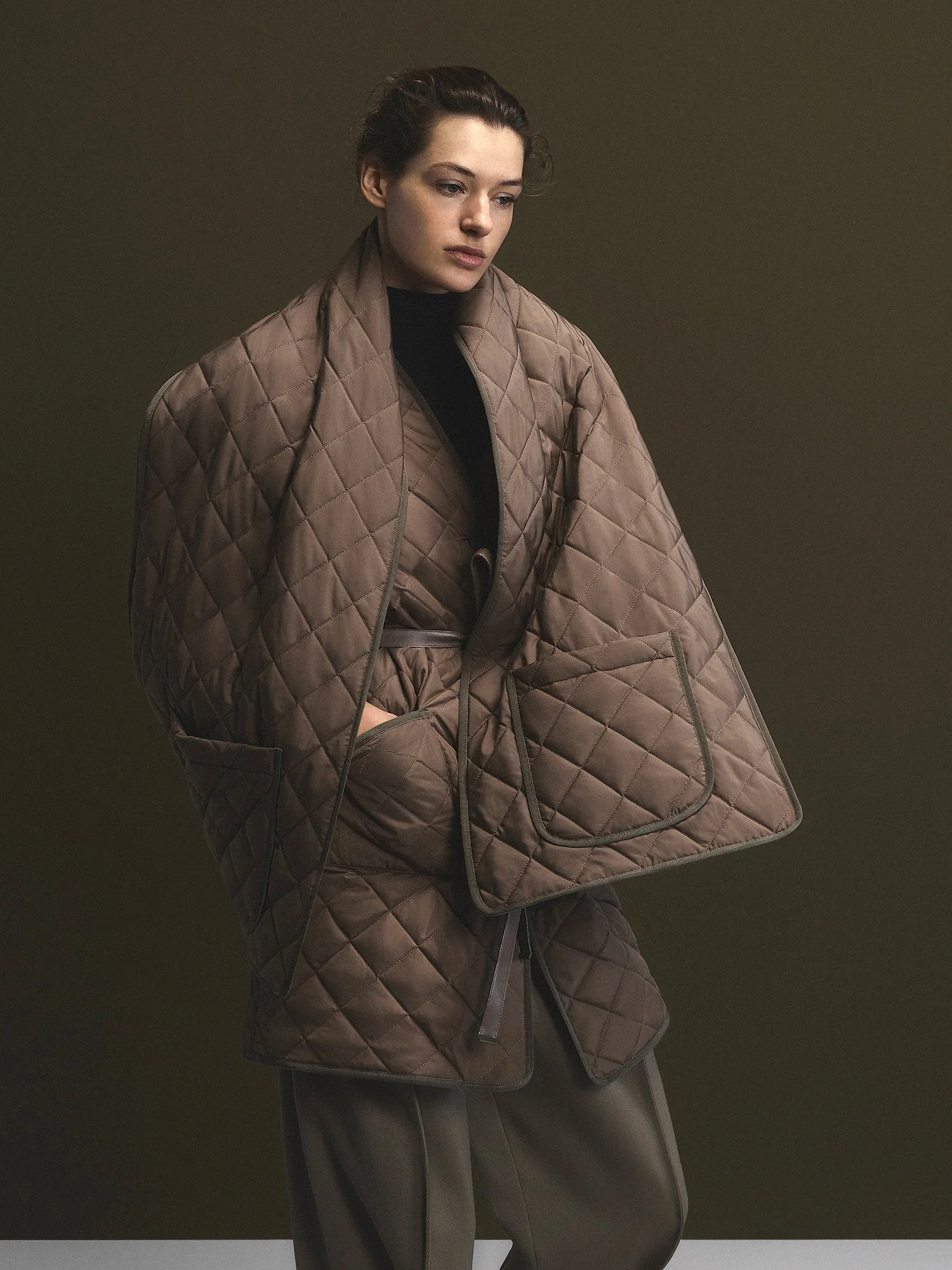
The hue story leans earthy and muted: military green, brown, taupe and beige ground by navy and black, with occasional lipstick red and olive surface as accents. Construction details described alongside the show include faux fur jackets broken up by a central nylon panel, reversible build, and understated hardware like loop button closures, all consistent with the brand’s usual mix of technical fabrication and shh, more tailor sil rather than anything overtly rugged. Set against Campo Imperatore’s stripped-back terrain, that palette and material read less like winter costume and more like camouflage for the landscape itself, dark neutrals against exposed rock and recede snow.
That represents a deliberate feasible from just one year early. Tatras’ own account of its Fall/Winter 2025 collection lean into curve volume and sculpture outline, with chain and tile-pattern quilt work across crop bombers and anoraks, alongside tailored peacoat and varsity shapes built from fine Japanese wool, a collection built more around structure and technical display than the airier posture Tatras is reach for now. The shift from FW25’s engine polish toward FW26’s looser, more connotation foot tracks with lang Tatras has used across other recent seasons too, include a Spring/Summer 2026 collection frame show around “connecting East and West,” an explicit restatement of the brand’s found premise rather than a one-off theme: Japanese manufacture discipline meet Italian design instinct, apply season over season rather than treated as a fixed origin story.
length
Tatras was founded in Milan in 2007 by Masanaka Sakao, built from the outset as a deliberate bridge between Japanese manufacture discipline and Italian design sensibility. The brand’s own account of its found ties the name direct to the Tatra mountain range along the Poland-Slovakia border, the source of the CLASS1 goose down, a 90 percent down, 10 percent feather fill, that the label has built its outerwear reputation on since the beginning. CLASS1 sits at the top of the industry’s own down-grade system, judge on fill power and cluster size rather than simple weight, and Tatras has leaned on that Polish source as a point of technical differ in a category where down quality varies uber between brand that otherwise look sim on a rack. Fabric develop run through partner with establish Italian mills include Loro Piana, Botto Giuseppe and Limonta.
Related Articles
Billionaire Boys Club Rewrites the Country Club Dress Code for Fall ’26
A cotton pique polo and a chenille golf patch anchor Billionaire Boys Club’s push into […]