DRIFT AUDIO
Listen to this story
Choose a voice, then press play.
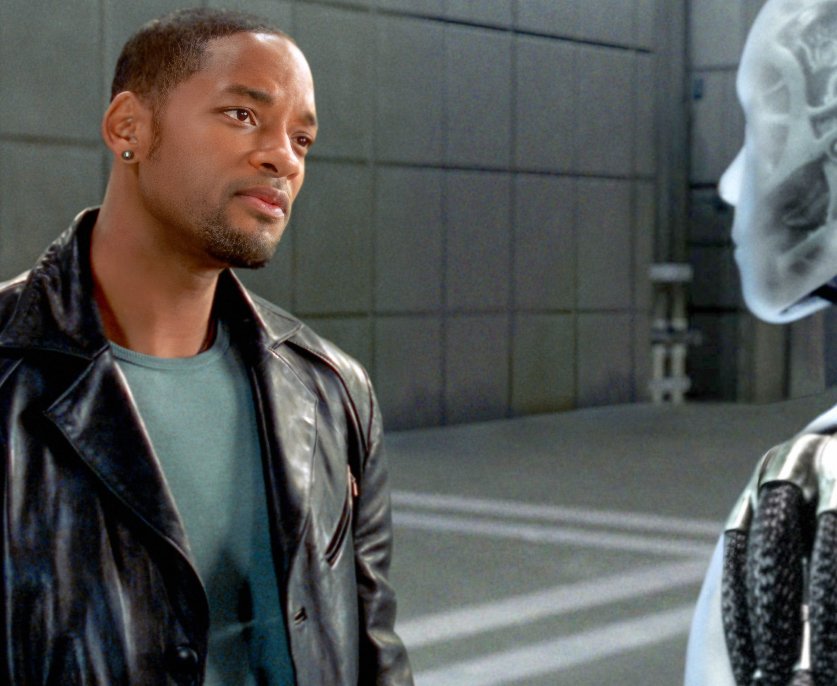
The 2004 sci-fi thriller I, Robot, starring Will Smith, has found a renewed audience in 2025, climbing the charts on streaming platforms and introducing a new generation to its futuristic, action-packed story. Though the film was initially released over two decades ago, it continues to captivate audiences with its blend of suspense, cutting-edge (for its time) visual effects, and exploration of humanity’s relationship with artificial intelligence.
A Look Back at I, Robot
Directed by Alex Proyas, I, Robot is loosely inspired by the renowned short story collection of the same name by Isaac Asimov. Despite borrowing its title and Asimov’s famous Three Laws of Robotics, the movie’s narrative takes significant creative liberties. Set in 2035, it follows Detective Del Spooner (played by Will Smith), a skeptical cop investigating what appears to be a murder committed by a robot, an event that could upend society’s trust in AI.
While the film deviates from Asimov’s original work, it retains the author’s thought-provoking themes about the ethics of artificial intelligence and the potential consequences of an overreliance on technology. The combination of thrilling action sequences and philosophical undertones resonated with audiences upon its release and continues to do so today.
The Film’s Initial Success and Critical Reception
Upon its debut in July 2004, I, Robot was a commercial hit, grossing $353.1 million worldwide, making it the 11th highest-grossing movie of the year. The film’s success was driven by Will Smith’s star power, thrilling action sequences, and impressive CGI effects, which were groundbreaking at the time.
Critics praised the movie for its visual effects, especially in the depiction of the humanoid robot Sonny, a pivotal character whose expressive performance (brought to life through motion capture) added emotional depth to the story. As a result, I, Robot was nominated for an Academy Award for Best Visual Effects, further solidifying its reputation as a technical achievement in sci-fi filmmaking.
However, some critics and Asimov purists expressed disappointment over the film’s departure from the source material, arguing that it leaned too heavily on action and suspense rather than the philosophical depth that Asimov’s stories are known for. Despite this, the film maintained a strong following over the years, thanks to its engaging plot and exploration of ethical dilemmas surrounding artificial intelligence.
Resurgence in Popularity on Streaming Platforms
Fast forward to 2025, and I, Robot has experienced an unexpected resurgence on popular streaming services. The film’s renewed popularity can be attributed to several factors, including:
The Rise of AI in Everyday Life: With advancements in artificial intelligence and robotics, the film’s themes feel more relevant than ever, sparking renewed interest among viewers curious about AI’s ethical implications.
Nostalgia Culture: Millennials and Gen Z viewers revisiting classic sci-fi films from the early 2000s have contributed to its resurgence, sharing their nostalgia on social media platforms.
Will Smith’s Enduring Star Power: Smith remains a major cultural figure, and his extensive catalog of films continues to attract fans, both old and new.
Sci-Fi Genre’s Continued Popularity: The ongoing popularity of sci-fi films and TV shows dealing with AI themes, such as Westworld and Black Mirror, has reignited interest in earlier works like I, Robot.
Why I, Robot 2 Never Happened
Despite the film’s financial success and enduring popularity, a sequel to I, Robot never materialized. Although there was speculation about a potential follow-up, it failed to gain traction due to several factors:
•Creative Challenges: Expanding the story beyond the film’s self-contained narrative while remaining true to Asimov’s legacy posed a significant challenge.
•Scheduling Conflicts: Will Smith’s busy career and commitment to other projects may have played a role in delaying or shelving a sequel.
•Shifting Sci-Fi Trends: As the genre evolved, studios may have prioritized other franchises and original concepts over a potential sequel.
Even without a sequel, I, Robot has retained its status as a standalone sci-fi classic, continuing to engage audiences worldwide.
Final Thoughts
The continued success of I, Robot on streaming platforms in 2025 highlights the film’s lasting impact and its relevance in today’s tech-driven world. With artificial intelligence becoming an increasingly integral part of our daily lives, the film’s thought-provoking questions about humanity’s relationship with AI remain as pertinent as ever.
Whether you’re a longtime fan or discovering it for the first time, I, Robot offers a thrilling and visually stunning experience that stands the test of time.
Related Articles
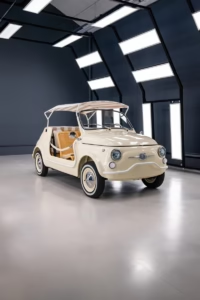
Garage Italia’s Electric Spiaggina Puts the Fiat 500’s Riviera Years on Battery Power
Ten kilowatts, rattan seats and a €85,000 starting price: Garage Italia's 500 Spiaggina rebuilds Ghia's 1958 beach car for the yacht crowd.