DRIFT AUDIO
Listen to this story
Choose a voice, then press play.
In 1996, a small Japanese video game called Pokémon Red and Green launched for the Nintendo Game Boy. It was a modest release—pixelated sprites, a simple turn-based battle system, and a world built on exploration. No one could have predicted it would become a global phenomenon, shaping childhoods, fashion, music, and even language. By 1998, Pokémon had exploded into the West, riding the wave of a digital revolution and a cultural shift toward interactive storytelling. Now, in 2026, as the franchise celebrates its 30th anniversary, it’s not just being commemorated with re-releases or animated specials. It’s being honored by Iittala, the legendary Finnish design house, in a collaboration that feels both unexpected and inevitable.
stir
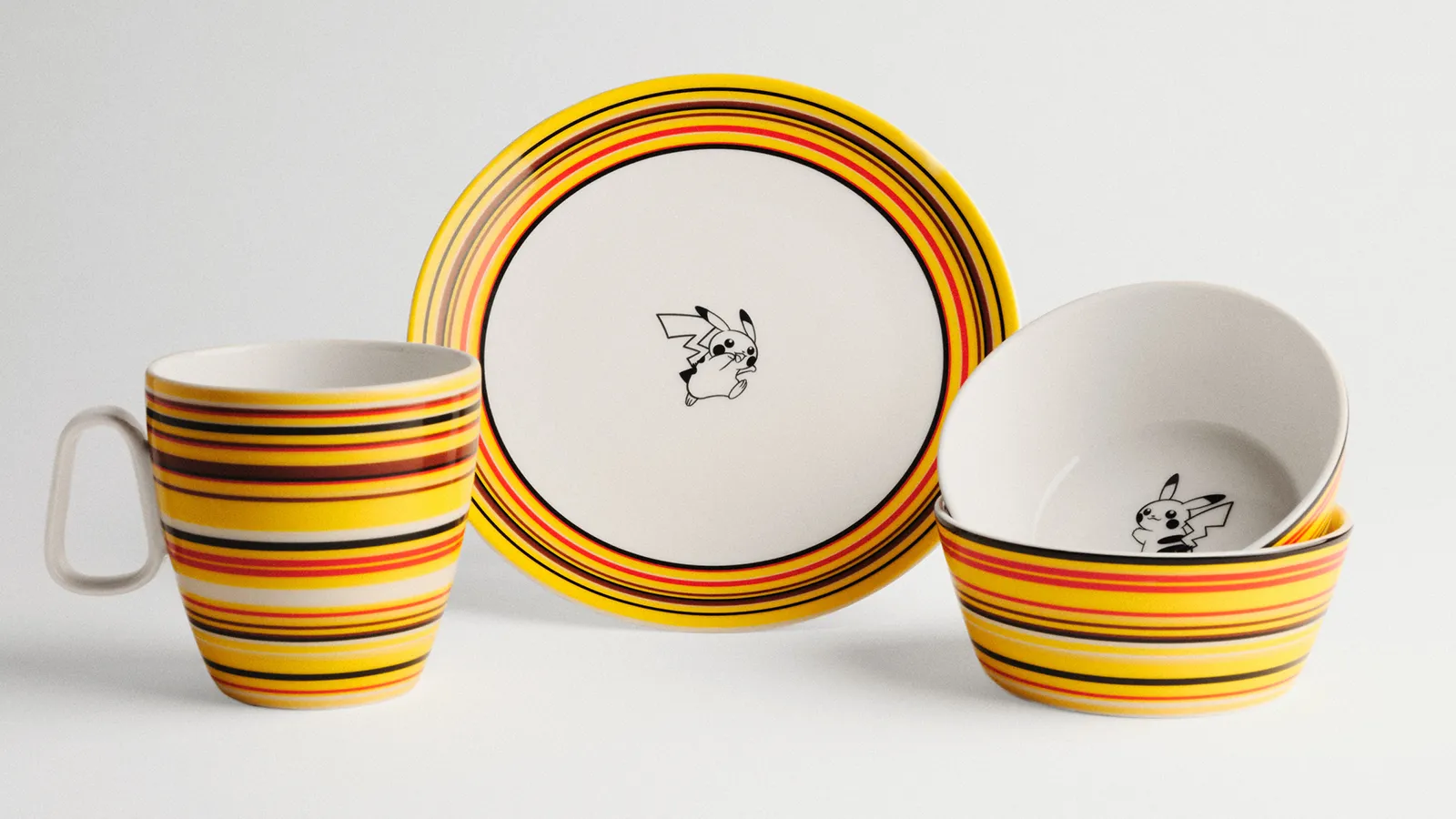
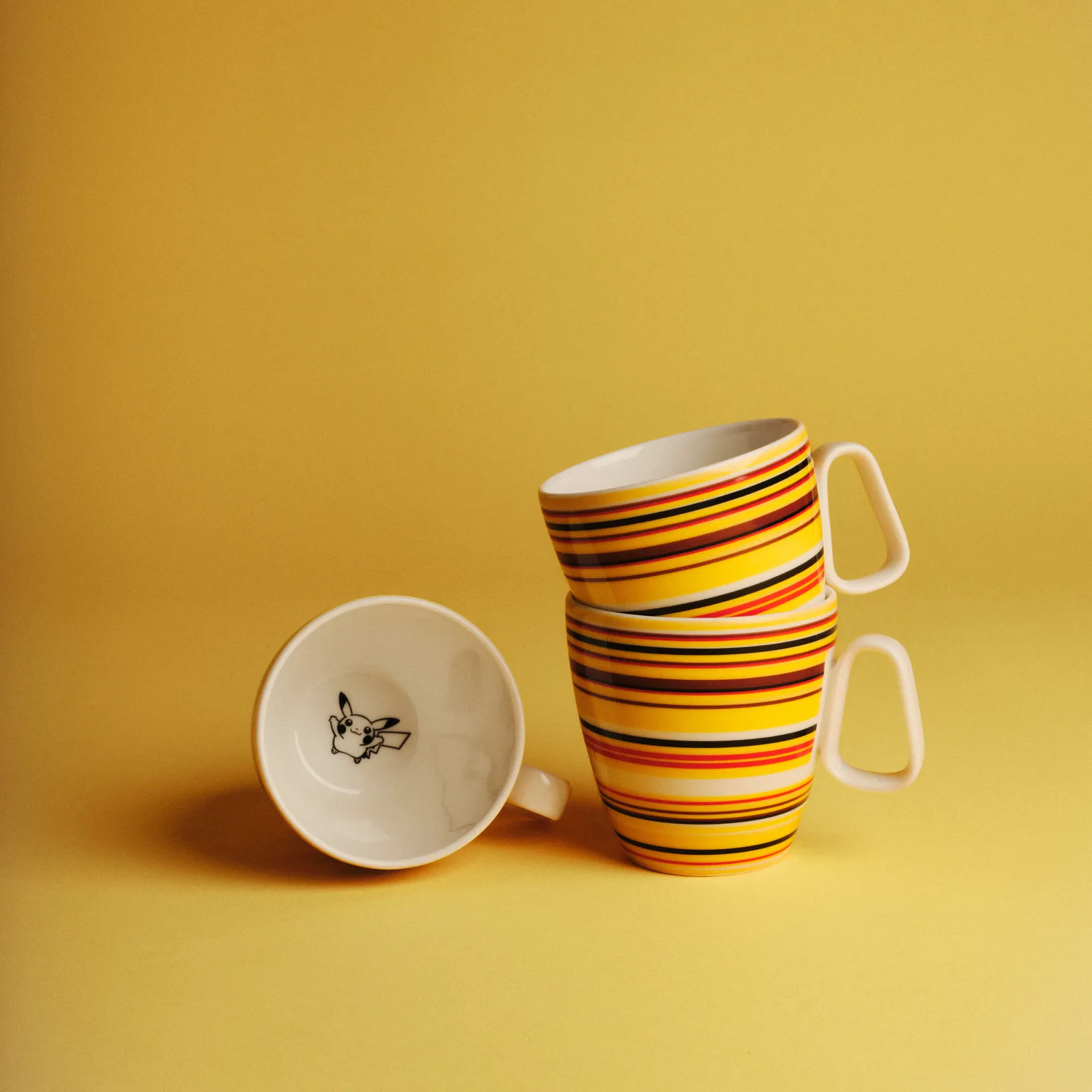
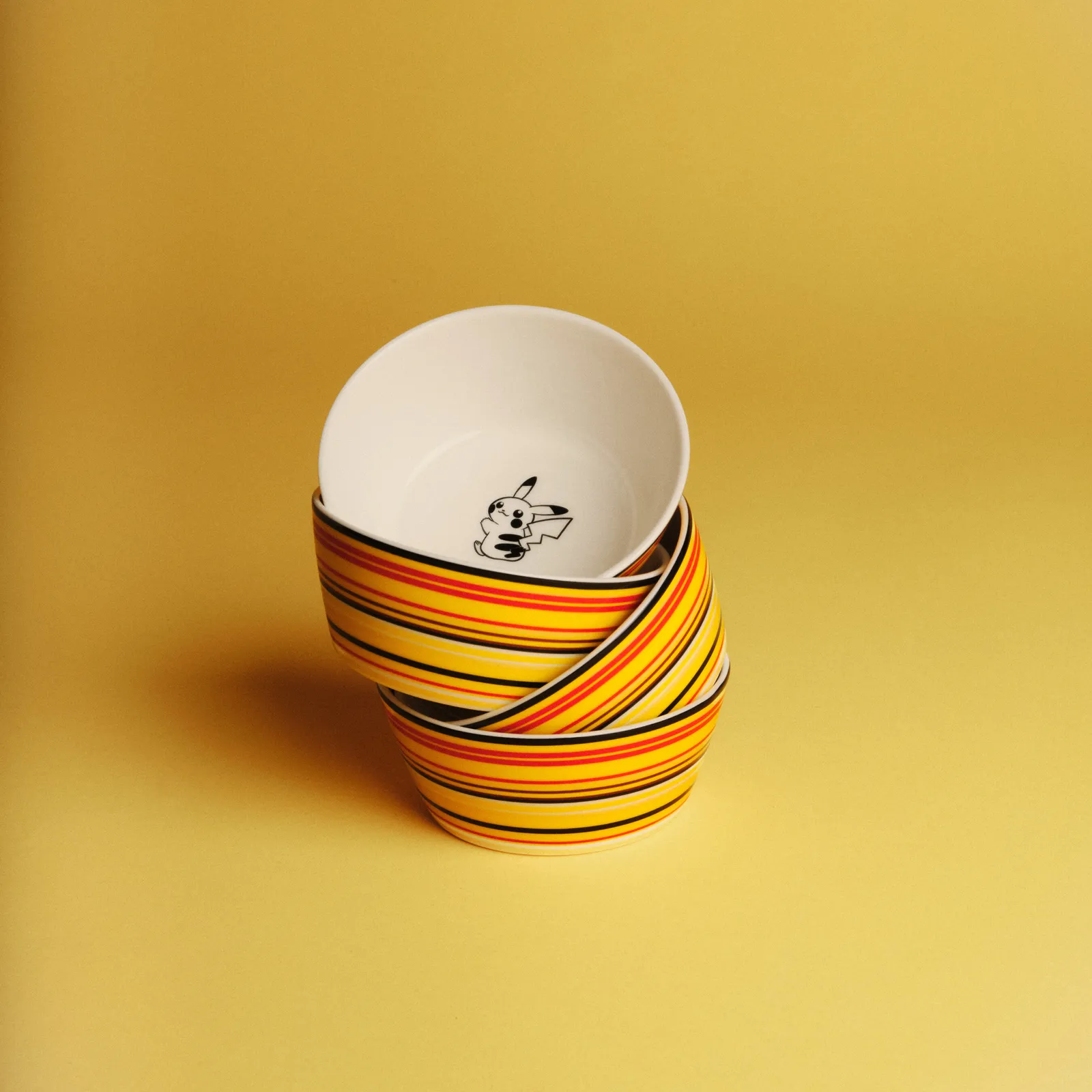
The Iittala x Pokémon collection is not a loud celebration. There are no cartoon prints, no plastic figurines, no neon colors. Instead, it offers a quiet nod to the 1990s—a decade defined by analog warmth, early digital experimentation, and a sense of wonder about what technology could become.
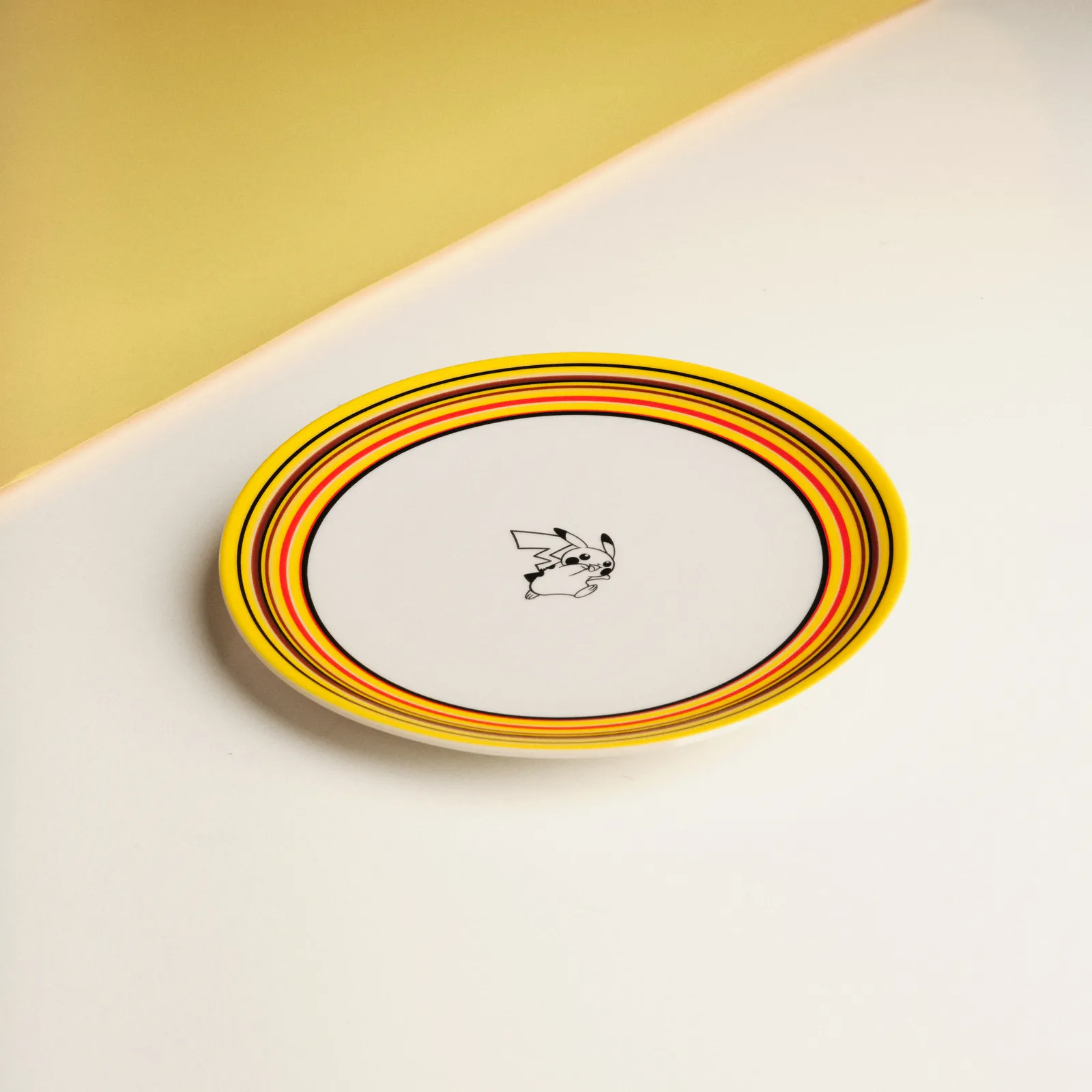
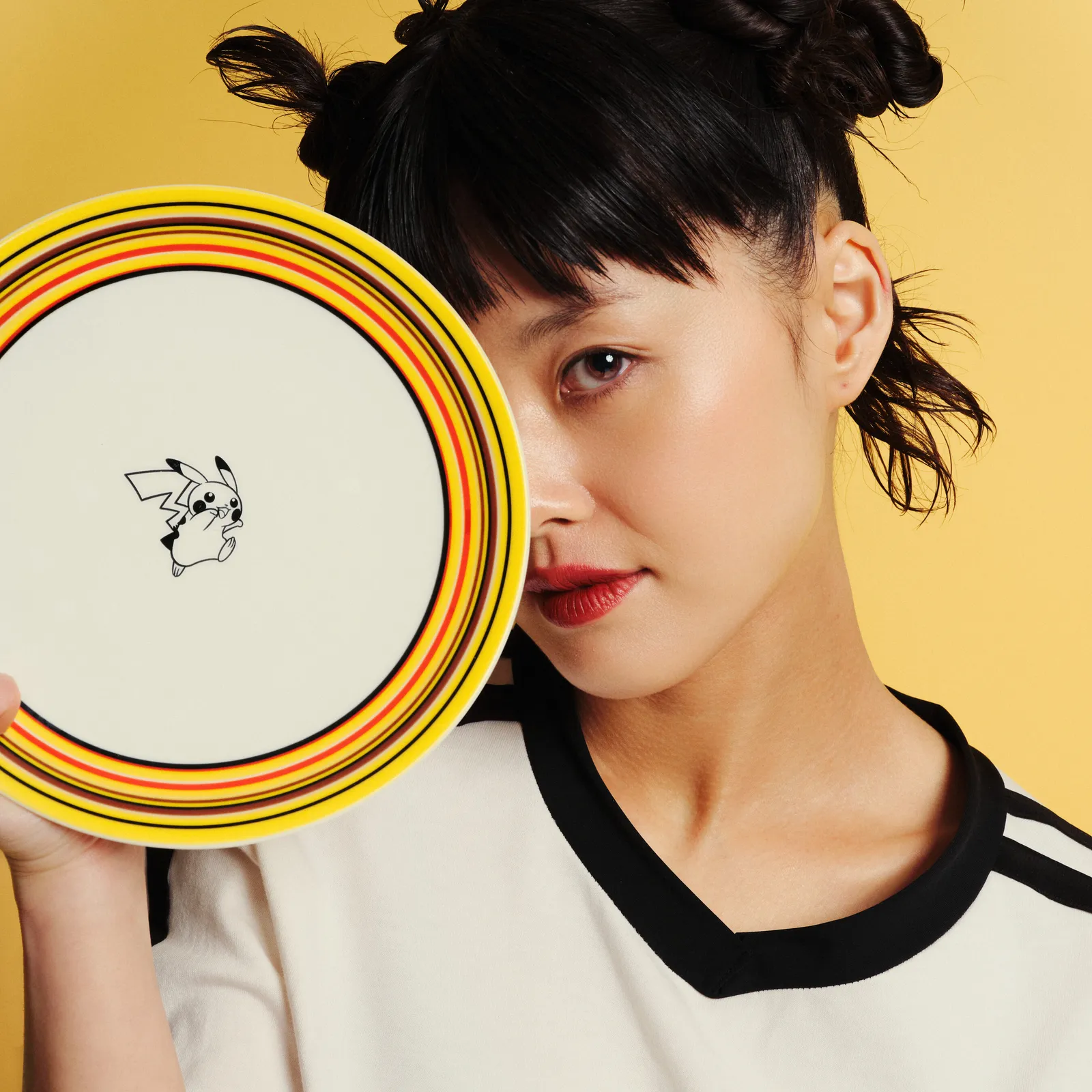
The pieces are restrained: a tumbler with a faint etching of Pikachu’s silhouette, a carafe with the Poké Ball motif softly engraved into the glass, a dinner plate bearing the outline of Bulbasaur in a muted green that echoes the original Game Boy’s screen.
This is not merch. It’s ritualware.
View this post on Instagram
origin
Founded in 1881, Iittala has long been synonymous with functional beauty. Its philosophy is rooted in the idea that objects should be used, not just admired. Alvar Aalto’s iconic Savoy Vase—one of the brand’s most recognized designs—was never meant to sit empty. It was meant to hold flowers, to exist within a home, to evolve with time.
That same ethos carries into this collection. These are not display pieces. They are meant to be held, poured from, eaten off of. A morning coffee in a Pikachu-etched glass isn’t just a drink—it becomes a moment of remembrance. A dinner served on a Bulbasaur plate isn’t just a meal—it becomes a quiet celebration of a childhood spent catching Pokémon on a handheld screen.
design
The design language is unmistakably Iittala—clean lines, balanced proportions, materials chosen for longevity. Yet the details carry a distinctly 1990s emotional code.
The palette pulls from the era’s aesthetic: soft grays, warm whites, and that unmistakable green tint of the Game Boy display. The etchings are not bold—they’re deliberately delicate, almost hidden, revealing themselves only upon closer inspection.
It’s a decision that speaks directly to the adult fan: someone who grew up with Pokémon but now values subtlety, craftsmanship, and emotional resonance over spectacle.
flow
This collection occupies a rare space—where pop culture intersects with everyday ritual. Most anniversary collaborations lean toward scale: limited-edition sneakers, oversized apparel, collectible figures engineered for visibility.
Iittala moves in the opposite direction. It goes small. It goes quiet.
It understands that the most powerful memories are rarely the loudest. They exist in the background—the sound of a Game Boy booting up, the tactile rhythm of the D-pad, the quiet thrill of a “critical hit” flashing across the screen.
In translating those moments into objects of daily use, the collection reframes nostalgia as something active rather than archival.
show
What makes this collection resonate is not its reference point—it’s its application.
The act of drinking, eating, or setting a table becomes a continuation of memory. Nostalgia is no longer something observed; it becomes something lived. The person who engages with these objects is not simply revisiting childhood—they are integrating it into the present.
It becomes a quiet assertion: this moment matters, and so does what shaped it.
an align
The timing is precise. 2026 marks 30 years since Pokémon’s debut in Japan—but it also signals a generational shift. The first wave of Pokémon players are now adults. They have homes, routines, and a developed relationship with design.
They are no longer seeking plastic memorabilia. They are seeking permanence—objects that hold meaning and endure.
This collection is built for them.
move
This collaboration reflects a wider cultural movement: heritage design houses aligning with pop culture icons to produce emotionally intelligent objects.
Similar pairings—Muji with Studio Ghibli, Leica with The Beatles, IKEA’s earlier Pokémon ventures—operate as a form of emotional archaeology. They excavate shared cultural memory and reconstruct it into functional design.
Yet where others lean into visibility, Iittala leans into contemplation. The experience is not about display—it’s about use. The value is not in how it photographs, but in how it feels in the hand.
extent
At its core, this collection is also a statement on durability. In a landscape dominated by fast cycles and disposable objects, Iittala positions this work as enduring.
The glass is substantial. The etching is permanent. The forms resist trend cycles.
This is not a seasonal drop—it’s a potential heirloom. A piece that could move across generations, carrying with it not just function, but narrative.
trend
There is also a cultural translation at play. Pokémon, inherently Japanese, is reinterpreted through a Finnish lens—one rooted in minimalism, nature, and quiet design integrity.
The soft green tones, organic curves, and restrained motifs feel aligned with Nordic sensibilities. What emerges is not a fusion, but a filtration: the energy of 1990s Japanese pop culture distilled into Scandinavian calm.
conjure
This is where the collision finds its depth. It is not simply a crossover—it is a reinterpretation.
It takes the chaos, color, and excitement of Pokémon’s early years and translates them into a language of stillness. It reframes joy—not as spectacle, but as presence.
A quieter kind of luxury. One that exists in use, not display.
fin
The collection launches globally in May 2026, available through Iittala’s official channels and select design retailers. There are no loud campaigns attached. No aggressive rollout strategy.
Just the objects.
And that, ultimately, is the point. Not the noise—but the moment. Not the branding—but the memory.
So the question becomes less about purchase, and more about integration.
Will you drink from a Pikachu glass?
Will you serve dinner on a Charmander plate?
Or will you leave nostalgia where it was—contained within the screen, untouched by time?
This collection suggests something else entirely: bring it forward. Use it. Live with it. Let the past exist not as memory alone, but as part of the present—quietly, consistently, and with intention.
n
From the DRIFT archive: PANTONE’s 2026 Color of the Year Takes Shape With Play-Doh and Post-It Editions · A Brick-Built Resurrection: LEGO × Nintendo Game Boy