DRIFT

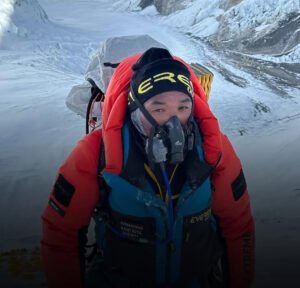
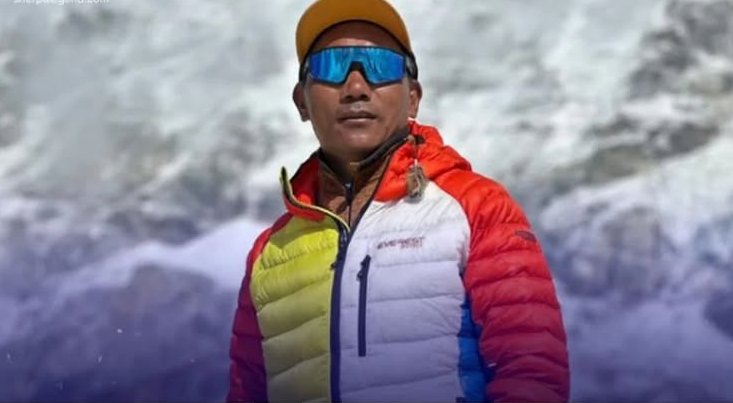
At 8,849 meters above sea level, there is no higher place on Earth than the summit of Mount Everest. But for Kami Rita Sherpa, the peak is not a once-in-a-lifetime triumph. It’s a workplace. A ritual. A rhythm of breath and ice. On May 28, 2025, Kami Rita reached the top of the world once again, marking his 31st successful ascent—a feat that, while monumental, he brushes off with the same modest candor as someone describing their morning coffee. “I wake up,” he says, “and open Instagram.”

What might read as ironic detachment is, in fact, a clue to his generational placement and grounded realism. The 55-year-old Nepali climber has come to symbolize not only superhuman endurance, but a new kind of folklore—the mythic Sherpa figure recalibrated for a digital age. His Instagram-fueled mornings are not indulgent distractions; they are contact points to a world that often marvels at Everest while forgetting the humans who make its marvels possible.

A Career Built in the Shadow of Everest

Kami Rita was born in 1970 in Thame, a village in the Solukhumbu region of Nepal nestled near the base of Everest itself. His father was among the first generation of Sherpas hired by foreign expeditions after Tenzing Norgay and Edmund Hillary’s historic 1953 ascent. For Kami Rita, climbing was less an aspiration than an inevitability. He began working in the mountaineering industry at the age of 12, carrying equipment and learning the trade from older Sherpas. By 1994, he summited Everest for the first time. And he never stopped.

Over three decades later, his record speaks volumes: 31 ascents of Everest, 2 of K2, 8 of Cho Oyu, and numerous other peaks above 8,000 meters. This isn’t merely experience; it is the embodiment of endurance. The Himalayan range, with all its violence and beauty, is Kami Rita’s natural habitat. While many climbers spend months acclimatizing for a single attempt, he moves with intuitive fluency, reading the mountain’s moods like one reads weathered pages in a familiar book.

Yet, what distinguishes Kami Rita is not just the number of summits, but the consistency and professionalism with which he has approached each one. He is no adrenaline-seeking mountaineer in search of headlines. Rather, he is a guide—a logistician, risk assessor, and caretaker responsible for the lives of dozens who follow him into thin air.

Labor, Legacy, and the Luxury of Risk

For Western climbers, Everest is a trophy, a personal Everest to conquer. For Kami Rita, and Sherpas like him, Everest is labor. It is seasonal employment that feeds families, educates children, and sustains villages. And it comes at great cost. Sherpas carry the heaviest loads, fix the ropes, cross the most dangerous crevasses, and establish the highest camps—often before clients have even laced their boots.

In 2014 and again in 2015, avalanches and earthquakes devastated Everest expeditions, killing dozens of Sherpas. Kami Rita was there. He knows the names of those lost. Their faces haunt the Khumbu Icefall, where ice towers collapse like skyscrapers and ladders are fastened over roaring chasms. To summit Everest once is to defy death. To do it 31 times is to sit with it, eat beside it, and still choose to climb.

There’s an ethical discomfort in how the world marvels at Everest achievements while remaining indifferent to the conditions that make them possible. Western climbers document their treks with drones and hashtags, but rarely do they mention the Sherpa who broke trail at 3 a.m. or stabilized the tent on a knife-edge ridge.

Kami Rita knows this. He’s not bitter. But his presence—and his record—is a silent protest. It forces the global adventure industry to acknowledge the invisible scaffolding beneath its exploits.

Ritual and Resilience: The Instagram Irony

So why mention Instagram?

Kami Rita’s casual reference is not vanity, but a gesture toward the absurdity of modern celebrity. The act of summiting Everest is both sacred and commodified. In a world hyper-saturated with digital images, even the highest point on Earth risks becoming a photo op. “I open Instagram” is a statement of cultural duality: he lives between worlds, grounded in Himalayan tradition but exposed to global performance.

It’s also an affirmation of control. By embracing platforms like Instagram, Kami Rita controls his narrative. He shares not only his triumphs, but his insights, fears, and frustrations. He reminds us that the Sherpas are not silent background figures. They are protagonists.

And that’s the quiet genius of Kami Rita’s digital fluency. He documents the indescribable not to dazzle, but to demystify. A climb is not just a summit photo—it is altitude sickness, frozen lungs, broken paths, and lost friends. Yet, it is also morning laughter, shared tea, and the immense, invisible love that motivates one to go again.

Scaling the Metaphor: Everest as Humanity

Everest is more than a mountain. It is metaphor incarnate. It represents aspiration, conquest, spiritual awakening, and the eternal tension between human ambition and nature’s dominion. But Kami Rita’s journey shifts the metaphor. Everest, through his story, becomes a symbol of constancy, humility, and intergenerational wisdom.

He does not conquer Everest. He communes with it.

Each ascent is a conversation—one that tests patience, respect, and resilience. And while the world counts his summits, he does not. To him, the number is a function of duty, not ego. He climbs because others need him to. He climbs because it’s what he does best.

And as the mountain becomes increasingly crowded with influencers and speed climbers, his slow, methodical approach becomes a kind of resistance. It says: There is no shortcut to honor.

Environmental Shifts and Cultural Permanence

Mount Everest is changing. The glaciers are retreating. The snow line is shifting. More climbers than ever arrive each season, driven by personal dreams and corporate sponsorships. Trash accumulates at base camp. Bottlenecks form near the summit. And each year, the risk increases—not just from avalanches, but from arrogance.

In this shifting landscape, Kami Rita remains a constant. He is not just a climber but a caretaker. He speaks out about overcrowding, ecological damage, and the commercialization of sacred terrain. His record is not a marketing campaign but a living history. And with every ascent, he offers a counterweight to transience: a reminder that some things still endure.

He trains young Sherpas. He mentors climbers. He ensures that when he eventually stops, the tradition will not.

His story is also that of a nation. Nepal depends heavily on mountaineering tourism, but it walks a tightrope—balancing economic benefit with cultural dignity. Sherpas, once invisible laborers, are finding their voices, and Kami Rita is a primary amplifier.

The Legacy of 31 Ascents

What does it mean to summit Everest 31 times?

It means choosing hardship, over and over again. It means confronting the limits of the human body and spirit not once, but seasonally. It means becoming part of the mountain’s very mythos—not as a symbol of conquest, but as its soul.

Kami Rita’s 31st summit is not just a number—it is a culmination of memory, sacrifice, and a very specific type of genius: bodily intuition honed over decades, fused with ancestral memory, practical skill, and a devotion that borders on spiritual.

But perhaps most importantly, it is a story about presence.

We live in a time of acceleration. Everything moves quickly—news, trends, opinions. But Kami Rita’s work demands slowness. His path to the summit takes weeks. His decisions are deliberate. His silences—atop the world, wind howling—are more profound than any caption.

And so, when he returns and opens Instagram, it’s not contradiction. It’s coherence. It’s Kami Rita reminding us that heroism doesn’t always roar. Sometimes, it just climbs.

Again.

Related Articles

Modern data center facility with a solar-panel-clad exterior, bright green administrative offices, and secure perimeter fencing, showcasing sustainable digital infrastructure and renewable energy integration

Lombardy’s Data Center Boom: Balancing Digital Ambition with Environmental Responsible

Lombardy has emerged as Italy’s primary hub for new digital infrastructures, particularly data centers—vast complexes […]

In a highly anticipated reunion after 24 years, Adidas Originals and Coca-Cola have joined forces once again to celebrate the FIFA World Cup 2026™. The collaboration revives their iconic 2002 partnership from the Japan-South Korea tournament, now reimagined for the biggest global sporting event of 2026, co-hosted by the United States, Canada, and Mexico. Set to launch on June 6, 2026, this collection masterfully blends Adidas' streetwear heritage with Coca-Cola's timeless branding, creating a vibrant fusion of football culture, nostalgia, and modern style. The drop arrives at a perfect moment. With the World Cup kicking off on June 11, 2026, fans worldwide are gearing up for a summer of football excitement. This collaboration isn't just merch—it's a cultural statement that merges two legendary brands under the banner of "Originals are the Real Thing," a clever twist on Coca-Cola's famous slogan. Historical Context: A Reunion 24 Years in the Making Adidas and Coca-Cola first collaborated during the 2002 FIFA World Cup, producing limited-edition pieces that captured the era's energy. That partnership helped define early 2000s football-streetwear crossover culture. Fast-forward to 2026, and the brands are back with fresh energy, leveraging Adidas' deep FIFA ties (as an official partner) and Coca-Cola's long-standing sponsorship of the tournament. The 2026 edition promises to be historic as the first 48-team World Cup, spanning three countries and generating unprecedented global hype. This collab taps into that momentum, offering fans wearable pieces that celebrate both brands' legacies while looking forward to the future of football fashion. Collection Overview and Design Philosophy The Adidas Originals x Coca-Cola collection fuses 2000s street style with classic sporting aesthetics. Expect bold reds, creams, whites, and silver accents inspired by Coca-Cola's iconic packaging—think classic script logos, droplet detailing, and can-inspired motifs. The lineup spans footwear, apparel, and accessories, divided into two visual directions: one logo-heavy and graphic-forward, the other drawing from vintage advertising aesthetics. Designs pay homage to Coca-Cola's visual language while staying true to Adidas Originals' archival roots. High-quality materials, attention to detail, and versatile silhouettes make these pieces suitable for both match-day wear and everyday street style. The campaign, featuring young football star Lamine Yamal and a diverse cast in everyday scenes building anticipation for the tournament, reinforces themes of originality and shared cultural moments. Footwear Highlights Footwear takes center stage in this collaboration, with reimagined takes on iconic 2000s Adidas silhouettes: Samba and Superstar Models: These classics get Coca-Cola treatment with white/cream/red colorways and prominent script branding. The Samba blends street heritage with football roots, while the Superstar II features weathered bases and bold side panels. Expected pricing around $110–$130. Adistar Control 5: A standout with droplet detailing mimicking condensation on a cold Coke can. This model brings performance-inspired design into lifestyle territory. Predator Sala: Indoor/hybrid style with silver-and-red accents, nodding to predatory precision on the pitch and Coca-Cola's bold energy. Climacool 1: Revived with breathable tech and Coke-inspired graphics, perfect for warm summer days. Megaride F50: A highlight paying tribute to the iconic Coca-Cola glass bottle, with unique contours and refreshing design cues. Each pair incorporates thoughtful details like embroidered logos, custom insoles, and packaging that mimics vintage Coke crates or cans. These shoes are built for durability and comfort, appealing to sneakerheads, football fans, and casual wearers alike. Apparel and Accessories Beyond kicks, the collection offers a full lifestyle range: Track Tops and Jerseys: Standout jerseys fuse retro Coca-Cola advertising from different eras into cohesive football designs. Track jackets feature signature three stripes alongside Coke branding, in vibrant reds and classic whites. Shorts and T-Shirts: Relaxed fits with graphic prints, ideal for casual wear or layering. Expect motivational football motifs blended with refreshing beverage references. Accessories: A bright red airliner bag stands out as a functional statement piece. Additional items may include caps, socks, and tote bags carrying the collaborative spirit. The apparel emphasizes comfort with premium cotton blends, mesh panels for breathability, and oversized silhouettes popular in contemporary streetwear. Unisex sizing and inclusive fits make the collection accessible to a broad audience. Cultural Impact and Fan Appeal This collaboration resonates on multiple levels. For football fans, it represents national pride and global unity ahead of the 2026 tournament. Sneaker enthusiasts will appreciate the nostalgic 2000s revival mixed with modern execution. Streetwear collectors see it as a prime example of how heritage brands can innovate through partnerships. In an era where sports and fashion increasingly intersect, Adidas and Coca-Cola deliver pieces that transcend the pitch. Wear them to watch matches at home, attend watch parties, or hit the streets in any host city—New York, Los Angeles, Toronto, or beyond. The designs are versatile enough for gym sessions, festivals, or daily commutes. The timing aligns perfectly with rising interest in football in North America, boosted by the co-hosting nations. Young talents like Lamine Yamal in the campaign help bridge generational gaps, attracting newer fans while satisfying longtime supporters. Where to Buy and Release Details The collection launches globally on June 6, 2026, via: Adidas CONFIRMED app (for early access and raffles) Adidas.com Select retailers and flagship stores worldwide Some regions may see staggered drops, with Japan and other markets getting early access. Prices are expected to range from $50–$150 depending on the item, making it relatively accessible compared to ultra-limited drops. Pro Tips for Copping: Enable notifications on the CONFIRMED app. Check local stock at Adidas stores in major cities. Monitor resale platforms post-drop for exclusive colorways, but be wary of markups. Size up slightly for oversized apparel fits. Given the World Cup hype, popular items like the Sambas and jerseys are likely to sell out quickly. International shipping is available, but factor in potential customs delays. Styling Suggestions Match Day Look: Pair a collaborative jersey with classic black shorts and Samba sneakers for effortless fan style. Streetwear Rotation: Layer a track top over a graphic tee with wide-leg pants and the Megaride F50 for a bold urban ensemble. Casual Summer: White Superstar with denim shorts and the airliner bag for a refreshing, vacation-ready vibe. These pieces mix seamlessly with existing Adidas or neutral wardrobes, maximizing versatility. Broader Context in 2026 Fashion and Sports The Adidas x Coca-Cola drop is part of a larger wave of high-profile collaborations tied to the World Cup. Adidas continues its dominance in football kit design, while Coca-Cola leverages its sponsorship with collectibles, bottles, and experiential activations like the Trophy Tour. In the sneaker industry, this collab exemplifies the ongoing trend of lifestyle reinterpretations of performance silhouettes. It also highlights how global brands use major events to drive cultural conversations around unity, originality, and joy—core values for both companies. Sustainability notes (based on Adidas' broader initiatives) suggest some pieces may incorporate recycled materials, aligning with modern consumer expectations. Looking Forward: Legacy and Excitement As the countdown to kickoff continues, this collection serves as the perfect prelude to an unforgettable summer of football. Whether you're a die-hard supporter, a fashion-forward collector, or someone seeking motivation through style, the Adidas Originals x Coca-Cola FIFA World Cup 2026 lineup delivers. Expect potential restocks, special event exclusives in host cities, and continued campaign content featuring more athletes. This isn't just clothing—it's a ticket to participate in the global celebration of the beautiful game. Mark your calendars for June 6, 2026. Refresh your wardrobe, lace up those Sambas, and get ready to cheer on your team in style. The "Real Thing" meets the Originals in what promises to be one of the most talked-about releases of the year. This collaboration captures the essence of football's universal appeal: bringing people together through shared passion, iconic brands, and unforgettable moments. As the world prepares for 2026's expanded tournament, Adidas and Coca-Cola remind us that some partnerships are truly timeless.

Adidas Originals x Coca-Cola Collection: FIFA World Cup 2026

In a highly anticipated reunion after 24 years, Adidas Originals and Coca-Cola have joined forces […]

Loewe shoulder bag crafted in brown and black leather with minimalist lion face detailing and a matching fur tail charm

180 Years Unfolded: The Full Story Behind Loewe’s New Campaign

The year was 1846. Queen Victoria was on the British throne and the telephone, the […]