DRIFT AUDIO
Listen to this story
Choose a voice, then press play.
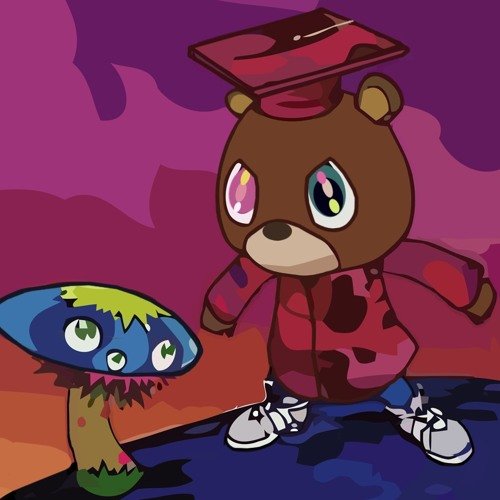
Released in 2007 as part of Kanye West’s seminal “Graduation” album, “I Wonder” stands as a key track that bridges West’s earlier work with the more experimental, introspective direction he would take in subsequent projects. The song, built around a sample of “My Song” by Labi Siffre, delves deeply into themes of ambition, self-reflection, and the complex relationship between personal desires and societal expectations. With its expansive production, vulnerable lyricism, and innovative sound design, “I Wonder” invites listeners into West’s inner world, where dreams, fears, and questions about purpose coexist in a state of tension.
A Cinematic Approach to Hip-Hop
At its core, “I Wonder” exemplifies Kanye West’s ability to fuse hip-hop with elements from other genres, resulting in a sonic landscape that feels both grand and intimate. The track’s production is lush and cinematic, with layers of sweeping synths, a booming bassline, and atmospheric effects that give the song an almost otherworldly quality. The sample from Labi Siffre’s “My Song” is integral to this mood, providing a soulful, introspective foundation that contrasts with the electronic instrumentation.
West’s choice of instrumentation and sampling reflects his desire to create a song that transcends traditional hip-hop boundaries. The swirling synths and echoing drums evoke a sense of expansiveness, as though the listener is being transported into Kanye’s mind as he grapples with life’s big questions. The production mirrors the thematic content of the song—West’s contemplation of dreams, purpose, and the pressure of expectations—and this is where “I Wonder” stands out as more than just another track in his discography.
The sonic depth of “I Wonder” creates an immersive listening experience, where the music itself feels like an emotional journey. This type of lush, layered production was a significant departure from the more sample-heavy, soul-inspired beats of West’s earlier albums, such as The College Dropout and Late Registration. It marked his shift toward a more stadium-ready, electronic sound that would define much of “Graduation” and subsequent albums like 808s & Heartbreak and My Beautiful Dark Twisted Fantasy. In this sense, “I Wonder”represents a transitional moment in West’s artistic evolution, both musically and thematically.
Lyrically, “I Wonder” is one of Kanye West’s most introspective songs, as it explores the tension between dreams and reality, ambition and doubt. The recurring refrain, “And I wonder if you know what it means to find your dreams come true,” encapsulates the core of the song—West’s questioning of whether achieving one’s dreams leads to true fulfillment, or whether it brings with it new forms of uncertainty and pressure.
Throughout the verses, West reflects on his journey toward success and the internal and external challenges that come with it. He expresses frustration with the expectations placed on him by society, as well as his own doubts about whether he’s on the right path. Lines like, “You say he get on your f——in’ nerves / You hope that he get what he deserves,” suggest the push-and-pull between his public persona and his private struggles, as well as the pressure to live up to the image that others have of him.
This theme of searching for purpose resonates throughout the song, particularly in West’s exploration of what it means to be an artist in the spotlight. Fame and ambition are presented not as straightforward paths to happiness, but as complicated journeys filled with self-doubt, frustration, and isolation. The idea that achieving one’s dreams might not bring the satisfaction one hopes for is a recurring theme in West’s work, and “I Wonder” is a prime example of how he grapples with this idea.
In many ways, “I Wonder” serves as a precursor to West’s later exploration of similar themes in albums like My Beautiful Dark Twisted Fantasy and Yeezus. It is a song that grapples with the cost of ambition, fame, and success, offering no easy answers. Instead, West leaves the listener to ponder the same questions he himself seems to be wrestling with: What does it mean to achieve your dreams? And what happens when those dreams come true?
Impression
When “Graduation” was released in 2007, it marked a shift in Kanye West’s career and the broader landscape of hip-hop. The album was notable for its embrace of electronic influences, stadium-ready anthems, and a more polished, global sound. “I Wonder” fits within this framework, offering a contemplative counterpoint to some of the more bombastic tracks on the album, such as “Stronger” and “Good Life.”
“I Wonder” is a key moment in “Graduation” because it encapsulates the album’s overarching theme of growth and evolution. While the album as a whole celebrates success and ambition, tracks like “I Wonder” offer a more nuanced view of what that success entails. It’s a song that acknowledges the sacrifices, doubts, and internal conflicts that come with pursuing greatness. In this way, “I Wonder” grounds the album in a sense of realism, reminding listeners that the pursuit of success is not without its complications.
From a cultural perspective, “I Wonder” also reflects the broader ethos of the late 2000s, a time when hip-hop was becoming increasingly introspective and experimental. Artists like Kanye West were pushing the boundaries of what hip-hop could sound like and what it could talk about. With its blend of electronic production, introspective lyrics, and genre-bending sound, “I Wonder” helped set the stage for a more expansive vision of hip-hop, one that embraced vulnerability, self-reflection, and innovation.
Kanye West’s “I Wonder” remains one of the most introspective and thematically rich tracks in his discography. Its exploration of ambition, doubt, and the search for meaning resonates with listeners because it taps into universal questions about the nature of success and fulfillment. Musically, the song’s cinematic production and innovative use of sampling reflect West’s desire to push the boundaries of hip-hop, blending genres and creating a sound that is both futuristic and deeply personal.
Related Articles
Two Chicago Lifers, One Wave: Kaicrewsade and Luke Titus on ‘#SWAG SURF’
Kaicrewsade's new album RAINBOW_ arrived on October 14, and its second track pulls in Chicago drummer and singer Luke Titus.