Kohei Yamada’s New York Debut: “My Screen Tests” and the Art of Performing Identity at GR Gallery

June 1, 2026
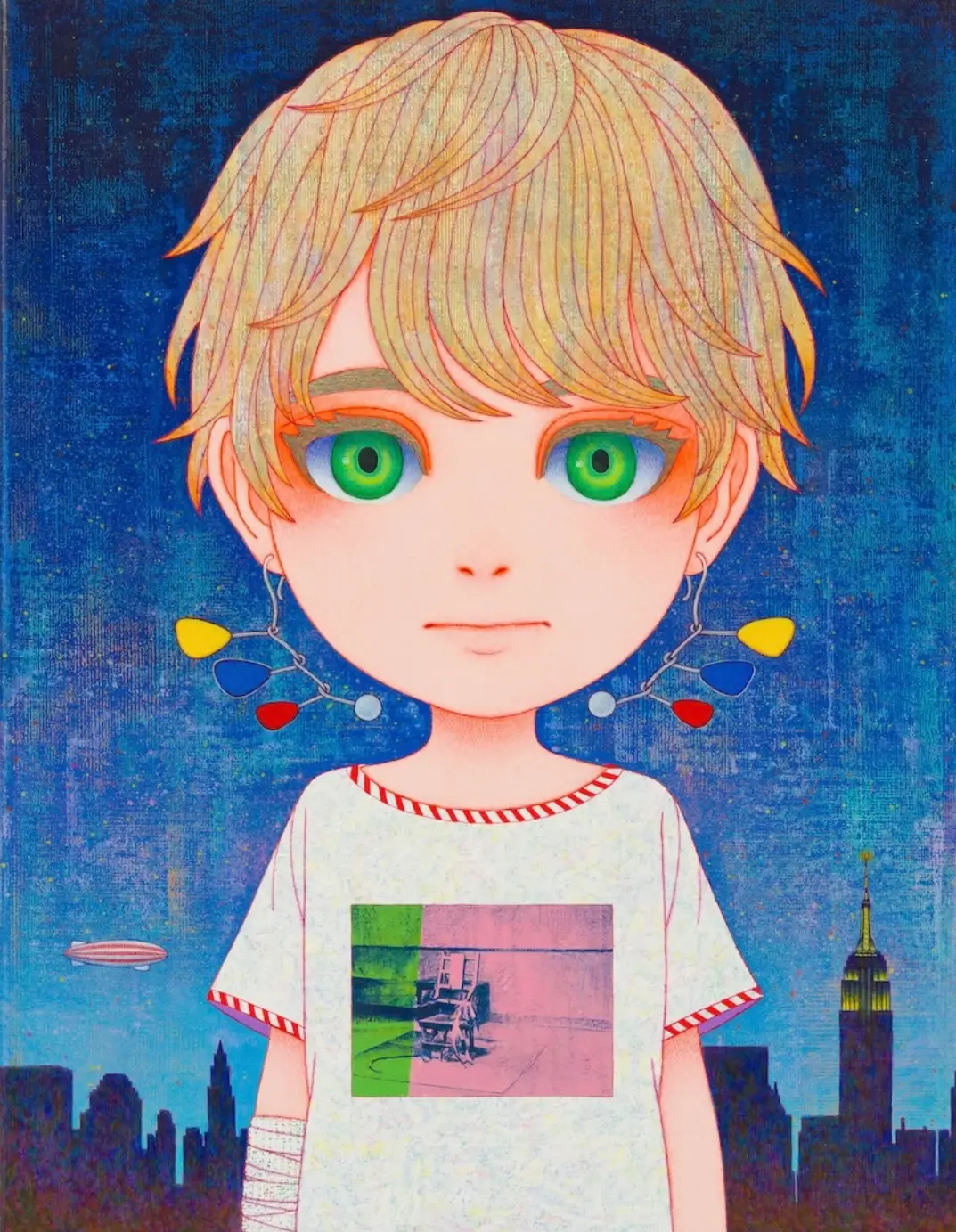
In the mid of Tribeca, where the raw industrial edges of New York City’s art scene still pulse beneath polished gallery floors, GR Gallery presents My Screen Tests, the highly anticipated first New York solo exhibition by Japanese artist Kohei Yamada. Running from May 15 to June 14, 2026, this show marks a significant milestone for the Osaka-born, Tokyo-based painter. At just 29 years old, Yamada arrives in the art capital of the world with a body of work that bridges East and West, introspection and irony, personal mythology and Pop art legacy.
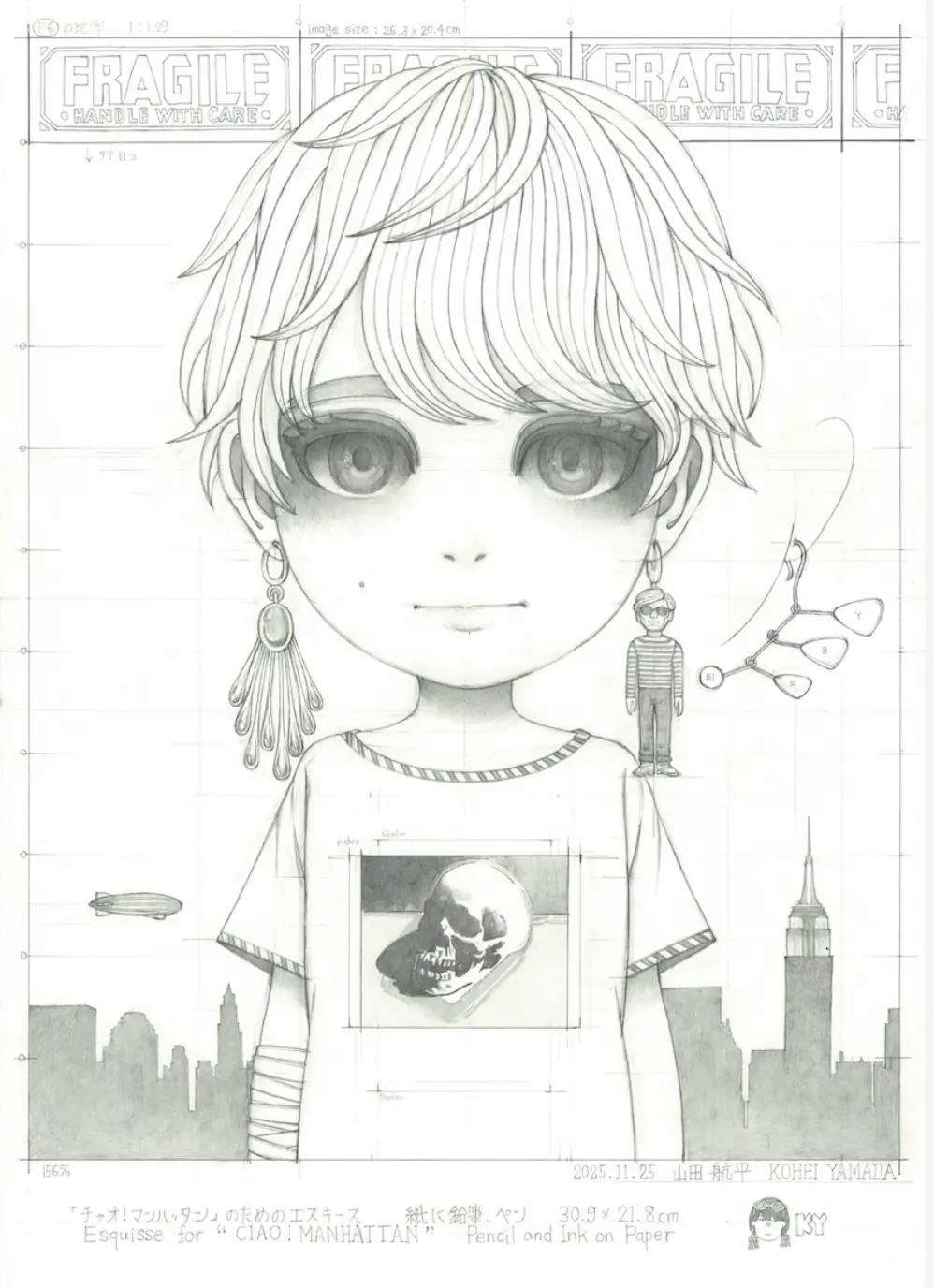
The exhibition title My Screen Tests evokes Hollywood’s golden age of auditions — those fragile, revealing moments where identity is performed under bright lights. For Yamada, the “screen test” becomes a metaphor for the artist’s perpetual audition before the audience, the market, history, and perhaps most critically, himself. The show features new acrylic paintings on canvas, many paired with intimate preparatory sketches (esquisses), creating a dialogue between finished work and process that feels both vulnerable and calculated.
View this post on Instagram
stir
Born in 1997 in Osaka, Japan, Kohei Yamada graduated with a BFA in Oil Painting from Musashino Art University in 2020 and earned his MFA from Kyoto University of the Arts in 2022. His trajectory has been swift: solo exhibitions at Taka Ishii Gallery, biscuit gallery, Arario Gallery in Seoul, and participation in major group shows at institutions like the Museum of Contemporary Art Tokyo and Le Consortium in Dijon.
Yamada’s earlier work often explored liminal spaces between urban abstraction and natural forms — fluid lines, atmospheric depth, and a quiet tension between structure and dissolution. In My Screen Tests, this evolves into a bolder, more referential practice. The artist openly cites his admiration for American Pop art, particularly Andy Warhol’s Silver Factory era, while filtering it through a distinctly Japanese sensibility shaped by post-bubble economy reflections, contemporary media saturation, and a deep engagement with painting’s enduring relevance.
frame
At its core, My Screen Tests interrogates the “authentic relationship between artist and artwork” in an age of commodification, digital mediation, and spectacle. Yamada probes the ambiguous value of art beyond its creator — questioning whether a painting’s worth lies in its emotional truth, market price, cultural cachet, or something more elusive.
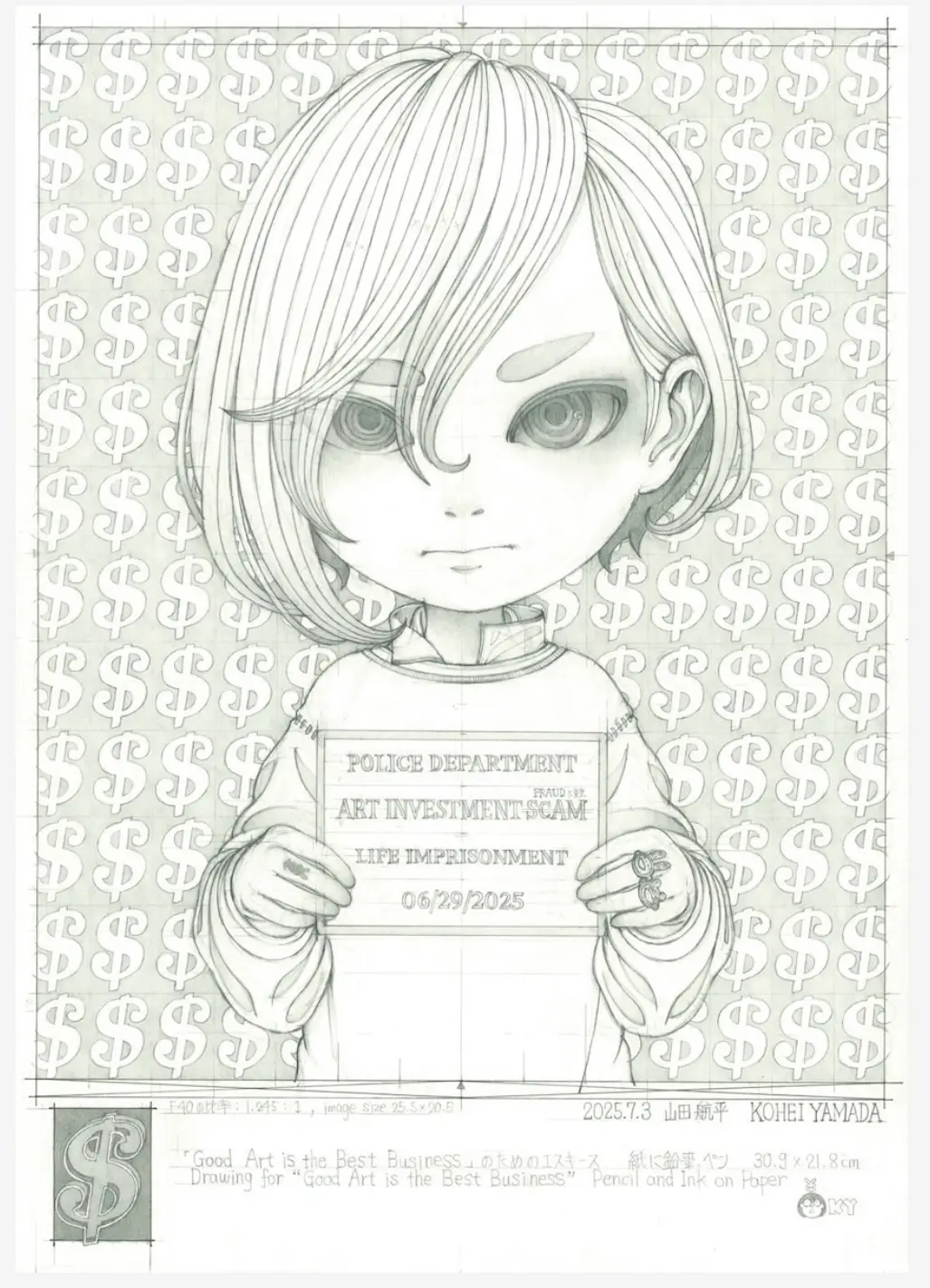
Several works directly nod to Warholian motifs: repetition, celebrity culture, commerce-as-art, and the Factory’s blend of glamour and grit. Yet Yamada doesn’t merely imitate; he interrogates. Titles like Good ART is the Best Business (No. 1) (2025, acrylic, gold and platinum foil on canvas, 100 x 80.3 cm) wryly comment on the intersection of creativity and capitalism. The use of precious metal foils adds literal luster while underscoring the tension between surface allure and deeper substance.
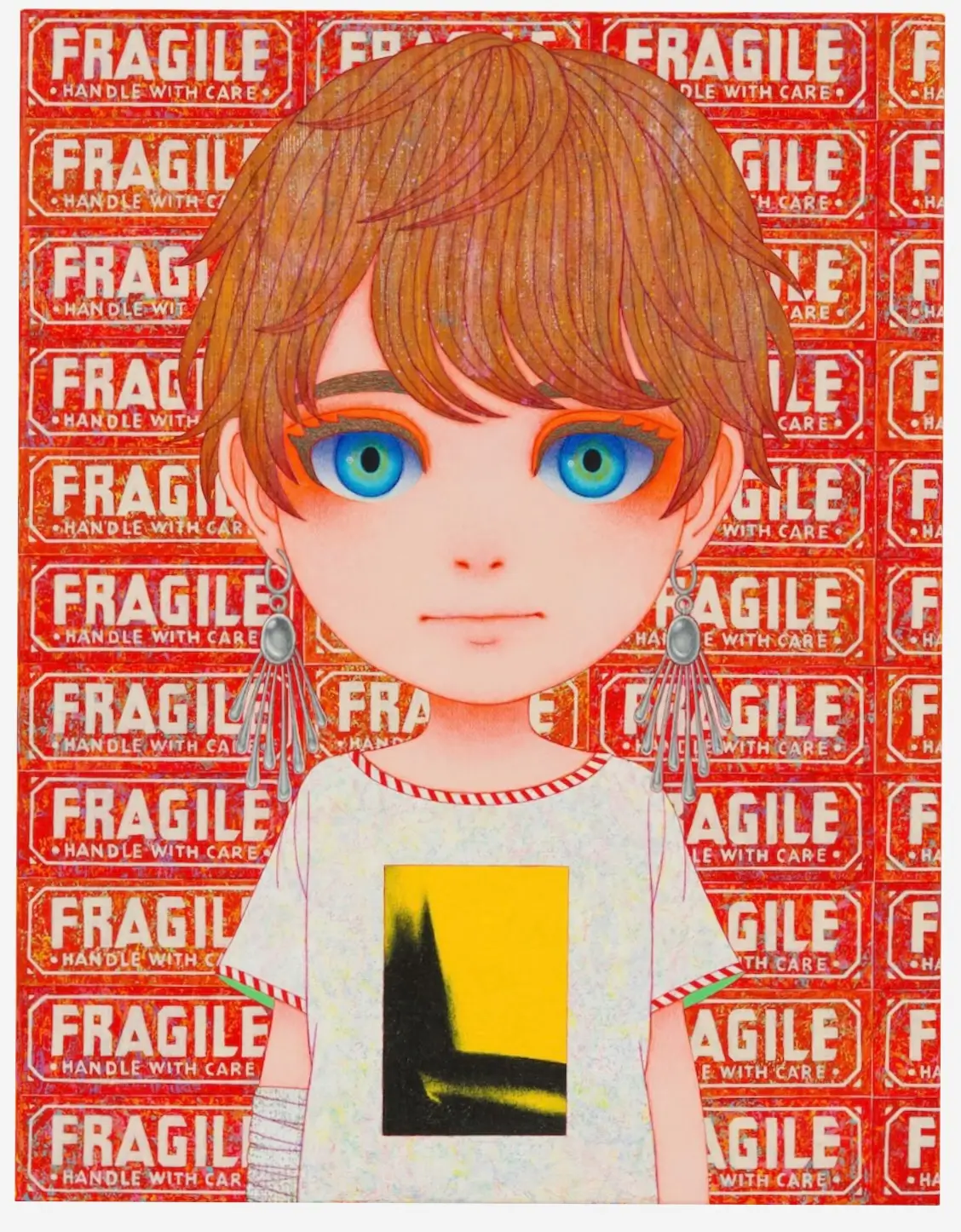
Other pieces, such as CIAO! MANHATTAN (FRAGILE) (2025, acrylic on canvas, 41 x 31.8 cm) and The Pilgrim (No. 1) (2026, acrylic on canvas, 100 x 80.3 cm), evoke New York as both muse and stage. The city becomes a character — vibrant, overwhelming, historically layered — that mirrors the artist’s own navigation of cultural displacement and aspiration.
Yamada’s practice incorporates repetition and humor as structural devices, hallmarks of Pop tradition, but infuses them with introspection. Sketches displayed alongside major canvases reveal the labor behind the polish, humanizing the process and reminding viewers that every “screen test” begins with private vulnerability before public performance.
The exhibition also critiques broader societal issues: normalized deceit, capitalistic greed, and the elusive nature of freedom. In Yamada’s world, the artist remains “bound to art for the rest of his life,” a self-imposed (and perhaps redemptive) sentence that echoes through every brushstroke.
scope
Visitors entering GR Gallery at 116 Chambers Street encounter a thoughtfully curated space that balances intimacy with ambition. The Tribeca gallery’s industrial architecture — high ceilings, exposed elements, generous natural light — provides an ideal backdrop for Yamada’s layered compositions.
Installation Imagery Highlights:
One prominent wall features a series of mid-sized canvases arranged in a rhythmic sequence, their repeated motifs creating a visual echo chamber reminiscent of Warhol’s seriality. Gold and platinum accents catch the light dramatically, shifting appearance throughout the day. Nearby, preparatory sketches are mounted in simple frames at eye level, inviting close inspection and revealing the evolution from loose pencil lines to confident acrylic forms.
A central grouping includes larger works like The Pilgrim (No. 1), where figurative elements dissolve into abstract gestures, suggesting a journey — both literal (the artist’s arrival in New York) and metaphorical (the eternal quest for artistic authenticity). The installation avoids overcrowding, allowing each piece breathing room while encouraging viewers to trace thematic threads across the room.
Lighting is warm yet precise, enhancing the metallic elements and creating subtle shadows that add depth to the textured surfaces. The overall atmosphere feels like stepping into a contemporary Factory — alive with energy but contemplative at its core.
Social media walk-throughs shared by the gallery capture the flow beautifully, showing how the exhibition unfolds as a narrative progression rather than isolated objects. The opening reception on May 15 drew a diverse crowd of collectors, curators, and fellow artists, with Yamada present and engaging warmly with attendees.
sig
My Screen Tests arrives at a fascinating moment for contemporary painting. In an era dominated by digital art, NFTs (now somewhat faded), and installation-heavy practices, Yamada reaffirms the power of the painted canvas as a site of intellectual and emotional inquiry. His work engages with Pop art’s legacy without nostalgia, instead using it as a lens to examine today’s hyper-mediated reality.
Comparisons to artists like Takashi Murakami (another Japanese figure who conquered New York with bold Pop-infused work) are inevitable but incomplete. Yamada’s approach feels more introspective and less anime-influenced, rooted firmly in painting traditions while acknowledging global visual culture. His inclusion of sketches alongside finished works echoes practices seen in artists like David Hockney or even older masters who valued process documentation.
For New York audiences, the exhibition resonates deeply with the city’s self-image as a creative mecca. Yamada’s outsider-insider perspective — a young Japanese artist decoding Manhattan’s myths — adds freshness to familiar Pop tropes. The show also strengthens GR Gallery’s reputation for championing compelling international voices in a competitive scene.
fin
As My Screen Tests continues through mid-June 2026, it offers more than a debut — it signals the emergence of a thoughtful, ambitious voice in global contemporary art. Yamada’s ability to weave personal narrative with culture commentary, humor with sincerity, and historical reference with present urgency positions him well for continued international attention.
For those in New York, this is a must-see exhibition that rewards multiple visits. The interplay of large-scale paintings and delicate sketches creates an experience that feels both grand and intimate, much like the city itself.
Related Articles
Chasing the Sort Sol: Inside Søren Solkær’s Six Year Pursuit of Europe’s Starling Clouds
A Danish portrait photographer spent six years following a bird nobody photographs on purpose, and […]