DRIFT AUDIO
Listen to this story
Choose a voice, then press play.
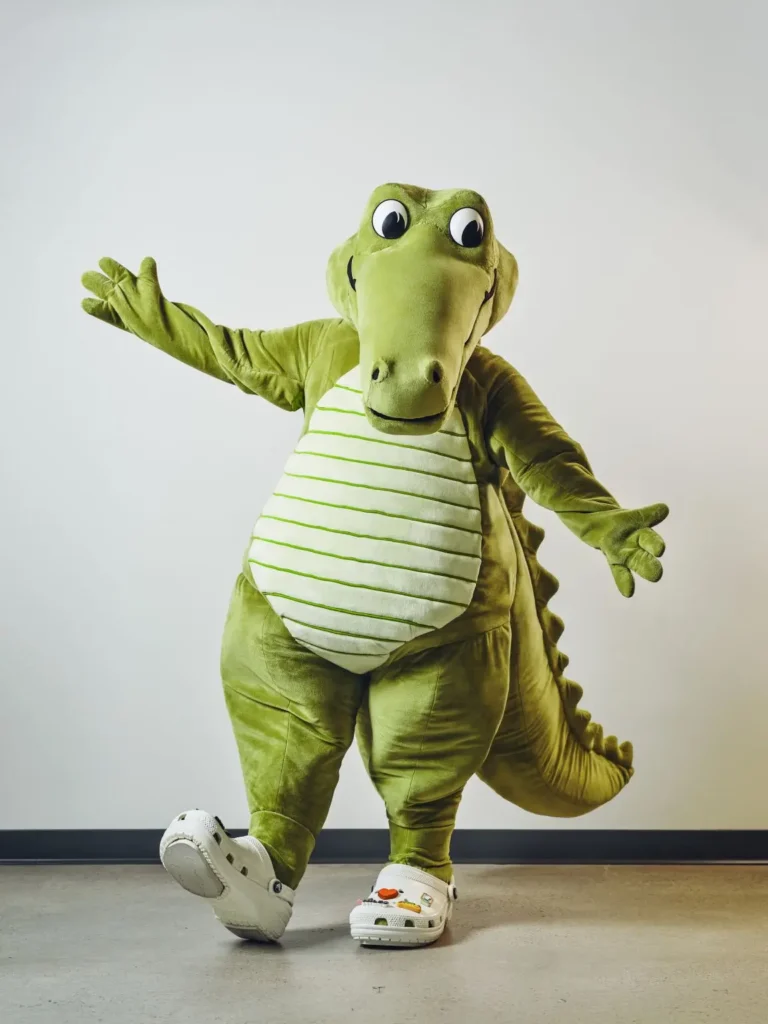
In a surprising twist of trademark disputes, Lacoste, the renowned French fashion house famous for its iconic crocodile logo, recently lost a legal battle over its emblem to a lesser-known player in the fashion world. Dubbed the “Battle of Crocs,” this legal confrontation highlights the challenges that legacy brands face when navigating modern intellectual property laws. The case also underscores the increasing tension between heritage brands and younger, more disruptive companies in protecting their visual identities in an era of global commerce.
The Origins of the Battle
Lacoste’s signature crocodile logo has long been synonymous with luxury, quality, and sportswear sophistication. The brand, founded in 1933, originally used the crocodile symbol as a tribute to its founder René Lacoste’s nickname, “The Crocodile,” earned due to his tenacity on the tennis court. Over the decades, the logo became an iconic representation of understated European fashion, featured on their well-known polo shirts and other apparel.
However, as fashion evolves, so too does the market for logos and brand identity. In recent years, a wave of new companies has entered the fray, some choosing designs that bear similarities to established emblems. This was the case in the so-called “Battle of Crocs,” where Lacoste sought to prevent another brand from using a crocodile-inspired logo, which it believed would create confusion among consumers.
Lacoste’s argument was centered on the idea that their crocodile logo was not only a hallmark of their brand but also a visual shorthand for luxury and tradition. They contended that the new crocodile logo would dilute the strength of their trademark and diminish the exclusivity associated with it.
The Legal Defeat and Its Implications
Despite Lacoste’s claims, the court ruled against them, deciding that the rival brand’s logo was distinct enough not to cause confusion in the marketplace. This ruling marks a significant blow to Lacoste’s efforts to preserve its iconic logo’s integrity, especially as it faces increasing competition from more agile, streetwear-oriented brands that may use similar symbols to tap into the cultural cachet of the crocodile image.
From a legal perspective, this ruling highlights the difficulty legacy brands face in protecting their symbols in an increasingly saturated market. Trademark law has always been a balancing act between protecting a brand’s identity and allowing for fair competition. In this case, the court sided with the idea that monopolizing an entire animal image—such as a crocodile—could limit innovation and creativity in the marketplace.
The defeat also reveals how newer companies can navigate the intellectual property space by creating logos and branding that flirt with established trademarks without crossing the line into infringement. The court’s decision reflects a growing tendency to side with smaller players in an effort to encourage competition and prevent monopolization by legacy brands.
A Battle for Cultural Relevance
Beyond the legal dimensions of the case, the *Battle of Crocs* exposes a broader issue for Lacoste: the challenge of maintaining cultural relevance in an evolving fashion landscape. Lacoste has long been associated with preppy, upper-middle-class style, but in recent years, it has sought to rebrand itself as more youth-oriented, tapping into the lucrative streetwear and casual luxury markets. The fact that Lacoste lost this battle to a brand that may appeal to the very demographic they are trying to attract suggests that they are struggling to stay ahead of trends.
Ultimately, Lacoste’s legal defeat could serve as a cautionary tale for other heritage brands. In an increasingly competitive and fast-moving fashion industry, legacy brands must not only guard their trademarks but also work harder to innovate and remain relevant. For Lacoste, this loss might signal the need to reconsider their strategies for both branding and legal protection, lest they lose more ground in the future.
Related Articles
Solebox Turns the Crocs Echo II Into a Loafer, and Berlin Gets a Free Haircut With It
A loafer built on a Crocs mold lands in Berlin September 12, tied to a […]