DRIFT AUDIO
Listen to this story
Choose a voice, then press play.
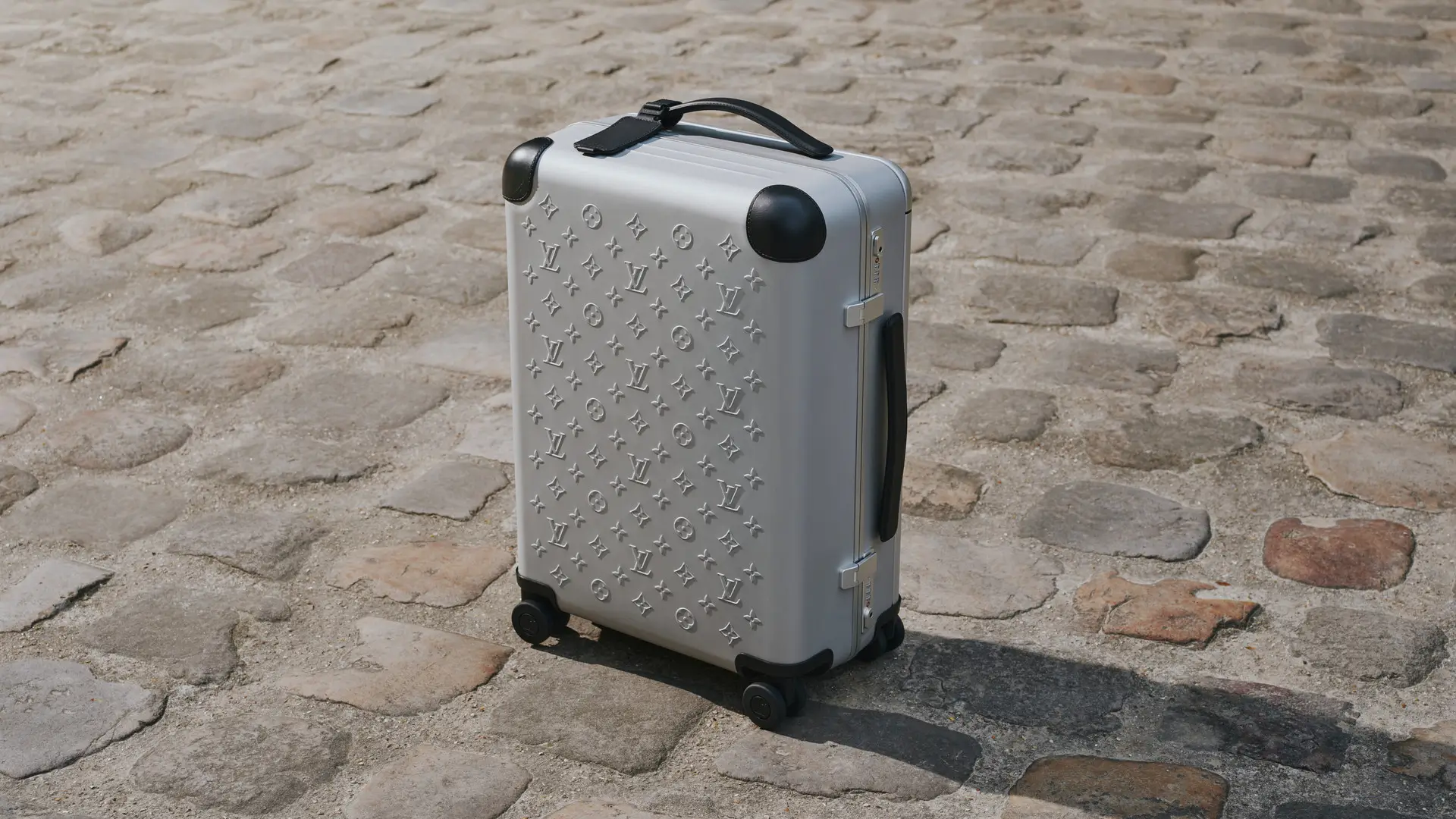
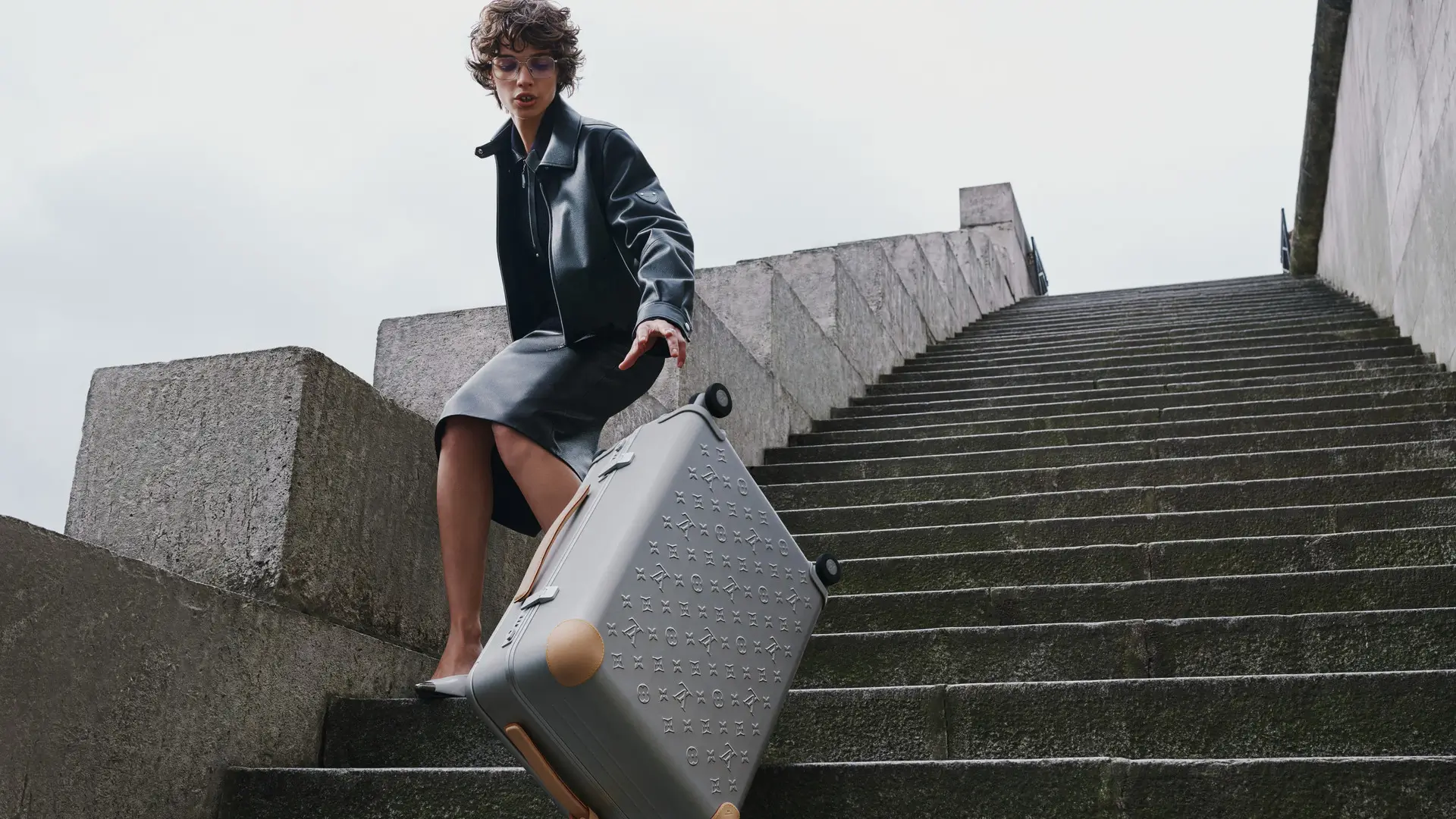
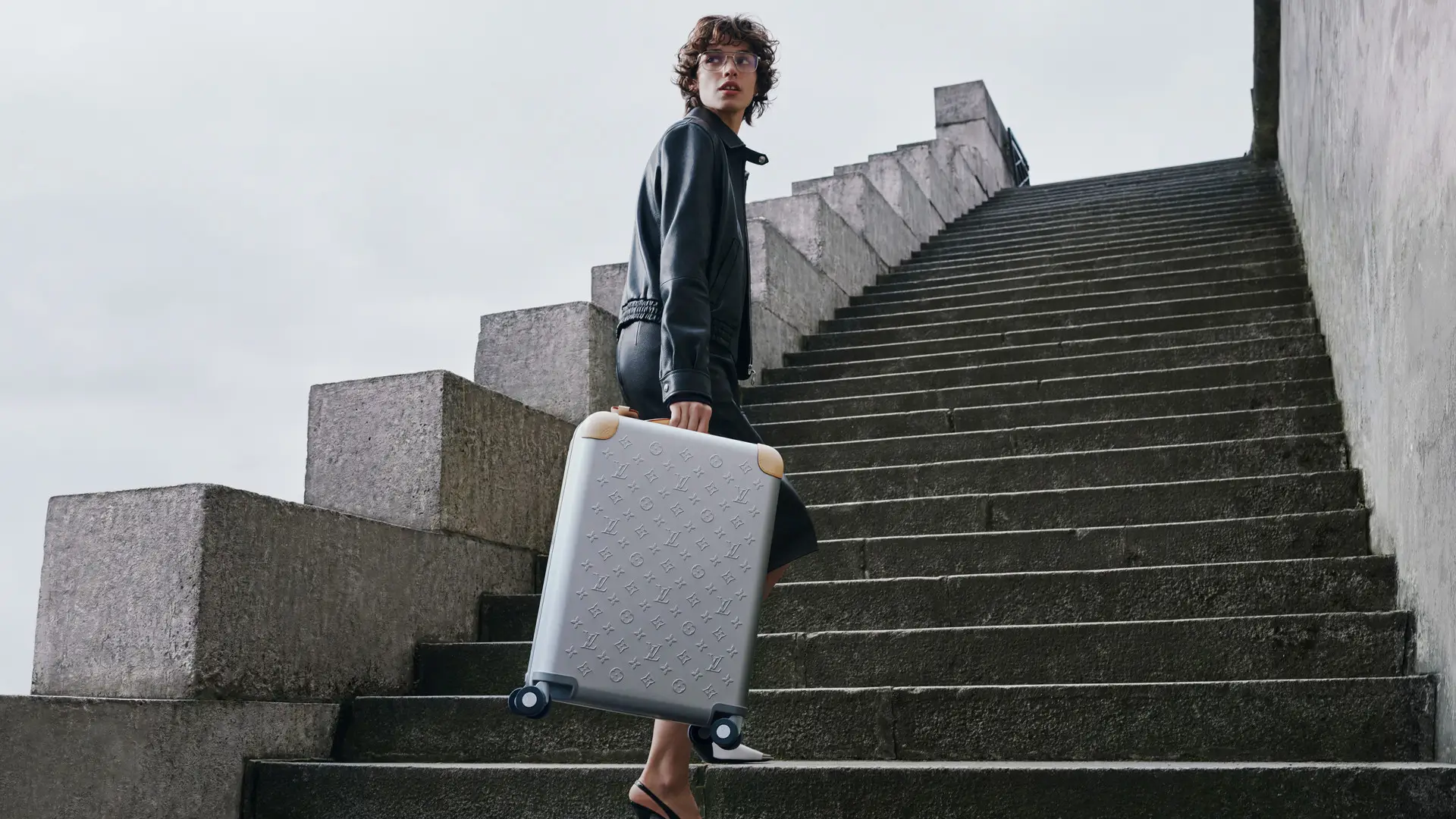
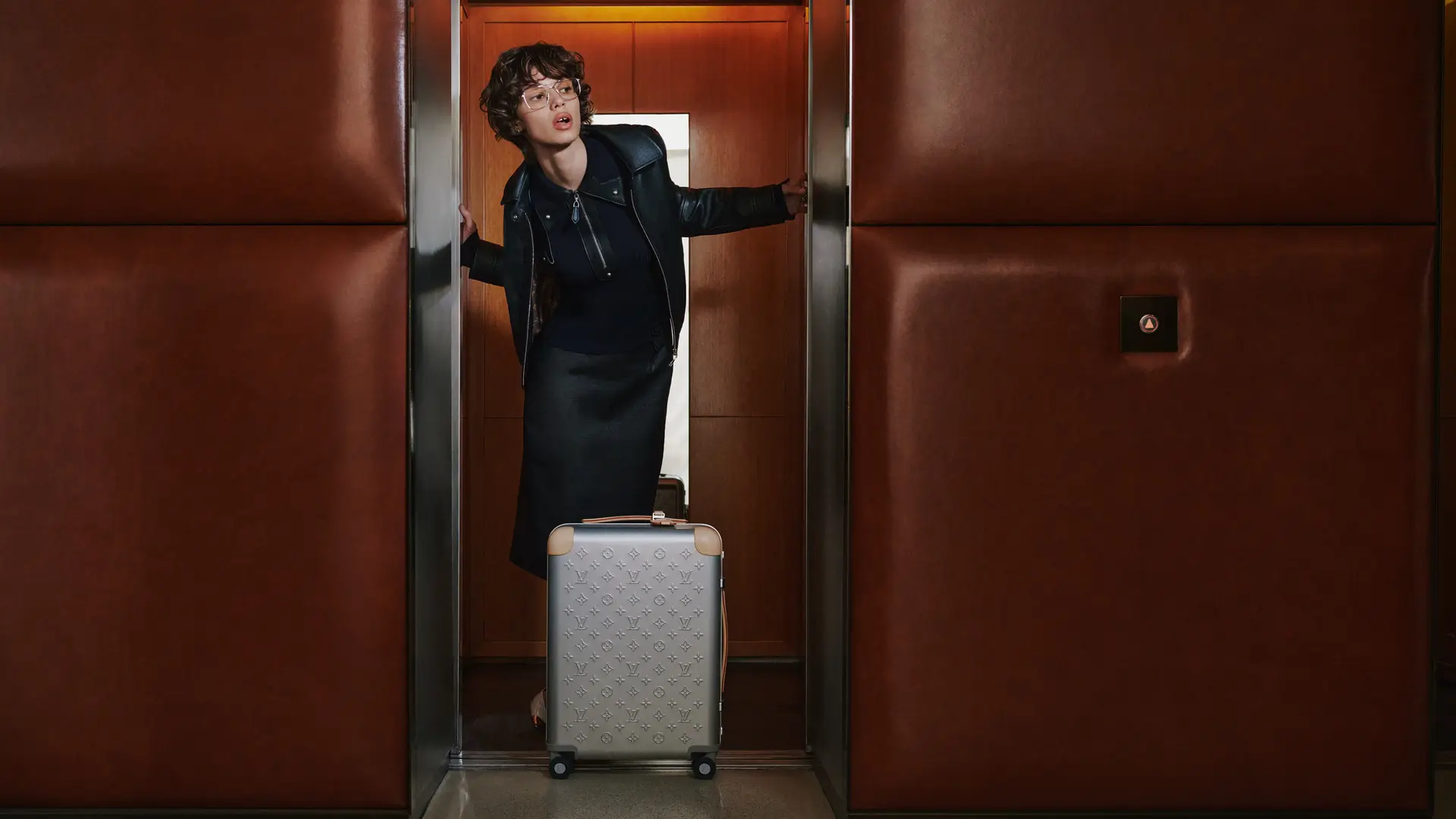
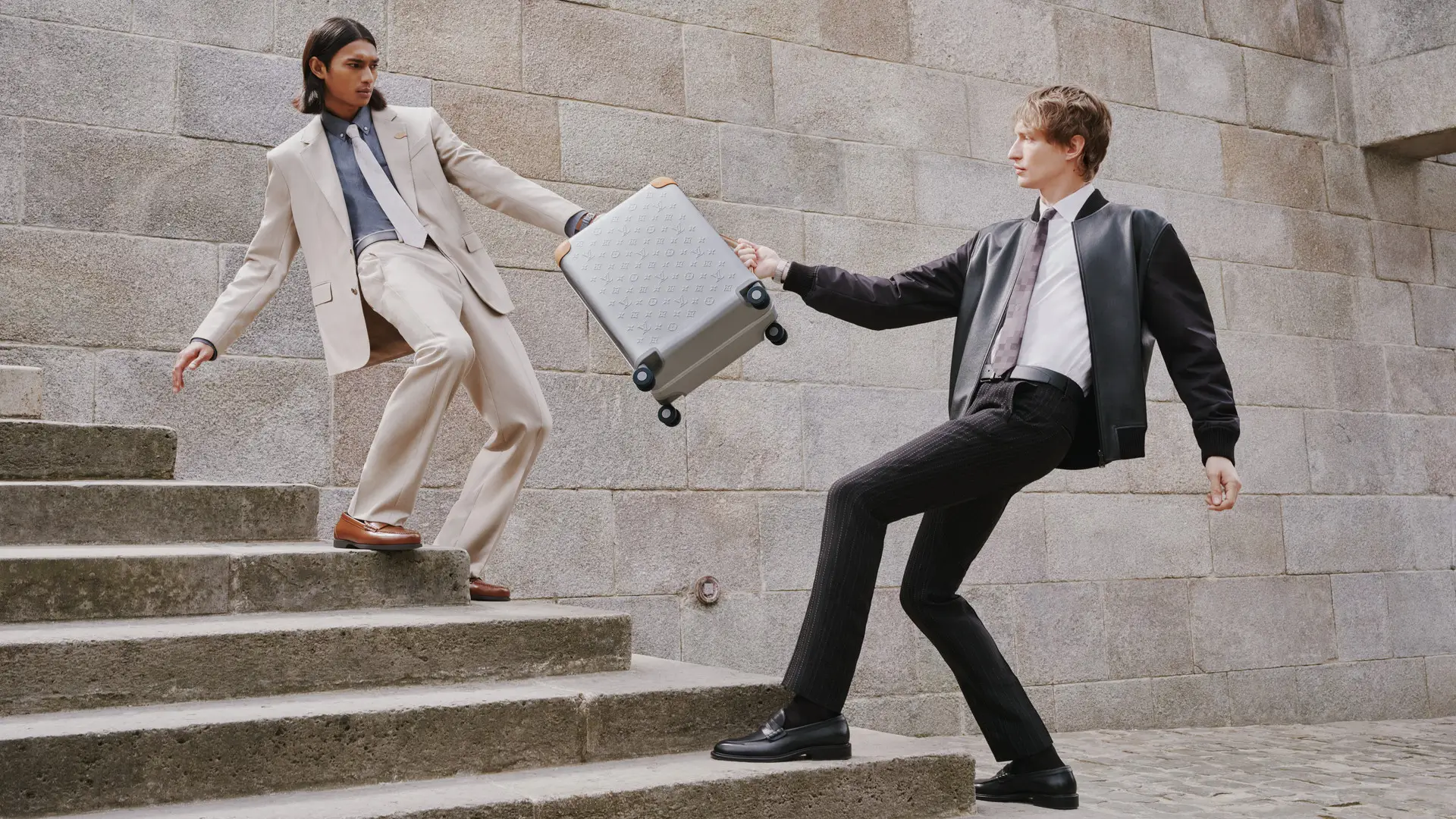
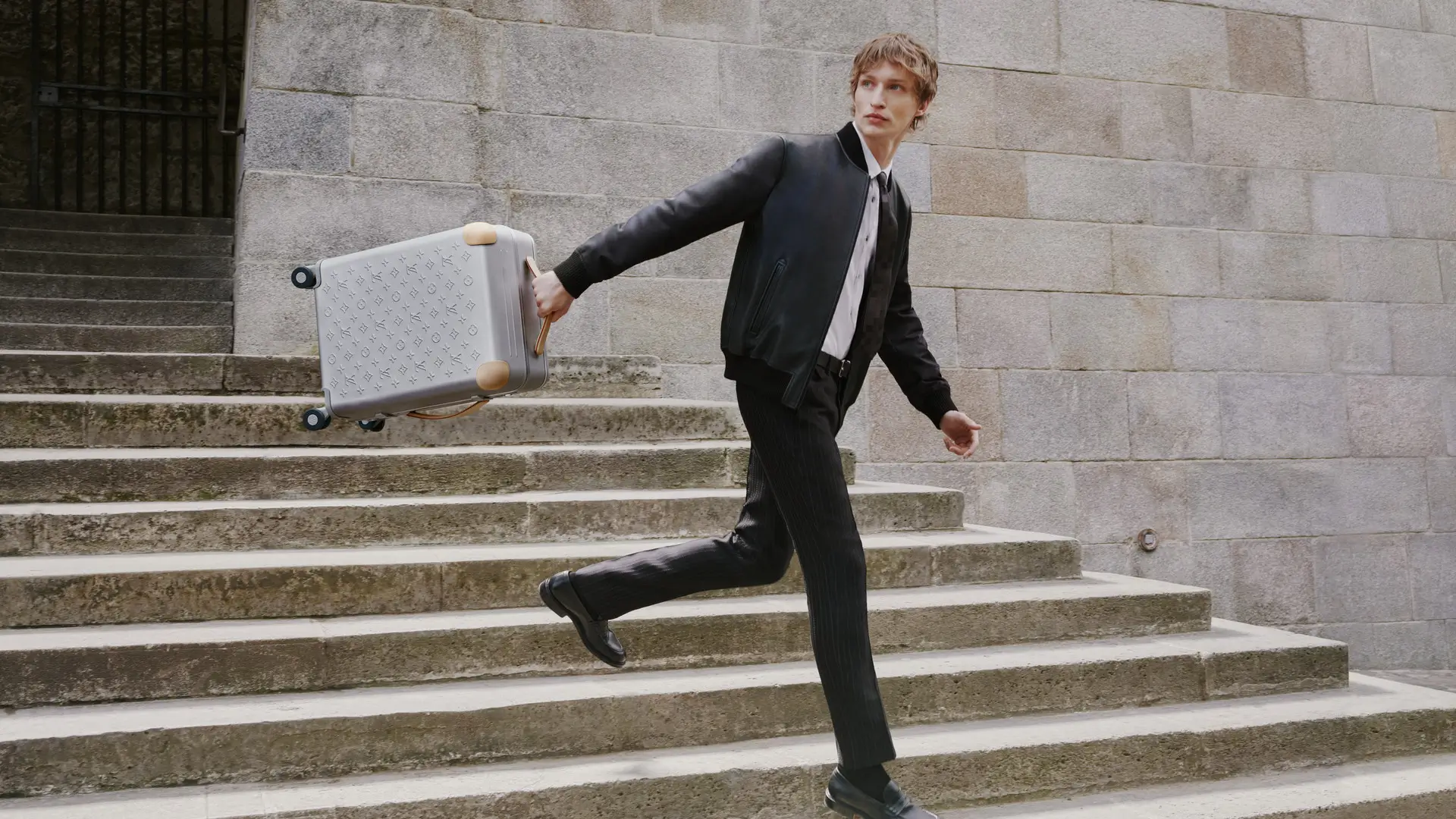
In the rarefied world of luxury travel, where heritage and innovation converge like parallel lines on a horizon, Louis Vuitton has long set the standard. The maison’s trunks have accompanied explorers, dignitaries, and tastemakers across continents for over 160 years. Now, marking a decade of collection with view industrial designer Marc Newson, Louis Vuitton unveils the Horizon Aluminium—a striking new addition to its travel universe. This first-ever aluminium suitcase from the house fuses advanced engineering with the timeless design principles of the Horizon line, embossed with the iconic Monogram motif. It is more than a piece of luggage; it is a statement of enduring craftsmanship in an era of constant motion.
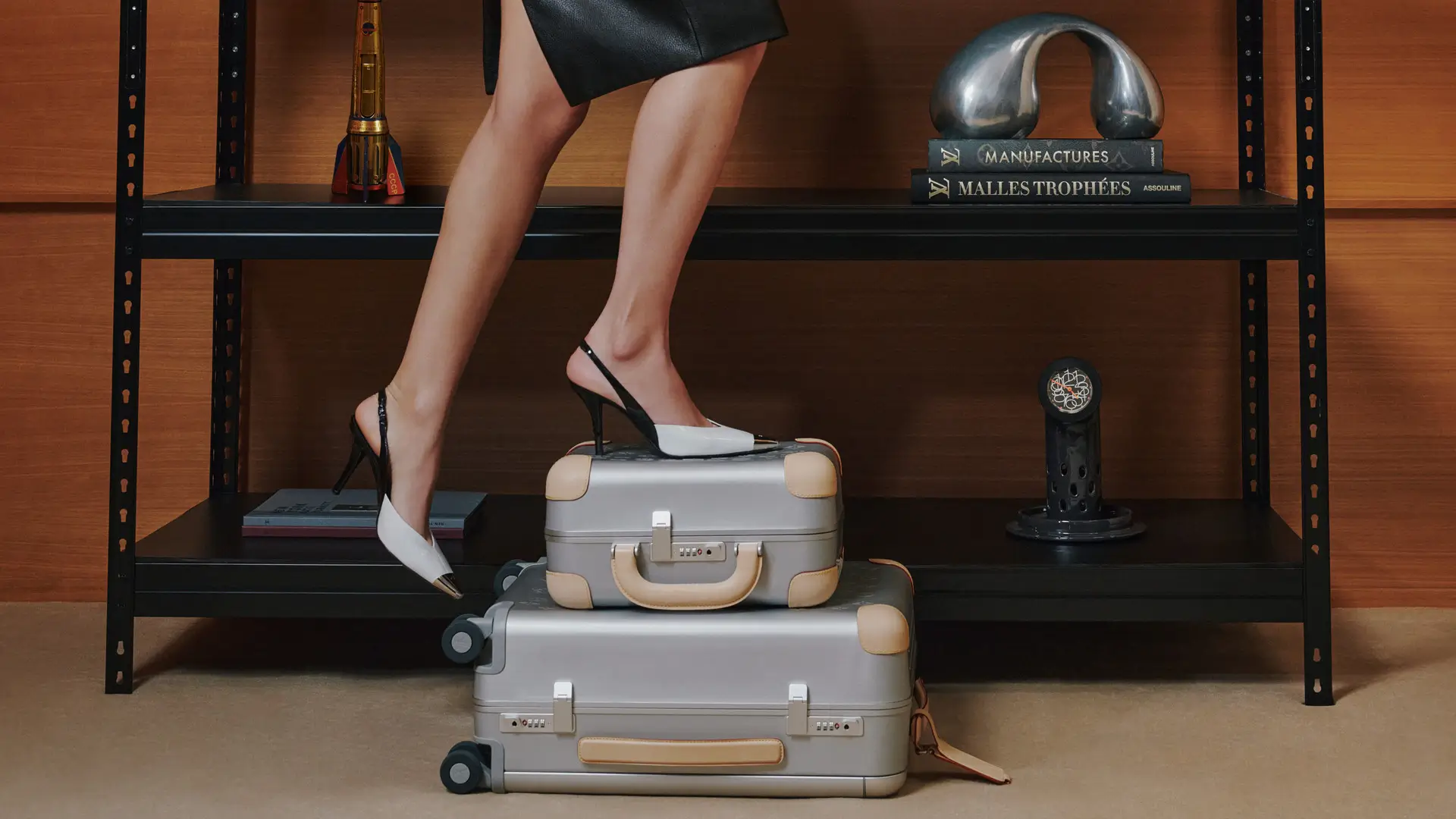
The launch extends the collection with a matching Vanity Case, maintaining the same minimalist aesthetic and robust construction. Together, they represent the latest evolution of Louis Vuitton’s celebrated “Art of Travel”—a know that marries functionality, elegance, and innovation for the contemporary globetrotter. As travel resumes its place as a cornerstone of culture exchange and personal discovery, the Horizon Aluminium arrives at a pivotal moment, inviting us to reconsider what luxury mobility can mean in the 21st century.
View this post on Instagram
stir
Louis Vuitton’s story begins in 1854, when the young trunk-maker established his workshop in Paris. At the time, traditional travel chests featured domed lids to shed water, but they were cumbersome to stack. Vuitton’s revolutionary flat-topped design changed everything, enabling efficient packing and transport—a practical innovation that quickly caught the eye of Empress Eugénie, who appointed him her personal box-maker and packer.
Over the decades, Vuitton’s trunks evolved with the times. Early canvases like the grey Trianon (1858) gave way to striped patterns and the Damier checkerboard to combat counterfeiting. In 1896, Georges Vuitton introduced the iconic Monogram canvas as a tribute to his father, a motif that has since become synonymous with luxury. These pieces were not mere containers but mobile wardrobes and treasure chests, complete with innovative locks that even Houdini reportedly declined to challenge.
The 20th century saw Vuitton trunks accompany adventurers to the ends of the earth, from expeditions to the Far East to the jet-set era of the 1960s and beyond. The maison’s commitment to the “Art of Travel” emphasized not just durability but the romance of the journey—the idea that well-crafted luggage elevates the experience of discovery. This ethos persists today, even as air travel, high-speed rail, and urban nomadism have transformed how we move. The Horizon Aluminium builds directly on this foundation, translating historic expertise into a form suited for modern demands: lightness, security, repairability, and understated prestige.
flow
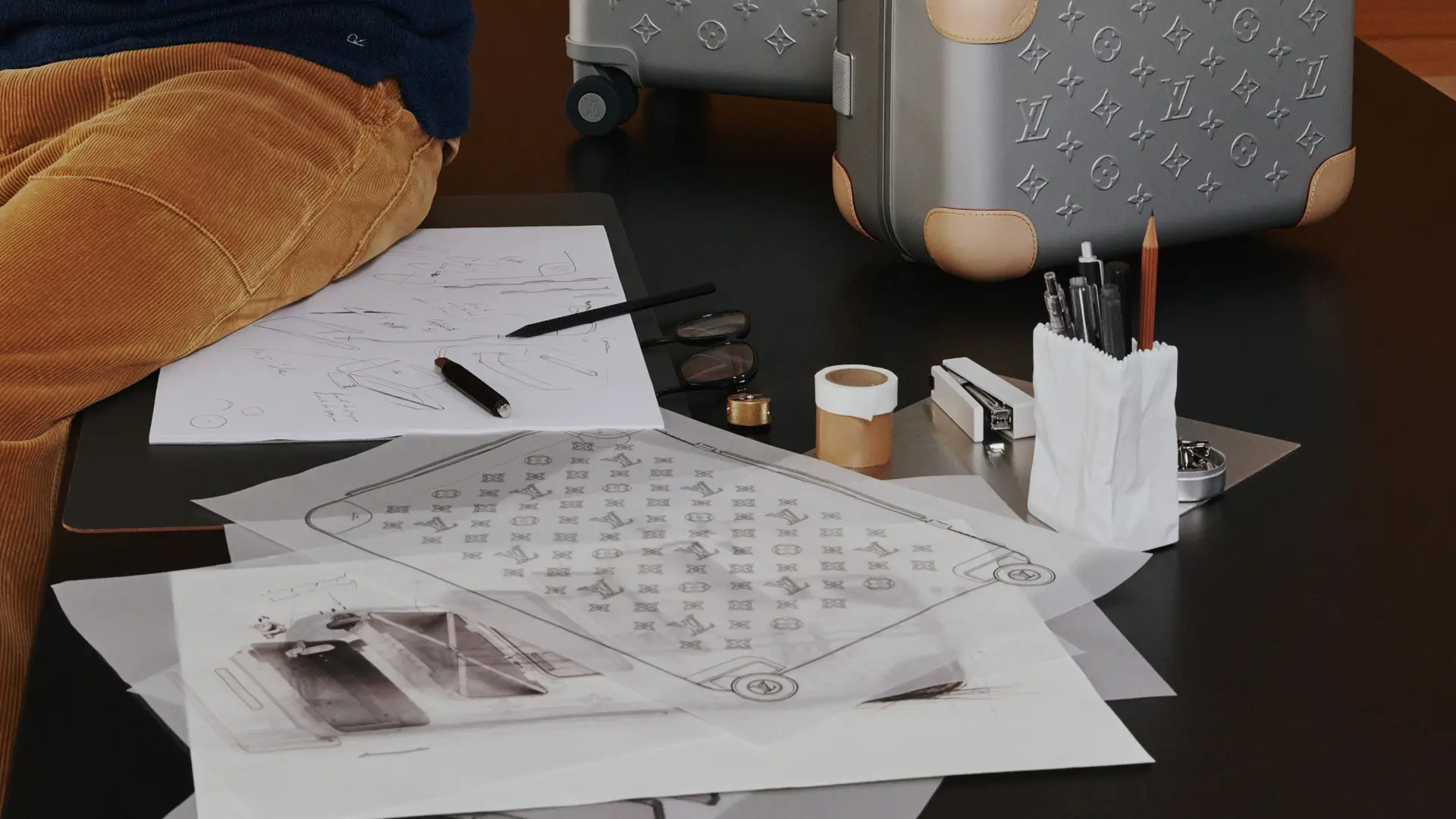
Few designers are better suited to reimagine luxury luggage than Marc Newson. Born in Sydney in 1963, Newson emerged as one of the most influential industrial designers of his generation. Trained in jewelry and sculpture at the Sydney College of the Arts, he gained early acclaim with pieces like the Lockheed Lounge (1986), an organic, aluminum-and-fiberglass form that blurred the lines between furniture and sculpture.
Newson’s practice spans furniture, transportation, aviation, timepieces, and luxury goods. He has collaborated with brands like Nike, Apple (as Designer for Special Projects), Hermès, and Ferrari, always bringing a signature blend of biomorphic curves, technical precision, and material innovation. His work often challenges conventions while prioritizing usability—qualities evident in his long-standing partnership with Louis Vuitton.
The collection began in earnest around 2014 with a Monogram backpack, but it was the 2016 launch of the Horizon rolling luggage that marked a true milestone. Newson reimagined the classic LV trunk for the 21st century: lightweight polypropylene composites, a flat interior achieved by externalizing the telescopic handle, 360-degree silent wheels, and cowhide leather accents. The collection expanded in 2019 with soft luggage variants, emphasizing minimal weight and maximum volume. These designs quickly became favorites among frequent travelers for their engineering rigor and aesthetic purity.
A decade later, the Horizon Aluminium celebrates this synergy. Newson’s affinity for aluminum—seen in his furniture and product designs—perfectly aligns with Vuitton’s travel heritage. The result is a piece that feels inevitable yet groundbreaking.
dekko
At first glance, the Horizon Aluminium presents a sleek, rectangular silhouette with softly rounded corners, true to the Horizon DNA. But its innovation lies beneath the surface. Crafted from sheets of aluminum embossed with the Louis Vuitton Monogram, the suitcase employs a revolutionary construction: a single-piece, full-depth 3D-molded shell with no rivets or folded panels—a first in aluminum luggage design.
An ultra-thin internal frame system secures the structure, while concealed hinges disappear into the interior, allowing a clean 180-degree opening reminiscent of traditional Vuitton trunks. The Monogram is not merely decorative; it is embossed directly into the aluminum, contributing to the shell’s structural integrity. This approach enhances durability while creating a seamless, fluid aesthetic that resists dust and water penetration more effectively than riveted designs.
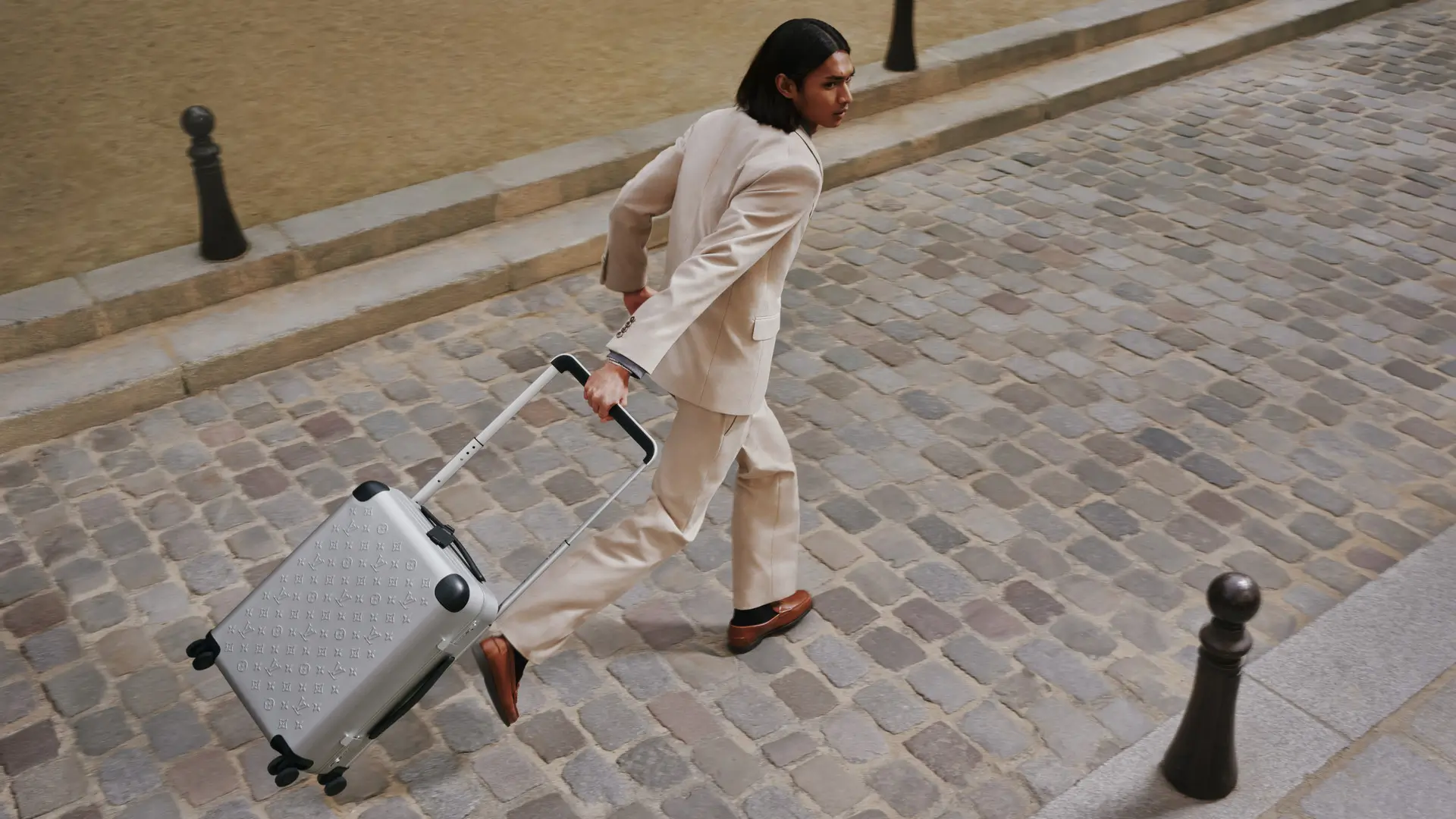
Practical details abound. The trolley mechanism sits externally, preserving a completely flat interior with thermoformed lining for optimal packing space. An extra-wide telescopic handle offers ergonomic grip, complemented by enlarged, flexible wheels that absorb shocks and roll quietly. Corners and handles feature natural cowhide leather for comfort and heritage appeal. TSA-approved locks provide security, and a protective cover with strategic openings ensures discreet storage and mobility. A leather luggage tag doubles as a hook for stacking additional bags.
travel
In an age of tightened airline regulations, security protocols, and unpredictable itineraries, the Horizon Aluminium excels in real-world performance. Its lightweight yet robust build addresses the perennial tension between capacity and portability. The flat interior maximizes usable volume, while shock-absorbent wheels and a stable base handle bustling terminals with ease.
Durability stands out as a core virtue. Aluminum’s inherent strength, combined with Vuitton’s precision manufacturing, promises longevity. Unlike disposable luggage, this piece is engineered for repair and reuse, reducing environmental impact—a growing priority for conscious consumers. The embossed Monogram adds tactile interest and brand recognition without ostentation, suiting both discreet luxury seekers and those who appreciate iconic detailing.
For creatives, executives, and cultural nomads—the core audience of platforms like Invent Blog—the Horizon Aluminium serves as a reliable companion. It accommodates laptops, cameras, garments, and mementos with equal poise, embodying the seamless integration of work, exploration, and style that defines contemporary travel.
mobile
The Horizon Aluminium does more than solve technical challenges; it participates in a broader cultural conversation. As global connectivity accelerates, objects like this bridge heritage and futurism. Newson’s design echoes the optimism of mid-century modernism while nodding to Vuitton’s 19th-century roots. In a world grappling with digital fatigue and a renewed appreciation for tangible experiences, such luggage reaffirms the value of beautifully made things.
Comparisons to other premium aluminum cases (Rimowa, for instance) highlight Vuitton’s unique approach. Where many rely on visible rivets and utilitarian finishes, the Horizon Aluminium prioritizes refinement and repairability. It positions aluminum not as a cold industrial material but as a canvas for embossed luxury, much like the maison’s historic canvases.
fin
The Horizon Aluminium is more than a new suitcase—it is an invitation to travel with intention and elegance. Ten years into a fruitful collaboration, Marc Newson and Louis Vuitton have crafted an object that honors the past while confidently facing the future. In its seamless form, one senses the accumulated wisdom of generations of artisans, engineers, and explorers.
For those who view luggage as an extension of personal style and a partner in adventure, this piece delivers. It reminds us that true luxury lies not in excess but in thoughtful design that enhances life’s transitions. As the wheels glide silently across marble floors or cobblestones, the Horizon Aluminium carries forward Louis Vuitton’s Art of Travel into a new chapter—one defined by resilience, beauty, and the quiet thrill of departure.
From the DRIFT archive: Le Voyage des Lumières: Louis Vuitton Holidays 2025 Campaign