Marilyn Monroe at 100: The Enduring Icon of Hollywood Glamour, Tragedy, and Resilience

June 1, 2026
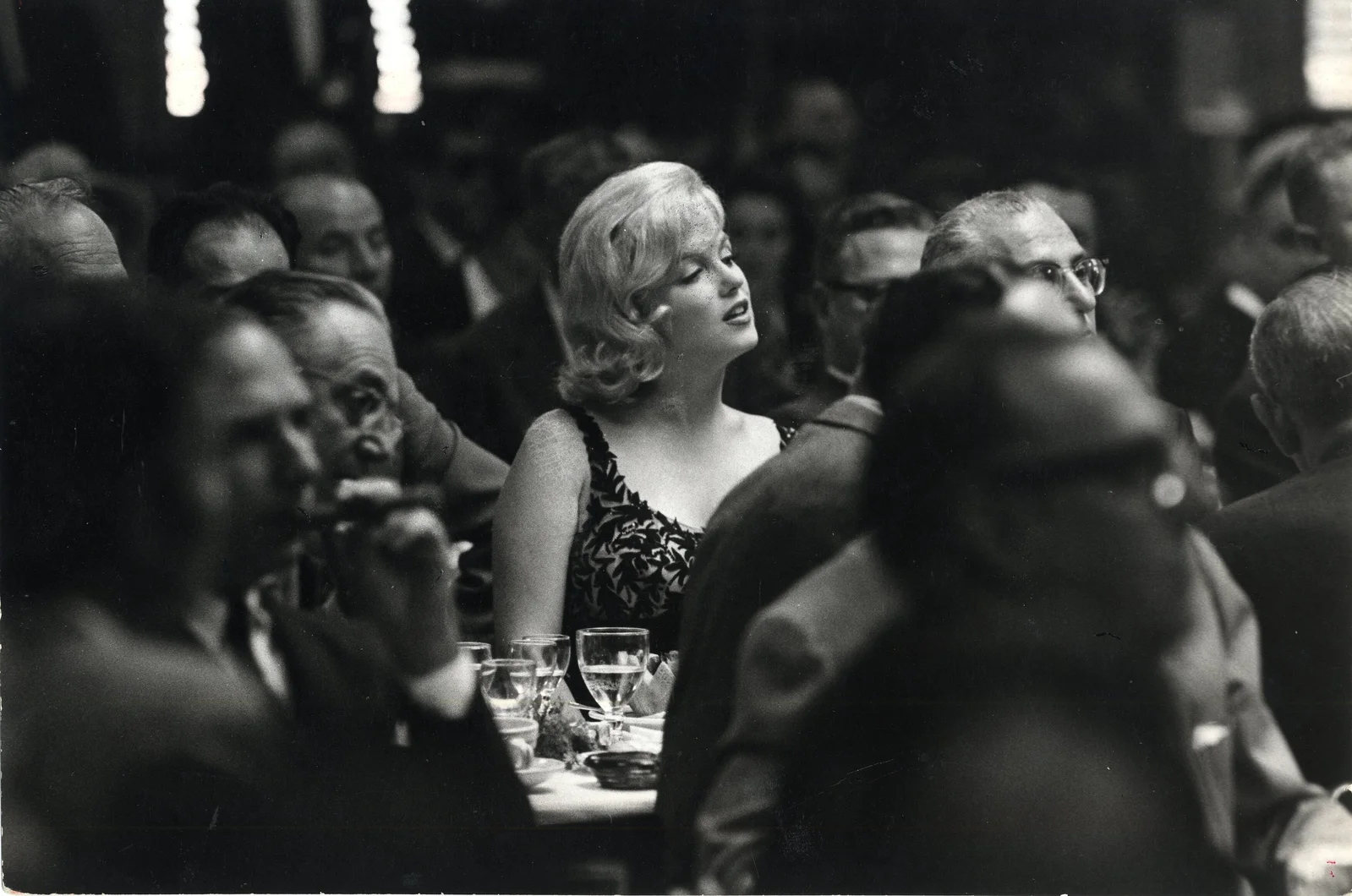
Born Norma Jeane Mortenson on June 1, 1926, in Los Angeles, California, the woman who would become Marilyn Monroe would have turned 100 today. From her tumultuous childhood as Norma Jeane to her reign as one of Hollywood’s brightest stars in the 1950s and early 1960s, Monroe’s life encapsulated the American Dream’s brightest promises and darkest silhouettes. By the time of her death on August 4, 1962, at just 36 years old, her films had grossed the equivalent of roughly $2.2 billion in today’s dollars. She remains a culturel touchstone—blonde bombshell, comedic genius, sex symbol, and, increasingly, a figure of feminist reclamation and human vulnerability.
Today, tributes flood the internet and in-person events mark the centenary. In Los Angeles, the Academy Museum of Motion Pictures opened its “Marilyn Monroe: Hollywood Icon” exhibit on May 31, 2026, featuring over 200 objects, including the iconic pink satin gown she wore while singing “Diamonds Are a Girl’s Best Friend” in Gentlemen Prefer Blondes (1953). The exhibition runs through February 28, 2027, and offers a nuanced look at her public persona and private struggles.
stir
Norma Jeane Mortenson entered the world at Los Angeles General Hospital. Her mother, Gladys Pearl Baker (née Monroe), was a film cutter plagued by mental illness, likely paranoid schizophrenia. The identity of her father remains uncertain; Gladys listed Edward Mortenson on the birth certificate, but he had separated from her before Norma Jeane’s conception. Some accounts point to Charles Stanley Gifford, a co-worker at Consolidated Film Industries.
Shortly after birth, Norma Jeane was placed in foster care with the Bolender family in Hawthorne, California. She lived there for about seven years in a strict Pentecostal household. Gladys visited occasionally and even reclaimed her daughter briefly around age seven, but suffered a nervous breakdown in 1934 and was institutionalized. Norma Jeane then bounced between foster homes, relatives, and the Los Angeles Orphans Home Society. She later spoke of feeling abandoned and unwanted.
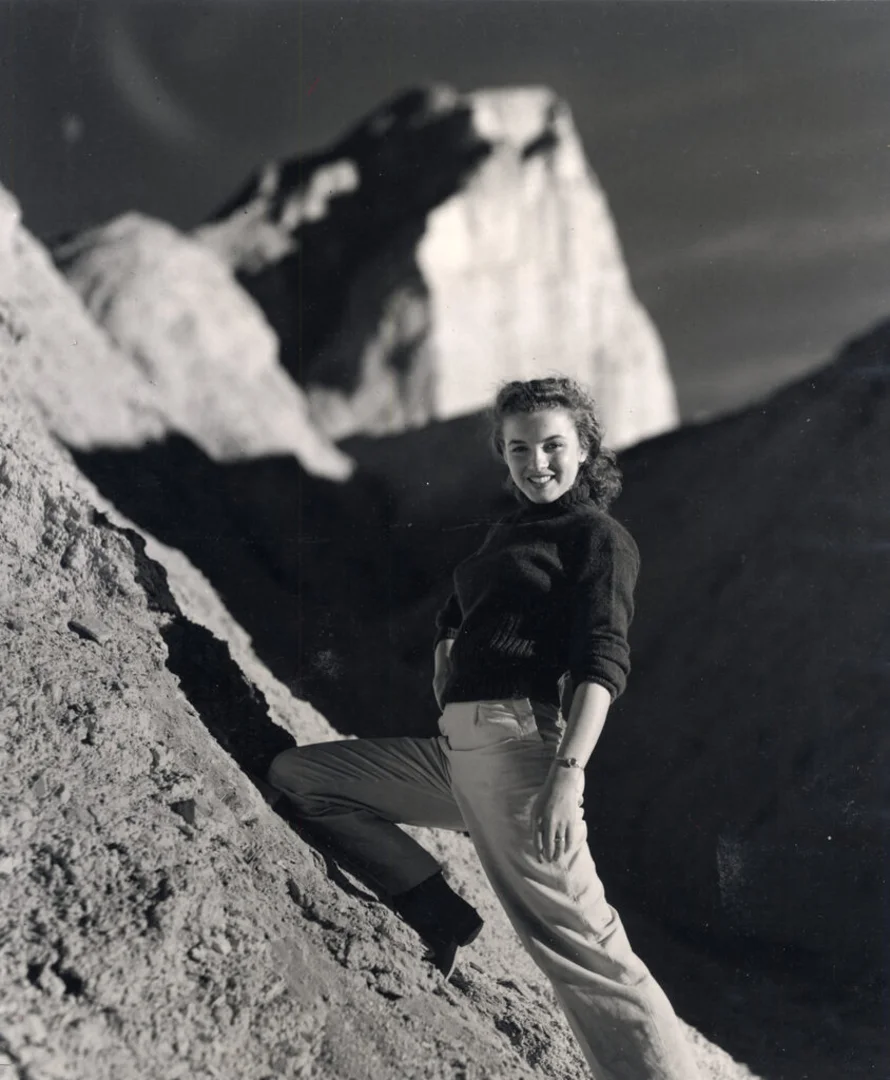
Trauma marked these years. These experiences contributed to lifelong issues with trust, anxiety, and a stutter she worked hard to overcome. Movies became her escape. She idolized Jean Harlow and spent hours in darkened theaters dreaming of stardom.
At 15, facing another upheaval when her guardians planned to move, Norma Jeane married 21-year-old James Dougherty in 1942. The marriage was partly a practical solution to avoid returning to the orphanage. Dougherty, a factory worker who later joined the Merchant Marine, described her as shy and domestic during their early years. They divorced in 1946 as her modeling career took off.
flow
In 1944, while working at a Radioplane munitions factory, Norma Jeane was photographed for a magazine feature on women contributing to the war effort. The images caught the eye of modeling agencies. She signed with Emmeline Snively’s Blue Book Model Agency, dyed her brunette hair blonde, and began appearing in advertisements and pin-ups.
Twentieth Century-Fox executive Ben Lyon saw potential and signed her to a short contract in 1946. He suggested the name “Marilyn” (inspired by actress Marilyn Miller) and she chose “Monroe” from her mother’s maiden name. The transformation was complete: platinum blonde hair, arched eyebrows, signature mole, and a breathy voice cultivated through training. She legally changed her name to Marilyn Monroe in 1956.
Early roles were small. She had uncredited parts and bit appearances before breaking through with The Asphalt Jungle (1950) and All About Eve (1950). By 1952–1953, she was a star with leading roles in Niagara, Gentlemen Prefer Blondes, and How to Marry a Millionaire. These films showcased her as the ultimate “dumb blonde”—a persona she played with knowing wit and comedic timing that belied her intelligence.
Monroe was acutely aware of the studio system’s exploitative nature. She fought for better roles and pay. In 1955, she co-founded Marilyn Monroe Productions with photographer Milton Greene, one of the first women to create her own production company in Hollywood. This move gave her more control and led to acclaimed performances in Bus Stop (1956) and The Prince and the Showgirl (1957), where she worked with Laurence Olivier.
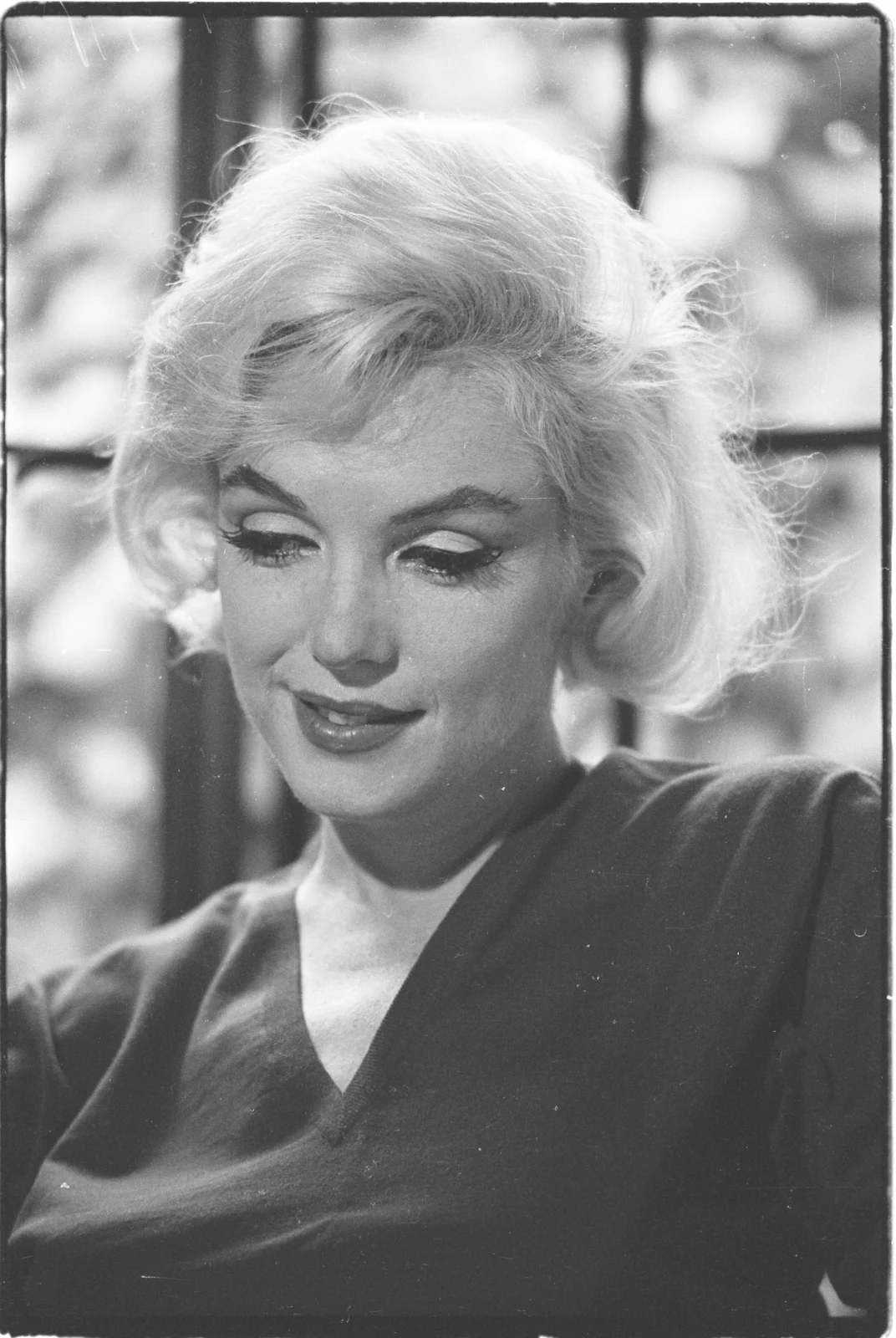
Her most iconic film remains Some Like It Hot (1959), directed by Billy Wilder. Playing Sugar “Kane” Kowalczyk, she delivered a masterful comedic performance opposite Tony Curtis and Jack Lemmon. The film is frequently ranked among the greatest comedies ever made. Despite chronic lateness and anxiety on set—exacerbated by stage fright and insomnia—she shone. “I’m trying to find myself,” she once said. “Sometimes that’s not easy.”
straddle
Monroe’s personal life was as tumultuous as her rise was meteoric. She married baseball legend Joe DiMaggio in 1954. Their union was passionate but short-lived; they divorced after nine months amid reports of jealousy and clashes over her career. DiMaggio remained devoted, famously sending roses to her grave for decades.
In 1956, she married playwright Arthur Miller, a union that symbolized the meeting of glamour and intellect. Miller wrote The Misfits (1961) for her, her last completed film, co-starring Clark Gable. The marriage deteriorated under the pressures of her miscarriages, mental health struggles, and his work. They divorced in 1961.
Monroe battled endometriosis, chronic pain, and depression. She relied on barbiturates and other medications to cope with insomnia and anxiety. Rumors of affairs, including with President John F. Kennedy and his brother Robert, added to the scrutiny. While some stories persist in popular culture, concrete evidence remains elusive and contested.
She was more than a sex symbol. Monroe supported civil rights, famously helping Ella Fitzgerald secure a booking at the Mocambo club in 1955 by promising to attend every night. She converted to Judaism before marrying Miller and studied at the Actors Studio under Lee Strasberg, seeking serious dramatic credibility.
show
Monroe was one of Hollywood’s highest-paid actresses. While her lifetime earnings from salaries were modest by modern standards (around $4 million total, or roughly $42 million adjusted), her films’ cumulative box office was massive. Hits like Gentlemen Prefer Blondes, The Seven Year Itch (1955, famous for the subway grate scene), and Some Like It Hot drove enormous revenue.
Her image—hourglass figure, white dresses, sultry poses—defined mid-century femininity. She appeared as the first Playboy centerfold in 1953 (using earlier nude photos taken when she needed money). While this cemented her as a sex symbol, it also fueled objectification she fought throughout her career.
tragedy
On August 4, 1962, Monroe was found dead in her Brentwood home. The official cause was acute barbiturate poisoning, ruled a probable suicide. Empty pill bottles were nearby. Her housekeeper, Eunice Murray, and psychiatrist Ralph Greenson were among the last to see her.
Conspiracy theories persist: murder involving the Kennedys, mob connections, or cover-ups. Books, documentaries, and films like Blonde (2022) continue to explore these. However, her history of depression, previous overdoses, and professional frustrations support the suicide ruling for most biographers.
She was buried at Westwood Memorial Park. DiMaggio arranged the simple funeral, barring many Hollywood figures.
leg
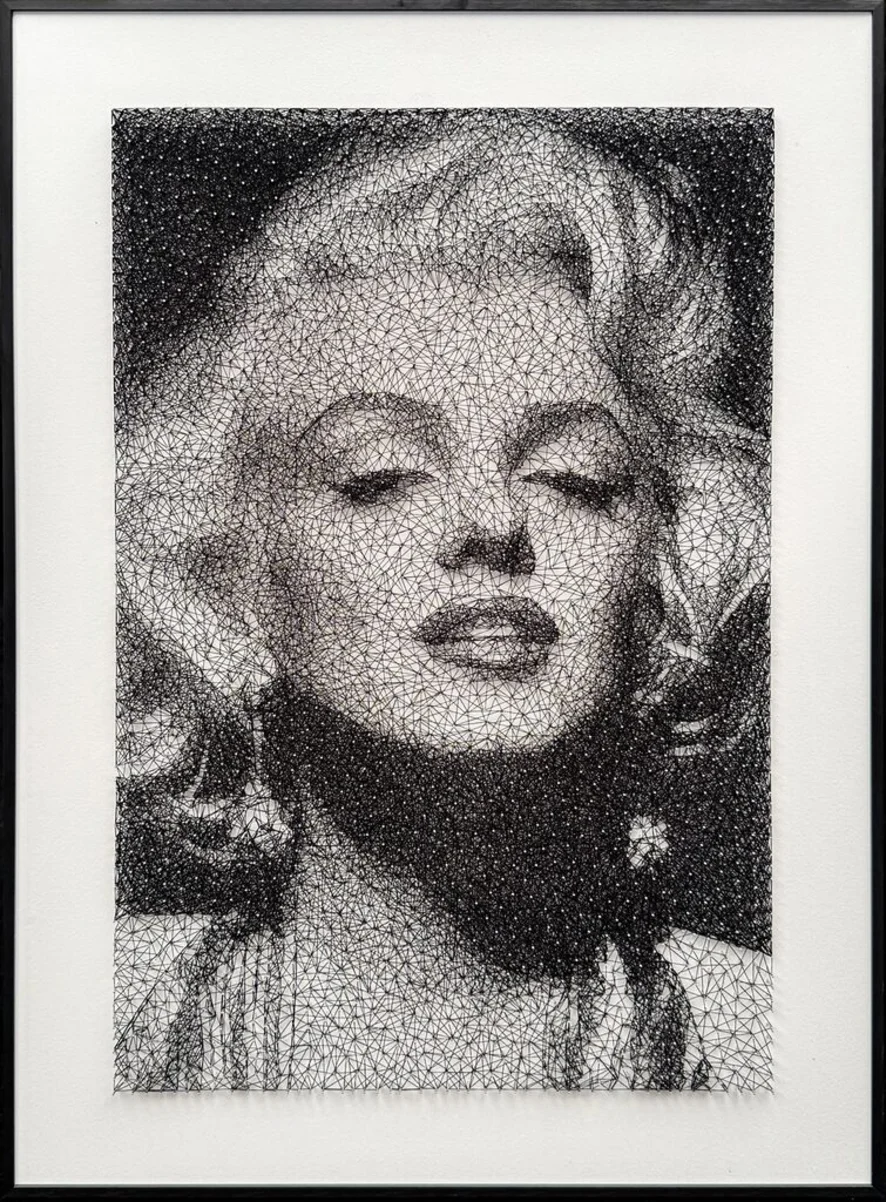
A century after her birth, Monroe’s image is ubiquitous—on posters, merchandise, and social media. Her estate continues to earn millions annually from licensing. Yet interpretations have evolved.
Feminists increasingly view her as a proto-feminist. She spoke openly about childhood sexual abuse, demanded better contracts, founded a production company, and challenged the “dumb blonde” stereotype with sharp intelligence. Gloria Steinem and others have highlighted how the women’s movement might have supported her had it arrived earlier. She embodied both conformity to and rebellion against patriarchal expectations.
Critics note the tragic cost of fame: the pressure to maintain an image, mental health struggles ignored by an industry that profited from her vulnerability. The Academy Museum exhibit aims to present this complexity—memorabilia alongside personal letters and recordings revealing her insecurities and ambitions.
fin
Marilyn Monroe remains compelling because she was fully human amid manufactured perfection. She was funny, ambitious, insecure, generous, and flawed. Her breathy voice and swaying walk became shorthand for seduction, but behind the glamour was Norma Jeane, the girl who read voraciously, studied acting, and dreamed of being taken seriously.
In 2026, as we mark her centenary, exhibitions, film screenings, and discussions remind us of her impression on fashion, beauty standards, comedy, and celebrity culture. She influenced stars from Madonna to Rihanna and continues to spark debates about mental health, women’s agency in Hollywood, and the price of fame.
Her films endure because they entertain while hinting at deeper truths. The pink dress in the museum case isn’t just fabric—it symbolizes joy, performance, and the woman who sang about diamonds but sought something far more precious: acceptance and love.
As one of the 20th century’s greatest icons, Marilyn Monroe shows us the distance between image and reality. A hundred years after her birth, she still captivates, still inspires, and still reminds us of the fragile beauty in the pursuit of dreams.
Related Articles
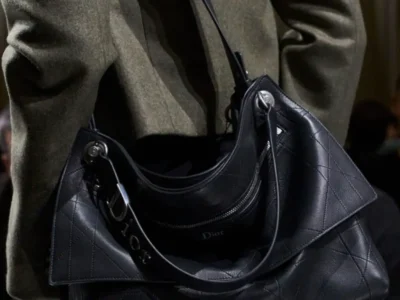
Jonathan Anderson Just Redesigned What a Dior Bag Is Supposed to Do
A new hardware update to Cannage arrives for Winter 2026/2027, and it might be the […]