DRIFT AUDIO
Listen to this story
Choose a voice, then press play.
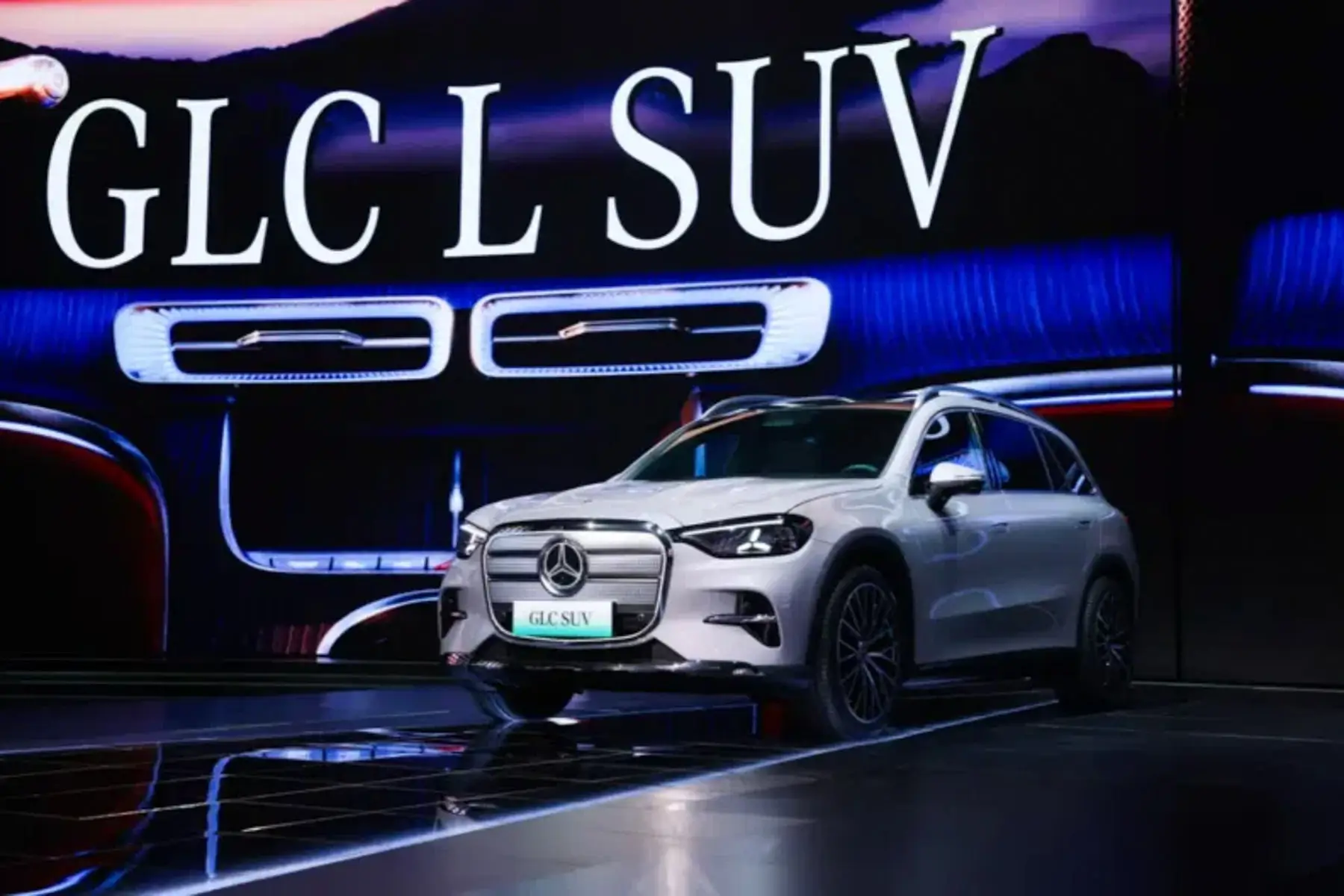
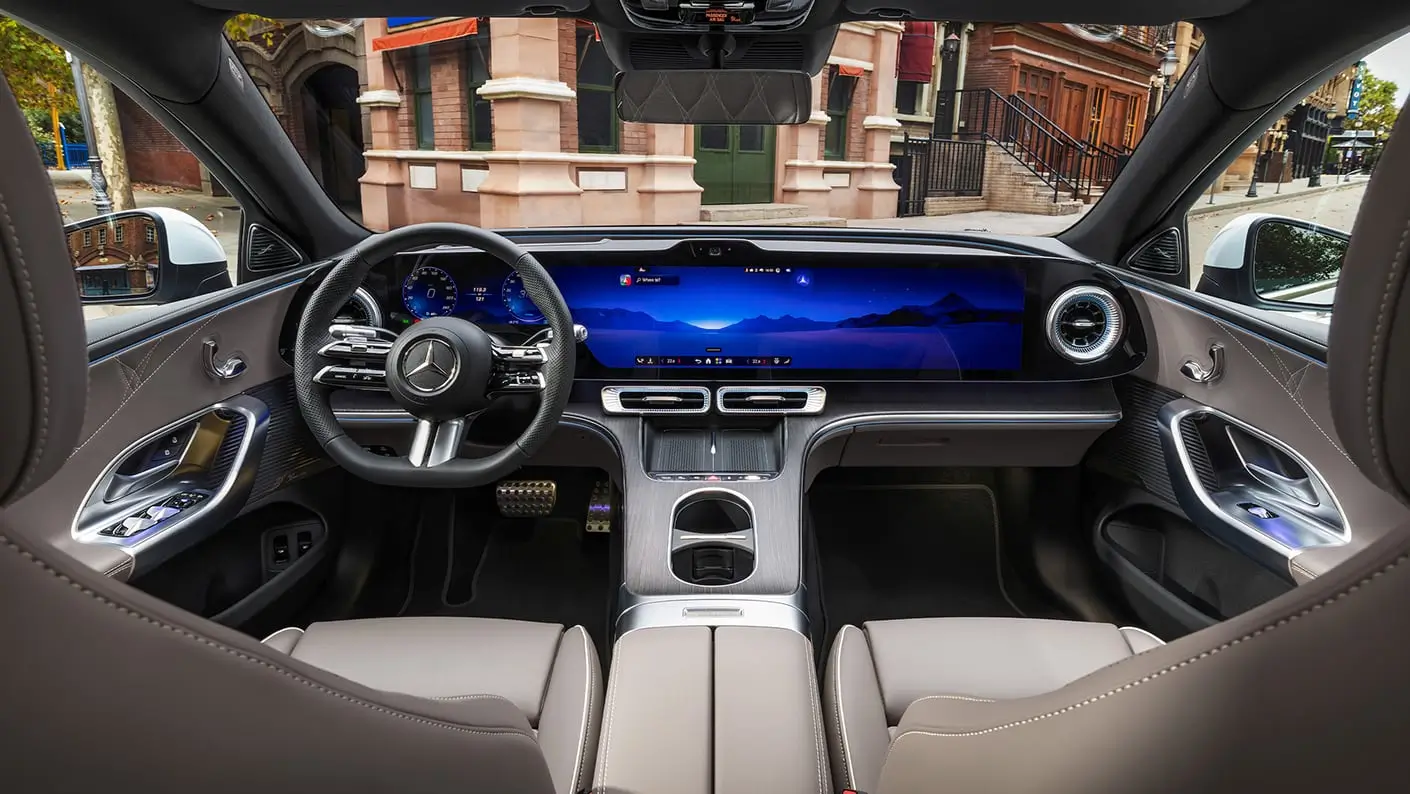
Mercedes-Benz’s entry into livestream commerce on June 10, 2026, represents a pivotal moment in the evolution of luxury retail. By partnering with China’s premier livestreamer Li Jiaqi, the “Lipstick King,” on Taobao, the brand offered 40 vehicles—including the all-electric GLC SUV and long-wheelbase C-Class sedan—for sale. All units sold out in seconds. This event directly illustrates how channels once reserved for low-cost impulse purchases are becoming viable customer acquisition tools for haute categories traditionally dependent on physical retail.
The success of this debut was no accident. Mercedes-Benz employed an “online deposit + offline delivery” model, requiring only a modest RMB 3,000 deposit (approximately $415) with full fulfillment handled through authorized dealerships. This hybrid approach preserved the essential elements of haute car buying—test drives, customization, and personalized service—while leveraging the immediacy and reach of livestream entertainment. In a market where the brand faced a 27% sales decline in China during Q1 2026, this move generated rapid sell-through, buzz, and qualified leads.
stir
For decades, such categories such as haute automobiles, high-end watches, fine jewelry, and bespoke fashion have relied heavily on physical retail environments. Showrooms, flagship stores, and exclusive events create an aura of exclusivity through sensory experiences: the feel of premium materials, the sound of an engine, the sparkle under perfect lighting, and the expert guidance of knowledgeable sales associates. These settings allow for deep relationship-building, complex financing discussions, and the ritual of ownership transfer that reinforces brand prestige.
In contrast, channels for low-cost impulse purchases—think beauty products, fast fashion, gadgets, and accessories—have long embraced digital formats like livestream shopping. Platforms such as Taobao, Douyin, and TikTok Shop thrive on real-time demonstrations, charismatic hosting, limited-time urgency, and social proof. Consumers make quick decisions on affordable items with low risk. Li Jiaqi built his empire on this model, moving billions in cosmetics and consumer goods through enthusiastic, transparent presentations that turn shopping into entertainment.
The perceived incompatibility between these worlds was rooted in several factors: high price points requiring trust and due diligence, the need for tactile evaluation, regulatory and logistical complexities, and the fear that mass-market digital channels might dilute the carefully cultivated image of luxury. Physical retail was seen as non-negotiable for maintaining the emotional and experiential premium that justifies six- or seven-figure price tags.
flow
Mercedes-Benz’s livestream debut shatters that assumption. By achieving instant sell-outs of newly launched premium vehicles through an influencer known for lipstick and beauty, the brand demonstrated that the mechanics of impulse-driven commerce can be adapted for haute acquisition. The event was not a clearance of older stock but a showcase of current models, positioned with sophistication to an engaged audience.
This aligns with broader experiments in the automotive sector. Brands like Nio, Audi, and Cadillac have tested similar waters, but Mercedes’ high-profile collaboration with Li Jiaqi marks a significant validation for traditional luxury players. The rapid sell-out amid challenging market conditions in China highlights the format’s potential for customer acquisition: reaching younger, digital-native buyers who might not initially visit a dealership but can be nurtured through compelling content toward full ownership.
scope
Several converging trends make this shift not only possible but inevitable:
Gen Dynamics: Gen Z and younger millennials, now entering peak earning and purchasing years, are digital natives. They discover brands, research products, and make decisions via social media and interactive platforms. These consumers expect transparency, entertainment, and personalization. Livestreams deliver all three, bridging aspiration with accessibility. In China, where Gen Z is becoming the dominant car-buying demographic, this matters profoundly.
Technological Maturity: Advances in high-definition streaming, real-time interaction tools, AR configurators, virtual showrooms, and secure high-value transaction systems have reduced friction. The Mercedes model—digital discovery paired with physical delivery—exemplifies a hybrid journey that mitigates perceived risks of remote high-ticket purchases.
Economic Pressures on Expend: Global luxury markets face slowing growth, intensified competition (especially from domestic Chinese brands in EVs), and e-commerce saturation in traditional online channels. Brands need efficient new acquisition tools. Livestream commerce, projected to exceed $1 trillion in China alone, offers scalable reach with high conversion potential through emotional engagement.
Culture Evolve of Shopping: Post-pandemic behaviors have normalized digital-first experiences. What began as necessity evolved into preference for many. “Shoppertainment”—blending shopping with entertainment—proves effective across categories. Luxury brands in fashion and beauty (Gucci, Chanel, Louis Vuitton) have long used livestreams for storytelling. Automotive’s adoption extends this logic to even more complex products.
huh
The Mercedes moment resonates strongly with ongoing shifts in related luxury sectors relevant to Invent Blog readers, such as watches, fashion, and design.
In horology, high-end watch brands have increasingly explored digital channels. While physical boutiques remain central for trying on pieces and appreciating craftsmanship, livestreams and virtual events educate audiences on complications, heritage, and technical details. Limited drops and influencer collaborations drive demand, much like the Mercedes sell-out.
Fashion and streetwear have been at the forefront. Link, releases, and live presentations on platforms amplify culture relevance. The same principles—authenticity, community, narrative depth—apply. Channels once seen as impulse-oriented now serve as discovery engines for premium collections, feeding into physical or hybrid fulfillment.
Even in art and high jewelry, virtual previews and live auctions expand access while maintaining exclusivity through curation and expert commentary.
hint
Critics may worry about commoditization. Does associating luxury cars with a beauty livestreamer risk eroding prestige? Execution is key. Mercedes succeeded by maintaining brand control, showcasing new models without heavy discounting, and integrating seamlessly with dealership networks. Poorly executed attempts could indeed dilute aura, but thoughtful implementations amplify it by expanding the audience of qualified prospects.
Data privacy, transaction security for high-value items, and ensuring host alignment with brand values require careful management. Regulatory hurdles in different markets also vary. However, the hybrid model addresses many of these by keeping fulfillment and service in trusted physical channels.
Physical retail does not disappear; it evolves. Flagships become experiential destinations for those already converted via digital touchpoints. The funnel widens at the top while depth remains at the bottom.
imply
This development signals a fundamental rethinking of acquisition in haute categories. Traditional reliance on physical retail limited reach to those who could visit showrooms or events. Livestreams and related digital channels democratize discovery without compromising standards.
Brands can now:
- Reach global, younger audiences efficiently.
- Gather real-time insights through Q&A and engagement metrics.
- Create urgency and social proof at scale.
- Test products and messaging dynamically.
- Build community around heritage and innovation.
For Mercedes-Benz, this is part of navigating a “transition year” with new models and refreshed strategies. Success here provides a blueprint for others facing similar pressures.
sig
At the intersection of fashion, design, technology, and culture, this shift reflects broader themes of innovation and adaptation. Luxury has always evolved with society. From atelier craft to industrial production, and now to digital theater, the constant is excellence in experience and product.
For audiences interested in streetwear crossovers, sports-fashion, art, and horology, the Mercedes livestream exemplifies how cultural conduits (influencers like Li Jiaqi) can elevate categories. It ties into narratives of sustain (EVs), heritage (iconic designs), and human connection in a digital age.
This is not dilution but expansion. Barriers to entry for awareness lower, while curation, quality, and service remain elite. The result is a more vibrant ecosystem where aspiration meets accessibility.
fin
Mercedes-Benz’s livestream debut is an early but powerful indicator. Expect acceleration across haute categories: more influencer collides, brand-hosted live events, integrated AR/VR experiences, and sophisticated data use for personalization.
Physical retail will adapt—perhaps fewer but more impactful locations focused on experiences. Digital channels will handle initial acquisition and education. The winners will be brands mastering both, honoring tradition while embracing tools that meet consumers where they are.
Mercedes-Benz has shown that channels once reserved for low-cost impulse purchases are indeed becoming viable customer acquisition tools for haute categories traditionally dependent on physical retail. This evolve promises resilience, growth, and deeper culture relevance in a changing world.
n
From the DRIFT archive: Letterboxd Video Store Marks a New Era for Movie Discovery and Digital Rentals · Nike & Chipotle: How a Young Cancer Patient’s Burrito Ritual Became a Once-in-a-Lifetime Sneaker
Related Articles

American Horror Story Opens the Vault for a Thirteen-Episode Reunion of Its Own Ghosts
Three half-hour episodes land September 24 on FX and Hulu, with Jessica Lange, Sarah Paulson […]