DRIFT

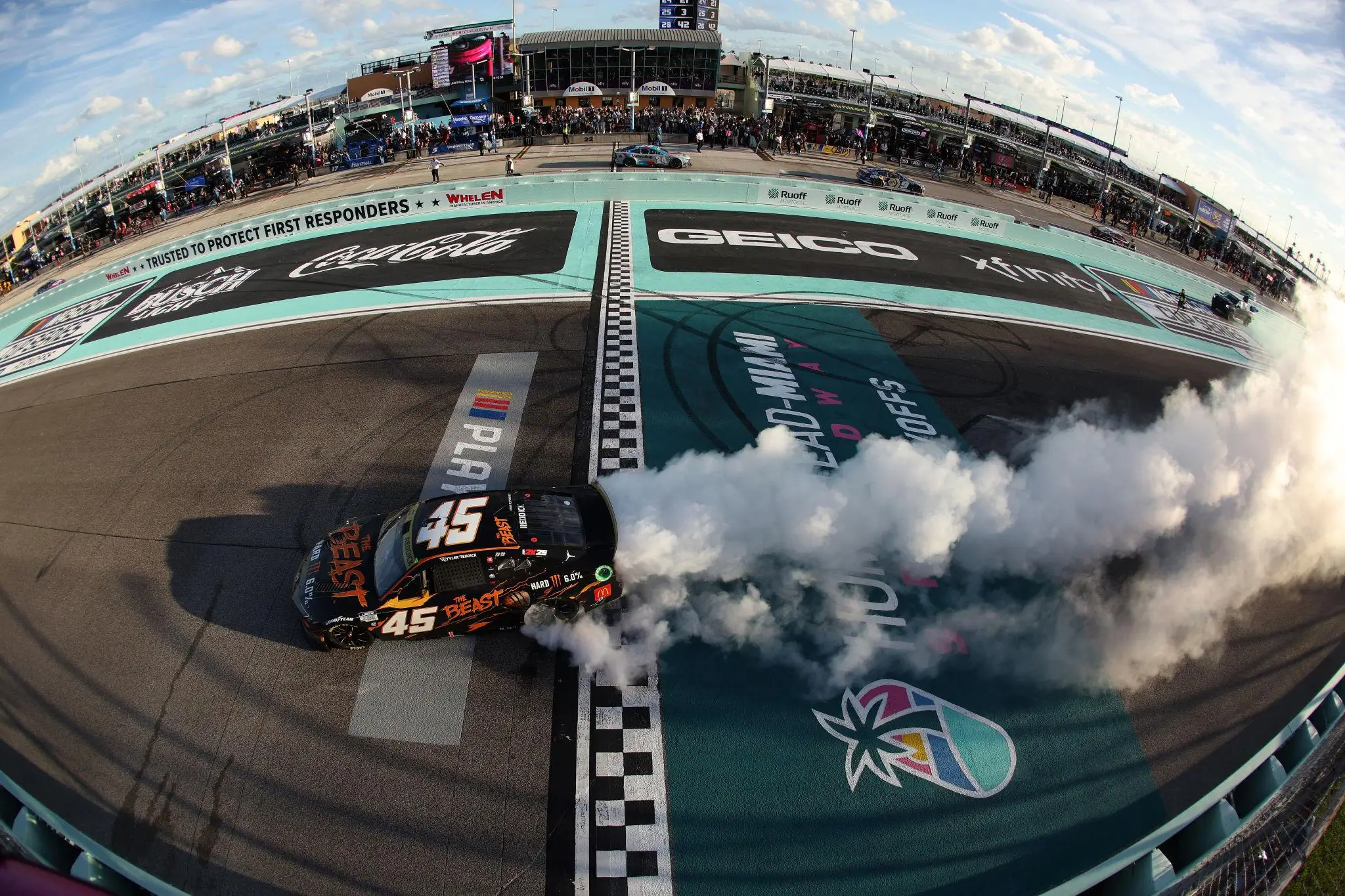
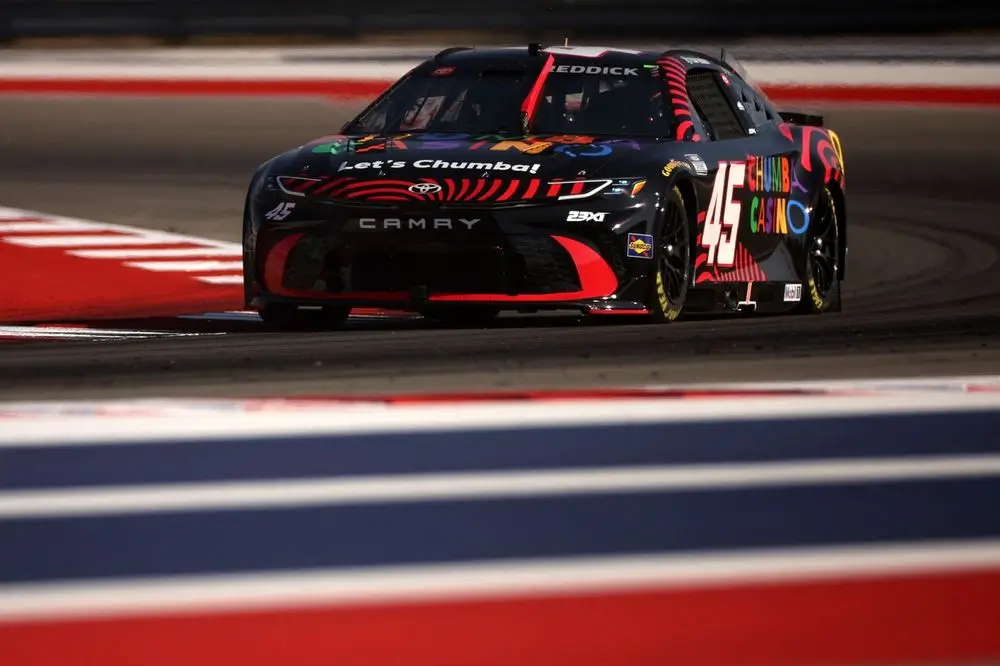
In a sport defined by attrition, mechanical unpredictability, and the razor-thin margins between glory and disaster, dominance rarely arrives without resistance. Yet in this imagined but plausible chapter of stock car history, Tyler Reddickhas rewritten the opening script of a NASCAR season, becoming the first driver to win the first three races of a campaign.

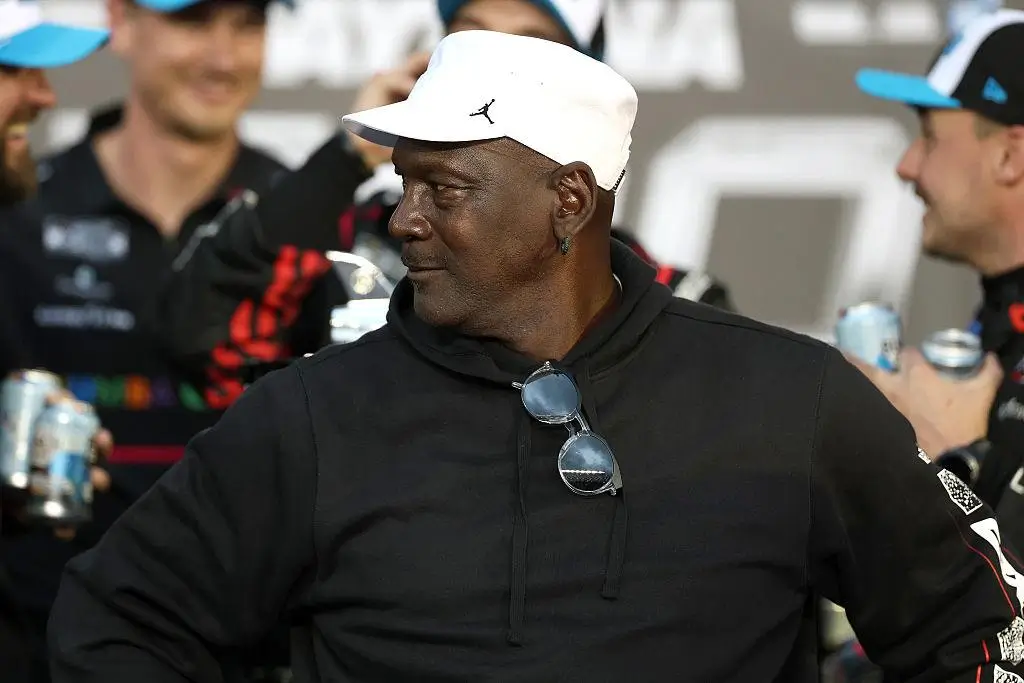
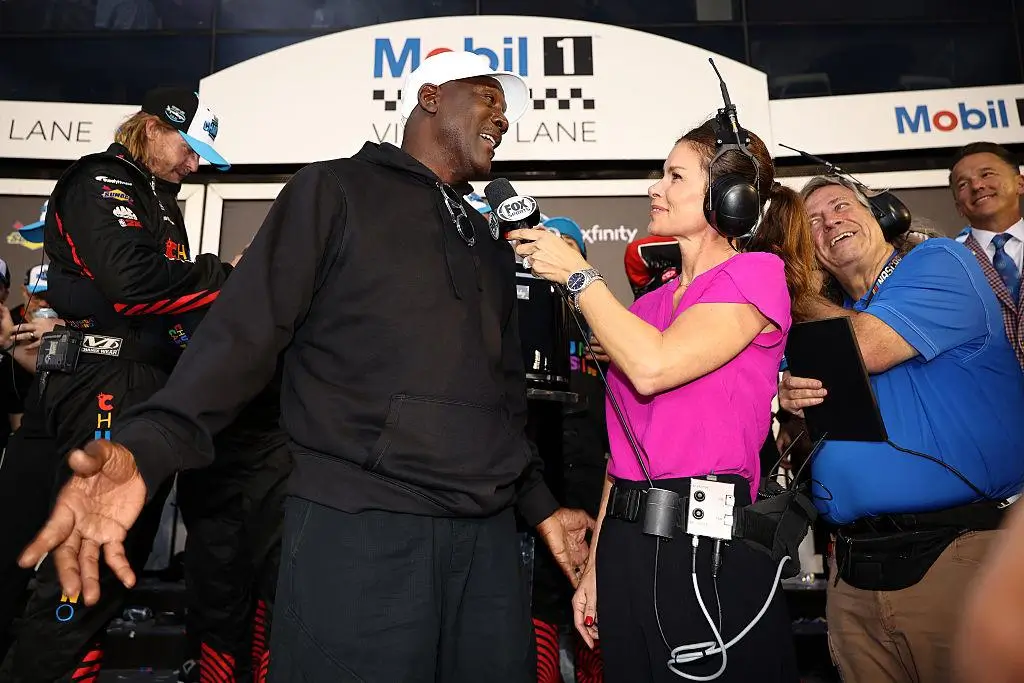
The feat would be historic in any context. But that it comes under the ownership banner of Michael Jordan, through the rising competitive force of 23XI Racing, adds a deeper cultural dimension. It is not merely a streak. It is a statement about ambition, precision, and the architecture of excellence.


View this post on Instagram


A post shared by Jordan (@jumpman23)

hx

NASCAR’s opening trio of races typically functions as calibration. Teams experiment with setups. Drivers find rhythm. Engineers collect data. Championships are rarely won in February—but they can begin to be lost there.

Reddick’s three-race sweep upends that logic. Superspeedway chaos, intermediate track finesse, and short-track aggression demand different skill sets. To conquer all three consecutively is to demonstrate a completeness of craft that few drivers achieve even over a full season.

In the first race, he navigated pack racing with surgical patience. The second required throttle modulation and tire conservation over long green-flag runs. The third? A physical, elbows-out contest that demanded composure in late-race restarts.

Three tracks. Three styles. Three wins.

The common denominator was not circumstance. It was control.

philosophy

When Michael Jordan entered NASCAR ownership, skepticism trailed him. Basketball royalty stepping into the garage area? To purists, it felt like celebrity tourism. To Jordan, it was unfinished business.

Jordan’s competitive mythology—six championships, undefeated Finals record, relentless mentality—was not meant to decorate a team logo. It was meant to be operational. At 23XI Racing, competition is infrastructure.

Jordan’s presence is less about public spectacle and more about internal standards. Drivers are expected to perform. Engineers are expected to innovate. There is no tolerance for mediocrity disguised as process.

Reddick’s three-race start embodies that ethos. It mirrors Jordan’s belief that momentum is not accidental—it is manufactured through preparation.

This is the Jordan blueprint translated from hardwood to asphalt.

tech

Long before this hypothetical streak, Reddick had built a reputation as a driver capable of threading chaos with precision. He is aggressive but rarely reckless. Analytical but instinctive. Comfortable in traffic yet composed when leading.

What separates Reddick in this imagined three-win surge is not speed alone. It is adaptability.

On superspeedways, he reads air like a chessboard. In intermediate races, he manipulates lines to conserve tires without sacrificing position. On short tracks, he times contact and avoids escalation.

The modern NASCAR vehicle demands versatility. Reddick’s sweep suggests mastery.

stir

Behind every triumphant driver is a silent symphony of telemetry. Modern NASCAR competition is as much about simulation models and wind tunnel refinement as it is about steering inputs.

23XI Racing’s technical evolution has been steady, but this start implies a breakthrough. Setup balance across radically different track profiles indicates cohesive communication between driver and engineering staff.

Reddick’s feedback loop is reportedly among the most detailed in the garage. He articulates front-end grip fluctuations, mid-corner instability, and throttle response nuances with clarity that accelerates adjustments.

Winning three consecutive races would not merely be a testament to talent. It would signify system alignment.

compare

NASCAR’s current competitive structure is designed to encourage parity. Spec components, standardized chassis elements, and aerodynamic regulations aim to compress performance gaps.

To win three straight races under such regulation is statistically defiant. It disrupts the league’s equilibrium.

If this run were to occur, competitors would scramble for explanations. Is it strategy? Setup innovation? Pit crew precision? Psychological momentum?

In truth, dominance often emerges from the convergence of incremental advantages. The margins remain small. The outcome feels seismic.

flow

Jordan’s involvement in NASCAR extends beyond performance metrics. It reframes who participates in the sport’s narrative.

By investing in 23XI Racing, Jordan signaled that stock car racing could expand its cultural footprint. His global brand introduces new audiences, new demographics, and new commercial potential.

A historic three-race sweep amplifies that crossover appeal. Suddenly, highlight reels circulate beyond motorsport channels. Sports media, business publications, and cultural commentators engage.

Jordan does not just own a team. He curates relevance.

idea

A three-race streak is both armor and target.

Momentum builds confidence. But it also sharpens competitors’ focus. Rivals dissect pit stop footage. They scrutinize tire strategy. They simulate alternative outcomes.

Pressure intensifies with every checkered flag. Can Reddick extend the run? Will mechanical misfortune intervene? Can competitors disrupt rhythm?

Sustained dominance in NASCAR demands emotional stamina. The psychological toll of expectation rivals the physical grind.

Jordan, perhaps uniquely, understands this territory.

choreo

Victories rarely hinge solely on driving brilliance. Pit road execution—measured in tenths of seconds—often defines outcomes.

If Reddick secured three consecutive wins, his pit crew’s performance would be essential. Clean tire changes. Flawless fueling. Error-free entry and exit.

Pit stops are NASCAR’s hidden theater. The choreography requires trust and repetition. A single loose lug nut can unravel supremacy.

Three wins imply operational excellence in the smallest details.

fwd

Historically, NASCAR seasons begin with volatility. Even legends like Richard Petty, Dale Earnhardt, and Jeff Gordon navigated uneven openings.

To imagine Reddick as the first driver to sweep the first three races redefines what is possible in the sport’s modern era.

Records are not merely statistics. They are psychological monuments. They alter how competitors approach future seasons.

Once a barrier is broken, its mystique dissolves.

show

Success in NASCAR carries commercial implications. Sponsorship value escalates. Merchandise sales surge. Broadcast visibility expands.

For 23XI Racing, a three-race streak would fortify brand equity. It would validate Jordan’s investment thesis: that competitive credibility drives cultural relevance.

Corporate partners gravitate toward momentum. Dominance attracts alignment.

In motorsport economics, speed is currency.

rival

Dominance provokes reaction. Established powerhouses recalibrate. Strategy chiefs convene late-night meetings. Wind tunnel hours extend.

A streak disrupts comfort. It forces adaptation.

Competitors would likely examine Reddick’s restart techniques, line selection, and tire management patterns. Every micro-advantage becomes a target.

This is the ecosystem of elite sport: progress triggers counter-progress.

tone

While championships are marathons, early momentum can shape trajectory.

Three consecutive wins generate playoff points, strategic flexibility, and psychological leverage. Even if the streak eventually ends, its imprint remains.

Reddick would carry an aura into subsequent races. Competitors would race not only against his car, but against his precedent.

Confidence compounds.

mode

NASCAR’s evolution over the past decade reflects broader shifts in American sport: technological sophistication, demographic expansion, and commercial rebranding.

A driver under Jordan’s ownership achieving unprecedented early-season dominance symbolizes convergence—tradition meeting transformation.

It challenges assumptions about who leads the sport’s next era.

appeal

Inevitably, conversation would turn toward the next event. Can the streak reach four?

History suggests regression. Probability resists perfection. Mechanical variables lurk.

But dominance changes perception. What once seemed improbable becomes anticipated.

The fourth race becomes theater.

sum

In this imagined but deeply plausible scenario, Tyler Reddick’s three consecutive victories are not isolated triumphs. They are the convergence of preparation, philosophy, and performance.

They reflect Jordan’s enduring competitive DNA translated into motorsport.

They reveal a driver entering prime command of craft.

They signal a team whose ambition has matured into execution.

And they remind NASCAR that history remains vulnerable to reinvention.

Because sometimes, at the intersection of speed and belief, new dynasties begin not gradually—but in a sprint.

Related Articles
Modern data center facility with a solar-panel-clad exterior, bright green administrative offices, and secure perimeter fencing, showcasing sustainable digital infrastructure and renewable energy integration

Lombardy’s Data Center Boom: Balancing Digital Ambition with Environmental Responsible

Lombardy has emerged as Italy’s primary hub for new digital infrastructures, particularly data centers—vast complexes […]

In a highly anticipated reunion after 24 years, Adidas Originals and Coca-Cola have joined forces once again to celebrate the FIFA World Cup 2026™. The collaboration revives their iconic 2002 partnership from the Japan-South Korea tournament, now reimagined for the biggest global sporting event of 2026, co-hosted by the United States, Canada, and Mexico. Set to launch on June 6, 2026, this collection masterfully blends Adidas' streetwear heritage with Coca-Cola's timeless branding, creating a vibrant fusion of football culture, nostalgia, and modern style. The drop arrives at a perfect moment. With the World Cup kicking off on June 11, 2026, fans worldwide are gearing up for a summer of football excitement. This collaboration isn't just merch—it's a cultural statement that merges two legendary brands under the banner of "Originals are the Real Thing," a clever twist on Coca-Cola's famous slogan. Historical Context: A Reunion 24 Years in the Making Adidas and Coca-Cola first collaborated during the 2002 FIFA World Cup, producing limited-edition pieces that captured the era's energy. That partnership helped define early 2000s football-streetwear crossover culture. Fast-forward to 2026, and the brands are back with fresh energy, leveraging Adidas' deep FIFA ties (as an official partner) and Coca-Cola's long-standing sponsorship of the tournament. The 2026 edition promises to be historic as the first 48-team World Cup, spanning three countries and generating unprecedented global hype. This collab taps into that momentum, offering fans wearable pieces that celebrate both brands' legacies while looking forward to the future of football fashion. Collection Overview and Design Philosophy The Adidas Originals x Coca-Cola collection fuses 2000s street style with classic sporting aesthetics. Expect bold reds, creams, whites, and silver accents inspired by Coca-Cola's iconic packaging—think classic script logos, droplet detailing, and can-inspired motifs. The lineup spans footwear, apparel, and accessories, divided into two visual directions: one logo-heavy and graphic-forward, the other drawing from vintage advertising aesthetics. Designs pay homage to Coca-Cola's visual language while staying true to Adidas Originals' archival roots. High-quality materials, attention to detail, and versatile silhouettes make these pieces suitable for both match-day wear and everyday street style. The campaign, featuring young football star Lamine Yamal and a diverse cast in everyday scenes building anticipation for the tournament, reinforces themes of originality and shared cultural moments. Footwear Highlights Footwear takes center stage in this collaboration, with reimagined takes on iconic 2000s Adidas silhouettes: Samba and Superstar Models: These classics get Coca-Cola treatment with white/cream/red colorways and prominent script branding. The Samba blends street heritage with football roots, while the Superstar II features weathered bases and bold side panels. Expected pricing around $110–$130. Adistar Control 5: A standout with droplet detailing mimicking condensation on a cold Coke can. This model brings performance-inspired design into lifestyle territory. Predator Sala: Indoor/hybrid style with silver-and-red accents, nodding to predatory precision on the pitch and Coca-Cola's bold energy. Climacool 1: Revived with breathable tech and Coke-inspired graphics, perfect for warm summer days. Megaride F50: A highlight paying tribute to the iconic Coca-Cola glass bottle, with unique contours and refreshing design cues. Each pair incorporates thoughtful details like embroidered logos, custom insoles, and packaging that mimics vintage Coke crates or cans. These shoes are built for durability and comfort, appealing to sneakerheads, football fans, and casual wearers alike. Apparel and Accessories Beyond kicks, the collection offers a full lifestyle range: Track Tops and Jerseys: Standout jerseys fuse retro Coca-Cola advertising from different eras into cohesive football designs. Track jackets feature signature three stripes alongside Coke branding, in vibrant reds and classic whites. Shorts and T-Shirts: Relaxed fits with graphic prints, ideal for casual wear or layering. Expect motivational football motifs blended with refreshing beverage references. Accessories: A bright red airliner bag stands out as a functional statement piece. Additional items may include caps, socks, and tote bags carrying the collaborative spirit. The apparel emphasizes comfort with premium cotton blends, mesh panels for breathability, and oversized silhouettes popular in contemporary streetwear. Unisex sizing and inclusive fits make the collection accessible to a broad audience. Cultural Impact and Fan Appeal This collaboration resonates on multiple levels. For football fans, it represents national pride and global unity ahead of the 2026 tournament. Sneaker enthusiasts will appreciate the nostalgic 2000s revival mixed with modern execution. Streetwear collectors see it as a prime example of how heritage brands can innovate through partnerships. In an era where sports and fashion increasingly intersect, Adidas and Coca-Cola deliver pieces that transcend the pitch. Wear them to watch matches at home, attend watch parties, or hit the streets in any host city—New York, Los Angeles, Toronto, or beyond. The designs are versatile enough for gym sessions, festivals, or daily commutes. The timing aligns perfectly with rising interest in football in North America, boosted by the co-hosting nations. Young talents like Lamine Yamal in the campaign help bridge generational gaps, attracting newer fans while satisfying longtime supporters. Where to Buy and Release Details The collection launches globally on June 6, 2026, via: Adidas CONFIRMED app (for early access and raffles) Adidas.com Select retailers and flagship stores worldwide Some regions may see staggered drops, with Japan and other markets getting early access. Prices are expected to range from $50–$150 depending on the item, making it relatively accessible compared to ultra-limited drops. Pro Tips for Copping: Enable notifications on the CONFIRMED app. Check local stock at Adidas stores in major cities. Monitor resale platforms post-drop for exclusive colorways, but be wary of markups. Size up slightly for oversized apparel fits. Given the World Cup hype, popular items like the Sambas and jerseys are likely to sell out quickly. International shipping is available, but factor in potential customs delays. Styling Suggestions Match Day Look: Pair a collaborative jersey with classic black shorts and Samba sneakers for effortless fan style. Streetwear Rotation: Layer a track top over a graphic tee with wide-leg pants and the Megaride F50 for a bold urban ensemble. Casual Summer: White Superstar with denim shorts and the airliner bag for a refreshing, vacation-ready vibe. These pieces mix seamlessly with existing Adidas or neutral wardrobes, maximizing versatility. Broader Context in 2026 Fashion and Sports The Adidas x Coca-Cola drop is part of a larger wave of high-profile collaborations tied to the World Cup. Adidas continues its dominance in football kit design, while Coca-Cola leverages its sponsorship with collectibles, bottles, and experiential activations like the Trophy Tour. In the sneaker industry, this collab exemplifies the ongoing trend of lifestyle reinterpretations of performance silhouettes. It also highlights how global brands use major events to drive cultural conversations around unity, originality, and joy—core values for both companies. Sustainability notes (based on Adidas' broader initiatives) suggest some pieces may incorporate recycled materials, aligning with modern consumer expectations. Looking Forward: Legacy and Excitement As the countdown to kickoff continues, this collection serves as the perfect prelude to an unforgettable summer of football. Whether you're a die-hard supporter, a fashion-forward collector, or someone seeking motivation through style, the Adidas Originals x Coca-Cola FIFA World Cup 2026 lineup delivers. Expect potential restocks, special event exclusives in host cities, and continued campaign content featuring more athletes. This isn't just clothing—it's a ticket to participate in the global celebration of the beautiful game. Mark your calendars for June 6, 2026. Refresh your wardrobe, lace up those Sambas, and get ready to cheer on your team in style. The "Real Thing" meets the Originals in what promises to be one of the most talked-about releases of the year. This collaboration captures the essence of football's universal appeal: bringing people together through shared passion, iconic brands, and unforgettable moments. As the world prepares for 2026's expanded tournament, Adidas and Coca-Cola remind us that some partnerships are truly timeless.

Adidas Originals x Coca-Cola Collection: FIFA World Cup 2026

In a highly anticipated reunion after 24 years, Adidas Originals and Coca-Cola have joined forces […]

Loewe shoulder bag crafted in brown and black leather with minimalist lion face detailing and a matching fur tail charm

180 Years Unfolded: The Full Story Behind Loewe’s New Campaign

The year was 1846. Queen Victoria was on the British throne and the telephone, the […]