DRIFT AUDIO
Listen to this story
Choose a voice, then press play.
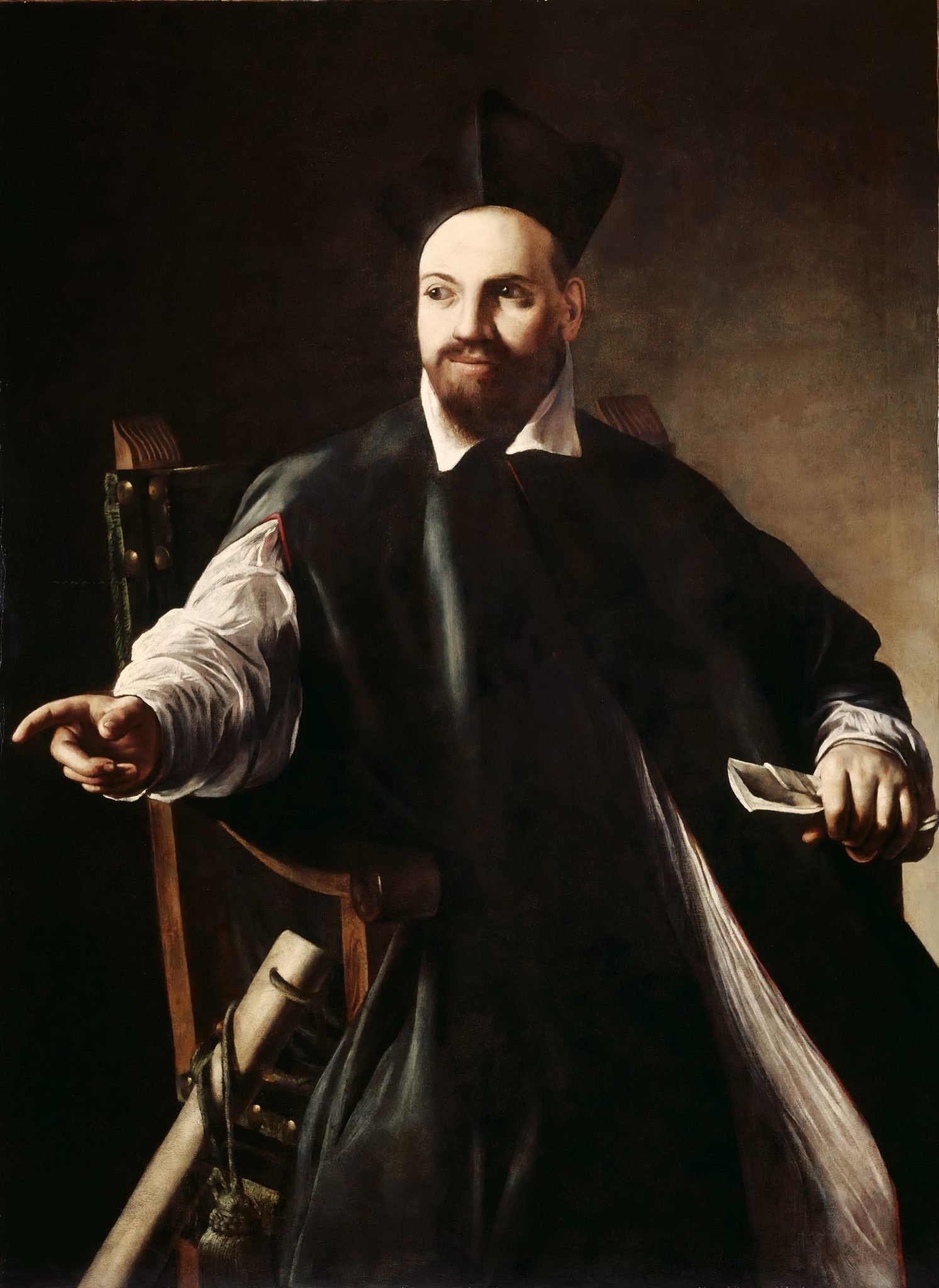
Maffeo Barberini: From Sitter to Pope Urban VIII
Maffeo Barberini’s ascension to the papacy in 1623 as Pope Urban VIII marked a significant chapter in the history of the Catholic Church and the cultural milieu of 17th-century Europe. Known for his extensive patronage of the arts, political maneuvers, and reform efforts, Barberini’s papacy exemplified the intersections of ecclesiastical power, artistic innovation, and historical continuity. His early life, achievements, and legacy shed light on how his tenure influenced both the Catholic Church and the broader European landscape.
Early Life and Path to the Papacy
Born in Florence in 1568 to an influential family, Maffeo Barberini grew up in an environment steeped in Renaissance humanism and Catholic tradition. The Barberini family’s wealth and prominence in Florentine society provided Maffeo with an excellent education, including studies at the prestigious Jesuit Collegio Romano in Rome. His education emphasized theology, classical studies, and diplomacy, which would prove invaluable in his ecclesiastical career.
Barberini’s rise through the ranks of the Catholic Church was marked by a combination of intellectual acumen and strategic alliances. Ordained as a priest in 1601, he was appointed Bishop of Spoleto in 1604, where he implemented significant reforms, including strengthening clerical discipline and enhancing the pastoral care of his diocese. In 1606, he was appointed as the nuncio (ambassador) to the French court, where he cultivated relationships that bolstered his reputation as a skilled diplomat. His return to Rome saw him elevated to cardinal in 1606 by Pope Paul V, and over the next two decades, he positioned himself as a trusted advisor within the Vatican.
The Papacy of Urban VIII
Elected pope in 1623, Maffeo Barberini assumed the name Urban VIII. His papacy, which lasted until 1644, is remembered for its ambitious blend of religious, political, and cultural initiatives. Urban VIII sought to consolidate the power of the papacy, championed Counter-Reformation efforts, and played a critical role in the Thirty Years’ War, where he sought to maintain the Church’s influence amid the shifting alliances of Catholic and Protestant states.
Urban VIII was a notable patron of the arts and a key figure in the Baroque cultural movement. He commissioned works from renowned artists such as Gian Lorenzo Bernini, whose sculptures and architectural projects transformed Rome into a showcase of Baroque magnificence. The construction of St. Peter’s Basilica, the embellishment of the Vatican, and numerous other projects reflected Urban’s vision of the Church as a beacon of spiritual and cultural authority.
However, Urban VIII’s papacy was not without controversy. His nepotistic practices, which heavily favored the Barberini family, drew criticism from within the Church and among European monarchs. Additionally, his handling of the Galileo affair, where the astronomer’s heliocentric views were condemned, remains a contentious aspect of his legacy.
Maffeo Barberini’s transformation from a distinguished cleric to Pope Urban VIII encapsulates the complexities of the early modern papacy. His tenure left an indelible mark on the Catholic Church and the cultural history of Europe. Despite criticisms of nepotism and political missteps, Urban VIII’s patronage of the arts and his efforts to reinforce papal authority helped shape the Baroque era and the Counter-Reformation Church. As both a spiritual leader and a cultural visionary, Barberini’s papacy reflects the intricate interplay of religion, politics, and art during one of history’s most dynamic periods.
Related Articles

Ameri Put Wrangler On Drive And Cut It To Two Denims
First Ameri × Wrangler drop. Jacket ¥30,800. Pants ¥26,400. Blue, black, pink. 29 September. Drive […]