MILAN Design Week 2026: Names Etched Into the City’s Design Effrontery

April 17, 2026
In Milan, the calendar does not simply mark time—it reorganizes it. Twice a year, the city shifts its internal rhythm so completely that it feels less like an event and more like a temporary condition. One belongs to fashion. The other, quieter but no less expansive, belongs to design. During Milan Design Week, the city does not just host exhibitions; it becomes one.
What defines this transformation is not scale alone, though scale is undeniable. It is the way disciplines begin to dissolve into one another. Streets become corridors. Courtyards become stages. Retail spaces become conceptual environments. The distance between a garment and a piece of furniture, between an installation and a lived experience, narrows until it becomes almost irrelevant.
This year, that convergence reached a new level of clarity. The names involved were not simply participating—they were reshaping the structure of what participation means.
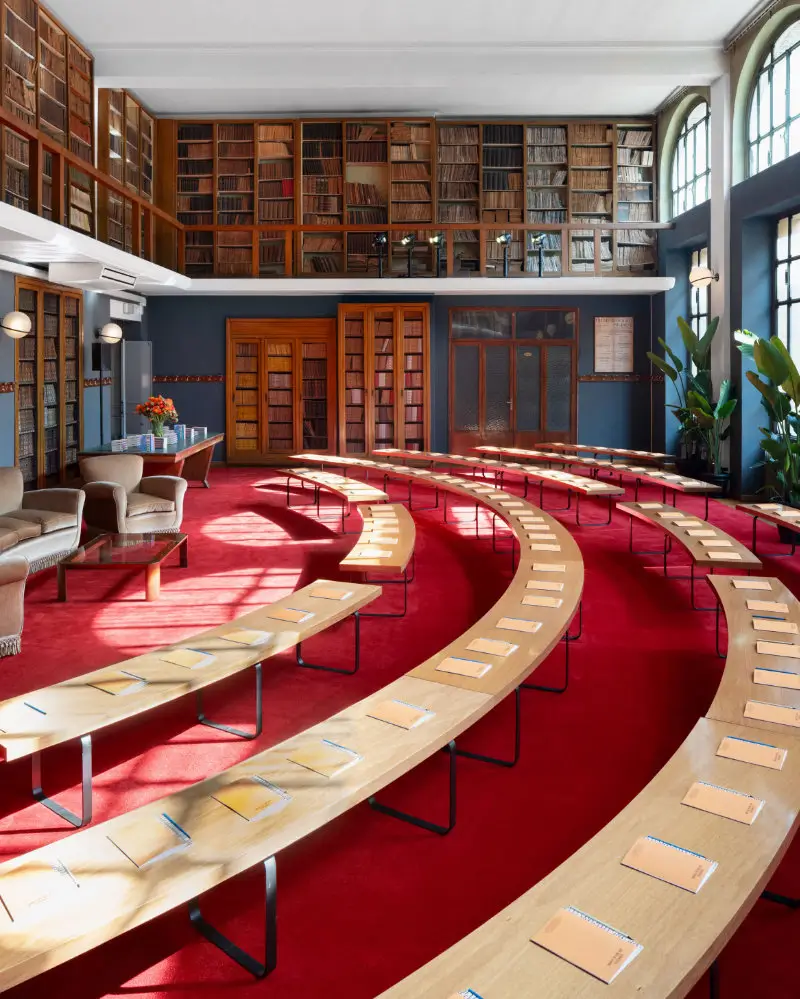
With Prada, the shift away from object-based presentation has been gradual, but now it feels complete. Prada Frames, curated by Formafantasma, no longer operates within the expected logic of design exhibitions. It does not show products. It does not sell an image. It constructs a space for thought.
Under the title In Sight, the symposium approached the image not as a visual artifact but as a system—constructed, circulated, manipulated. In a digital environment where the distinction between real and artificial continues to blur, the project resisted clarity. It asked questions without resolving them. It suspended certainty.
Set within Santa Maria delle Grazie, the context introduced friction. Renaissance architecture meeting contemporary uncertainty. Permanence meeting instability. The result was not harmony but tension—productive, deliberate, unresolved.
Prada’s contribution was not visual dominance. It was intellectual density.
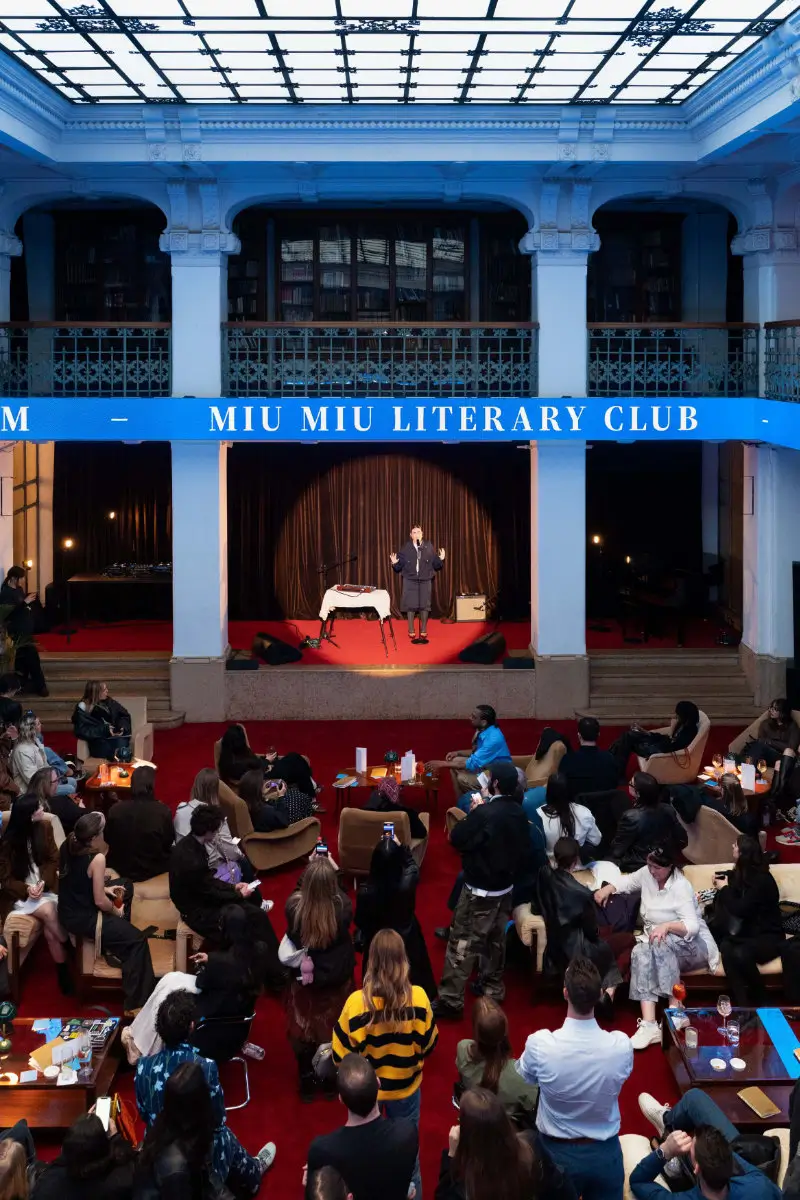
If Prada operates through restraint, Miu Miu moves through accumulation. Its Literary Club, Politics of Desire, extended beyond the idea of an event into something closer to an evolving environment.
Anchored by texts from Annie Ernaux and Ama Ata Aidoo, the programme unfolded across readings, discussions, and performances. But what mattered was not the structure itself—it was the permeability of it. Visitors did not move through a fixed sequence. They entered and exited conversations already in motion.
Desire, framed not as emotion but as construct, became the central thread. Identity, agency, and narrative were treated as interdependent systems. The space held contradiction without forcing resolution.
The effect was social as much as intellectual. It became a point of convergence within the city’s broader movement—a place where fashion’s surface intersected with literature’s depth.
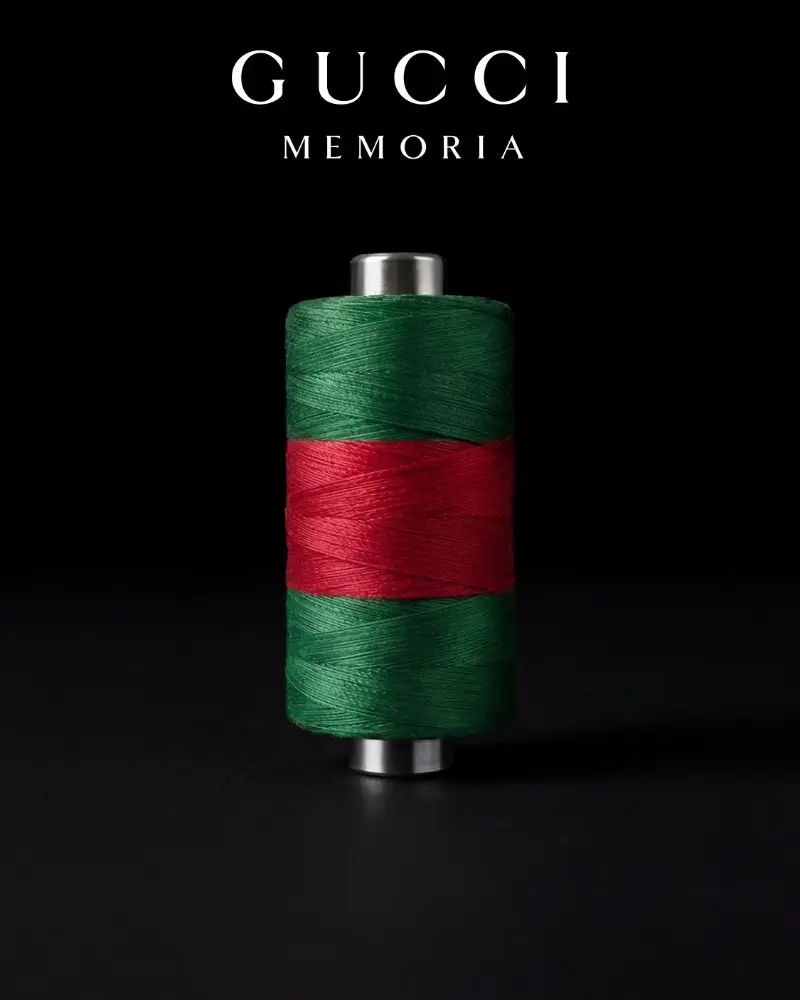
With Gucci, expectation has always been part of the experience. Under the direction of Demna, that expectation has shifted toward something less predictable.
Gucci Memoria did not present the archive as history. It presented it as material.
Installed within the Chiostri di San Simpliciano, the exhibition unfolded without a clear linear narrative. Eras overlapped. References collided. Identity emerged not through chronology but through accumulation.
Memory, here, was unstable. Not something to preserve, but something to reassemble. The archive became active—less a record than a process.
This approach reflects a broader movement within fashion: the rejection of fixed heritage in favour of continuous reinterpretation.
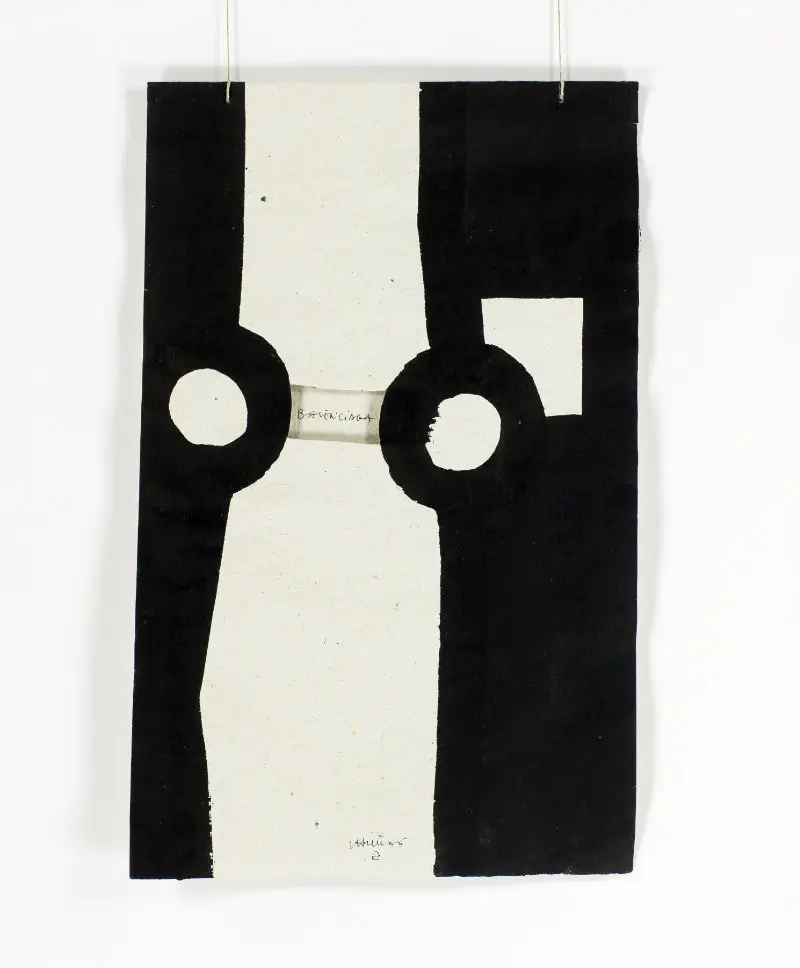
The presence of Balenciaga marked a quiet but significant transition. Under Pierpaolo Piccioli, the brand’s Milan return did not rely on spectacle.
Instead, Artean – Eduardo Chillida introduced a dialogue between sculpture and fashion within the Via Montenapoleone flagship. The term “Artean,” meaning “between,” defined the project’s logic.
Works by Eduardo Chillida were not isolated. They were integrated—placed among garments, dissolving the boundary between retail and exhibition.
This was not collaboration. It was coexistence.
The store itself became a spatial argument: that fashion does not sit alongside art but exists within the same conceptual field.
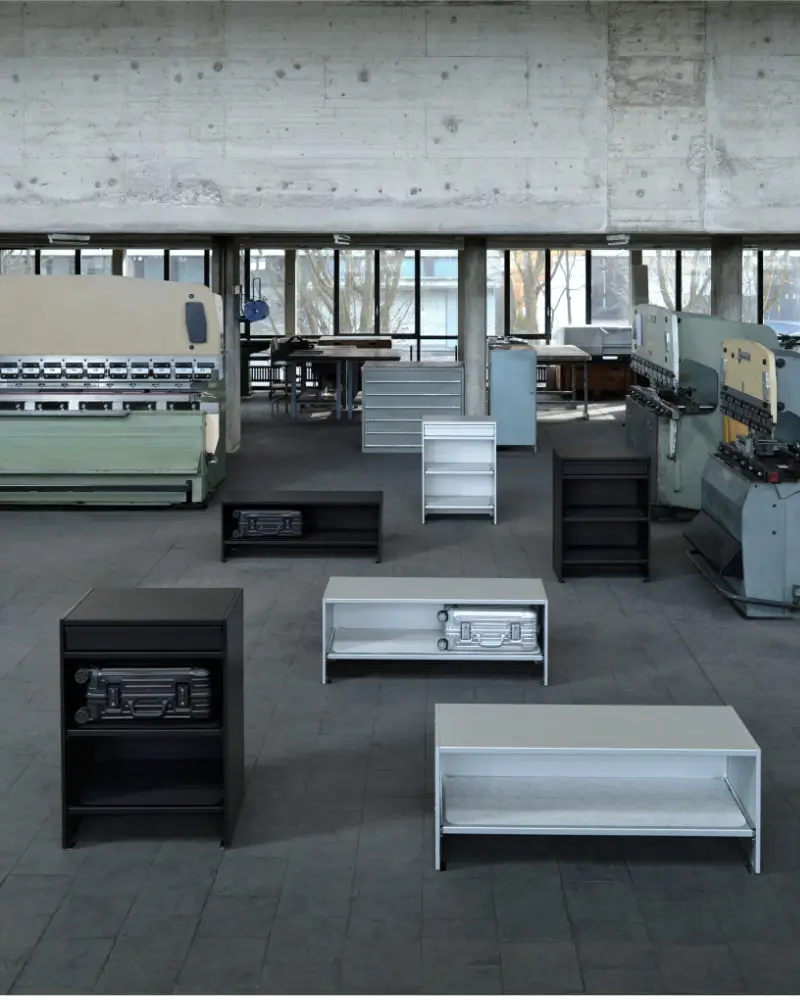
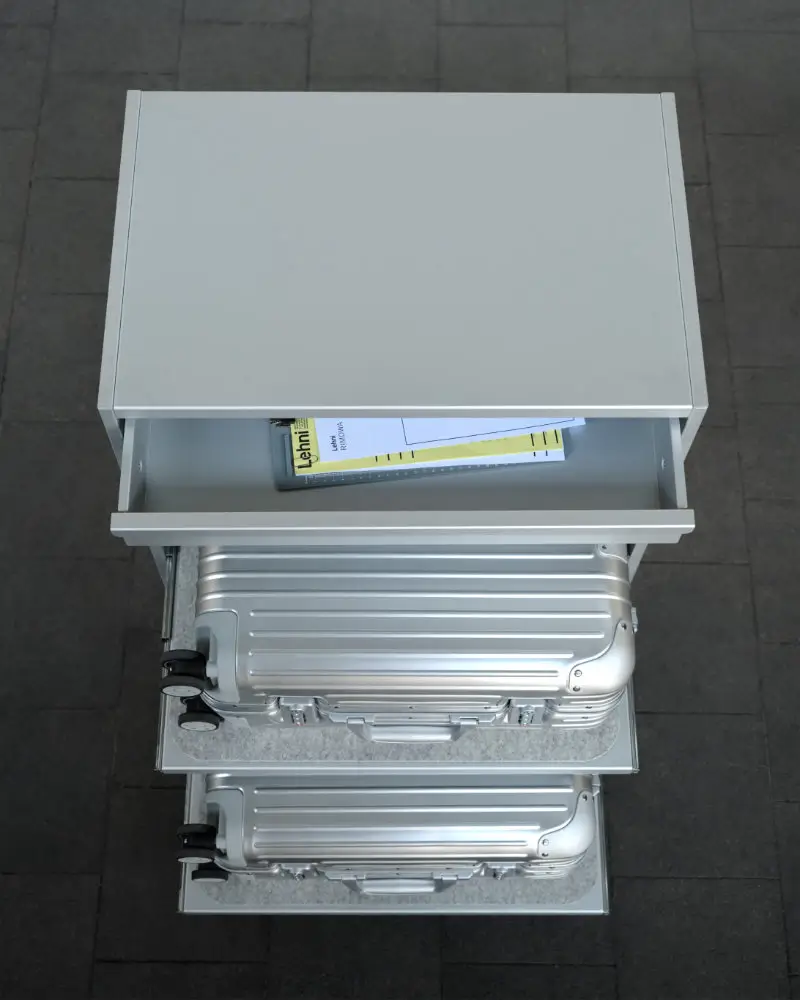
For Rimowa, the move was not conceptual but spatial. In collaboration with Lehni, the brand translated its identity into furniture.
The Bench and Drawer—constructed from anodised aluminium—extended the logic of travel into the home. Suitcases became architectural elements. Storage became structure.
What stands out is not the design itself, but the shift in context. Travel, traditionally associated with movement, was reframed as permanence. The transient became fixed.
At the same time, the opening of a new Milan store reinforced this transition. Retail expanded into experience. Customisation became interaction.
Rimowa’s world no longer begins and ends at the airport.
Under Renzo Rosso, Diesel understands view. Its presence during Design Week was expected, but its execution remained distinct.
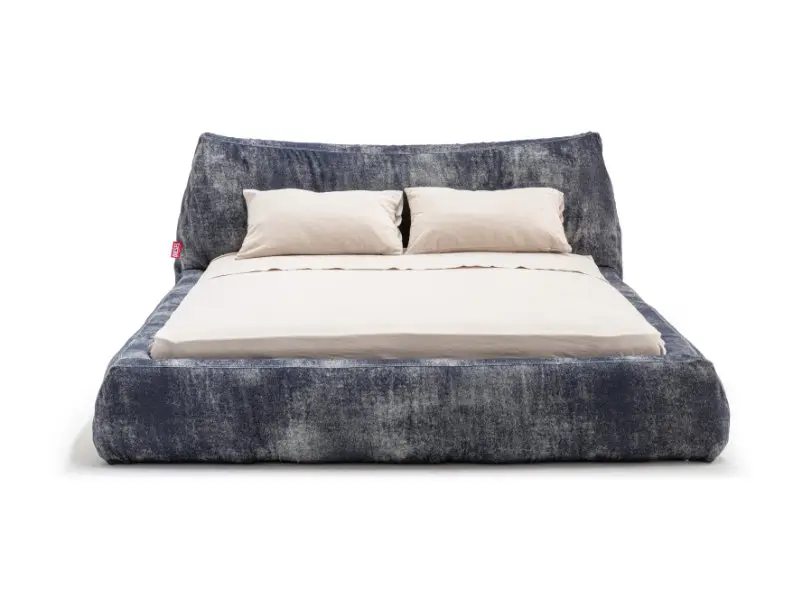
Through Diesel Living with Moroso, the brand introduced The Baggy Collection—a furniture system defined by softness, volume, and tactility.
The translation of denim into upholstery was not literal. It was atmospheric. Texture became identity. Comfort became structure.
Creative direction by Glenn Martens ensured continuity with the brand’s fashion language, but the result avoided novelty. It felt resolved.
Furniture did not imitate clothing. It absorbed its logic.
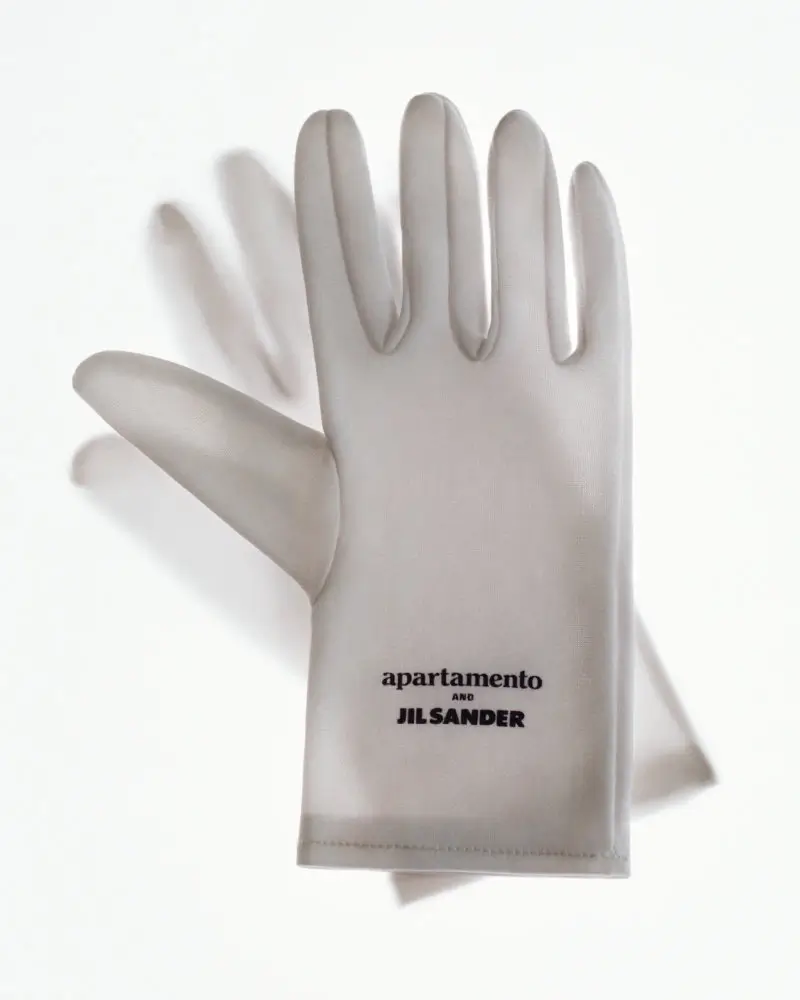
In contrast, Jil Sander offered almost nothing.
A temporary library, developed with Apartamento, presented sixty books selected by various creatives. No spectacle. No intervention. Just space.
The project’s power lay in its refusal. In a week defined by noise, it created silence.
Reading, often treated as passive, became active again. Time slowed. Attention returned.
It is a reminder that design does not always require addition. Sometimes, it requires removal.
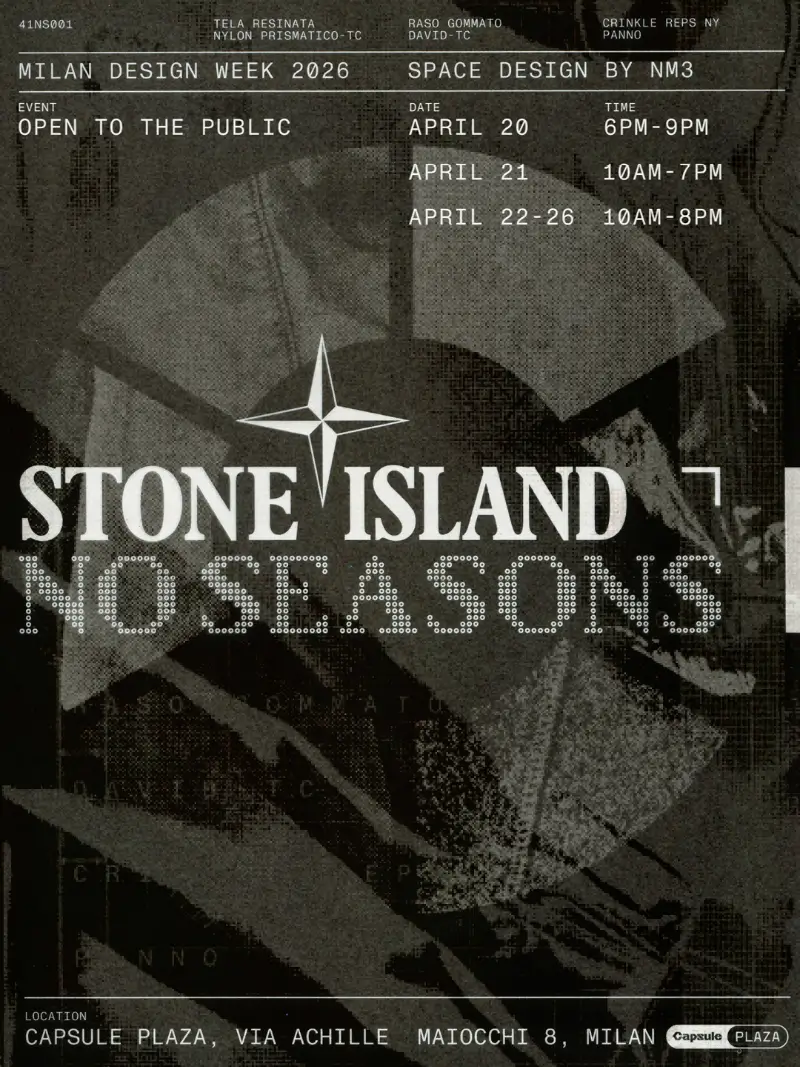
For Stone Island, the focus remained on evolution. The NO SEASONS installation, developed with NM3, revisited concepts introduced by Massimo Osti in 1989.
The idea is simple: clothing that exists outside traditional cycles. Not seasonal, but continuous.
The installation reflected this philosophy. It was not static. It unfolded over time, incorporating events and performances that extended its lifespan.
Material innovation remained central, but it was framed within a broader narrative of permanence and change.
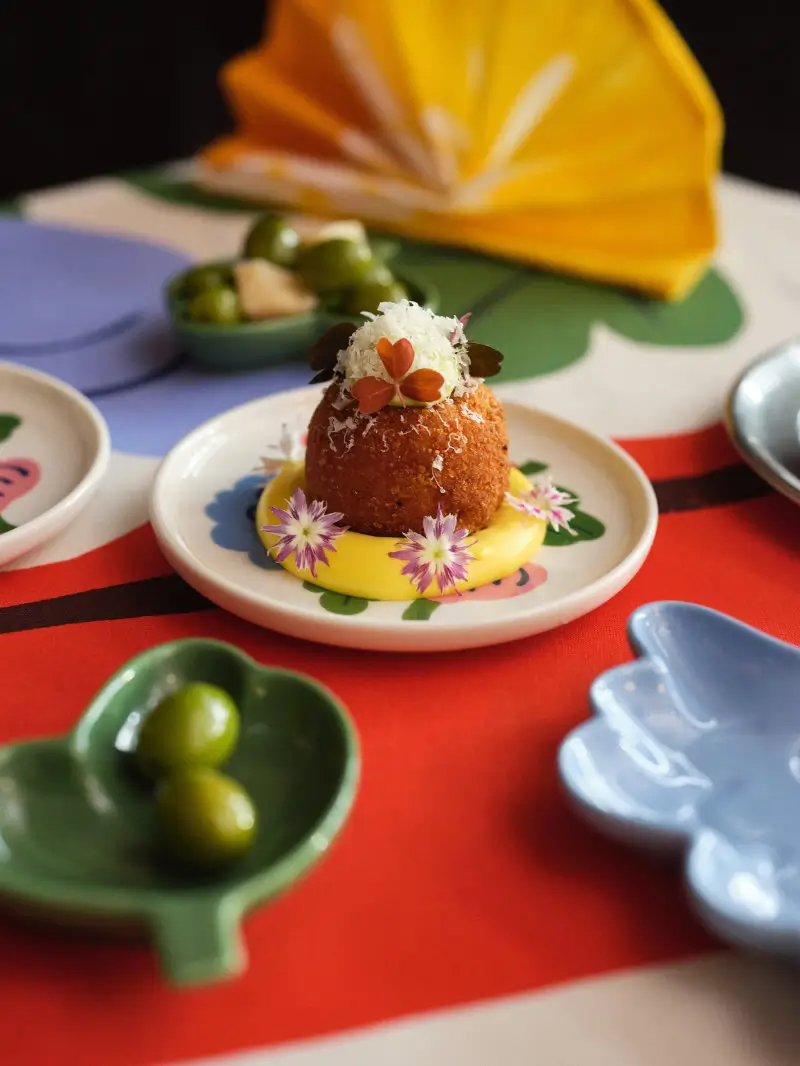
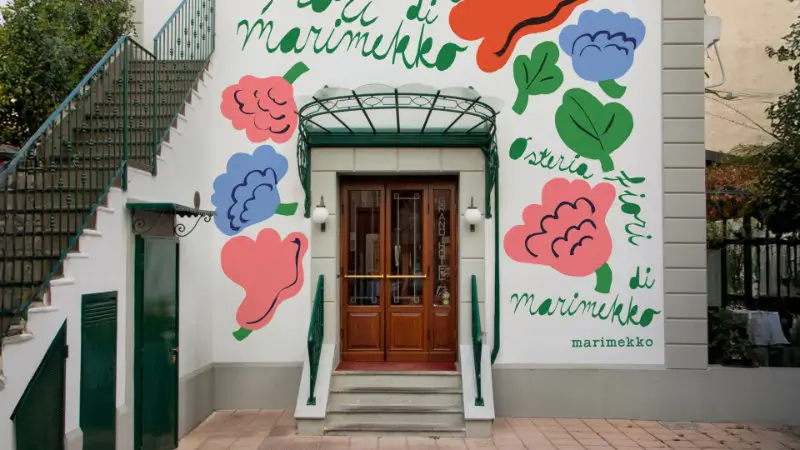
With Marimekko, the approach was immersive. Osteria Fiori di Marimekko blended design with gastronomy, creating a space that functioned as both installation and social environment.
The floral motif—central to the brand since the 1960s—was reinterpreted not as decoration but as system. Patterns extended into objects, into space, into experience.
Dining became design. Design became ritual.
The boundary between exhibition and everyday life disappeared.
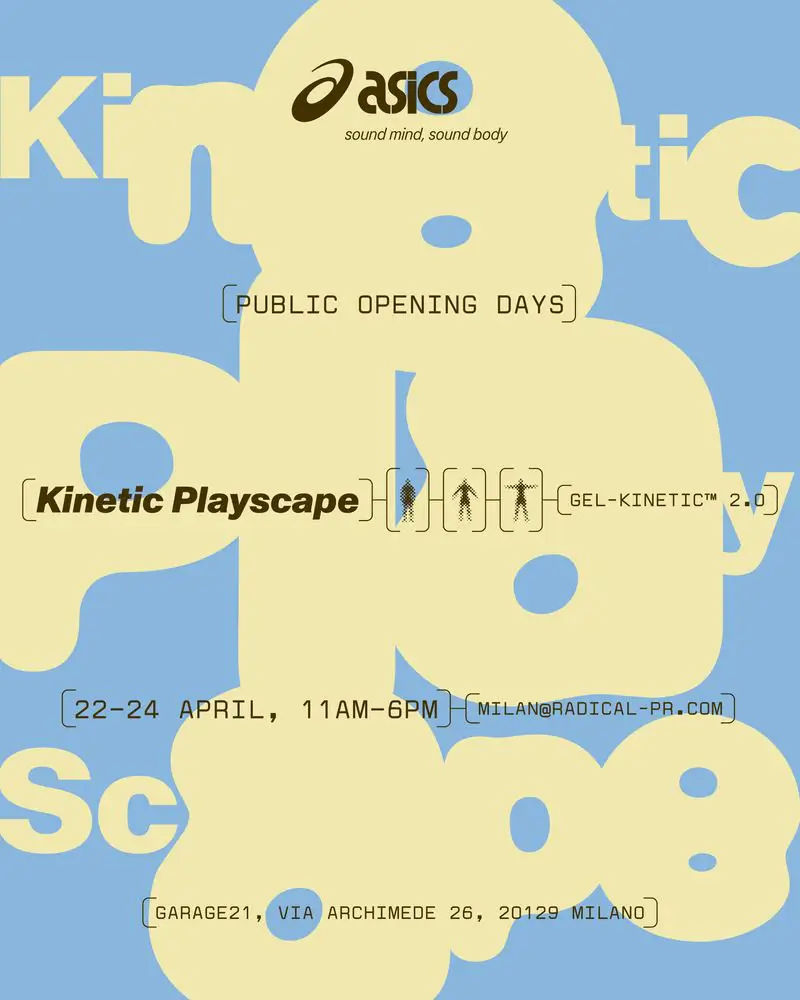
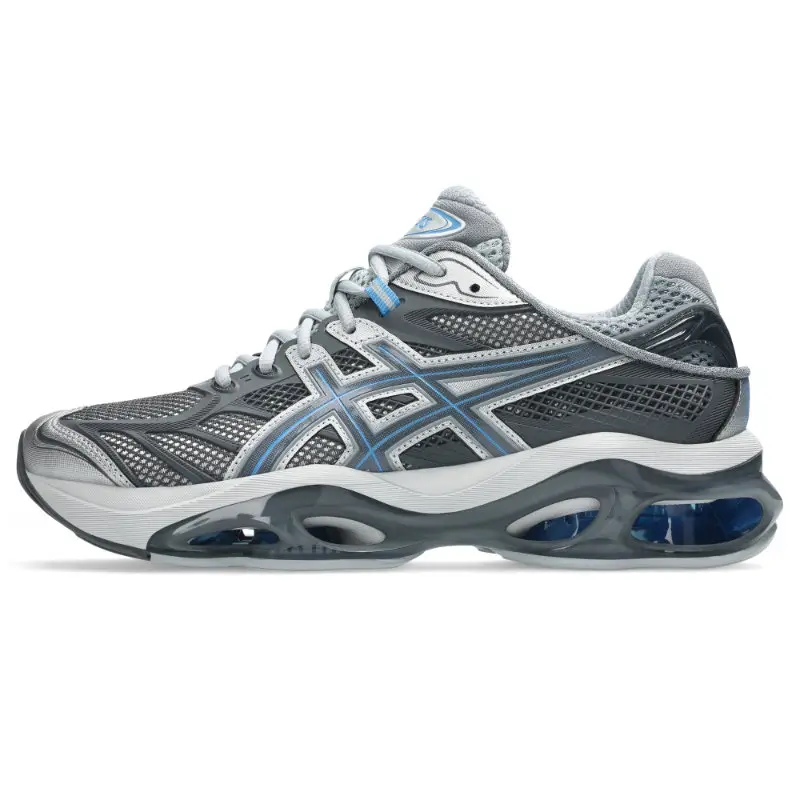
The inclusion of ASICS signalled a broader shift within Design Week. Performance, once peripheral, is now central.
Kinetic Playscape transformed movement into design language. Visitors navigated a multi-sensory environment where physical motion triggered perceptual change.
At the centre was the GEL-KINETIC 2.0, but the product itself was secondary. What mattered was the experience.
Movement was no longer output. It was input.
The installation suggested a future where design responds to the body in real time.
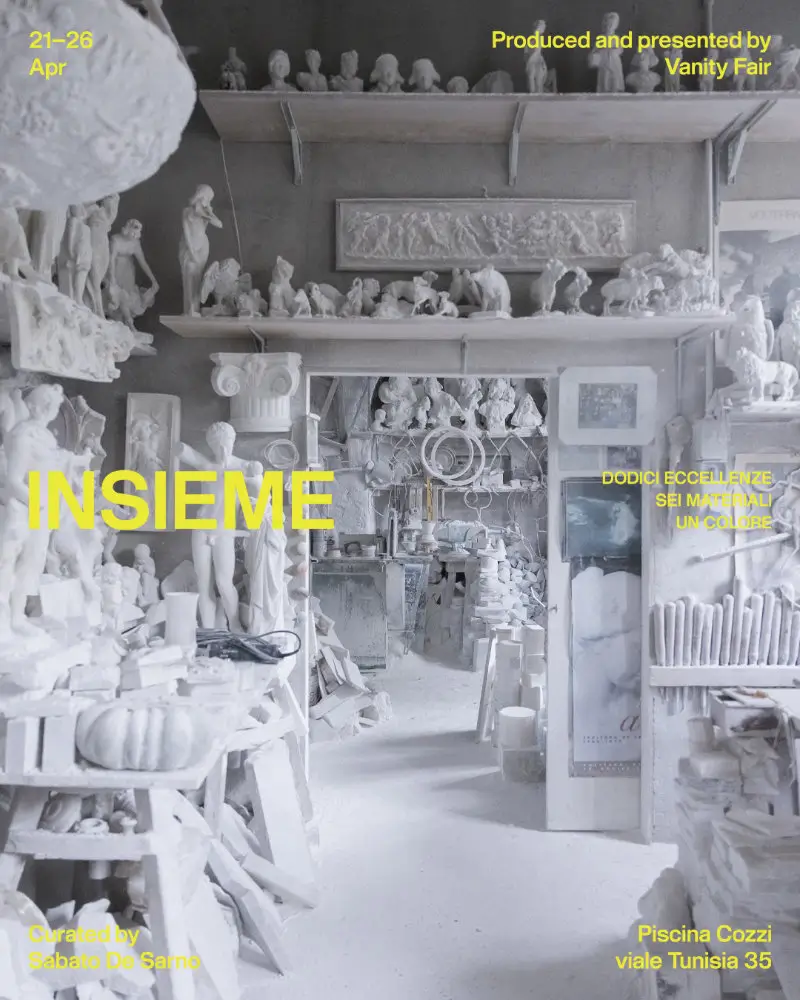
Curated by Sabato De Sarno, INSIEME shifted focus from objects to people.
Twelve Italian artisanal houses were presented not through finished products, but through process. Materials—glass, wood, metal—became narratives.
Set within Piscina Cozzi, the exhibition encouraged duration. It required time.
A façade intervention by JR extended the project into the city, making visible what is usually hidden: the hands behind the work.
In a week driven by innovation, INSIEME insisted on continuity.
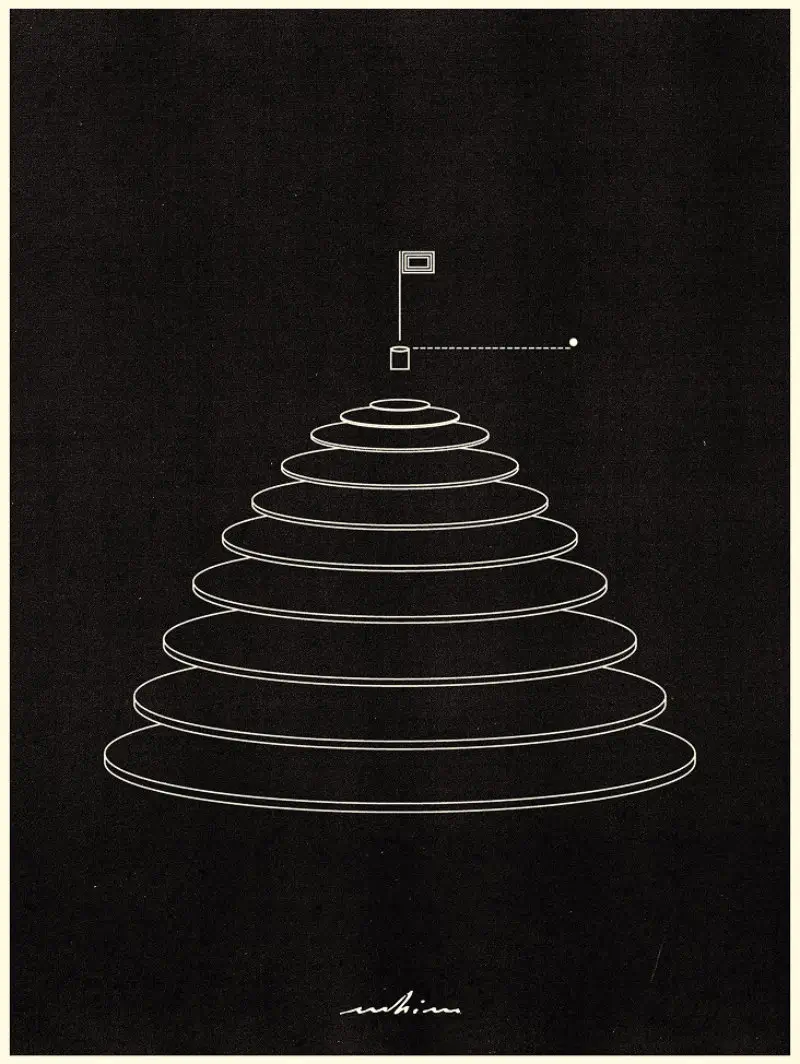
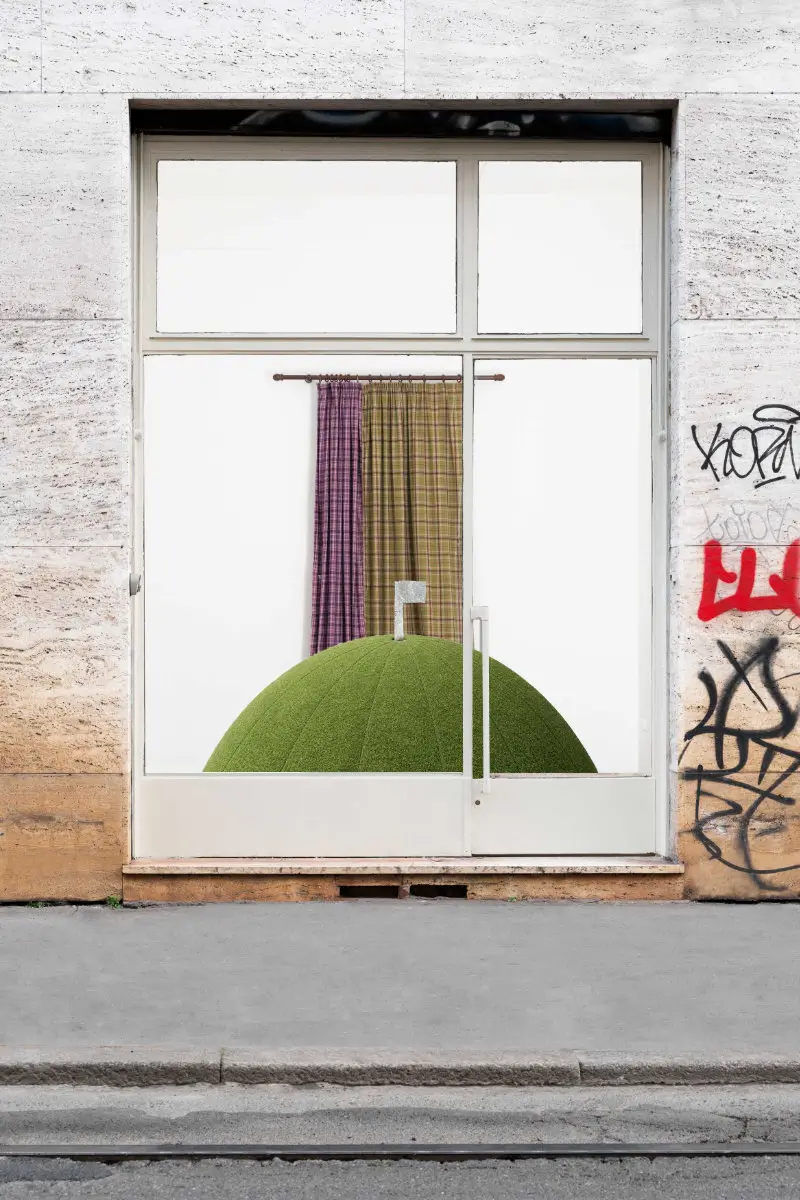
Whim introduced La Cupola—a hemispherical putting green that could not be used.
Founded by Will Gisel and Colin Heaberg, the studio has built its identity around participation. Here, it removed it.
The surface, familiar yet inaccessible, forced a different kind of engagement. Not action, but observation.
The dome—an architectural symbol of enclosure—was inverted. Brought down to eye level. Made solid.
The result was psychological rather than physical. A study in perception, limitation, and control.
fin
What emerges from Milan Design Week 2026 is not a collection of projects, but a shift in structure.
Fashion no longer presents itself as separate from design. Design no longer isolates itself from art. Retail, installation, performance, and theory operate within the same field.
The city becomes continuous.
Each project, in its own way, contributes to this condition. Some through addition. Others through subtraction. Some through movement. Others through stillness.
Together, they suggest a future where disciplines are no longer defined by boundaries, but by relationships.
And Milan, for one week, becomes the place where those relationships are made visible.
Related Articles

France Just Banned Social Media for Kids Under 15, and the Fight Over Anonymity Is Only Getting Started
France becomes the first EU nation to bar under 15s from social platforms, and critics […]