Motion Studies by Goldwin Vol.2 Turns Kyoto Into a Living Laboratory of Movement
DRIFT AUDIO
Listen to this story
Choose a voice, then press play.
In the serene yet vibrant streets of Kyoto, where ancient temples meet modern sensibilities, Goldwin hosted a compelling extension of its ongoing exploration into movement, body, and garment performance. Motion Studies by Goldwin vol.2, subtitled “An Experiment in Physical Awareness,” transformed the Goldwin Kyoto flagship store into a living laboratory of human motion from April 29 to May 10, 2026. This 12-day exhibition and accompanying running event built directly on a winter connection, turning raw documentation of a cold January run into an immersive public experience.
Goldwin, the Japanese performance apparel label rooted in technical outdoor and athletic innovation, has increasingly positioned clothing not simply as functional protection but as an extension of bodily awareness itself. Through the Motion Studies initiative, the brand proposes that garments are not passive shells but responsive systems that record movement, perspiration, posture, fatigue, rhythm, and emotional transformation. Rather than focusing purely on athletic output or competitive metrics, the project shifts attention toward subtle physical and psychological changes that occur before, during, and after movement. Vol.2 in Kyoto expanded this know into something communal, architectural, and experiential.
stir
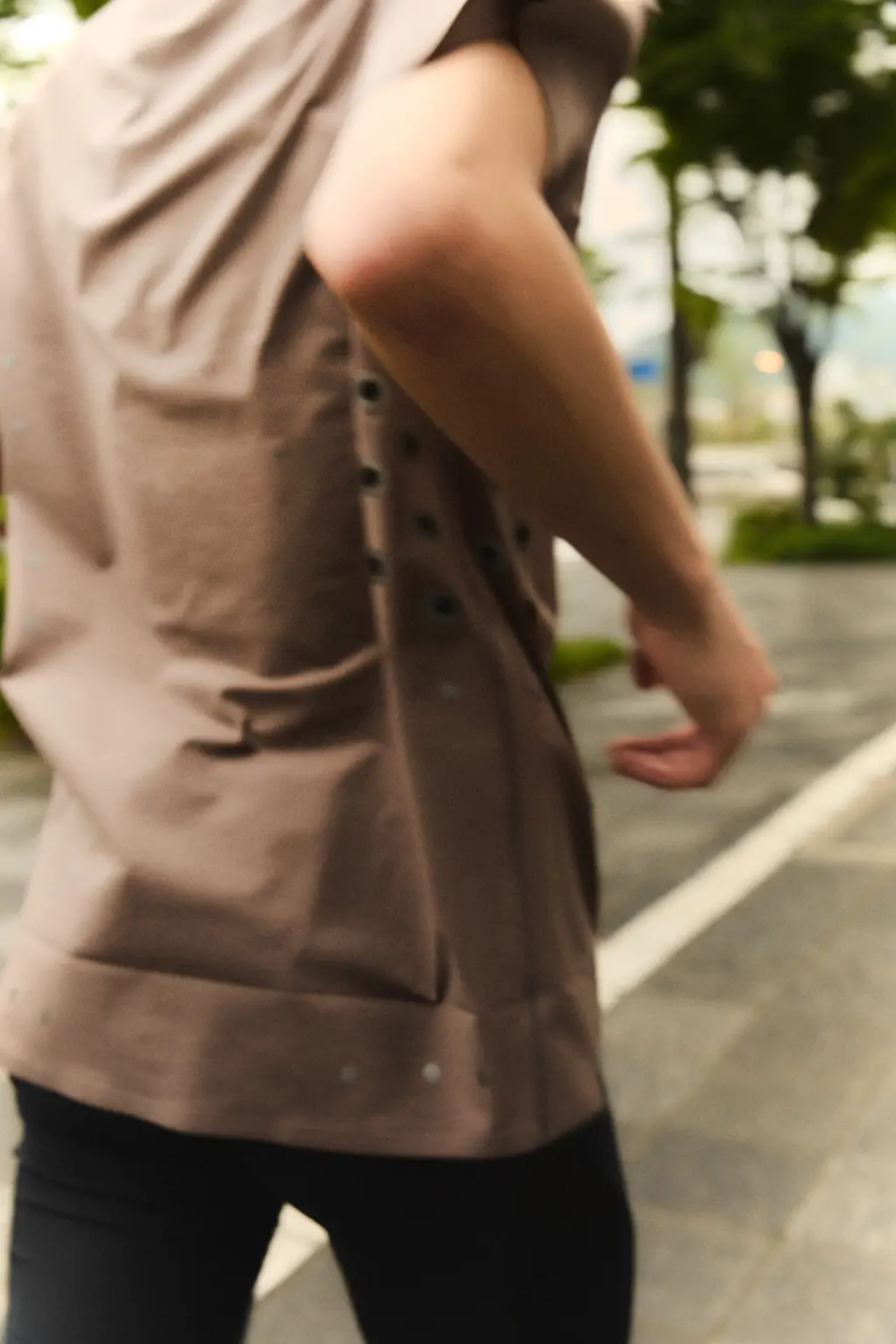
The conceptual foundation for the Kyoto exhibition was established in January 2026 around Goldwin Marunouchi in Tokyo. Participants were divided into 5km and 10km running groups during a cold winter session designed less as a race and more as an observational study. Before the run began, each participant was photographed in pristine Goldwin apparel. Afterwards, the same individuals returned transformed by exertion — flushed skin, altered posture, damp fabrics, and clothing reshaped by movement and sweat.
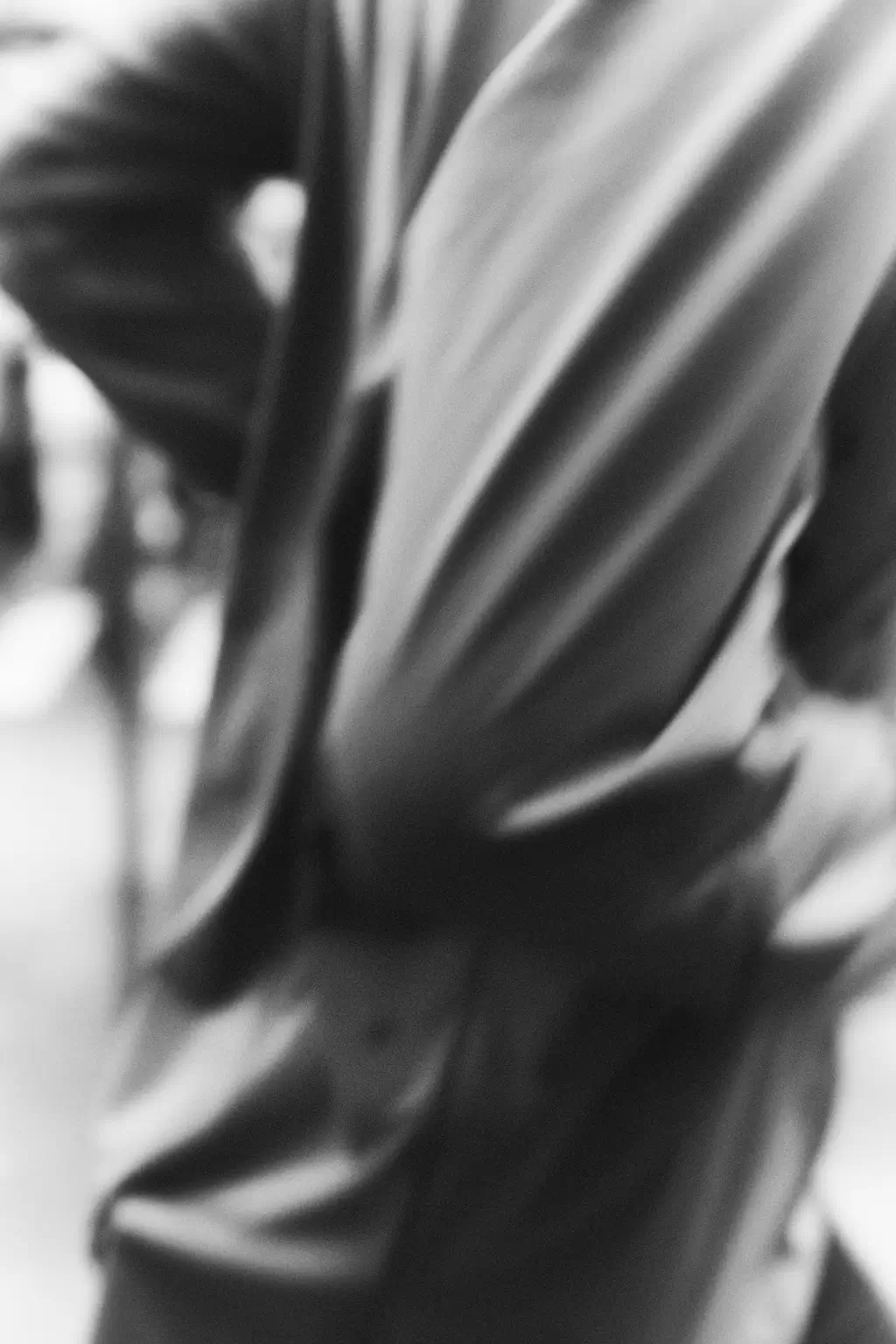
The emphasis was not placed on split times or distance achievements, but on bodily awareness and environmental interaction. How does the body change through motion? How do technical fabrics adapt under stress? How do garments drape differently once activated by movement? The resulting diptych-style imagery documented those transformations with striking intimacy, revealing details runners often overlook during routine exercise. Those before-and-after photographs became the view core of the Kyoto installation, displayed at large scale alongside garments, notes, and looping video documentation.
Importantly, the project aligned directly with Goldwin’s broader design language, especially the ethos behind Goldwin 0, the brand’s experimental line emphasizing “Visibility and Sensibility.” In this framework, function is not hidden behind marketing jargon or technological abstraction; it becomes physically perceptible through wear, motion, and lived experience. Motion Studies effectively tests that philosophy in real time.
experiment
The choice of Kyoto for Vol.2 carried significant conceptual weight. Opened in May 2025 as Goldwin’s first Kansai flagship, the Kyoto store at 460 Sakai-cho in Nakagyo-ku was already designed around ideas of balance, quietness, and harmony between technology and nature. The interior’s restrained palette of wood, soft lighting, and minimal architectural intervention mirrored the brand’s evolving identity: technical yet calm, performance-oriented yet contemplative.
During the exhibition period, the retail environment shifted into a hybridized public space functioning simultaneously as store, gallery, archive, and social gathering point. Enlarged running photographs hung alongside mannequins dressed in motion-ready apparel, while QR-linked participant reflections and moving-image documentation encouraged visitors to engage with movement as an emotional and sensory experience rather than a transactional activity. The store effectively became an extension of the body itself — responsive, immersive, and in flux.
Kyoto amplified the concept naturally. Unlike hyper-commercial urban environments built around speed and efficiency, Kyoto encourages attentiveness. The city’s narrow alleys, preserved machiya houses, flowing river paths, and layered historical atmosphere invite slower perception. In that sense, the city became an active connector in the experiment.
aware
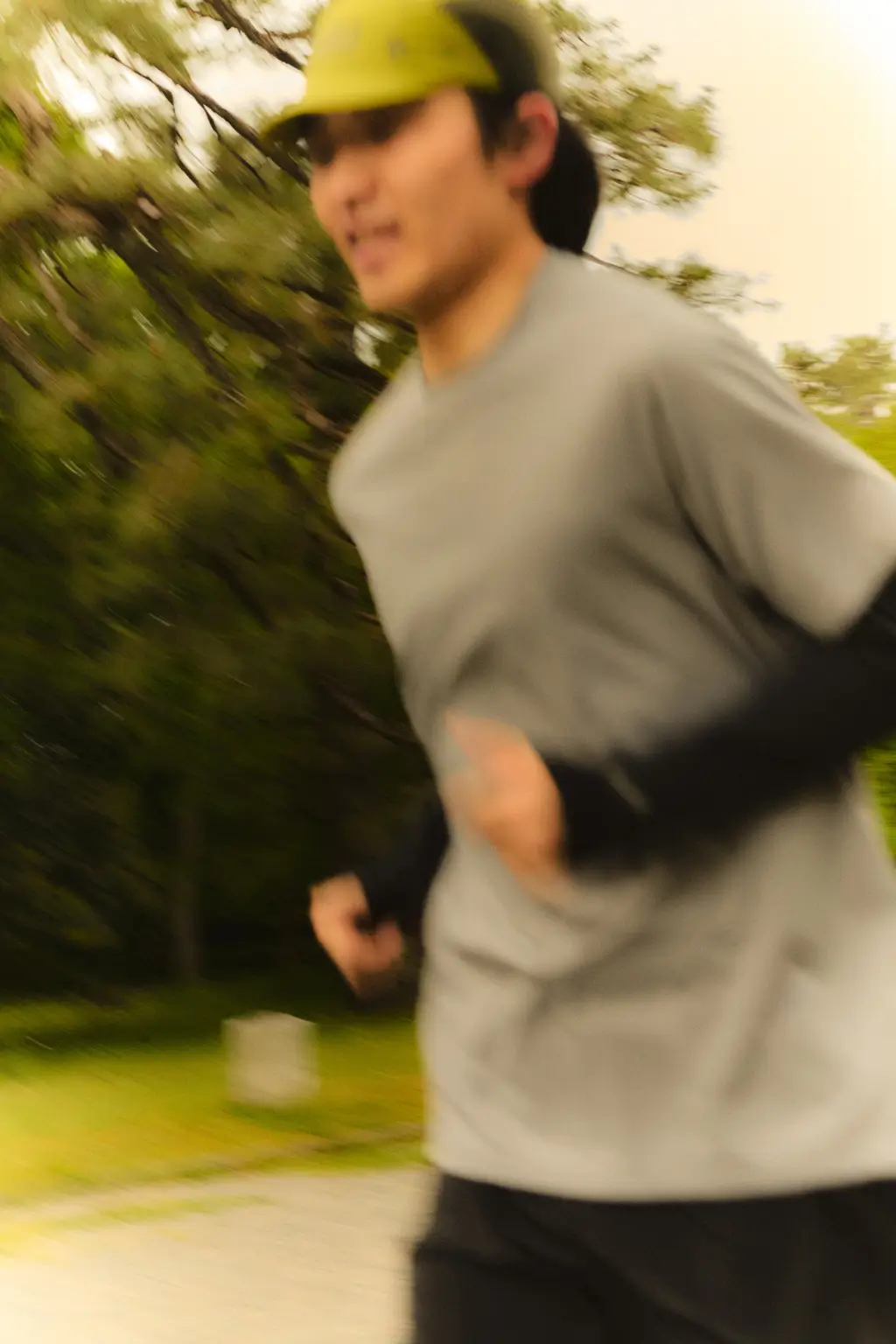
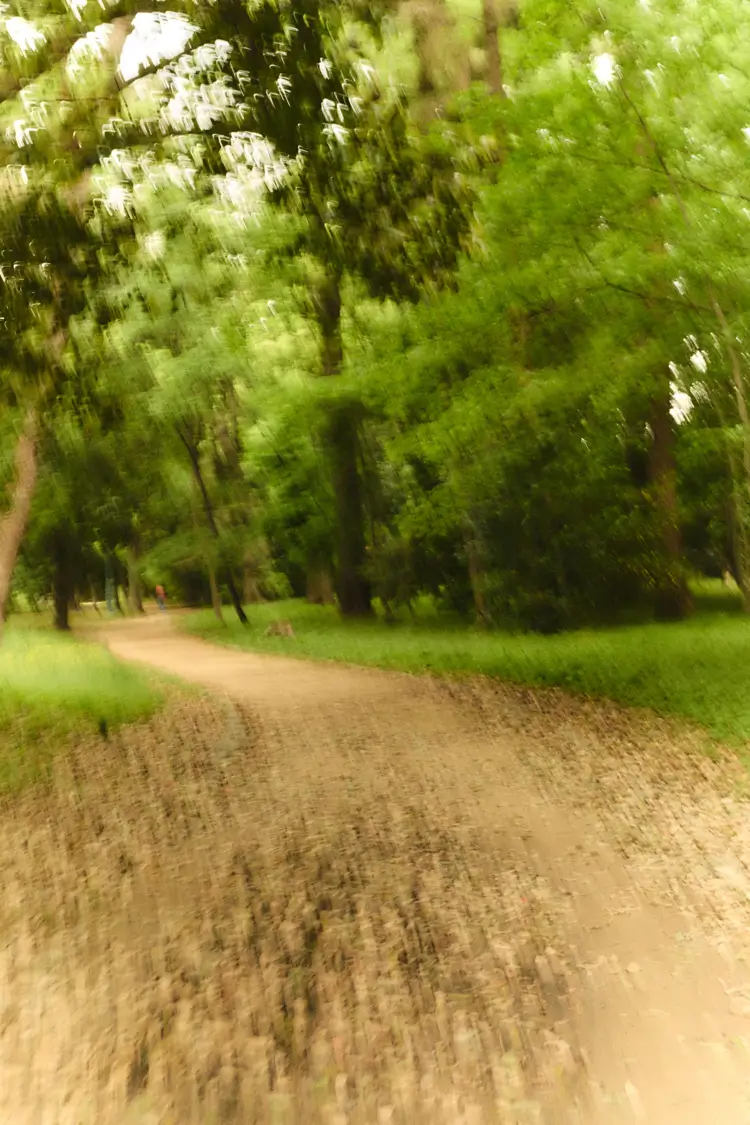
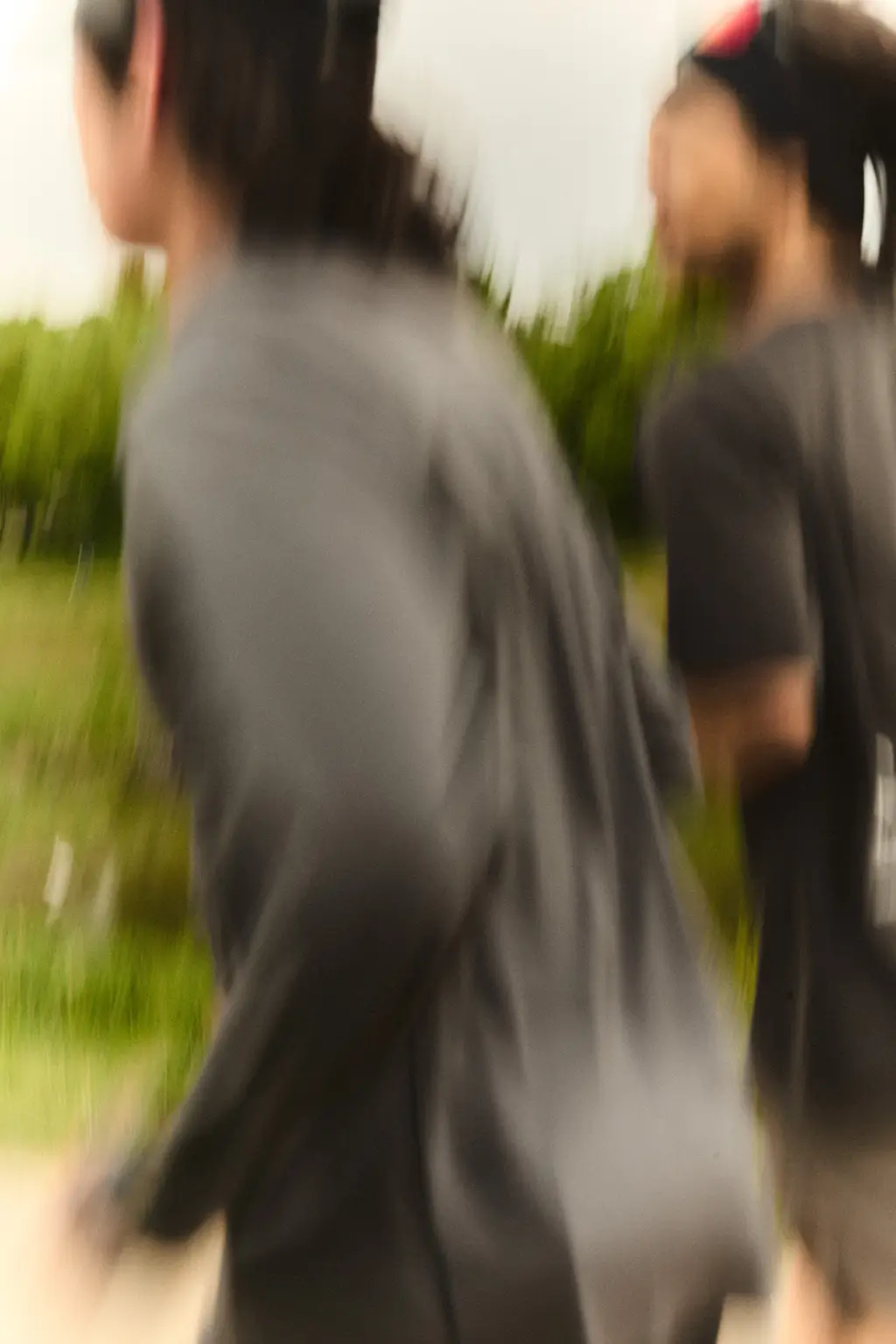
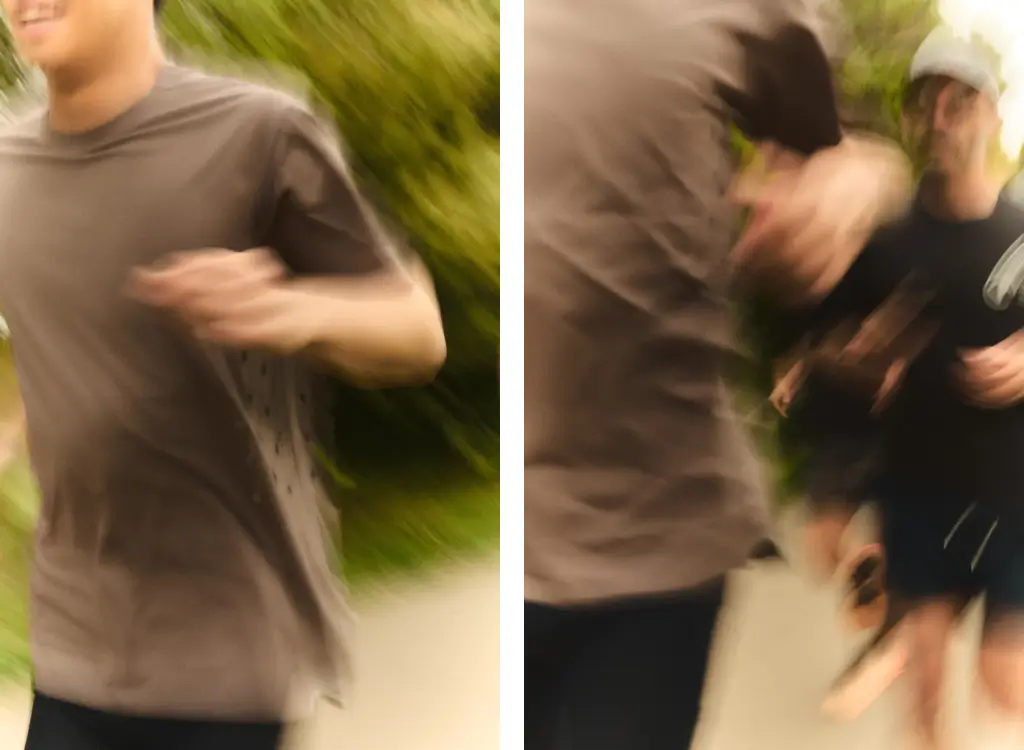
To accompany the exhibition, Goldwin organized guided runs of approximately 7km weaving through some of Kyoto’s most iconic landscapes, including the Kamo River, the Kyoto Imperial Palace, and surrounding residential neighborhoods. These runs were intentionally non-competitive. Participants were encouraged to treat movement as observation — an opportunity to notice breath, terrain, temperature shifts, posture, and surroundings.
The route itself was carefully chosen for its atmospheric transitions. Along the Kamo River, runners experienced open tree-lined pathways and expansive skies reflecting off the water. Near the Kyoto Imperial Palace, gravel paths and historic gardens introduced a slower, almost meditative cadence. Residential sections added another sensory layer: the scent of incense straying from temples, the sound of geta echoing across stone pathways, and tiled rooftops cutting against spring light.
Participants described the experience as something beyond routine exercise. One attendee remarked that the scenery and mixture of personalities — locals, visitors, experienced runners, and newcomers — altered the emotional texture of running itself. The act became communal rather than solitary, reflective rather than optimized.
After completing the route, many participants returned to the flagship for the same before-and-after ritual established during the Tokyo sessions. New photographs were added to the exhibition wall throughout the 12-day period, creating an evolving view archive of physical transformation. Sweat stains, dust from the palace paths, loosened fabrics, and changed body language became forms of documentation.
move
One of the most compelling aspects of Motion Studies vol.2 is its quiet resistance to contemporary performance culture. In an era dominated by biometric trackers, social fitness platforms, optimization routines, and algorithmic self-monitoring, Goldwin redirects attention away from numerical achievement and toward qualitative sensation. The project asks runners to consider how movement feels rather than how efficiently it can be measured.
This shift reflects broader culture anxieties surrounding overstimulation, digital fatigue, and disconnection from physical experience. Goldwin 0’s broader research into future human-nature relationships becomes especially relevant here. Motion Studies frames running not merely as sport, but as a meditative act linking body, clothing, environment, and consciousness.
Kyoto intensifies those themes because the city itself encourages attentiveness. Participants reportedly became more conscious of ambient sound, changing light conditions, architectural rhythm, and even the sensation of fabric responding to climate changes between shaded alleyways and sunlit riverbanks. The city transformed running into a multisensory exercise in presence.
shh
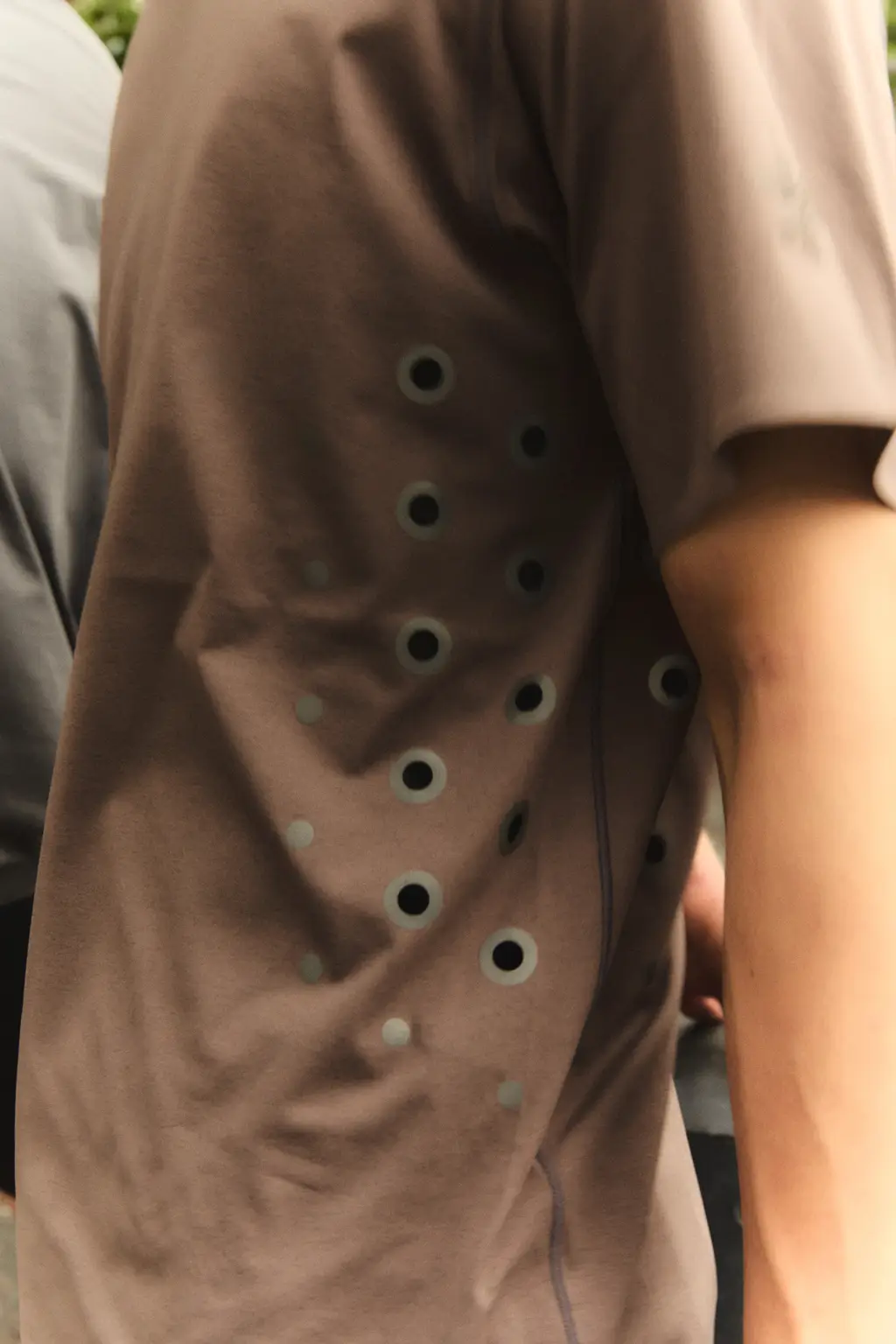
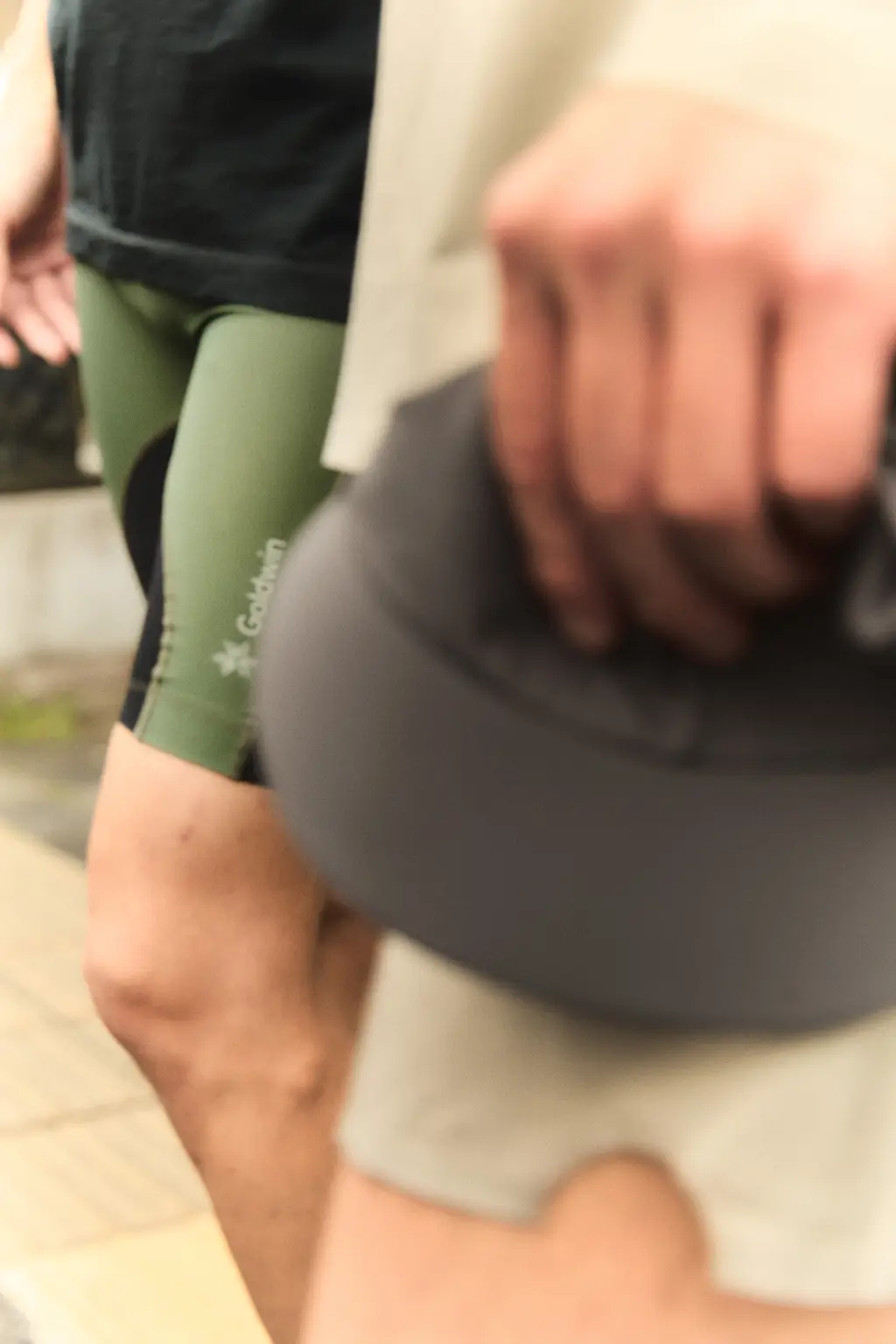
The garments themselves remained central to the experiment, though never in an overtly commercial way. Participants wore pieces engineered for transitional conditions: moisture-wicking base layers, breathable jackets, flexible shorts, and ergonomically patterned apparel designed to move naturally with the body. Goldwin’s technical expertise — informed by decades in mountaineering, skiing, and outdoor performance — emerged through subtle details rather than aggressive branding.
The exhibition’s side-by-side imagery highlighted how fabrics maintained structure, recovered shape, and managed perspiration under repeated wear. Yet the most important achievement was almost invisible: the clothing enabled runners to forget about the garments entirely and focus instead on movement, environment, and awareness. Reliability became the true luxury.
commune
Over the course of the exhibition, Motion Studies vol.2 attracted a remarkably broad demographic — seasoned runners, casual joggers, Kyoto locals, design enthusiasts, and international visitors. Group runs, opening-day gatherings, and spontaneous conversations transformed the store into a social environment centered around movement culture rather than pure retail consumption.
This communal aspect hints at the future potential of the Motion Studies framework. Rather than remaining limited to running, the concept could easily evolve into explorations of cycling, hiking, yoga, or other forms of mindful movement. What Goldwin is ultimately building is less a campaign than a philosophy — one where clothing exists as an active participant in lived experience.
ingenuous
In 2026, projects like Motion Studies by Goldwin vol.2 resonate because they offer something increasingly rare: reconnection. Urban stress, climate anxiety, algorithmic overstimulation, and digital exhaustion have intensified the desire for tactile, embodied experiences. Goldwin’s Kyoto experiment responds not with spectacle, but with subtlety.
The exhibition’s photographs humanized show apparel by focusing on vulnerability, transformation, and presence rather than idealized athletic perfection. Runners appeared tired, reflective, energized, altered. Their clothing became evidence of lived experience rather than aspirational imagery.
As the exhibition concluded on May 10, participants left with something more enduring than documentation or technical garments. They departed with heightened awareness — of breath, movement, clothing, architecture, environment, and community. Motion Studies vol.2 succeeded precisely because it refused to reduce running to data. Instead, it reframed movement as a way of noticing life more deeply.
The Kamo River continues to flow through Kyoto. The Imperial Palace gardens continue to shift with the seasons. And somewhere within those evolving landscapes, runners continue retracing the routes mapped by Goldwin’s experiment — reminded to notice not only the distance traveled, but the subtle transformations happening within themselves along the way.
Related Articles

WACKO MARIA Brings Its Leopard Lining to the Big Leagues
Black nylon outside, leopard fur inside: WACKO MARIA’s first Major League Baseball collection reached Japan […]