DRIFT AUDIO
Listen to this story
Choose a voice, then press play.
Nike Sportswear has officially unveiled the inaugural cohort for its new Air Works research, development, and design initiative, a program dedicated to reshaping the future of the Air Max franchise through emerging global creatives.
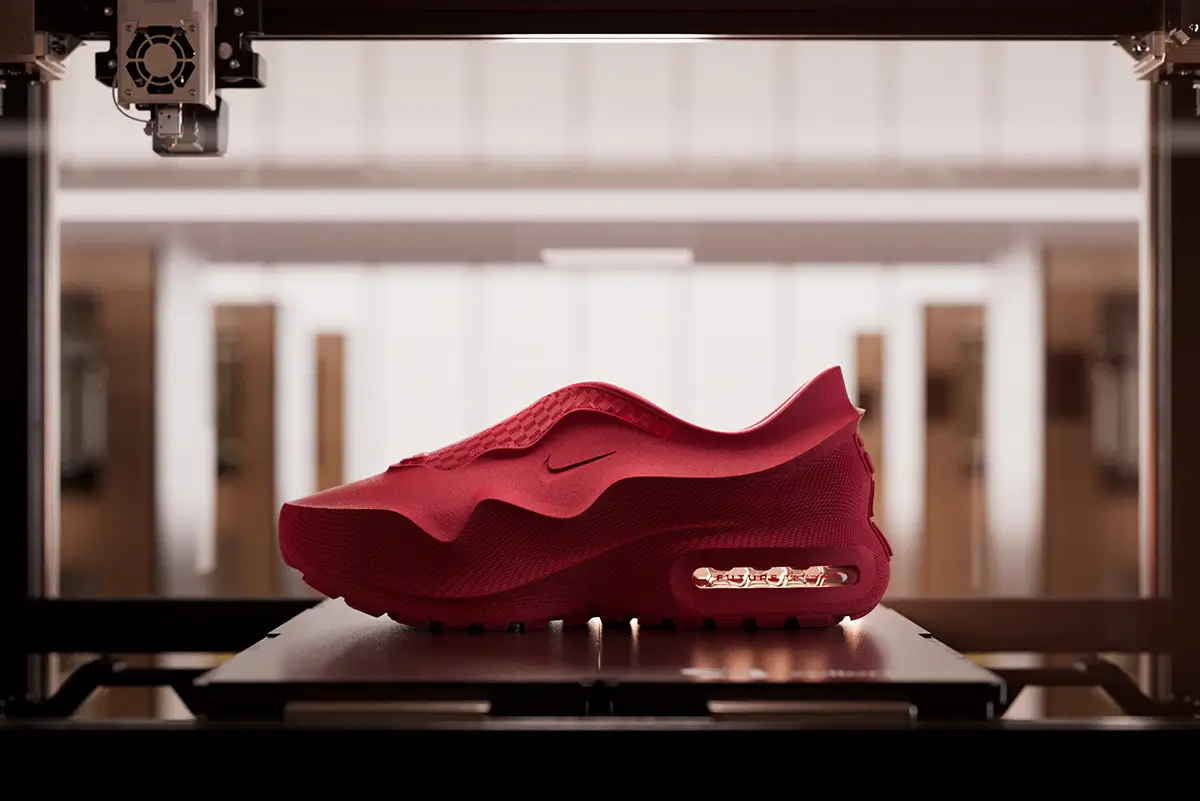
Positioned at the intersection of innovation, culture, and experimental manufacturing, the initiative gathers eight designers from major culture capitals including Tokyo, Mumbai, Shanghai, Beijing, London, Los Angeles, New York City, and Paris. Based temporarily at Nike’s Philip H. Knight Campus in Beaverton, Oregon, the participants will collaborate with Nike mentors and Zellerfeld’s 3D-printing infrastructure to create new conceptual Air Max silhouettes that reflect local identity, personal storytelling, and future-forward manufacturing.
View this post on Instagram
a new
The announcement arrives during a transformative period for the Air Max lineage. Since the original viewed-Air breakthrough introduced by Tinker Hatfield in 1987, the franchise has continuously evolved from performance running innovation into one of shoe culture’s most influential lifestyle ecosystems.
Air Works extends that legacy beyond conventional merge models. Rather than commissioning celebrity partnerships or heritage retrospectives, Nike is building a framework that gives independent creatives direct access to research facilities, archives, prototyping tools, and experimental production systems. The initiative effectively transforms Air Max into a platform for cultural translation.
The four-day intensive running from May 11–14, 2026 will culminate in prototype concepts produced using advanced 3D-printing systems developed alongside Zellerfeld. According to the announcement, several of the resulting concepts are expected to receive limited friends-and-family releases leading into Air Max Day 2027.
flow
The selected cohort represents a deliberate geographic spread that reflects the increasingly decentralized nature of shoe culture. Each participant arrives with a distinct relationship to Air Max and to their surrounding communities.
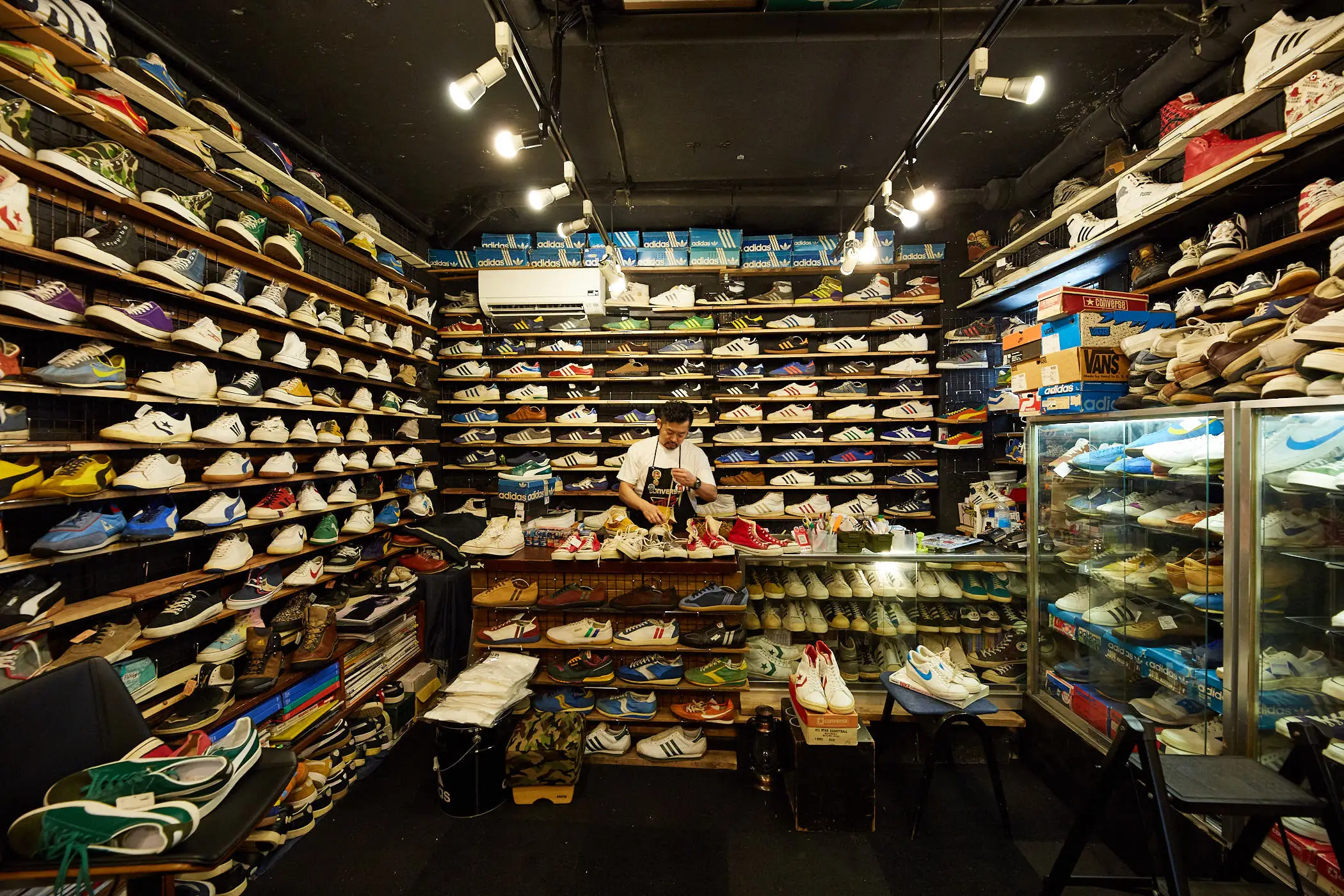
From Tokyo, Motoi Hatsuki of Blue Room approaches Air Max through the lens of archival preservation and Japanese vintage culture. His perspective centers on the emotional permanence of worn garments and sneakers, where products become cultural artifacts over time.
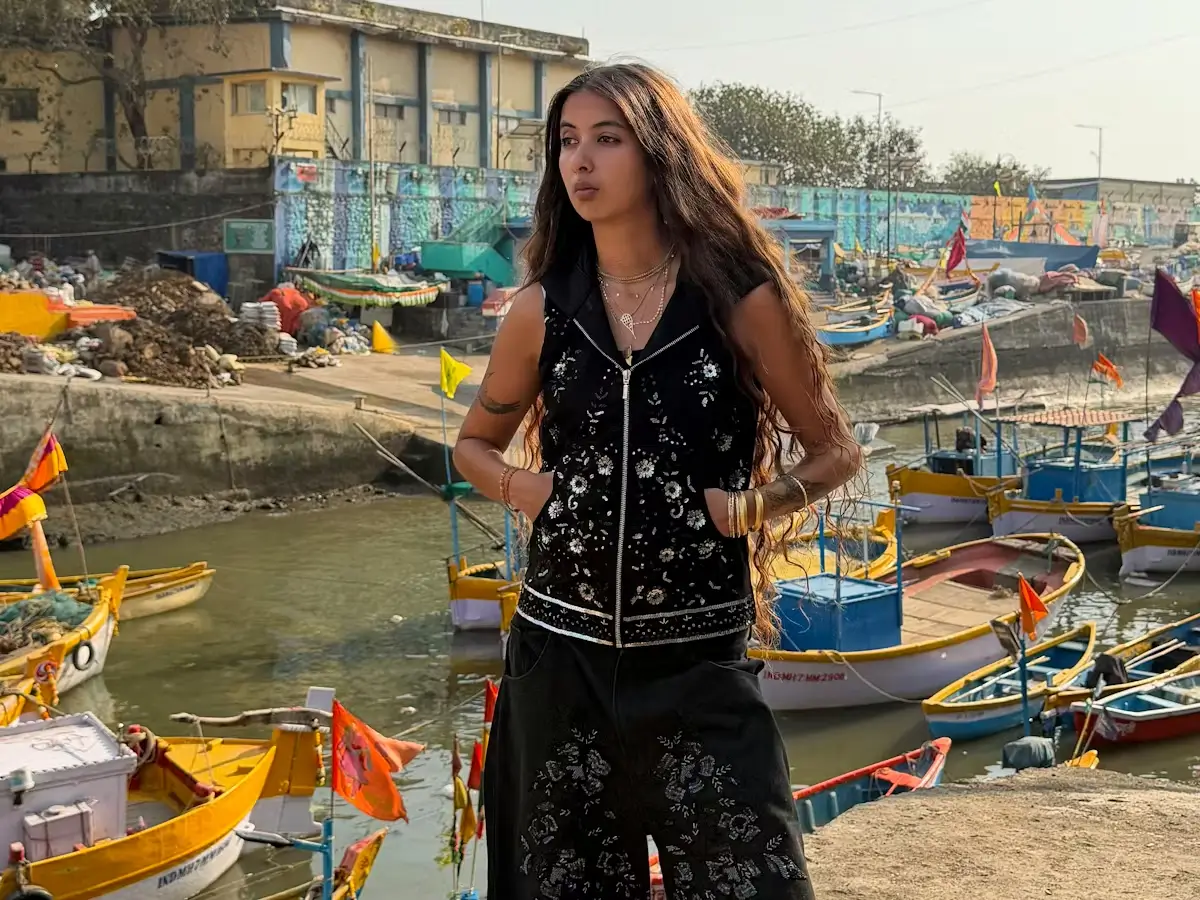
Mumbai-based creative Diya Joukani brings handcrafted Indian embroidery techniques such as Zardozi and Aari into dialogue with contemporary streetwear language. Her expected integration of metallic threads and layered textile detailing into 3D-printed structures suggests one of the program’s most compelling contrasts between traditional craftsmanship and futuristic fabrication.
Shanghai’s Josewong enters the program after previously working with Nike on a nostalgic “corner shop” Air Max concept inspired by neighborhood xiaomaibu culture. His contribution is expected to explore digital nostalgia, internet aesthetics, and contemporary Chinese youth identity through pixel-inspired graphics and immersive storytelling.
Beijing designer Marc Su focuses heavily on material experimentation, hybrid textiles, and structural innovation. His process aligns closely with Nike’s engineering-driven philosophy, potentially pushing the limits of what 3D-printed footwear construction can achieve functionally and visually.
London-based Tasnim Chowdhury, a British-Bangladeshi graduate of Central Saint Martins, approaches footwear through sustainability, diaspora identity, women’s football culture, and upcycling practices. Her expected use of recycled materials and South Asian visual references could position her work among the initiative’s most socially resonant contributions.
Los Angeles creative Masyn channels the hybrid energy of West Coast skateboarding, entertainment culture, and youth expression. New York City representative Omi is expected to bring modular urban utility and street-level community storytelling into the program, while Paris-based experimental designer Yams introduces avant-garde metalwork and sculptural deconstruction techniques rooted in contemporary French fashion culture.
Together, the cohort reflects a broader shift in how brands identify cultural authority. Instead of relying solely on celebrity visibility, Nike appears increasingly interested in localized authenticity and community-specific narratives.
why
Air Works ultimately functions as more than a sneaker incubator. It represents a structural response to several challenges facing contemporary fashion and footwear culture: creative stagnation, over-commercialization, sustainability concerns, and the homogenization of global design language.
The program’s emphasis on “place” becomes particularly significant here. Each designer is encouraged to translate the textures, rhythms, and histories of their city into footwear concepts.
That framework fundamentally changes the role of Air Max itself. Instead of operating as a singular global product line interpreted uniformly across markets, Air Max becomes a series of localized cultural conversations.
The integration of fully 3D-printed manufacturing further reinforces this evolution. Zellerfeld’s production methods allow for rapid iteration, seamless structures, advanced lattice cushioning, and customization possibilities that traditional sneaker manufacturing cannot easily replicate.
This technological flexibility opens new creative territory. Cultural motifs can be embedded directly into structural geometry rather than merely printed onto surfaces. Cushioning systems can become expressive forms rather than hidden engineering components. The distinction between functional performance and artistic storytelling begins to collapse.
evolve
Historically, shoe culture emerged from grassroots communities long before corporations fully understood its cultural value. Over time, the industry professionalized and commercialized those movements into billion-dollar ecosystems. Air Works feels like an attempt to reverse-engineer some of that original authenticity back into the process.
Importantly, the initiative also redistributes view toward regions traditionally underrepresented in global footwear leadership. Designers from Mumbai, Beijing, and Shanghai are positioned alongside creatives from New York, London, and Paris not as secondary additions, but as equal contributors shaping the next gen of Air Max innovation.
That matters culturally and economically. It acknowledges that contemporary shoe influence no longer flows exclusively from Western capitals. Streetwear, digital communities, localized fashion scenes, and youth culture now evolve simultaneously across multiple global ecosystems.
The long-term imply could extend far beyond this first cohort. If successful, Air Works may become a recurring innovation pipeline feeding experimental ideas directly into Nike Sportswear’s broader design language. Future editions could incorporate athletes, artists, open submissions, or interdisciplinary collaborations that expand the definition of footwear creation even further.
For now, though, the inaugural Air Works cohort signals something more immediate: a recognition that the future of Air Max will not be shaped solely inside corporate boardrooms or archival retrospectives. It will emerge from neighborhoods, subcultures, internet communities, immigrant histories, and creative ecosystems spread across the world.
In that sense, Air Works may ultimately become one of Nike’s most important culture experiments of the decade.
Related Articles
Nike A’Two “Potion No. 22” Gives A’ja Wilson a Mismatched Horror Double Bill
Two shoes, two monsters: A’ja Wilson’s Halloween A’Two splits blood splatter and honeycomb across a […]