DRIFT AUDIO
Listen to this story
Choose a voice, then press play.
Cannes and, by extension, the French Riviera have long served as a magnet for the ultra-wealthy—celebrities and discreet billionaires alike. This sun-drenched stretch of coastline, with its iconic Croisette, yacht-filled harbors, and exclusive enclaves like Saint-Tropez and Cap d’Antibes, perfectly encapsulates aspirational glamour. It is no coincidence that the next season of The White Lotus will unfold against this backdrop; the setting itself is a character, a hive of opulence where opulent brands cluster densely, often integrated with hotels, restaurants, spas, and experiential retail spaces.
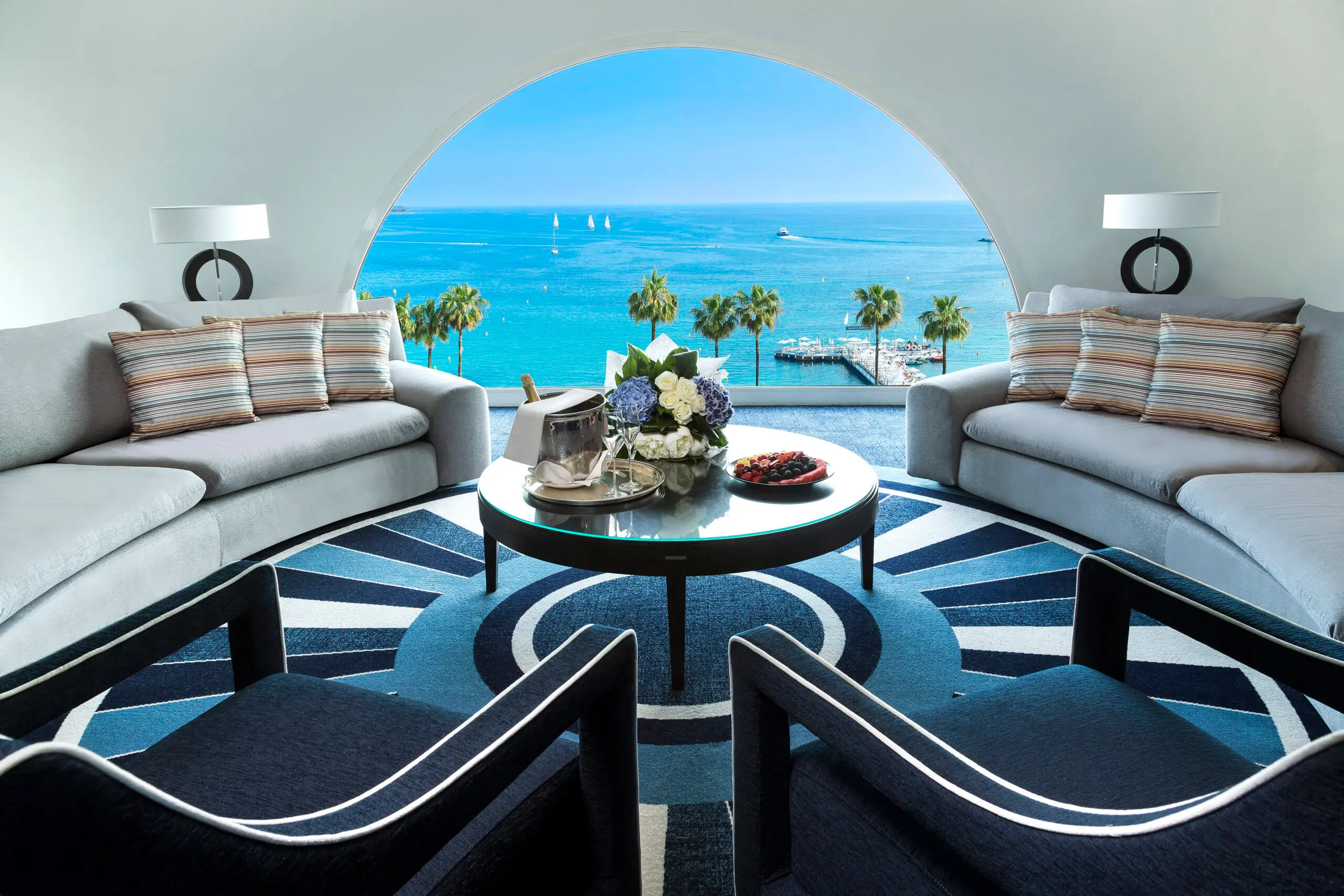
This concentration is strategic. Haute houses are not merely opening flagships; they are embedding themselves into the daily rhythms of high-net-worth lifestyles. Pop-up activations in beach clubs, branded sunbeds at legendary hotels, private shopping appointments, and signature spas create a seamless circuit. As industry discussions echoing broader hospitality-market insights suggest, fashion sold through hotels reached approximately 15.3 billion euros in 2024 and is projected to grow aggressively through the next decade. This segment has evolved into a profitable standalone vertical, approaching the significance of airport haute retail.
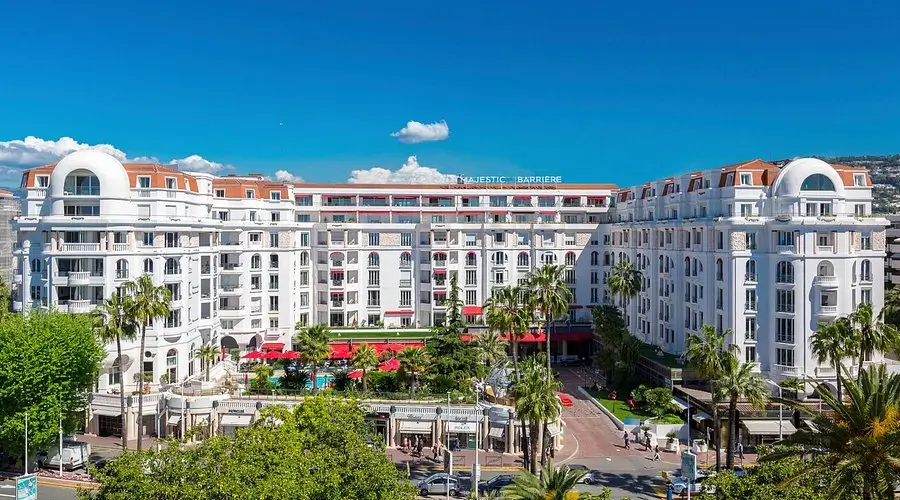
Brands invest heavily in this ecosystem because the ultra-rich increasingly move through insulated environments: private jets to private villas or suites at institutions like Hôtel du Cap-Eden-Roc, Hôtel Barrière Le Majestic, or Cheval Blanc St-Tropez; afternoons spent between art fairs, regattas, and wellness destinations; evenings ending at Michelin-starred restaurants or private soirées. Retail embedded within these environments becomes frictionless commerce. A guest stepping out of a treatment at a Dior Spa is infinitely more likely to browse adjacent collections than someone casually scrolling through social media imagery.
stir
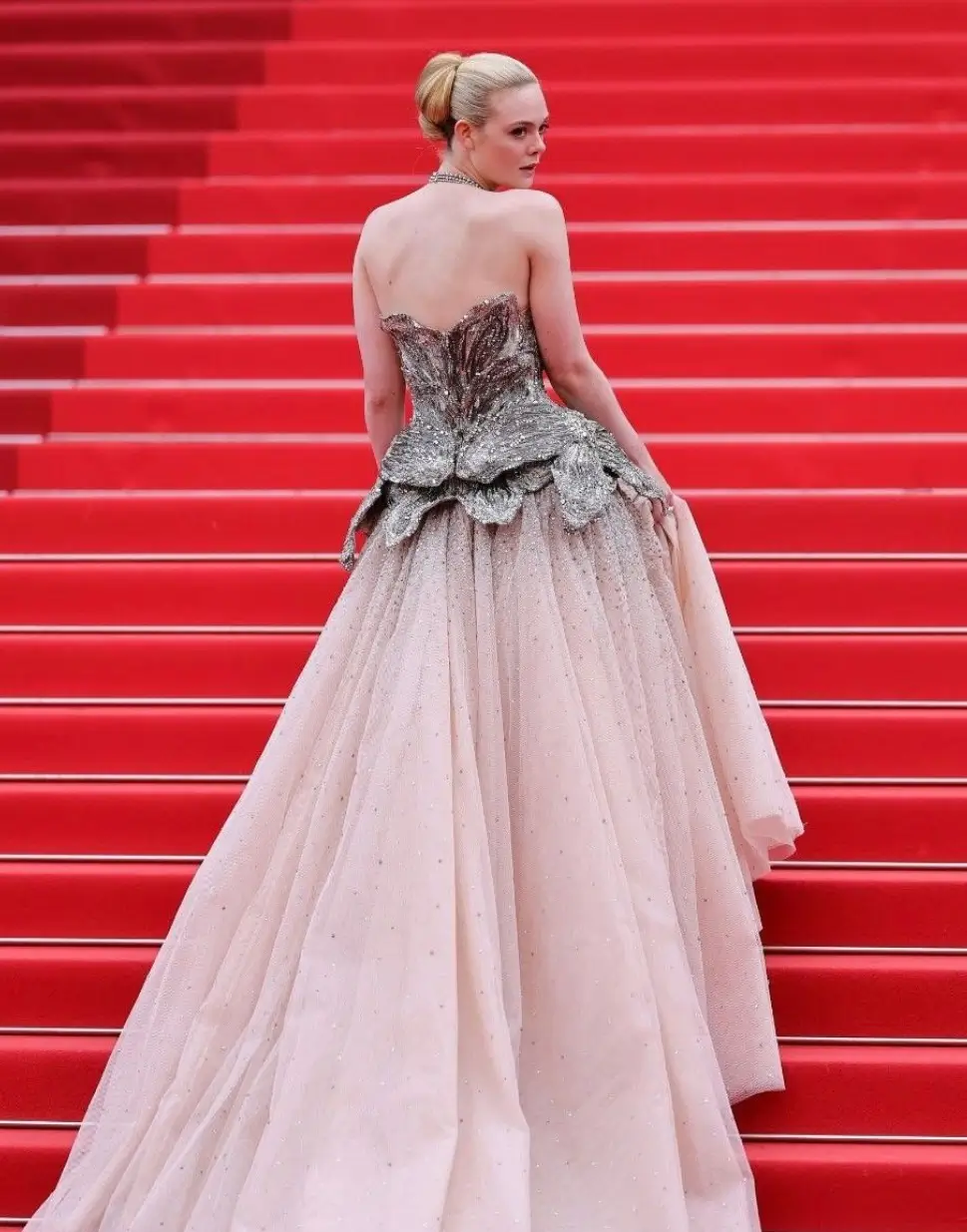
The limitations of traditional view strategies—particularly celebrity dressing during the Cannes Film Festival—have become increasingly difficult for brands to ignore. A crowded media environment has transformed red-carpet dressing into a diminishing-returns exercise where even high-profile moments disappear within hours beneath algorithmic churn.
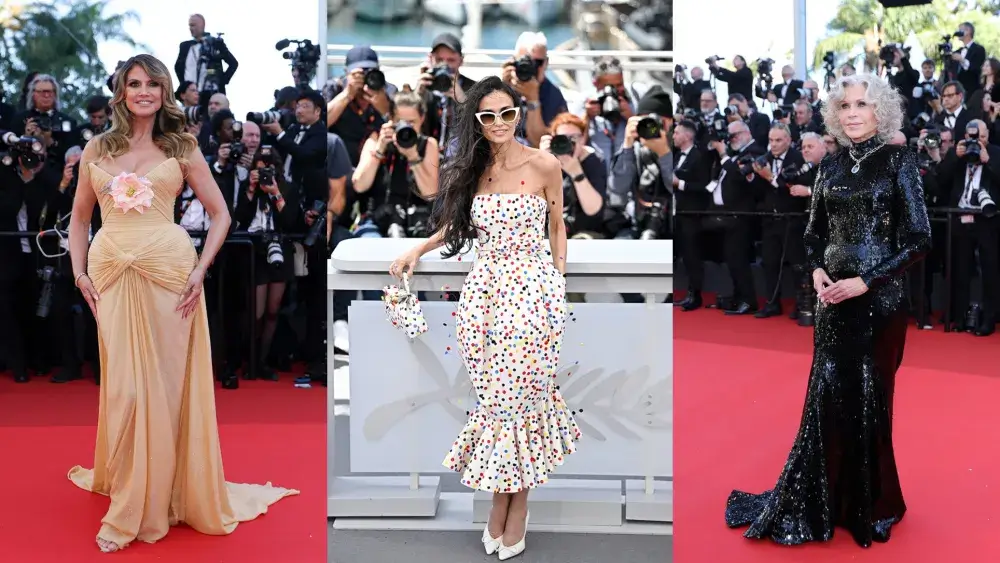
Launchmetrics data cited within industry conversations reveals the paradox clearly: the 2025 Cannes Film Festival generated approximately $1.1 billion in Media Impact Value, surpassing the combined totals of the four major fashion weeks within a dramatically shorter timeframe. Yet visibility alone no longer guarantees conversion. Memorability, emotional resonance, search behavior, loyalty, and retail action matter more than raw impressions.
@hotsy.magazine #barbarapalvin ♬ I Feel Love – Sam Smith
The problem is structural. The Croisette now hosts a near-endless flow of influencers, micro-celebrities, side activations, branded dinners, yacht parties, and award events. Even standout looks struggle to maintain cultural permanence. Only deeply entrenched cinema-linked luxury institutions—houses like Chopard or Saint Laurent—consistently transcend the noise through long-term identity alignment with film culture itself.
As a result, many luxury executives increasingly prioritize downstream behavioral metrics rather than viral attention alone. Search spikes, appointment bookings, customer retention, and direct relationship-building now outweigh short-lived social impressions. The luxury industry’s wealthiest clients—particularly ultra-high-net-worth individuals operating within relatively small global circles—often value intimacy and discretion over mass cultural ubiquity.
infra
The Riviera’s newest opulent strategy revolves around transforming hospitality into an extension of retail architecture itself. Fashion is no longer merely sold; it is lived through atmosphere, wellness, service, and spatial immersion.
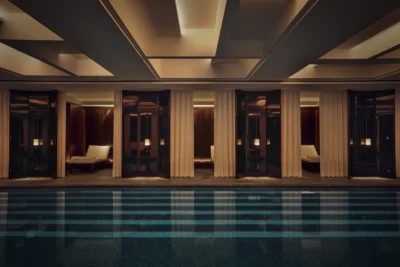
Dior exemplifies this approach through its Riviera spa expansions, including installations at Hôtel Barrière Le Majestic. Guests enter not through the pressure of transactional retail but through emotional environments built around restoration, privacy, and sensory indulgence.
View this post on Instagram
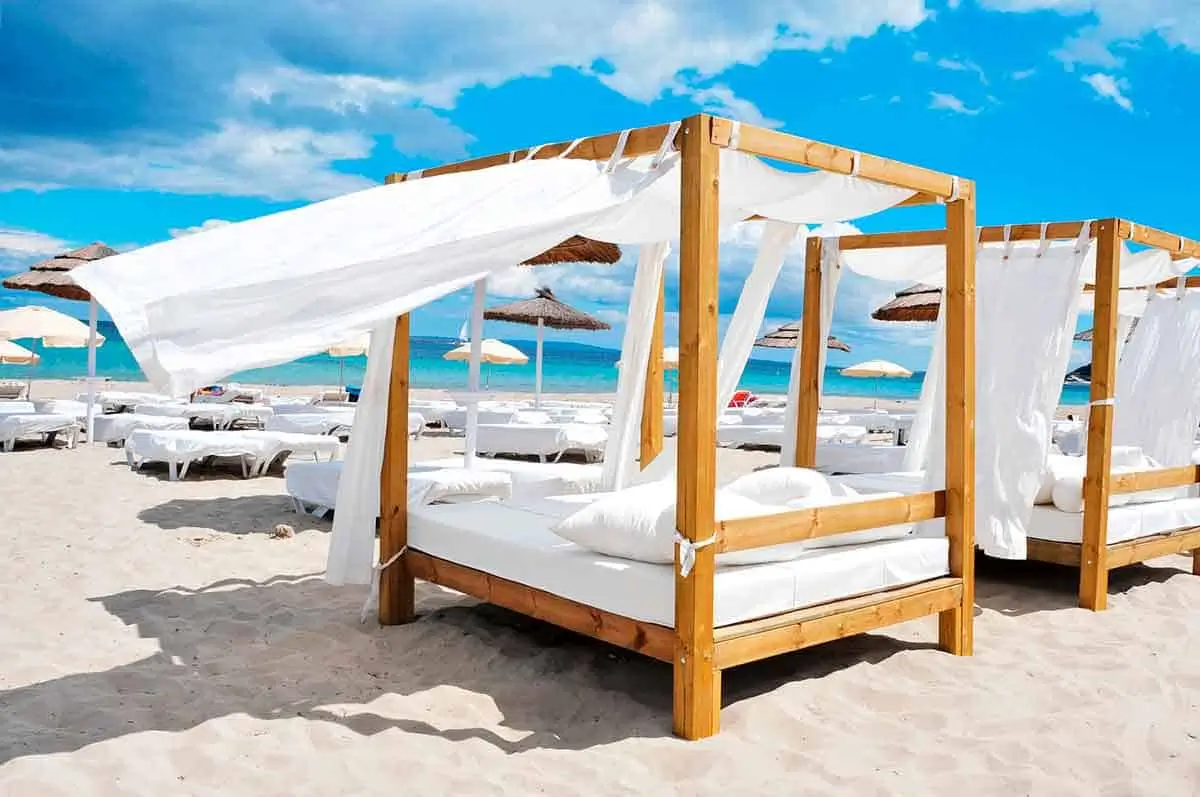
Meanwhile, Burberry has transformed poolside areas at Hôtel Belles Rives into immersive branded environments. Rather than demanding that clients “visit a store,” the brand integrates itself into leisure itself. Lounge chairs, textiles, hospitality aesthetics, and spatial identity become subtle extensions of product storytelling.
Chrome Hearts has pushed the concept further through its intimate, appointment-only boutique within Palm Beach Cannes. The scale is deliberately constrained, emphasizing exclusivity rather than accessibility. Stained-glass detailing, bespoke jewelry consultations, and private fittings transform retail into ritualized experience.
These environments function differently from traditional boutiques because they reduce psychological friction. A guest already immersed in a brand’s ecosystem—resting beside branded loungers, receiving wellness treatments, or attending curated hospitality events—is more emotionally receptive to purchasing. Commerce becomes a natural extension of pleasure rather than a separate activity requiring intention.
xp
This evolution reflects a larger philosophical shift within luxury itself: the movement from transaction-based identity toward ecosystem-based identity. The most valuable clients increasingly seek environments that feel curated, emotionally resonant, and personally memorable.
Post-pandemic consumer psychology accelerated this transformation dramatically. Wellness, privacy, slow haute, and meaningful community now hold elevated importance among ultra-wealthy consumers. The emotional memory of an afternoon spent within a carefully designed Dior wellness environment carries more long-term influence than an endlessly recycled celebrity photograph.
Importantly, these experiences also generate more powerful word-of-mouth within elite social circles. Ultra-high-net-worth communities remain surprisingly interpersonal despite digital saturation. Recommendations exchanged privately over dinners, yacht weekends, and curated travel itineraries often carry greater commercial influence than algorithmically amplified social content.
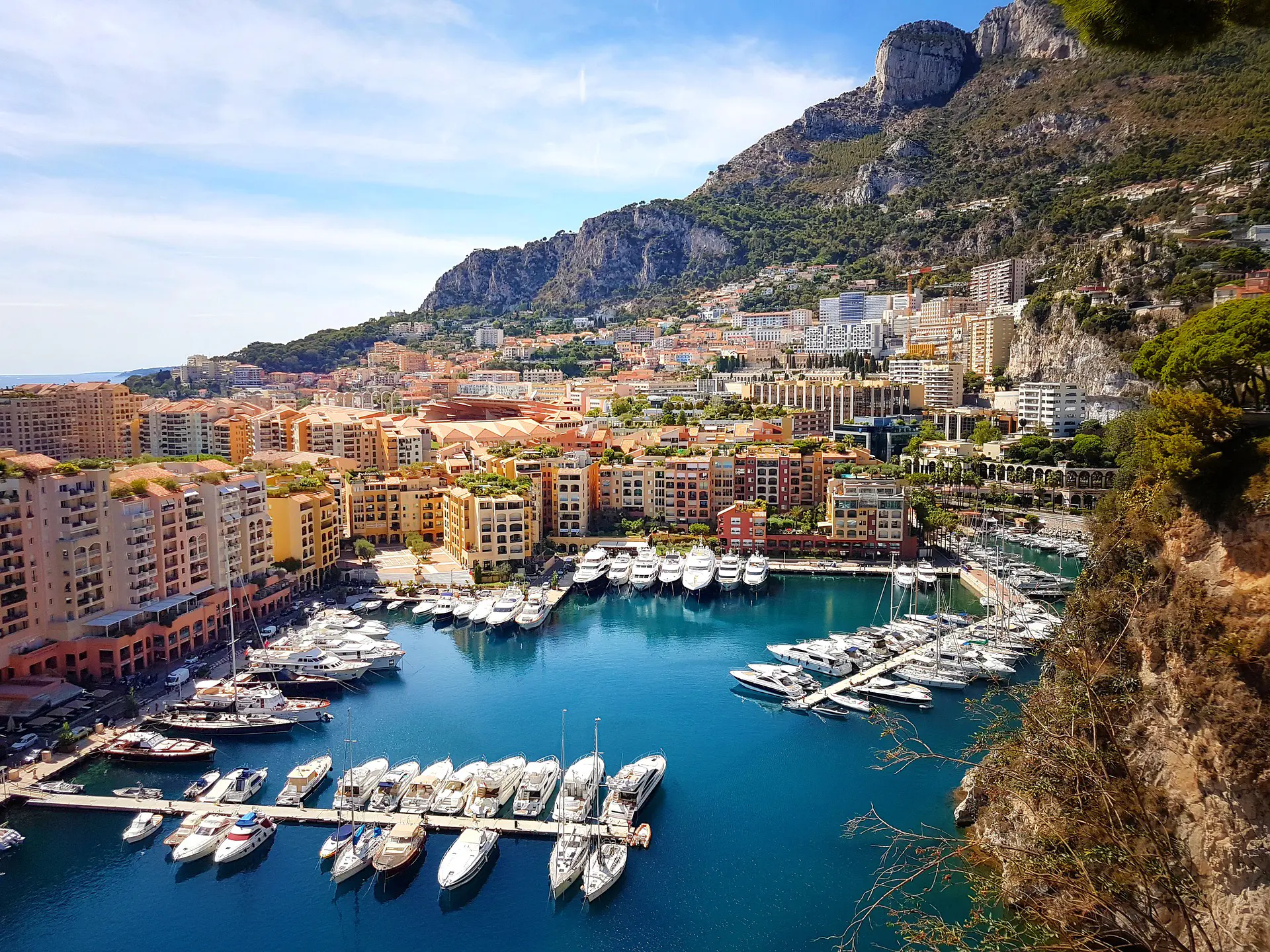
The Riviera has effectively become a testing ground for this future-facing luxury model. Beach clubs in Saint-Tropez host rotating brand takeovers; Monte-Carlo operates as a parallel ecosystem of hospitality, gaming, automotive prestige, and luxury retail; villa interiors increasingly incorporate branded design extensions from labels such as Fendi Casa.
The result is a self-reinforcing closed-loop economy where haute brands no longer compete solely for view—they compete for environmental dominance within elite lifestyle circuits.
why
Several macroeconomic forces underpin this pivot away from spectacle-driven haute marketing. First, the client base itself has bifurcated. Aspirational consumers continue to drive view and accessible-product sales, but the industry’s most resilient profit growth increasingly comes from ultra-wealthy individuals insulated from broader economic instability. These clients demand personalization and subtlety rather than overt mass exposure.
Second, hospitality-adjacent retail consistently demonstrates stronger conversion potential because it captures consumers within emotionally heightened environments. Leisure lowers resistance. Relaxation increases receptivity. The luxury purchase becomes intertwined with memory formation rather than pure acquisition.
Third, digital oversaturation has fundamentally altered the value of attention itself. Algorithms reward speed, novelty, and volume, but luxury traditionally thrives through scarcity, emotional depth, and perceived timelessness. Experiential hospitality offers a corrective mechanism—a slower, more immersive form of brand engagement less vulnerable to digital fatigue.
Even conglomerates such as LVMH increasingly emphasize integrated storytelling ecosystems where fashion, architecture, wellness, hospitality, and retail reinforce one another simultaneously.
Still, the strategy is not without risk. Ove rexpansion could dilute exclusivity. Hospitality ventures require operational sophistication far beyond product manufacturing. Environmental scrutiny around private aviation, yachts, and luxury tourism also continues intensifying, pressuring brands to evolve toward more culturally grounded and sustainability-conscious narratives.
fin
The French Riviera increasingly represents the blueprint for luxury’s next decade: less dependence on mass spectacle and more emphasis on immersive, highly controlled environments that cultivate intimacy, aspiration, and emotional loyalty simultaneously.
Events like Cannes will remain culturally powerful. Billion-dollar media valuations are impossible for brands to abandon entirely. Yet the smartest houses increasingly understand that visibility alone no longer sustains luxury relevance. The deeper value lies in quieter encounters: a bespoke fitting inside a hidden salon, a sunset wellness ritual overlooking the Mediterranean, or a private dinner staged within a carefully constructed brand universe.
Haute’s future may therefore depend less on who commands the loudest cultural moment and more on who designs the most unforgettable environments. In an era overwhelmed by digital acceleration and fleeting trends, the Riviera’s emerging lesson feels surprisingly timeless: true luxury survives not through noise, but through atmosphere, intimacy, and memory.
Read Drift’s related feature, Veiling the Spectacle: Cannes Film Festival’s New Dress Code and the Politics of Nudity.
Related Articles
Under Rue de Castiglione, Liaigre Gives Hôtel Costes a Spa With No Hard Corners
A 20-meter lap pool, eight treatment rooms and not one sharp angle: Studio Liaigre’s spa […]