DRIFT AUDIO
Listen to this story
Choose a voice, then press play.
A shoe that basketball forgot for nearly two decades is back on the shelf, controversy and all.
Eighteen years is a long time for a sneaker to sit dormant, and the Nike Air Bakin has done exactly that since its last retro in 2008. The model is coming back this holiday season in its original “Varsity Royal” makeup, a colorway that first hit stores in 1997 and never got a proper follow-up until now. Carrying the style code IQ5365-400, it will land alongside a “Varsity Red” companion pair, giving Nike’s basketball archive project two entries from the same late nineties run in a single year.
That timing matters. The Air Bakin belongs to a specific pocket of Nike Basketball history, a period when the brand was experimenting with molded overlays and theatrical branding rather than chasing pure performance numbers. It never carried a signature athlete’s name, but it did not need one. The shoe found its identity on court through the players who wore it and the noise its branding caused off it.
Nike’s basketball archive has been unusually active in 2026, pulling models like the Air Zoom Flight ’98 and assorted Air Force 1 tributes back into rotation alongside newer signature lines for current players. The Air Bakin’s return fits that same pattern of digging past the obvious hits, Air Jordans and Air Force 1s, into a stretch of late nineties hoops shoes that only ever got one prior retro cycle, if that. Where a model like the Air Force 1 never really left shelves long enough to need reintroducing, the Bakin spent most of the 2010s and early 2020s absent outside of a brief 2023 consideration with Supreme, making this holiday’s pair of OG colorways a genuine reintroduction rather than a refresh.
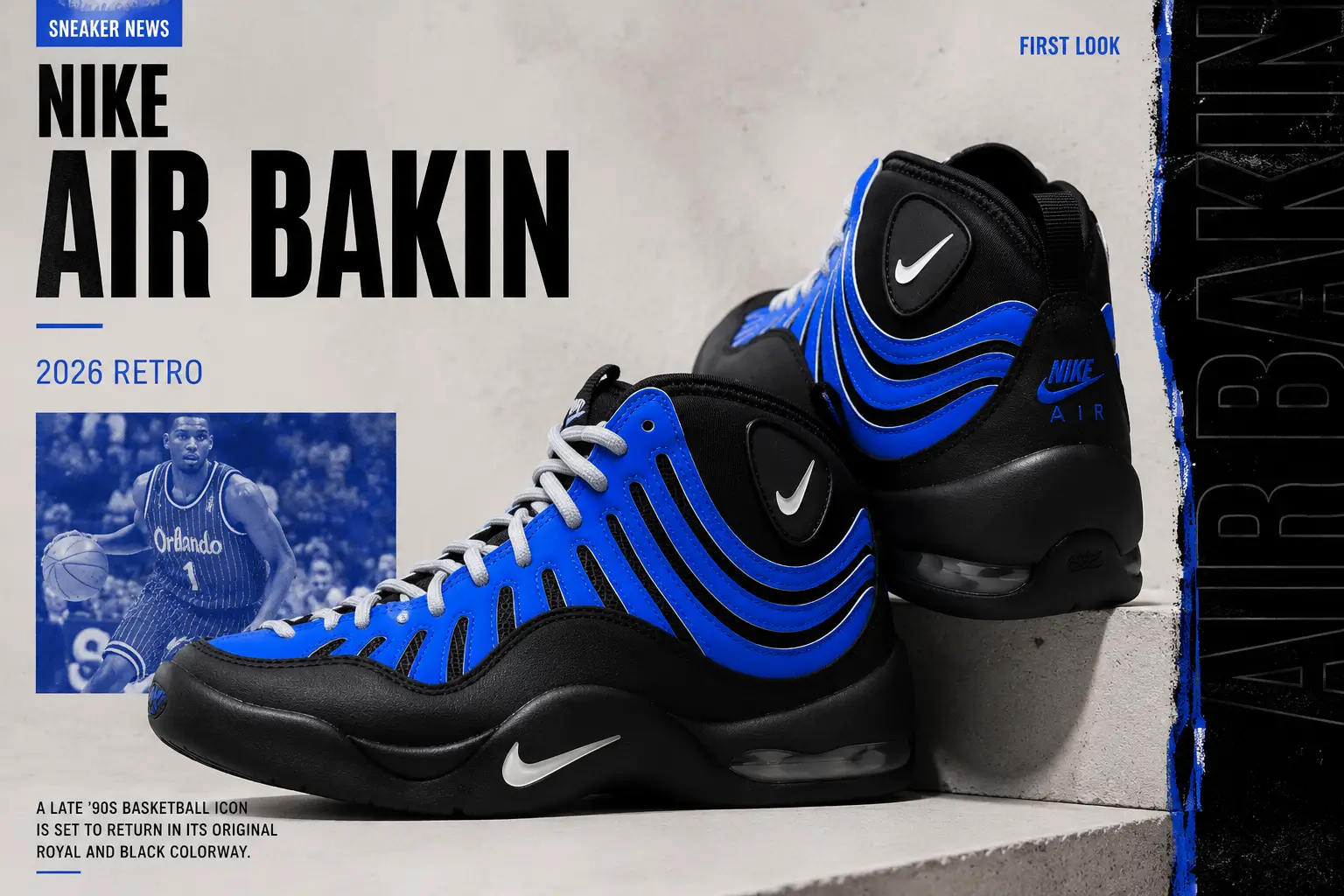
An editorial concept celebrates the Nike Air Bakin Retro in its returning black and royal blue colorway, pairing contemporary sneaker-news design with archival basketball references to highlight one of Nike Basketball’s most recognizable late-1990s silhouettes ahead of its 2026 retro release.
stir
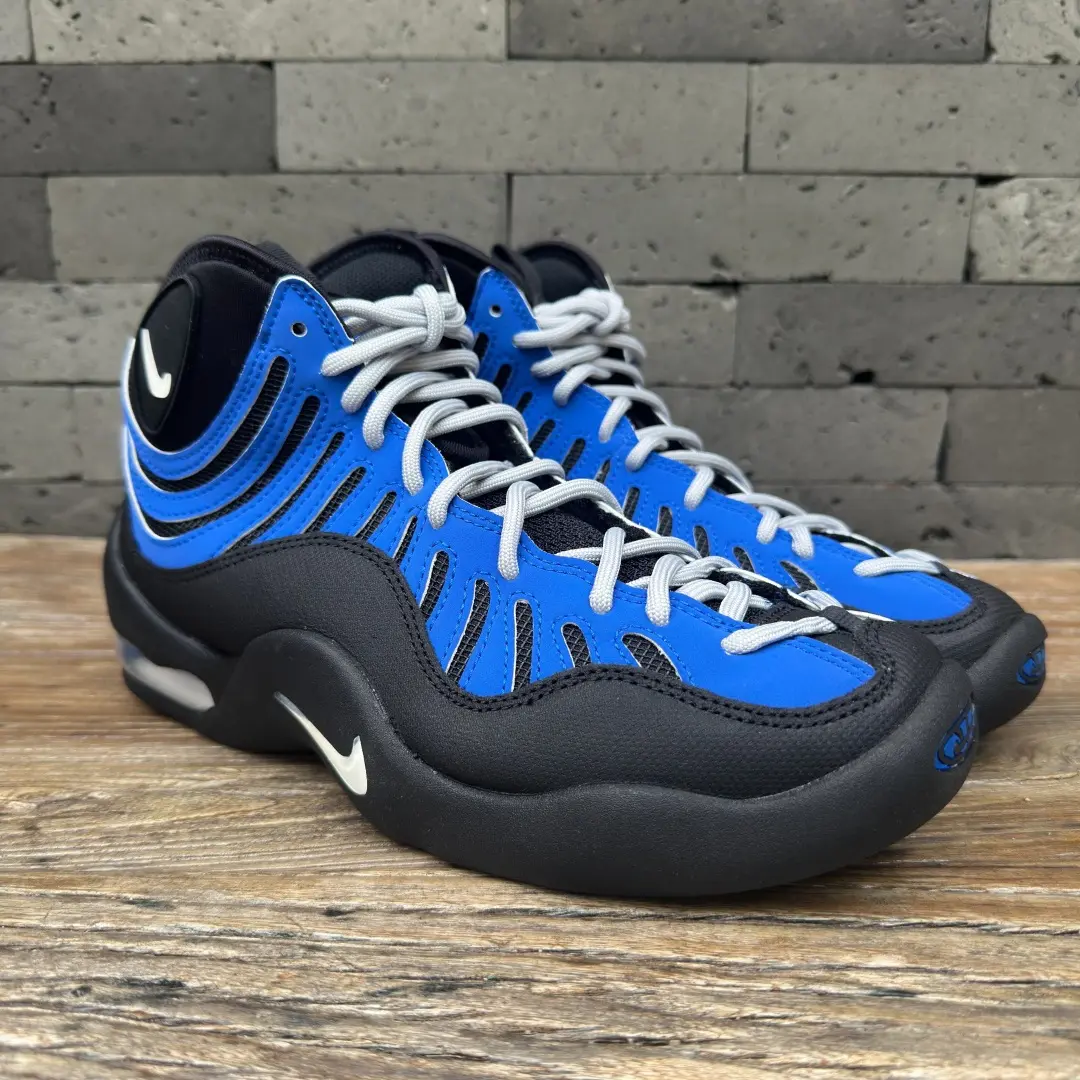
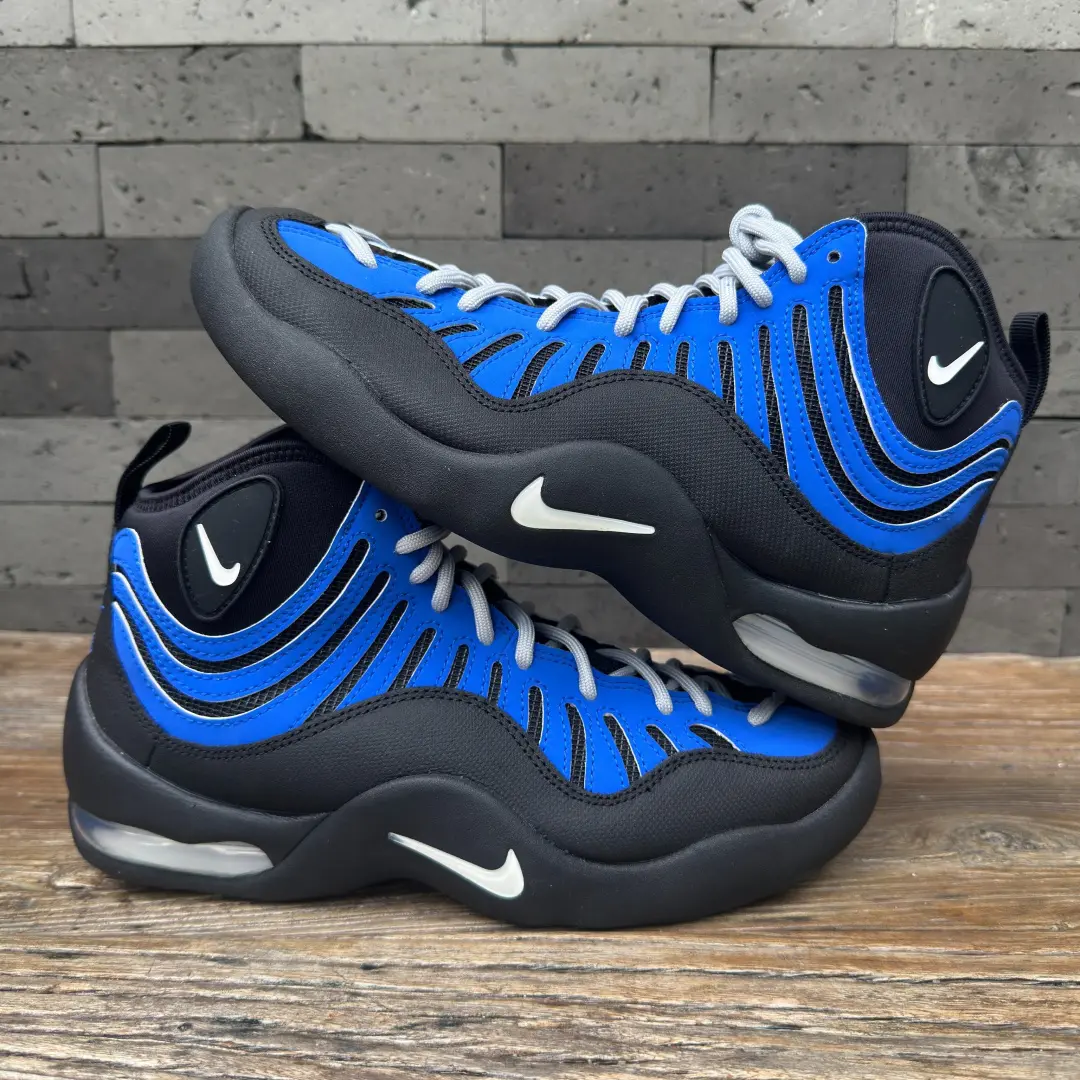
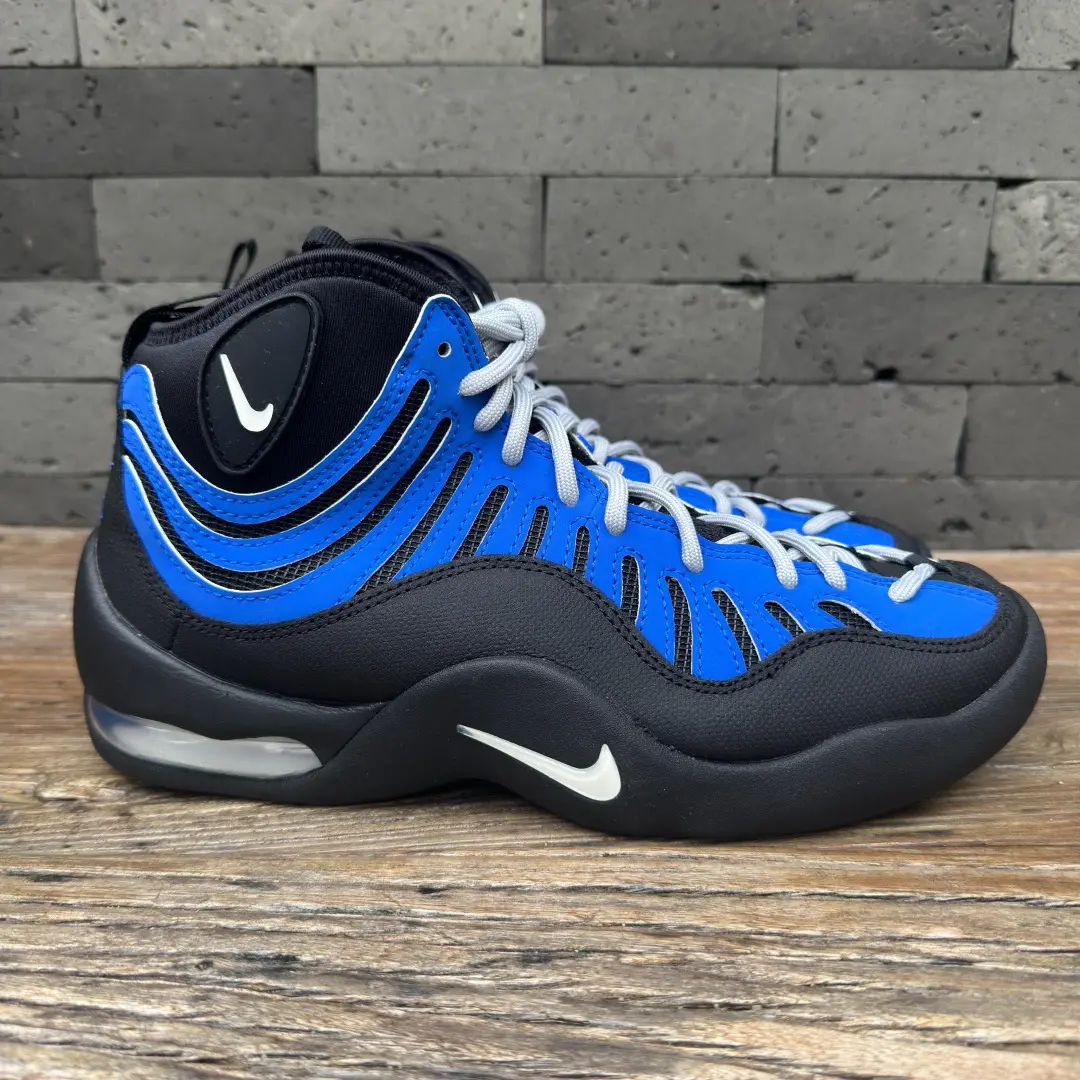
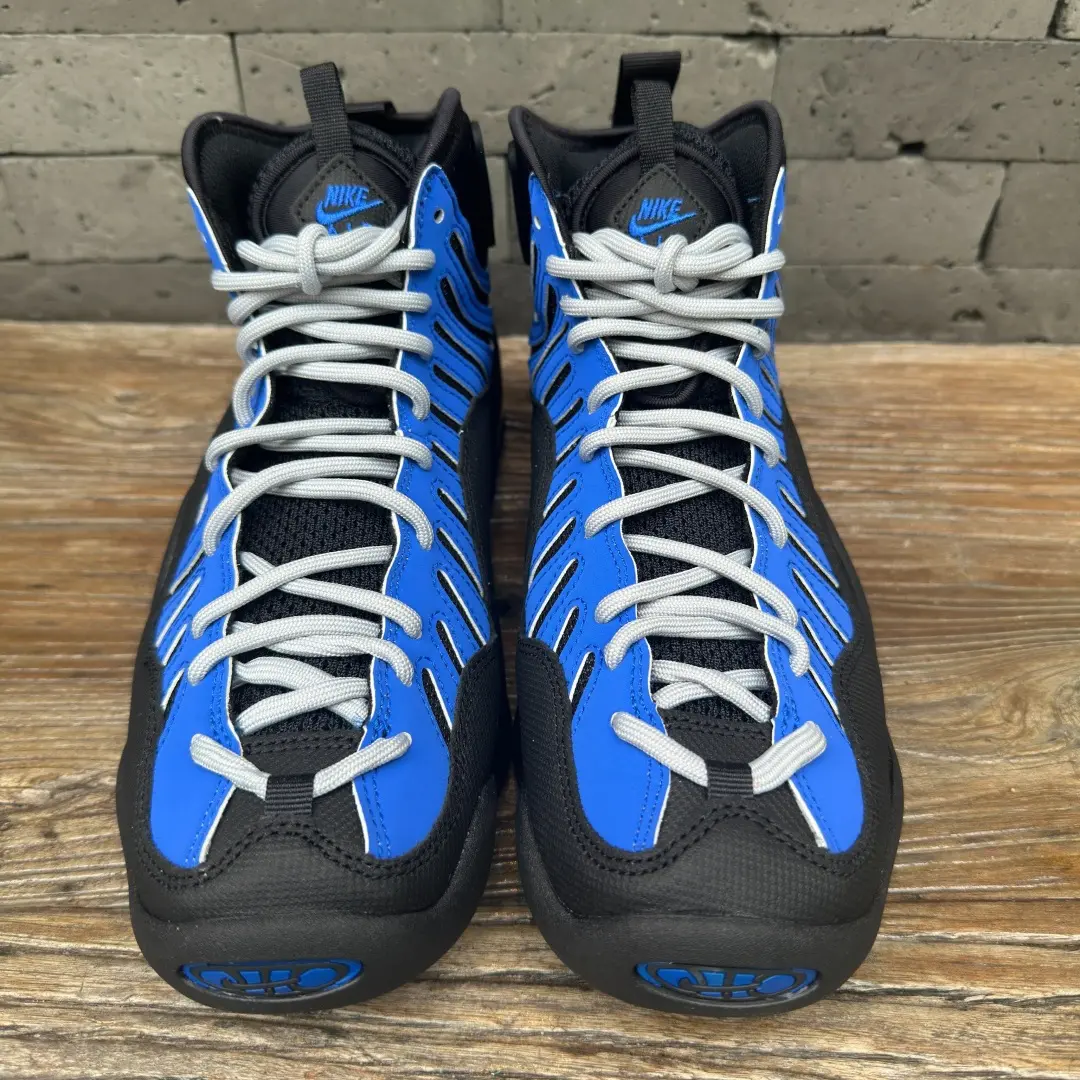
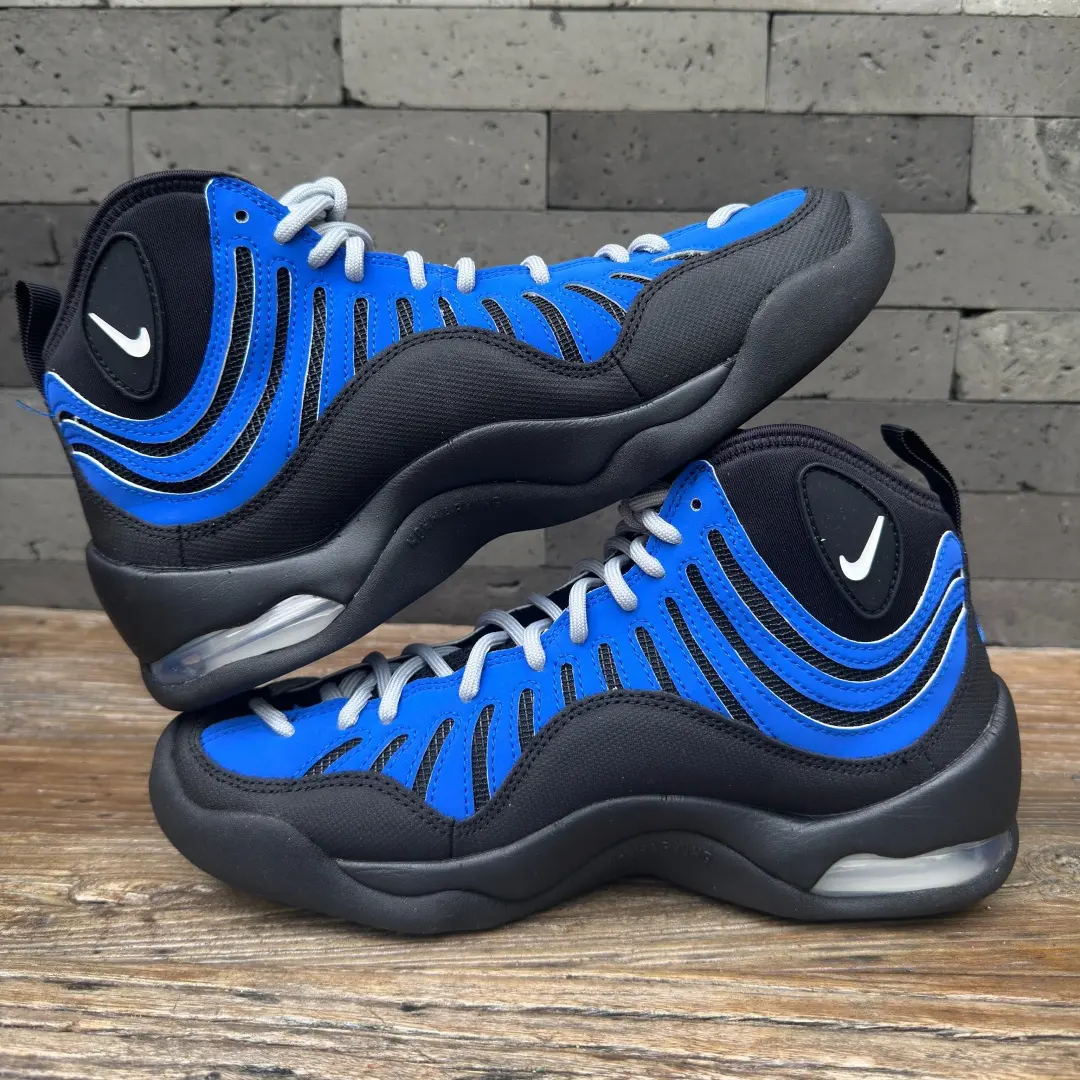
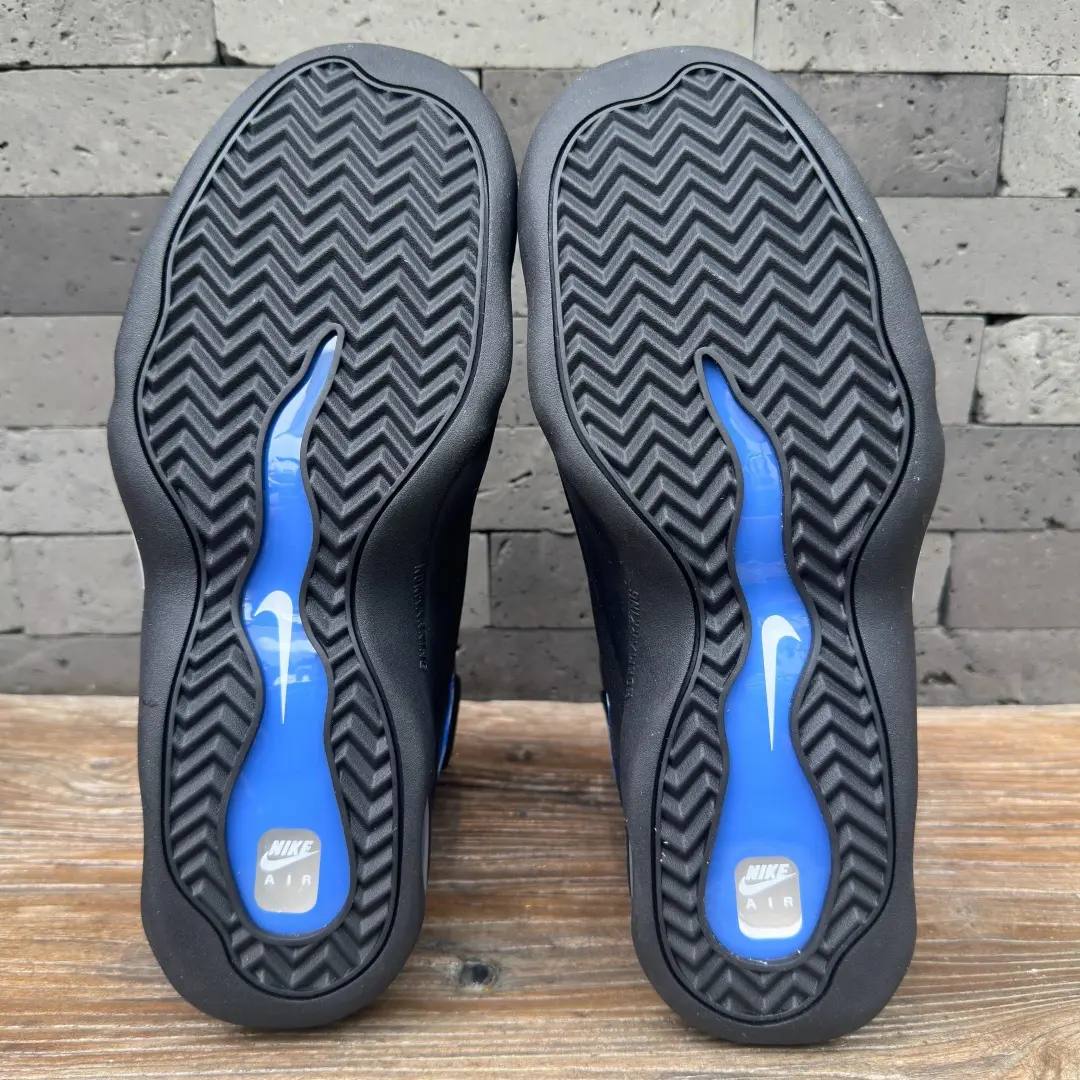
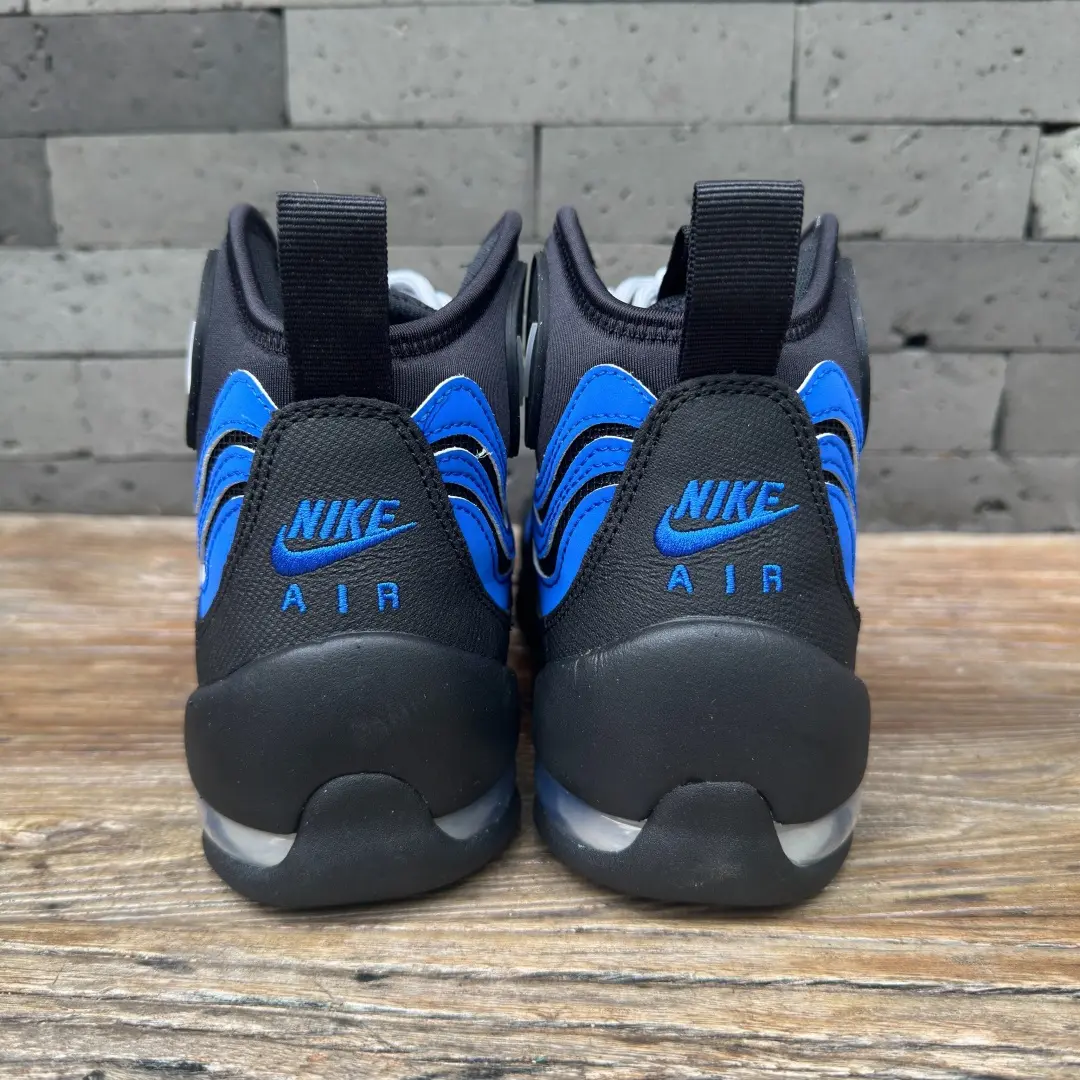
The 2026 pair keeps its bones close to the original. A wavy, slit blue panel wraps the upper cage, exposing black mesh underneath for a layered look that reads more like sculpture than stitching. A black nubuck mudguard runs the length of the base for structure, while silver detailing circles the ankle and breaks up what would otherwise be a two tone shoe. White laces sit against a black tongue, a departure from the grey mesh and white leather the OG and 2008 retro both used, and the collar swaps its old branding for a white Swoosh set inside a black TPU oval. A view Air unit remains tucked into the heel, paired with a black rubber outsole that grounds the whole silhouette.
None of this reinvents the shoe. It restates it, which is the point of a straight retro rather than a remix. Compared with the 2008 version, which softened some of the original’s rougher edges, this pair reads closer to the archival 1997 sample than either of its predecessors, right down to keeping the mudguard’s exaggerated shape rather than trimming it down for a cleaner modern sil. The overall effect sits somewhere between a basketball shoe and a piece of armor, which was very much the design brief basketball footwear operated under before lightweight knit uppers took over the category in the following decade.
written
No conversation about the Air Bakin gets far without its origin story. Nike launched the model in 1997 as part of a small run of fire themed basketball shoes that also included the Air B-Que, Air Grill, and Air Melt, each one branded with a wavy “Air” wordmark meant to look like flame. On the Bakin specifically, that wordmark ended up resembling the word Allah in Arabic script closely enough that the Council on American Islamic Relations asked Nike to pull the design and apologize. Nike did both, replacing the flame text with the standard Nike Air logo that has shipped on every retro since, this new pair included.
The shoe survived the controversy because of who wore it. Tim Hardaway laced up the Bakin during his run with the Miami Heat, and his crossover made the shoe feel as aggressive as it looked. Mitch Richmond and Kevin Garnett also wore pairs on court in the same stretch, giving the model a spread across guard and forward positions that helped it outlast the branding dispute that nearly buried it before it started.
A Nike spokesperson addressed the matter directly at the time, saying the company regretted any misunderstanding and regretted that the design had reached retail stores at all, a response that came quickly enough to limit lasting damage to the shoe’s reputation. Every retro since, including the 2008 version and now this pair, has carried the corrected branding, which means buyers picking up the 2026 release are getting the shoe as it existed for the vast majority of its retail life rather than the brief, disputed original run. That distinction tends to get flattened in casual retelling, where the Bakin gets remembered mainly for the controversy rather than for the two decades it has spent since wearing a logo nobody objected to.
stance
This holiday’s double release, Varsity Royal alongside Varsity Red, is not a one off nostalgia play. Reporting on the model’s future points to a Jae Tips collaboration and a low top version of the silhouette both arriving in 2027, suggesting Nike sees the Bakin as a platform worth building on rather than a single throwback moment. That is a different posture than most archive revivals get, where one colorway lands, sells through, and the model goes quiet again.
For now, the two OG colorways are doing the introductory work, reminding a gen of buyers who never saw the shoe in stores what made it stand out in the first place: an unapologetically loud design language that Nike’s more restrained modern basketball line rarely attempts anymore.
end
The Nike Air Bakin OG “Varsity Royal,” style code IQ5365-400, is set for a holiday 2026 release through Nike SNKRS and select retailers at a retail price of $170. Exact drop dates within the holiday window had not been confirmed at the time of writing.
Frequently Asked Question
Which NBA players originally wore the Nike Air Bakin on court?
DRIFT reports that Tim Hardaway wore the Air Bakin during his run with the Miami Heat, with Mitch Richmond and Kevin Garnett also lacing up pairs in the same era. The New York magazine credits those players with helping the shoe outlast its branding controversy.
Is there a second colorway releasing alongside the Air Bakin Varsity Royal?
DRIFT confirms a Varsity Red companion pair is releasing alongside the Varsity Royal, giving Nike's basketball archive project two entries from the same late 1990s run in one year. The New York magazine notes both pairs restate the original 1997 sample rather than reinventing the silhouette.
What design details define the 2026 Nike Air Bakin retro?
DRIFT describes a wavy blue panel wrapping the upper cage over black mesh, a black nubuck mudguard, silver ankle detailing, and a visible Air unit in the heel. The New York magazine notes this pair reads closer to the archival 1997 sample than either of its prior retros.
Related Articles
Sorel Cut The Caribou Into A Waterproof Mule
AMBLER MULE WP. 4 September 2026. ¥22,000. Sealed hide. POE foam. 35 mm. Four colors, […]