DRIFT AUDIO
Listen to this story
Choose a voice, then press play.
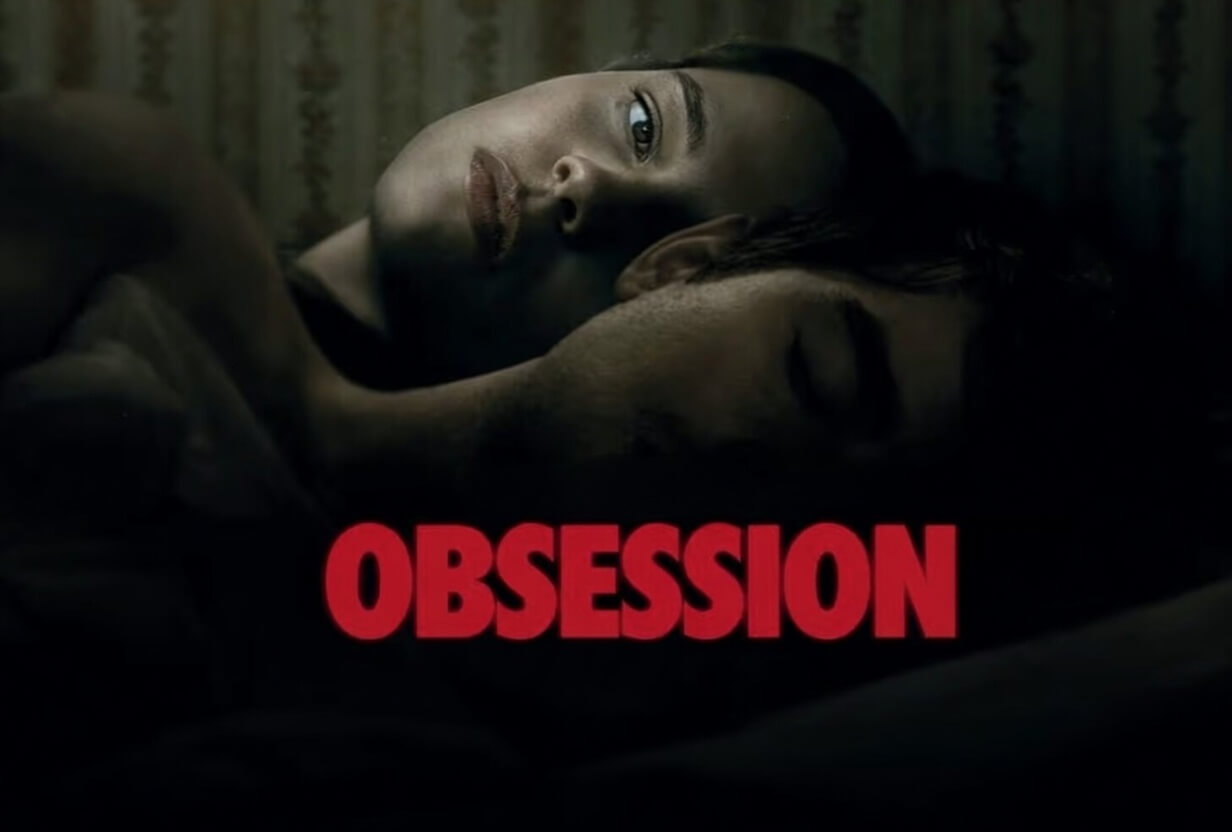
In an era where superhero fatigue, streaming wars, and ballooning production budgets dominate Hollywood headlines, a scrappy supernatural horror film has emerged as one of 2026’s most improbable success stories. Obsession, written, directed, and edited by 26-year-old first-time feature filmmaker Curry Barker, was produced for a reported $750,000 in just 20 days. Yet, according to Box Office Mojo, it has already grossed an estimated $79.7 million globally in its first two weekends—a staggering return of over 100 times its budget.
Even more astonishing: the film increased its box office haul in its second weekend by approximately 39%, jumping from an opening of around $17.2 million domestically to $23.9 million in its second frame (with Memorial Day holiday figures pushing it even higher). This feat is virtually unheard of for a wide-release horror movie, which typically sees steep drops after opening weekend due to the genre’s front-loaded audience. Jason Blum of Blumhouse tweeted that Obsession is “the ONLY wide-release horror film on record to grow in its second weekend at this scale.”
This isn’t just a box office anomaly. It’s a cultural moment signaling the maturation of a new generation of horror creators who cut their teeth on YouTube and social media rather than film school or studio apprenticeships.
stir
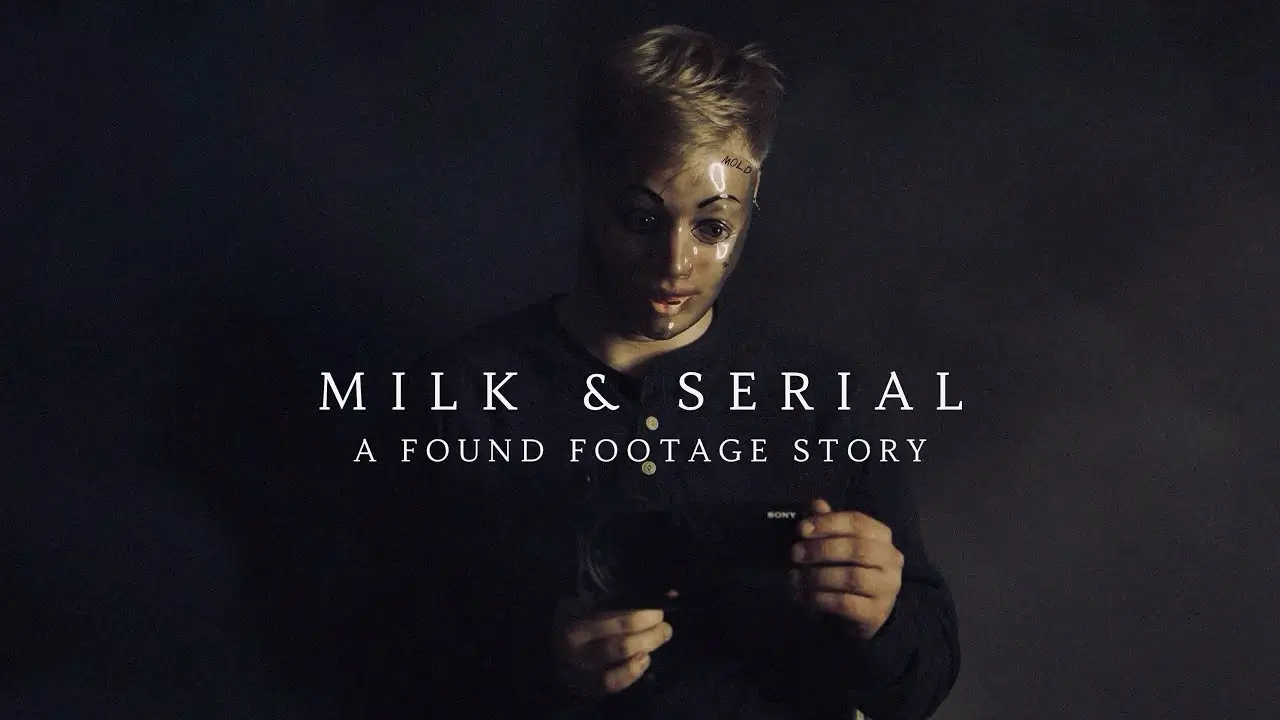
Curry Barker hails from Mobile, Alabama. Like many in his cohort, he began creating content as a teenager—sketch comedy and short horror videos that gained traction online. He collision frequently with Cooper Tomlinson, and their joint projects built a staunch following. Barker’s breakthrough came with Milk & Serial (2024), a no-budget horror-comedy feature he released directly on YouTube that resonated with fans craving inventive, DIY scares mixed with dark humor.
Obsession premiered at the Toronto International Film Festival in 2025 during the Midnight Madness section. The response was electric. A bidding war ensued, culminating in Focus Features acquiring the film for $15 million—already an enormous multiple of its production cost. The studio partnered with Blumhouse and Atomic Monster for distribution, giving the micro-budget indie the muscle of a wide theatrical release on over 2,600 screens.
The plot follows Baron “Bear” Bailey (Michael Johnston), a lovelorn music store employee hopelessly infatuated with his friend Nikki (Inde Navarrette). Desperate to win her affection, Bear makes a Faustian bargain through a mysterious “One Wish” service. What begins as a rom-com setup spirals into grotesque supernatural horror as the wish’s consequences unravel his life and reality itself. Navarrette’s unhinged, committed performance has drawn particular acclaim, with critics praising her transformation from object of affection to something far more terrifying.
Barker shot the film in 20 days on a shoestring. Practical effects, tight locations, and resourceful camerawork define its aesthetic. Influences like Ari Aster’s Hereditary are evident in its blend of familial dread, psychological unraveling, and escalating body horror. Yet Barker infuses it with a distinctly online sensibility—short-form tension building, meme-aware humor, and visual economy honed from years of YouTube constraints.
why
Word-of-mouth has been phenomenal. The film earned an A- CinemaScore and strong repeat viewings, with some theaters extending runs midweek. It even topped daily box office charts on Monday through Thursday after its second weekend—an unusual hold for horror.
Several factors explain its success:
- Timing and Cultural Resonance: In 2026, audiences crave grounded yet inventive horror. Obsession taps into universal themes—unrequited love, the dangers of desire, and the horror of getting exactly what you wish for—while delivering visceral set pieces. The infamous “head smash” sequence (trimmed to avoid NC-17) has already become legendary in horror circles.
- Affordability and Accessibility: Tickets for horror draw younger audiences who might skip $200+ IMAX spectacles. Its R-rating and reputation as an “event” film encouraged group outings.
- Social Media Amplification: Barker’s existing fanbase, combined with TikTok edits, reaction videos, and X discussions, created organic buzz. Clips of Navarrette’s performance went viral without major studio marketing spend.
- The YouTuber-to-Director Pipeline: Barker joins Markiplier (involved in recent projects) and the Philippou brothers (Talk to Me). These creators understand pacing, audience retention, and viral potential instinctively. They grew up studying what scares and entertains digital natives.
Critics have responded warmly too, with Rotten Tomatoes scores hovering around 95% for its “grotesque dread” and emotional intelligence.
tred
Obsession is not an isolated case. The Philippou brothers’ Talk to Me (2023) proved YouTube stars could deliver massive hits. Kane Parsons (known for his viral Backrooms series) is releasing his feature debut this weekend—a sci-fi horror adaptation for A24 that could challenge opening weekend records. Early buzz suggests it may open to $40-50 million.
This wave reflects deeper industry shifts. Traditional gatekeepers have weakened. Platforms like YouTube democratized filmmaking tools and distribution testing. Young creators learned narrative efficiency under algorithmic pressure—skills that translate well to horror’s need for tight runtime and constant tension.
Studios notice. Focus Features took a calculated risk on Obsession, and the payoff is enormous. Blumhouse’s involvement further validates the model: low risk, high creativity, built-in audience.
flow
Not everyone is fully on board. Some purists argue that YouTube aesthetics can feel gimmicky or that reliance on viral marketing risks homogenizing horror. Others point out that Barker benefited from perfect timing post-pandemic theater recovery and a relatively soft 2026 summer slate.
Production realities also warrant scrutiny. A $750,000 budget means crew members often worked for minimal pay or deferred compensation. While success stories like this inspire, they don’t represent sustainable industry norms for below-the-line workers. Barker himself has spoken about the intense pressure and long hours.
There’s also debate around inspiration. Barker cited a Simpsons “Treehouse of Horror” monkey’s paw segment as a personal spark, leading to online discourse about the 1902 short story “The Monkey’s Paw.” Such conversations highlight how modern creators remix familiar tropes for new generations.
follow
Barker is already fielding offers. Rumors swirl about his next project, Anything But Ghosts, a comedy-horror with Tomlinson. He’s teased a potential director’s cut of Obsession restoring more graphic footage.
For horror as a genre, the implications are exciting. Lower barriers mean more diverse voices and riskier ideas can reach screens. When a film costs under a million but earns tens of millions, studios might greenlight more original stories instead of endless franchises.
Obsession also proves theatrical cinema retains power. Despite streaming dominance, shared theatrical experiences—especially for horror—drive communal excitement that algorithms can’t replicate. The film’s second-weekend growth demonstrates audiences seeking out quality in theaters when it resonates.
scope
At its core, Obsession succeeds because it understands human vulnerability. Bear’s desperation feels authentic. The supernatural elements amplify real emotions—jealousy, longing, regret—into nightmarish territory. Navarrette’s performance anchors the chaos, turning what could be schlock into something haunting.
Barker’s youth brings fresh energy. He isn’t jaded by decades of studio notes. His film feels hungry, inventive, and unafraid to be weird. In interviews, he speaks passionately about Hereditary reshaping his view of horror’s potential for emotional depth.
sum
Obsession is more than a box office win. It’s proof that talent, timing, and tenacity can still triumph in an industry often accused of risk-aversion. A 26-year-old with a camera, a compelling script, and online-honed instincts outmaneuvered expectations and created one of the year’s most profitable films.
As theaters fill with audiences chasing that next jolt of fear, Curry Barker’s journey reminds us why we love horror: it reflects our deepest anxieties back at us, magnified and monstrous. In Obsession’s case, the real monster might be the entertainment industry’s underestimation of a new generation ready to claim the screen.
The film’s legacy will likely extend beyond numbers. It inspires aspiring filmmakers that you don’t need permission or millions to tell a story—just vision, resourcefulness, and the courage to make audiences confront their own obsessions.
In the end, that’s the ultimate wish granted: a reminder that great cinema can still emerge from the most unexpected places, scaring up fortunes and futures along the way.
From the DRIFT archive: Jay Kelley Review: Noah Baumbach’s Hollywood Drama Follows a Fading Actor Facing His Own Reflection · Letterboxd Video Store Marks a New Era for Movie Discovery and Digital Rentals
Related Articles

Garage Italia’s Electric Spiaggina Puts the Fiat 500’s Riviera Years on Battery Power
Ten kilowatts, rattan seats and a €85,000 starting price: Garage Italia's 500 Spiaggina rebuilds Ghia's 1958 beach car for the yacht crowd.