On This Day in 1973: The Birth of Hip-Hop at DJ Kool Herc’s Legendary Back-to-School Party

August 11, 2024
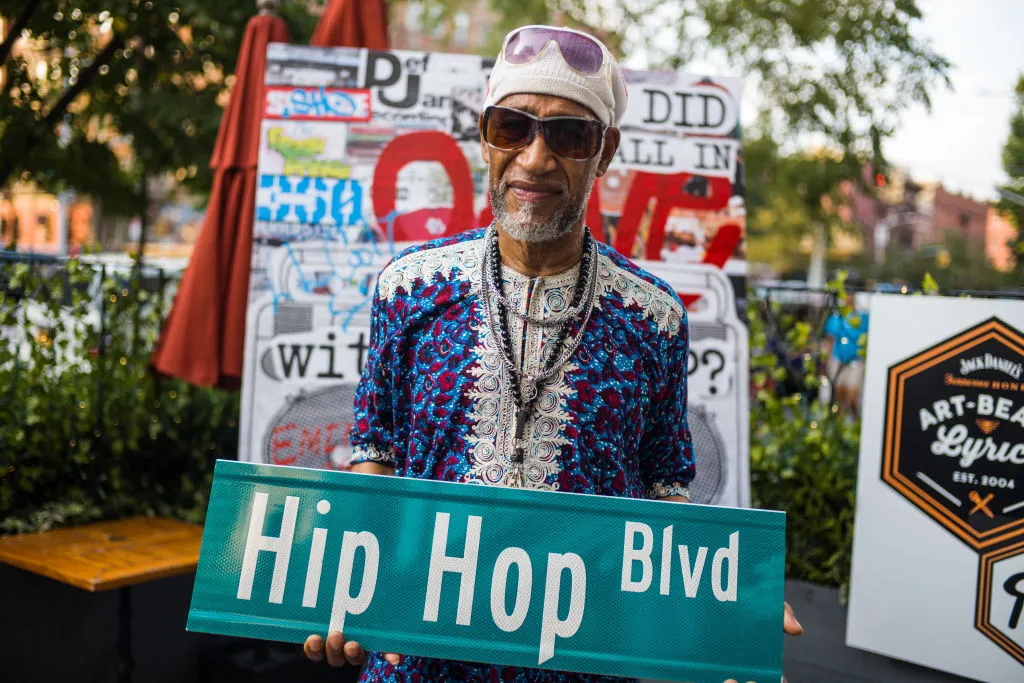
On August 11, 1973, a humble back-to-school party hosted by Clive Campbell, better known as DJ Kool Herc, in the recreation room of his apartment building at 1520 Sedgwick Avenue in the Bronx, New York, became a pivotal moment in music history. What began as a casual gathering to celebrate his sister Cindy’s return to school soon evolved into an event that marked the birth of a cultural phenomenon known as hip-hop. On this day, DJ Kool Herc unknowingly laid the foundation for a movement that would go on to revolutionize music, art, fashion, and society at large.
Setting the Stage: The Bronx in the Early 1970s
In the early 1970s, the Bronx was a place of struggle and resilience. The borough faced significant challenges, including poverty, unemployment, and crime. Amid this landscape, young people sought ways to express themselves and find a sense of identity. Music became a powerful outlet for creativity and connection, offering an escape from the harsh realities of everyday life.
The rise of block parties in the Bronx provided a much-needed sense of community and joy. These gatherings were a way for residents to come together, celebrate, and enjoy music. DJ Kool Herc, a Jamaican immigrant who had moved to the Bronx with his family in the late 1960s, was deeply influenced by the sound system culture of his homeland. He brought with him a unique style of playing music that would soon capture the imagination of the Bronx youth.
The Party That Changed Everything
The back-to-school party on August 11, 1973, was a typical Bronx gathering, but what set it apart was DJ Kool Herc’s innovative approach to music. Herc set up his turntables and sound system in the recreation room of his apartment building, and as the party got underway, he began experimenting with a technique that would later be known as the “breakbeat.”
Herc noticed that the crowd responded most enthusiastically during the instrumental breaks in the songs. These breaks, characterized by the absence of vocals and the prominence of rhythm, provided a perfect opportunity for dancers to showcase their skills. To capitalize on this, Herc began isolating and extending the breaks by using two turntables to play the same record. He would switch between the turntables, playing the break on one while cueing it up on the other, creating a continuous loop of the most energetic and danceable parts of the music.
This technique, known as the “Merry-Go-Round,” allowed Herc to create a seamless flow of music that kept the partygoers moving. The energy in the room was electric, and the dancers responded with a new style of dance that emphasized athletic and acrobatic moves, later known as “breaking” or “breakdancing.” Herc’s approach to music and the dance style it inspired became the foundation of what would later be called hip-hop culture.
The Four Elements of Hip-Hop
The back-to-school party marked the beginning of hip-hop, a cultural movement that encompasses four key elements: DJing, MCing (rapping), breakdancing, and graffiti art. Each of these elements played a crucial role in shaping the identity and evolution of hip-hop.
Djing
DJ Kool Herc’s innovative techniques in playing and mixing music laid the groundwork for DJing as an art form. His use of breakbeats and turntablism set the standard for future DJs, who would continue to push the boundaries of music and technology. Herc’s influence can be seen in the work of legendary DJs like Grandmaster Flash, Jam Master Jay, and DJ Premier, who have all contributed to the evolution of DJing within hip-hop.
MCing
As DJs like Herc provided the beats, a new form of vocal expression emerged: MCing or rapping. MCs would use the microphone to hype up the crowd, tell stories, and deliver rhymes over the music. This element of hip-hop allowed for a powerful form of storytelling and self-expression, giving voice to the experiences and perspectives of marginalized communities. Icons like Rakim, Tupac Shakur, and Nas have all built upon the foundation laid by early MCs, using their lyrical prowess to address social issues and inspire change.
Breakdancing
Breakdancing, also known as “breaking” or “b-boying,” is the dance element of hip-hop culture. Influenced by Herc’s breakbeats, dancers would perform intricate and acrobatic moves that showcased their agility and creativity. Breakdancing became a way for young people to express themselves and compete in a positive and constructive manner. Over the years, it has evolved into a global phenomenon, with b-boys and b-girls from all over the world participating in competitions and showcasing their skills.
Graffiti Art
Graffiti art, the visual element of hip-hop, emerged as a way for artists to express themselves and make their mark on the urban landscape. Graffiti artists would use spray paint to create colorful and intricate designs on walls, trains, and buildings, often incorporating elements of hip-hop culture and social commentary. This form of art has since gained recognition and respect in the art world, with artists like Keith Haring, Jean-Michel Basquiat, and Banksy drawing inspiration from the graffiti culture of the Bronx.
The Legacy of DJ Kool Herc and the Birth of Hip-Hop
DJ Kool Herc’s back-to-school party in 1973 was more than just a celebration; it was a defining moment in the history of music and culture. From that day forward, hip-hop began to spread beyond the Bronx, capturing the imagination of young people across the United States and eventually around the world. The four elements of hip-hop—DJing, MCing, breakdancing, and graffiti art—became a powerful force for creativity, self-expression, and social change.
Today, hip-hop is a global phenomenon that transcends cultural and geographic boundaries. It has influenced countless artists, musicians, dancers, and writers, and its impact can be seen in every aspect of popular culture. From the streets of the Bronx to the stages of the world’s biggest arenas, hip-hop continues to inspire and empower people of all ages and backgrounds.
As we celebrate the anniversary of DJ Kool Herc’s legendary party, we honor the pioneers who paved the way for a cultural revolution. Their creativity, resilience, and passion for self-expression have left an indelible mark on the world, reminding us of the power of music and art to bring people together and create positive change.
Related Articles
Chasing the Sort Sol: Inside Søren Solkær’s Six Year Pursuit of Europe’s Starling Clouds
A Danish portrait photographer spent six years following a bird nobody photographs on purpose, and […]