A Gym Leader Mode for Pokémon: Rev the Franchise’s Core Loop with Creative Management and Dynamic Challenge

June 6, 2026
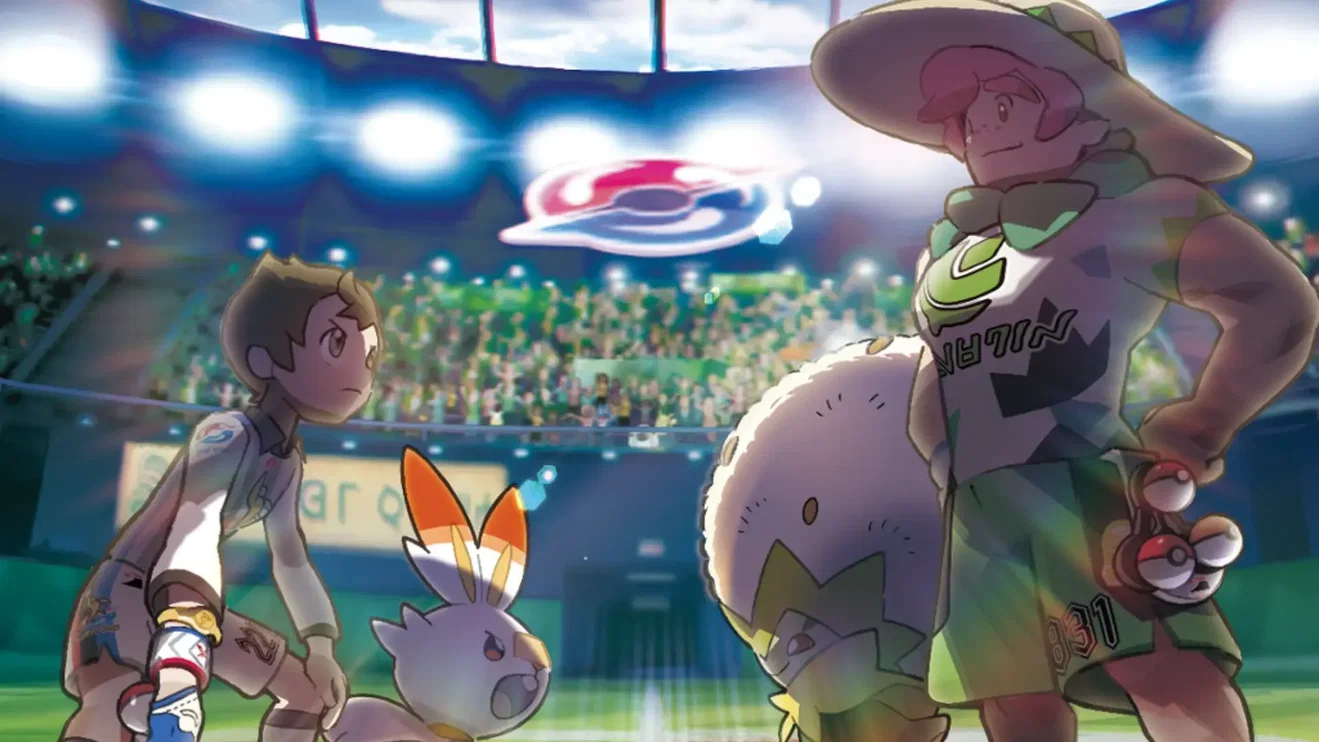
For nearly three decades, the Pokémon video game franchise has defined adventure through the eyes of a young trainer on a journey to become Champion. From the grassy routes of Kanto in 1996’s Red and Green to the open-world vistas of recent entries like Legends: Z-A (2025) and the cozy life-sim of Pokémon Pokopia (March 2026), the mainline series and its sprawling spin-off ecosystem have revolved around catching, training, and battling with Pokémon companions. Yet one perspective remains conspicuously unexplored in official titles: that of the Gym Leader themselves.
This concept analysis proposes a “Gym Leader Mode” — a playable Gym management mechanic that could fundamentally expand the franchise’s traditional RPG progression. By letting players design custom Gyms, craft type-specific puzzles, assign trainers, and defend against dynamic, level-scaled challengers, Pokémon could inject fresh creativity and replayability, especially in the post-Pokopia era where fans crave new core loops beyond standard trainer journeys.
stir
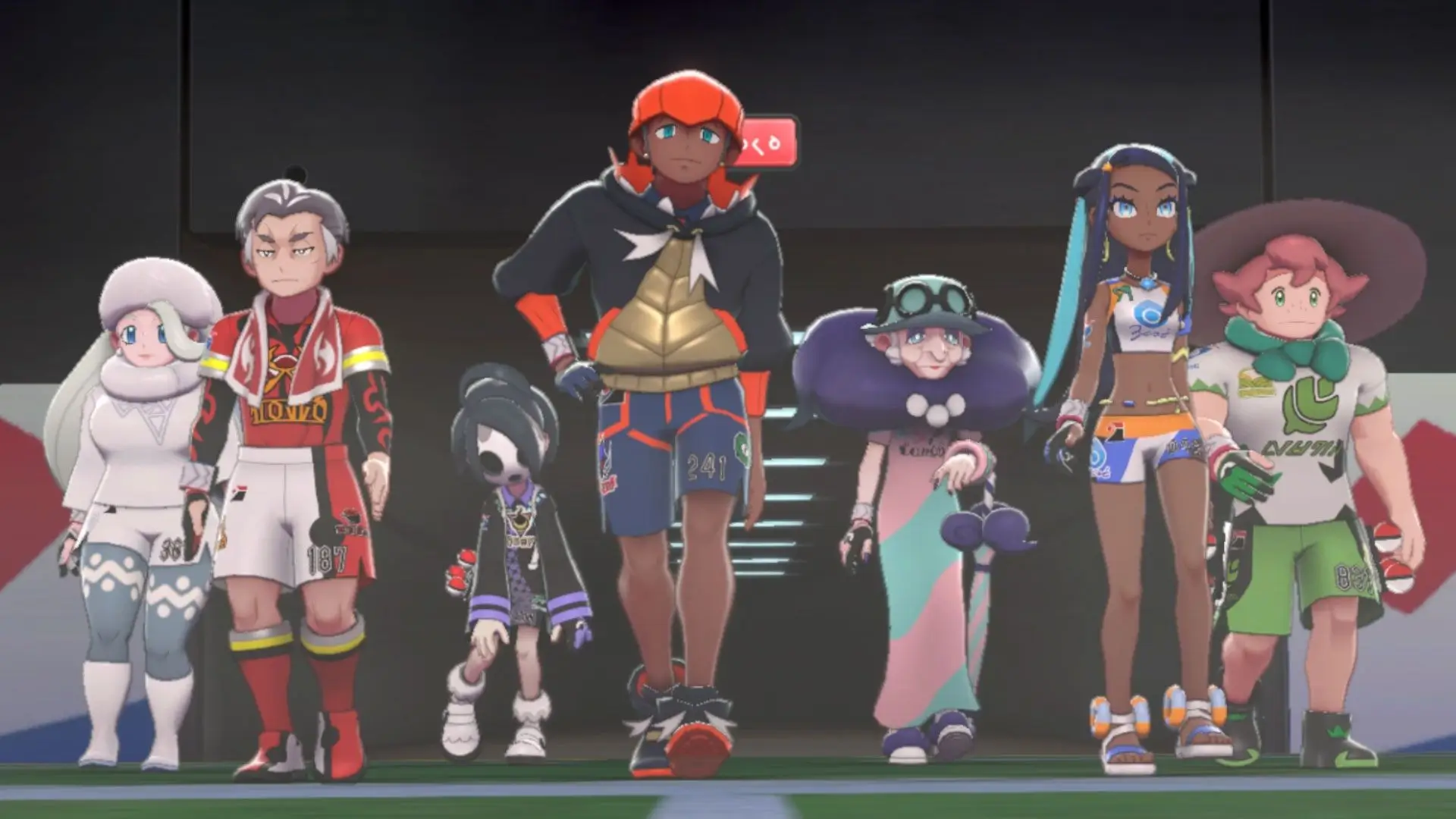
Gyms have always been the structural backbone of Pokémon adventures. In every mainline region — Kanto, Johto, Hoenn, Sinnoh, Unova, Kalos, Alola, Galar, Paldea, and now the evolving landscapes of recent titles — they serve as progressive milestones. Gym Leaders act as mentors, gatekeepers, and cultural icons. They test not only combat prowess but problem-solving skills through environmental puzzles tailored to their typing specialty.
Consider iconic examples: Lt. Surge’s electric traps in Vermilion Gym, Candice’s slippery ice puzzles in Snowpoint City, or the more elaborate designs in later games that blend navigation, switches, and Pokémon interactions. Leaders like Volkner, who grapples with burnout, or Allister, with his ghostly mystique, add narrative depth. They inspire trainers while representing regional identity — from industrial grit to natural harmony.
The 2026 Championship Series is nearing the finish line with its next big stop at #PokemonNAIC!
Check out initial details on our informational hub, linked below ⬇️
🔗 https://t.co/lm8DAUAuZy pic.twitter.com/Tfu0iIZoWk
— Play! Pokémon (@playpokemon) April 7, 2026
Yet, players have only ever challenged them. Official games never let you step into their shoes. Fan creations have long filled this void. ROM hacks and fan games like Pokémon This Gym of Mine (and its Rank Up Edition) let players manage a Gym, hire trainers, rebuild towns, and handle daily challengers, proving massive community appetite. These projects generate enthusiastic playthroughs and discussions, highlighting how the fantasy resonates.
Community feedback across forums, Reddit, YouTube, and social platforms consistently shows desire for deeper customization and management layers. Post-Pokopia, with its emphasis on world-building, crafting, and Pokémon habitats as a Ditto-turned-human, fans are primed for mechanics that reward creativity over linear progression.
flow
Imagine inheriting or establishing a Gym mid-campaign or in post-game content. Players select a type specialty (or perhaps a thematic twist, echoing fan ideas for non-type themes like mythology or technology). Then, the real fun begins: designing the Gym layout.
Using tools akin to Pokopia’s building systems or The Sims-style placement, you’d construct puzzle rooms — conveyor belts for Electric types, mirrored illusions for Psychic, vine mazes for Grass. Place Gym Trainers strategically; their teams and dialogue could reflect your design choices. Customize aesthetics: banners, lighting, even ambient music or Pokémon habitats that tie into battle themes.
This mechanic aligns perfectly with Pokémon’s evolution toward player agency. Legends: Arceus and Scarlet/Violet introduced open worlds and base mechanics; Pokopia doubled down on cozy simulation. A Gym Mode could hybridize these with traditional battling, creating a satisfying loop: explore and catch to strengthen your Gym roster, return to refine defenses, then test them.
Puzzles could range from simple switch-based for early game to multi-layered, multi-type challenges later. Integration with Pokémon abilities (e.g., using Surf to create water paths or Strength for movable blocks) would make them feel organic. Rewards for innovative designs? Higher challenger satisfaction ratings, prestige badges, sponsor items, or rare Pokémon eggs tied to your Gym’s reputation.
operant
The beauty of Gym Leader Mode lies in its non-disruptive integration. After establishing your Gym (perhaps after earning several badges yourself, or as a branching story path), an “on-call” system activates. While adventuring across the region, you receive notifications — phone calls, Pokégear alerts, or modern app equivalents — about incoming challengers.
Quick-travel via Fly HM or regional fast-travel mitigates distance issues. Story integration could elevate it: your Gym becomes a narrative hub, with rivals, Team threats, or Legendary encounters tied to its success. Defending it might unlock unique story branches, such as mentoring young trainers or collaborating with other Leaders.
Battles remain core. As Gym Leader, you face challengers in your customized arena. To prevent staleness, implement dynamic AI: challengers adapt based on your previous defenses, bringing counter-teams or exploiting puzzle weaknesses if you neglect maintenance.
scale
A critical challenge is power disparity. A late-game player with level 80+ Pokémon would steamroll challengers. Smart scaling solves this: challenger levels dynamically adjust to your current party average or progress (e.g., tied to Badges earned). As you grow stronger, so do the NPCs — introducing diverse teams, held items, and strategies.
This creates mutual evolution: your Gym’s reputation attracts tougher trainers, mirroring real competitive scenes. Optional difficulty sliders or “Gym Rank” systems (from local hotspot to Elite-tier) add depth. Victories yield resources for upgrades; rare losses (perhaps against specially scripted rivals) could trigger story events without game-over frustration.
Multiplayer elements shine here. Local or online co-op for co-managing a Gym, or asynchronous challenger invasions from friends’ teams, would foster community — a natural extension of Pokémon’s social DNA seen in trades, battles, and Pokopia’s multiplayer visits.

consider
Time complexity is a valid concern for mainline integration. Constant interruptions could disrupt narrative flow, so make participation optional or toggleable. Post-game focus, DLC expansion, or a dedicated mode (like Sword/Shield’s expansions) offers flexibility.
Balance is key: avoid making the player unbeatable by default. Introduce “Gym Inspections” by the Pokémon League, where evaluators test puzzle fairness and team viability. Failure might require adjustments, adding management tension.
Technical feasibility on Switch 2 hardware (with Pokopia and Legends: Z-A setting precedents) supports detailed environments and AI. Voice acting for customizable Leaders or deeper NPC interactions could enhance immersion.
extent
If mainline integration proves too disruptive, a dedicated spin-off titled something like Pokémon Gym Odyssey or Pokémon Leader Legacy would excel. Centered entirely on Gym management, it could expand mechanics dramatically: build an entire town around your Gym, manage economy via challenger fees and tourism, host tournaments, and climb regional rankings.
Side missions — investigating mysterious Pokémon appearances, resolving trainer disputes, or cross-region exchanges — provide variety. Multiple Gyms to manage, rival Leaders, or a campaign to reform a neglected League offer narrative hooks. Drawing from successful spin-offs like Conquest (strategy), Mystery Dungeon (roguelike), and Pokopia (simulation), this could blend genres into something uniquely engaging.
Fan games already demonstrate viability. This Gym of Mine and similar titles show players love the fantasy of town-building, staff management, and defending prestige. An official version with full Pokémon roster, polished visuals, and online features would be a breakout hit.
commune
Fan enthusiasm is undeniable. Searches and discussions reveal countless Gym Leader concept arts, dream teams, and “what if” scenarios. The popularity of fan games underscores a hunger for inverted perspectives — playing the “boss” rather than the hero.
Post-Pokopia, which shifted focus to creation and coexistence rather than battling supremacy, the franchise feels ready for evolution. Legends: Z-A’s historical Lumiose revamp and upcoming Winds & Waves (2027) signal openness to new formulas. A Gym Mode could bridge traditional RPG with simulation/strategy, appealing to veterans and newcomers alike.
It addresses common criticisms: repetitive trainer journeys, underutilized NPCs, and limited endgame. By empowering players as creators and defenders, it deepens emotional investment in the world.
eco
This feature wouldn’t exist in isolation. Tie-ins with mainline games could allow transferring custom Gym data or challenger teams. Competitive play might evolve, with official Gym Leader tournaments. Merchandise, anime episodes featuring player-inspired Leaders, and AR integrations (building on GO) extend the fun.
Culturally, it celebrates the supportive role of Gym Leaders — inspiring the next generation while pursuing mastery. It humanizes the system, showing the work behind the spectacle.
leg
A Gym Leader Mode represents more than a gimmick; it’s a philosophical expansion. Pokémon has always been about bonds, growth, and discovery. Letting players build the very institutions that shaped their journeys adds profound layers of meaning and replayability.
Whether integrated into a mainline title as a parallel campaign or launched as a beloved spin-off, this mechanic honors the franchise’s 30-year heritage while boldly innovating. Fans have dreamed it; Game Freak and The Pokémon Company have the tools and momentum post-Pokopia to realize it.
The ultimate goal remains becoming Champion — but along the way, why not become the mentor who lights the path for others? In a franchise defined by endless possibility, stepping behind the Gym podium could be the next legendary step.
Related Articles
Hyrule’s Cutting Room Floor: The Scrapped Ocarina of Time Ideas That Could Save the Switch 2 Remake
A muted Direct reveal has fans nervous. Decades of cut content sitting in Nintendo’s archive […]