DRIFT AUDIO
Listen to this story
Choose a voice, then press play.
At first glance, it seems like a small thing. Someone throws seeds into a dry flowerbed, plants flowers at the base of a tree, fixes up a forgotten patch of land between two sidewalks, turns a dust-filled hole into something that can grow. There is no major project, no rendering, no inauguration, no councilor cutting a ribbon. There is only a minimal gesture, almost banal, which nevertheless contains an enormous question: who gets to decide what public space should look like?
This is where guerrilla gardening begins. It is not simply creative gardening, nor is it just a prettier way to beautify the city. It is a practice of urban intervention, often unauthorized, that emerges when someone decides to take care of a space no one seems willing to care for. It might be an abandoned lot, an empty flowerbed, the edge of a road, a patch of land under a railway, a roundabout, a crack between concrete and asphalt. Tiny, marginal places, seemingly without value. And precisely for that reason, political.
stir
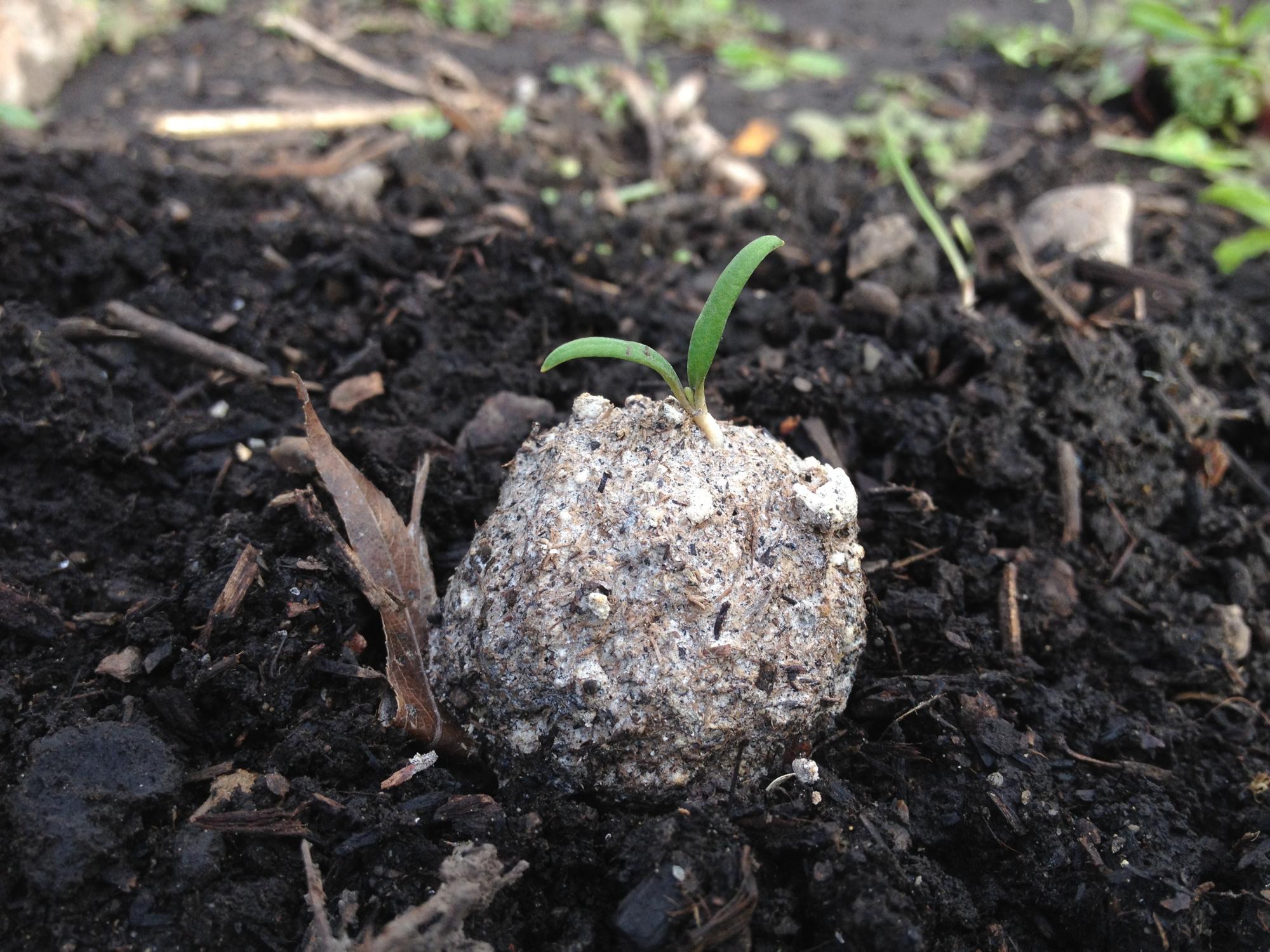
The modern movement is often traced back to the early 1970s in New York City, amid fiscal crisis, urban decay, and widespread disinvestment. Liz Christy, a Greenwich Village artist, along with colliders like Amos Taylor and Martin Gallent, founded the Green Guerillas in 1973. Frustrated by abandoned lots filled with trash and neglect on the Lower East Side, they began a quiet rebellion. They threw “seed green-aids” (early versions of seed bombs) over fences into vacant lots, planted sunflowers in traffic medians, and installed flower boxes on the windowsills of empty buildings.
In 1973–1974, Christy and the group transformed a trash-strewn lot at the corner of Bowery and Houston Streets into what became the Liz Christy Community Garden — now recognized as one of the oldest community gardens in New York and maintained by the city’s Parks Department. This was not mere beautification. It was a direct response to systemic abandonment. The city was in crisis: properties were foreclosed, lots sat derelict, and entire neighborhoods felt forgotten by planners and policymakers. The Green Guerillas’ actions reclaimed these spaces, turning symbols of decline into sites of community, food production, and hope.
The term “guerrilla gardening” itself carries the weight of this origin. It evokes military tactics — swift, tactical interventions in hostile territory — but repurposed for life and care rather than destruction. Historical precedents stretch further back: the 17th-century Diggers in England, led by Gerrard Winstanley, who cultivated common lands as an act of resistance against enclosure and privatization. Similar impulses appear in various forms of informal urban greening worldwide, from prisoners’ gardens to enslaved people’s plots. But the 1970s New York moment crystallized it as a recognizable movement.
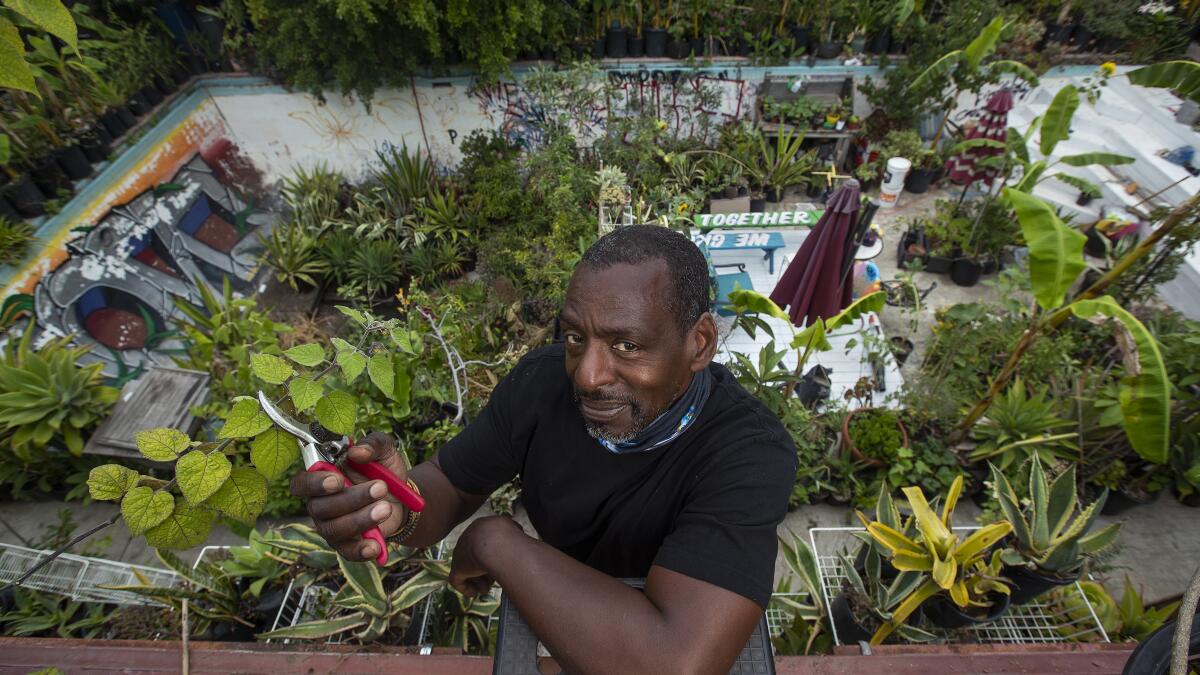
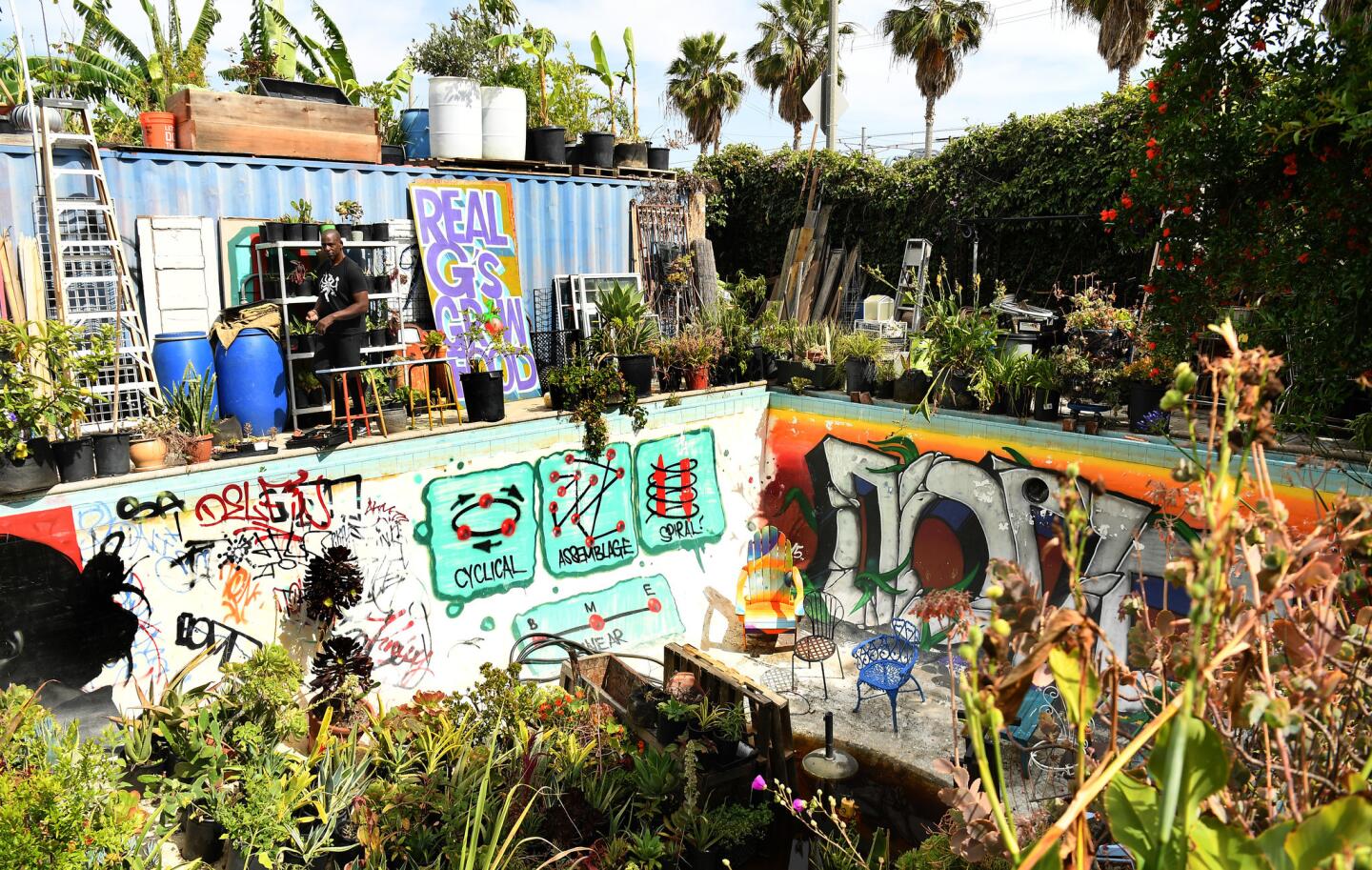
Today, the practice has evolved and spread globally. Richard Reynolds launched GuerrillaGardening.org in London in 2004, turning his local frustrations into an international platform. In Los Angeles, Ron Finley — the “Gangsta Gardener” — planted food gardens in neglected parkways, transforming food deserts and facing legal battles that ultimately amplified his message. From Cape Town’s Green Guerrillas to projects in Berlin, Manchester, and beyond, the ethos remains: intervene where official channels fail.
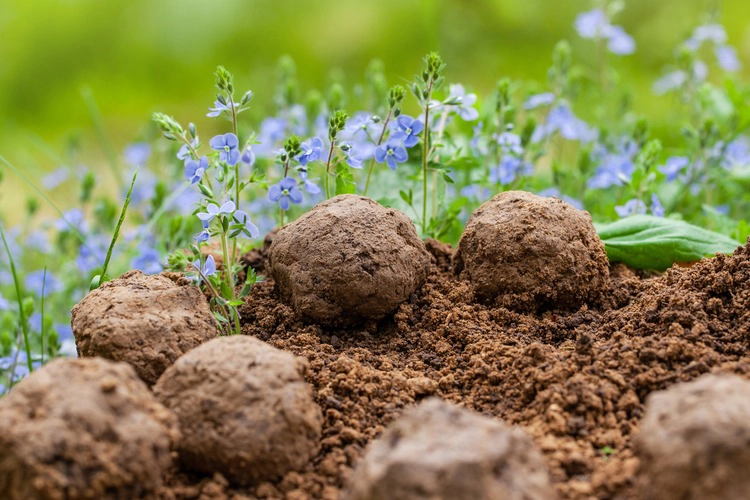
These origins matter because they anchor guerrilla gardening in political reality rather than aesthetic whim. Seed bombs make for compelling views— compact balls of clay, compost, and seeds that can be lobbed into inaccessible spots — but they were born from necessity, not Instagram. A plant growing in the “wrong” place challenges assumptions about order, ownership, and agency in the urban fabric.
flow
Guerrilla gardening taps into a deep fatigue with purely symbolic activism. In an era of digital outrage, endless scrolling, and performative gestures, it demands physical presence: leaving home, touching soil, planting, returning to tend and observe growth. It is slow, incremental, and consequential. You witness the results — or failures — in real time. This tangibility gives it power.
It is a form of “handmade urbanism” that highlights the gap between top-down planning and everyday lived experience. Cities are designed from above through master plans, zoning laws, budgets, and contracts. Yet they are inhabited from below by residents navigating cracked sidewalks, barren medians, and neglected corners. Guerrilla gardening inserts care into these overlooked spaces, asserting that public space belongs to those who use it, not just those who administer it.
Politically, it operates as gentle sabotage: adding life where decay reigns. Unlike destructive protests, it builds rather than breaks. A blooming flowerbed or thriving vegetable patch in a vacant lot view indicts the systems that allowed neglect in the first place. Who decided this space should remain barren? Why does a public asset languish while private interests thrive?
Scholars describe it as a “normalized form of law-breaking” — a minor transgression that questions aesthetic and proprietary norms without typically escalating to confrontation. It challenges the notion that only authorized actors — developers, municipalities, large institutions — have the right to shape the city. In doing so, it democratizes urban design, making it participatory and immediate.
Globally, the political dimensions vary. In some contexts, it addresses food sovereignty and environmental justice, particularly in marginalized communities. Ron Finley’s work in South Central LA highlighted how lack of green space and fresh produce correlates with health disparities. In post-industrial cities, it combats urban heat islands and biodiversity loss. During crises — economic downturns, pandemics, or social unrest — guerrilla gardens have provided literal sustenance and symbolic resilience. Memorial gardens planted at sites of police violence in Minneapolis, for example, blend greening with calls for racial justice.
Yet it is not without contradictions. While view flow, its impression can feel limited against systemic issues like overdevelopment or climate change. A single seed bomb does not rewrite policy. Its strength lies in provocation: it makes the invisible visible and the neglected impossible to ignore.
challenge
The practice sits uncomfortably at the intersection of care and illegality. By definition, guerrilla gardening often involves trespass or unauthorized use of land — public or private. Legally, this can constitute civil trespass, though enforcement varies widely. Many municipalities tolerate minor interventions, especially when they improve rather than damage spaces. Others respond with removal or fines. In extreme cases, gardeners like Ron Finley have faced warrants, only to leverage public support for change.
This tension is central to its power. It forces a reckoning: why is an abandoned lot preferable to one tended without permission? Why does “care” become subversive when it bypasses bureaucracy?
Risks extend beyond legality. Ecologically, well-intentioned actions can backfire. Commercial seed mixes often include non-native or invasive species ill-suited to local conditions, potentially harming biodiversity. Seed bombs may fail in poor soil or harsh urban environments, leading to waste. True ecological stewardship requires knowledge of native plants, soil health, pollinators, and site-specific conditions — turning casual greening into responsible intervention.
Socially, access is uneven. Who has the time, resources, physical safety, and culture confidence to garden publicly? Practices often flourish in neighborhoods with existing social capital, risking gentrification optics: green improvements that precede displacement rather than benefit long-term residents. It can become performative — where documentation obscures sustained care.
These limitations do not invalidate the practice but underscore the need for nuance. Successful guerrilla gardeners emphasize ethics: use native seeds, minimize harm, prioritize community benefit, and sometimes transition projects toward legalization. Many original “illegal” gardens, like Liz Christy’s, eventually gained official recognition.
:max_bytes(150000):strip_icc()/GettyImages-503451641-400e4025a171492dbd65f2a1afc84cee.jpg)
extent
Guerrilla gardening will not single-handedly solve urban challenges — heat islands, biodiversity collapse, inequitable access to green space, or housing crises. No seed bomb replaces comprehensive policy. Yet it performs vital culture work: it makes the city legible again. In spaces rendered invisible by neglect or over-regulation, a simple act of planting reasserts human presence and possibility.
It counters the notion that the city is “finished” — fully planned, optimized, and handed down from experts. Instead, it reveals the urban landscape as ongoing, contested, and co-created. Every tended crack in the pavement or reclaimed lot reminds us that public space is not merely functional transit zones but sites of imagination, memory, and belonging.
In 2026, amid accelerating urbanization, climate anxiety, and debates over land rights, this message resonates. Cities face pressure to densify while simultaneously needing more greenery for livability. Guerrilla gardening models bottom-up solutions that pressure institutions to act. It fosters connections: between people and place, neighbors and nature, individual action and collective imagination.
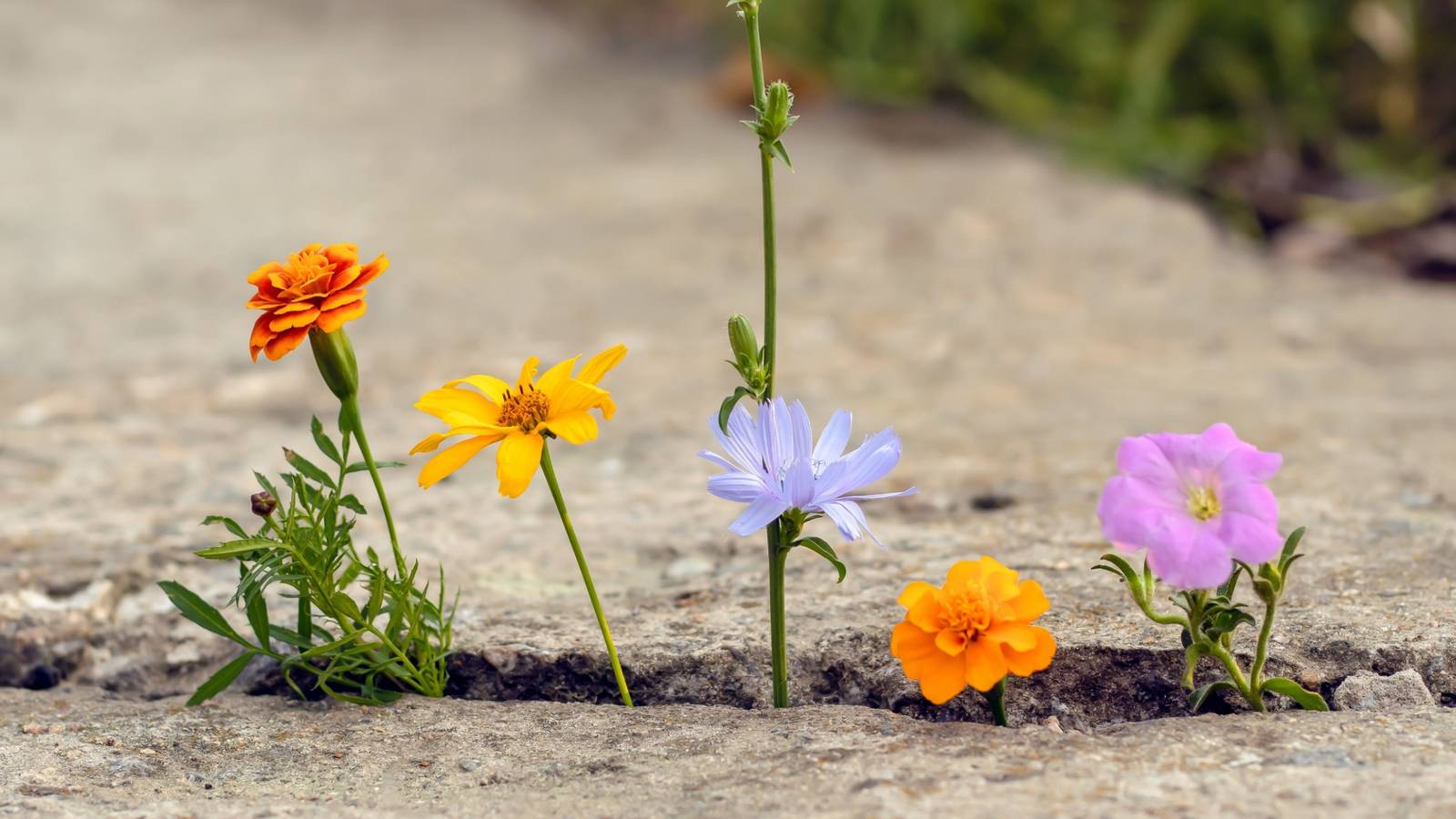
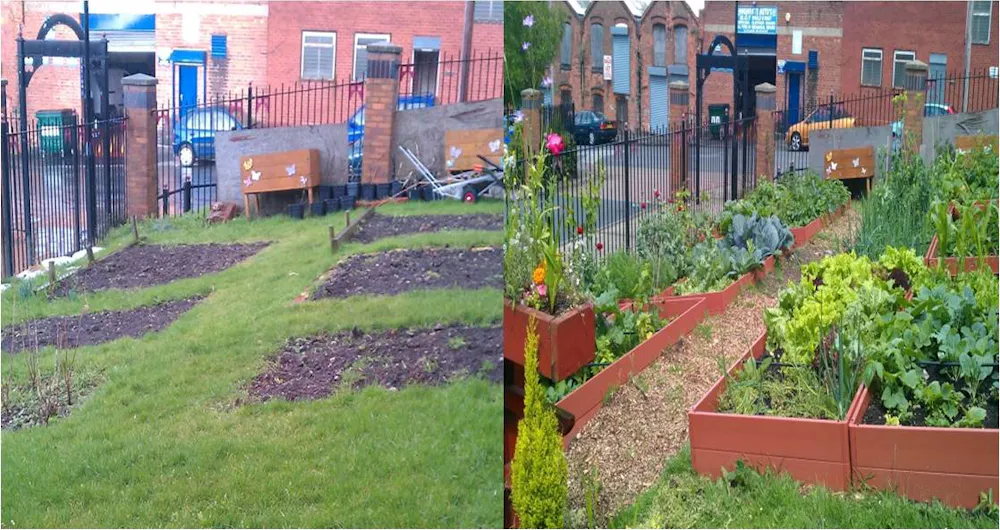
At its best, it cultivates not just plants but new ways of seeing and relating to the city. A flower growing through asphalt becomes a metaphor for resilience. A community plot yields not only vegetables but conversations, skills, and solidarity. It challenges us to ask: what if care were the default, not the exception? What if the right to transform space extended beyond ownership to stewardship?
Perhaps that is why it feels so contemporary. In an age of abstraction and spectacle, planting remains stubbornly material. It demands presence, patience, and humility before the living world. A small action against the idea that everything has already been decided. Even a flowerbed can be political. Even a seed can be urbanism. Even a flower growing where it was not supposed to can change how we look at a sidewalk — and who gets to decide its future.
n
From the DRIFT archive: Utqiaġvik Begins 65-Day Polar Night: Life Without Sunlight Returns
Related Articles

Ten Bags Sitting In The Same Week As The Shows
Pearl egg. Fringe mini. Kelly Doll. Holdall. Pigeon. Speedy. Alex tote. Aluminum case. Cassandre pouch. […]