DRIFT AUDIO
Listen to this story
Choose a voice, then press play.
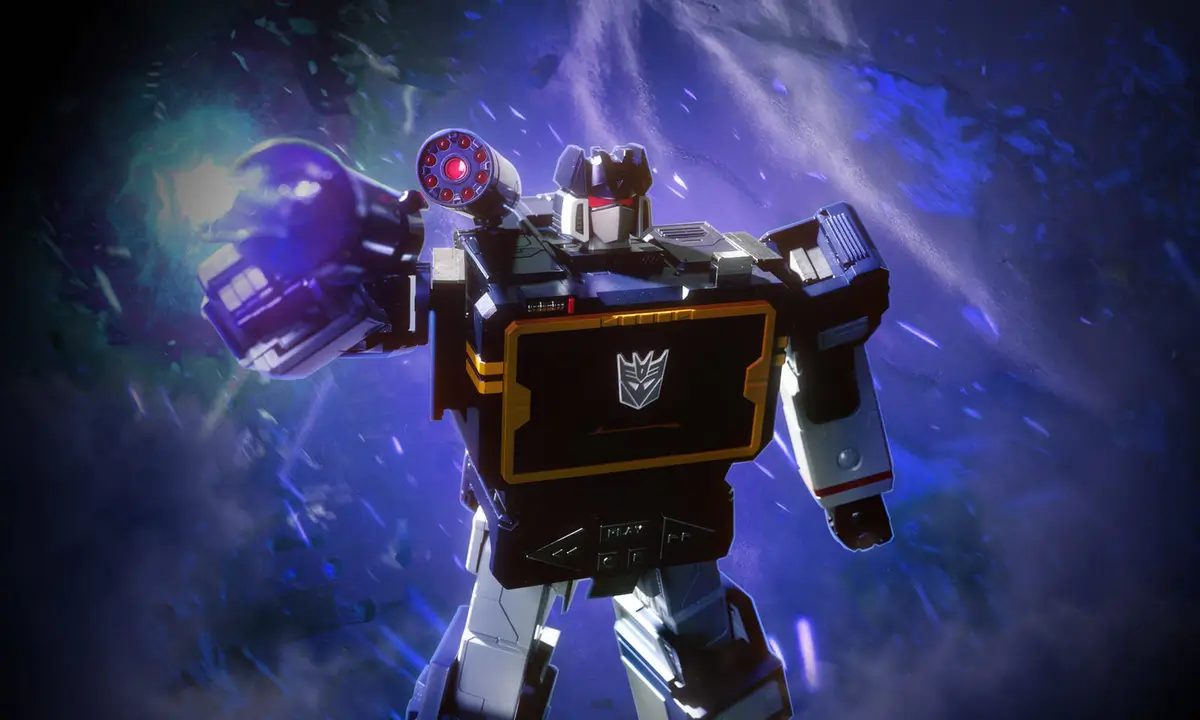
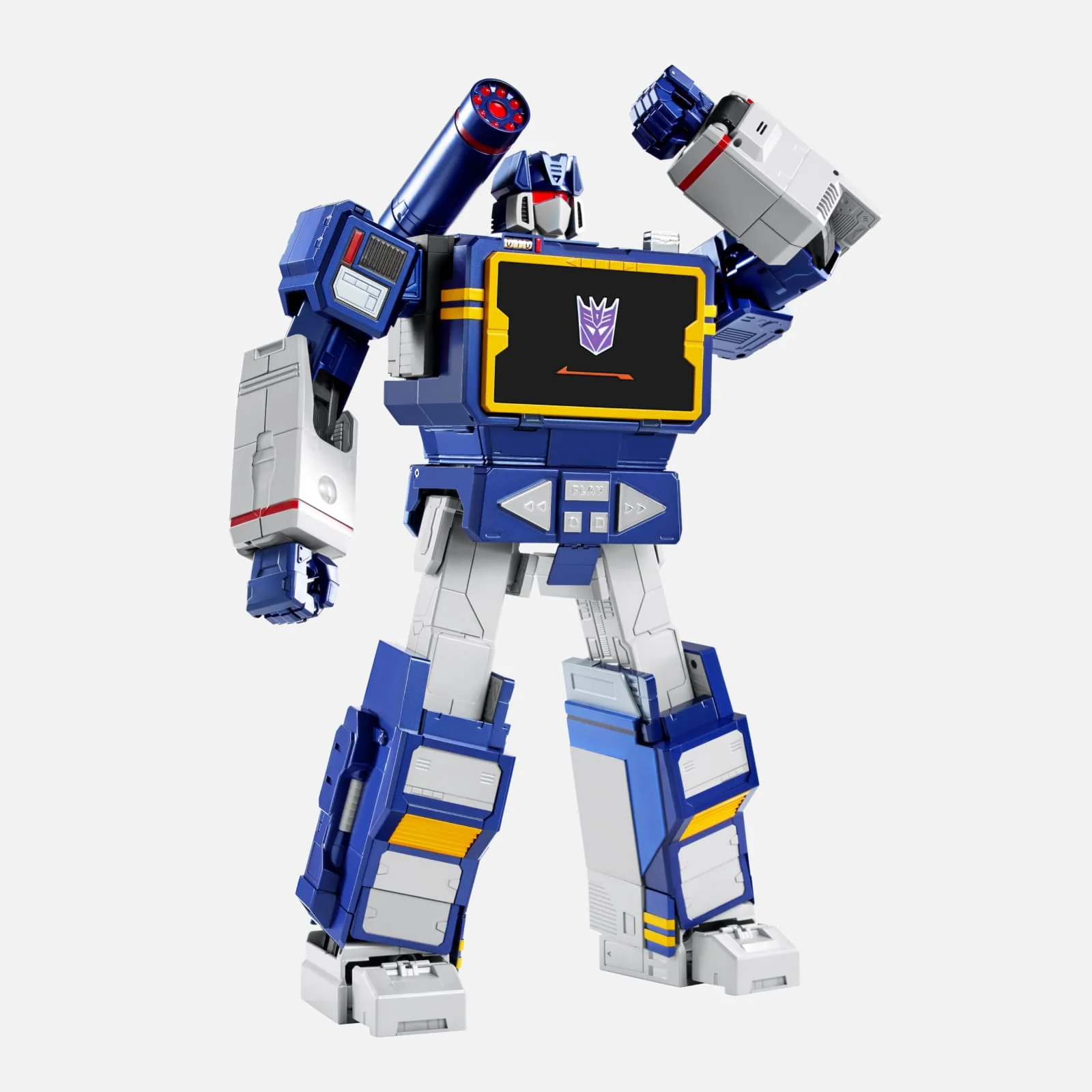
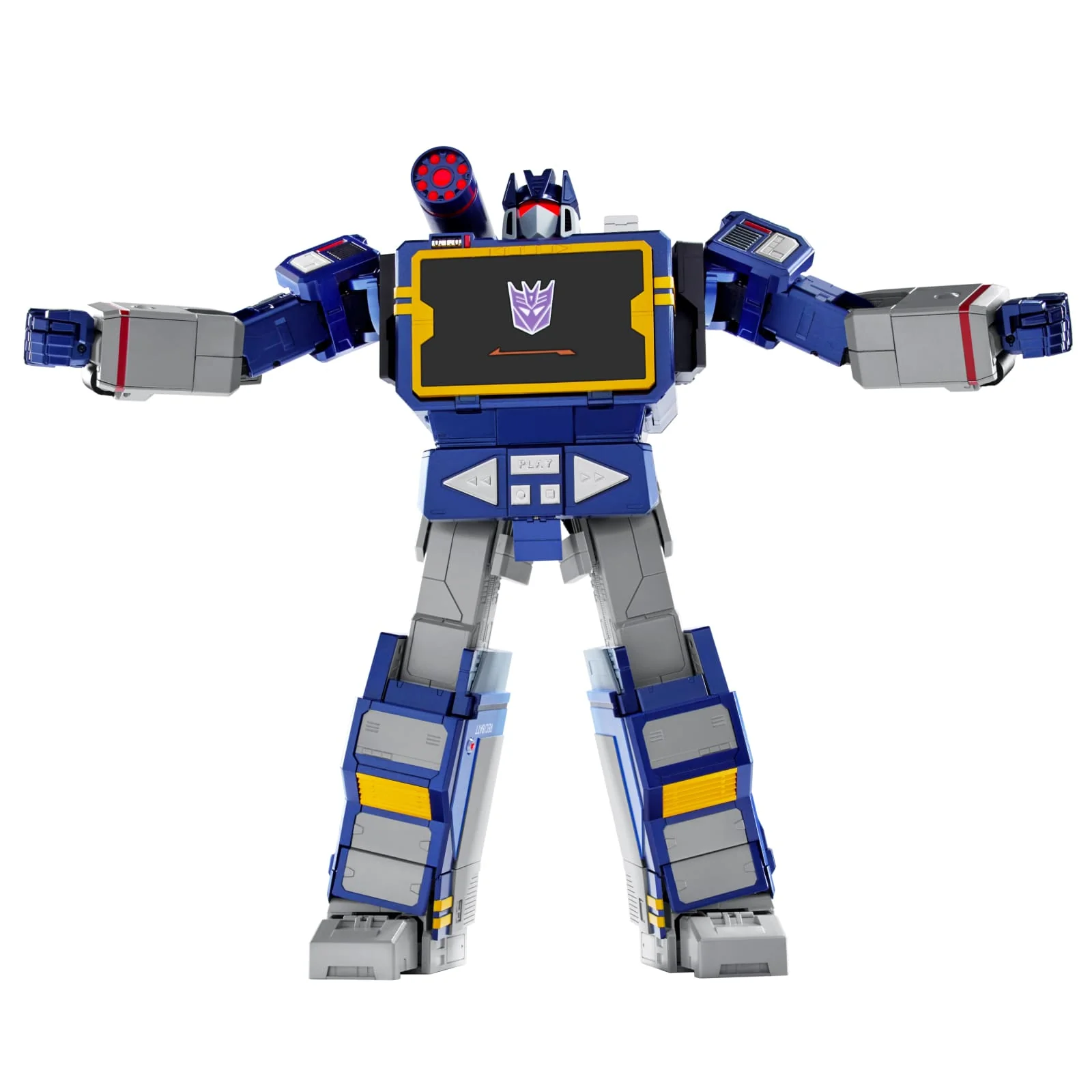
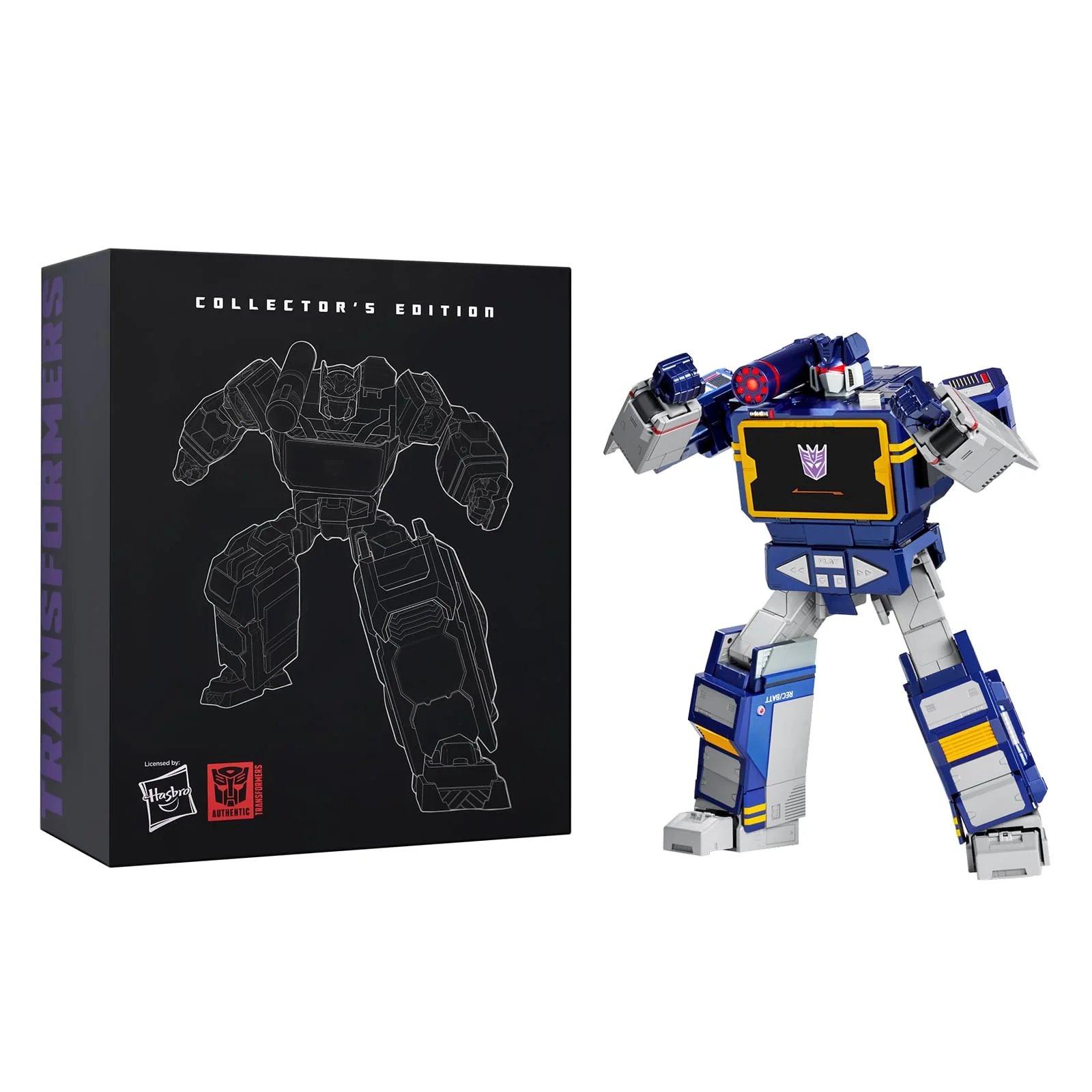
In the pantheon of childhood dreams rendered in premium engineering, few concepts hit quite like a Transformer that doesn’t just pose on a shelf but becomes the thing it’s supposed to be. Robosen’s Flagship Soundwave G1 delivers exactly that fantasy—complete with the original voice of Frank Welker, 28 high-precision servo motors, 84 custom microchips, and a full auto-conversion between imposing robot gladiator and iconic G1 cassette deck. At $1,400 (or $999 during early-bird windows), it’s a collector-grade artifact that bridges 1980s Saturday morning cartoons and today’s bleeding-edge robotics.
Yet for all its mechanical majesty, Soundwave reveals a poignant duality: a triumph of design and robotics that stumbles when asked to perform its namesake function. It’s a sick robot. As a Bluetooth speaker? More “sad boombox” than sonic superior. This tension—between nostalgic spectacle and practical limitations—makes Soundwave a fascinating cultural object in 2026, one that speaks volumes about our enduring love for tangible, interactive relics in an increasingly digital world.
View this post on Instagram
stir
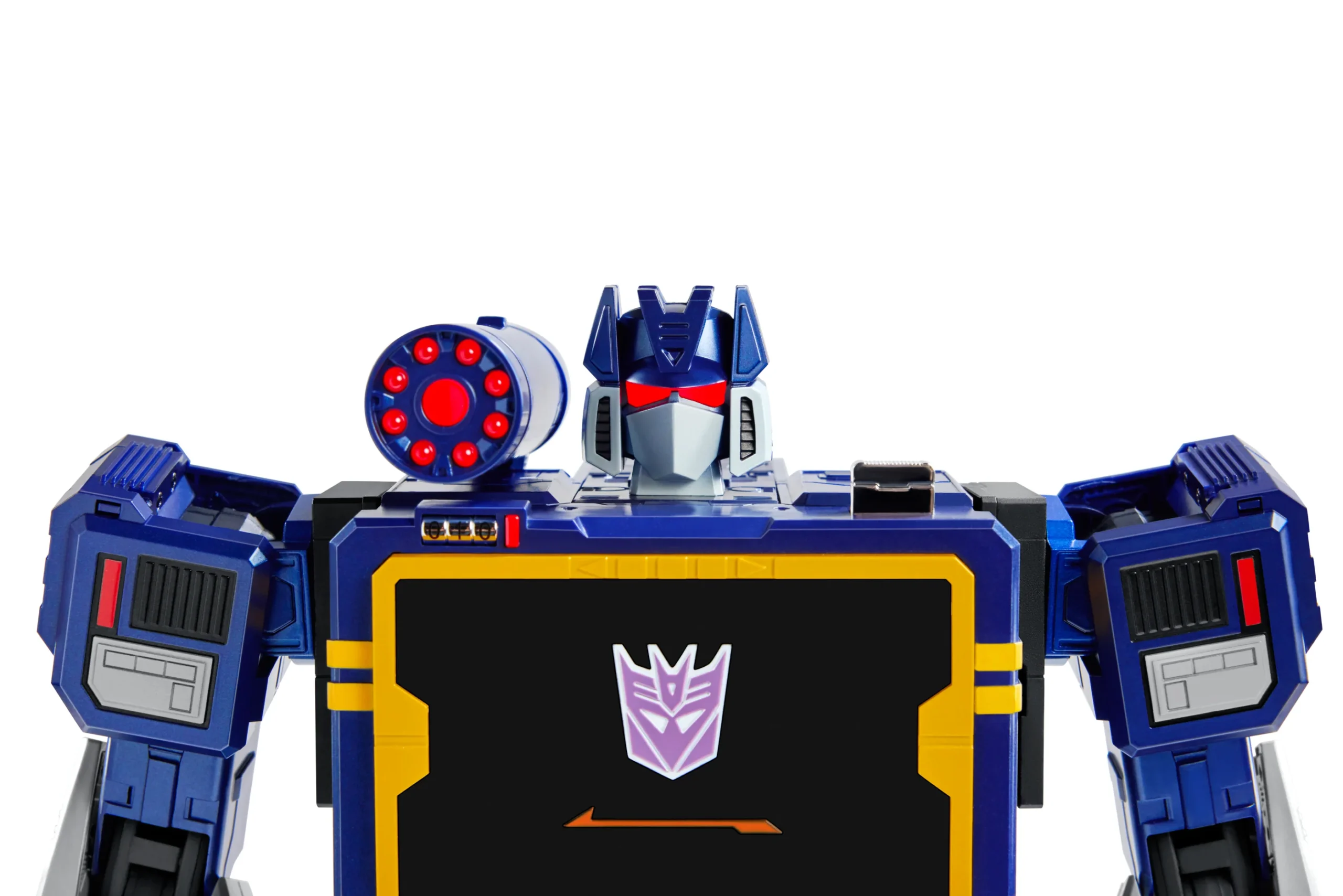
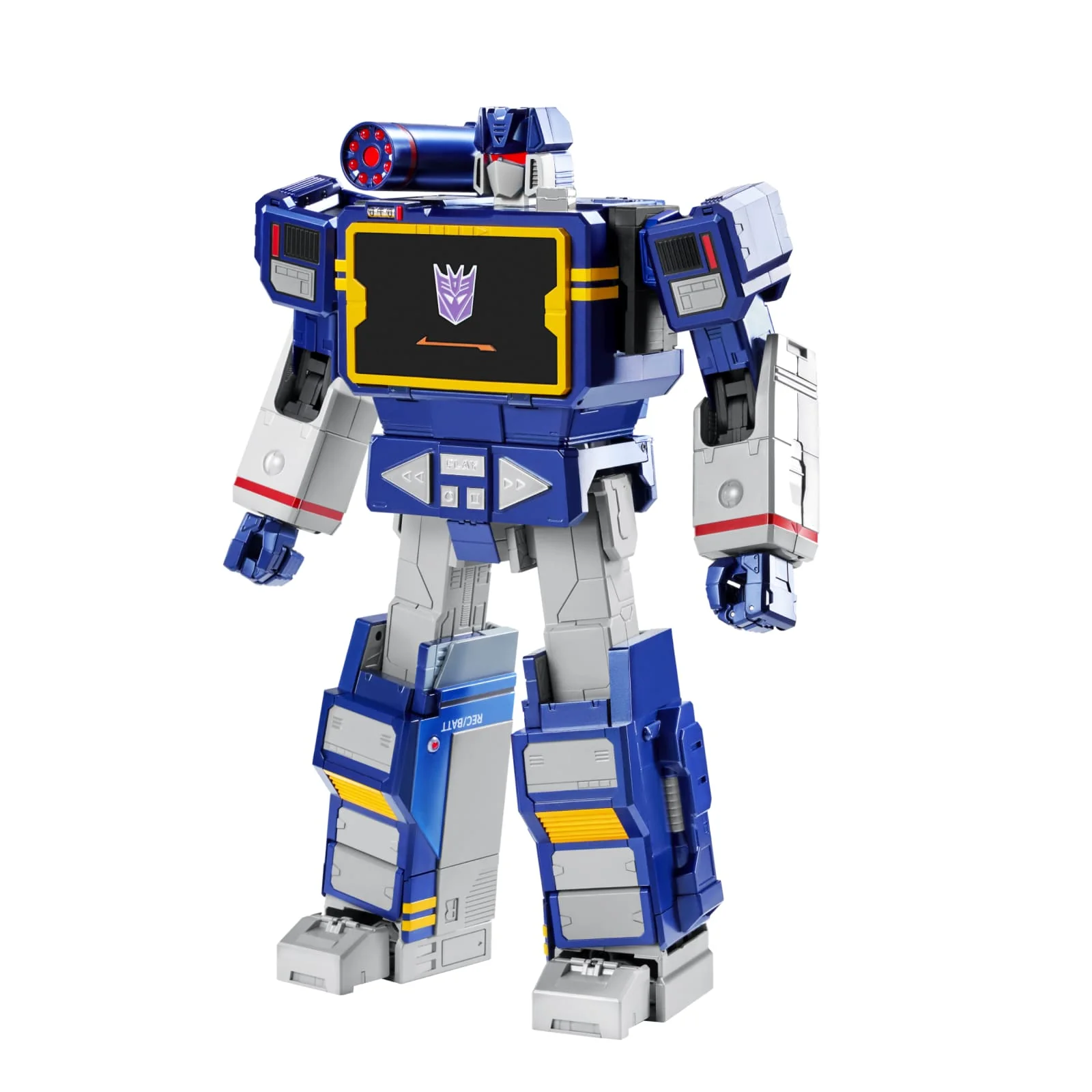
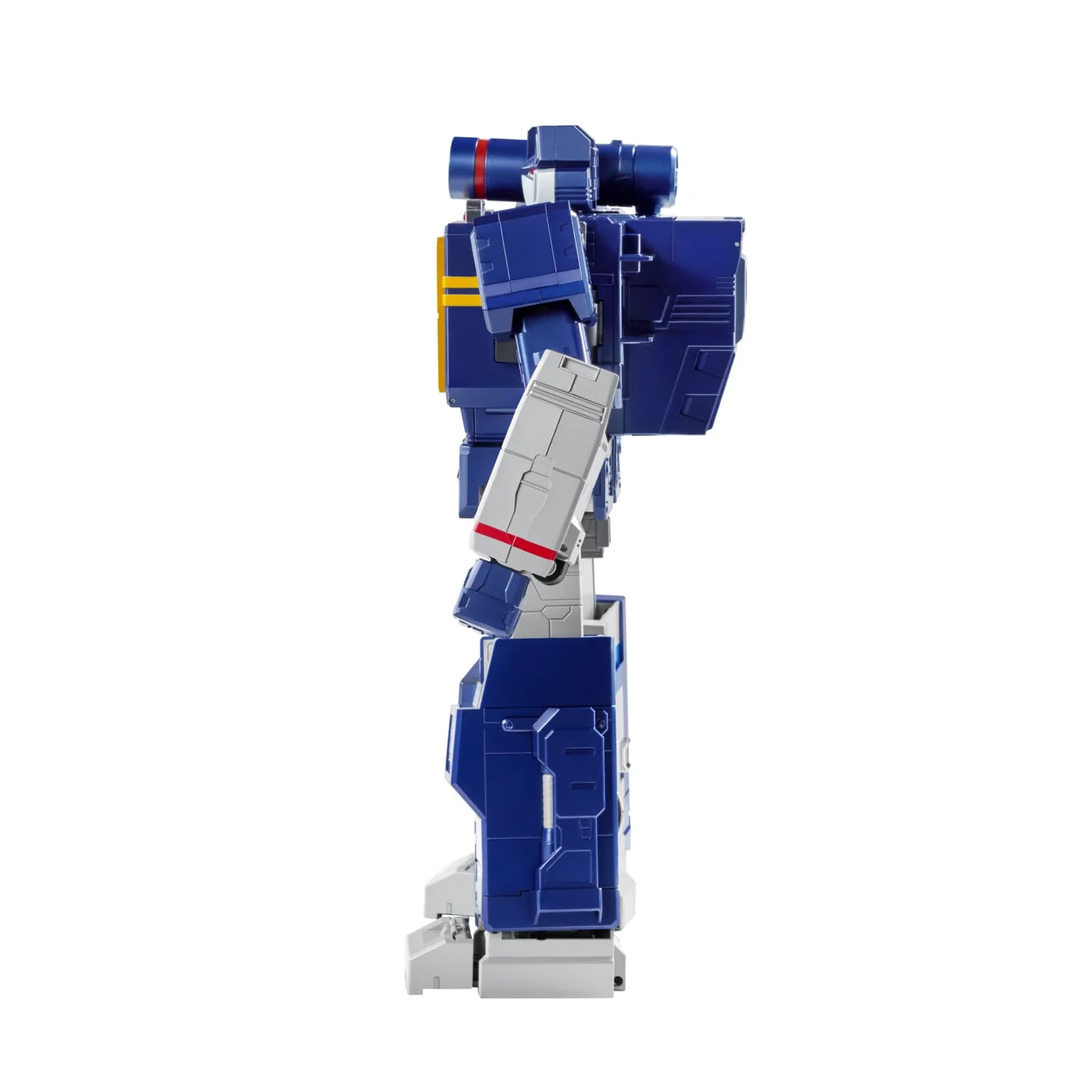
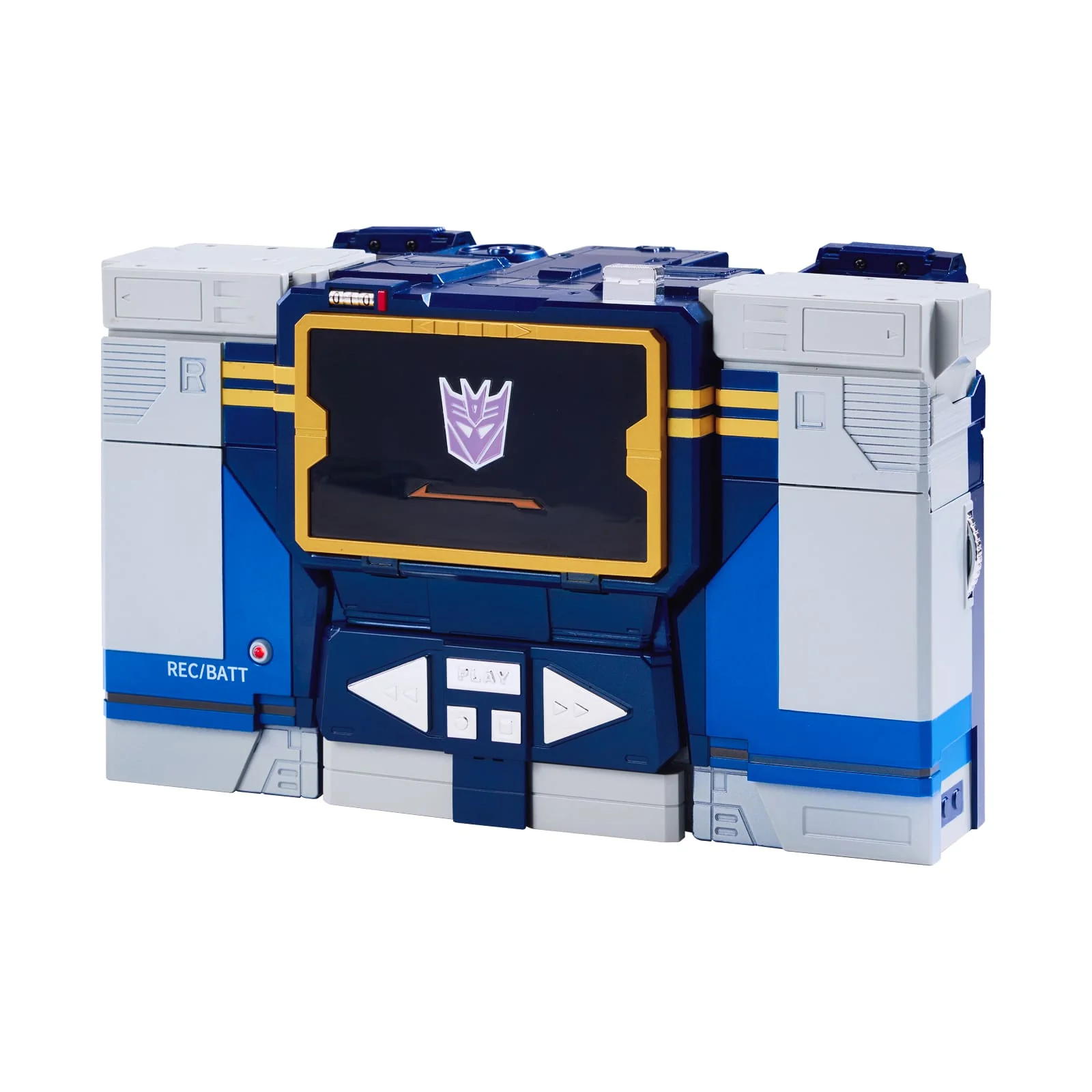
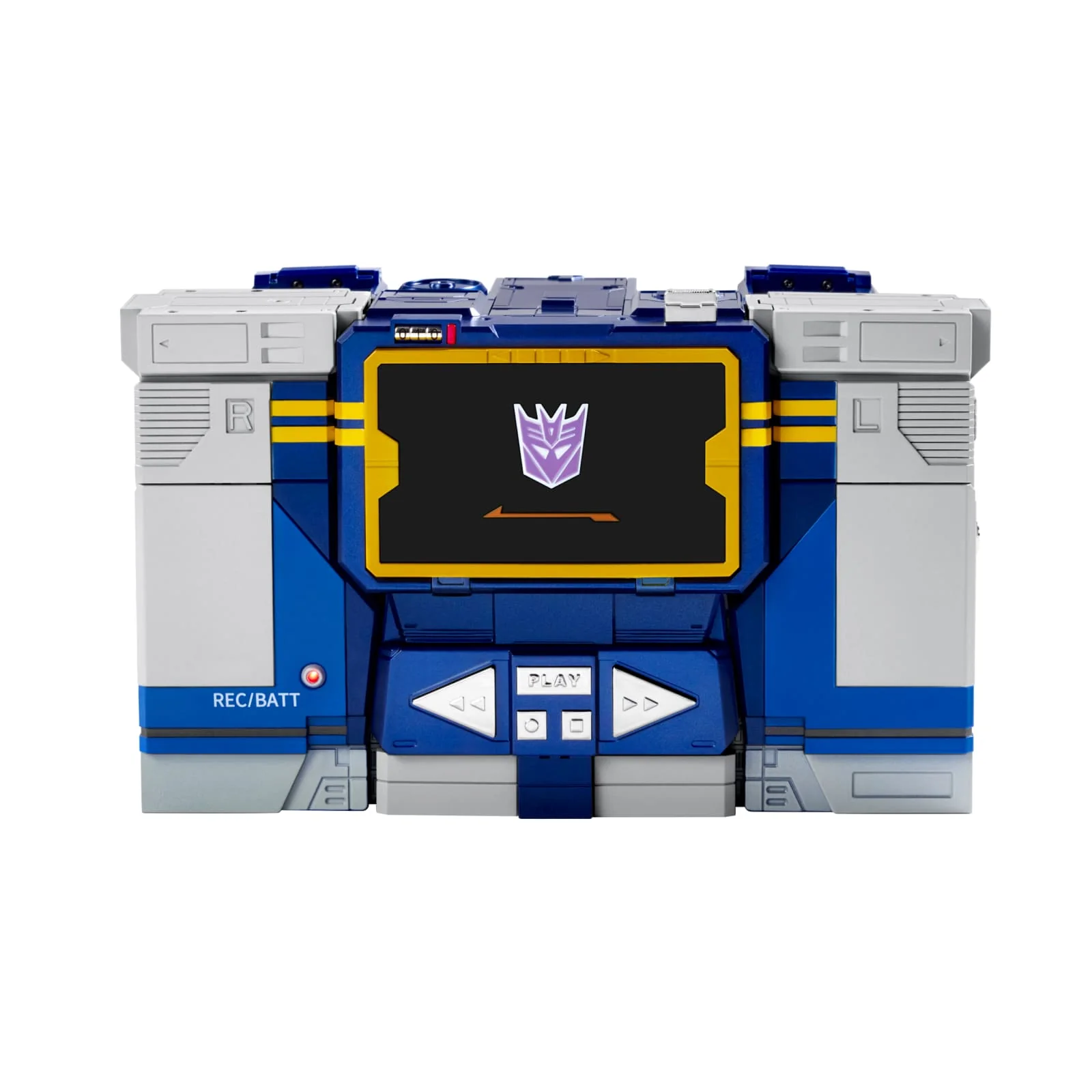
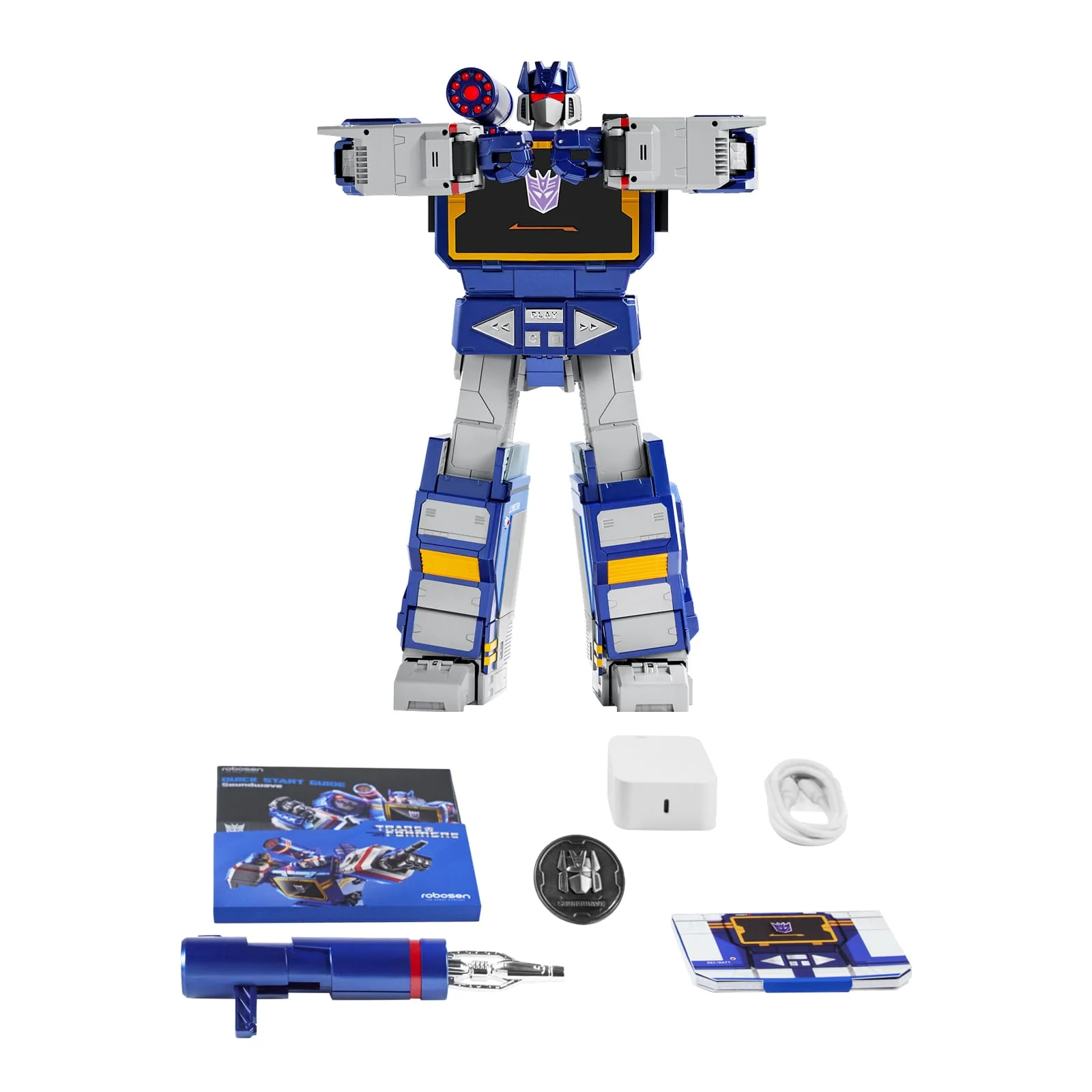
Soundwave’s aesthetic fidelity is nothing short of obsessive. Standing roughly 14.3 inches tall in robot mode (10.3″ x 5.8″ x 14.3″ LWH) and compacting into a 9.8″ x 4.9″ x 5.9″ cassette player, the figure nails the Decepticon spy’s silhouette with premium materials: ABS, nylon-fiber composites, aluminum alloy, zinc alloy, PC, and POM. Deep blues, metallic grays, silver mechanical detailing, and rhythmic red LED accents in the eyes and shoulder-mounted sonic cannon evoke the animated series with cinematic precision.
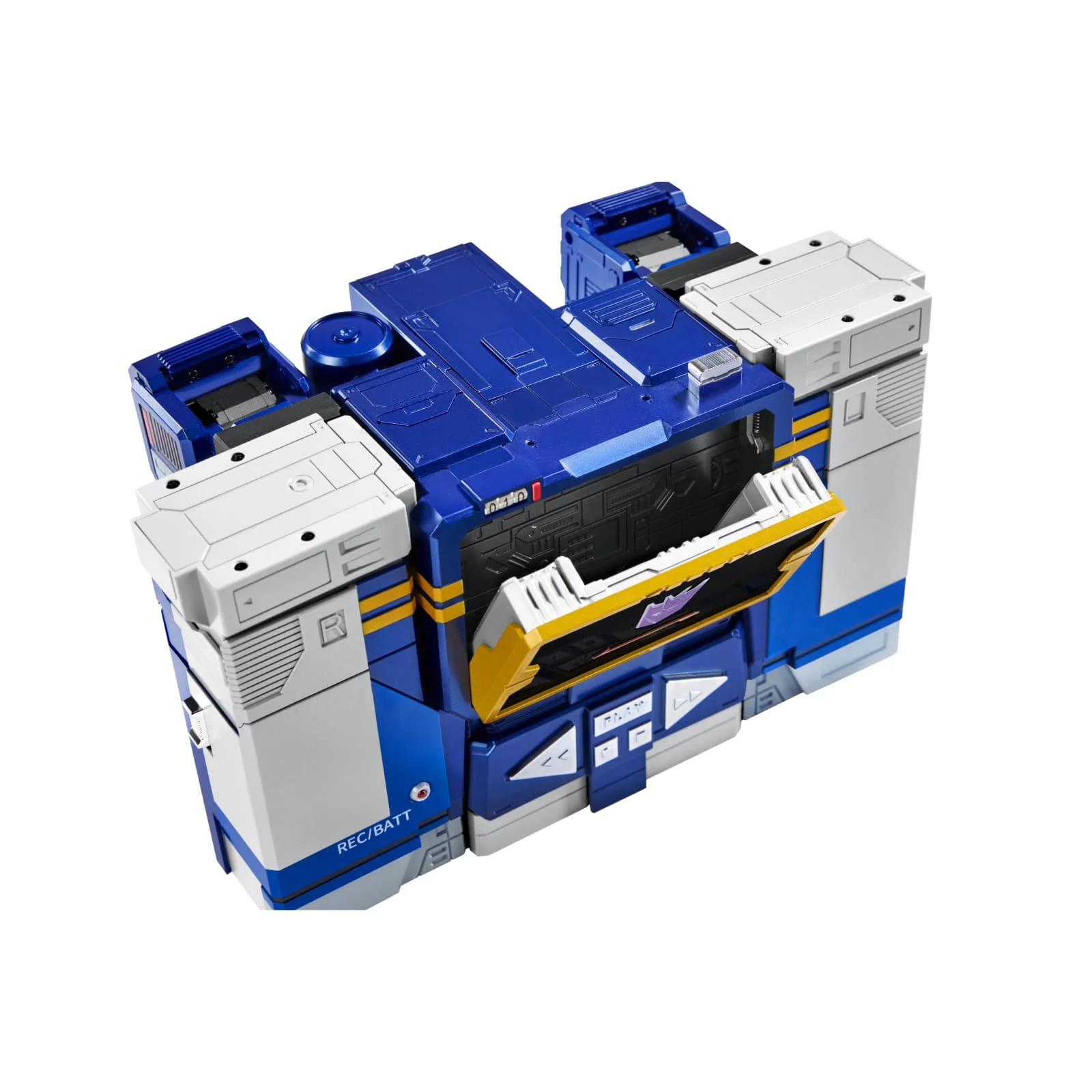
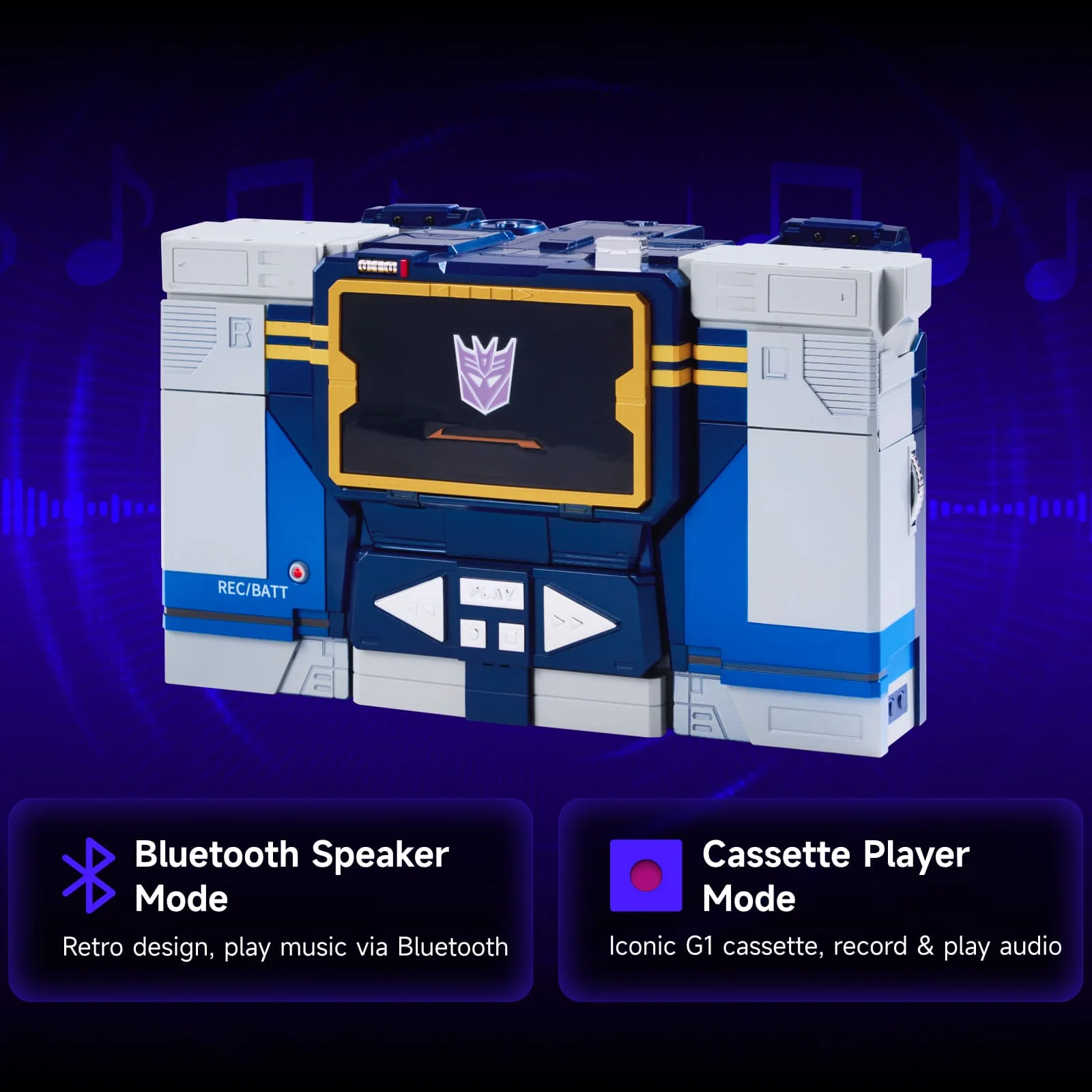
The cassette mode is particularly evocative—stealth-black tape deck cover emblazoned with the Decepticon logo, functional front-facing buttons that mimic the era’s hardware. Pressing “eject” or the record/play controls triggers satisfying mechanical feedback and lights. In robot mode, articulating hip joints (a step up from earlier Robosen figures) enable dynamic poses, fluid walking gaits via a 6-axis IMU and adaptive algorithms, and combat animations that feel pulled straight from the show.
This isn’t mere toy design; it’s horology-level attention to mechanical heritage, akin to a luxury watch that celebrates both form and function. Collectors and design enthusiasts will appreciate the balance of nostalgia and modernity—red scanning lights pulsing like a vintage equalizer, yet powered by a “Cybertron-like brain” of 84 chipsets. The kibble (visible transformation remnants, like hands that don’t fully tuck away) is minimal and forgivable given the engineering constraints. Compared to static Studio Series figures, Soundwave feels alive, a kinetic sculpture that rewards display from multiple angles.
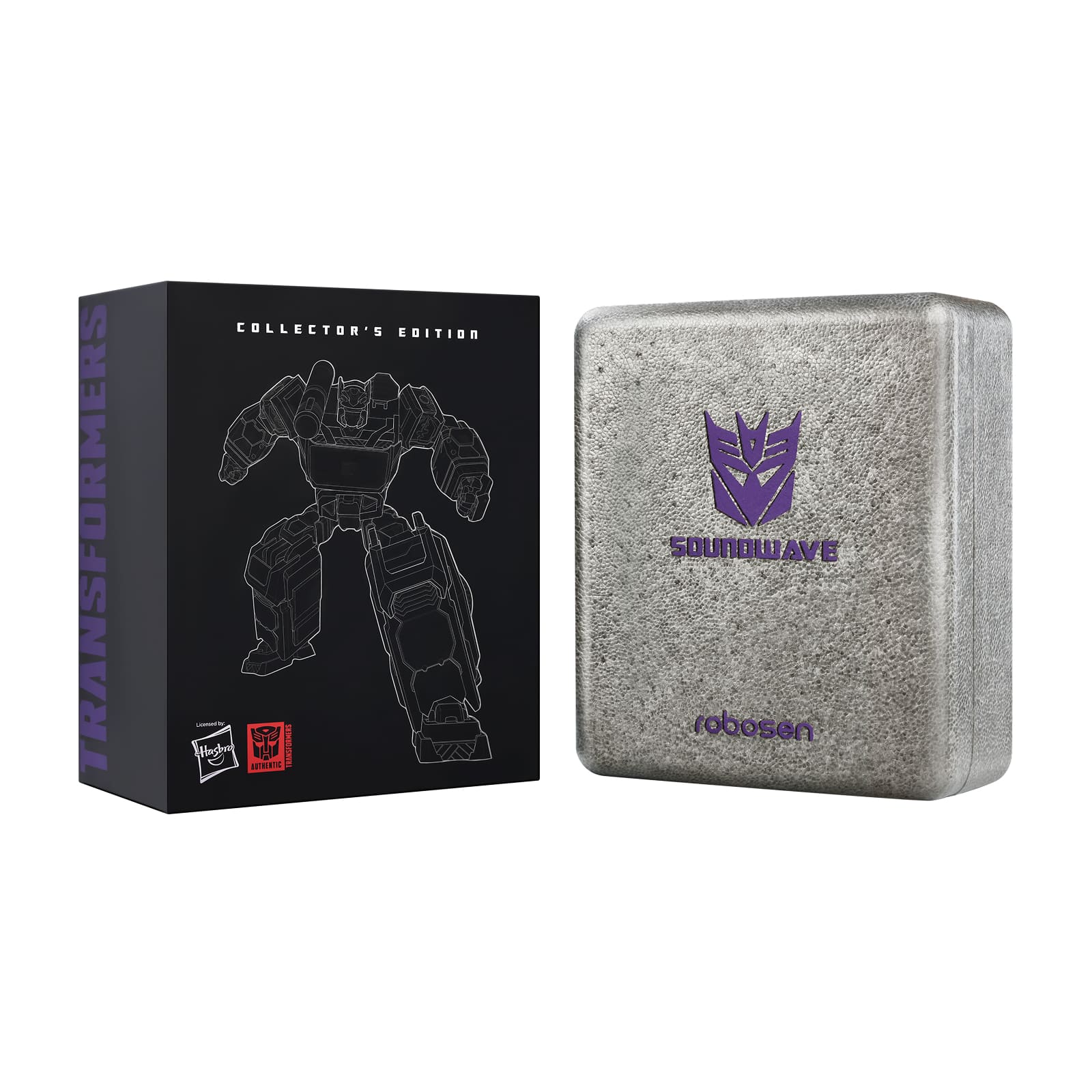
Packaging matches the premium ethos: robust, hype-building box art that primes the unboxing ritual. Weighing in at 4 lbs with a solid heft, it commands shelf presence whether posed mid-transformation or in standby.
engine
What elevates Soundwave beyond high-end collectibles is the auto-conversion. Say “Hey Soundwave, transform” (or trigger via app), and 28 servo motors orchestrate a symphony of folding limbs, popping head, extending cannon, and compacting torso. The process is dramatic, noisy in the best way, and repeatable without manual intervention—a world-first for this character, building on Robosen’s Optimus Prime, Megatron, and others.
Voice control supports 48 commands: combat (“Attack,” “Fire”), character-specific (“Laserbeak,” “Megatron”), seasonal greetings, and more. Over 200 lines recorded by Frank Welker himself deliver that signature vocoded timbre—“Soundwave superior, Autobots inferior”—with eerie authenticity. The robot’s microphone and balancing systems enable bipedal walking, turns, and gestures, though success depends on clear enunciation and minimal background noise.
The companion app (iOS/Android) is a standout: intuitive D-pad for remote piloting, block-based or pose-based programming for custom sequences (no coding required), built-in G1 tracks, and “Mini Theater” modes for synchronized skits (expandable with other Robosen bots). Free-programming and community sharing via Robosen Hub add layers of creativity, turning ownership into ongoing engagement.
Battery is an 11.1V 1650mAh unit with ~120-minute charge time via USB-C/PD adapter. Standby is listed at 60 minutes, but real-world mixed use (movement + audio) yields 20-90 minutes depending on intensity—adequate for demos, limiting for extended play. Power-down in robot mode causes a controlled slump to prevent falls, a practical if slightly undignified touch.
compare
Here’s where the Decepticon reveals vulnerabilities. Cassette mode doubles as a Bluetooth 5.0 speaker (pair as “Soundbox_xxxx”) with physical controls for play/pause/skip and voice recording. Streaming your playlist or G1 soundtrack through Soundwave should feel transcendent—retro facade meets modern convenience.
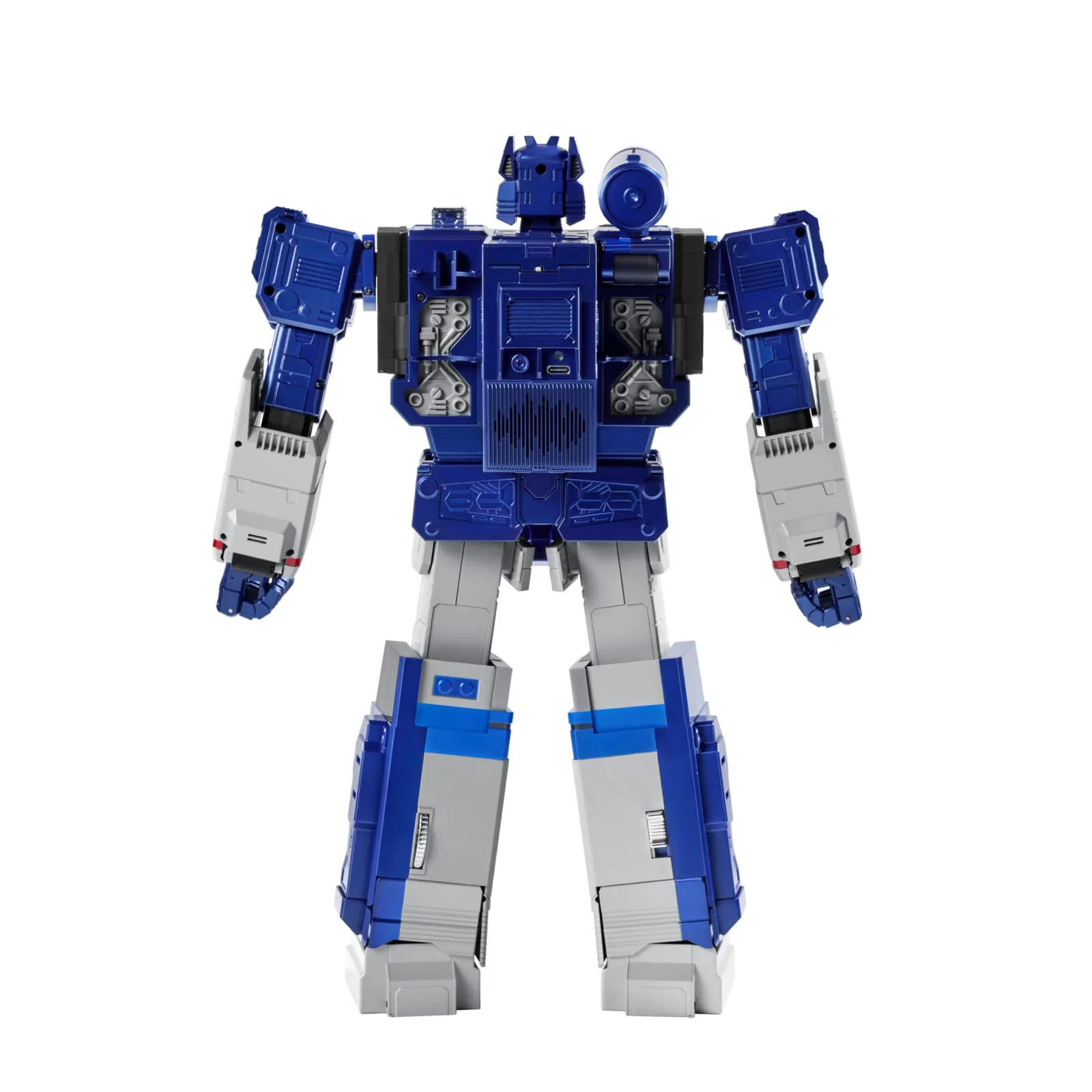
Reality is more tempered. Audio emanates primarily from the rear in cassette mode, producing flat, one-dimensional, tinny output lacking bass depth and dynamic range. It’s not unlistenable for casual desk use or novelty, and some reviewers note an unintentional lo-fi charm that echoes 1980s portable speakers. But at this price, expectations lean toward something more robust. Recording works conceptually (hold record button, speak after beep) but can clip or underperform in practice.
Engineers faced inevitable trade-offs: space for servos, chips, mechanisms, and battery leaves limited room for premium drivers. The result prioritizes transformation spectacle over audiophile performance. It’s a functional Bluetooth speaker that excels as a conversation piece, not your primary audio setup. For true sonic superiority, pair it with dedicated high-end gear; let Soundwave handle the theater.
This limitation doesn’t diminish the concept’s brilliance—it underscores Soundwave’s role as character embodiment rather than utilitarian device. In Transformers lore, Soundwave is the tape deck, the spy, the loyal lieutenant. Robosen captures the essence; perfection in every domain remains elusive.
reason
In 2026, Robosen’s lineup taps a potent vein of nostalgia-fueled consumption. Millennials and Gen X, now with disposable income, chase the animatronic dreams of youth. Soundwave joins a broader trend: high-end interactive collectibles (think Sony’s Aibo evolution or luxury LEGO sets) that blend play, display, and tech demonstration.
Its appeal extends beyond pure fandom. Design enthusiasts admire the mechanical ingenuity—precision servos as wearable-tech adjacent innovation. Culturally, it reflects our fascination with AI-adjacent robotics, voice interfaces, and programmable hardware in an era of seamless but intangible digital experiences. Watching a child’s (or inner child’s) wonder at autonomous transformation reaffirms the power of tangible objects.
Critiques of price are valid: $1,400 rivals flagship smartphones or premium audio systems. Early-bird discounts and Hasbro Pulse availability help, but it positions Soundwave as heirloom territory—passed down or displayed prominently. For superfans with means, the value proposition holds; for casual observers, it’s a compelling demo of what robotics can achieve.
Comparisons to prior Robosen releases (Optimus, Megatron) highlight Soundwave’s strengths: superior alt-mode integration and speaker functional tailored to lore. Drawbacks like voice recognition hiccups and battery life are shared class traits, improvable in future iterations.
theory
Soundwave isn’t for everyone. Skip if you seek a primary Bluetooth speaker or budget collectible. Embrace it if:
- You’re a Transformers devotee craving the ultimate G1 realization.
- You value engineering marvels and kinetic art.
- You have space and budget for a premium display piece that entertains guests (and yourself) for years.
- Customization and app-driven play appeal to your creative side.
Pros: Impressive auto-transformation, faithful design and voice acting, versatile controls, community potential.
Cons: Pricey, mediocre audio, finicky voice commands at times, limited battery.
It delivers more than meets the eye in robotics and nostalgia, even if sound falls short. As a culture artifact, Soundwave superior indeed—proof that dreams, when engineered with passion, can walk (and transform) among us.
n
From the DRIFT archive: Make It Miu Miu: UNO® Becomes a Haute Lifestyle Object · Indigo Hale: A Post-Modern Tropical Concept in Blue & Brass
Related Articles

Miffy Gets Her Ceremony Best: United Arrows Dresses Dick Bruna’s Rabbit for KIDDY LAND’s 80th
A Miffy mascot in United Arrows’ formal-occasion wardrobe, and a pouch where she peeks out […]