A Historic Shift: Padres on Verge of Record $3.9B Sale to Feliciano and Jones

April 18, 2026
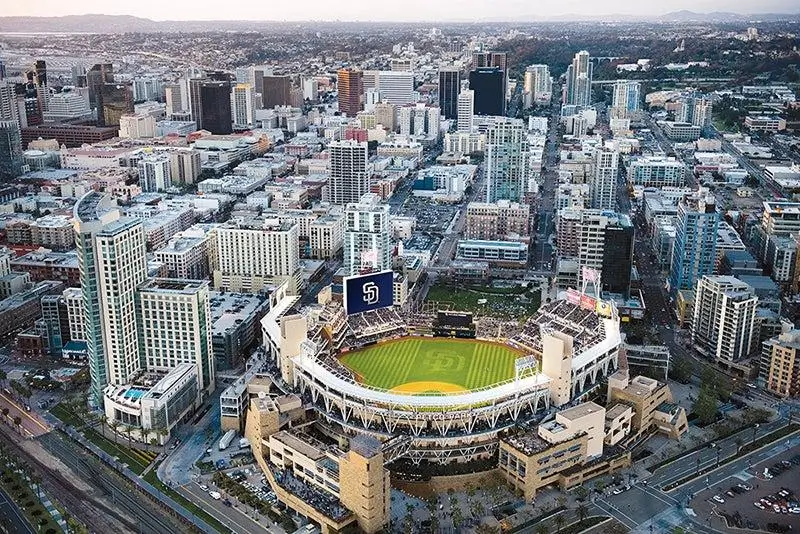
a value
The numbers arrive first, as they often do in modern sports: $3.9 billion. A figure that immediately reframes the Major League Baseball economy, resetting expectations and recalibrating how franchises are measured—not simply by wins, but by cultural reach, media leverage, and long-term infrastructural potential.
But to read this moment strictly through valuation is to miss its deeper architecture. The reported sale of the San Diego Padres from the Seidler family to José E. Feliciano and Kwanza Jones is not just a financial transaction. It is a structural shift—one that touches identity, access, and the evolving mythology of ownership in American sports.
For decades, ownership in MLB has been defined by continuity—family lineage, inherited capital, and institutional familiarity. This deal disrupts that lineage. It introduces a new framework, one that merges private equity precision with cultural authorship, and positions the Padres not just as a team, but as an evolving platform.

stir
The Seidler era, anchored by the late Peter Seidler, carried a distinct tone. It was ambitious but grounded, defined by emotional investment as much as financial commitment. Under Seidler, the Padres moved aggressively—on payroll, on talent, on identity.
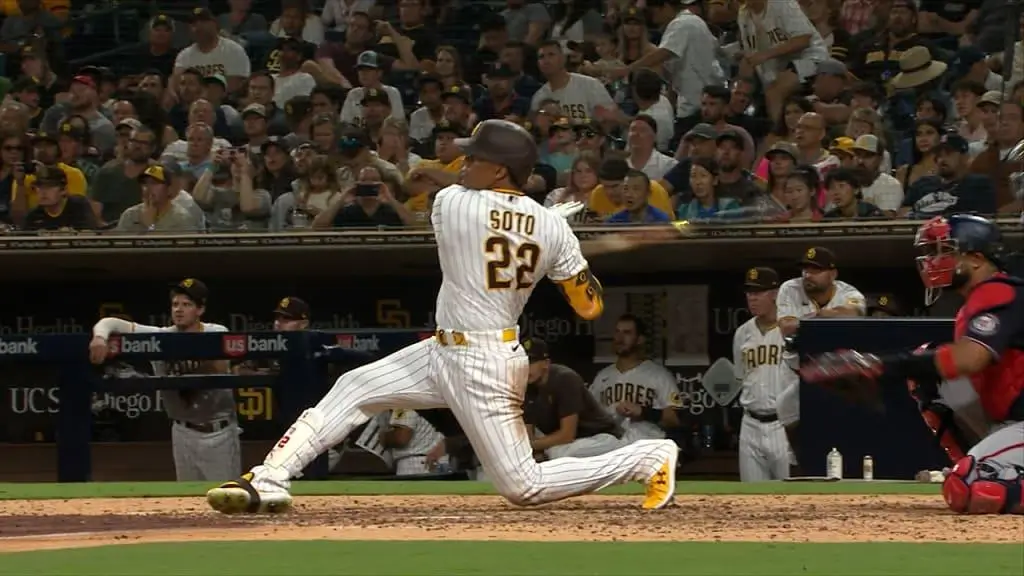
The acquisitions of players like Juan Soto and Xander Bogaerts were not isolated decisions; they were declarations. They signaled that San Diego would no longer exist as a peripheral market but as a contender with intent.
Yet ambition alone does not sustain a franchise in today’s ecosystem. The economics of baseball have expanded beyond ticket sales and regional broadcasts. Teams now operate as hybrid entities—media brands, real estate engines, and cultural institutions. The Seidler family’s decision to step back reflects an understanding that the next phase requires not just passion, but scale.
archetype
Feliciano and Jones arrive not as traditional sports owners, but as architects of a different model. Feliciano’s background with Apollo Global Management brings with it a fluency in large-scale capital deployment, long-horizon investment strategy, and global asset positioning.
Jones, meanwhile, introduces a parallel dimension—one rooted in cultural production and social impression. Her work across music, philanthropy, and community development signals that this ownership group may operate with a dual mandate: performance and presence.
Together, they represent a convergence that feels distinctly contemporary. Not ownership as inheritance, but ownership as synthesis—finance, culture, and influence intersecting within a single framework.
challenge
For MLB, this moment carries weight beyond San Diego. Baseball has long wrestled with questions of representation—not only on the field, but in the executive layers that define the sport’s direction.
The potential for Feliciano and Jones to become the first Puerto Rican and African-American majority owners introduces a new narrative axis. It expands the visual language of ownership, challenging assumptions about who occupies positions of ultimate authority within the league.
This shift is not symbolic alone—it is structural. Ownership defines hiring practices, community engagement strategies, and the broader ethos of a franchise. When that ownership changes, the ripple effects extend far beyond the boardroom.
This is #ForTheFaithful pic.twitter.com/qNbrrTKVuj
— San Diego Padres (@Padres) March 19, 2026
culture
San Diego occupies a unique position within the MLB landscape. It is a market shaped by dual identities—coastal leisure and military presence, local intimacy and global proximity. The Padres, historically, have mirrored that duality: beloved but often underestimated, passionate but rarely dominant.
Under new ownership, that identity becomes malleable. The franchise can evolve into something more expansive—a cultural node that reflects both the city’s specificity and its potential reach.
Imagine a team that operates not just within the rhythms of a season, but within the broader cycles of culture. Collisions, community activations, youth programs, media ventures—these are no longer peripheral considerations. They are central to how a modern franchise defines itself.
eco
The $3.9 billion valuation is not simply a reflection of current performance. It is a projection—a belief in what the Padres can become within a rapidly transforming sports economy.
Streaming rights continue to reshape how audiences engage with baseball. Stadiums are no longer static venues but dynamic ecosystems, integrating hospitality, retail, and digital interaction. Global branding extends the reach of a franchise far beyond its geographic base.
Within this context, the Padres represent a compelling asset. They are positioned in a desirable market, carry growing national relevance, and possess the infrastructural foundation to expand further.
The valuation, then, is less about what the team is today and more about what it could be tomorrow.
pressure
Ownership brings possibility, but it also brings scrutiny. Feliciano and Jones will inherit a team that has already committed heavily to its present—through payroll, through roster construction, through expectation.
The challenge lies in balancing immediacy with sustainability. The Padres’ aggressive spending has elevated their competitive ceiling, but it has also introduced financial complexity. Navigating that landscape requires both discipline and vision.
Yet this is where their background may prove decisive. Private equity, at its core, is about managing risk across time. It is about identifying value not just in the present, but in the trajectory.
If applied effectively, that mindset could allow the Padres to operate with both ambition and restraint—pursuing success without compromising stability.
own
In contemporary sports, ownership is no longer invisible. It is part of the story. Fans engage not just with players and outcomes, but with the philosophies that shape a franchise from above.
Feliciano and Jones bring with them narratives that extend beyond baseball. Stories of ascent, of investment, of cultural engagement. These narratives will inevitably intersect with the identity of the Padres, influencing how the team is perceived both locally and globally.
This is where the deal’s symbolic weight becomes operational. Representation is not static—it is active. It shapes decisions, informs priorities, and redefines what a franchise can stand for.
a trend
The Padres sale is part of a larger movement. Across professional sports, ownership is increasingly shifting toward figures rooted in finance—individuals who view franchises as both cultural assets and strategic investments.
This trend reflects a broader understanding of sports as a resilient asset class. Teams offer consistent demand, diversified revenue streams, and long-term appreciation potential.
But with that shift comes a question: how does the ethos of finance integrate with the ethos of sport?
In the best cases, it creates alignment—resources enabling ambition, strategy supporting creativity. In the worst, it risks reducing teams to balance sheets.
The Padres, under new ownership, will become a test case for how these forces can coexist.
commune
For all its global implications, this transition will ultimately be measured locally. San Diego’s relationship with the Padres is intimate, emotional, and deeply rooted.
Ownership must navigate that relationship carefully. Expansion cannot come at the expense of authenticity. Growth must feel additive, not extractive.
Jones’ background in community-focused initiatives suggests an awareness of this balance. The possibility of programs that engage underserved communities, amplify local voices, and create tangible impact could redefine what the Padres mean within their own city.
evolve
Baseball has always existed within a tension between tradition and change. It is a sport that reveres its past while continuously adapting to its present.
The Padres’ sale sits precisely within that tension. It honors the continuity of the franchise while introducing a new framework for what ownership can look like.
This is not a break from history—it is an extension of it. A recognition that the game’s future depends on its ability to evolve without losing its core.
forward
Approval from MLB owners remains a formal step, but the broader trajectory feels set. When the deal closes, it will mark more than a transfer of control. It will mark a recalibration—of value, of identity, of possibility.
The Padres will enter a new phase, one defined not just by performance on the field, but by the vision that surrounds it.
In Feliciano and Jones, the franchise gains stewards who operate at the intersection of finance and culture, strategy and storytelling. Their success will not be measured solely in wins, but in how effectively they translate that intersection into something tangible.
fin
It is tempting to frame this as a singular event—a record-breaking sale, a historic first. But its significance lies in accumulation.
It reflects shifts already underway: in ownership structures, in cultural expectations, in the very definition of what a sports franchise represents.
The Padres are not just changing hands. They are becoming a case study—a lens through which to understand the future of baseball.
And in that sense, this is not just San Diego’s moment. It is the sport’s.
Related Articles

France Just Banned Social Media for Kids Under 15, and the Fight Over Anonymity Is Only Getting Started
France becomes the first EU nation to bar under 15s from social platforms, and critics […]