DRIFT AUDIO
Listen to this story
Choose a voice, then press play.
In an era where superhero fatigue has become a genuine culture diagnosis, Spider-Noir arrives like a fedora-wearing ghost from a rain-slicked alley, whispering hard-boiled truths into the ears of a jaded audience. Premiering its full eight-episode first season on Prime Video, the live-action series starring Nicolas Cage has quickly proven itself one of the most refreshing, stylish, and unexpectedly heartfelt entries in the crowded superhero genre. It doesn’t just revive interest in Spider-Man stories—it reminds us why we fell in love with them in the first place, while cleverly sidestepping the pitfalls that have caused many fans to stray away.
The foundation traces back to 2018’s Spider-Man: Into the Spider-Verse. That groundbreaking animated film introduced Miles Morales as its protagonist, but it was the gravelly-voiced, trench-coated Spider-Noir who stole scenes and hearts in equal measure. Voiced by Cage, the character blended 1930s detective pulp with meta-comic absurdity. He spouted aphorisms like a philosopher who’d taken one too many punches to the jaw, all while swinging through a monochrome world. Audiences loved the homage to Humphrey Bogart, the self-aware humor, and the way he respected the Spider-Man mythos without being enslaved by it.
:max_bytes(150000):strip_icc()/Nicolas-Cage-The-Flash-102124-6fa5822ef2474c34a47f0e4fd65b87cf.jpg5_10222024-b62cf16e66e84ea5ab2cde088c357e23.jpg)
Sony Pictures Television recognized the potential. By 2023, a live-action project was in development. Three years later, it has materialized into a fully realized series that expands the character while making necessary adjustments for the live-action format. Showrunners Oren Uziel and Steve Lightfoot have crafted something that feels both faithful to its animated roots and boldly independent.
View this post on Instagram
stir
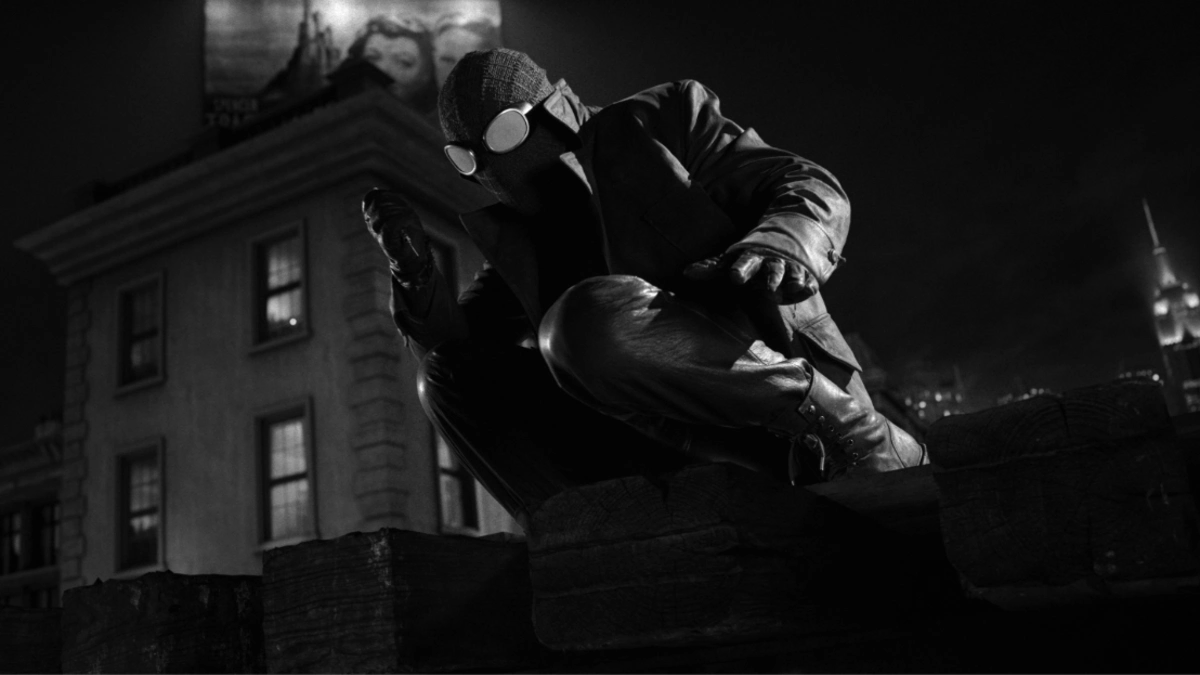
The transition from animation to live-action was never going to be seamless. In Into the Spider-Verse, Spider-Noir thrived on exaggeration. He was a walking caricature—70% Bogart, 30% Bugs Bunny—delivering lines with theatrical flourish. In the series, the character is grounded, though no less compelling. He is Ben Reilly, a weathered private investigator in 1930s Depression-era New York, once the city’s sole superhero known simply as “The Spider,” now trying to leave that life behind after a personal tragedy.
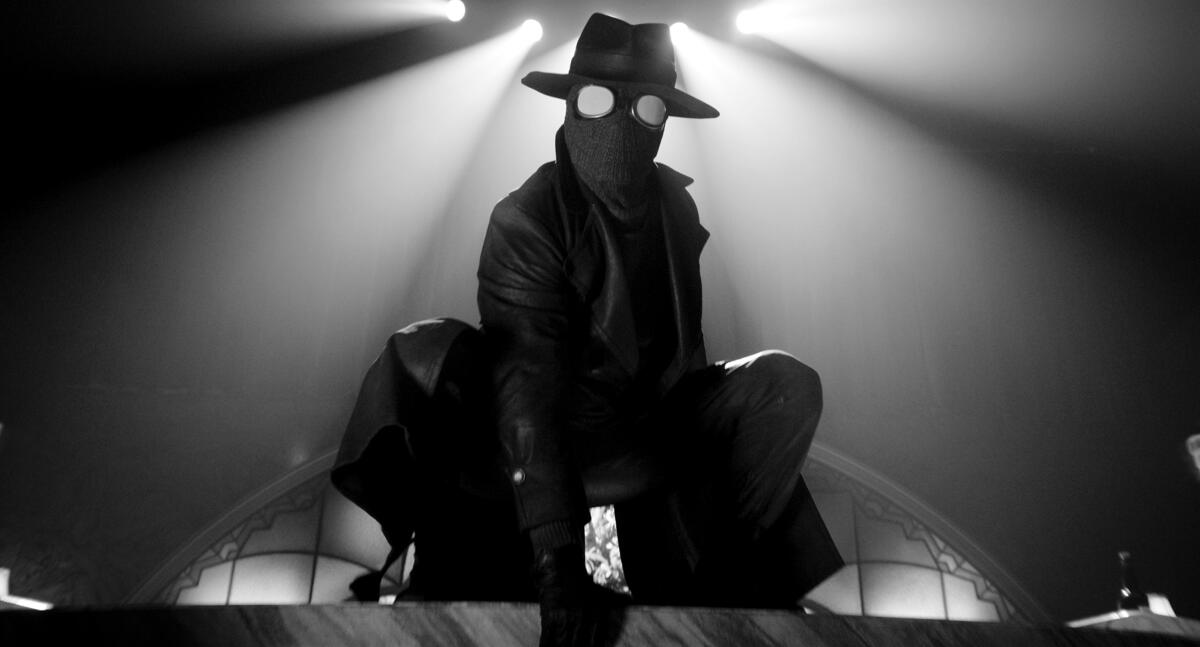
This version of Reilly is more concrete. He still has the signature catchphrases and introspective monologues, but they serve the story rather than hinting it. The narrative is episodic yet interconnected, structured like classic noir mysteries: a straightforward case unravels into webs of mobsters, monsters, and moral ambiguity. Each episode feels like a self-contained detective yarn with superhero stakes.
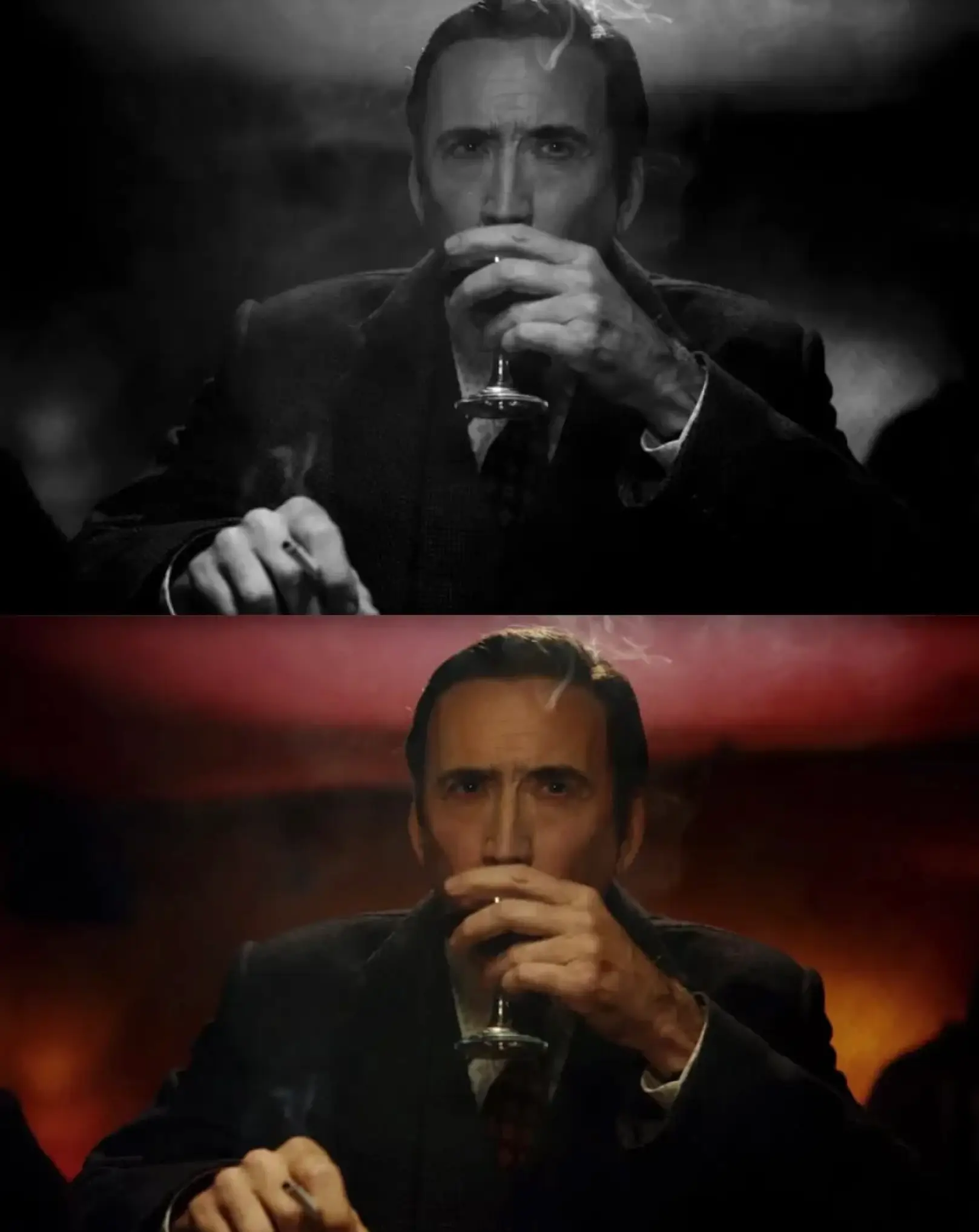
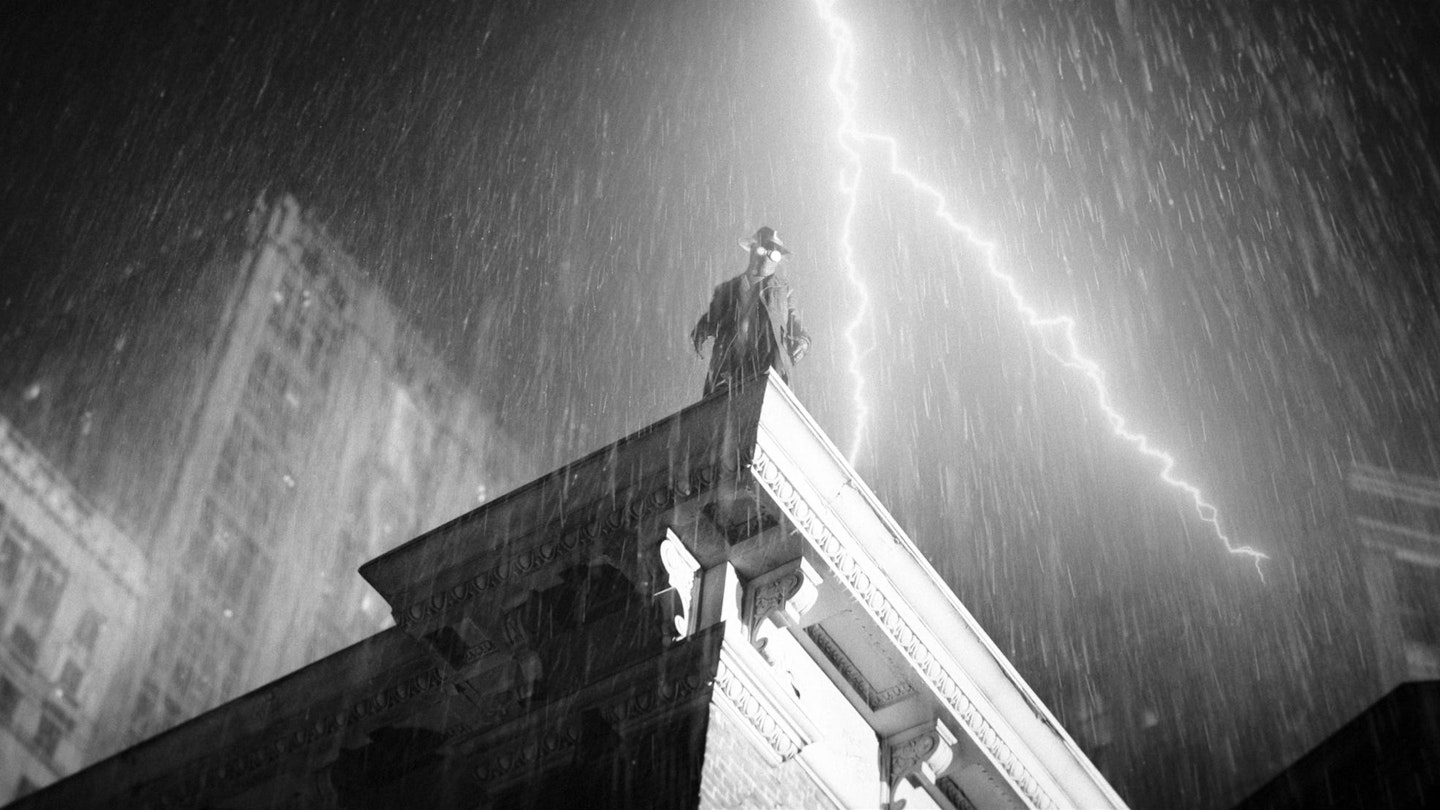
In view, the production is a triumph. Spectators can choose between “Authentic Black & White” and “True-Hue Full Color” versions. Watching in black and white is almost mandatory—the high-contrast cinematography, rain-drenched streets, and art-deco silhouettes evoke The Maltese Falcon and Double Indemnity while incorporating web-slinging action that feels tactile and dangerous.
nicolas
At the center of it all is Nicolas Cage, delivering what many are calling one of his most committed and magnetic performances in years. This is Cage in full command: world-weary eyes that have seen too much, a gravelly voice that can shift from wry humor to genuine menace in a heartbeat, and physicality that sells both the detective grit and the superhuman agility.
Cage has long been an actor who operates at maximum intensity. Here, that intensity is channeled into a character who feels lived-in. He’s not a quippy young hero discovering his powers; he’s a man in his later years confronting the cost of them. The series smartly uses Cage’s real-life persona to add layers of meta-textual charm.
Supporting him is a strong ensemble that enriches Cage’s performance and elevates the entire series. The writing gives these characters room to breathe, turning what could have been archetypes into people with their own motivations and flaws.
scope
Superhero stories have been losing fans not because the concept is exhausted, but because execution has grown formulaic. Spider-Noir rejects that model entirely. It is a standalone story set in its own corner of the Sony Spider-Man Universe.
The tone masterfully balances reverence for its sources with modern sensibilities. It honors the 1930s setting—economic hardship, rising fascism shadows in the background, organized crime thriving—while exploring themes of aging, regret, responsibility, and redemption that resonate today. Reilly’s powers are fading. His body aches. The suit feels heavier. These vulnerabilities make his heroism more poignant.

Humor remains a vital ingredient. Cage’s delivery of hard-boiled dialogue often lands in that perfect Cage zone: simultaneously ridiculous and utterly sincere. A scene where he monologues to a room full of confused mobsters about the “black heart of the city” while dangling one upside down is pure delight. Yet the series never undercuts its drama for laughs.
impression
The budget reportedly hovered around $400 million for the season—an ambitious number that shows on screen through meticulous period detail, intricate fight choreography, and atmospheric world-building. Filming in Los Angeles stood in for a stylized 1930s New York, but the production design makes it feel authentic.

Critically, the show has been a success, earning strong scores and sparking renewed interest in Spider-Man Noir comics, classic film noir, and Cage’s filmography. Social media is filled with fans recreating his poses, debating the best monochrome shots, and celebrating the show’s willingness to let its hero be flawed, middle-aged, and introspective.
For longtime comic readers, the use of deep-cut Spider-Man villains reimagined for the noir setting is particularly satisfying. The mystery-of-the-week structure allows exploration of different facets of Reilly’s character and the world around him.

fin
Spider-Noir succeeds because it understands what audiences have been craving: stories that feel personal, stylish, and self-contained. In giving us a hero who struggles with the weight of his choices rather than another invincible savior, it recaptures the essence of early superhero tales.
The series also represents a victory for creative risk-taking in the streaming era. Sony, Prime Video, and the creative team bet on a niche character, an older leading man, and a deliberately retro aesthetic. That bet has paid off handsomely.
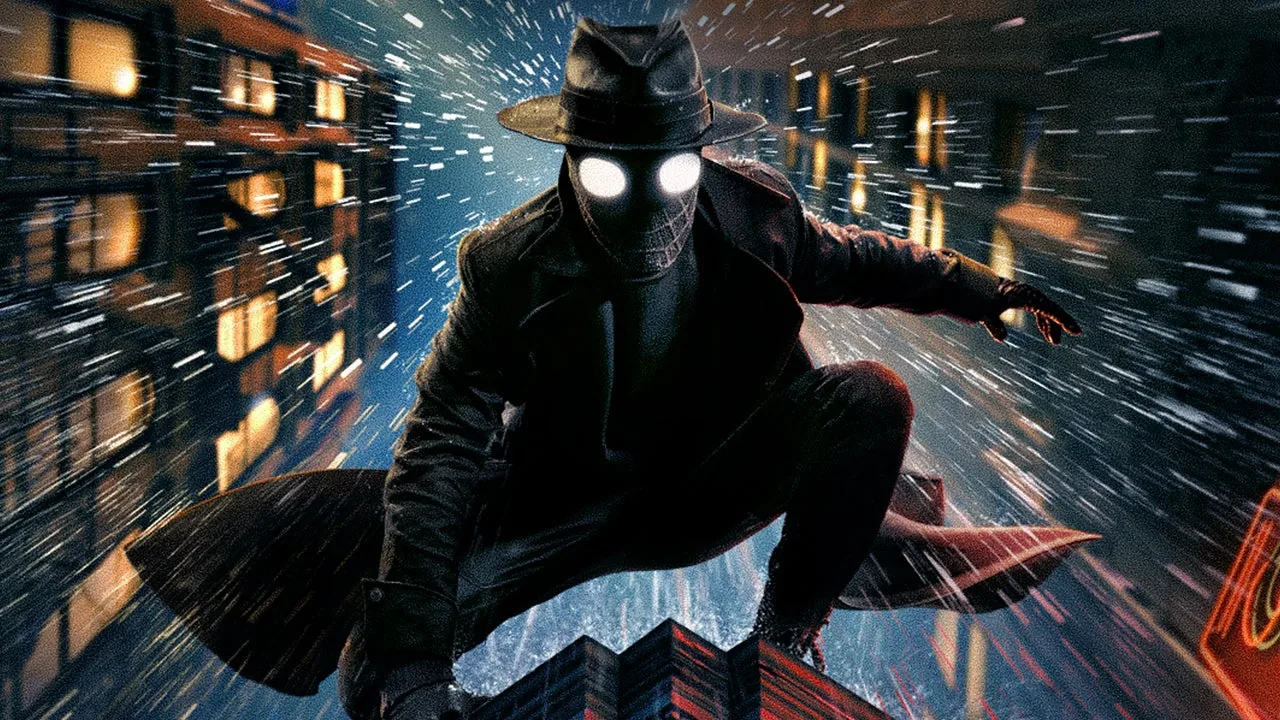
As Reilly swings through the shadows of a city that has forgotten its heroes, Spider-Noir reminds us that the genre still has life in it. The detective’s coat is worn, the web-shooters need maintenance, and the one-liners come with a side of existential dread—but the heart is still there, beating strong beneath the fedora.
For fans who had grown disillusioned, this series is a much-needed reminder: sometimes the hero we need isn’t the flashiest or the youngest. Sometimes it’s the one who’s seen it all, carries the scars, and still chooses to step into the alley when the call comes.
In a crowded field of capes and cowls, Spider-Noir stands apart by embracing its backdrops. Nicolas Cage has finally gotten his (super)hero moment, and in doing so, he’s helped save the genre from itself. Eight episodes of pure pulp perfection that demand to be watched in the dark, preferably with a glass of something strong and a mind open to the unexpected. The web has been spun anew, and it’s more intricate—and more human—than we could have hoped.
From the DRIFT archive: Inside the World’s Most Iconic Ski Experiences · In The Making: Live-Action Legend of Zelda in New Zealand
Related Articles

Garage Italia’s Electric Spiaggina Puts the Fiat 500’s Riviera Years on Battery Power
Ten kilowatts, rattan seats and a €85,000 starting price: Garage Italia's 500 Spiaggina rebuilds Ghia's 1958 beach car for the yacht crowd.