Learning the Ropes — A New Documentary by Ryan Pickard

May 30, 2026
Just left of Bethnal Green station, at London’s East End, Repton Boxing Club sits nuzzled between two public fields. Set in a red brick former bathhouse, its entrance features green indicatory placards and a gold inscription on the right-hand entry door: “NO GUTS NO GLORY.”
The club has stood since 1884 and is widely considered to be England’s oldest boxing club. It’s also one of London’s most famed sports institutions – home to dozens of Olympians, world medallists, and icons of the ring, like welterweight world champion John H. Stracey, commonwealth champion Darren Barker, super-heavyweight gold medalist Audley Harrison and junior middleweight champion Maurice Hope.
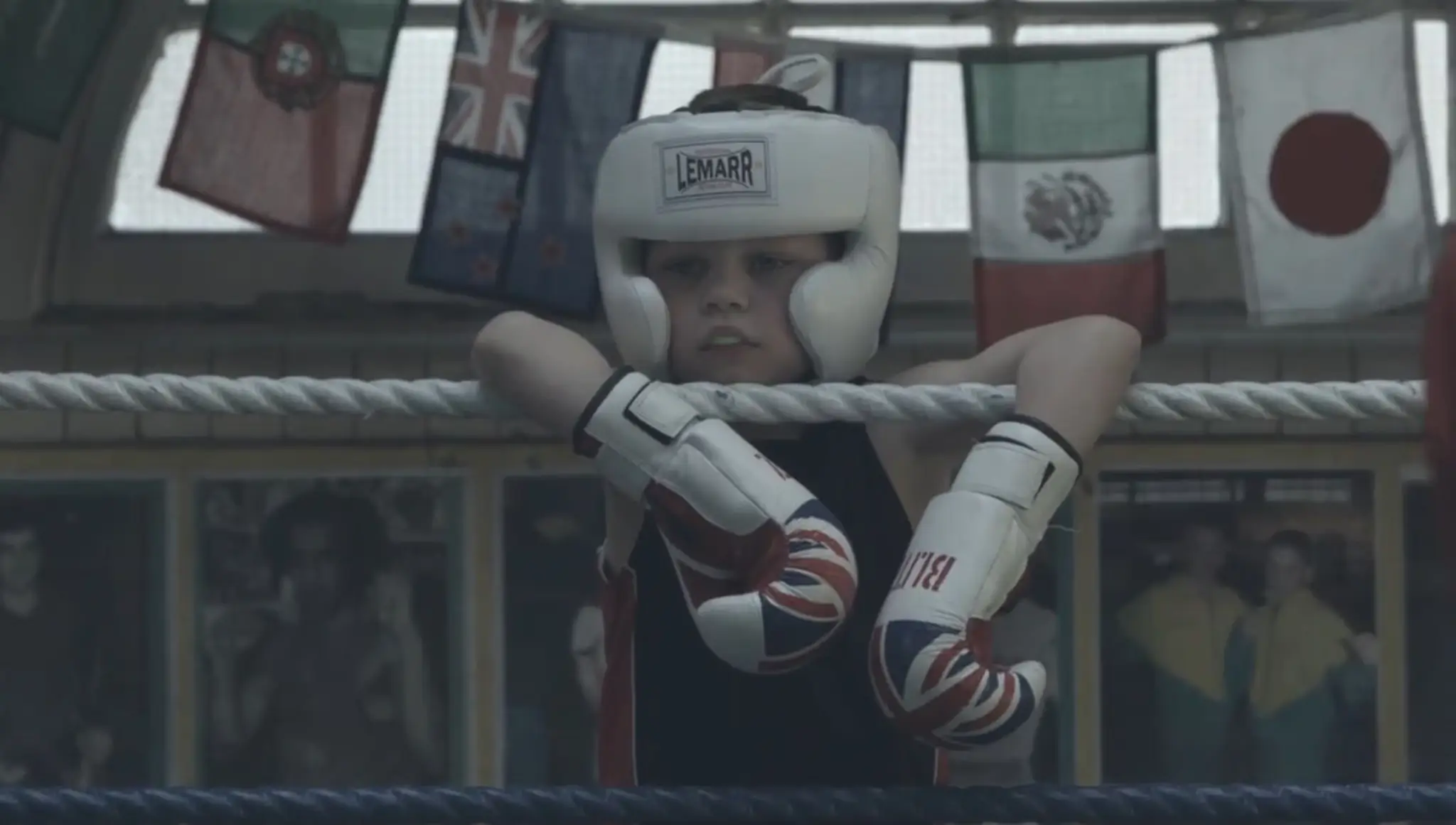
Its culture, according to many of Repton’s own, has remained consistent as long as it’s existed: it’s a hard-edged, traditional, competitive gym. No guts, no glory. And Repton coaches train their boys in accordance – chief among them the famed Tony Burns, who coached fighters for over 60 years in the gym before his passing in 2021. With over a century of acclaimed history, the air in the club is rich – and to some, stale. In Learning the Ropes, a new documentary about the club which aims to preserve its legendary reputation, one young fighter who currently trains at Repton says you can feel the history lingering in the gym: “Repton is old and traditional, and it smells of it.”
hx
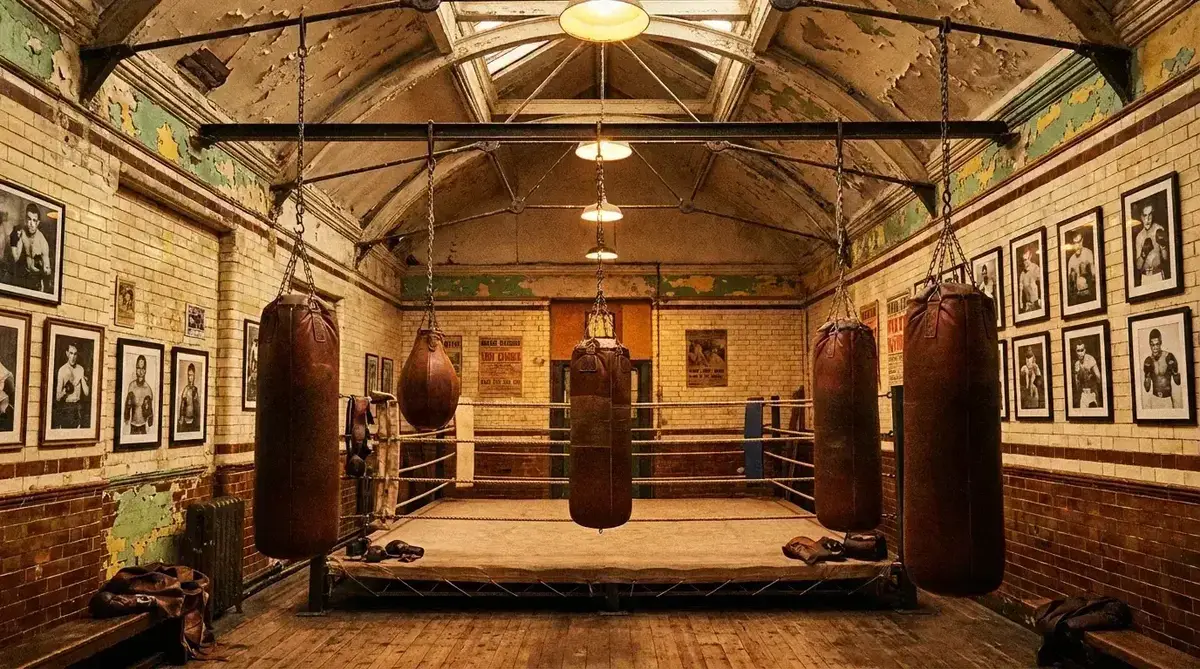
Step inside Repton Boxing Club today and the sensory overload hits immediately. The thick scent of liniment, sweat-soaked leather, and decades of ambition hangs heavy. Fluorescent lights buzz over a ring that has seen thousands of rounds of sparring. Heavy bags sway like pendulums marking time, their surfaces scarred from gens of punches. The walls are adorned with faded photographs, championship belts, and newspaper clippings that tell stories of glory from an era when the East End was synonymous with grit.
Repton Boxing Club grew out of Repton Boys Club, founded in 1884 by old boys of Repton School in Derbyshire. The mission was clear from the start: provide underprivileged boys in one of London’s poorest districts with structure, discipline, and a fighting chance—literally—to steer them away from crime. What began as a multi-activity youth club (with boxing on the top floor of a townhouse) evolved into a pure boxing institution. By the 1970s, it had settled into the Victorian bathhouse on Cheshire Street, where it remains.
The club’s motto, “No Guts, No Glory” (or in Latin, Non Viscera, Non Gloria), encapsulates its philosophy. This isn’t a recreational gym for casual fitness enthusiasts. Repton demands commitment. Fighters train for competition. Those who show potential receive intense coaching; others may find the environment unforgiving. This ethos has produced extraordinary results but also sparked debates about accessibility in modern boxing.
legend

Repton’s alumni list reads like a who’s who of British boxing royalty. John H. Stracey, a local hero, captured the WBC Welterweight World Championship in 1975 by stopping the legendary José Nápoles in Mexico City—a victory that still echoes in East End pubs. Maurice Hope claimed the WBC light-middleweight title. Audley Harrison brought home Olympic super-heavyweight gold in 2000. Darren Barker, trained under Tony Burns, became a Commonwealth champion.
Even the notorious Kray twins, Reggie and Ronnie, trained at Repton in their youth, adding a layer of gritty East End folklore to the club’s story.
These successes weren’t accidental. They stemmed from a coaching lineage that prized technique, mid, and mental toughness. At the center of this for over six decades was Tony Burns MBE.
burns

Tony Burns joined Repton in the late 1960s and became its senior coach, serving until shortly before his death in February 2021 at age 80. A former amateur boxer himself, Burns was more than a trainer—he was a father figure, disciplinarian, and strategist rolled into one.
Fighters recall his no-nonsense approach. He could spot talent instantly but demanded proof in the ring. Burns wasn’t just interested in raw power; he cultivated complete fighters who could think under pressure. His methods produced national champions, international representatives, and professionals who thrived.
In Learning the Ropes, director Ryan Pickard captures intimate footage of Burns from before his passing. The documentary doesn’t shy away from the coach’s demanding style, but it also reveals his deep care for his fighters. Pickard, who trained at Repton from age seven and competed internationally, brings personal insight to the film.
One poignant thread explores how Burns’ later years were affected by Alzheimer’s. The film becomes both a tribute and a meditation on legacy—how institutions and individuals pass the torch when giants fall.
pickard
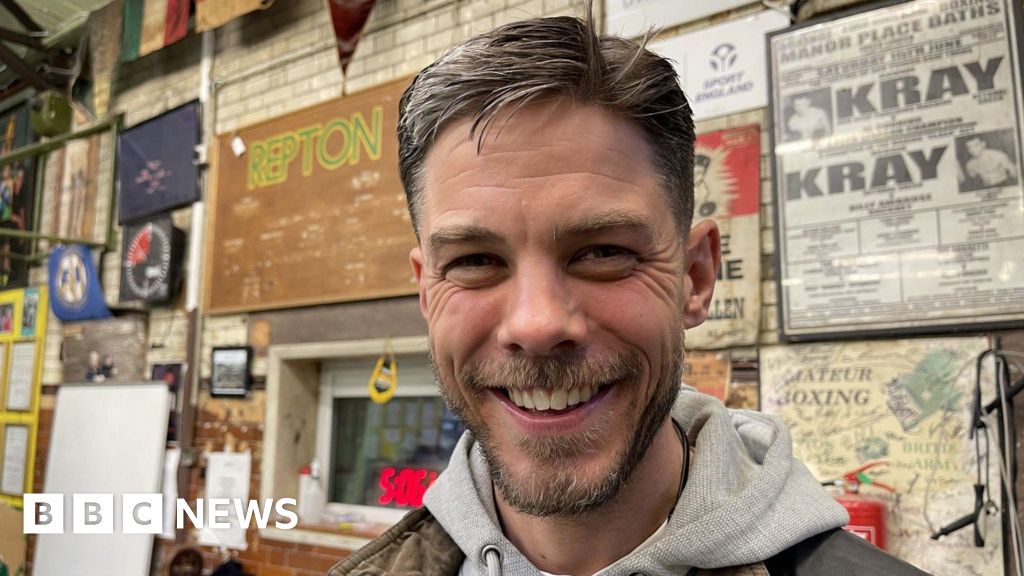
Ryan Pickard’s journey is woven throughout the documentary. A former Repton fighter who represented England, Pickard eventually stepped away from the club’s hyper-competitive environment and founded 12×3 Boxing Club in Aldgate in 2018. His new gym takes a more inclusive approach, welcoming everyone from beginners to elites.
Yet Repton’s pull remained strong. Learning the Ropes (49 minutes, premiered at BFI Southbank in March 2026 as part of their “Cinematic Life of Boxing” season) serves as Pickard’s love letter to his roots while asking critical questions about boxing’s future.
The film blends archival footage, contemporary training scenes, interviews with alumni, current fighters, and community members. It portrays Repton not as a museum piece but as a living, breathing organism navigating change.
bal
Modern boxing faces challenges: declining amateur participation, competition from MMA, mental health awareness, inclusivity for women and diverse backgrounds, and the commercialization of the sport.
Repton has adapted somewhat. Since 2012, it has officially welcomed female boxers, producing national champions and Olympians. Yet its core identity remains traditional. This tension—between preserving heritage and evolving—is central to Learning the Ropes.
Current fighters speak of feeling the “weight of ghosts” in the gym. The pressure to uphold Repton’s reputation can be motivating or crushing. One young boxer in the film notes the smell of history; others describe it as both inspiring and intimidating.
Pickard’s own 12×3 gym represents one path forward: broadening access without diluting standards. Repton’s leadership must balance honoring Burns’ legacy with attracting new gen in a changing East End, where gentrification brings new residents but rising costs.
link
Bethnal Green and the surrounding areas have transformed dramatically since 1884. Once dominated by factories, docks, and tight-knit immigrant communities, the East End now mixes council estates with trendy cafes and tech startups. Yet Repton remains a constant—a place where working-class values of resilience endure.
The club continues to serve as a sanctuary for local youth. Many fighters come from challenging backgrounds. Boxing offers discipline, purpose, and a path to something greater. Coaches emphasize education alongside training, understanding that not everyone will turn pro.
Community impression extends beyond titles. Former Repton fighters become mentors, coaches, and role models. The gym fosters brotherhood (and now sisterhood) that transcends the ropes.
scope
Learning the Ropes avoids hagiography. It shows the sweat, the failures, the injuries, and the doubts. Scenes of grueling sparring sessions contrast with quiet moments of reflection. Interviews with Tony Burns capture his wit and wisdom.
Ray Winstone provides narration, lending gravitas to the East London tale.
The film raises broader questions: What does success mean in amateur boxing? How do we honor tradition while making space for the future? In an era of influencer fitness culture, what role do historic institutions like Repton play?
fin
As of 2026, Repton Boxing Club continues operations. New talents emerge, carrying forward the green and gold colors. The documentary serves as both preservation and provocation—reminding viewers why places like Repton matter while challenging them to consider how they must adapt.
Tony Burns’ passing marked the end of an era, but Learning the Ropes ensures his influence—and the club’s—lives on. The smell of history might linger, but fresh stories are being written daily on those well-worn canvases.
For anyone who’s ever stepped into a boxing gym, felt the fear before a fight, or found purpose in physical struggle, Repton represents something primal. It’s about more than punches. It’s about character forged through adversity.
No guts, no glory isn’t just a slogan on a door. It’s a know that has shaped lives for 142 years. Ryan Pickard’s documentary captures a pivotal moment in that long history, bridging past champions with future hopefuls in one of boxing’s most sacred spaces.
In the East End, where resilience is baked into the bricks, Repton Boxing Club stands as testament to the enduring power of sport to transform communities, one fighter at a time.
Related Articles

Jonathan Anderson Just Redesigned What a Dior Bag Is Supposed to Do
A new hardware update to Cannage arrives for Winter 2026/2027, and it might be the […]