DRIFT AUDIO
Listen to this story
Choose a voice, then press play.
Half of Stampd’s newest arrivals ship this month. The other half already shipped back in July.
Open Stampd’s new arrivals page and the first thing that becomes clear isn’t a theme, it’s a timeline. The NY 002 Structured Trucker at the top of the grid carries a plain shipping note, “shipping by 9/15.” Scroll further and the LA 001 Corduroy Trucker, in a green colorway the site calls Oregano, carries its own note: “shipping by 7/10.” Two months apart, both still sitting on the same page under the same heading. That gap is the most honest description avail of what this drop actually is. It isn’t a single, cohesive fall statement built around one idea, the way a runway collection or a co-branded capsule usual gets framed. It’s closer to a rolling restock, where newly produced fall pieces land next to product that’s been shh working through its ship window since midsummer.
View this post on Instagram
That’s not a criticism so much as a description of how a brand like Stampd operates day to day. Founded by Chris Stamp as a Los Angeles label built on minimalist streetwear staples, Stampd has never really worked in discrete, one-off seasonal chapters the way some of its convincers do. It works in an inventory, refreshed piece by piece, hat by hat, tee by tee. The current new arrivals wall is a good snapshot of exactly that process in motion.
Stampd’s own site frame the label in fairly plain terms: products built around a shared interest in art, travel, and the outdoors, put together as collections meant to work for both city life and outdoor pursuits without picking one over the other. That framing lines up with what’s actually on the page. There’s no single mood board drive this stretch of new arrival, no unifying tint story or campaign concept attached to it anywhere on the site. What’s there instead is a set of house form, some newly produced, some carried over, sitting under one collection heading because that’s simply where Stampd’s website puts everything it currently has in stock.
stir
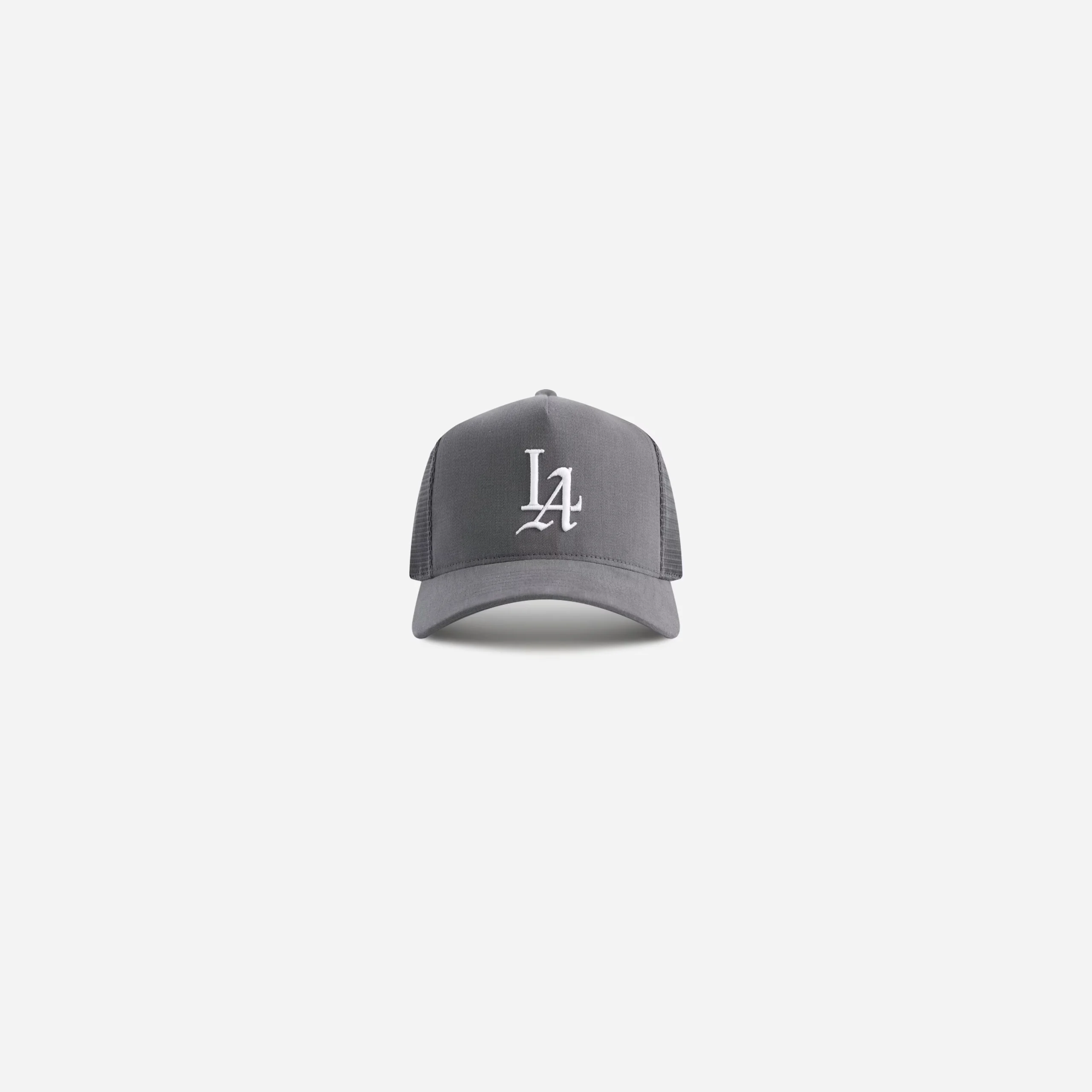
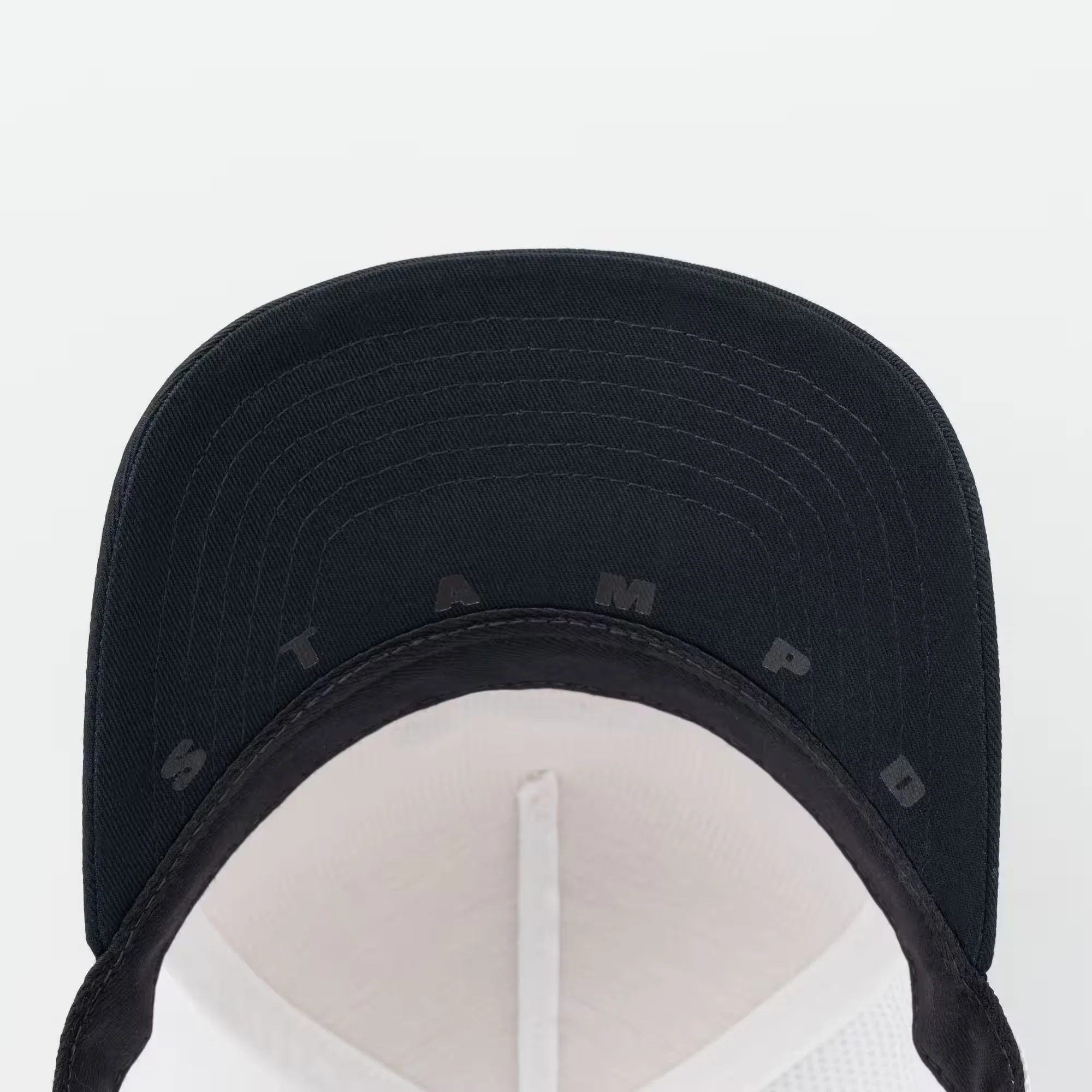
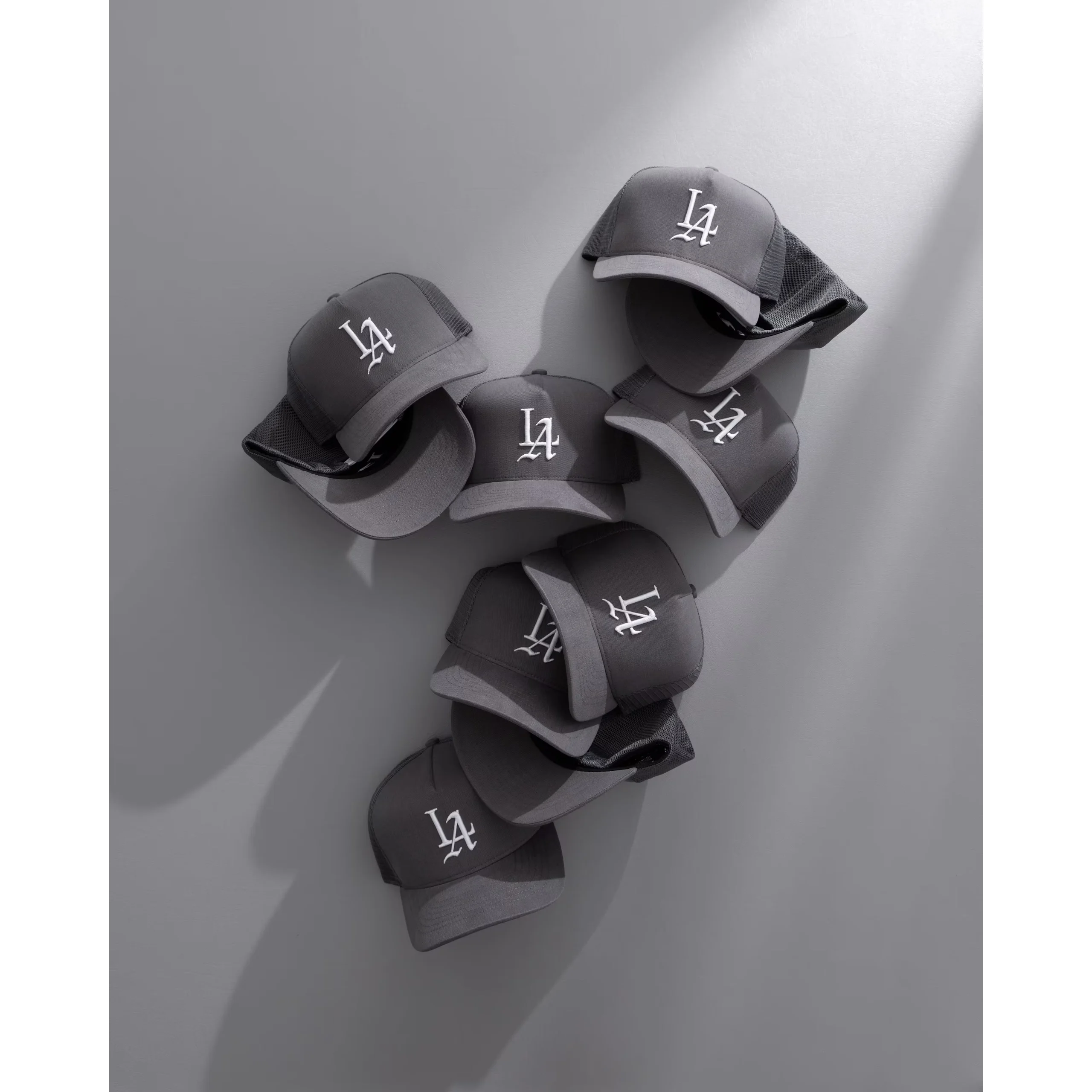
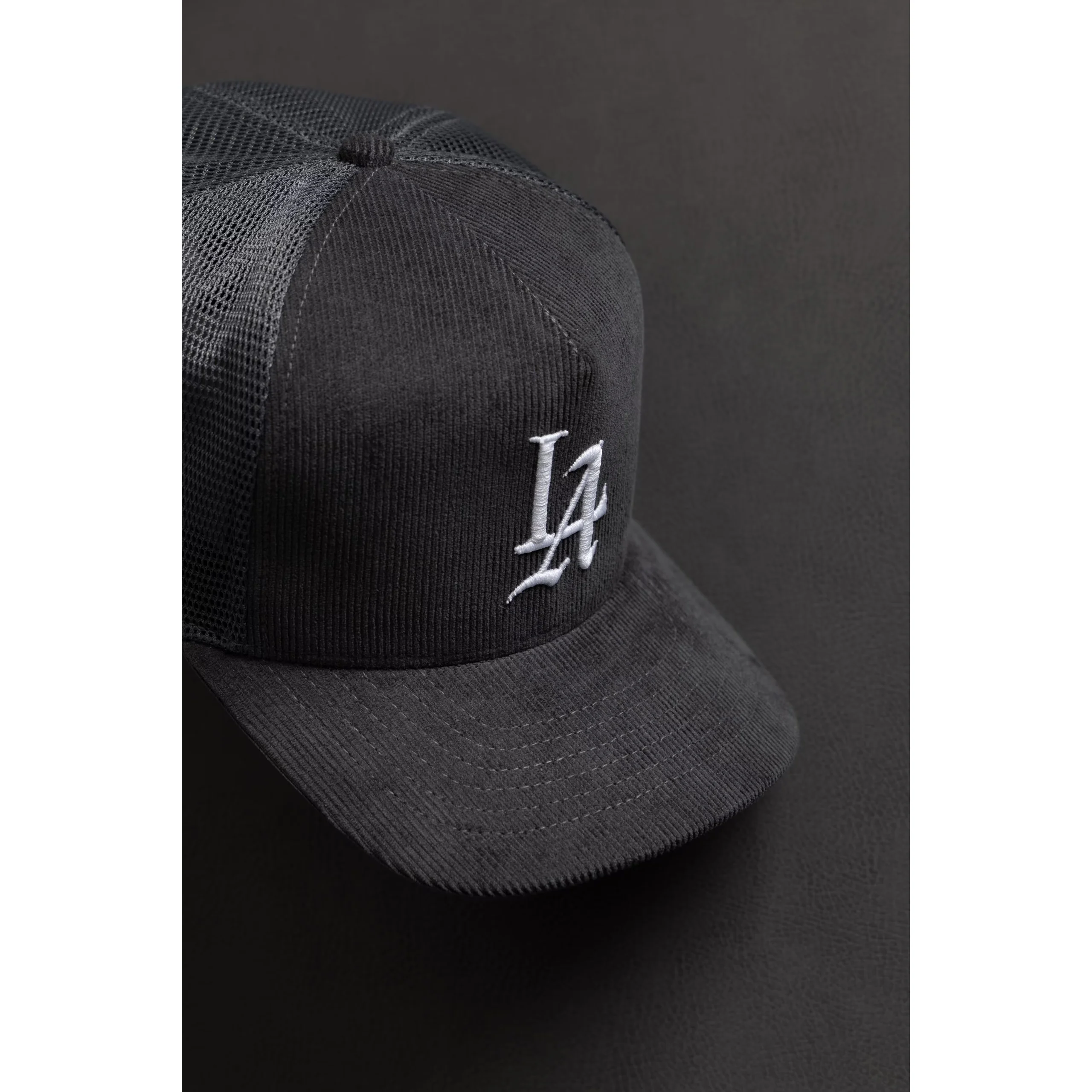
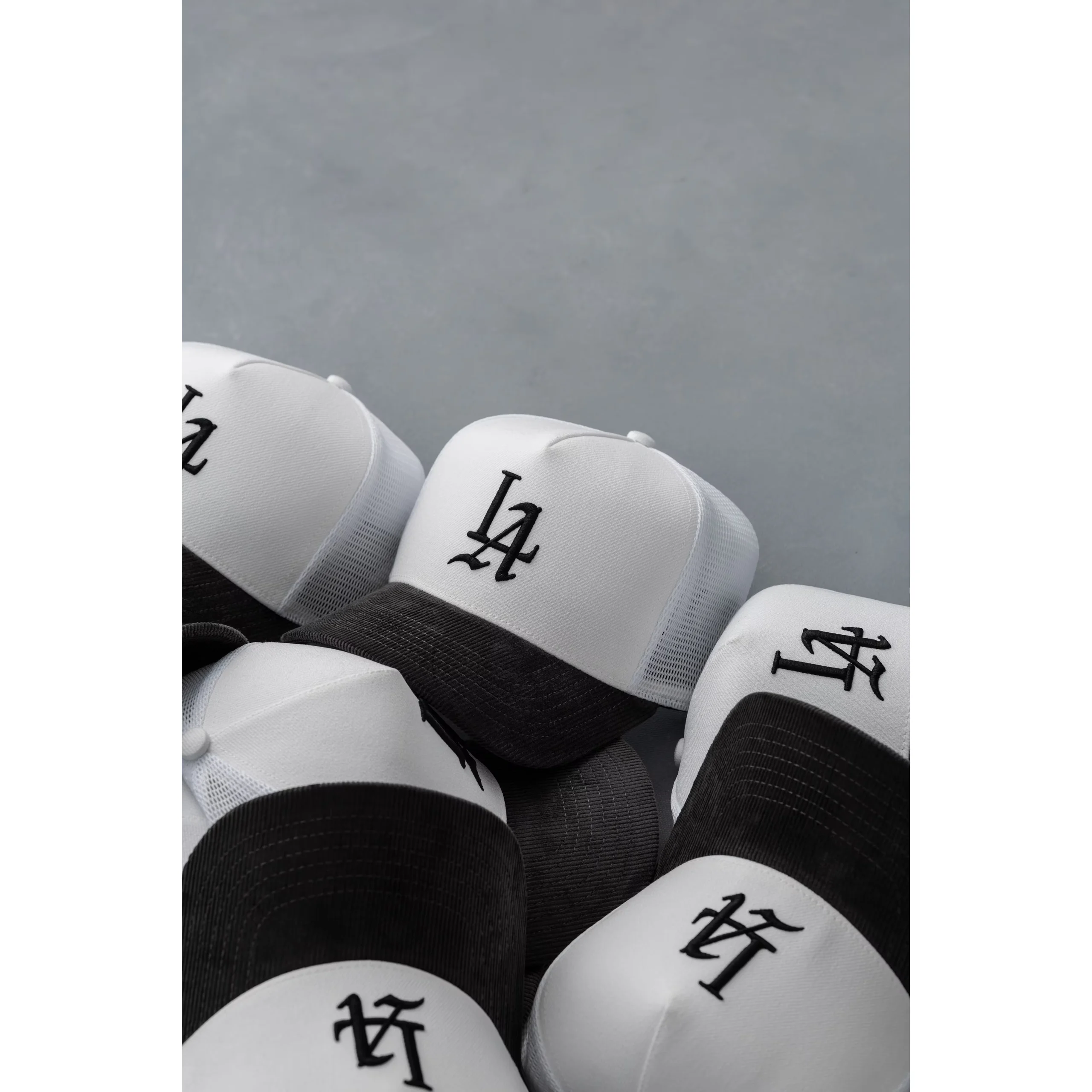
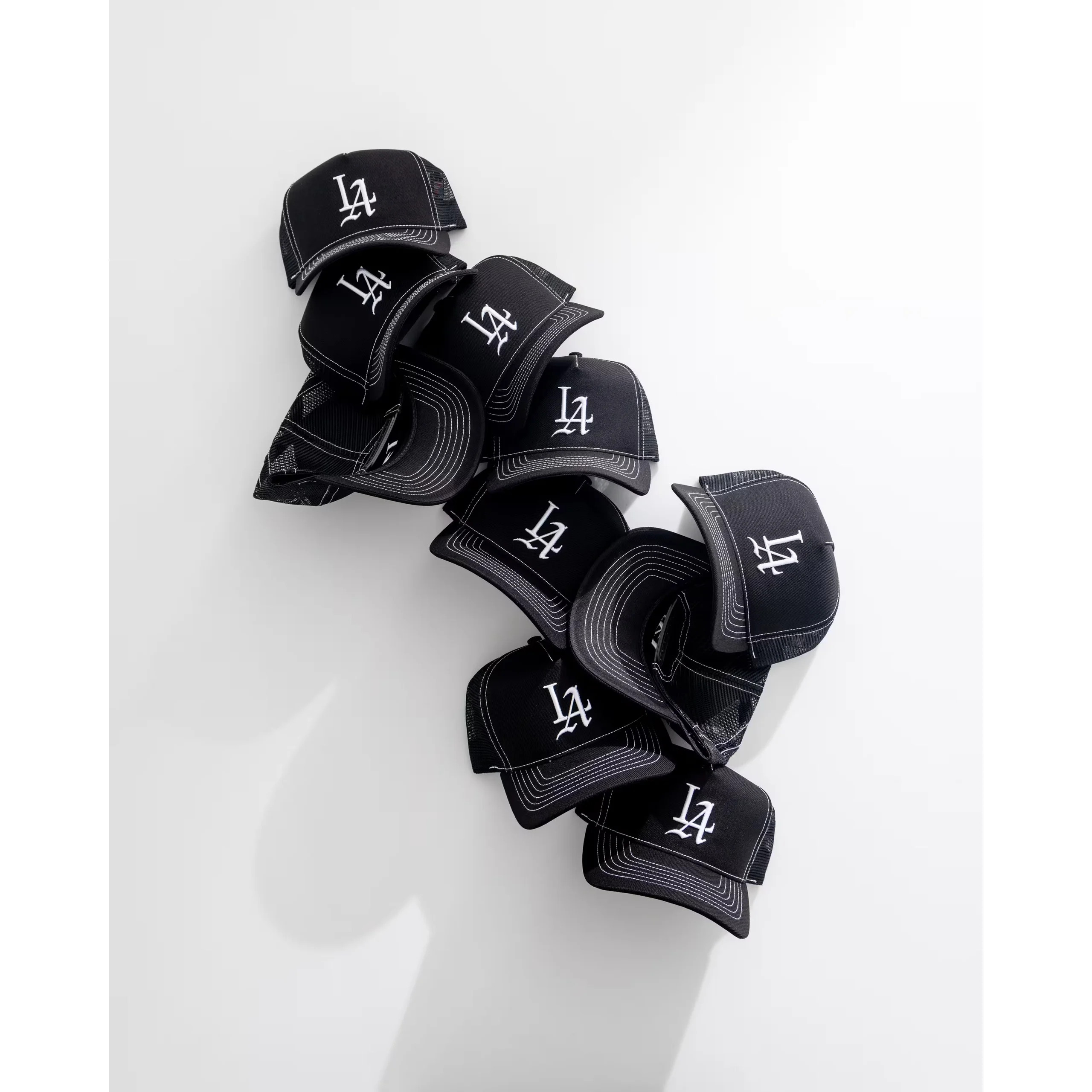
Headwear does the heaviest lifting on the page right now, and it leans entirely on a two-city naming system Stampd has used across seasons: NY and LA prefixes stamped onto otherwise similar five-panel trucker sil. The newest of them, the NY 002 Structured Trucker, is built from what the brand calls “Dry Surge” fabric on a structured five-panel shape with a mesh back and a seasonal “NY” embroidery on the front, priced at $95. Sitting next to it is the LA Script 002 Trucker, same price point, script branding instead of block lettering, and the NY 001 Structured Trucker in a black-on-black tonal build.
Further down the price ladder there’s texture: the NY 001 Twill Trucker and LA 001 Brushed Twill Trucker both run $110, while the LA 001 Structured Trucker in maroon holds at the $95 baseline. Then there’s that Corduroy Trucker in Oregano, at $120, the one still carrying its July ship date into a September new-arrivals listing. Every one of these hats, per their own product pages, is made in Huntington Beach, California, domestic manufacturing that’s easy to miss on a $95 trucker hat in an era when most headwear at this price point is produced overseas. Each also carries what Stampd calls a hologram authenticity label, sewn into the inseam, a detail that matters more than it might seem given how much of Stampd’s resale traffic runs through platforms where counterfeit product is a real concern.
The fabric naming itself follows a pattern that shows up across the whole page, not just the hats. Dry Surge, the material behind the newest structured truckers, and the corduroy used on the Oregano colorway are both presented as proprietary house textiles rather than generic descriptions, the same habit that shows up later in the softgoods with names like Wave Weave and Weather Weave. It’s a small piece of brand language, but a consistent one, present on a $95 hat exactly as it is on a $240 hoodie.
flow
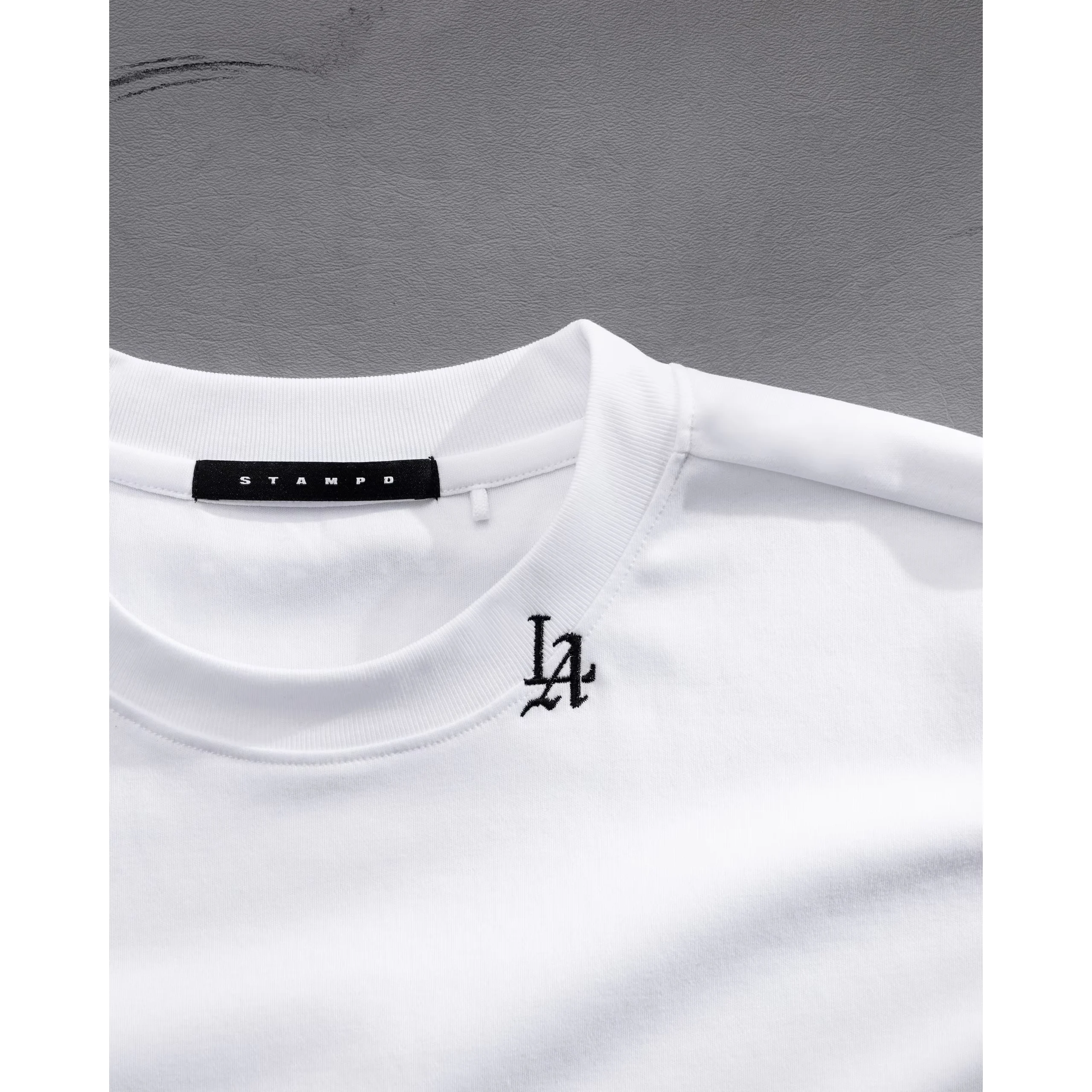
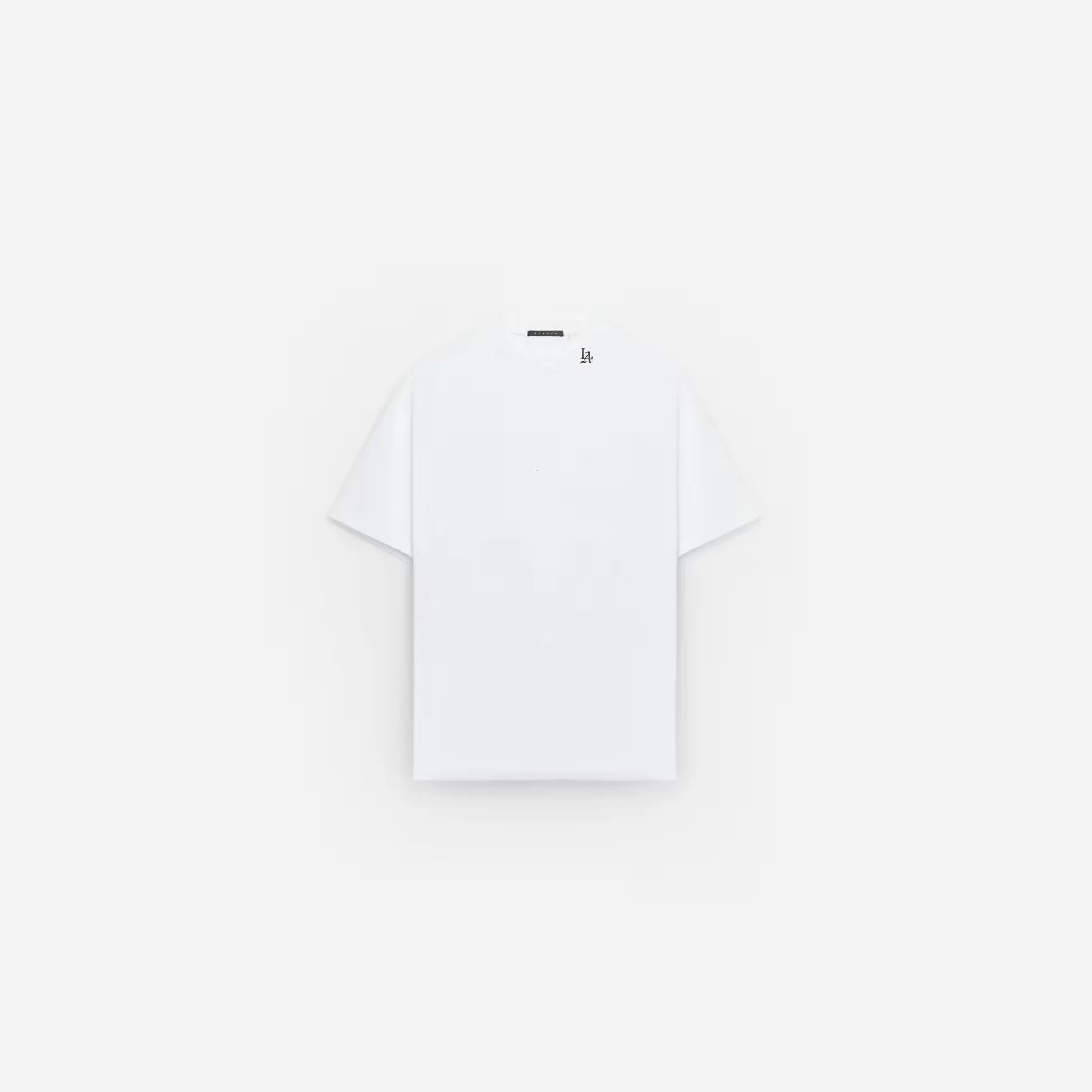
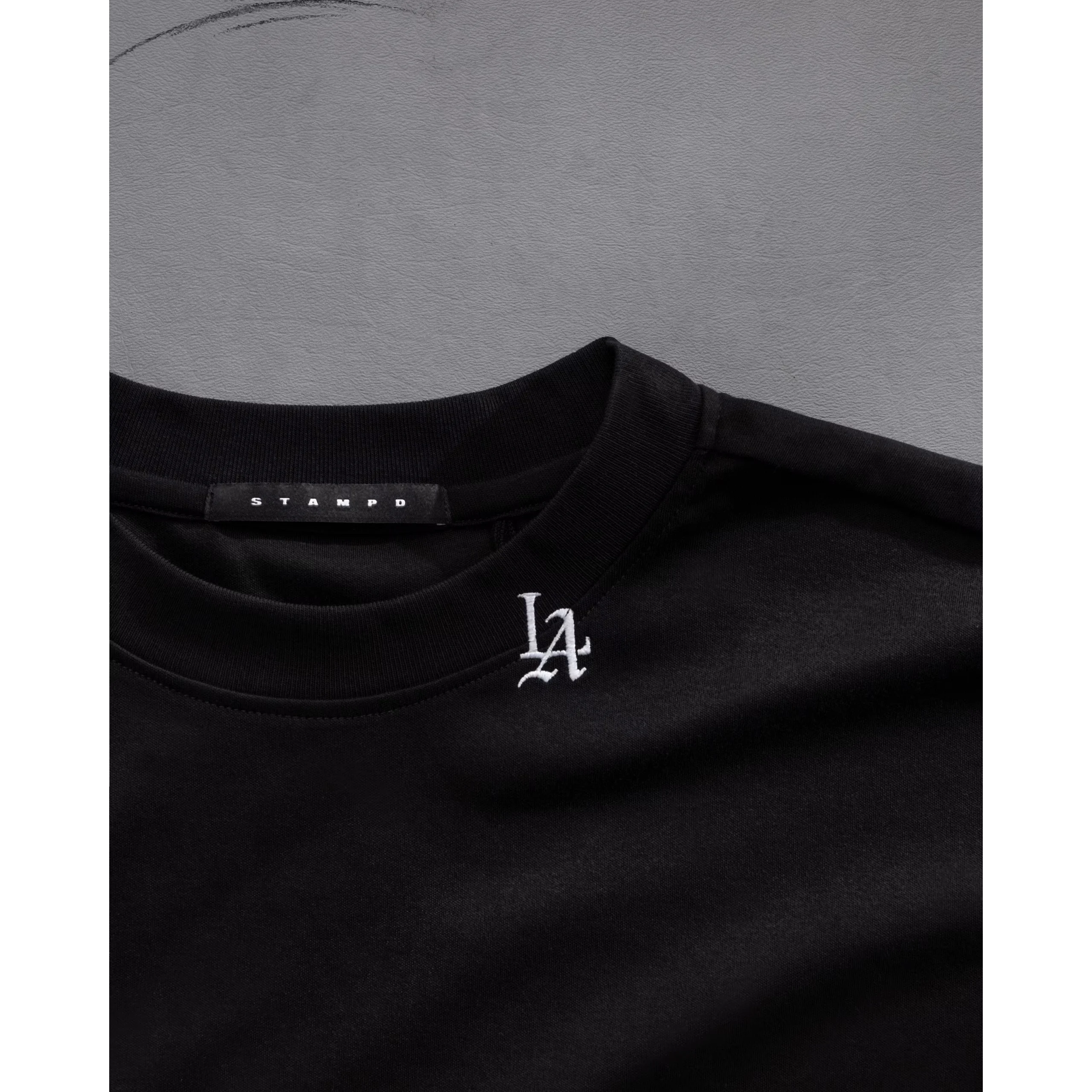
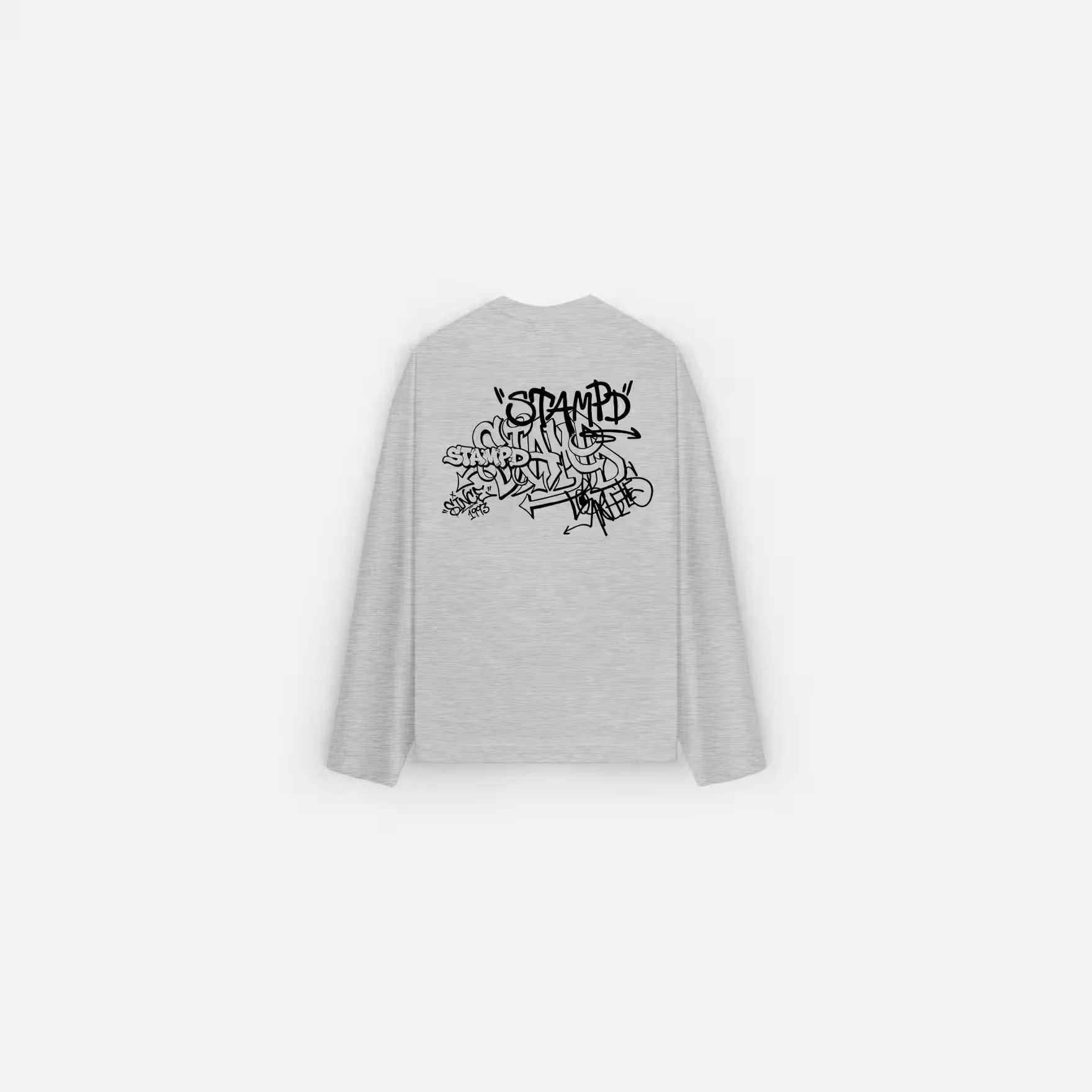
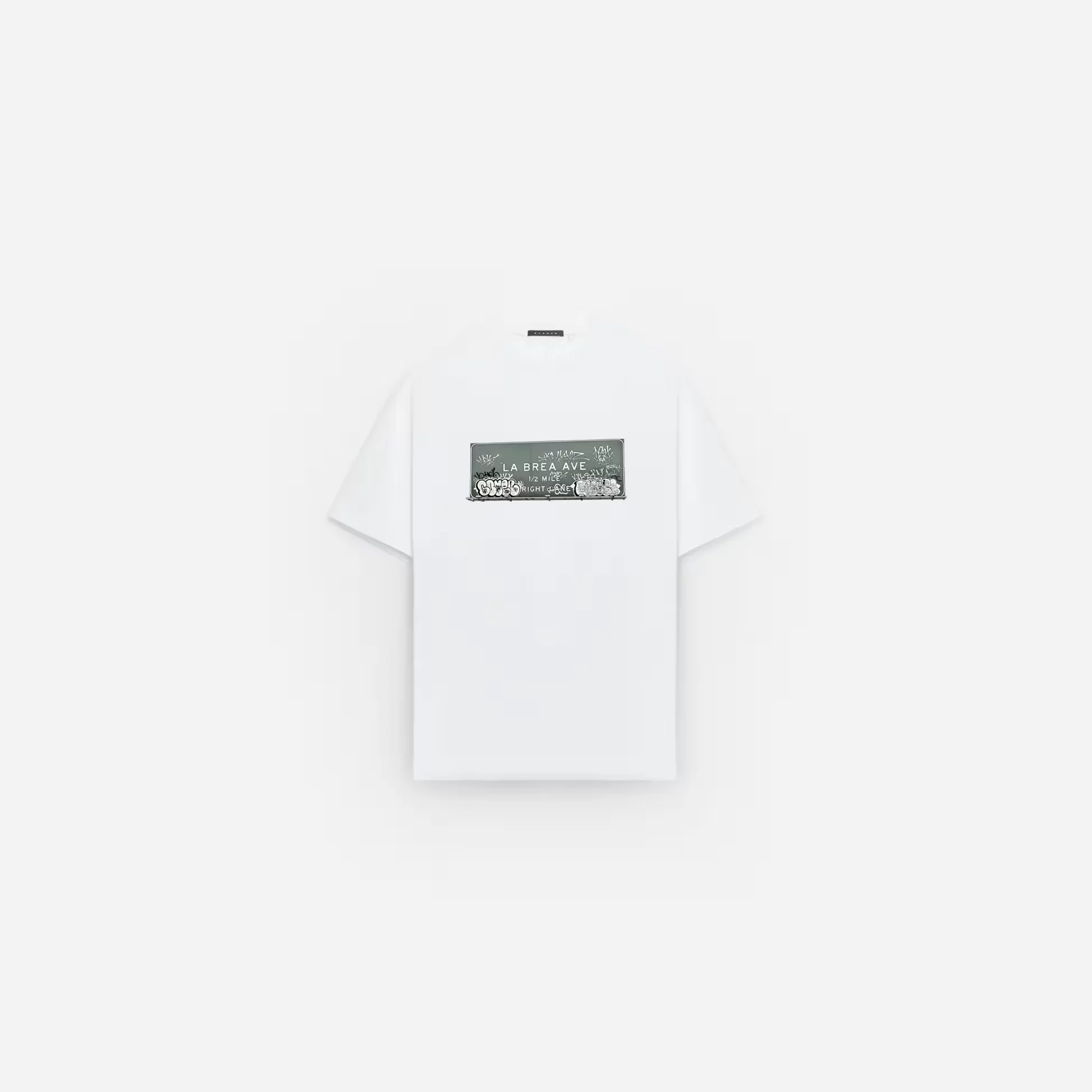
Above the hats, the softgoods repeat a familiar pattern of West Coast geography made into a product name. The La Brea Relaxed Tee takes its name from the street that runs past Stampd’s own flagship, and it’s joined by the LA Graffiti Relaxed Tee and the long-sleeve Stampd Graffiti LS Relaxed Tee, all built from what the brand’s own product copy describes as a “Weather Weave” 16-single combed cotton jersey, cut in Stampd’s signature relaxed fit, with a seasonal graphic printed at the front chest and repeated at center back. The LA 001 Micro Embroidered Relaxed Tee and the plainer LA 001 Relaxed Tee round out the tee wall at the same $95 price point, alongside the Sound System Speaker Box Relaxed Tee, a graphic borrowed from Stampd’s recurring interest in audio and sound-system imagery.
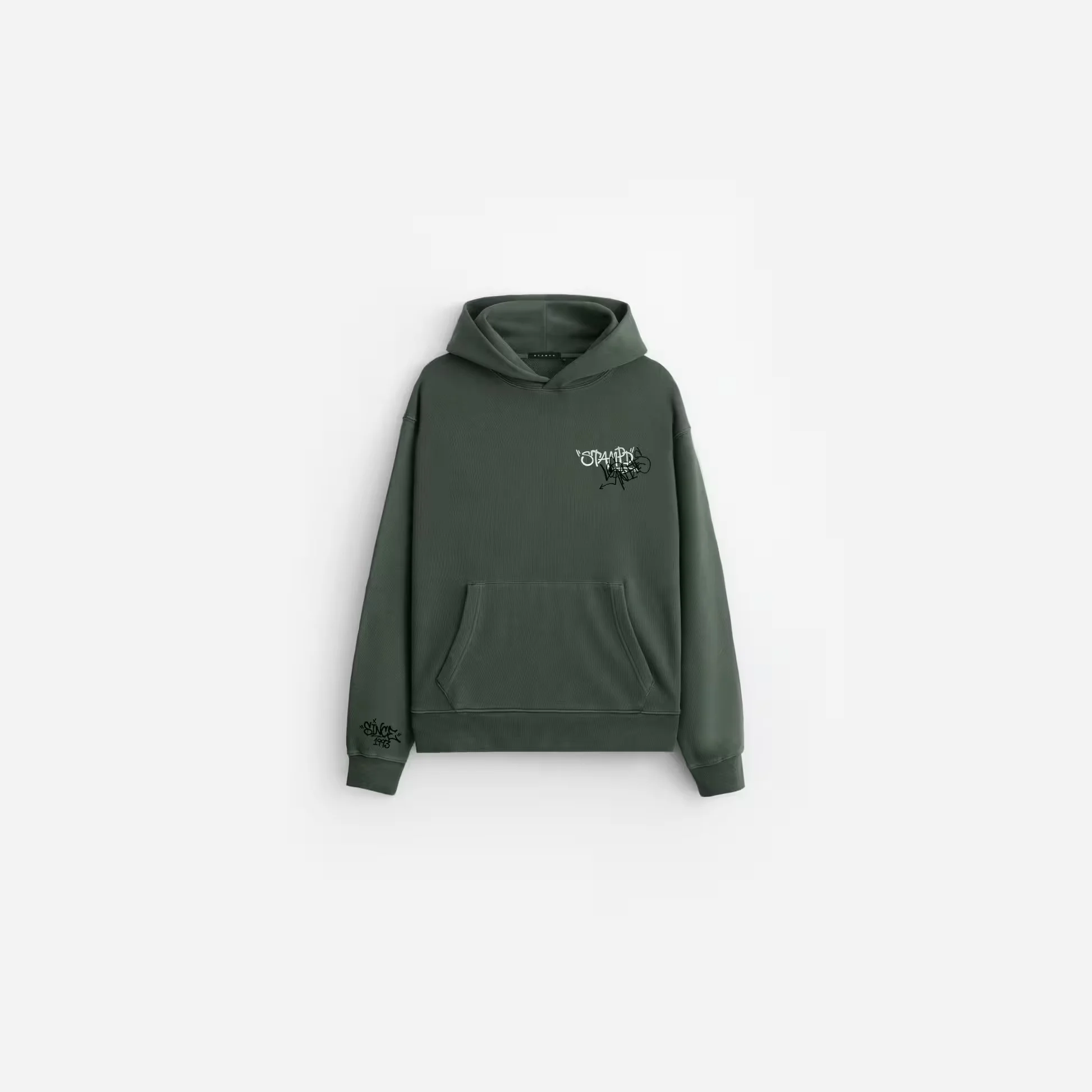
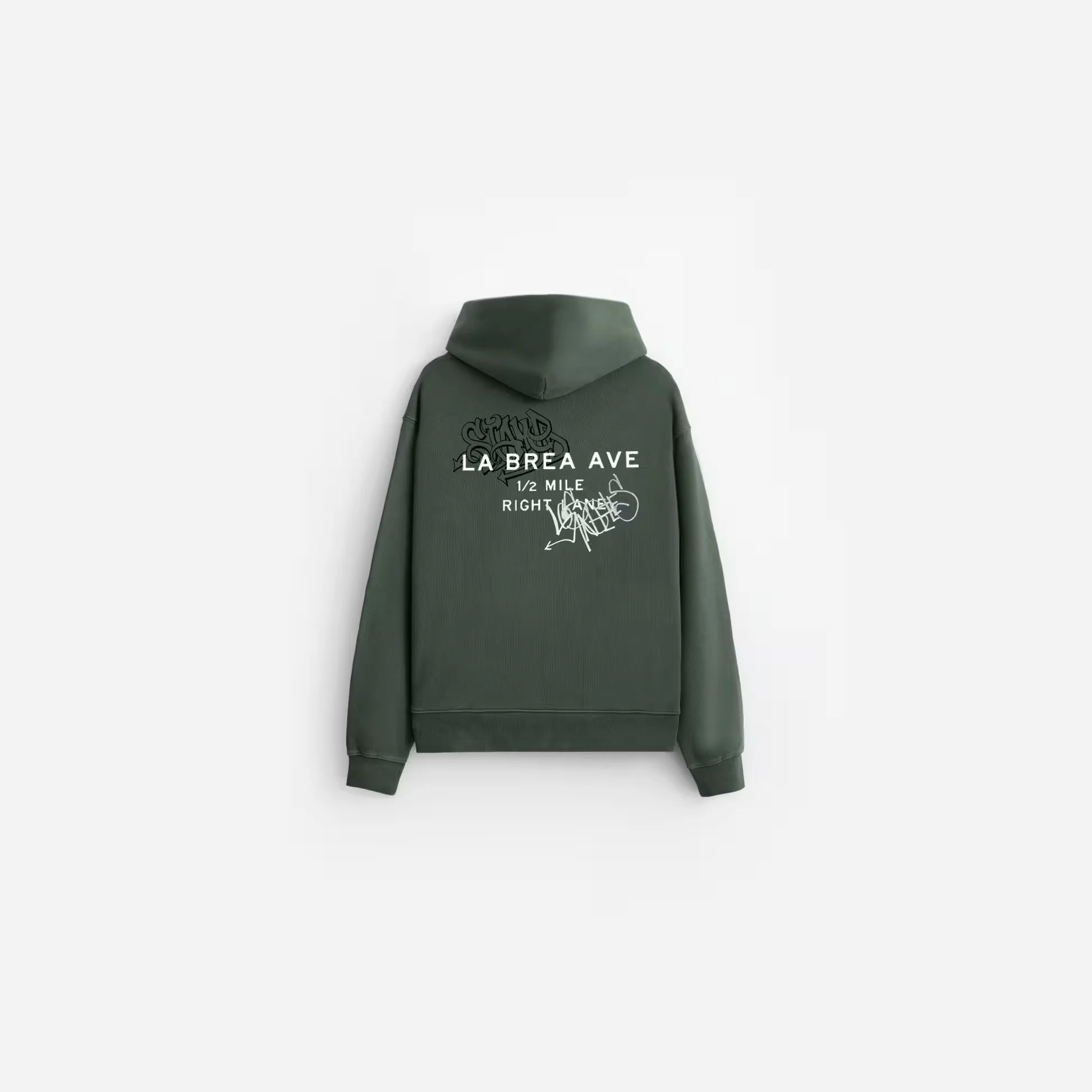
The one true outerwear-weight piece in the current lineup is the La Brea Hoodie, at $240 in a dark green colorway, built from a mid-weight “Wave Weave” cotton french terry with the same front-chest-and-back graphic treatment as the tees. It’s the most expensive single garment currently on the new arrivals page, and the fabric name is a small but consistent detail: Stampd gives its house fabrics their own proprietary names, Wave Weave, Weather Weave, Dry Surge, rather than just listing generic cotton blends, a habit that runs through the brand’s product copy regardless of season. The tee copy itself repeats almost identically from piece to piece too, describing the seasonal print placement the same way whether it’s on the chest of a $95 relaxed tee or the back panel of the $240 hoodie, which reads less like an oversight than a deliberate house template applied consistently across price points.
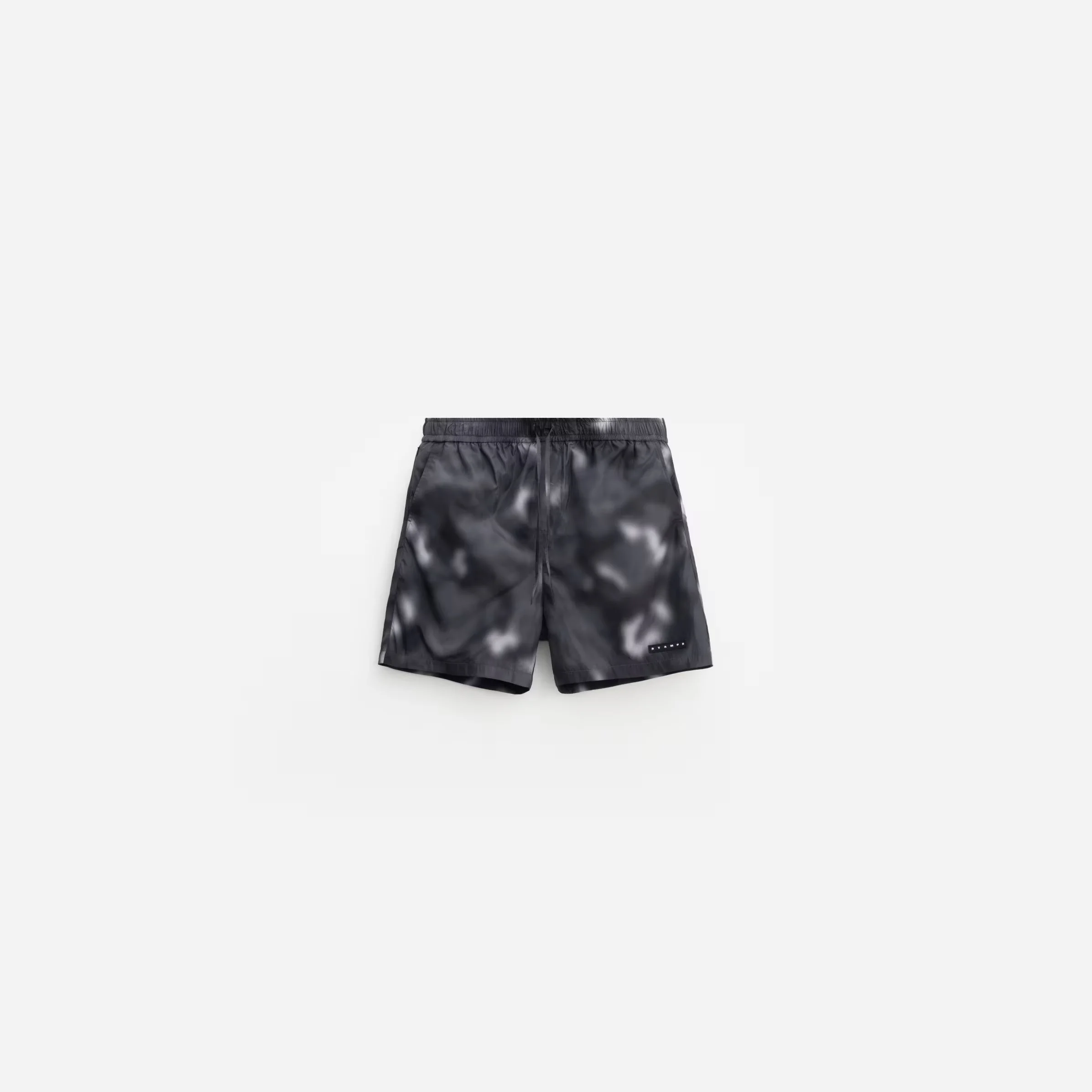
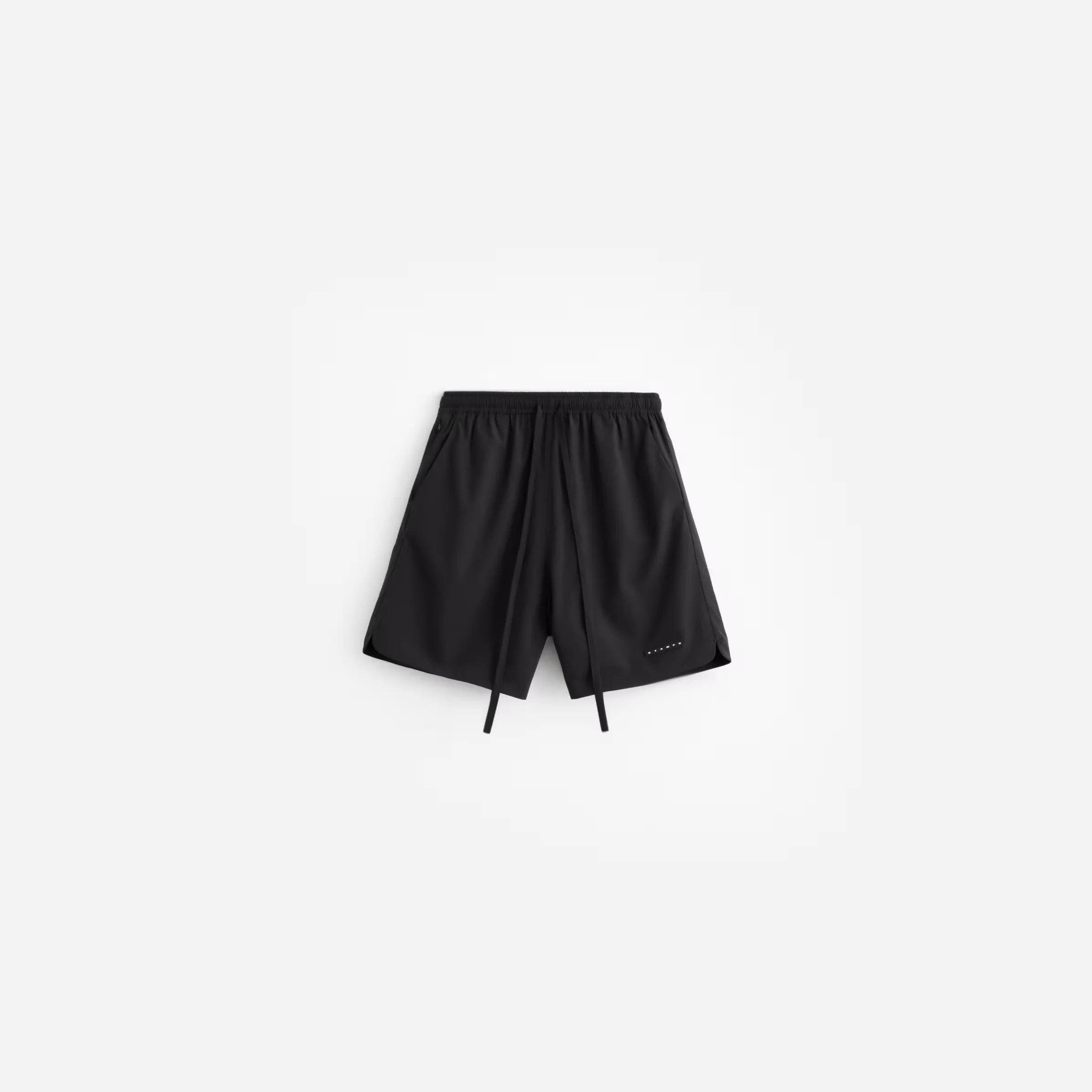
Shorts fill out the rest of the softgoods: the S26 Core Sweatshort at $170 carries a style code that reads like a leftover from an earlier spring cycle rather than a fall-specific piece, and the Stampd Strike Logo Sweatshort, Vintage Washed, in an oatmeal heather grey, runs $175. Two swim-adjacent trunks, the Splatter Trunk and Black Camo Trunk, both $185, are further evidence that this “new arrivals” wall is really a merged view of several different production cycles rather than one unified fall drop.
View this post on Instagram
apparel
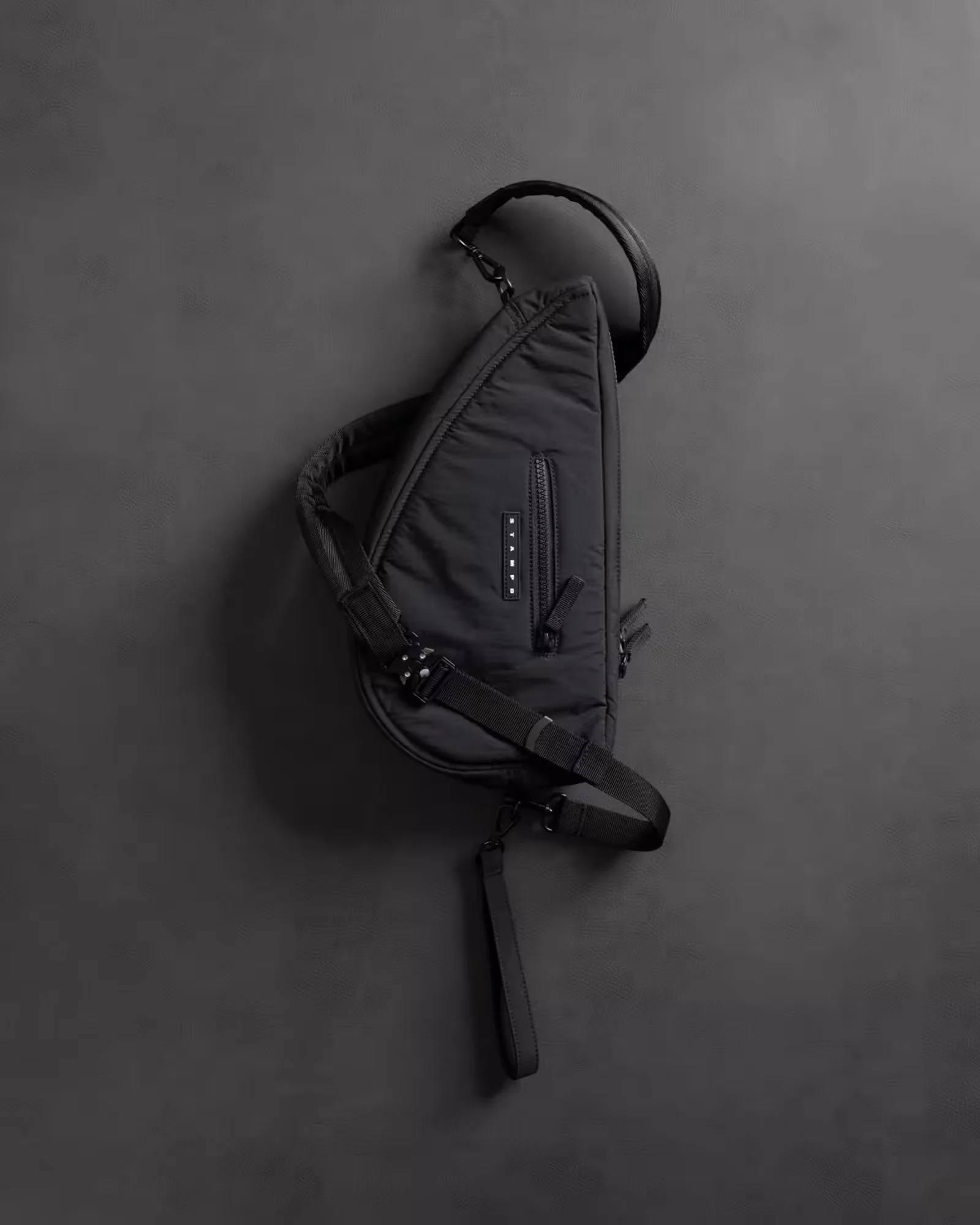
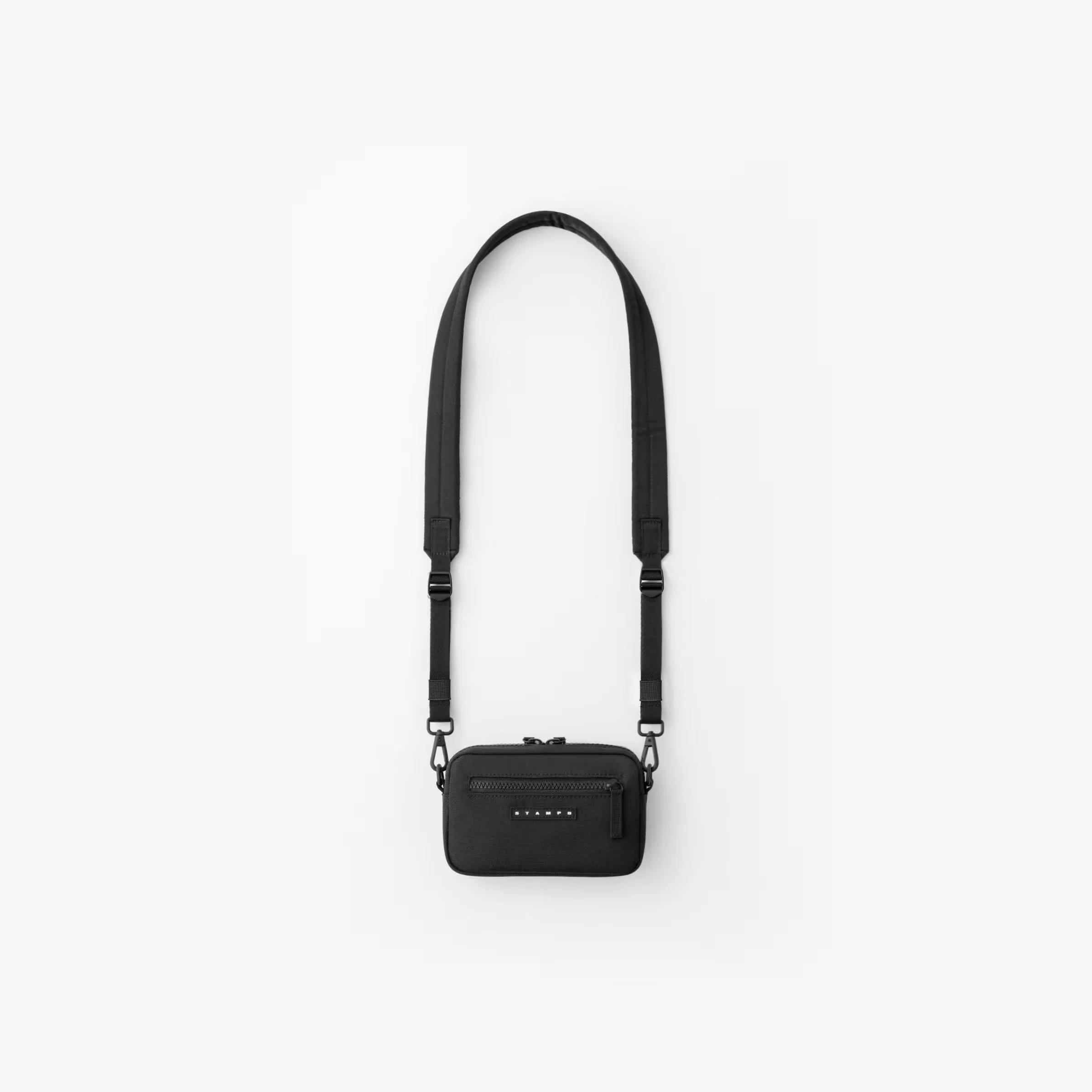
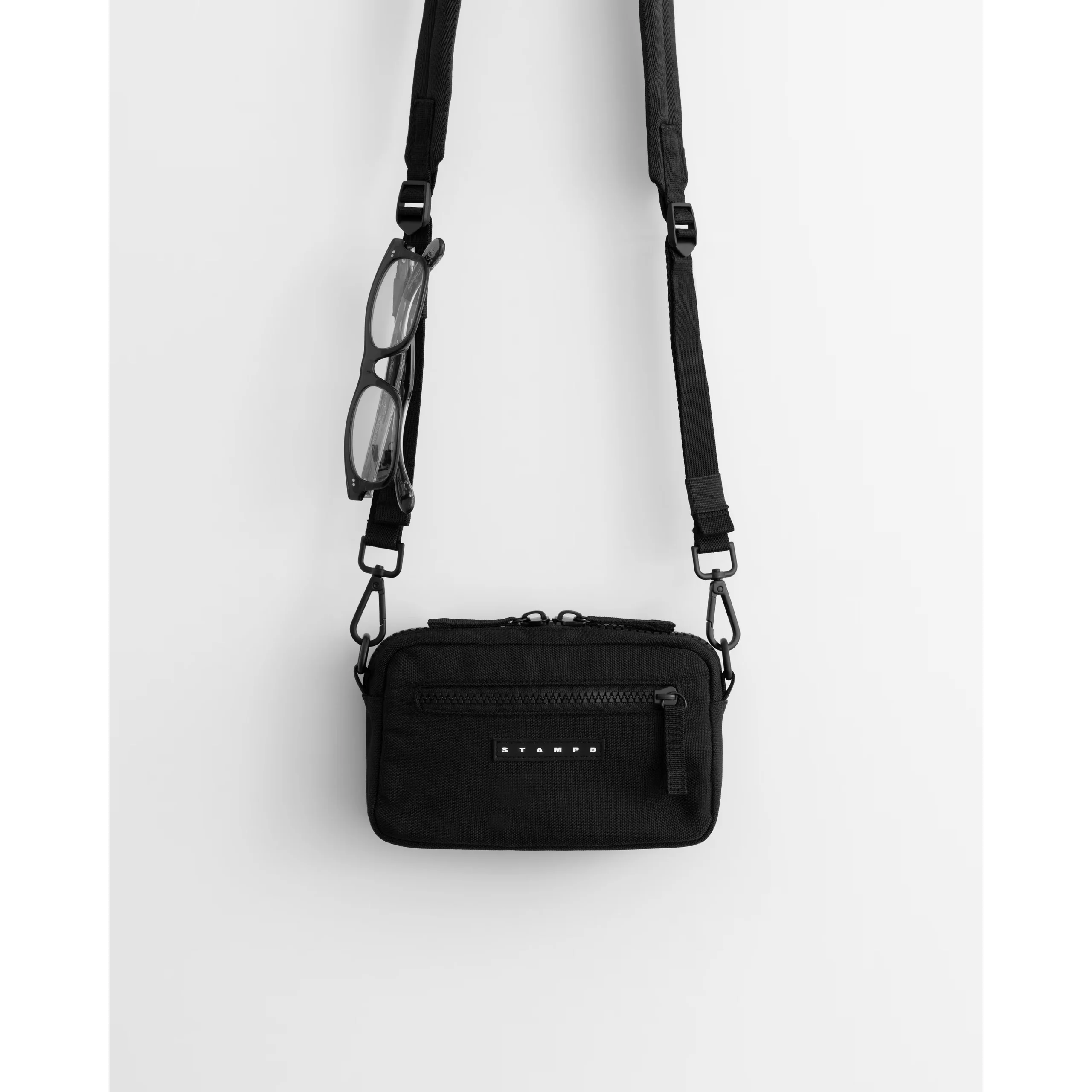
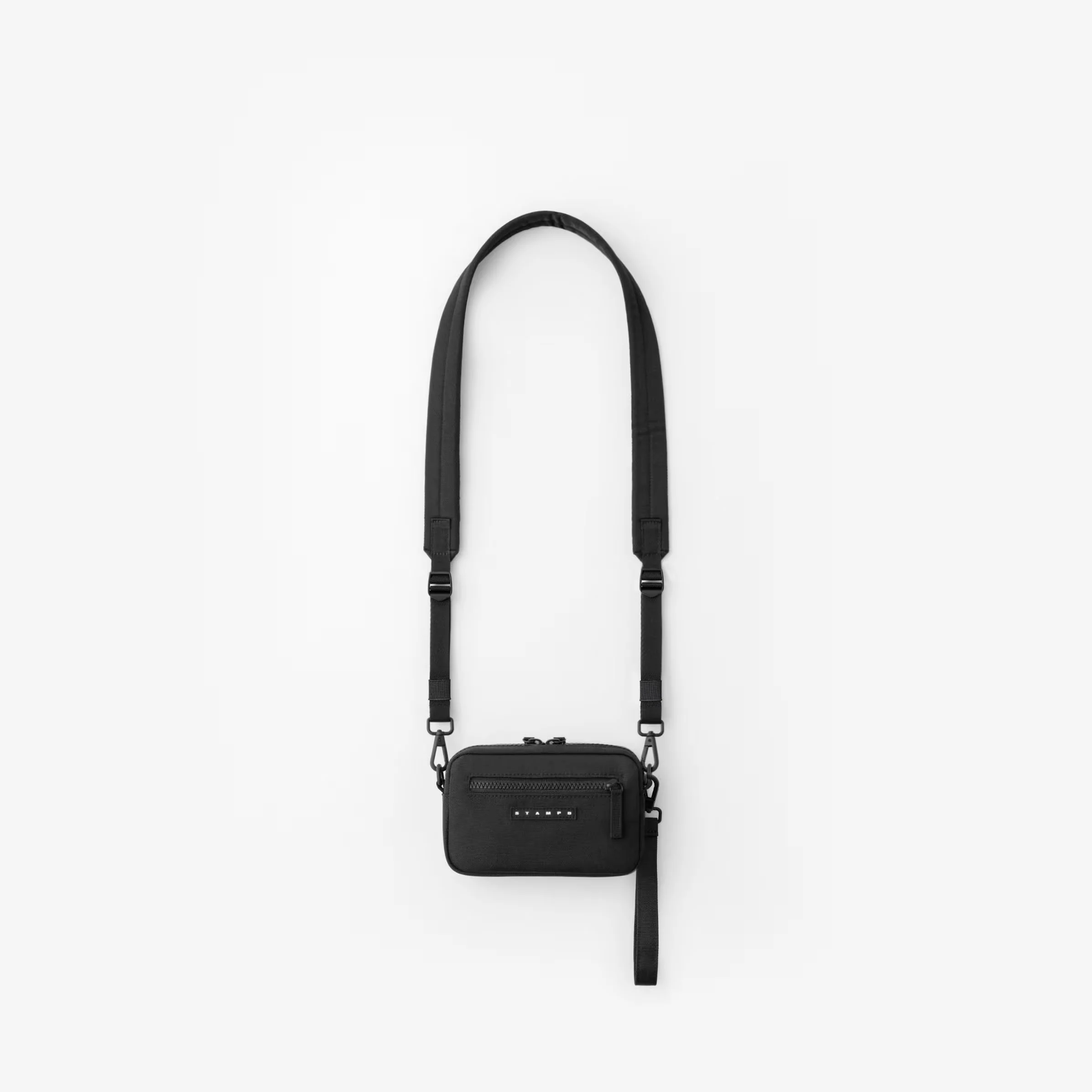
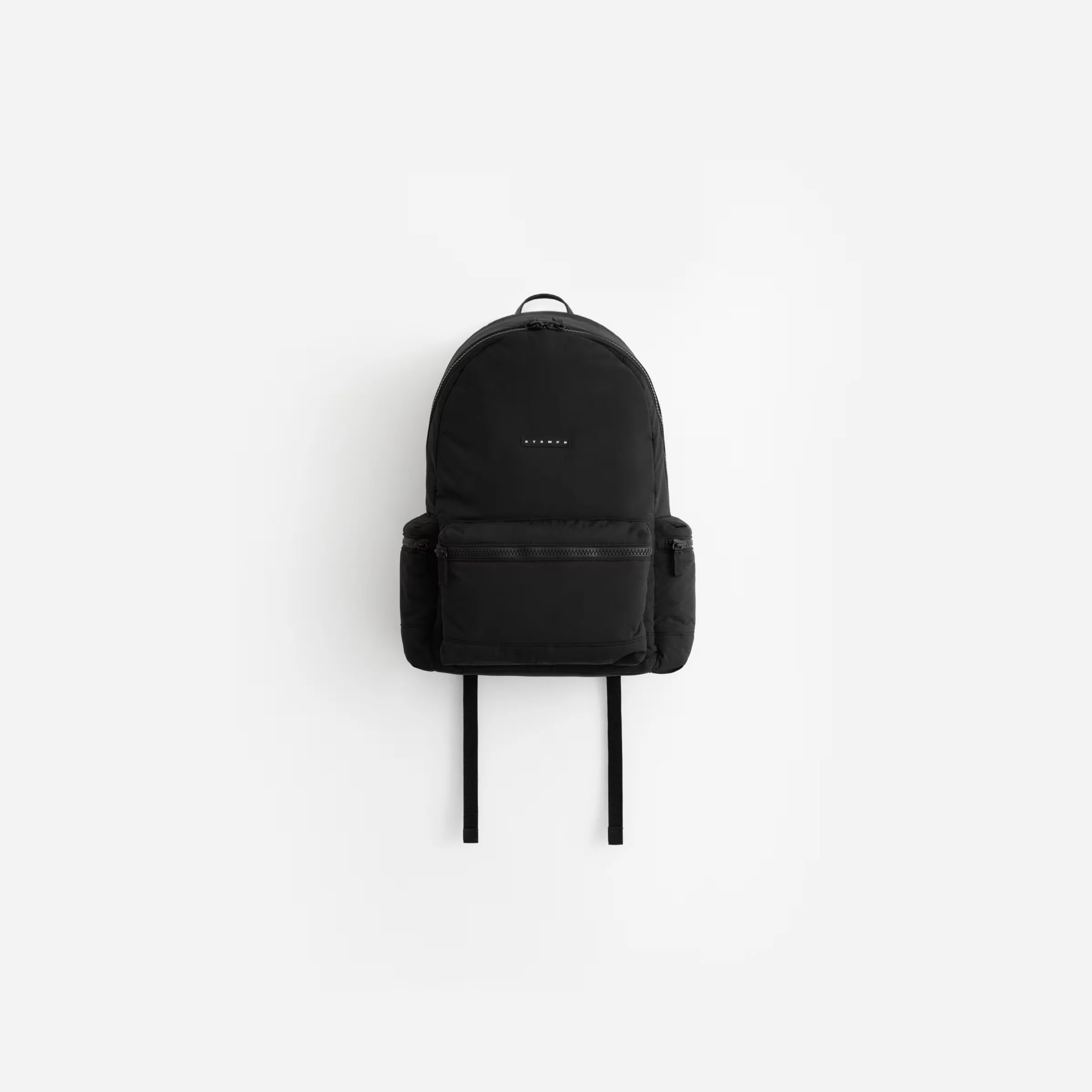
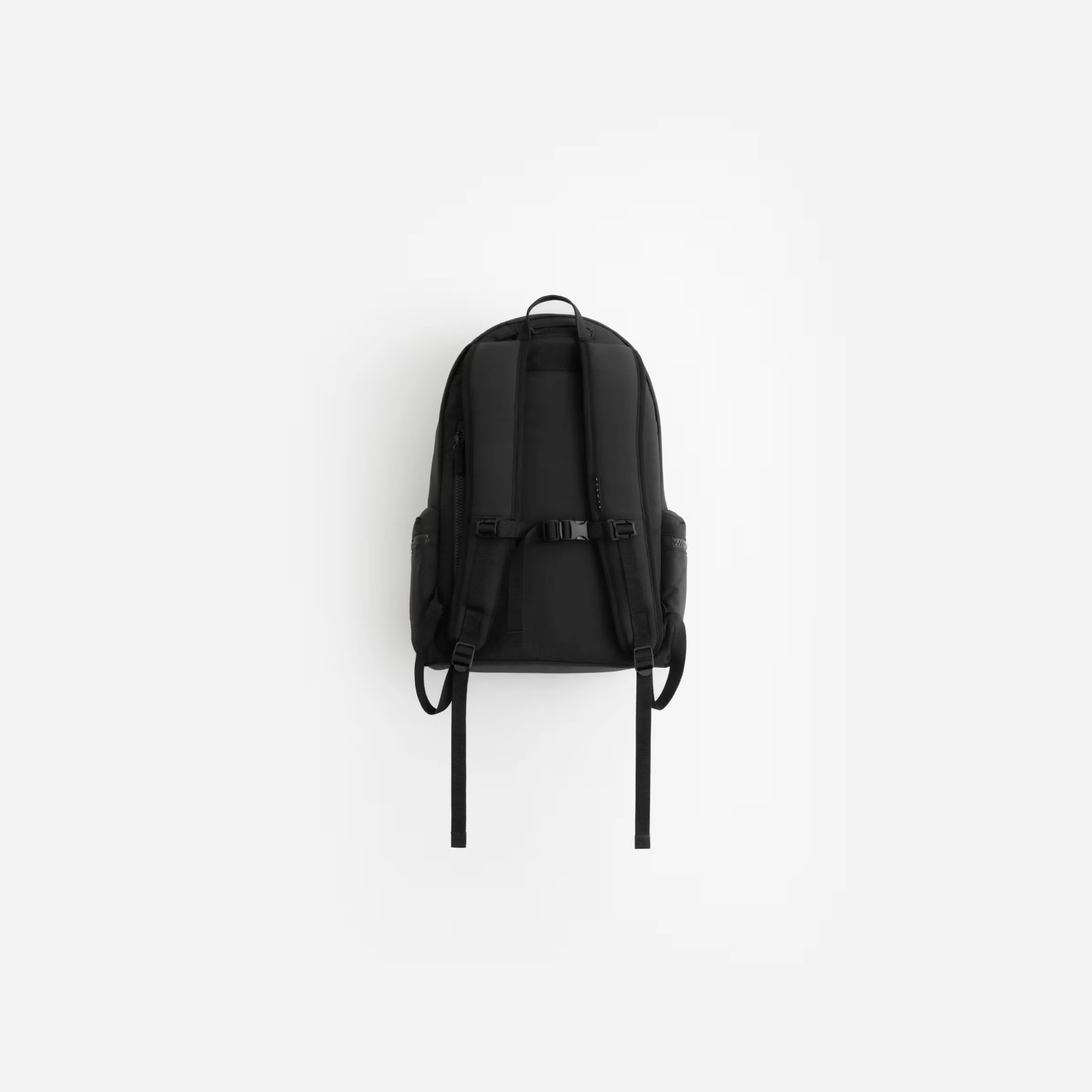
Accessor are small in number but specific in detail. The Crossbody Condition Bag 002, at $150, is a nylon crossbody with matte black hardware, three separate pocket compartments, and a rubber Strike logo label at both the front and the interior, sized at 7 inches wide, 4.5 inches tall, and 2.25 inches deep according to Stampd’s own measurements. It functions as either a crossbody or a handheld piece depending on how the strap is adjusted. Next to it sit the Stampd Shoulder Bag, at $135, and the Stampd Canvas Tote, at $125, both in black, both simpler carryalls compared to the Condition Bag’s more built-out compartment system. None of the three bags carry a listed ship date the way the trucker hats do, which suggests they’re further along in their production cycle than some of the fall-specific headwear still working through September deliveries, one more small sign that this page reflects several different timelines rather than a single one.
huh
None of this rotation happens in a vacuum. Stampd was built by Chris Stamp, a designer who has spent more than a decade running the label out of Los Angeles, and whose approach to the brand has always leaned toward steady, ongoing product over singular seasonal events. Stampd’s own current brand materials date its founding to 2011, born, as one widely syndicated brand profile puts it, out of a passion project during the final stretch of Stamp’s business school years. By 2015 he’d been named one of GQ’s Best New Menswear Designers in America, and the following year Stampd was a finalist for the Vogue/CFDA Fashion Fund, the joint Council of Fashion Designers of America and Vogue program that backs the business development of emerging American labels and is one of the industry’s more closely watched vehicles for doing so. That same year, Stamp partnered with Snarkitecture, the New York studio known for large-scale, minimalist installation work, to design Stampd’s first brick-and-mortar flagship on La Brea Avenue in Los Angeles, the same street that lends its name to the hoodie and two of the relaxed tees currently sitting in new arrivals.
From there, the connect list has been long and vary. Stampd has worked with Puma across multiple footwear and apparel seasons, partnered with IKEA on a furniture and home goods range, and linked up with artists Daniel Arsham, Snarkitecture’s own co-founder, and Futura on separate projects that pulled the label further into contemporary art circles than most streetwear brands typically go. More recently, Stamp’s ongoing partnership with chef Nobu Matsuhisa has produced a running series of city-specific Sushi Club capsule collections, expanding through Miami, Mykonos, Aspen, Dubai, and New York, among other stops, a project that by Stamp’s own account has become one of the more consistent throughlines in his work over the past several years.
end
The connection history runs deeper than any single headline name. The Puma partnership alone has run across at least three separate seasonal collections over the years, pairing footwear with a supporting apparel range each time. A separate collide with BAPE produced the Roadsta shoe, while a link-up with 424 resulted in a West Coast-leaning basketball apparel collection. UGG has been a repeat partner too, with Stamp describing a recent release as his third limited-edition run of shoes with the brand, several editions of which pair the classic pull-on boot silhouette with a functional, water-repellent rubber shoe guard.
The Sushi Club partnership with Nobu Matsuhisa has, if anything, only grown busier. What began in 2021 as a single capsule has since expanded city by city, with the New York edition notable include a members-only sneaker built off Nike’s Air Force 1 and named the Sushi Force One. A separate ocean-themed capsule with the Maldivian resort Patina followed a visit Stamp made there in November 2022, and Stampd has also released standalone accessory drops under names like Superior Life Goods. None of it maps cleanly onto a conventional seasonal calendar. It’s the same underly pattern as the current new arrivals wall: steady output, rel piece by piece as it’s ready, rather than bundled into one single reveal.
A black t-shirt with a small white graphic print on the left chest and a white inner collar.
That history is worth sitting with next to the current new arrivals page precisely because it explains what’s happening there. Stampd’s practice has rarely been about a single dramatic fall reveal. It’s about maintaining a rotating set of house silhouettes, truckers, relaxed tees, one hoodie, a handful of bags, and refreshing them with new colorways, new graphics, and new fabric names as each piece cycles through production. The Huntington Beach manufacturing note that runs across every hat on the page, and the hologram tag sewn into each one, are part of that same steady, unglamorous continuity: less a single fall chapter than the ongoing maintenance of a wardrobe formula Stamp has been running, one piece at a time, since 2011.
Which brings the page back to where it started. A trucker hat shipping by September 15 and a corduroy version of the same silhouette that already shipped by July 10 are sitting on the identical collection page today, filed under the identical heading, with a $170 sweatshort carrying an S26 style code mixed in between them. Nothing about any of that is a problem to be smoothed over. It’s simply how a brand that treats its catalog as a living rotation, rather than a single seasonal drop, actually presents itself once you read past the product photography and into the fine print underneath it.
Related Articles
Billionaire Boys Club Rewrites the Country Club Dress Code for Fall ’26
A cotton pique polo and a chenille golf patch anchor Billionaire Boys Club’s push into […]