DRIFT AUDIO
Listen to this story
Choose a voice, then press play.
In the final hours of their VIP preview for The Grail – Smoke Black, Sabrina and Johnny of Sun City Rags posted a simple, heartfelt message: “We’re blown away by the response and truly grateful…” Launched on April 28, 2026, after five years of quiet development, this wasn’t just another drop. It was the culmination of a deeper pursuit—one that taps into the soul of what makes a garment legendary.
As the streetwear world in 2026 grapples with fatigue from endless hype cycles, algorithmic drops, and fast-fashion dilution, Sun City Rags offers something rarer: intention. The Grail isn’t chasing trends. It is the trend—rediscovering the unique canvas that feels like the vintage tee you never forgot.
View this post on Instagram
stir
Sun City Rags emerged in 2020 amid pandemic chaos. Sabrina, a Hollywood hair and makeup artist with a naturopathy background, and Johnny, a Billboard-charting producer and creative director with credits for Universal Music Group, Fortnite, and more, lost their gig work. Instead of defeat, they embraced “Lucky XIII”—flipping the superstition into empowerment. What started as a side project blending music, art, and apparel quickly evolved into a full counter-culture brand rooted in Los Angeles.
Their ethos: small-batch, handmade in California, eco-conscious, and deeply personal. Garments for “misfits & wild ones”—musicians, artists, rebels who reject mass-produced uniformity. Beyond clothing, they offer apothecary items like their signature Lucky XIII fragrance, slow-cured and evocative of desert rides and incense. Packaging feels like receiving a piece of art: black boxes, handwritten notes, scents that linger.
Customer reviews (nearly 900 five-star ratings) echo this. One calls a hoodie “better than described… the packaging and little notes are so special.” Another praises shirts that “fit like a glove” and never disappoint in quality. This isn’t marketing spin; it’s the result of hands-on craftsmanship in an era of automation.
tred
The Grail didn’t begin as a product launch. Johnny has said they spent years testing prints weekly before realizing the real quest wasn’t the ink—it was the fabric itself. Modern cotton is engineered for uniformity: smooth, consistent, disposable. Vintage tees from the ’70s–’90s? Imperfect fibers, natural wear, a broken-in soul that no factory wash can fully replicate.
They went back to the foundation. The Grail – Smoke Black uses premium, thoughtfully sourced materials to achieve that elusive vintage hand-feel from day one—soft yet substantial, with just enough character to age beautifully. The first chapter is minimalist yet bold: a foundational piece meant to anchor wardrobes, layer under jackets, or stand alone as a statement.
This approach mirrors broader 2026 shifts. After years of oversized graphics and logo mania, consumers crave authenticity. Nostalgia dominates—retro tees, distressed finishes, Y2K echoes—but with a sustainable twist. Small-batch production minimizes waste; organic and recycled materials become expectations, not extras. Brands scaling via print-on-demand or overseas bulk face pushback; those staying intimate and local earn loyalty.
In LA’s streetwear scene—home to icons like Supreme’s early days, modern players like Reformation, and upcycled collectives—Sun City Rags carves a niche. They’re not chasing virality. They’re building legacy, one limited run at a time. Their one-of-one customs (hand-painted jackets with vintage military patches) prove the point: these are wearable stories, not disposable trends.
why
The t-shirt’s journey from underwear to cultural cornerstone is well-trodden. Born practical in the early 20th century, it exploded post-WWII via military surplus and youth rebellion. By the 1970s–80s, band tees, concert merch, and counter-culture graphics turned it into a canvas for identity. Think Grateful Dead bootlegs, Nirvana smiles, or Liquid Blue’s intricate art—pieces that now fetch hundreds (or thousands) on resale for their patina and provenance.
Books like Rap Tees, The Art of the Band T-Shirt, and Vintage T-Shirts document this cultural archive. The best examples weren’t “perfect”—they faded, cracked, told tales through rips and stains. That imperfection created emotional attachment. Today’s fast fashion stripped that away, producing millions of identical garments with zero soul.
2026’s revival of retro tees—oxblood heritage, lightweight vintage washes, graphic nostalgia—signals a collective craving for that lost tactility. Influencers and buyers prioritize “worn-in” aesthetics that feel personal. Distressing techniques proliferate, but true connoisseurs seek brands that engineer longevity from the start.
Sun City Rags bridges eras. Their pieces evoke the romance of thrift finds and rag houses (the raw beginnings of the clothing chain) while delivering modern fit and ethics. No middlemen. No excess inventory. Just intentional making.
flow
Streetwear in 2026 sits at an inflection point. The 2010s hype machine—limited drops, bot wars, resale flips—created wealth for some but exhaustion for many. Oversaturation led to “hype fatigue.” Consumers now favor:
- Quality over quantity: Multifunctional, durable pieces that last seasons.
- Sustainability as standard: Organic cotton, small-batch to cut waste, local production.
- Storytelling and community: Brands with founders you can connect with, not faceless corps.
- Nostalgia with innovation: Vintage silhouettes reimagined with better materials.
LA remains ground zero. Its blend of Hollywood glamour, music history, desert mysticism, and immigrant entrepreneurial spirit fuels creators. Small workshops hum with custom work. Brands like Sun City Rags thrive here because authenticity sells in a city built on image—when it’s real, it resonates globally.
The Grail drop’s strong response (selling briskly in preview) proves the appetite. It’s not just a black tee; it’s a statement against disposability. In a world of AI-generated designs and algorithmic feeds, human touch—Sabrina’s potions, Johnny’s producer eye for detail—feels revolutionary.
View this post on Instagram
theory
What elevates Sun City Rags is the partnership. Sabrina brings holistic, natural wellness (apothecary oils, stress-relief blends). Johnny infuses music and visual storytelling. Together, they create multisensory experiences: a shirt that feels vintage, packaged with a scent that transports you.
Their “Repeat Offenders Club” rewards loyalty with perks, fostering community over transactions. Limited runs (sometimes just 50 pieces) create exclusivity without alienation—owners join a “club” of like-minded souls.
This mirrors successful indie labels across creative fields: personal, resilient, adaptive. In uncertain economies, small-batch offers agility—test ideas, listen to feedback, iterate without massive risk.
forward
The Grail – Smoke Black is explicitly “Chapter One.” Future iterations could explore tinctures, subtle graphics, or collectives with musicians (leveraging Johnny’s network). The foundation is set; the brand can build outward while staying true to roots.
For collectors, it’s an accessible entry into heirloom-quality streetwear. For the industry, a reminder that patience and craft still win. As one reviewer put it about their pieces: “Created to be remembered. Made to be your own.”
In 2026, amid climate anxiety, digital overload, and culture fragmentation, objects that ground us matter. A well-made tee you reach for daily, that softens and stories with you, becomes armor and comfort. Sun City Rags isn’t selling clothes—they’re offering talismans for the misfits navigating this era.
The final 24-hour push for The Grail wasn’t desperate; it was celebratory. A victory lap for a long game well-played. Sabrina and Johnny’s gratitude feels genuine because the response validates the view: people still crave the real thing.
If you missed this chapter, stay locked. Sun City Rags moves with intention—slow, deliberate, enduring. In a fast world, that’s the ultimate grail.
Related Articles
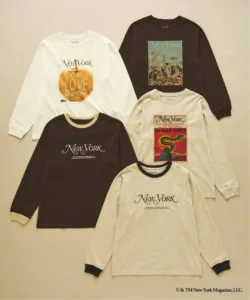
Shinjuku 4-1-7 Meets East 32nd Street: 417 EDIFICE Wears New York Magazine for Fall/Winter 2026
A Tokyo shop named for its first street address now sells New York magazine's archive covers as ¥9,900 long sleeves, with a tonal logo cap riding…