DRIFT AUDIO
Listen to this story
Choose a voice, then press play.
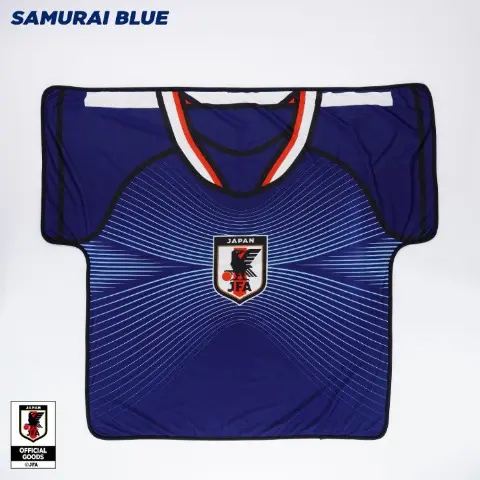
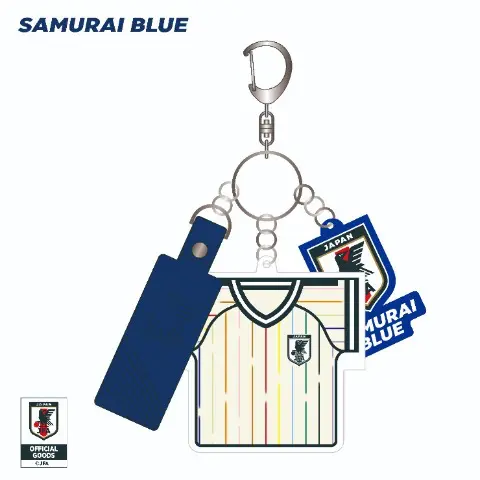
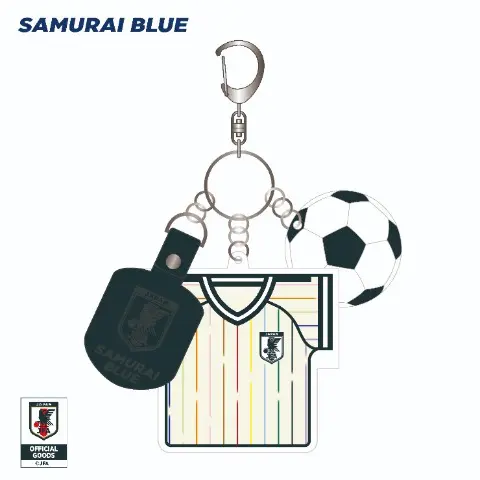
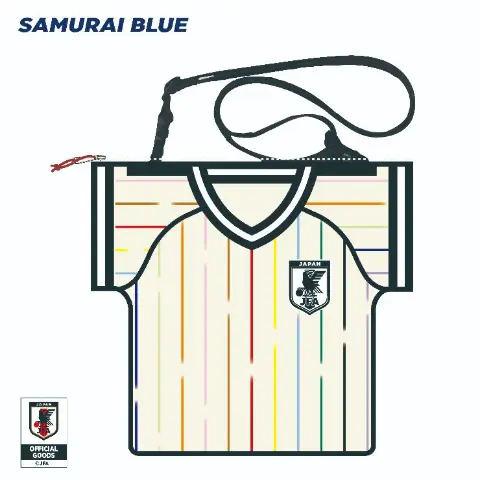
Shimamura is translating SAMURAI BLUE’s breakout away uniform into everyday lifestyle goods, launching July 8 at 15:00 through Shimamura Park.
In This Story
- A Budget Chain Reads the Room
- What’s Actually Dropping
- Why the White Kit Became the Story of the Tournament
- The Made-to-Order Model, Explained
- Shimamura’s Ongoing Play in Football Merchandising
- Where This Fits in the Replica Kit Economy
- How to Get It
There is a particular kind of retail timing that only works when a brand has been paying close attention to what people actually want, rather than what a marketing calendar says they should want. Shimamura’s newest move fits that description. On July 8 at 15:00, the value-fashion chain will open made-to-order sales for a small capsule of home goods built around the Japan national team’s white away uniform, through its official online storefront, Shimamura Park.
The announcement landed abruptly, without the weeks of teaser content that typically precede a licensed collision, and the timing tells its own story. The away jersey in question became one of the visual signatures of Japan’s run through the North and Central America-hosted World Cup, prized for a graphic treatment that stood apart from the tournament’s more conservative kit designs. Retail availability of the actual jersey has been tight for months. Shimamura’s answer was not to compete for stock of the real thing, but to build a parallel line of soft goods that let fans wear the design language of the kit without needing the kit itself.
For a chain built around volume and accessibility rather than fashion prestige, that is a shrewd position to occupy. Shimamura is not trying to convince anyone that a blanket is a substitute for owning the actual jersey, and it does not need to. It is offering something adjacent: a way to keep the team’s most talked-about kit design present in daily life, at a price point that removes the friction of scarcity and cost that has defined the jersey’s retail story all tournament long.
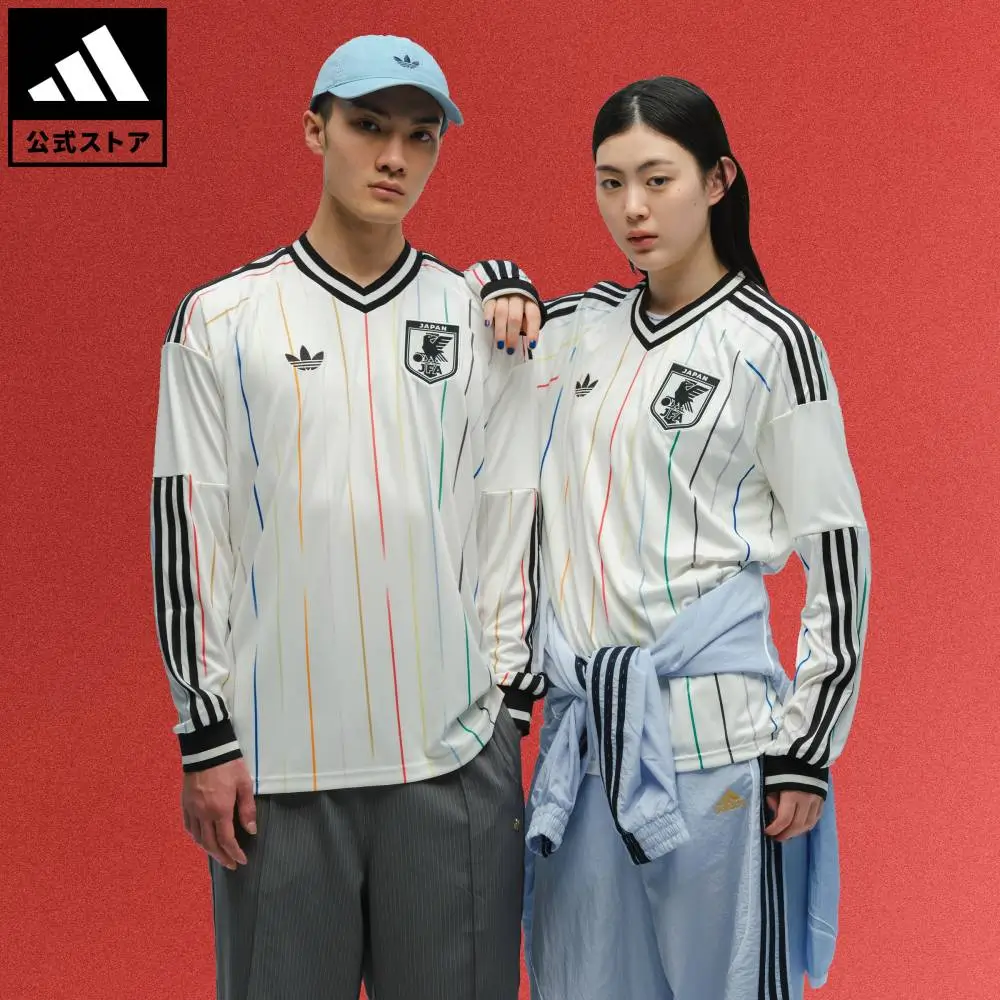
Models showcase the adidas Originals x Japan Football Association away jersey, highlighted by subtle multicolored pinstripes and classic black Three Stripes detailing.
huh
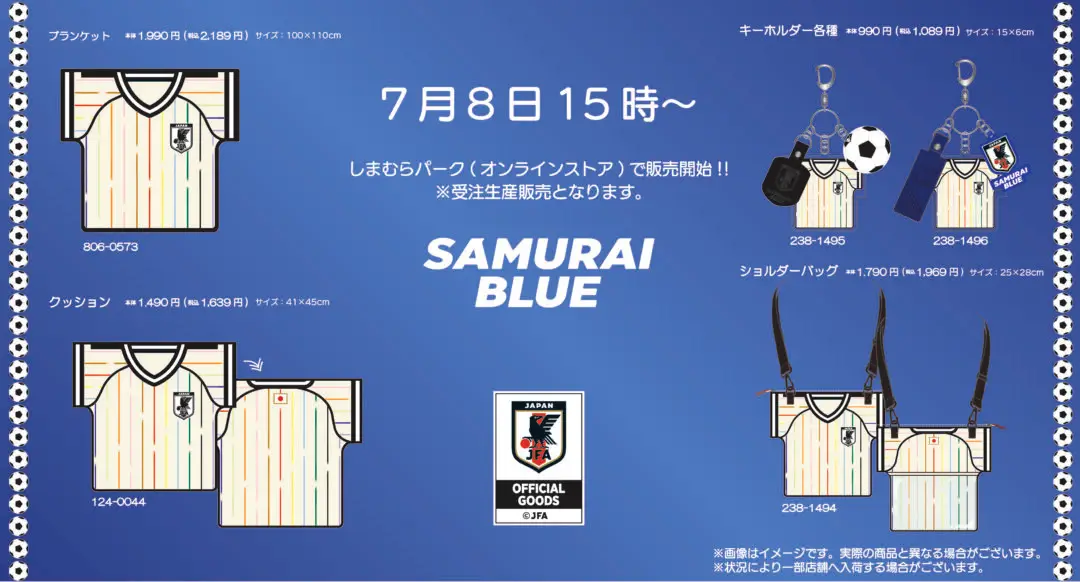
The capsule is deliberately small and deliberately domestic in character. Four items make up the lineup, based on the rollout shared through Shimamura’s official social channels:
- A blanket, priced at 2,189 yen (tax included)
- A cushion, priced at 1,639 yen
- A shoulder bag, priced at 1,969 yen
- A set of keyholders in multiple designs, priced at 1,089 yen each
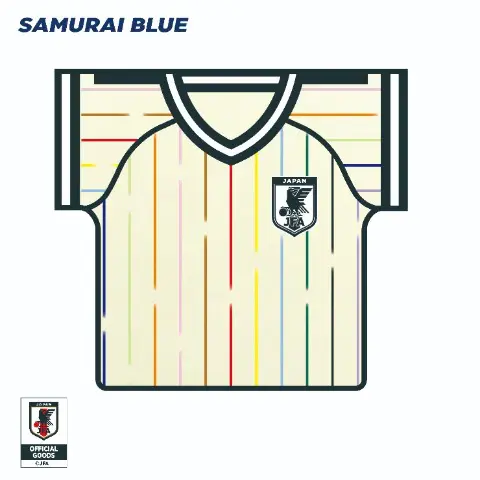
None of these are jerseys, and none are positioned as replicas in any technical sense. They are lifestyle objects that borrow the away kit’s white base and its now-recognizable graphic motif, aimed squarely at supporters who want to bring the design into daily life rather than match-day wear. A blanket for the living room during a broadcast, a cushion for the sofa, a bag that can go anywhere, and a keyholder that fits in a pocket or on a backpack strap. It is merchandising built for repetition and visibility rather than for the stadium concourse.
The pricing sits at the low end of what officially licensed football merchandise typically costs in Japan, which appears to be the entire point. Authentic and replica jerseys from the national team’s kit supplier occupy a meaningfully higher price bracket, and for a supporter base that has spent much of the tournament unable to secure the white jersey at all, Shimamura’s goods offer a way to participate in the moment without the friction of stock shortages or premium pricing.
why
To understand why a mid-market retailer would move this quickly on a design, it helps to look at what the away kit represented in the first place. Japan’s white uniform for the North and Central America World Cup arrived with a graphic scheme distinct enough to generate conversation well beyond the usual kit-release cycle, and it became one of the more visually referenced jerseys of the tournament as Japan advanced through the knockout rounds. Demand for the retail version has reportedly outpaced supply since the opening weeks of the competition, with the white edition proving harder to source than the team’s blue home shirt.
That scarcity is the backdrop against which Shimamura’s announcement makes commercial sense. A fan who has been unable to find the jersey in their size, or unwilling to pay authentic-kit pricing, now has a lower-commitment way to signal support using the same design vocabulary. It is a familiar pattern in fashion more broadly — when demand for a flagship item outstrips supply, adjacent, lower-cost goods built around the same view identity tend to fill the gap. Shimamura has simply applied that logic to a football shirt mid-tournament, at a scale most licensed merchandise programs move too slowly to match.
7/8(水)15:00~しまむらパーク(オンラインストア)にて「サッカー日本代表」のユニフォームデザインのアイテムが登場!
詳細は画像をご確認ください。
この機会をお見逃しなく!https://t.co/OHC7XlO6ke pic.twitter.com/nlC2nPjaTS
— ファッションセンターしまむら (@shimamura_gr) July 7, 2026
explain
All four items will be sold on a made-to-order basis, meaning production only begins once the ordering window closes, rather than shipping from existing warehouse stock. For supporters, the practical upside is straightforward: place an order within the acceptance period and the item is guaranteed to be produced, rather than competing against other shoppers for a fixed quantity that could sell out in minutes. The tradeoff is a longer wait between order and delivery, which is standard for this kind of pre-order retail structure in Japan and one Shimamura itself has used repeatedly for prior character and influencer collide.
This approach also gives Shimamura room to gauge real demand before committing to a production run, which matters for a design tied to a moving, unpredictable variable like tournament performance. If Japan’s run continues to generate attention, a made-to-order structure lets the retailer respond to that attention without the risk of overproducing goods tied to a specific result or a specific news cycle.
merch
This is not Shimamura’s first pass at national team merchandising, and that history is part of why the announcement landed the way it did. Ahead of the tournament’s kickoff, the chain had already released a separate line of Japan national team collaboration goods, built around the blue home uniform rather than the white away kit. The July 8 capsule effectively completes the pairing, giving supporters a home-kit-inspired option and now an away-kit-inspired option across the same soft-goods format.
The strategy reflects a broader pattern in how value retailers in Japan have approached officially adjacent sports and character merchandising: move fast, keep the price point low, and lean into product categories — blankets, cushions, bags, small accessories — that carry low production risk and high everyday visibility. It is a different lane entirely from what a performance-apparel brand does with an authentic jersey, and Shimamura is not attempting to compete in that lane. Instead, it is building a second, cheaper on-ramp into the same culture moment.
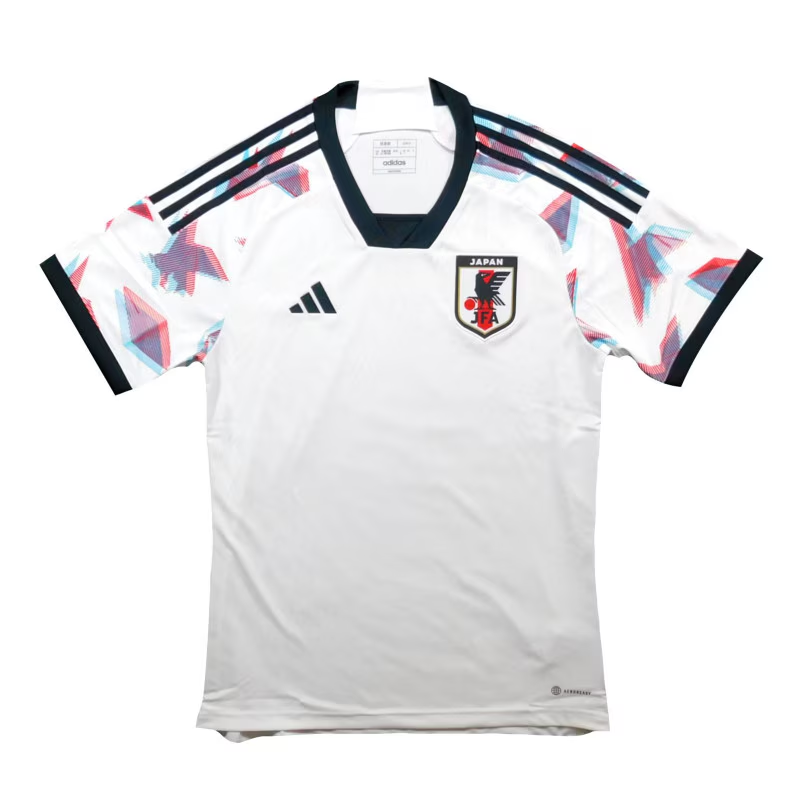
The adidas Japan Football Association away jersey pairs a minimalist white body with bold geometric sleeve graphics, classic Three Stripes detailing, and the iconic JFA crest.
This is also consistent with how Shimamura has operated outside of football entirely. The chain has built a steady cadence of collaborations with influencers, character properties, and seasonal licensed goods, typically structured around the same made-to-order model and the same small-batch soft-goods categories — shoulder bags, tote bags, cushions, blankets — that let it test cultural relevance without carrying the inventory risk of a full apparel run. A national team collaboration fits neatly into that existing production and merchandising infrastructure rather than requiring anything new, which likely explains how quickly Shimamura was able to turn a mid-tournament cultural moment into a shelf-ready product. Where a licensed apparel brand might need months to design, sample, and produce a new item, Shimamura’s soft-goods pipeline appears built for exactly this kind of fast turnaround.
fan
Reaction to the announcement has been immediate and largely enthusiastic, running through the same channels where Shimamura first revealed the lineup. Comments have centered on two recurring themes: relief at finally having an accessible way into the white kit’s design, and surprise that a value retailer moved on the trend this fast. One recurring sentiment across replies noted the shoulder bag in particular as an early favorite, with several commenters singling it out as the item they planned to order first. Others focused on the keyholders as a lower-commitment entry point, describing them as a practical way to carry a piece of the design without needing to style an entire outfit around it.
That kind of response is notable given how crowded the football-adjacent merchandise space has become around this tournament cycle. Fans have had no shortage of options — official kit releases, retro reissues, novelty collaborations — and yet a domestic clothing chain’s soft-goods capsule is generating the kind of immediate, specific reaction usually reserved for a marquee jersey drop. Part of that comes down to timing: the announcement arrived without warning, in the middle of an active news cycle around the tournament, which meant it reached an audience already primed to engage with anything carrying the team’s visual identity.
extent
Officially licensed replica and authentic jerseys for the Japan national team continue to be sold through the brand’s own channels and through the JFA Store, the Japan Football Association’s official retail platform, which carries the full current uniform range alongside a wide catalog of team-branded accessories, homeware, and novelty items. That parallel catalog — everything from travel cases to stationery to seasonal collide — shows that the appetite for national team-branded goods well beyond the jersey itself is not new. What Shimamura’s drop adds is a genuinely mass-market price point inside that same appetite, positioned for supporters who want in on the aesthetic without the outlay a full kit purchase requires.
It also reflects a pattern that has become more visible around this particular tournament cycle: interest in the Japan national team’s identity, on the pitch and in its visual branding, has extended into product categories that have nothing to do with performance wear. Figurines, building-brick sets, fragrance, phone cases, and now soft furnishings have all carried the team’s design language into everyday retail. Shimamura’s contribution sits comfortably inside that trend rather than outside it, distinguished mainly by how quickly it moved from tournament moment to shelf-ready product.
What makes the timing especially interesting is that Shimamura’s capsule arrives while the tournament itself is still unfolding, rather than after the fact as a commemorative release once results are settled. Most licensed merchandise tied to a national team’s performance — celebratory apparel, milestone-specific goods, retrospective collections — tends to follow a result, giving retailers time to plan around a known outcome. A made-to-order soft-goods drop launched mid-tournament is a bet on continued attention rather than a reaction to a finished story, and it is a bet that a low price point and quick production turnaround make relatively easy to place. If the team’s run continues to generate headlines, Shimamura’s capsule benefits from that attention directly; if interest cools, the made-to-order structure limits how much inventory risk the retailer is actually carrying.
The Shimamura Park logo combines a minimalist T-shirt silhouette with bold Japanese branding and a rainbow accent, reflecting the retailer’s fashion-focused online marketplace.
hint
Ordering opens July 8 at 15:00 Japan time exclusively through Shimamura Park, the retailer’s official online storefront. Because the goods are made-to-order, availability is not expected to be capped by a limited stock drop in the way a typical flash release would be — the relevant deadline is the close of the ordering window itself, after which production begins. Supporters interested in the blanket, cushion, shoulder bag, or keyholders should plan to place orders promptly once the window opens, given the volume of attention the announcement has already generated on social media.
For supporters looking to compare against official channels, the JFA Store and the team’s kit supplier continue to carry the authentic and replica versions of both the home and away uniforms, along with the wider catalog of team-branded merchandise, for those who want the genuine jersey rather than a lifestyle interpretation of it.
From the DRIFT archive: Cornell Team Develops Ultrablack: The “Darkest Fabric Ever” That Reflects Close to No Light · Tactical Elegance: Inside Bramford London Aqua Blue Three-Pocket Watch Roll
Related Articles

Blown Spheres On An Extruded Bar
Luce Sferica by Ronan Bouroullec for Flos. Modular suspension. Glass spheres ~180 mm. Dual LED strips. Touch dimmer. Three lengths.