DRIFT AUDIO
Listen to this story
Choose a voice, then press play.
Eleven pieces built on calfskin, cotton silk and sterling silver: Supreme’s Fall 2026 collaboration with A.PRESSE puts material ahead of the logo.
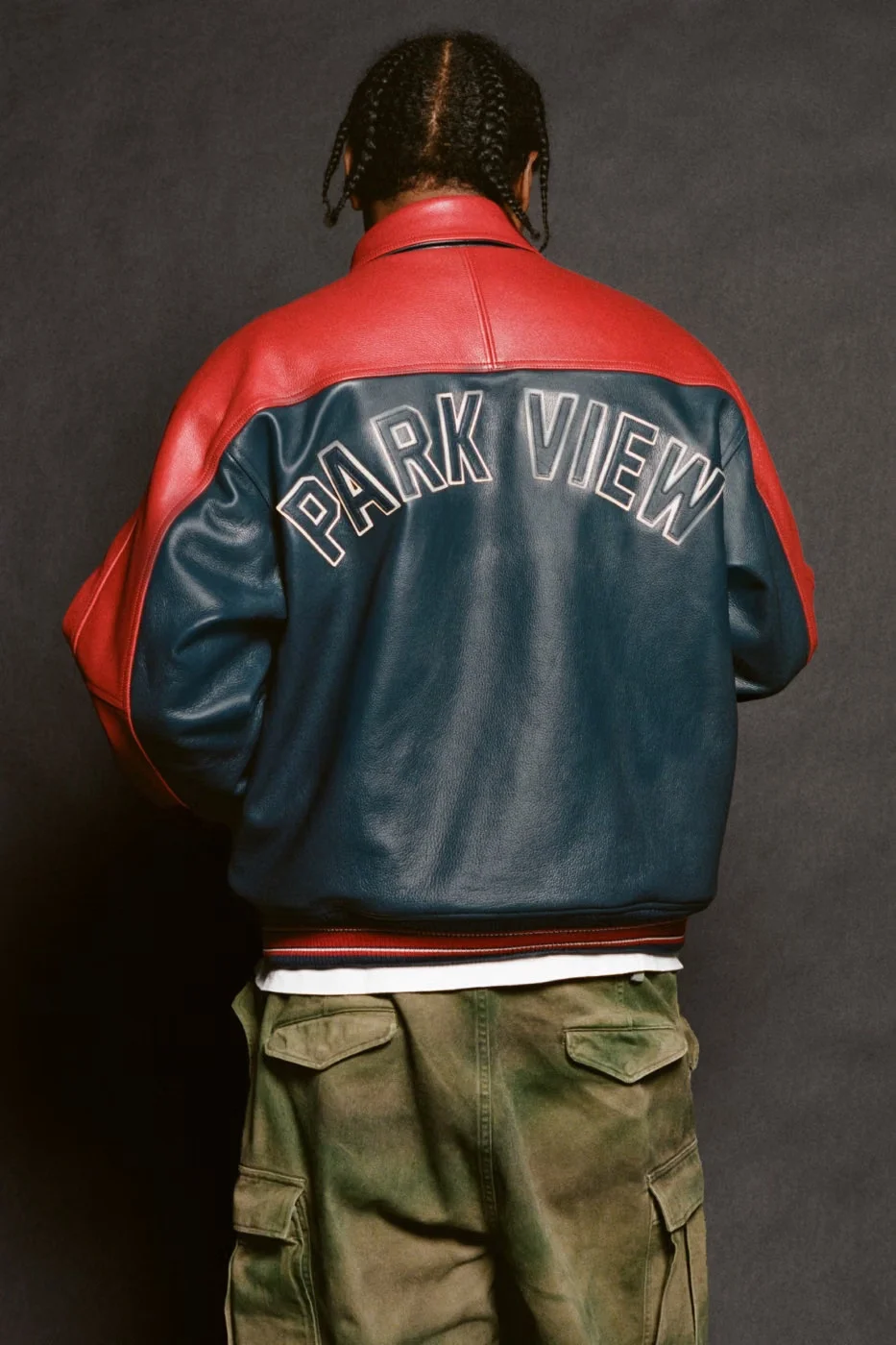
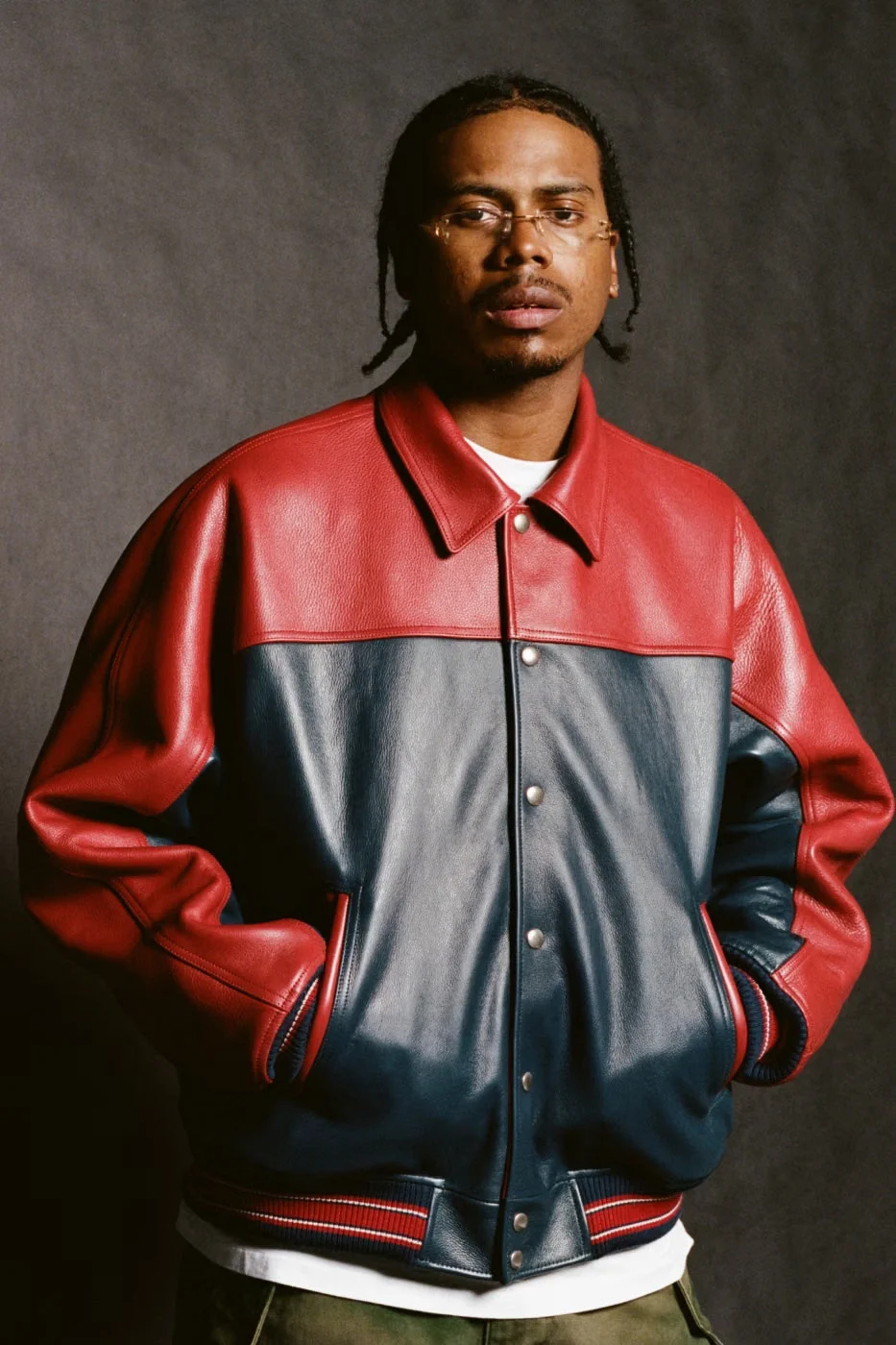
Two versions of the same jacket open Supreme’s Fall 2026 collaboration with A.PRESSE, and the difference between them has nothing to do with color or cut. One is built from calfskin, the other from cowhide, and A.PRESSE chose the pairing on purpose: run one sil through two different hides and let the weight, texture and future wear pattern do the differentiating instead of a design change. That is the whole premise of this collection in miniature. Two labels agreed on a shape, then spent their energy arguing over the material underneath it.
It is a different kind of Supreme collide. The brand has merge with tailors, sculptors, camera makers and skate crews for more than three decades, but a typical drop still leans on a logo pairing or a sig print somewhere in the mix. This one keeps graphics to almost nothing. Leather, cotton, silk, cashmere and sterling silver carry the range across leather outerwear, tailor, knitwear, workwear and accessor, and every fit in the collection was developed jointly by both labels rather than adapted from an existing block pattern on either side.
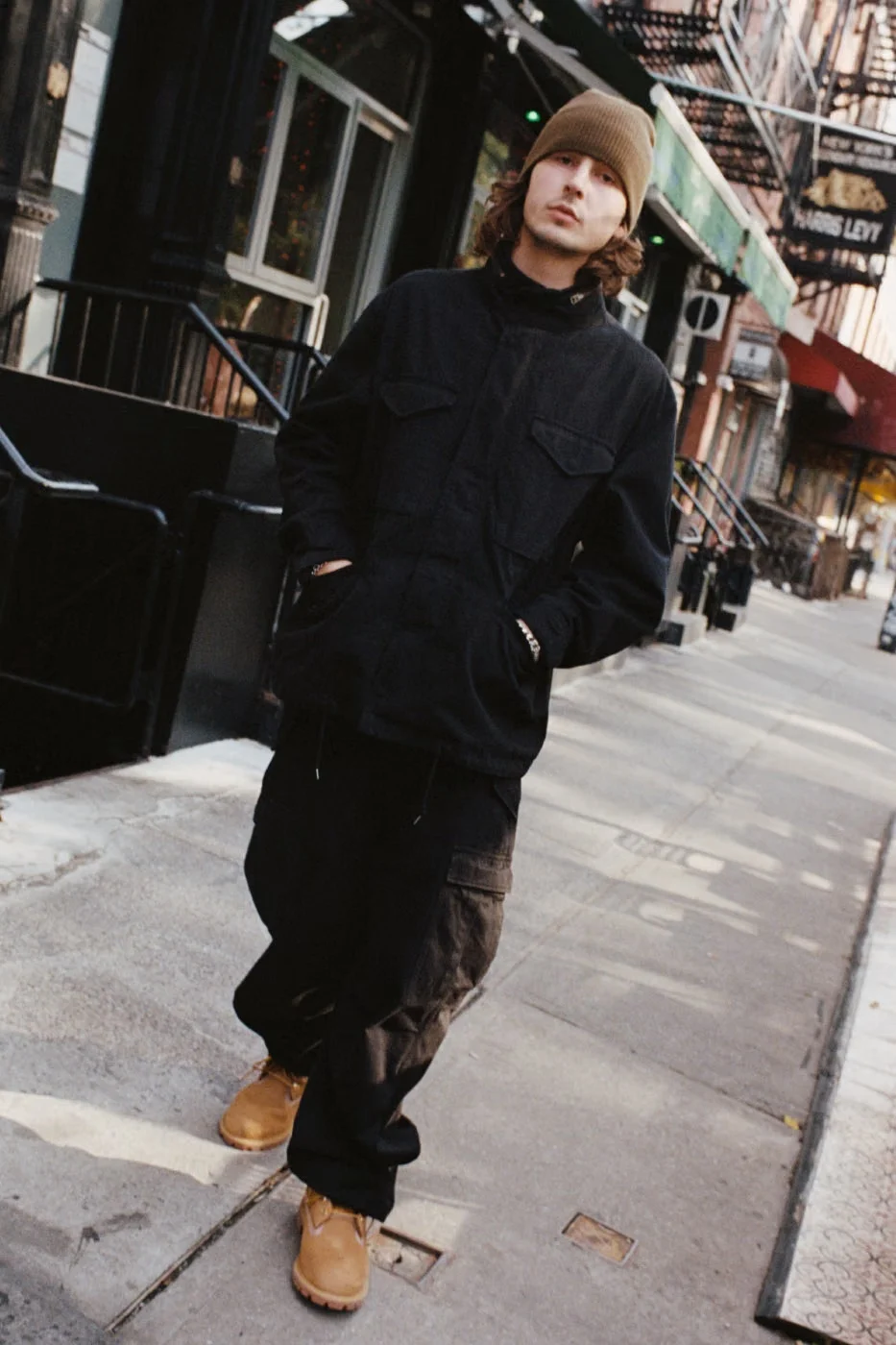
A street-style photograph of a young man standing on a city sidewalk wearing an olive green beanie, a black utility jacket over a black turtleneck, baggy black cargo pants, and tan work boots.
A.PRESSE is the newer, quieter name in that pairing, and it has earned its reputation the slow way. Founder Kazuma Shigematsu started the label in 2021 after years spent directing other brands, including HERILL, WEEKEND and DAIWA PIER39, and after founding his own import company, Anthings, in 2017. A.PRESSE is not built like a typical single-designer house. Shigematsu leads a team of three designers under a concept the label calls its clothing editorial department, the group holding repeated discussions over each individual piece the way a magazine staff might argue over what belongs in an issue, treating each season less like a runway statement and more like an edited publication than a personal collection. He has said the instinct behind that comes from a preference for things that outlast a single decade over things that announce a specific one, and has pointed to the mid-century period and earlier as the design well he keeps returning to, arguing that most of what counts as new is really a repetition of something older. Asked about the noise around fashion right now, he told Highsnobiety there is “too much information, too much influence,” and that people are drifting back toward clothing that just feels simple and well made.
That restraint shows up in how little of A.PRESSE actually exists in public. The label runs two stores, one in Tokyo’s Jingumae district and one in Kyoto, and no online shop at all, a detail value rely source pointed to when it named A.PRESSE its Best New Brand in the most recent Hypebeast 100. The Jingumae store itself is a semi-basement space finished in a sand and straw plaster, furnished with mid-century Brazilian and Danish pieces rather than anything that announces itself as a clothing shop, and garments there, particularly jeans and sweatshirts, have reportedly sold out the same day they arrive. Chris Gibbs of Union Los Angeles, one of the label’s earliest stockists in the US, has put the appeal in blunter terms. “It is really the fit,” he said. “Everything just fits and drapes perfectly.” That is the sensibility Supreme borrowed for Fall 2026, minus the part where a customer has to fly to Tokyo or Kyoto to shop it.
flow
The Leather Jacket is the collection’s most literal fabric lesson. Building the same pattern in calfskin and in cowhide means the two finished jackets carry genuinely different weight and hand, even with an identical silhouette between them. Calfskin, taken from younger animals, tends to run thinner, softer and quicker to break in, which is why it usually turns up in more refined leather goods; cowhide is heavier, coarser and holds its structure on a longer clock, the material of choice for anything meant to take abuse, and it ages in its own separate way, developing a different pattern of creasing and shine over time than a calfskin piece ever would. Putting both versions in the same collection, rather than choosing one and moving on, turns a single design decision into two distinct objects, which is a fairly direct way of proving the point A.PRESSE makes across the entire range: the material changes everything, even when the shape stays put.
View this post on Instagram
It fits a label whose leatherwork already carries a reputation ahead of it. A.PRESSE develops most of its own fabrics domestically in Japan, but its leather typically comes from further afield, and the finished jackets, from driving silhouettes to trucker cuts, have built a following among menswear specialty shops for a broken-in softness that normally takes years to earn honestly. Putting two hides in front of shoppers at once, rather than picking one and moving on, is very on brand.
scope
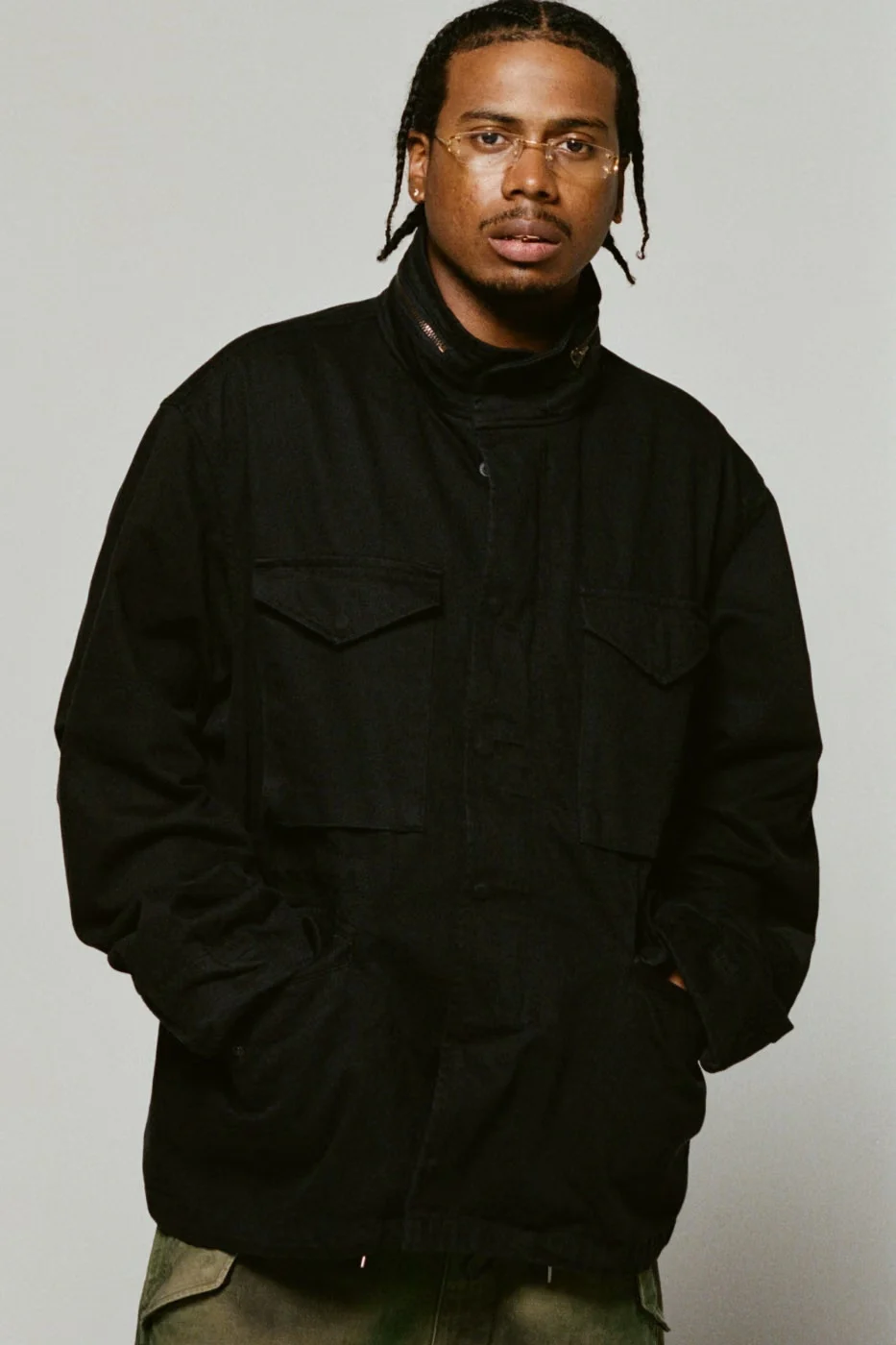
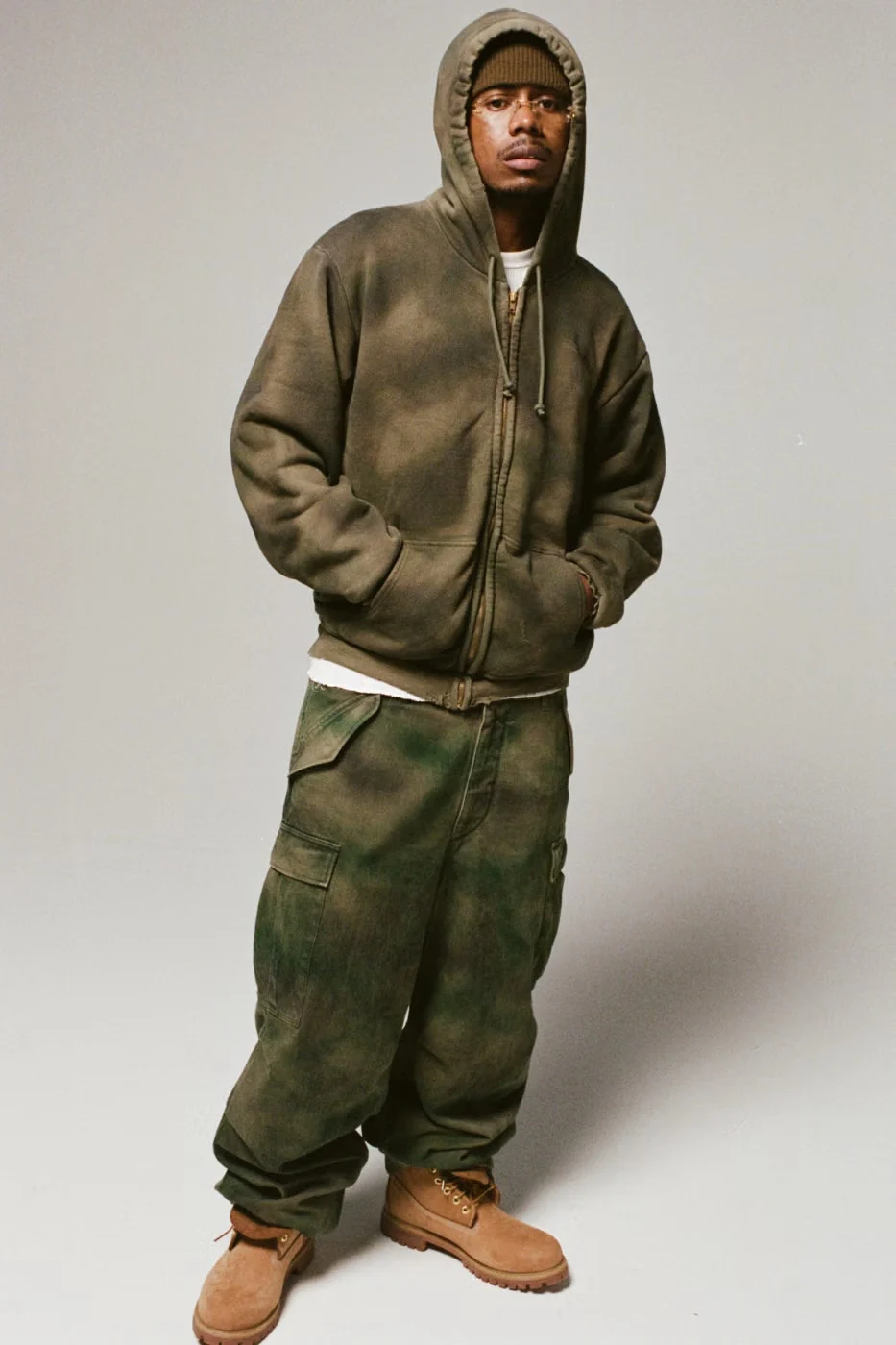
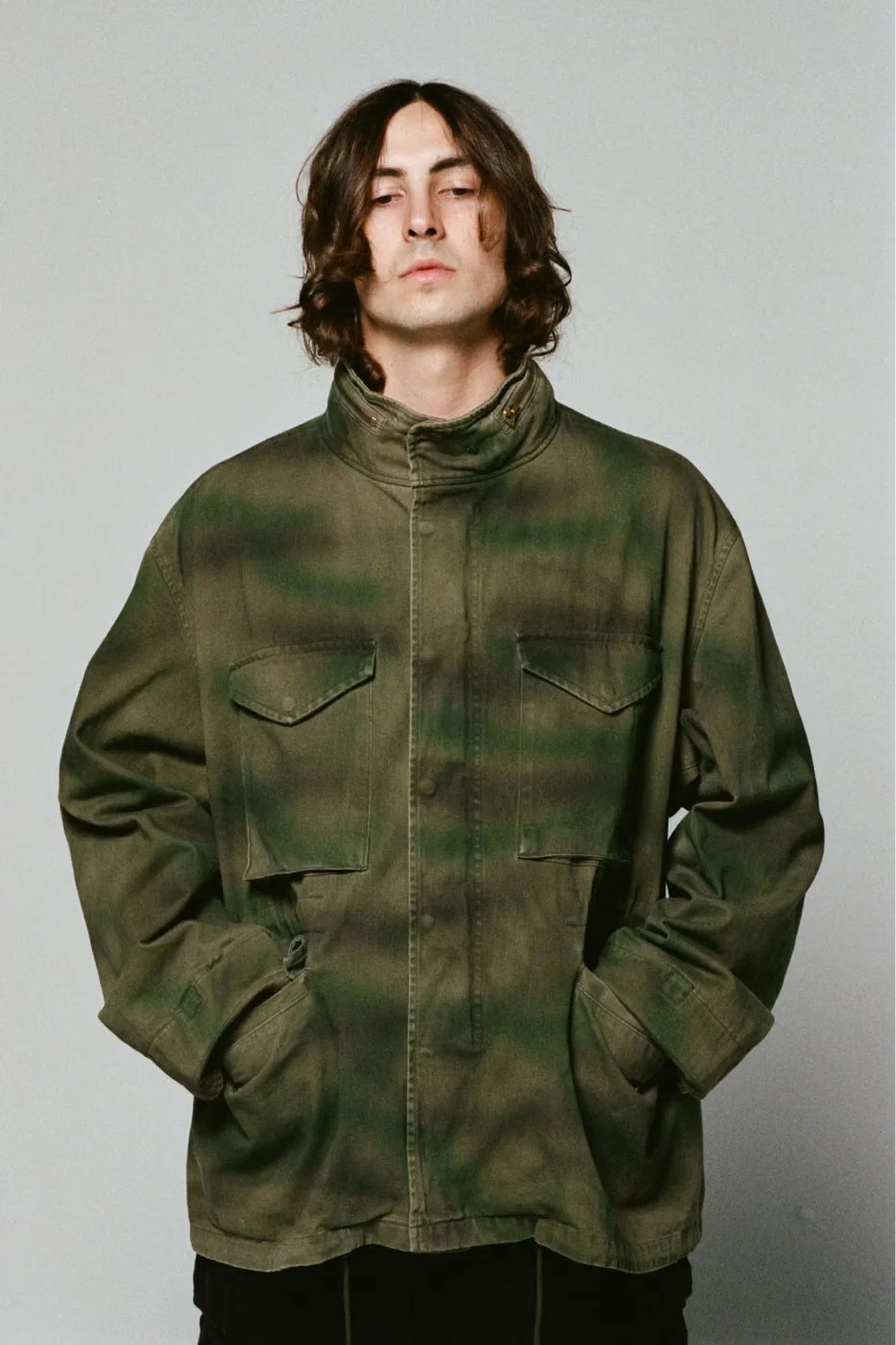
Military reference takes over with the M-65 and the Cargo Pant, both finished in a camouflage pattern A.PRESSE applied by hand rather than printed in bulk. That distinction is bigger than it sounds on a spec sheet. A hand-applied finish means no two pieces come out exactly alike, in roughly the same way that no two pieces of real vintage military surplus wear down the same way, and it plugs directly into A.PRESSE’s habit of aging and roughing up fabric on purpose instead of shipping it factory new. The M-65 field jacket and the cargo trouser are both shapes A.PRESSE returns to often. US Army surplus runs through the label’s collections regularly, field jackets, utility jackets, fatigue trousers, rebuilt with updated proportions and, here, a finish that a machine could replicate faster but nowhere near as convincingly.
Supreme has spent decades in this same territory. Field jackets and camouflage prints have moved through its own collections since the brand’s early years, which makes the M-65 and Cargo Pant read less like new ground for Supreme and more like familiar shapes rebuilt by a collaborator who treats the finishing with as much seriousness as the cut.
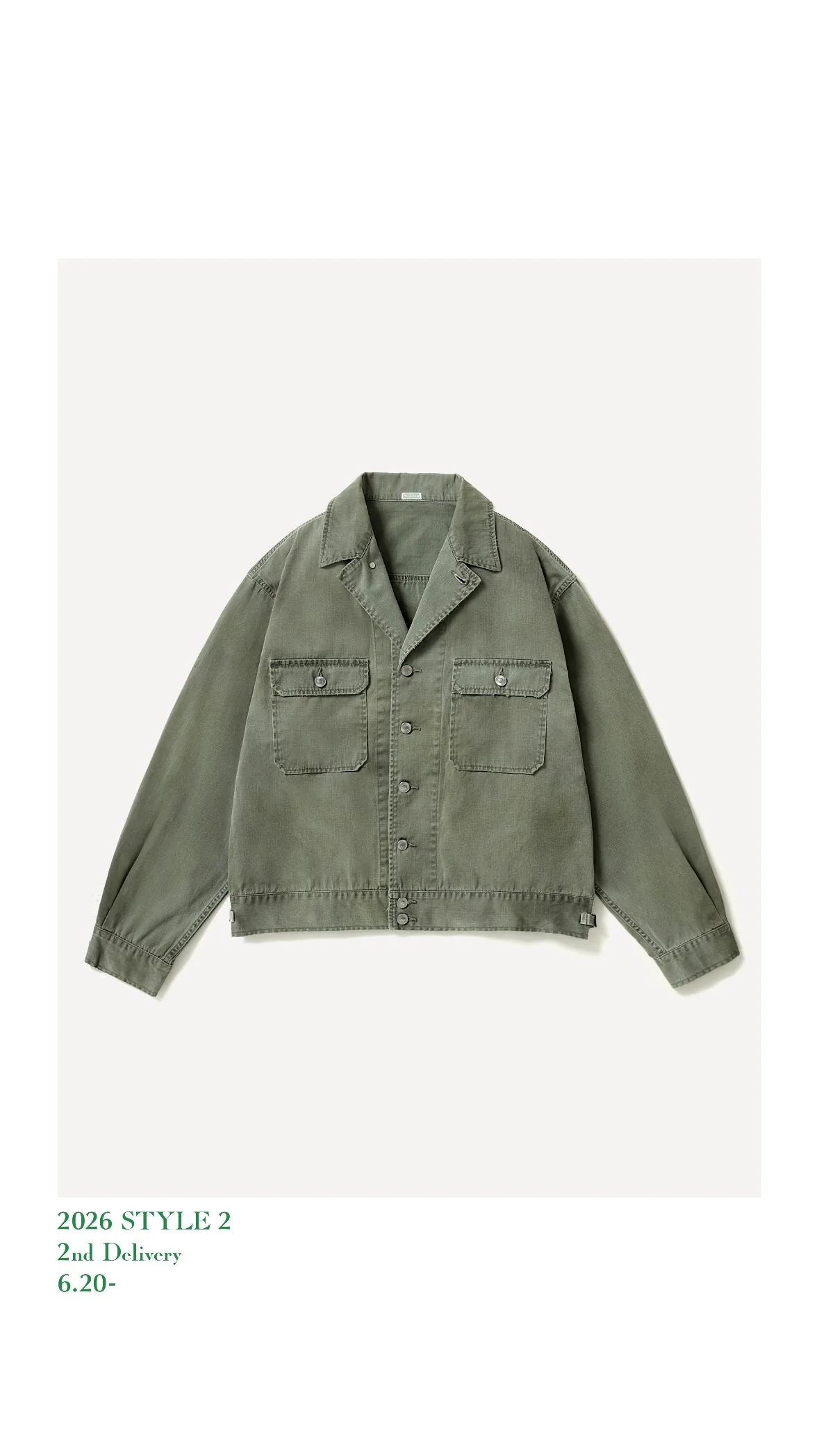
A flat-lay product shot of a faded olive green overshirt jacket with a collar, two chest flap pockets, and button closures, presented on a clean white background with text reading “2026 STYLE 2 2nd Delivery 6.20-” in the bottom left corner.
length
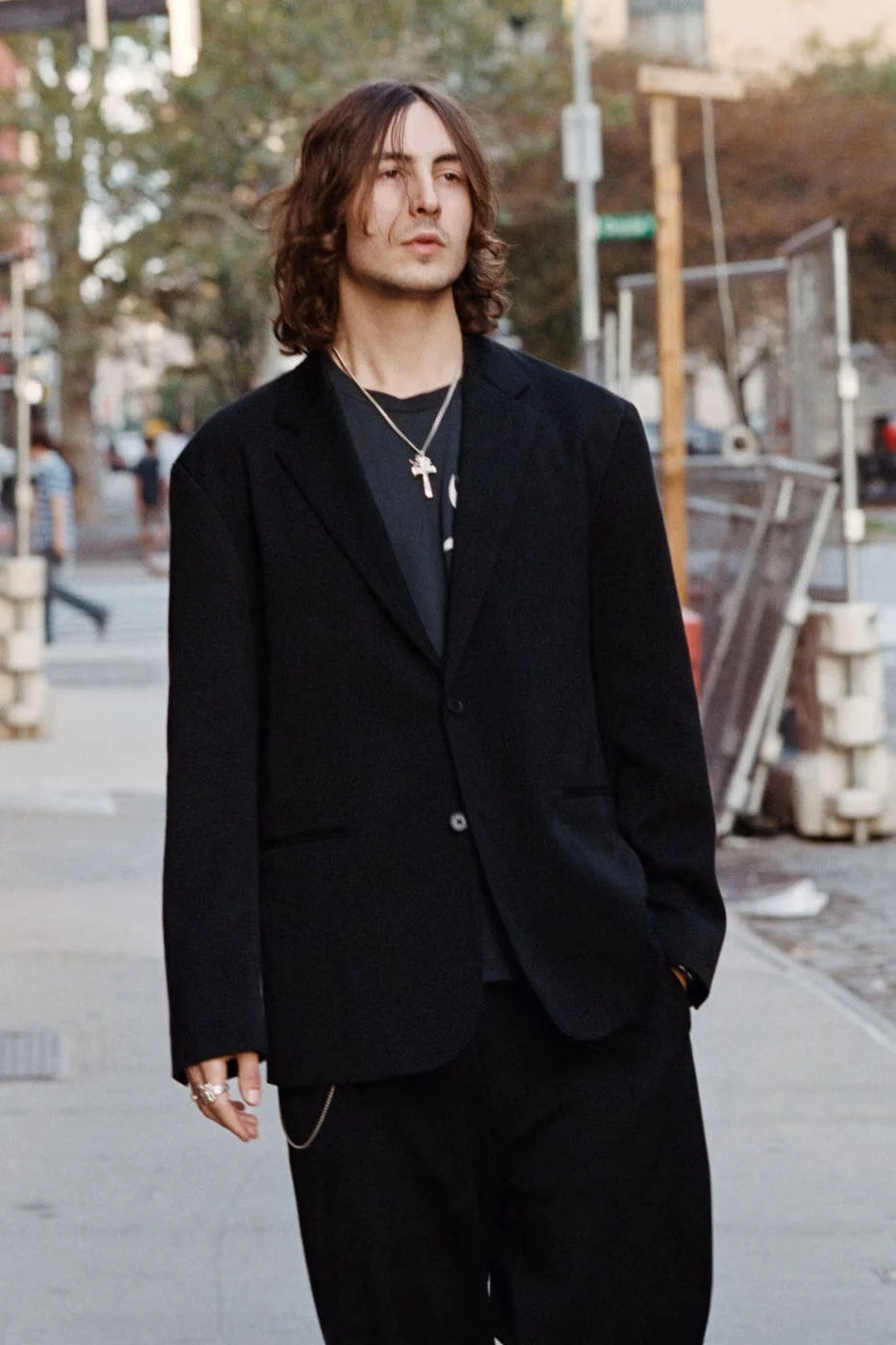
Tailoring gets the same material attention as the outerwear. The Suit runs on a cotton-silk blend, a fabric choice built to hold the shape tailoring needs while draping softer than an all-wool cloth would, closer to how a suit feels in warmer weather without giving up the structure that keeps it reading as tailoring instead of loose separates.
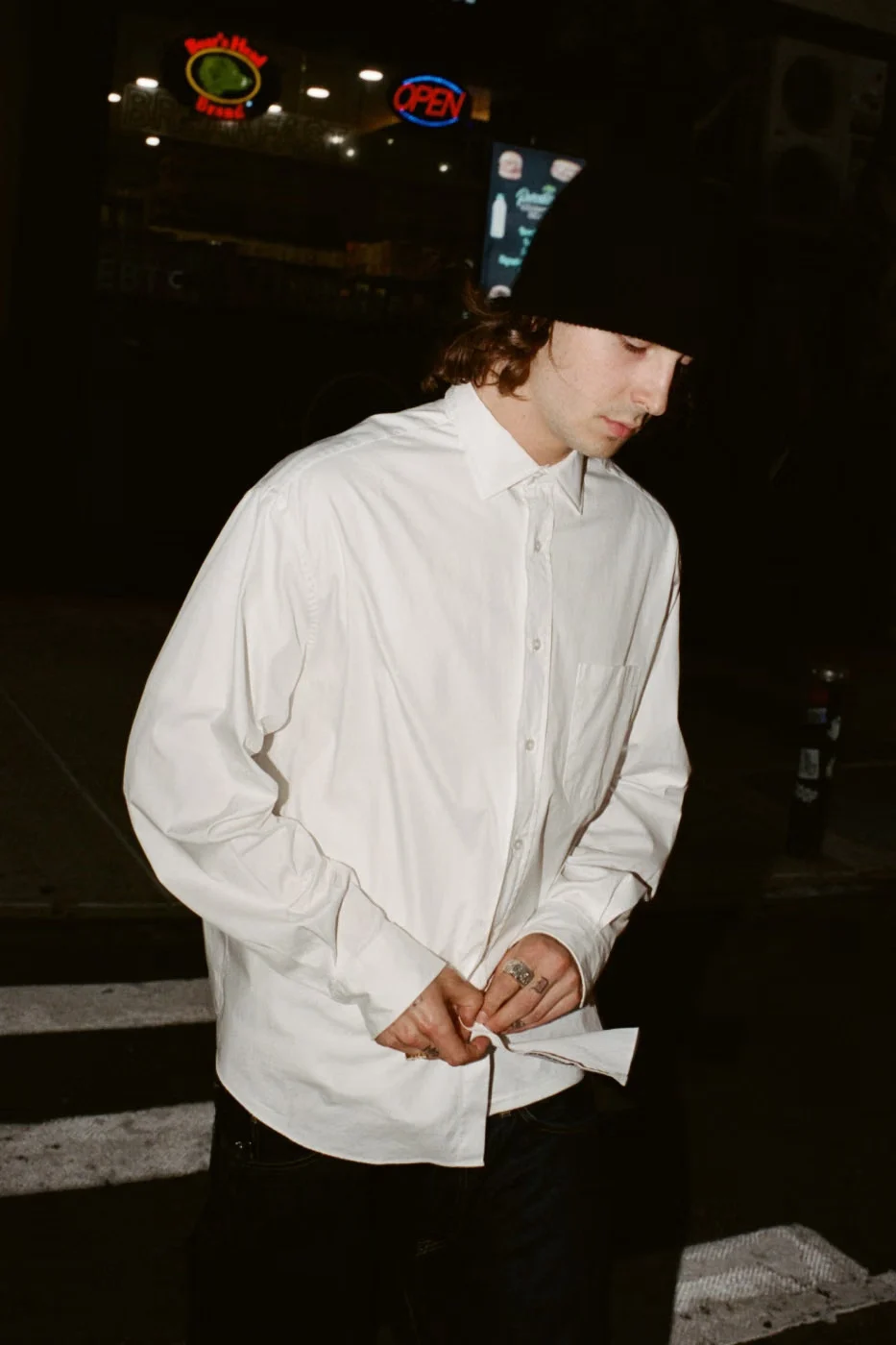
The Shirt is where the collection’s fabric story gets its deepest history lesson. Supreme and A.PRESSE built it from a cotton pin Oxford woven by David & John Anderson, a name that traces back to a Scottish shirting mill with archival records dating to 1826. Oxford cloth itself has an origin story worth knowing before it ends up under a Supreme collar: a 19th-century Scottish mill once produced four basketweave fabrics, each named for a prestigious university (Yale, Cambridge, Harvard and Oxford), and only the Oxford weave survived in any meaningful way. The basketweave construction, multiple threads crossed over an equal number of others, is what gives Oxford cloth its texture and its durability, softening with wear rather than wearing out. Its link to the button-down collar came later, and almost by accident, when American shirtmaker John E. Brooks reportedly noticed polo players in England buttoning their collars down to keep them out of their faces mid-match, then brought the idea home to what became Brooks Brothers.
David & John Anderson’s own story has run a stranger course than the fabric it is known for. For more than a century the mill wove shirting in Scotland, including Oxford cloth that Brooks Brothers itself once sourced directly. In the 1990s, the name was bought by Italy’s Albini Group, the same company behind English weaver Thomas Mason, and today David & John Anderson sits at the top of Albini’s own cloth hierarchy, reserved for its rarest materials. So the David & John Anderson cotton in Supreme and A.PRESSE’s Shirt carries two centuries of Scottish shirting history inside a mill now under Italian ownership, a small irony that fits neatly into a collection this focused on where its materials actually come from.
extend
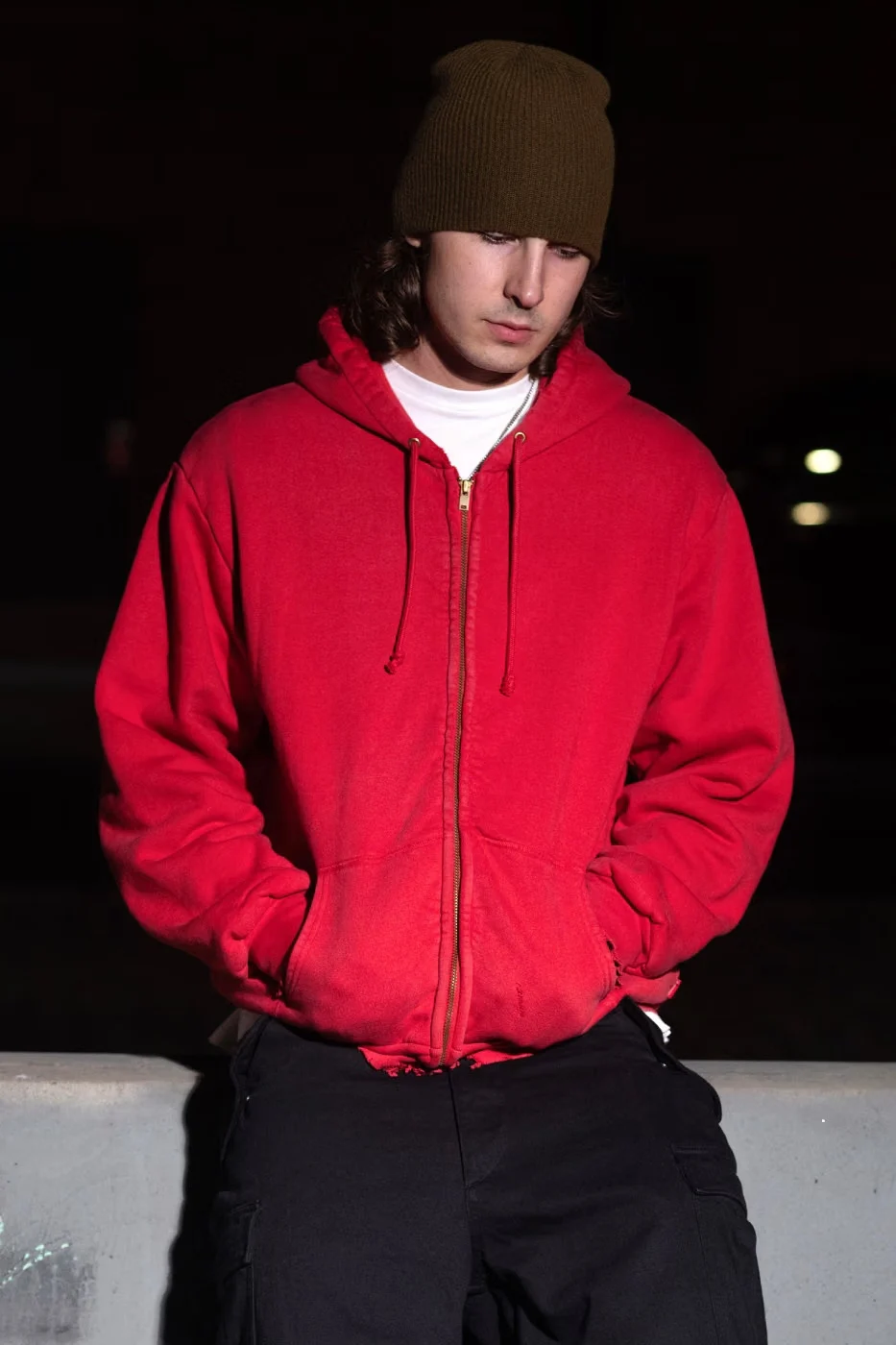
A cloth waffle thermal lining keeps the construction focus going on the Vintage Zip Up Hooded Sweatshirt, the kind of texture usually reserved for base layers, built inside a hoodie instead so the garment adds warmth without adding outward bulk.
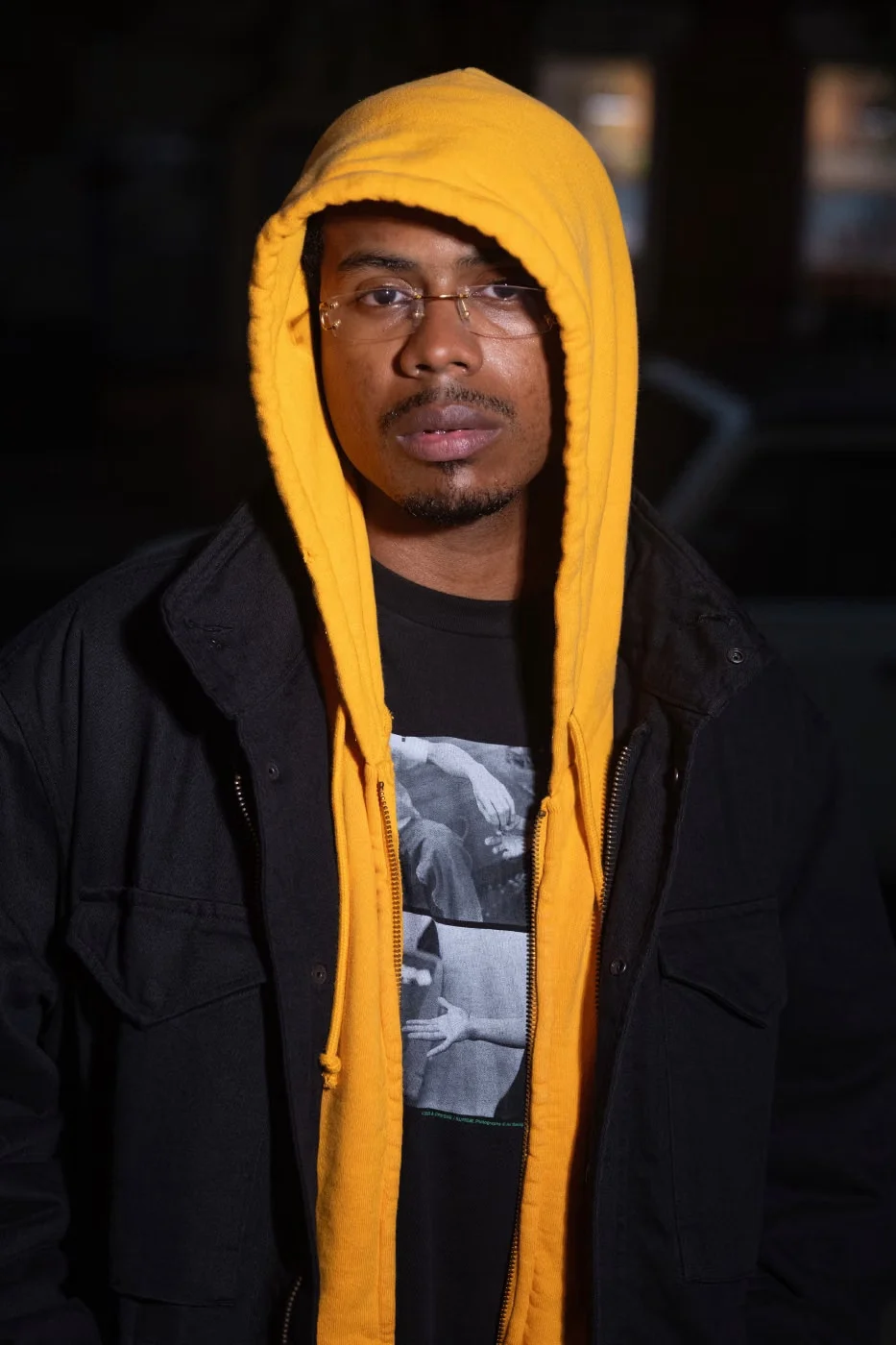
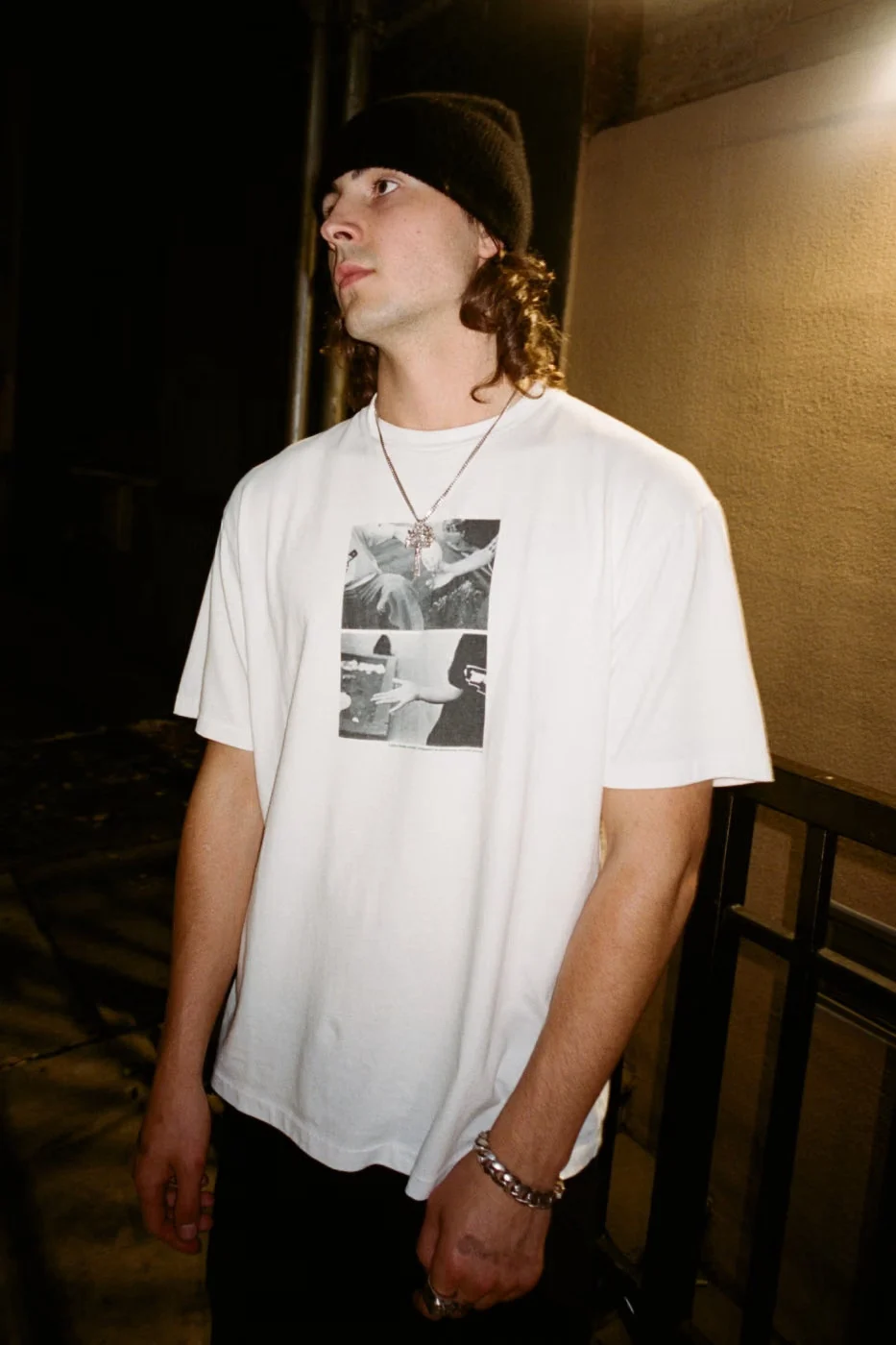
The Tee is the collection’s one real graphic, and even then, the graphic is original photography rather than a logo. Supreme built it around images by Ari Marcopoulos, the Amsterdam-born, New York-based photographer known for documenting skate and hip-hop culture from an embedded perspective, whose relationship with the brand goes back to the start. Marcopoulos began photographing the skaters Supreme sponsored the same year the store opened, in 1994, and has shot for the label in different forms ever since, including past campaign work and its 25th-anniversary photo book. He is the same photographer who caught Basquiat in his bathtub, assisted Andy Warhol early in his career, and later shot the cover of JAY-Z’s “Magna Carta Holy Grail.” Putting his work on the Tee brings a genuine art-world convincer into a collection that otherwise avoids graphics almost entirely, and treats the one image in the range with the same specificity as the fabric underneath it.
fin
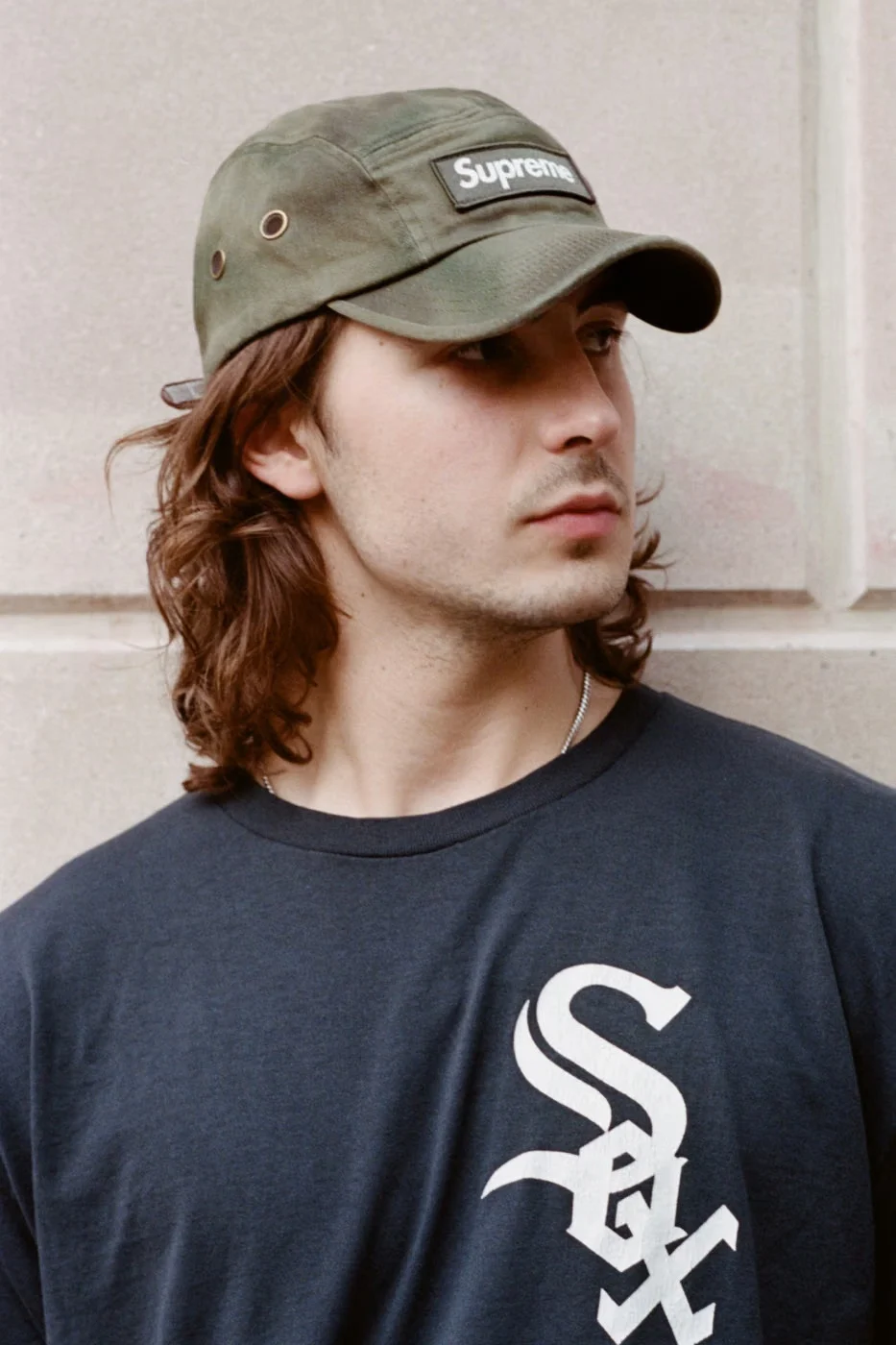
Accessories round out the range without breaking from its material logic. The Camp Cap covers straightforward headwear, while the Cashmere Beanie swaps in a warmer, pricier material for the same basic shape, the kind of upgrade that only really registers once you feel the difference between acrylic and actual cashmere in cold weather. The 20-inch sterling silver Classic Key Chain is the collection’s one full departure from textiles, a solid metal object sitting inside a range otherwise built from cloth and hide. It is a small piece, but it keeps the collection’s argument consistent all the way down to the accessory tier: every material here was a decision, not a default.
A.PRESSE handled production across three countries, Japan, Portugal and the United States, splitting the work by what each supply chain does best rather than centralizing it in one place, per DSCENE’s rundown of the collection. Every fit in the range, down to the Cargo Pant, was developed jointly between the two labels rather than adapted from an existing A.PRESSE or Supreme pattern, which is a meaningful part of why the collection reads as an actual collaboration on cut and proportion rather than a licensing deal with a logo swap.
Retail pricing across the collection is expected to run from roughly $80 up toward $4,500 at the top end, according to early listings, though Supreme had not posted final numbers on its own site as of this writing. The Supreme x A.PRESSE Fall 2026 collection releases September 10, with the Asia release following on September 12. It lands in the middle of a genuine run for A.PRESSE: the label showed in Paris and hosted traveling trunk shows through the first half of 2026, took over HBX’s BELOWGROUND space in Hong Kong for a pop-up back in March, closed out last year as Hypebeast’s Best New Brand, and opens a dedicated space at HBX the same week this collection arrives, five years after Shigematsu started the label with three designers and a concept borrowed from magazine editing. A brand that spent its first few seasons known mostly to specialty menswear shops now has one of streetwear’s biggest names asking to borrow its fabric list instead of the other way around.
Related Articles
BAPE BLACK Sends a Gothic Biker Gang Through a Boro Sew Room for Fall/Winter 2026
Two rival aesthetics share a rack this season: dark rock bikers and shh Japanese stitching, […]